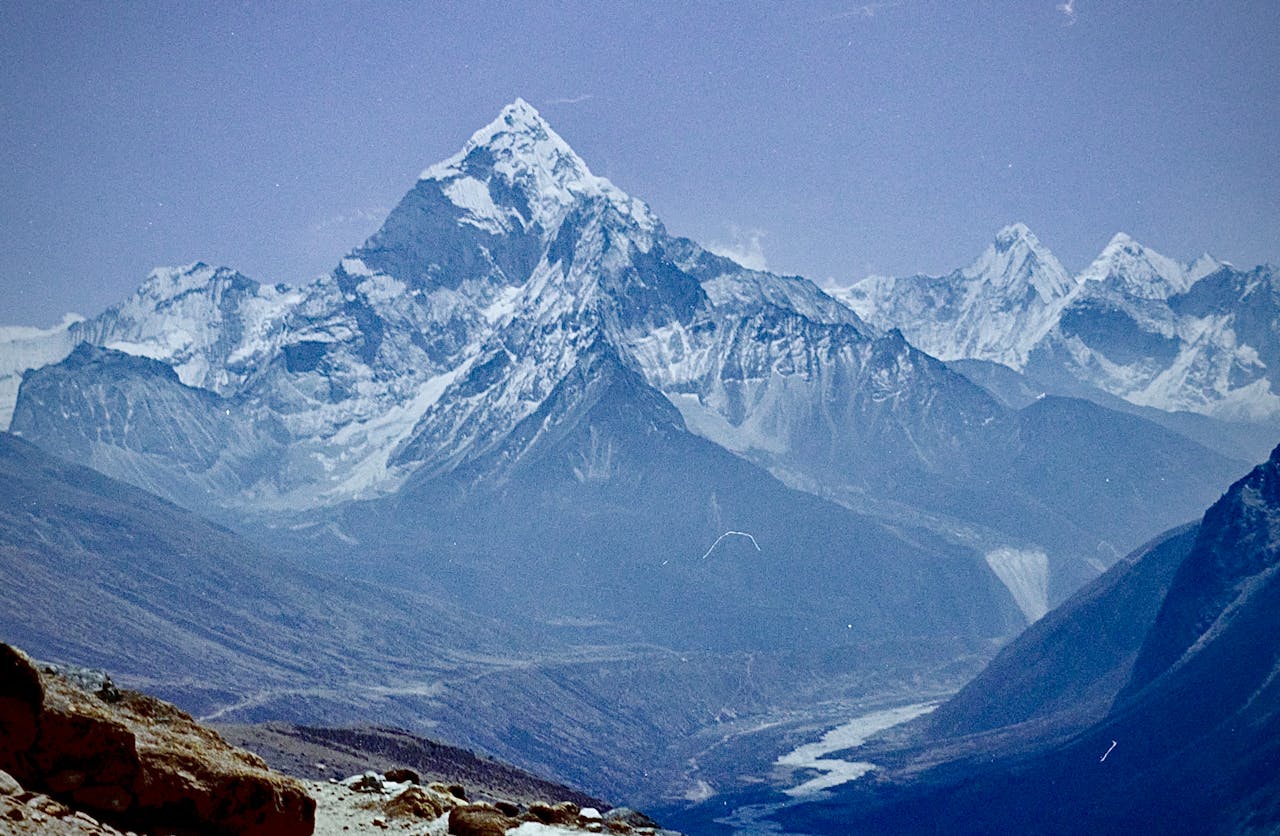
Mount Everest has spent generations as a fixed point in the human imagination, a white pyramid that seems to pin the sky in place. Yet geologists treat height as a moving target, shaped by collisions of plates, grinding erosion, and the shifting math of how sea level is defined. If another summit ever rose higher than Everest, scientists say the drama would be less a sudden coup and more a slow vote counted in millimeters, punctuated by better instruments and clearer standards. The real shock would land in culture: maps rewritten, records revised, and a new mountain forced to carry a century of stories once reserved for one name. Climbers, governments, and satellite teams would argue, then adapt.
First, Scientists Would Ask: Highest By Which Definition?
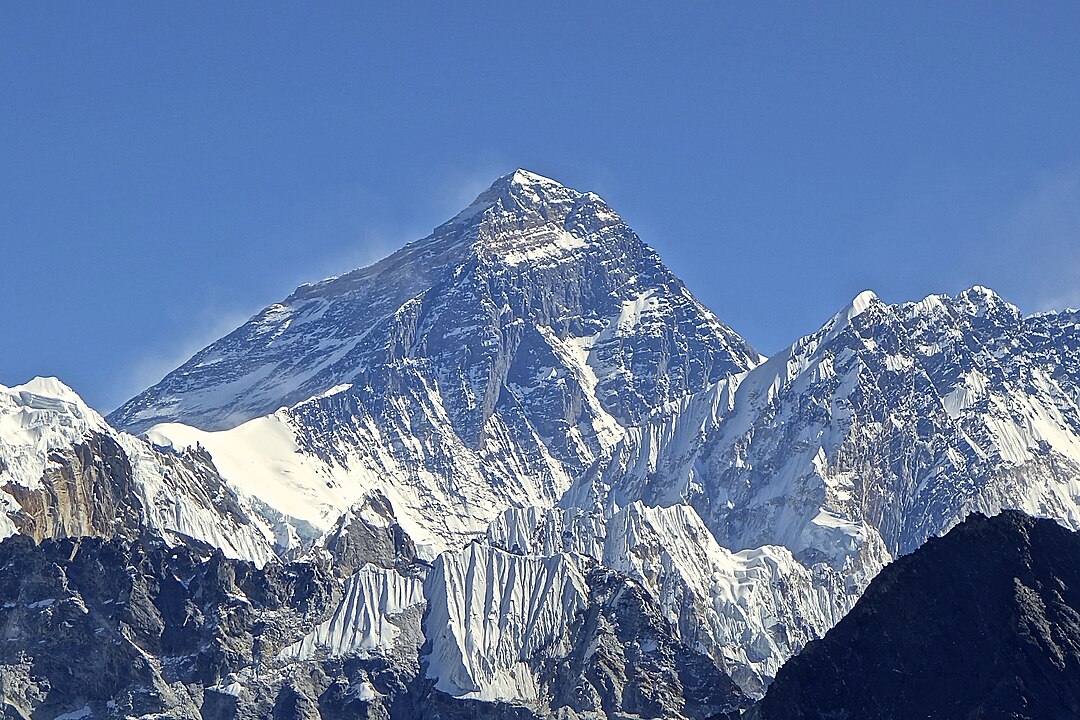
Everest is tallest above mean sea level, but science does not always crown the same peak. Some rankings use distance from Earth’s center, where Ecuador’s Chimborazo wins because the planet bulges at the equator; others use base-to-summit height, where Mauna Kea leads if its underwater base is counted and the ocean floor is treated as ground. If a new summit edged past Everest, researchers would lock down the definition, the geoid model, and the snow-versus-rock rule, then publish uncertainties, so the title could not be argued away by a rounding error. That paperwork would be the real summit push for weeks also.
Survey Teams Would Re-Measure Everything, Not Just One Summit
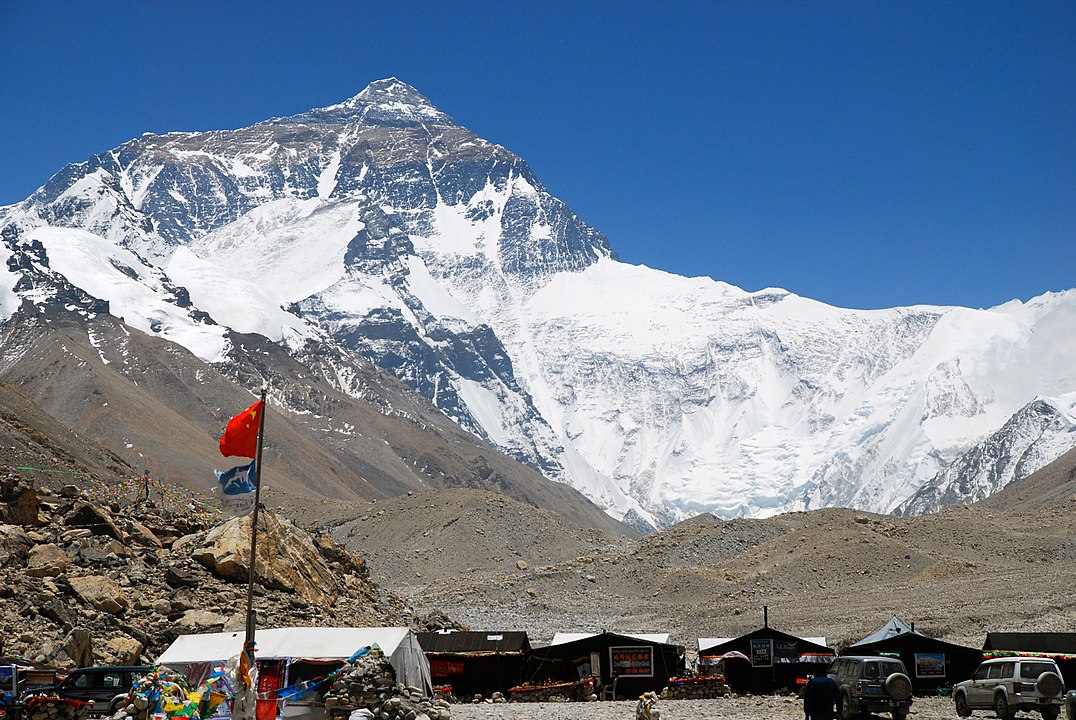
A dethroning would trigger fresh surveys across the high ranges, because a single number is only as good as the network around it. Modern heights come from GNSS receivers on summits, gravimetry, and geoid models that translate satellite positions into mean sea level, plus careful checks on snow depth and the rock point being measured. Even small updates to reference frames can shift reported elevations by centimeters, so teams would re-run calculations for Everest, the new contender, and neighboring giants, then archive the methods for scrutiny. The headline would come last after months of quiet fieldwork alone
The Himalayas Would Keep Rising, Just Quietly
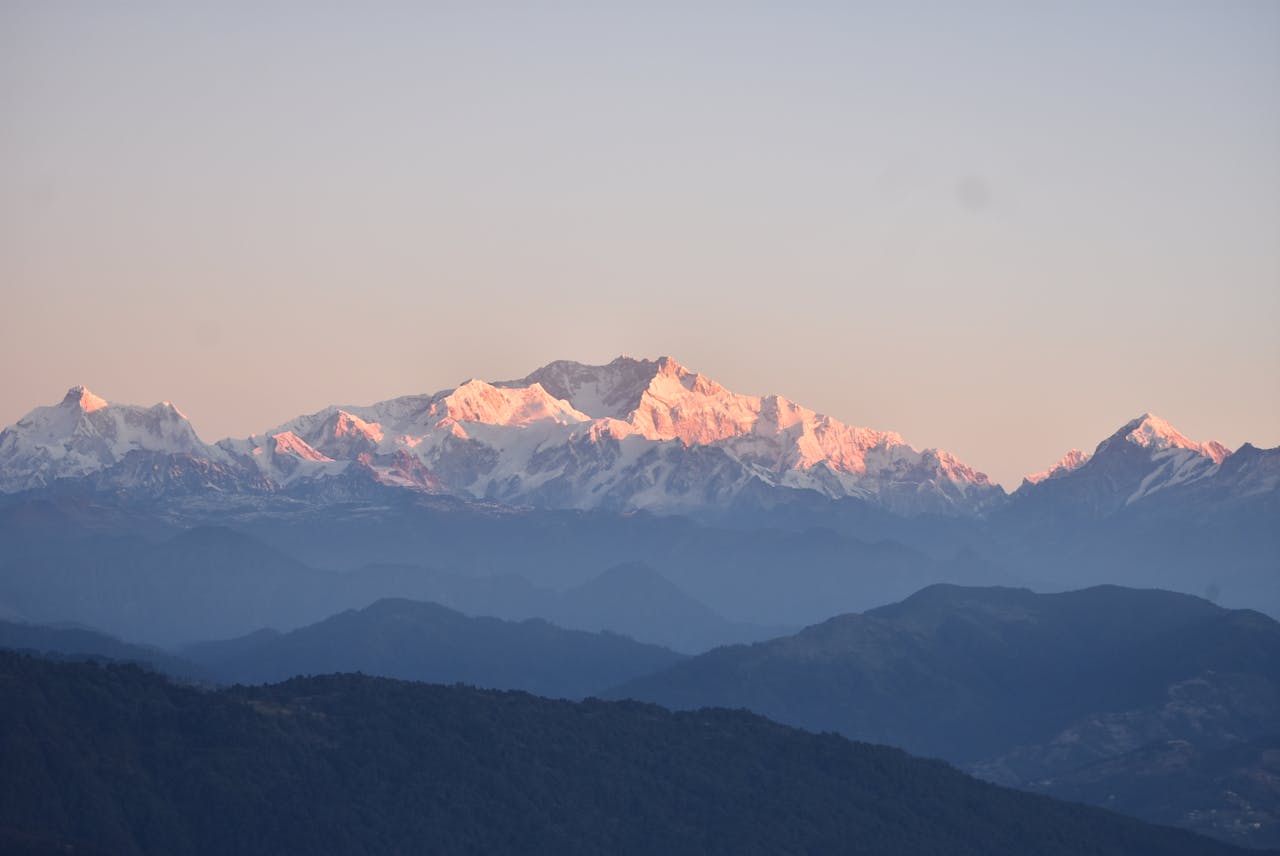
Everest’s height is not frozen. India continues to push into Eurasia, thickening crust and lifting the range, while rivers and glaciers carve it back down. Work on river evolution near the Everest massif suggests intensified erosion can lighten the crust and add uplift through isostatic rebound, at roughly 0.2 to 0.5 mm per year over long spans, layered onto tectonic forcing. A rival peak could overtake Everest only if its uplift-and-erosion balance stayed a touch more favorable for thousands of years, with the tipping point likely smaller than the thickness of a winter snowpack and hard to notice on maps right
Glaciers and Snow Would Become Part of the Debate Again
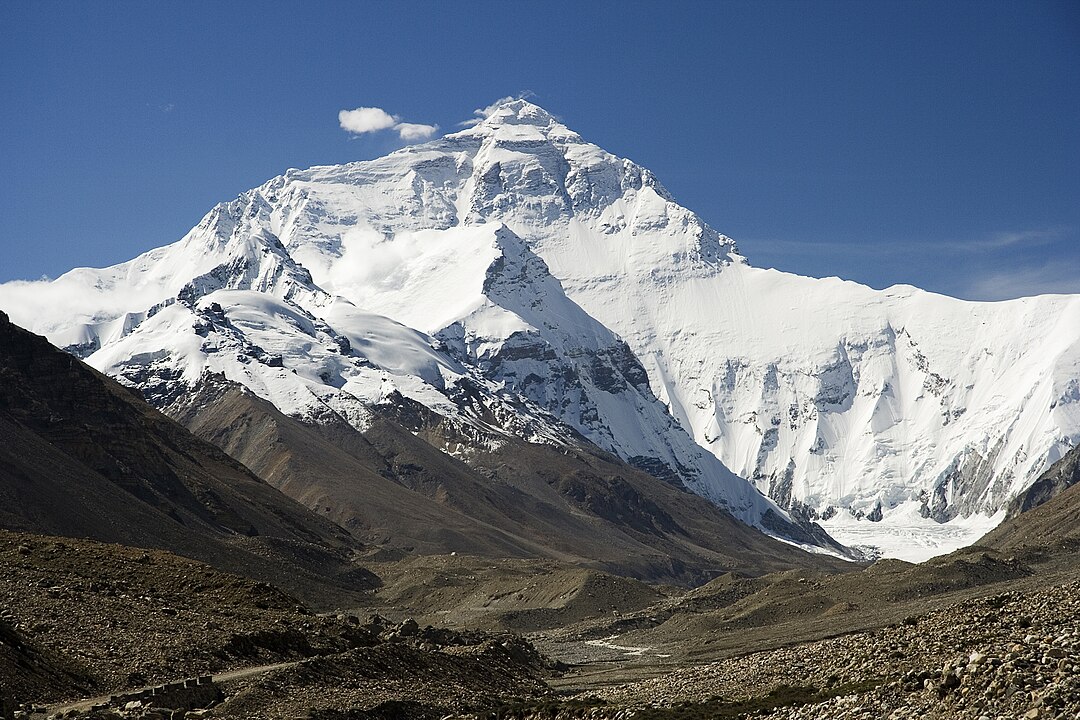
Everest’s official height has swung between rock height and snow height, because the summit’s cap is not constant. Warming can thin ice over decades, while a single storm season can add a fresh layer that masks the true rock point beneath, and wind can sculpt cornices that look permanent until they fail. If a new peak surpassed Everest by a small margin, scientists would publish paired values for bedrock and for snow-and-ice, describe how depth was measured, and stress uncertainty bands, so weather-driven change could not be mistaken for a new tectonic record. The argument would move from awe to decimals in ink.
Maps, GPS Apps, and Textbooks Would Update in Waves
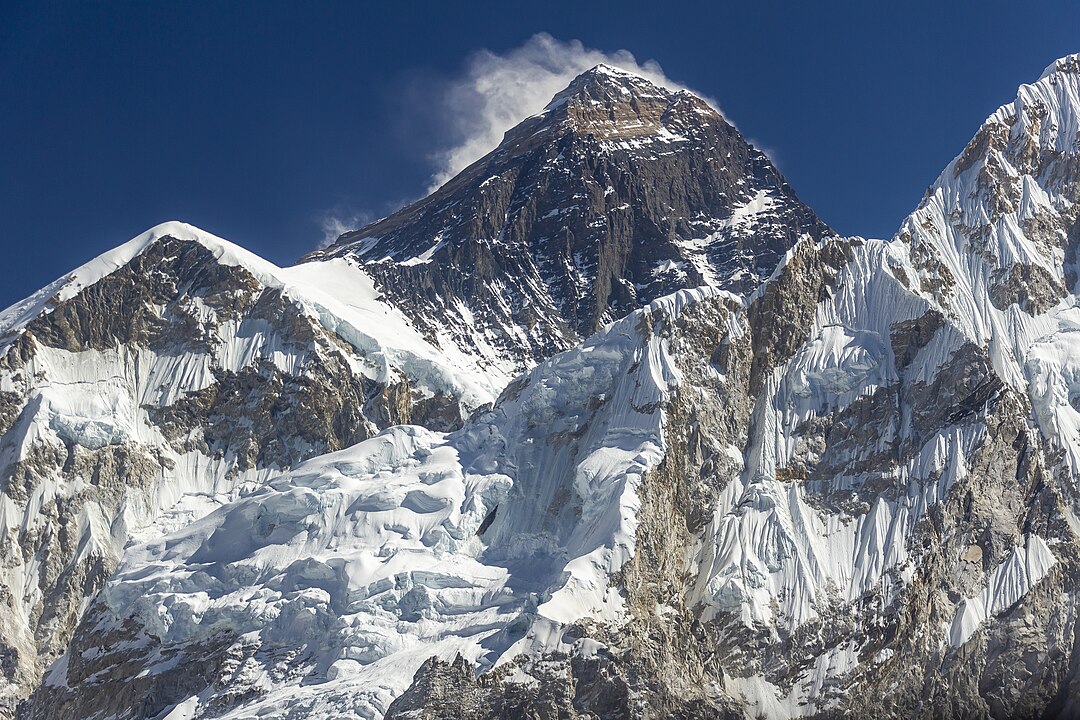
The change would not arrive everywhere at once. National mapping agencies would publish revised datasets, then commercial map providers and outdoor apps would ingest them on their own schedules. Textbooks and museum labels would lag, and older guides would keep repeating the old ranking for years, especially where translations, reprints, and exam syllabi move slowly. For a while, two tallest mountains would coexist, depending on which database was consulted, which geoid model it used, and whether it quoted the 2020 Everest height or a newer recalculation for the contender. Confusion would be ordinary, not scandal
Tourism Would Pivot, Even if the Mountain Stayed Remote
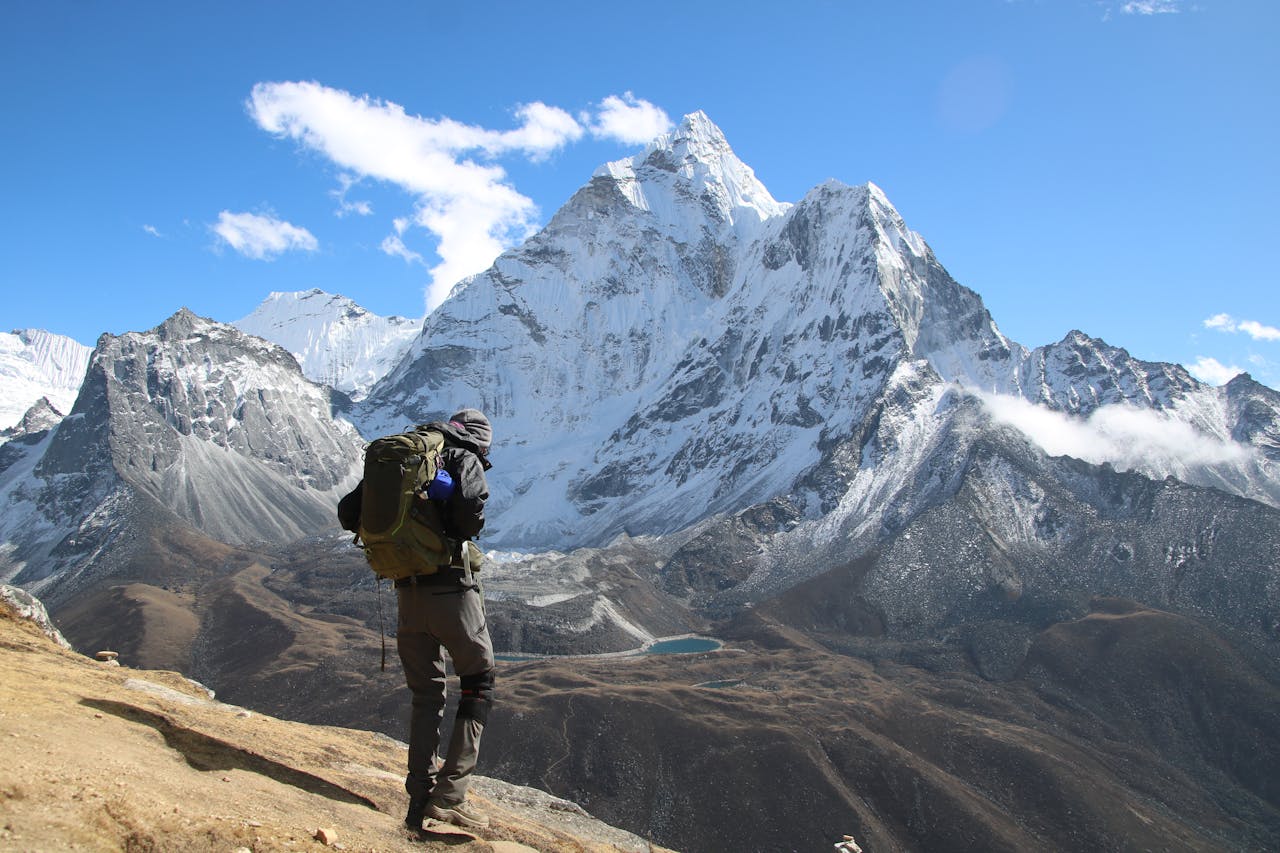
Everest’s status fuels permits, guiding economies, and an entire industry of bragging rights. If a different summit became the highest above sea level, attention and money would follow, and local governments would feel pressure to build roads, helipads, weather stations, and rescue capacity. Scientists who study alpine impacts would warn that popularity can arrive faster than sanitation and regulation, turning fragile moraines and high valleys into stressed corridors with waste, fuel spills, and crowded camps long before planners catch up. The mountain would gain fame, then management headaches, almost overnight.
International Politics Would Show Up in a Surprising Place
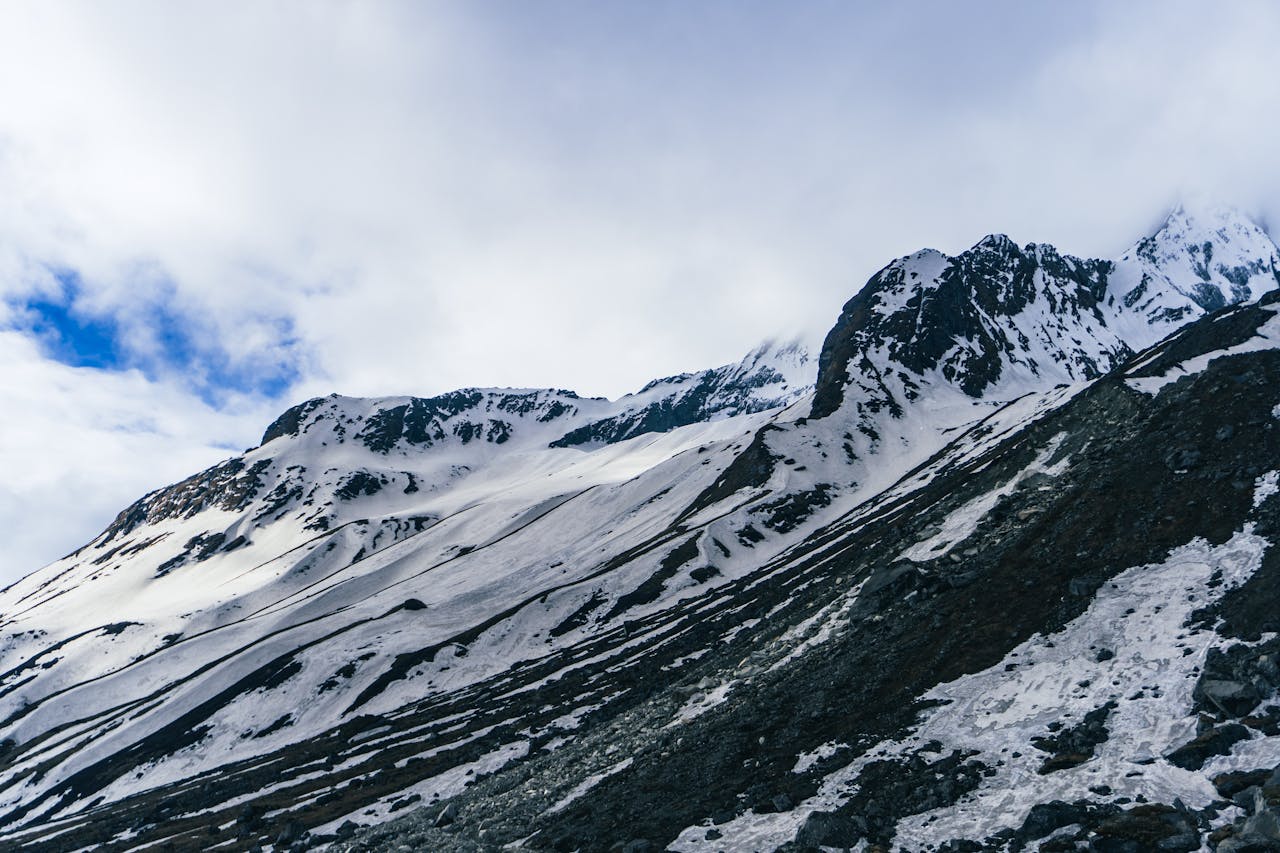
Everest sits on the Nepal–China border, and its height was jointly announced in 2020 after years of disagreement over whether to count snow or bare rock. A new tallest peak could raise questions about naming rights, protected-area rules, and which country gets to market the superlative on stamps, airports, and tourism campaigns. Even the choice of sea-level reference and geoid models can turn tense when rankings matter, so scientists would argue for transparent methods, shared instruments, open data, and independent review, keeping the result above politics as much as possible. The number would outtravel climbers
Climbers Would Debate Prestige Versus Safety
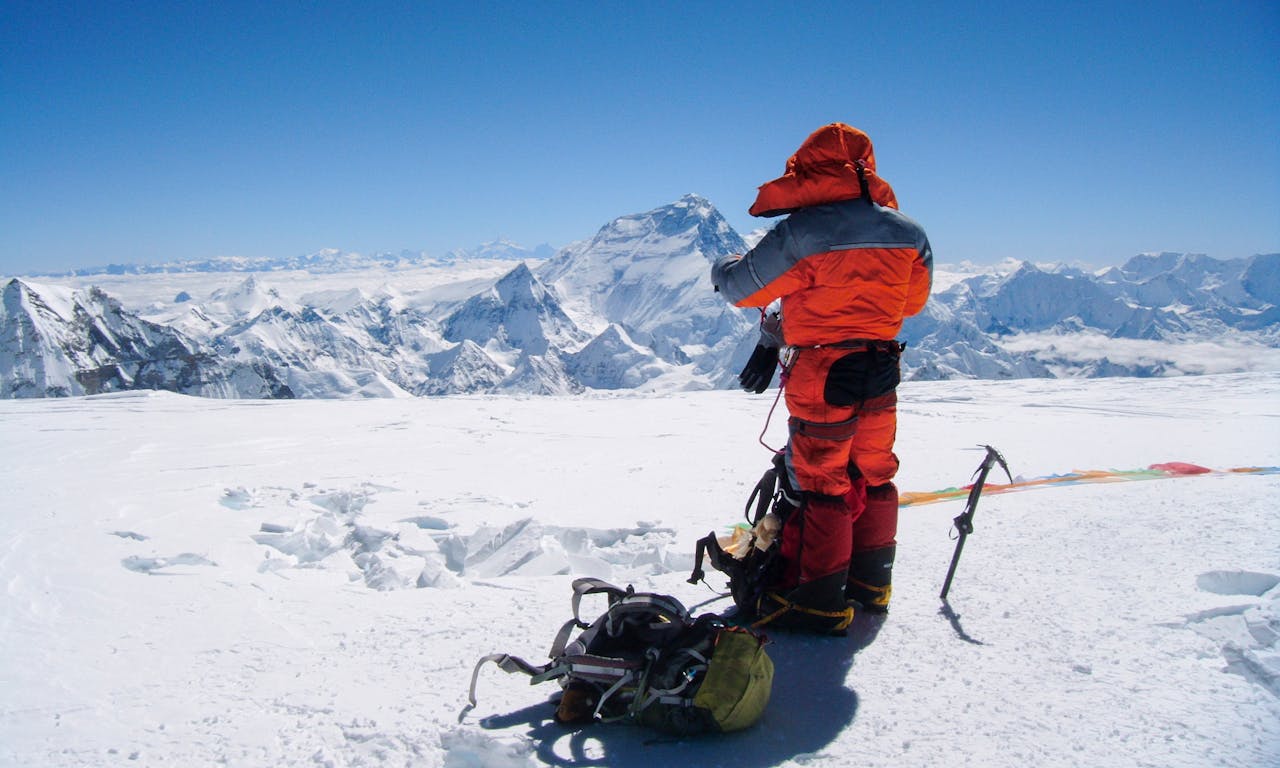
Peak-bagging culture loves clean lists, but mountaineers also know the deadliest mountain is rarely the most famous. If the new No. 1 were more technical, avalanche-prone, or harder to evacuate, guiding norms might shift slowly, with fewer commercial expeditions, stricter experience requirements, and bigger insurance battles. Everest would remain a magnet because of history and established logistics, while the new tallest could become a symbol of restraint, a summit discussed in gear shops and documentaries more often than it is climbed. Records might change fast; rescue realities would not for many seasons yet..