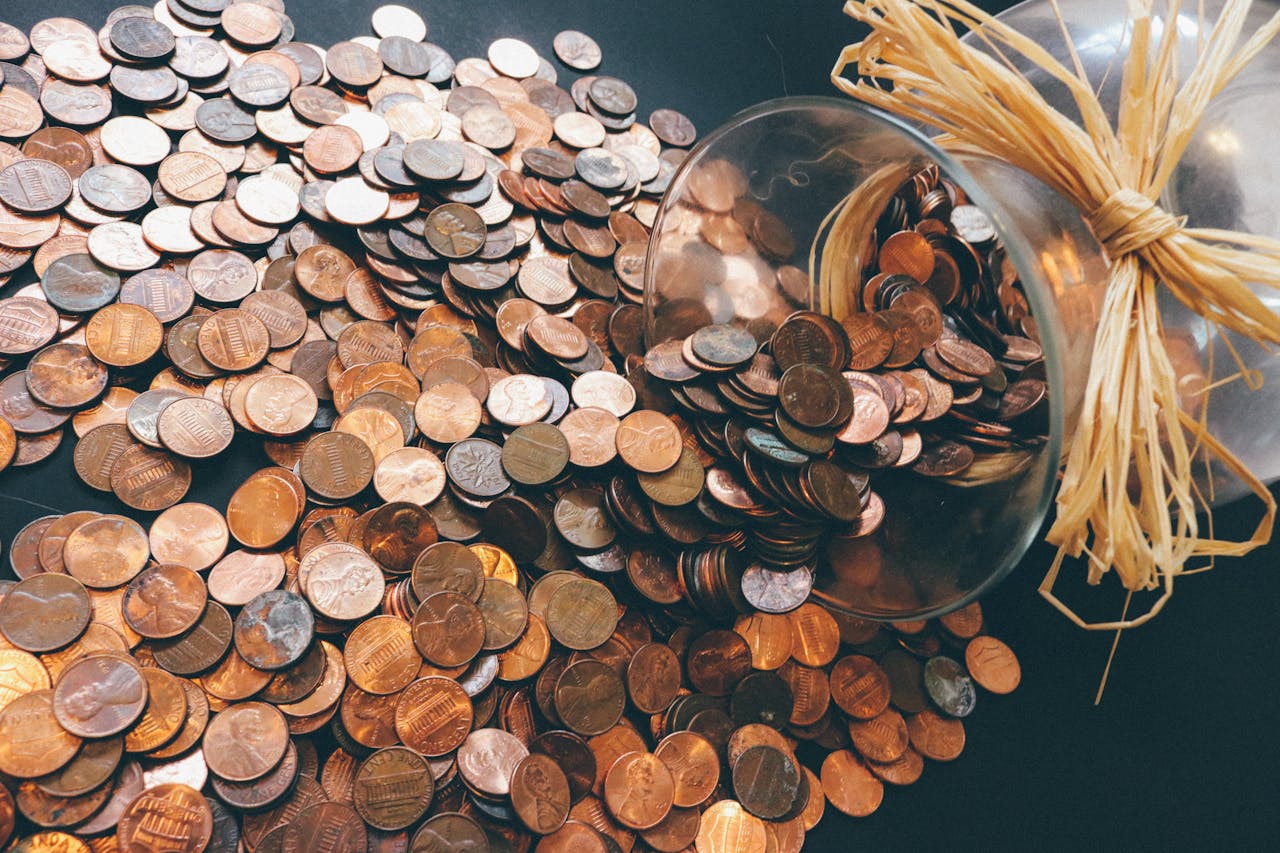
The penny has moved from pocket noise to policy headline. Treasury says circulating production was suspended after minting costs rose from 1.3 cents to 3.69 cents per coin over a decade, with projected material savings of roughly $56 million each year. Existing cents still remain legal tender, and the Federal Reserve continues recirculating about 114 billion already in the system while cash registers prepare nearest-nickel rounding. That creates a practical moment for households sitting on jars, drawers, and old coffee cans. With a little planning, small change can still create real value before coin habits fully reset.
Cash In While Access Is Easy
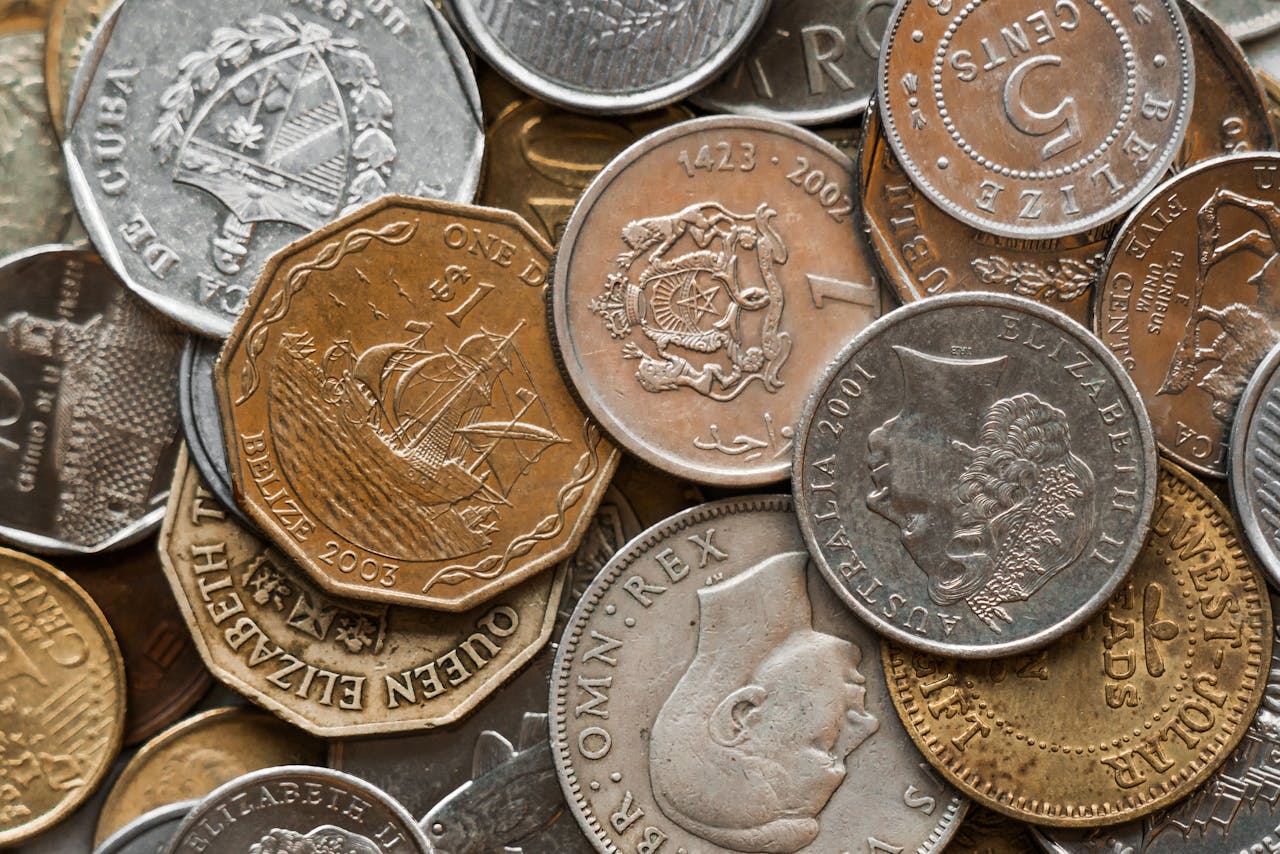
Pennies still spend, still deposit, and still count at face value, so the most practical first move is conversion while routines are familiar. Treasury guidance says consumers may keep using cents, and banks can continue taking deposits, though some institutions may ask for wrapped coins in larger batches.
A staged process works best: sort at home, bundle by amount, and choose the lowest-friction outlet. Bank deposits usually preserve full value, while many retail coin kiosks trade convenience for a service fee. Turning idle change into usable balance now avoids last-minute scrambling as checkout systems and branch policies evolve.
Sort First for Scarcity Signals
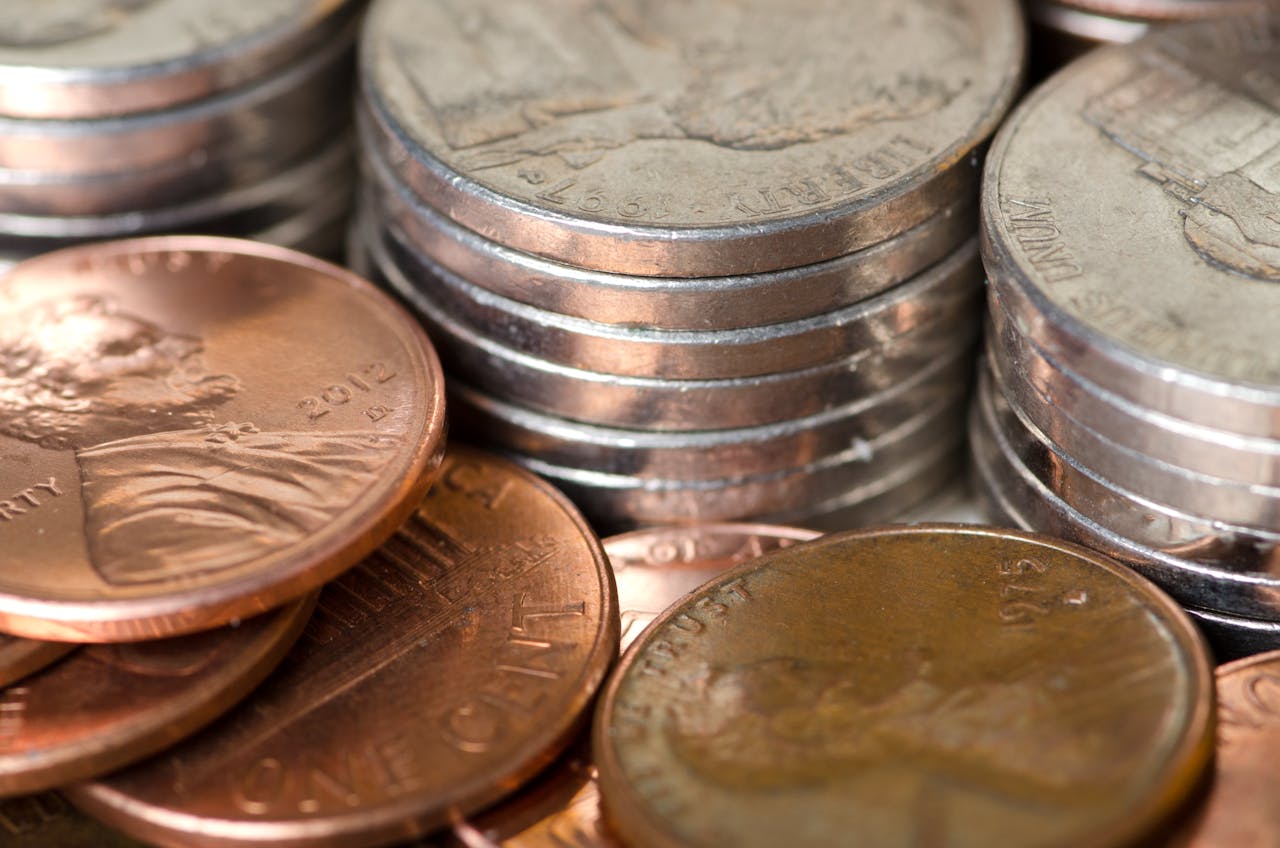
Before dumping everything into a counter machine, smart sorting can separate ordinary cents from coins with collector upside. The 1909-S VDB Lincoln cent remains famous for scarcity, with only 484,000 struck, and wartime 1943 issues add another filter because steel was standard while a limited number of copper cents were accidentally produced at the Mint.
That does not mean every old coin is a jackpot. It means date, mint mark, condition, and clear errors should be isolated before spending or depositing the rest. Even one better piece can offset effort, and the sorting habit builds a cleaner record for later appraisal or sale.
Separate Pre-1982 Copper Cents
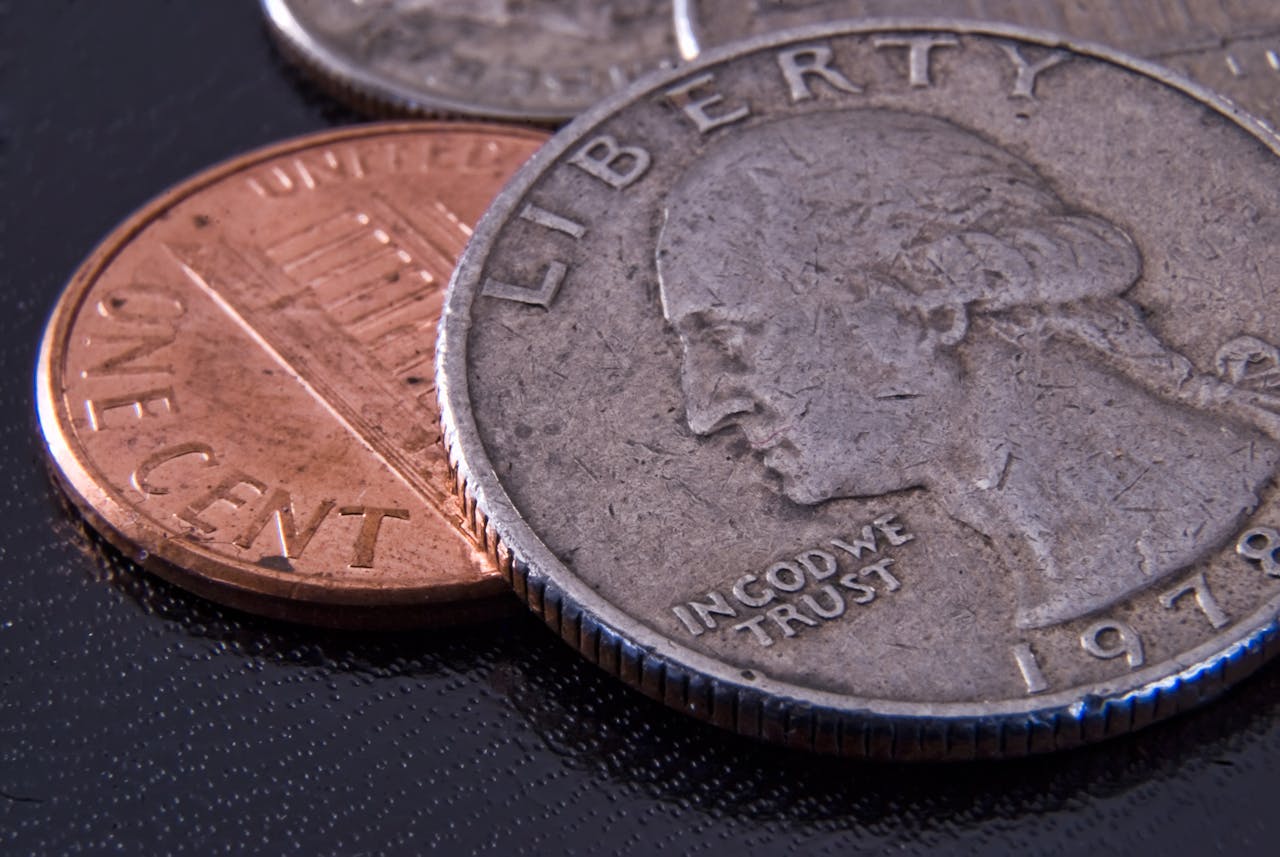
Composition changed in 1982, when the cent shifted to primarily zinc with 2.5% copper, so older coins are often pulled into their own container for optional long-term holding. Many hobbyists separate by date first, then verify borderline years by weight and condition to reduce sorting mistakes.
Important guardrail: federal regulation generally prohibits melting one-cent coins for metal recovery, with penalties that can include major fines. So this is a storage strategy, not a smelting plan. Keeping pre-1982 pieces separate simply preserves flexibility if collecting demand or legal rules shift over time in measurable ways.
Build a Nearest-Nickel Buffer Jar
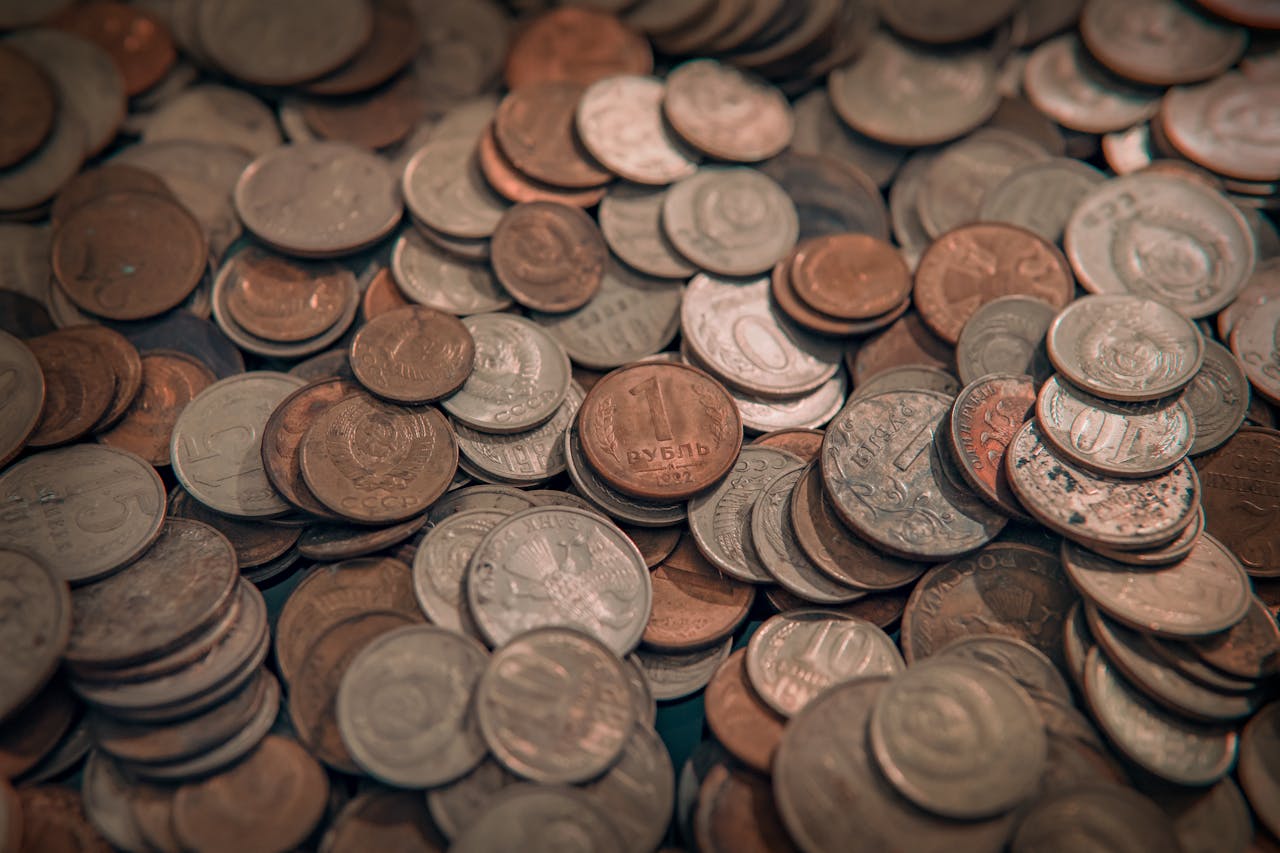
As pennies thin out in day-to-day cash drawers, Treasury guidance anticipates nearest-five-cent rounding for cash totals, while non-cash payments stay exact to the cent. Creating a small household buffer of nickels and clean cents can smooth errands, school collections, and local cash-only moments during the transition period and for months ahead.
This approach is less about speculation and more about friction control. A labeled jar dedicated to exact-change support keeps tiny transactions calm, reduces counter delays, and helps older family members who still rely on cash settle totals with confidence as coin norms steadily change.
Use Pennies for Durable Craft Projects
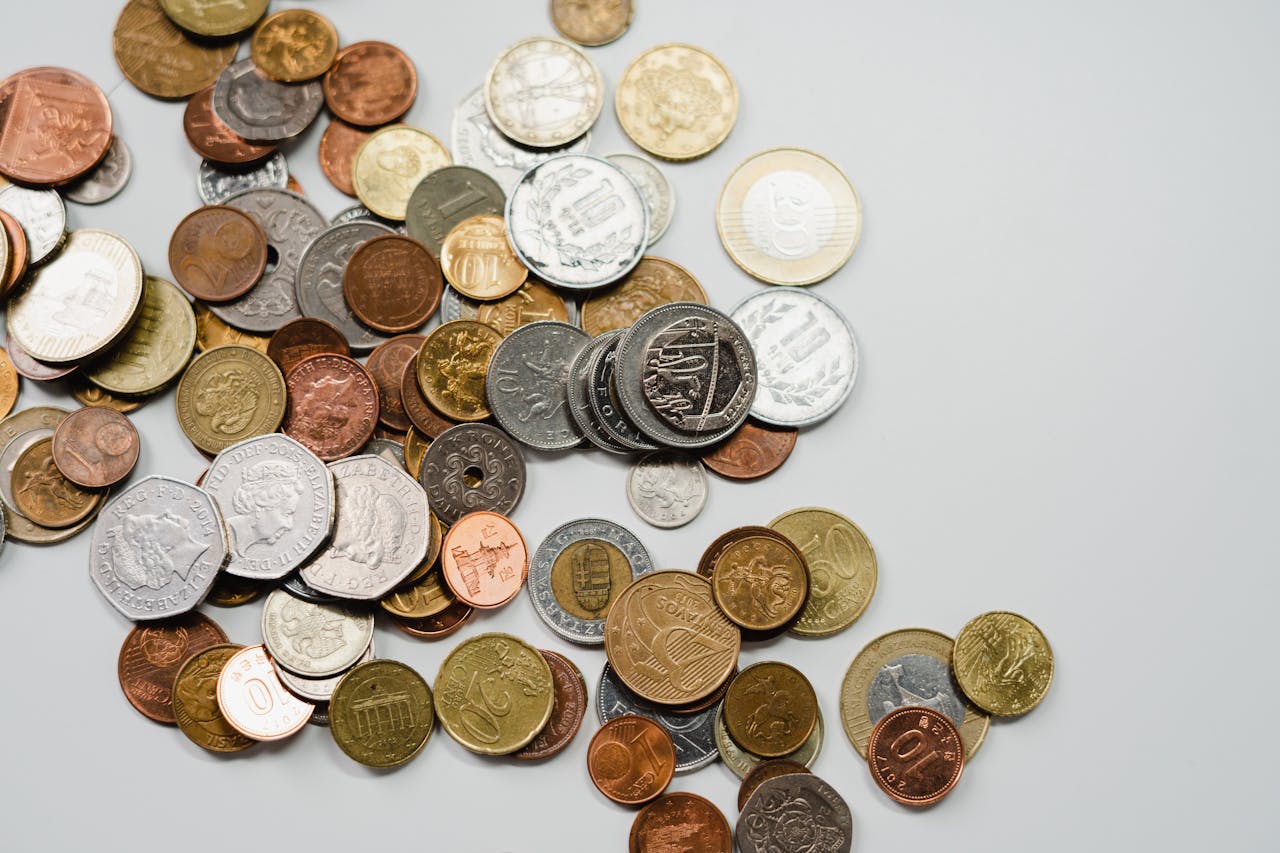
Pennies also hold practical value beyond spending. Their warm copper tones and natural patina make strong raw material for long-life craft builds like coasters, framed initials, tray inlays, or small wall mosaics. Unlike disposable decor, coin-based pieces often age well because color variation grows richer with time and handling.
Regulations permit treatment for educational, novelty, jewelry, and similar purposes when the goal is not metal profiteering. That means creative reuse can stay legal and meaningful. A dormant jar can become finished design work that preserves memory, sparks conversation, and reduces household clutter.
Donate Stashes to Community Drives

Penny jars can become immediate social value. Schools, shelters, and neighborhood nonprofits often run coin drives because low-denomination giving feels accessible and accumulates quickly at scale. What looks trivial in one drawer can become classroom supplies, pantry support, or transit help once pooled across a neighborhood.
Timing matters here. As circulation behavior changes, organized drop-offs through trusted local groups can move coins from private storage back into useful circulation without complicated sorting. It is a simple way to convert forgotten metal into outcomes while preserving the spirit of small contributions.
Keep a Mini Time-Capsule Collection
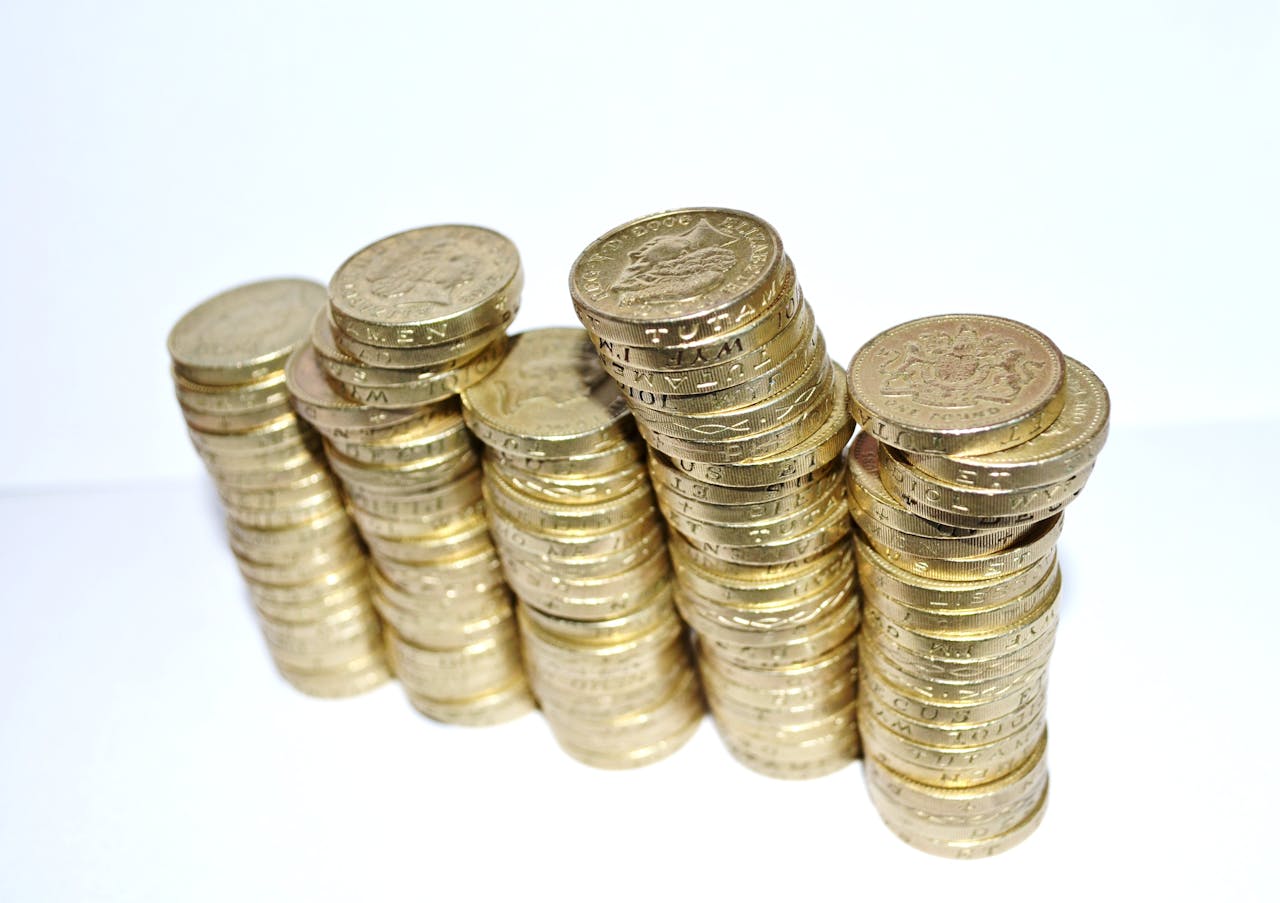
Not every penny needs to be spent, sold, or donated. A compact archival set can preserve family and civic memory with almost no cost: birth-year cents, design-era examples, or one coin from each decade. The cent has tracked major U.S. design shifts for generations, and its production pause gives those ordinary pieces added historical weight.
Storage can stay simple: labeled flips, a small album, and basic notes on source and date. The goal is not instant profit but continuity. Years from now, a curated handful may matter less for market price and far more for the stories, rituals, and milestones it carries across households.