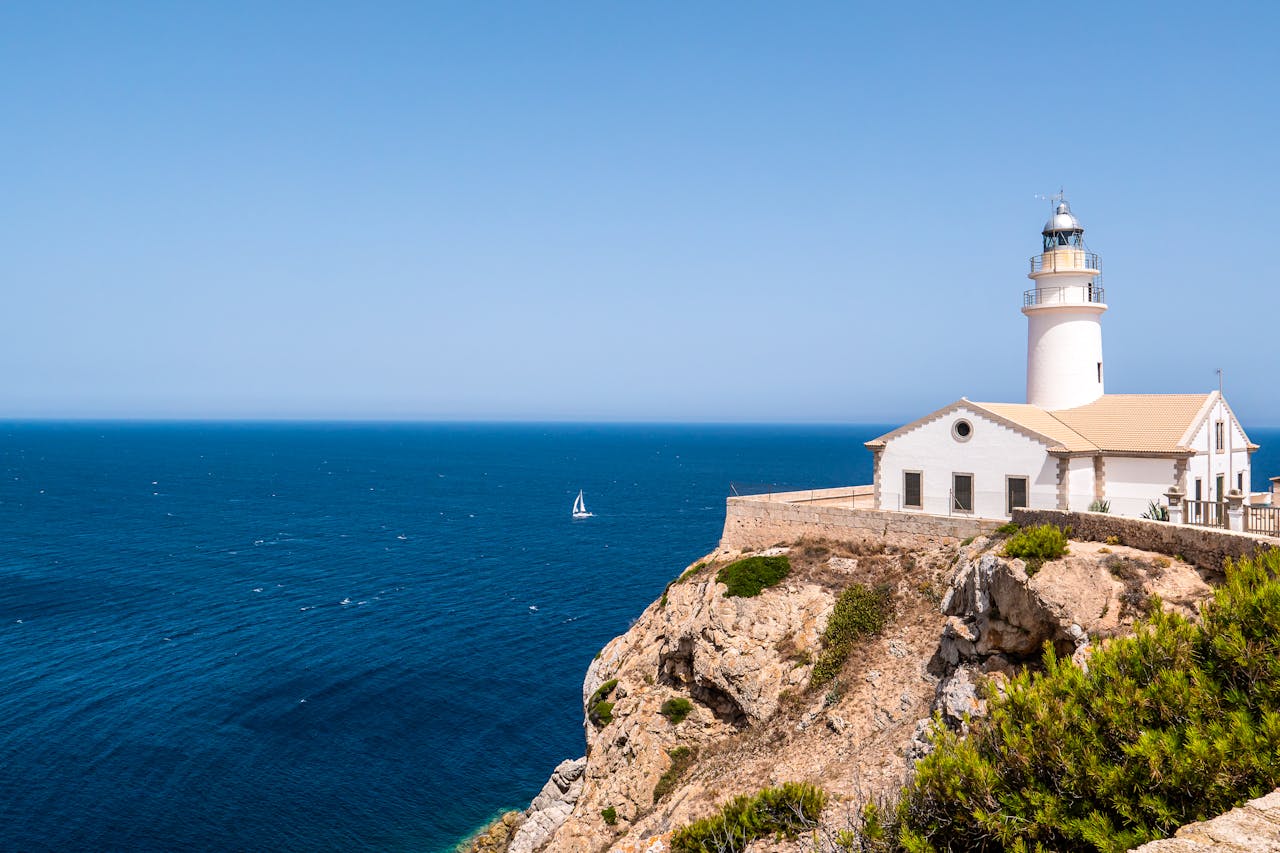
Some islands built a summer economy on late nights, loud terraces, and the idea that tomorrow could wait. But residents still have workdays, children still sleep, and shorelines quietly collect the cost of excess. From the Balearics to Southeast Asia, crackdowns are arriving through practical rules: alcohol curfews, noise limits, beach controls, and penalties that are no longer symbolic. The shift is not an attack on nightlife. It is a reset, moving celebration back into places designed to handle it and away from streets, sand, and neighborhoods meant for everyday life.
Ibiza, Spain

Ibiza still trades on midnight energy, but the island is now firmer about where the party belongs, particularly around Sant Antoni’s busiest areas. Overnight alcohol sales are restricted in specific resort zones, and public drinking outside authorized venues can bring heavy fines. The intention is simple: keep revelry inside clubs and bars that manage security, restrooms, and cleanup, rather than letting it spill into beaches and residential streets. By narrowing the gap between nightlife and public space, Ibiza is trying to preserve its image while protecting mornings, workers, and the rhythm of daily island life.
Mallorca, Spain
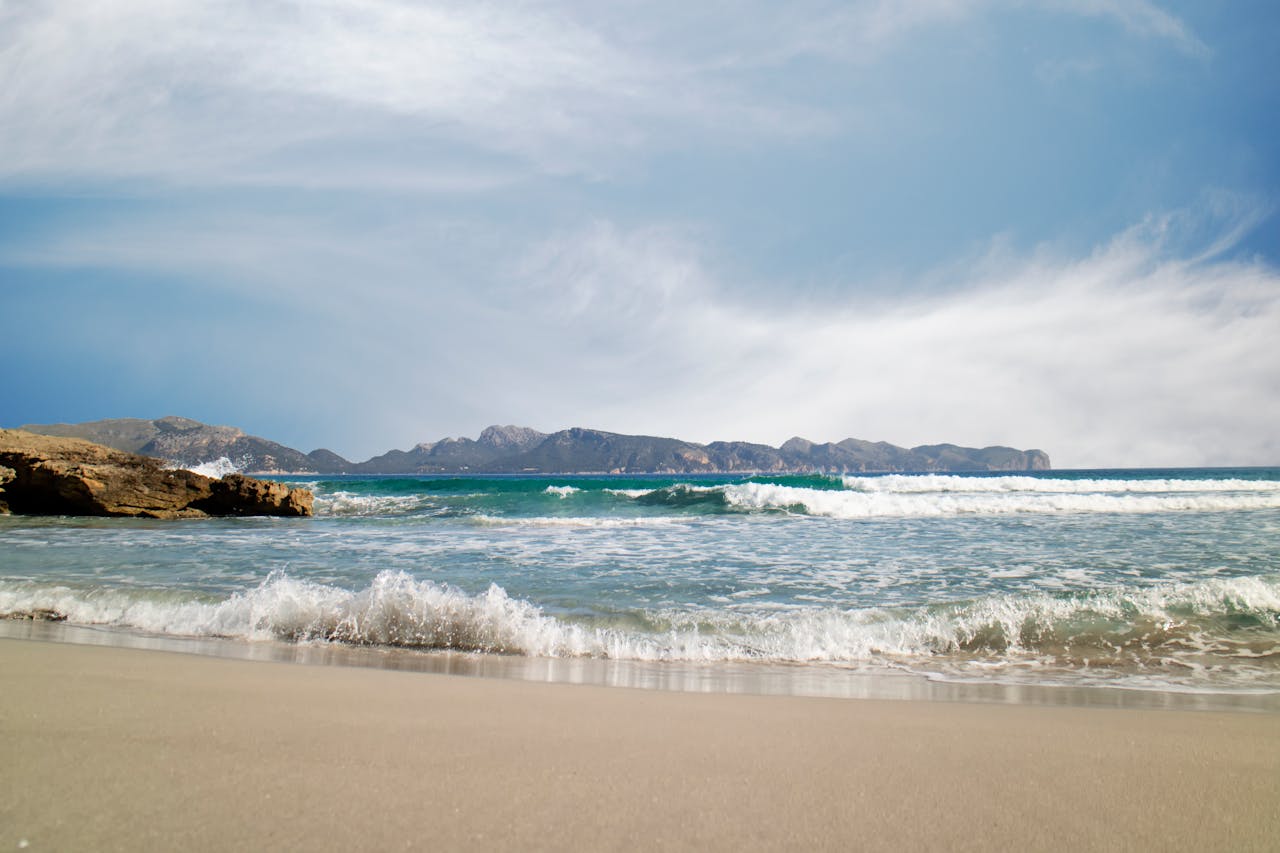
Mallorca’s party reputation grew alongside its beach resorts, yet places like Magaluf are now under tighter controls aimed at reducing all-night chaos. Late-night alcohol sales are restricted in designated excess-tourism zones, and street drinking is actively discouraged through enforcement. These measures are meant to slow the migration from bars into hotel corridors and apartment blocks after midnight. Officials hope fewer broken bottles, lower noise levels, and calmer streets will make the island livable for residents and staff who experience the season as a job, not a brief escape.
Mykonos, Greece
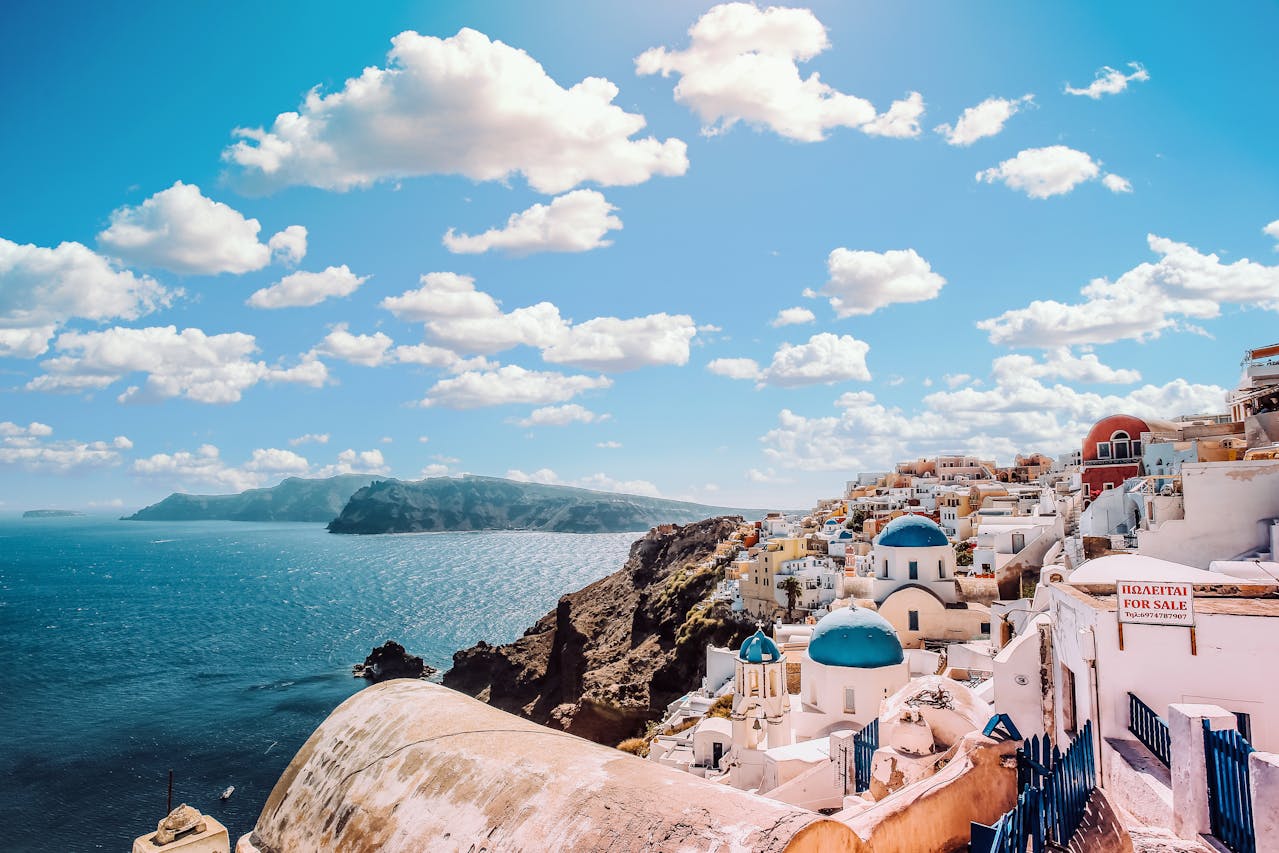
Mykonos is addressing revelry by starting earlier in the day, especially along its crowded beaches. Authorities have stepped up inspections of sunbed arrangements and shoreline use, limiting how much public space private businesses can claim. The goal is to reduce daytime overcrowding that often fuels frustration by nightfall. With added controls on cruise arrivals, the island is trying to keep glamour without constant pressure. By restoring breathing room on the sand, Mykonos hopes evenings can stay festive without tipping into disorder or resentment from locals and workers.
Hvar, Croatia
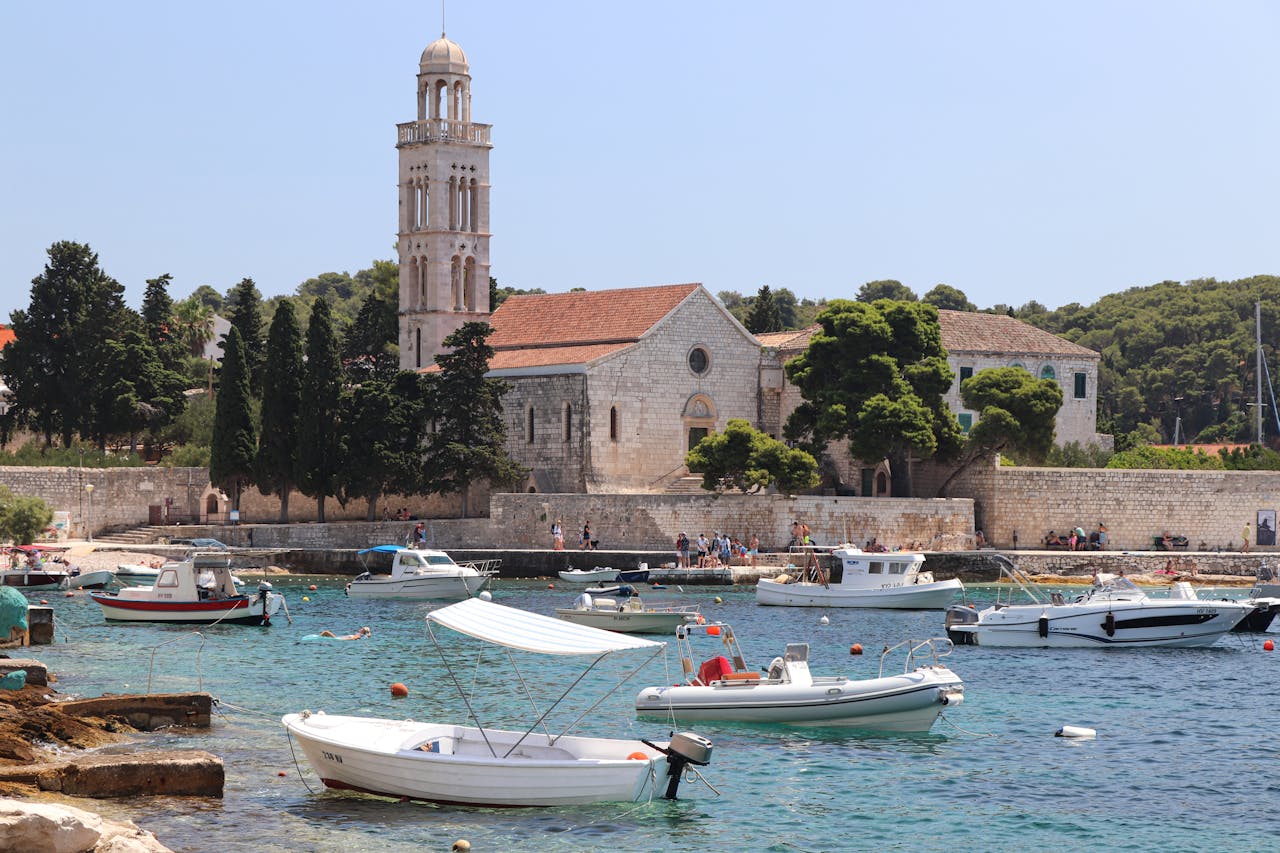
Hvar’s nightlife once leaned heavily on outdoor sound, but the town is now choosing quieter evenings as part of its identity. Summer noise limits force clubs and bars to rethink open-air music, speaker placement, and late-night programming. This approach is not about silencing the island, but about containing sound so it does not wash over the entire harbor after midnight. The payoff is calmer streets, fewer complaints, and a town that can host both elegant dinners and lively nights without turning every hour into a contest between music and sleep.
Bali, Indonesia
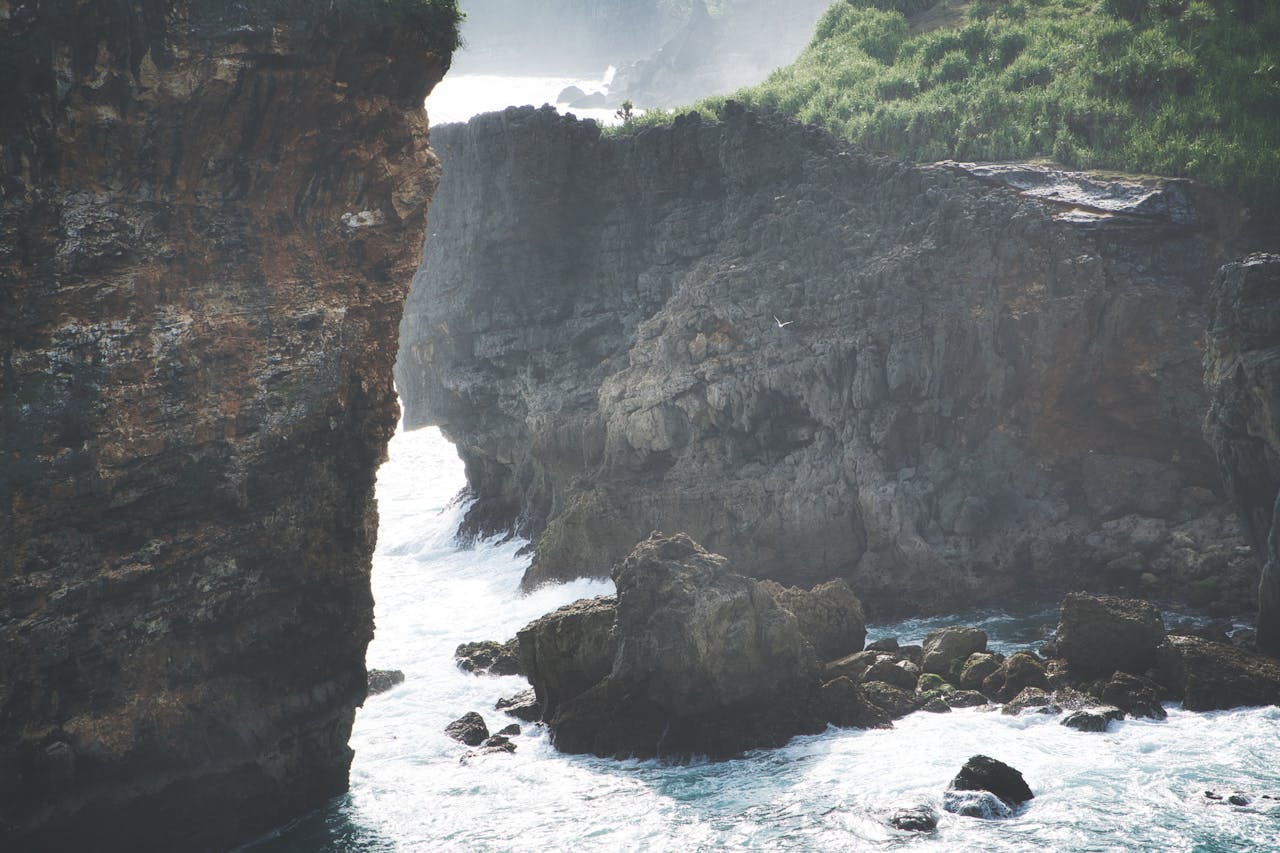
Bali remains vibrant, but local authorities are reinforcing expectations around public behavior, especially where nightlife overlaps with culture and community routines. Updated guidance for visitors stresses respect for local customs, public order, and shared spaces, with enforcement tied to existing laws. The message is direct: enjoyment is welcome, disruption is not. By drawing clearer lines around conduct, Bali aims to protect temples, neighborhoods, and traffic flow while keeping entertainment districts functional. The balance favors longevity, ensuring the island’s appeal does not erode the daily life that sustains it.
Boracay, Philippines
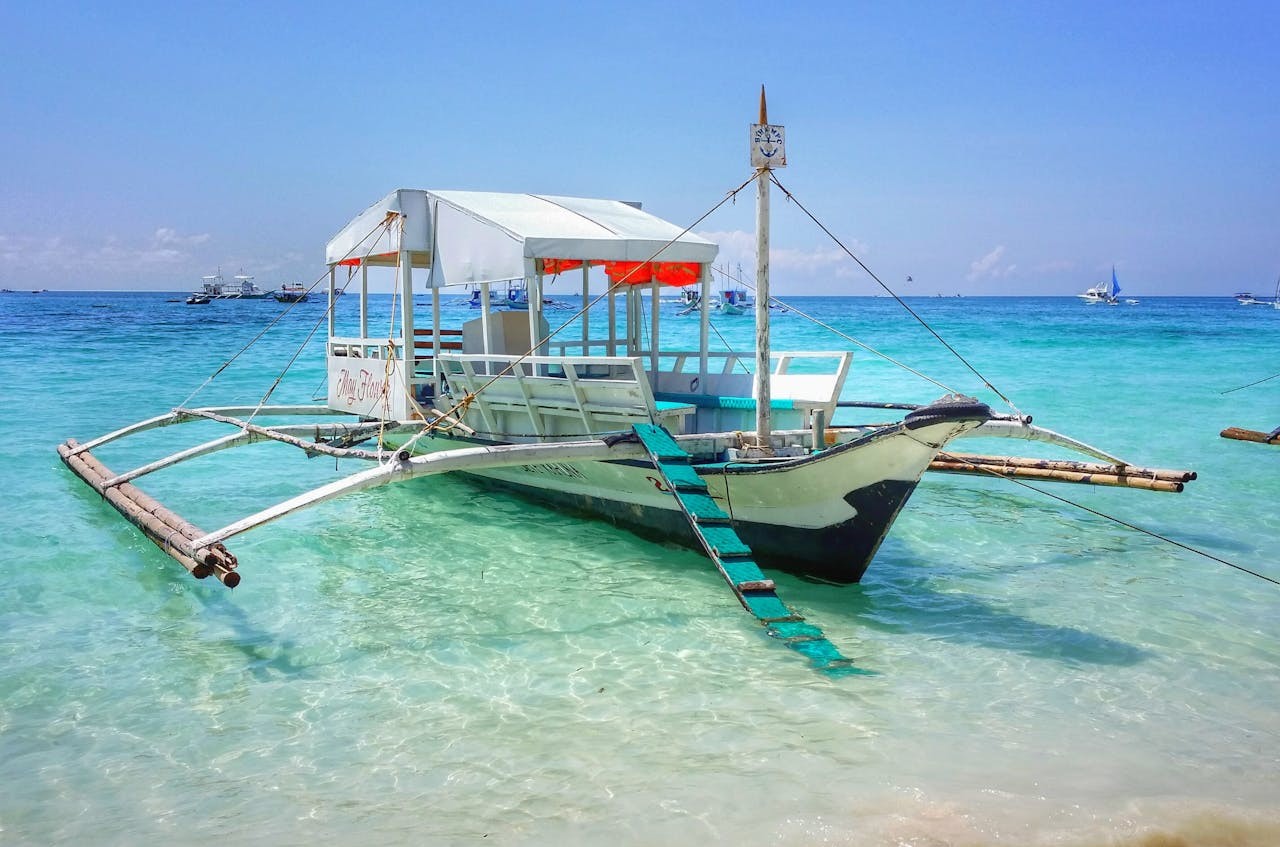
Boracay’s transformation after rehabilitation reshaped how partying fits into island life. Beach drinking and loud beachfront gatherings remain restricted, keeping the shoreline focused on recovery and shared use. During major holidays, authorities reinforce quiet periods to maintain a different tone from the island’s past excesses. The emphasis is consistency rather than spectacle. By limiting where and how celebrations happen, Boracay protects water quality, sand conditions, and community norms, proving that a famous beach can still attract visitors without turning every night into an uncontrolled event.
Koh Phangan, Thailand
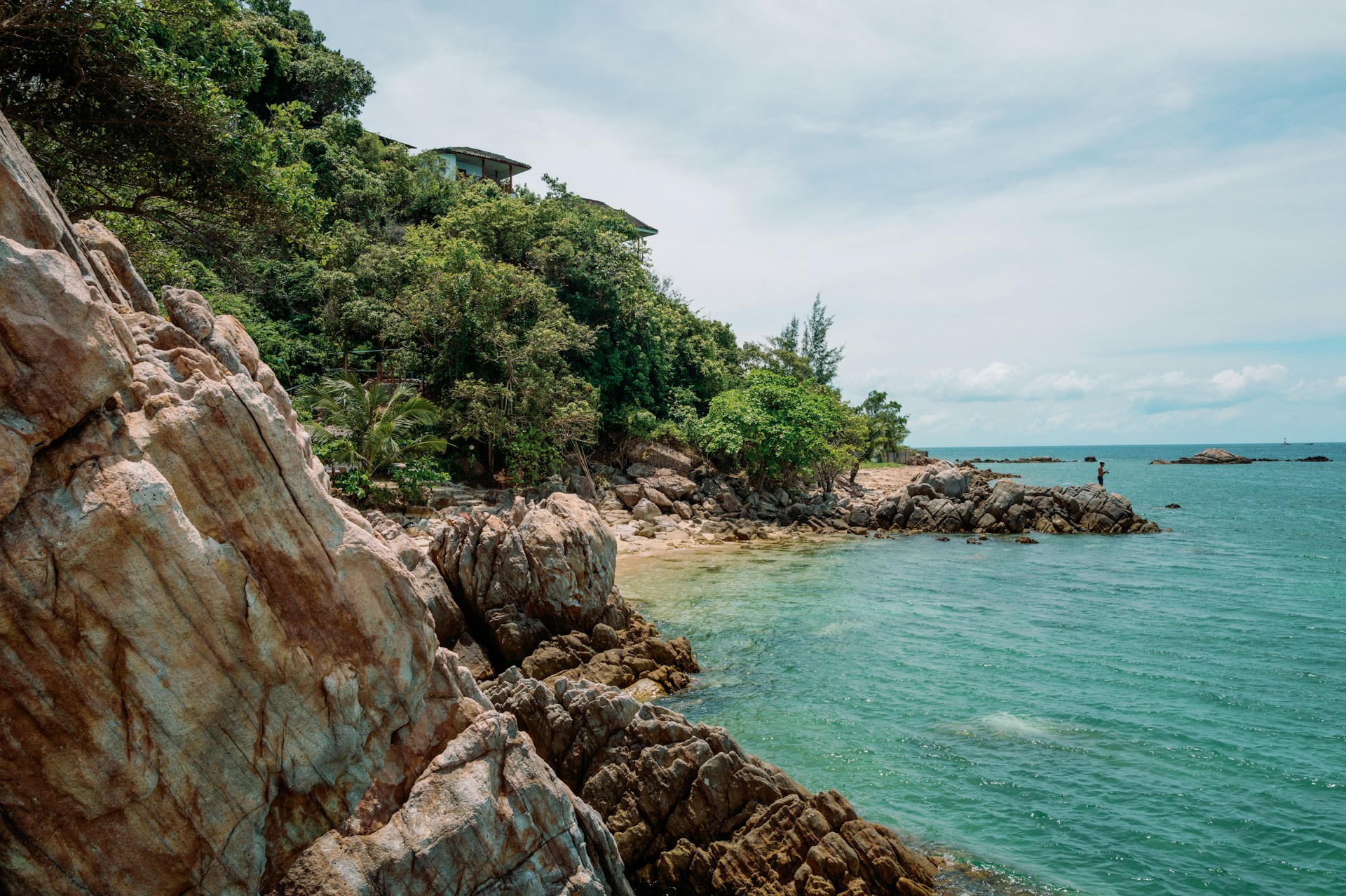
Koh Phangan’s Full Moon Party continues, but it now operates within a more structured framework. Entry is controlled, rules are posted clearly, and cleanup is treated as part of the event rather than an afterthought. Restrictions on items like glass bottles and stronger enforcement around behavior aim to reduce injuries and environmental strain. The island’s approach accepts that the party is part of its identity, while insisting that the beach must be usable the next morning. Celebration remains, but it comes with responsibility built into the experience.
Kavos, Corfu, Greece
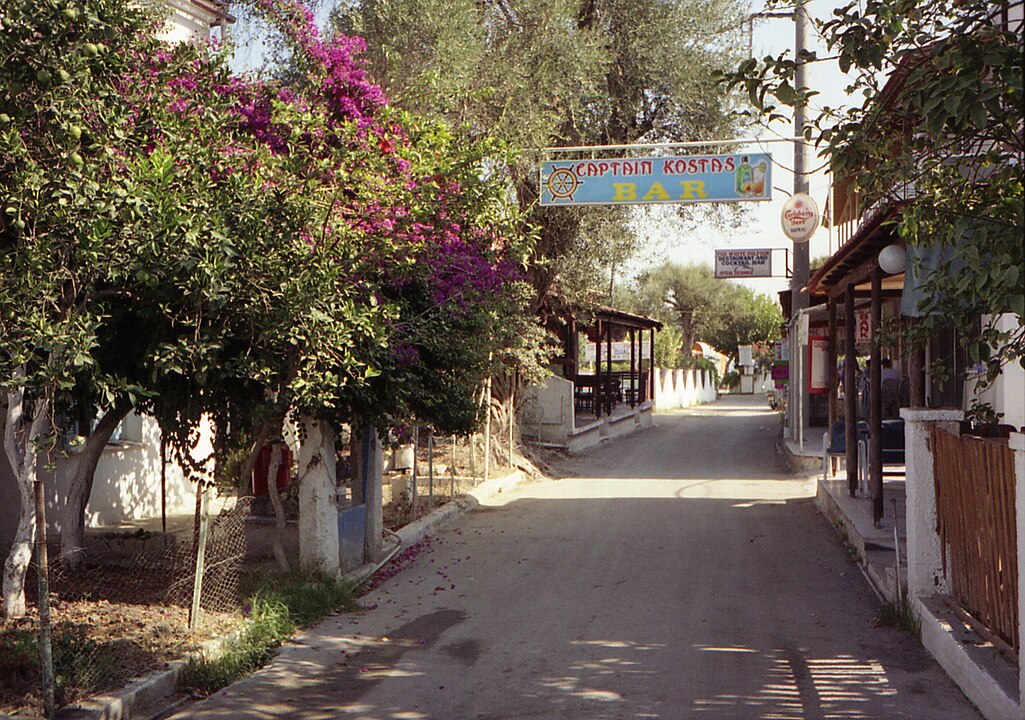
Kavos has long been marketed as Corfu’s loudest corner, yet local enforcement is reshaping how nights unfold. Noise checks and inspections target venues that play music outside permitted hours, pushing bars to contain sound indoors and respect quiet periods. The effect is subtle but meaningful: doors close earlier, outdoor speakers disappear, and late-night energy becomes more focused. Kavos is not abandoning nightlife, but it is signaling that volume alone is no longer the draw. The town is steering toward activity that fits alongside residential life rather than overwhelming it.