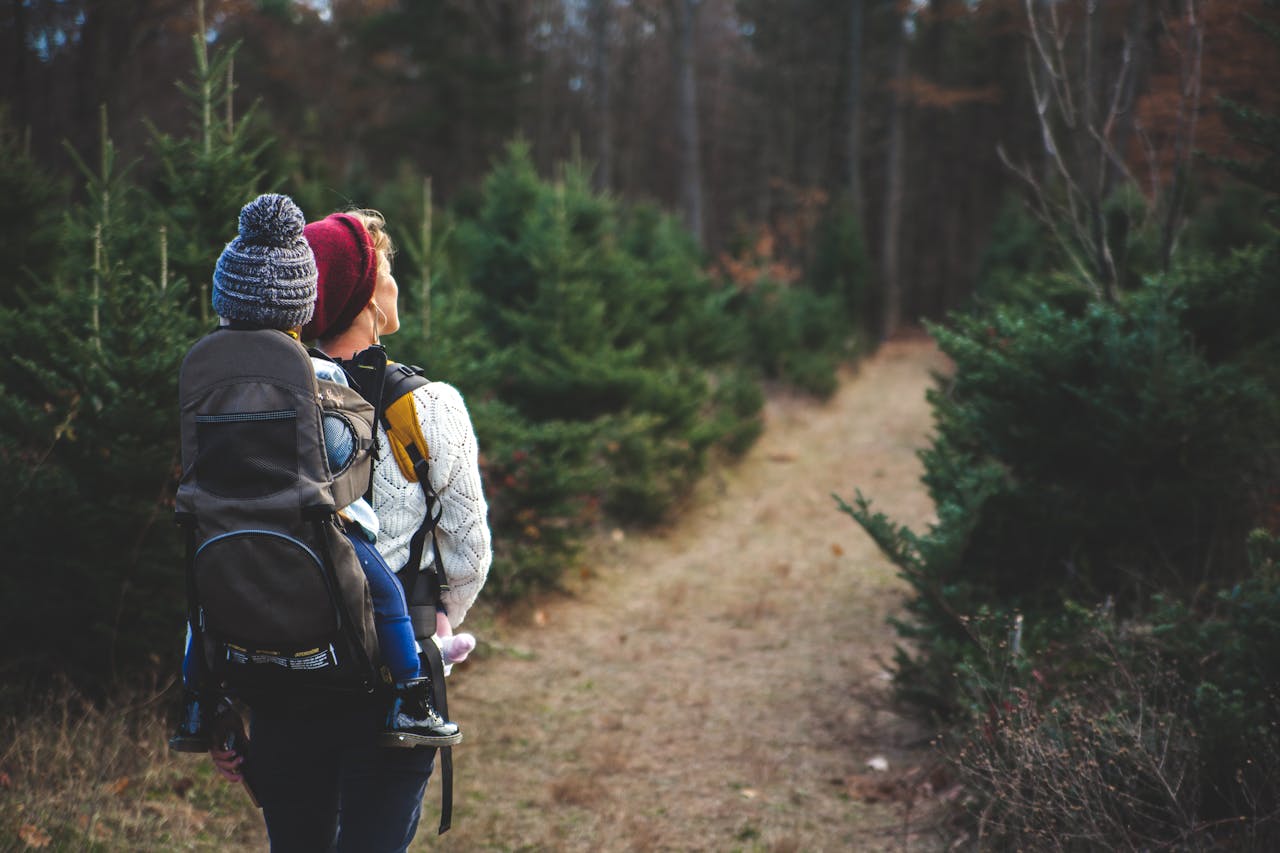
Family travel used to split into lanes. Grandparents leaned toward comfort, parents wanted a break, and kids wanted room to roam. Adventure trips are suddenly the overlap, because they create shared stories without demanding the same pace from everyone. A guided hike, a rafting day, or a wildlife cruise holds attention across ages while keeping logistics predictable. These trips also feel like time well spent, not just time away, because each day has a clear purpose and a natural rhythm.
Adventure Is One of the Few Things Everyone Can Share
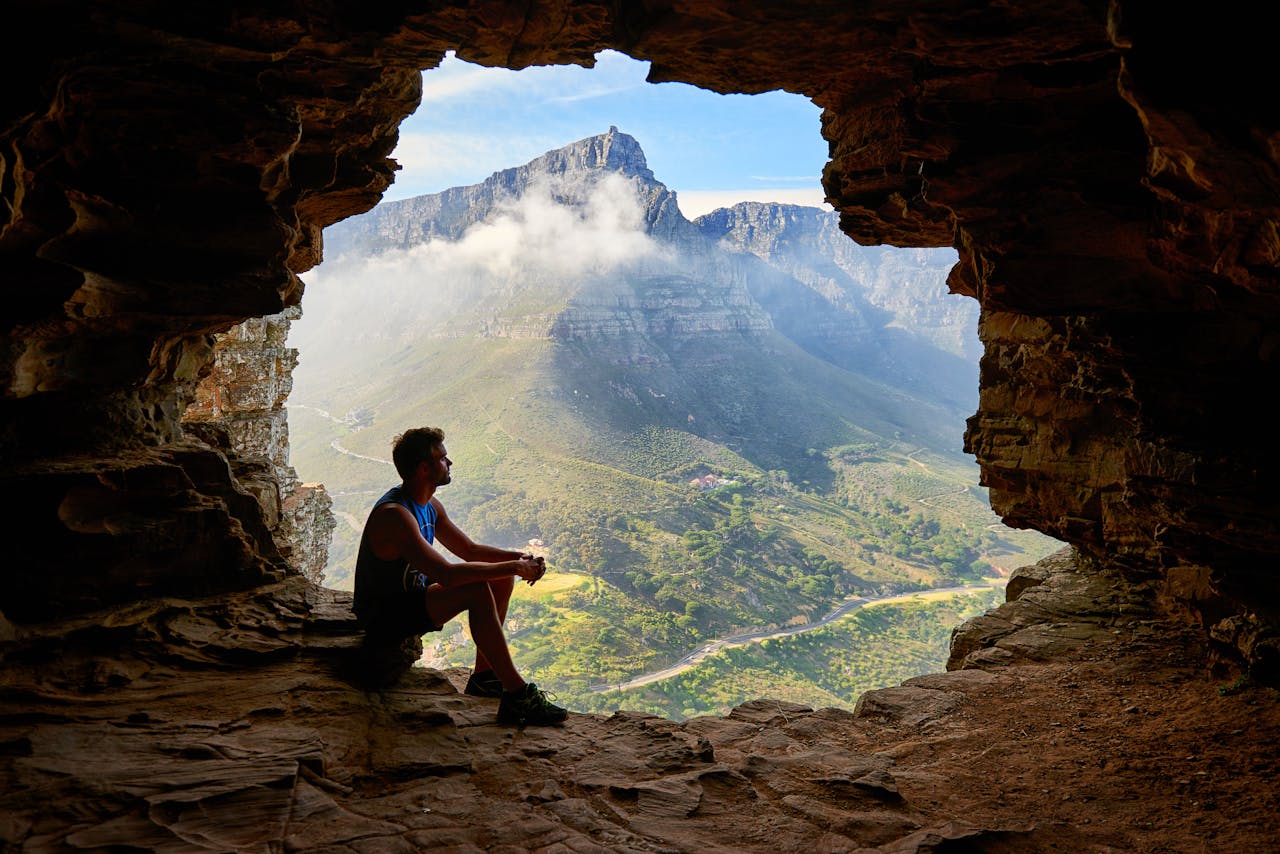
Adventure travel works across generations because it scales without losing the point. One base plan can include optional intensity, so teens take a longer loop while grandparents choose the scenic segment and still meet at the same overlook. The day stays shared, but nobody is forced into the same effort, which keeps moods steady and avoids quiet friction. By dinner, everyone carries the same river bend, wildlife sighting, or ridgeline in mind, even if the miles differed. Togetherness stays real, not staged, and that is rare. It also helps parents, who stop acting like referees and start enjoying the view. No one feels left out. That matters.
Families Are Replacing Gifts With Time That Feels Real
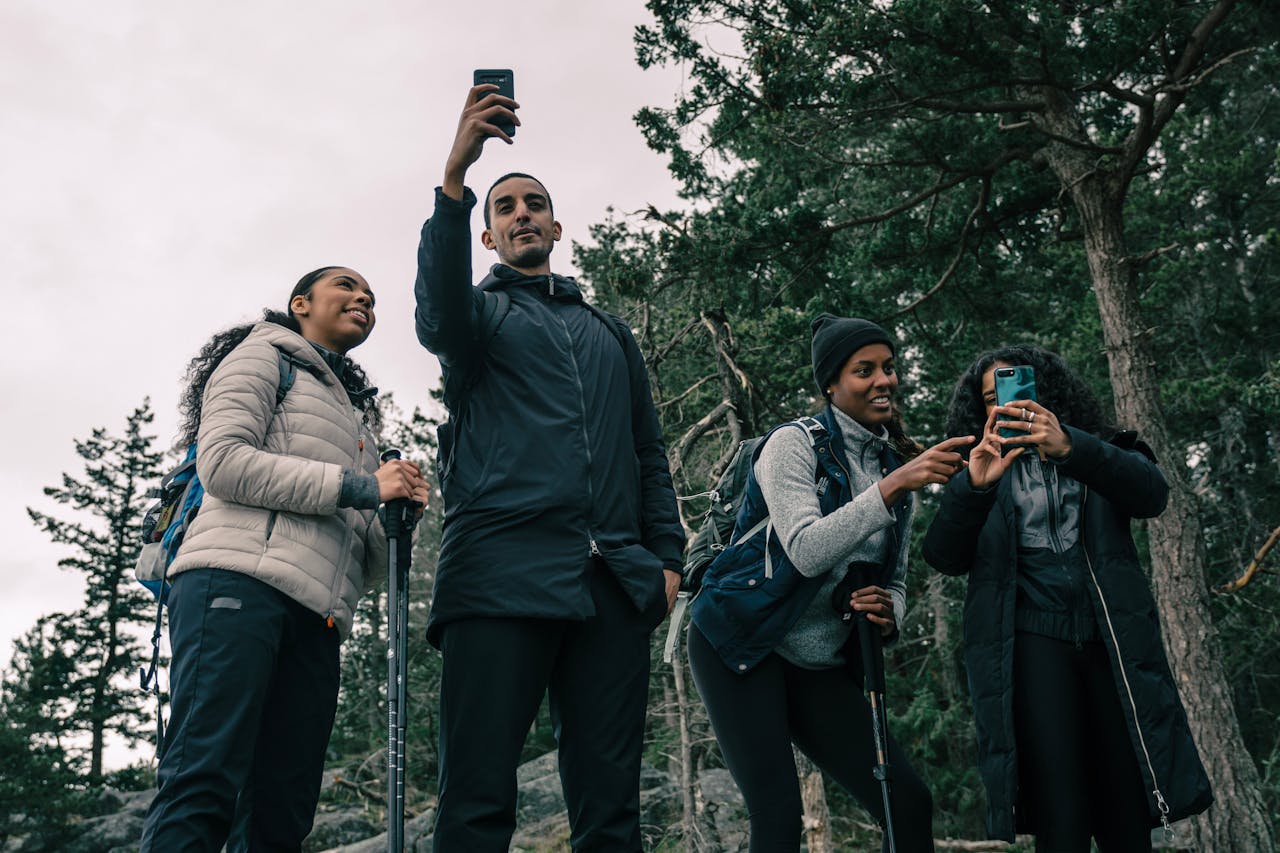
Many families are replacing objects with experiences that carry real emotional weight. An adventure itinerary feels like a meaningful present because it is scheduled, shared, and hard to replicate at home, which makes it feel intentional instead of impulsive. It also cuts decision fatigue: a guide sets the rhythm, the route sets the priorities, and the group spends less time negotiating and more time noticing. Grandparents read it as legacy, parents read it as a structured break, and kids read it as freedom with guardrails. The value shows up later, when the same story gets retold. Photos help, but the shared effort is what sticks. Months on.
Better Guides And Better Logistics Lower The Stress
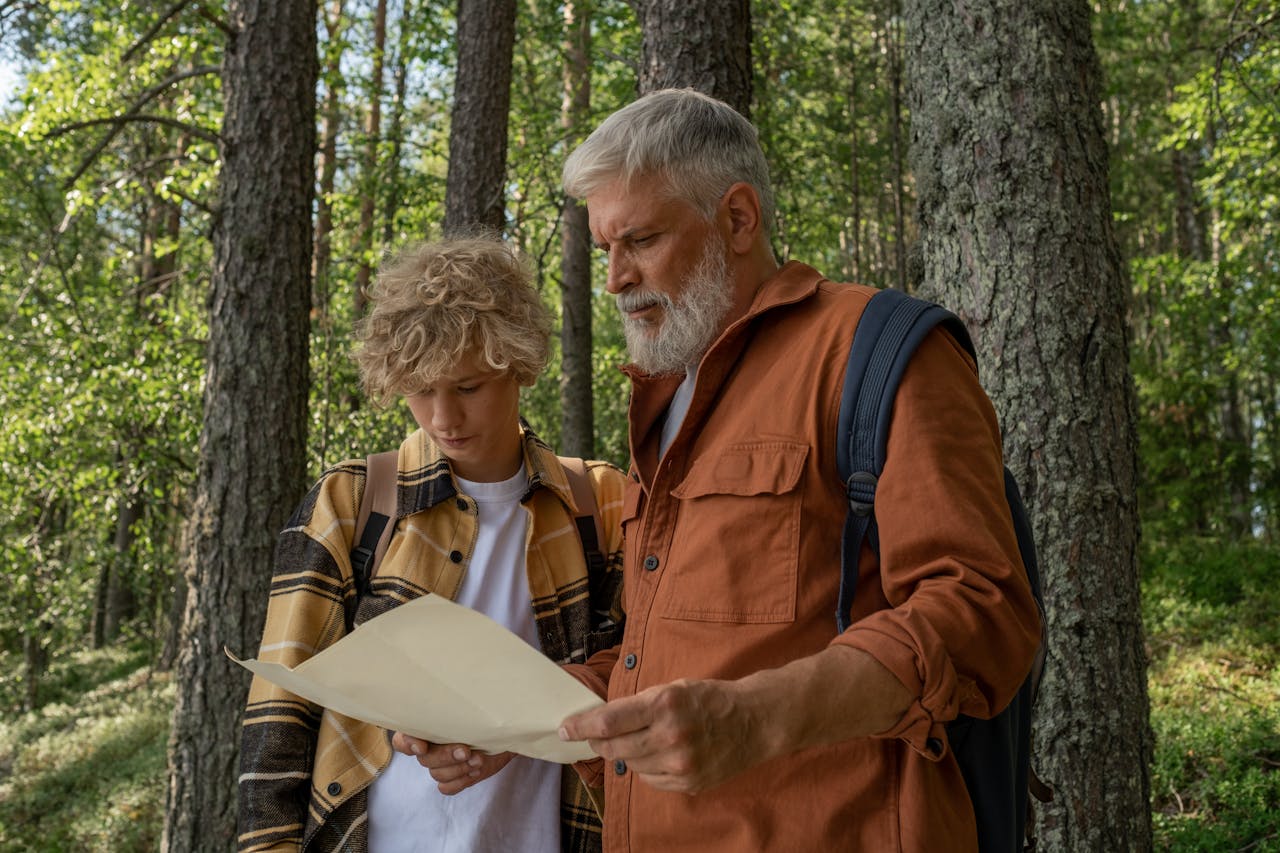
Mixed-age adventure travel used to sound stressful, but logistics have improved in ways families can feel. Guides plan around weather, mobility, and energy levels, and many operators build in alternatives when someone wants a quieter afternoon. Gear rentals, transfers, clear briefings, and well-chosen stops remove friction that once caused tension. The trip stays adventurous without feeling chaotic, which matters when one traveler is 12 and another is 72. Families get challenge with guardrails, not constant improvisation, and that steadiness lets everyone relax into the experience. When the plan is solid, the day feels bigger, not busier. So.
Health And Mobility Have Changed What Older Looks Like
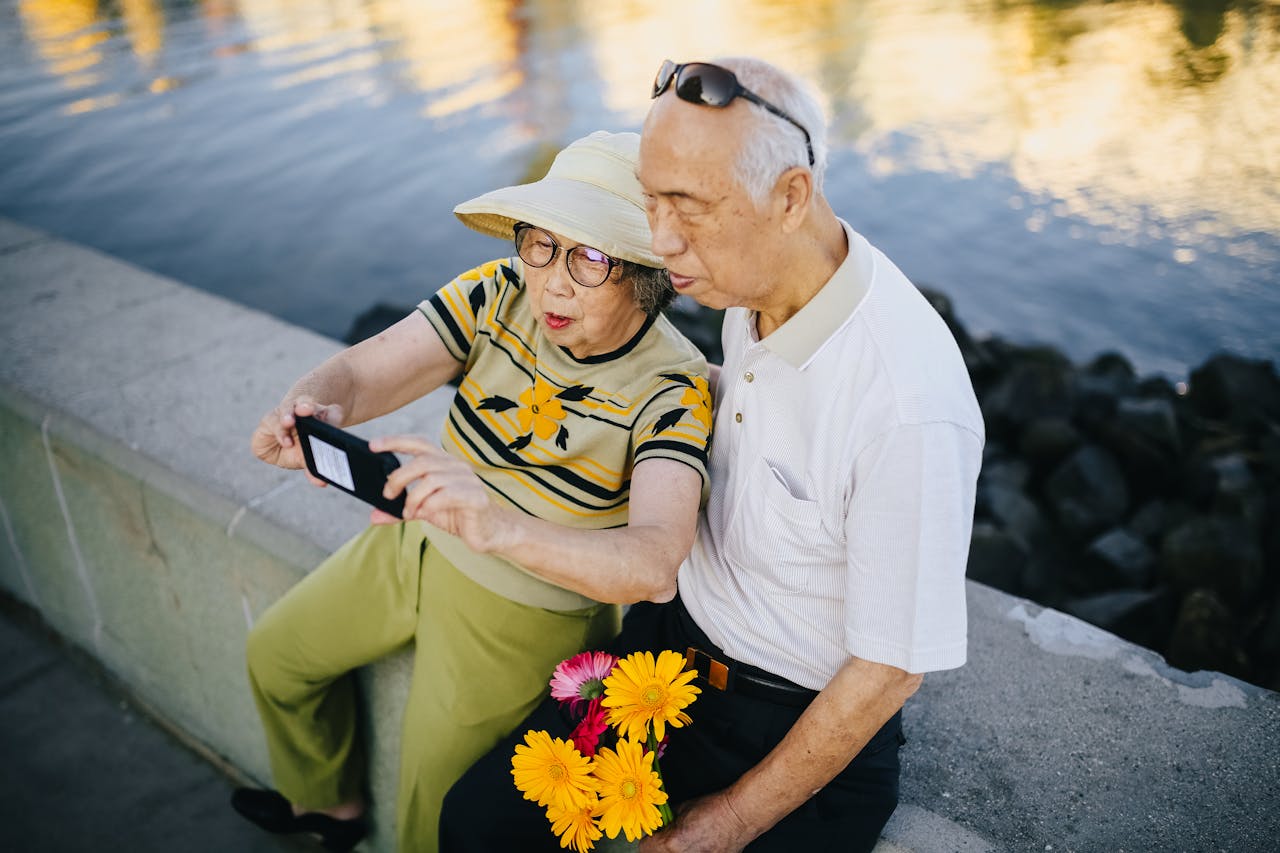
Many grandparents travel with more stamina and curiosity than earlier generations, and families are planning trips that match that reality. Hiking, paddling, and wildlife tours are framed as life activities with smart pacing, not youth-only challenges. At the same time, families know mobility can change, which creates urgency to travel while participation still feels easy. Adventure fits that window because it adapts without losing magic: a shorter hike can still deliver a stunning view, and a calmer river route can still feel thrilling. The goal shifts from proving ability to enjoying capability together, while it is simple to say yes. Soon.
Social Media Made Family Adventures Feel Normal
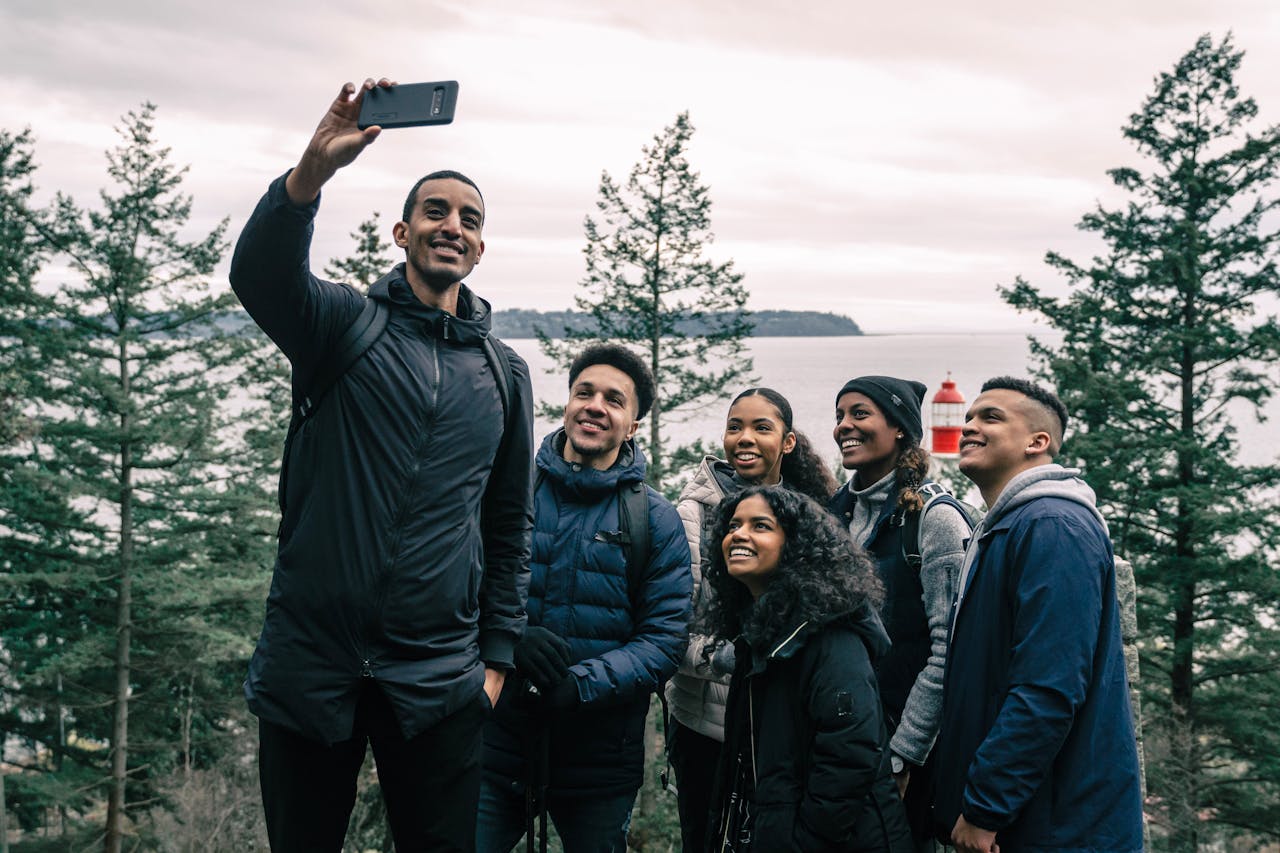
Family adventures are more visible than ever, and that visibility changes what feels realistic. Instead of picturing an extreme expedition, families see clear templates: a national park loop, a guided wildlife trip, or a hut-to-hut hike with luggage transfers. The examples reduce uncertainty by showing how days unfold, what gear matters, and how mixed ages share one experience without strain. Older travelers may not care about posting, but they benefit from the planning clarity and practical tips. When a format looks proven, families commit faster, and the spend feels safer. The trip stops feeling like a gamble and starts feeling doable. Now.
Big Family Gatherings Need A Shared Mission
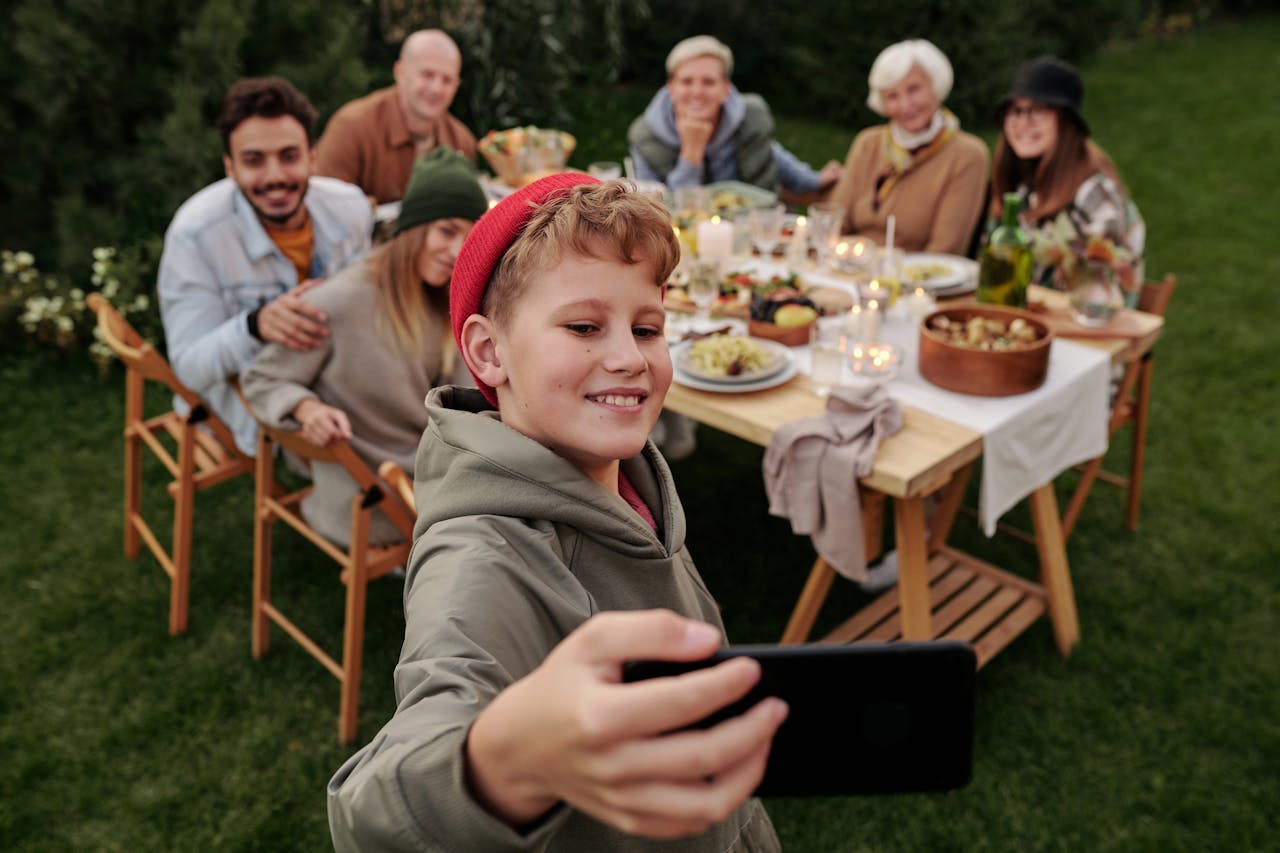
Traditional reunions can feel stiff because they rely on talking, eating, and entertaining every age group in the same room. Adventure trips fix that by giving the family a shared mission each day. A hike, snorkel outing, or guided canyon walk adds structure and lowers social pressure, because closeness happens while everyone moves toward a common goal. The mission also evens out family dynamics. Kids and grandparents both get moments to shine, whether it is spotting wildlife first or finishing the last stretch of trail. By the end, the group feels closer because it moved through the same landscape, not just the same hotel lobby. It shows. So


