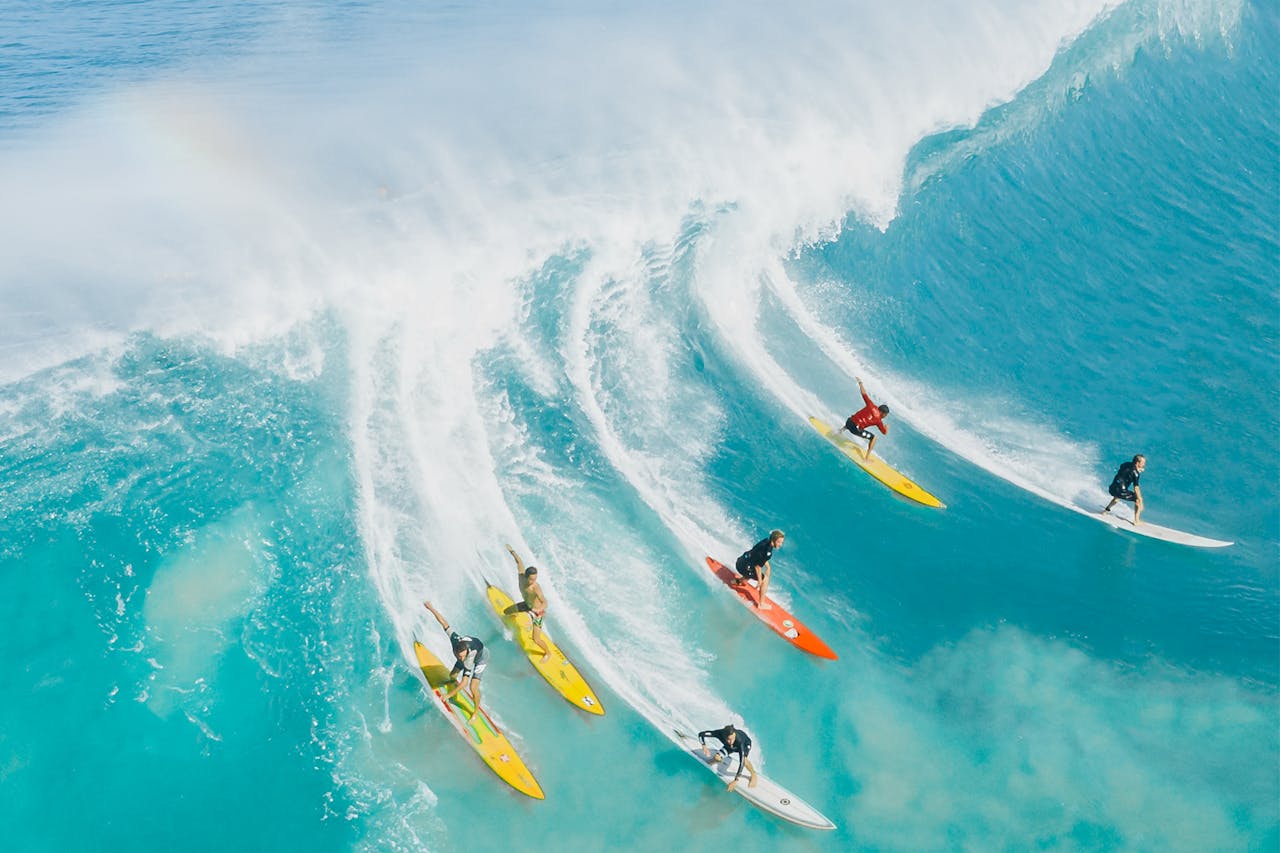
Some places look like postcards until the fine print shows up in the form of wind, rockfall, and bad luck.
Natural icons tend to feel safe because they are famous, photographed, and visited every day.
But fame does not lower risk; it often raises it by tempting people to push closer for proof they were there.
The common thread is speed: weather shifts fast, surfaces change fast, and rescue times are never fast.
Warnings get ignored for predictable reasons, like crowds, overconfidence, and the quiet pressure to not look scared.
A harmless plan becomes dangerous when shoes slip, water rises, or altitude steals clear thinking.
This ranking is less about fear and more about patterns that repeat at cliffs, coasts, and craters worldwide.
Read it like a checklist for humility, because nature does not bargain once the margin is gone.
Volcano Craters And Lava Lakes
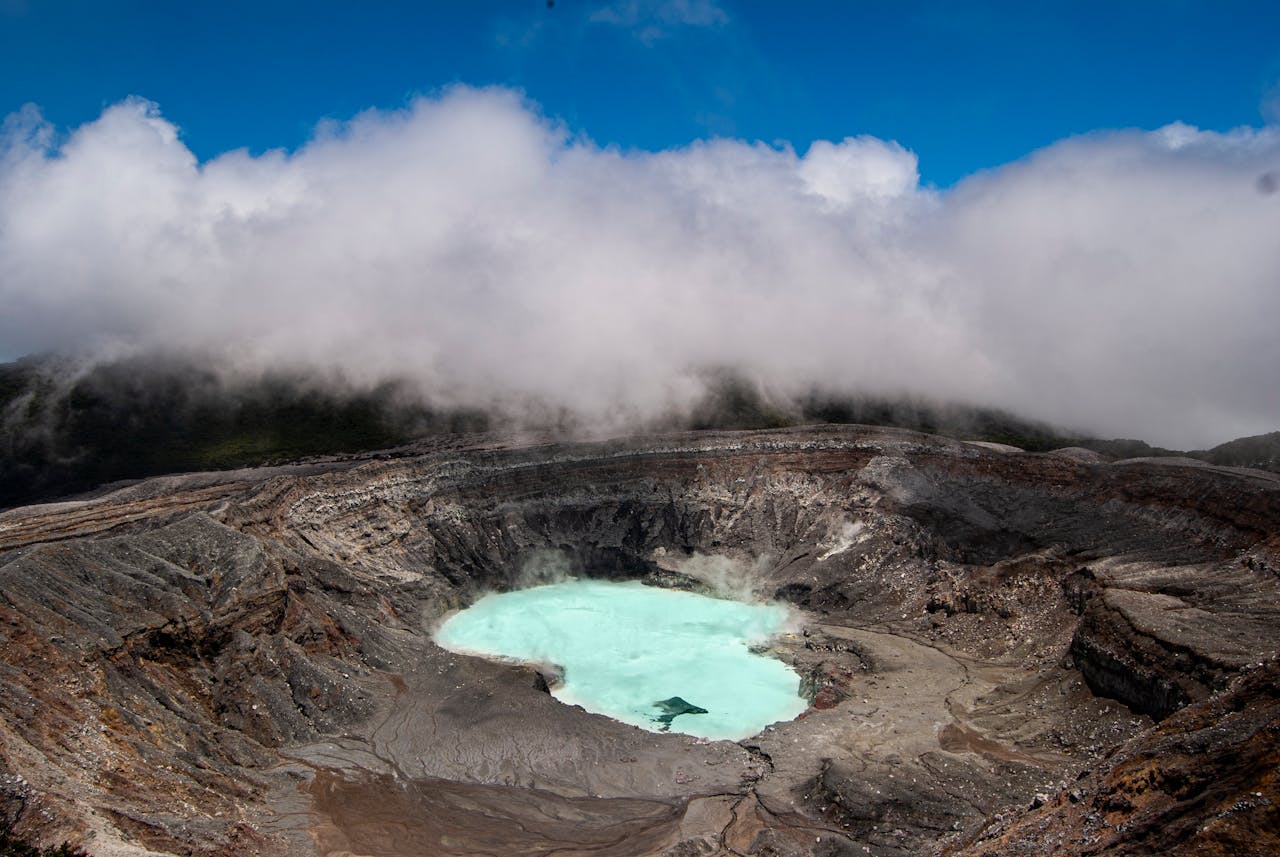
Crater rims can crumble without drama, and volcanic gases can pool in low spots even on calm days.
Many injuries start with one step off the marked path for a better angle, then loose scree does the rest.
Steam and heat also hide unstable ground, so what looks like dry rock may be thin crust over scalding voids.
Treat distance as the attraction, not the obstacle, and follow closures even when the view looks unchanged.
Glacier Ice Caves And Calving Fronts
Glaciers move like slow rivers, but their failures happen in seconds, with cracks that nobody hears in time.
Ice caves are especially deceptive because ceilings weaken daily, and meltwater can turn a stable floor into a trap.
Calving faces can throw ice blocks and shockwaves, so standing close for scale is a gamble with no payoff.
If locals say conditions changed overnight, believe them, because they did, and guides reroute for a reason.
Stay back, wear traction, and never assume yesterday’s footprints mean today’s route is safe.
Big Surf Breaks And Rip-Current Beaches
Famous beaches normalize danger, making powerful surf look like a challenge rather than a hazard.
Rips do not pull down; they pull out, and panic turns a manageable drift into exhaustion in minutes.
Sneaker waves and rogue sets also arrive beyond the rhythm people expect, especially on rocky shorelines.
Tourist tragedies often begin with phones out, backs turned, and a sudden wave that wipes the margin away.
Swim near lifeguards, respect red flags, and treat shoreline rocks as slippery ladders to nowhere.
Stand in the shallows only if you can still pivot, retreat, and keep your footing when a surprise set hits the beach.
Desert Dunes And Salt Flats
Deserts punish small mistakes, because heat and distance multiply each other once shade disappears.
People underestimate dehydration, then overestimate cell service, and both are silent until the body quits.
Salt flats add another trap: glare hides cracks, storms roll in fast, and tires sink when the crust breaks.
The danger is not getting lost alone; it is getting lost while convinced the road is just ahead.
Carry water beyond comfort, start early, and leave a plan with someone who will notice if you do not return.
When visibility drops, stop moving, because wandering in whiteout dust is how routes turn into circles.
Knife-Edge Ridges And Cliff Viewpoints
Cliffs feel stable until gusts hit, and a single stumble can become a long fall with no second chance.
Crowded viewpoints create passing pressure, so people step to the edge to let others through or to frame a shot.
Loose gravel, wet lichen, and hidden ice are common, especially at sunrise and after light rain.
If a path narrows, slow down, unclip the ego, and let the line form instead of forcing a squeeze.
Use both hands on rails when they exist, and skip the pose that requires leaning beyond your feet.
Geothermal Pools And Toxic Lakes
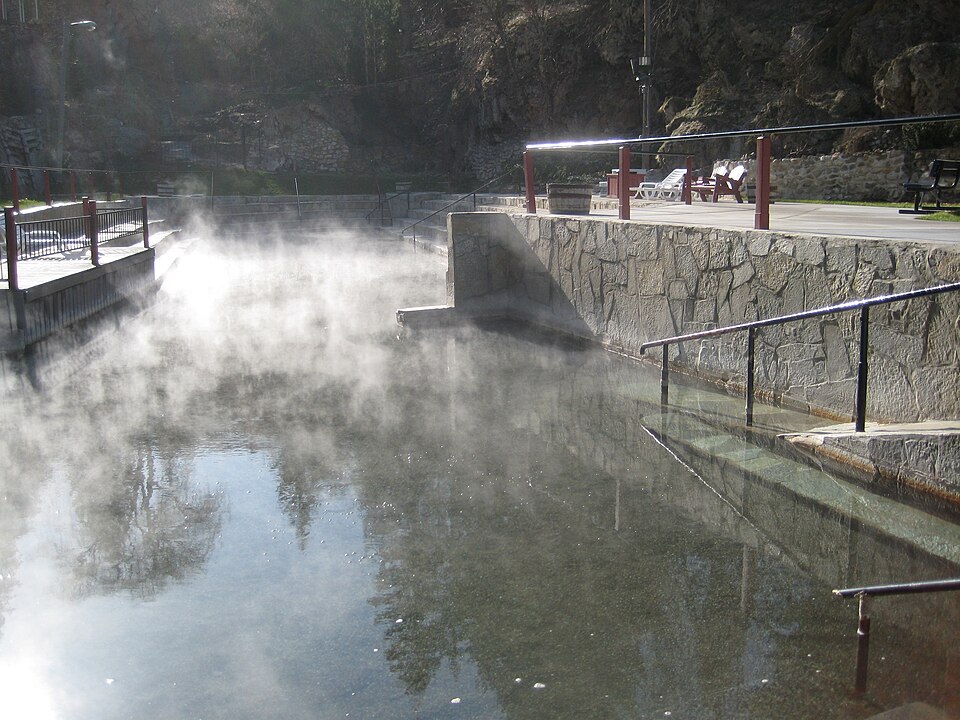
Hot springs and bright lakes look inviting, but chemistry and temperature can be lethal in seconds.
Thin crust near vents can collapse, and splashes from boiling water cause burns worse than a kitchen accident.
Some crater lakes release heavy gases, and a calm surface can hide water so acidic it eats fabric.
Ignoring barriers is common because the danger is invisible, yet the ground is literally unstable.
Stay on boardwalks, keep kids close, and treat warning signs like hard boundaries, not suggestions.
If you smell strong sulfur or feel dizzy, move upwind and away, because your body is giving an early alarm.
Slot Canyons During Storm Season
Slot canyons are scenic funnels, and that is the problem: rain miles away can send a wall of water through.
Flash floods arrive louder than expected, but often too late for climbing out once the current fills the corridor.
People ignore forecasts because skies overhead are blue, yet drainage basins work on geography, not vibes.
Water also carries rocks and logs, turning a hike into a battering ram with no safe corner.
Check weather for the whole region, not just the trailhead, and pick routes with clear exits.
If clouds build, leave early, because the first minutes of a storm are when escape is still possible.
Wildlife Crossings And River Edges
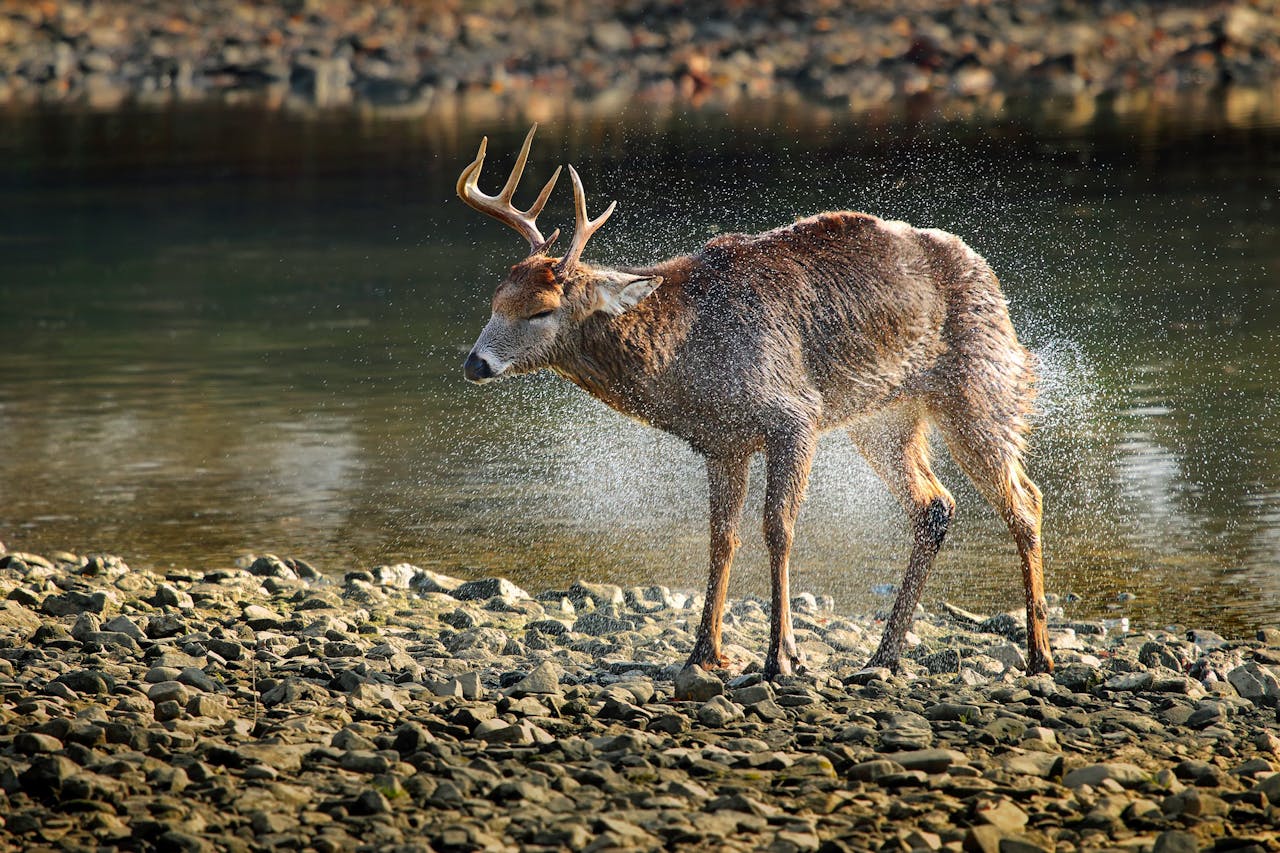
Rivers in wild parks look peaceful, but they concentrate animals that defend space with speed and weight.
Hippos, buffalo, and elk can charge faster than a sprint, while crocs and big cats favor the waterline.
The warning people ignore is distance, because zoom lenses make far animals feel close and harmless.
Crowds worsen it by boxing wildlife in, forcing an animal to choose between flight and fight.
Stay farther than you think, never stand between animals and water, and do not approach for a better frame.