
A house can look spotless and still feel off, because scent is often the first sign something has shifted. That musty whiff after rain, the sharp note when heat kicks on, or an odor that shows up only at night is a quiet warning. Most strange smells have plain causes: moisture feeding mildew, pressure pulling sewer gas, dust scorching on coils, or plastic warming inside a wall. In colder months, shut windows and longer HVAC cycles concentrate it all. Some odors are urgent, others just annoying, but tracking them early is usually cheaper than waiting for visible damage. A quick note of where and when it hits can point straight to the fix.
Rotten Egg Odor Near Appliances

A sulfur, rotten-egg smell near a stove, furnace, water heater, fireplace insert, or the gas meter can signal fuel gas, which utilities odorize so leaks do not stay invisible. Because even a tiny spark from a switch, static, or a pilot relight can ignite a concentrated pocket, the smart move is to open doors or windows on the way out, avoid flipping anything on or off, and call the utility or a licensed technician from outside. If the odor clusters around a floor drain or a rarely used bathroom, sewer gas from a dry P-trap, a loose toilet seal, or a venting issue can smell similar, often paired with gurgling drains or slow flushing.
Fishy Smell Around Outlets Or Lights
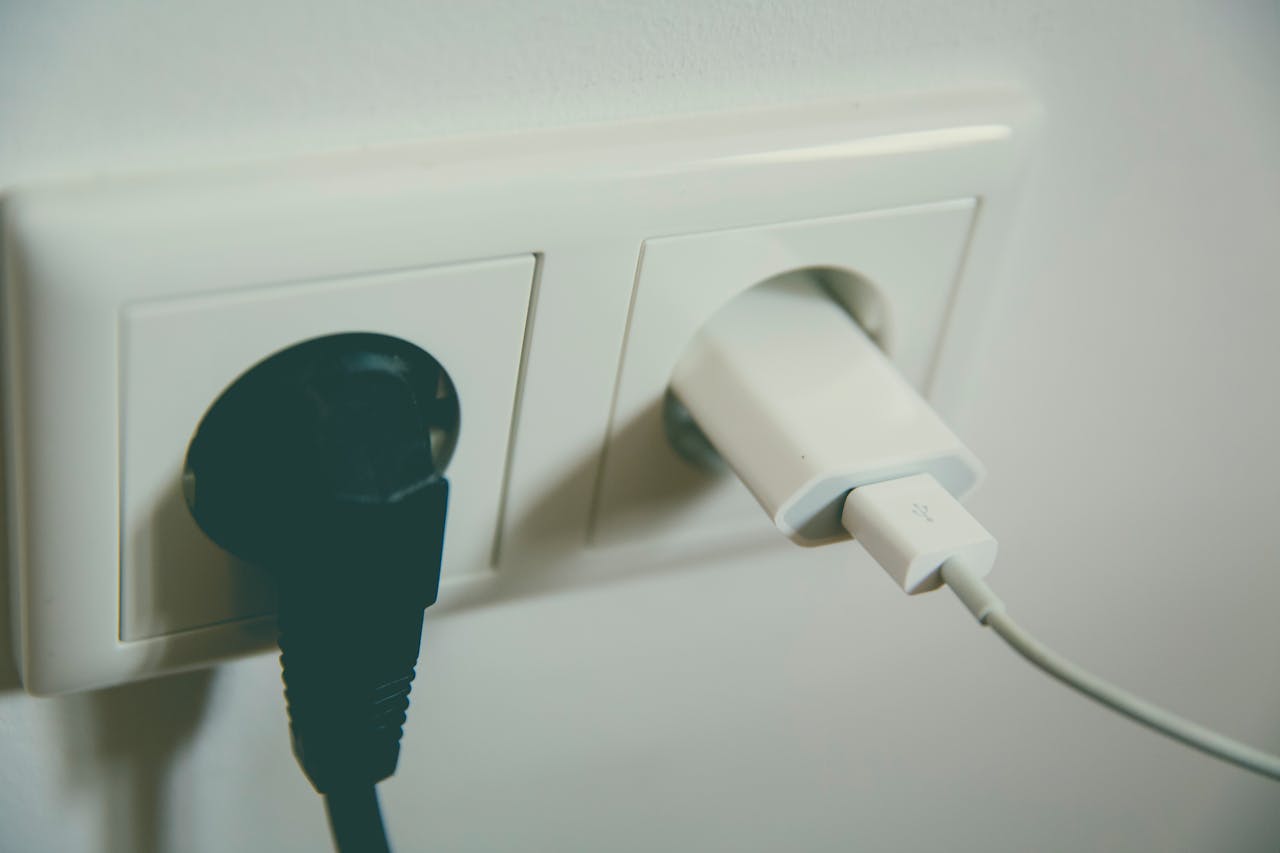
A fishy, briny odor around outlets, switches, dimmers, or recessed lights is often plastic heating up, as insulation and device housings warm and release a sharp smell. It can arrive with a warm faceplate, faint buzzing, flickers, or a breaker that trips after a hair dryer, toaster oven, space heater, or overloaded power strip runs, and the scent may linger even after things cool. Because arcing can happen behind drywall where heat spreads quietly, the practical move is to shut off the suspect circuit and have an electrician check for loose terminals, corrosion, or damaged wiring before it chars a stud bay or melts insulation.
Musty Basement Air Upstairs
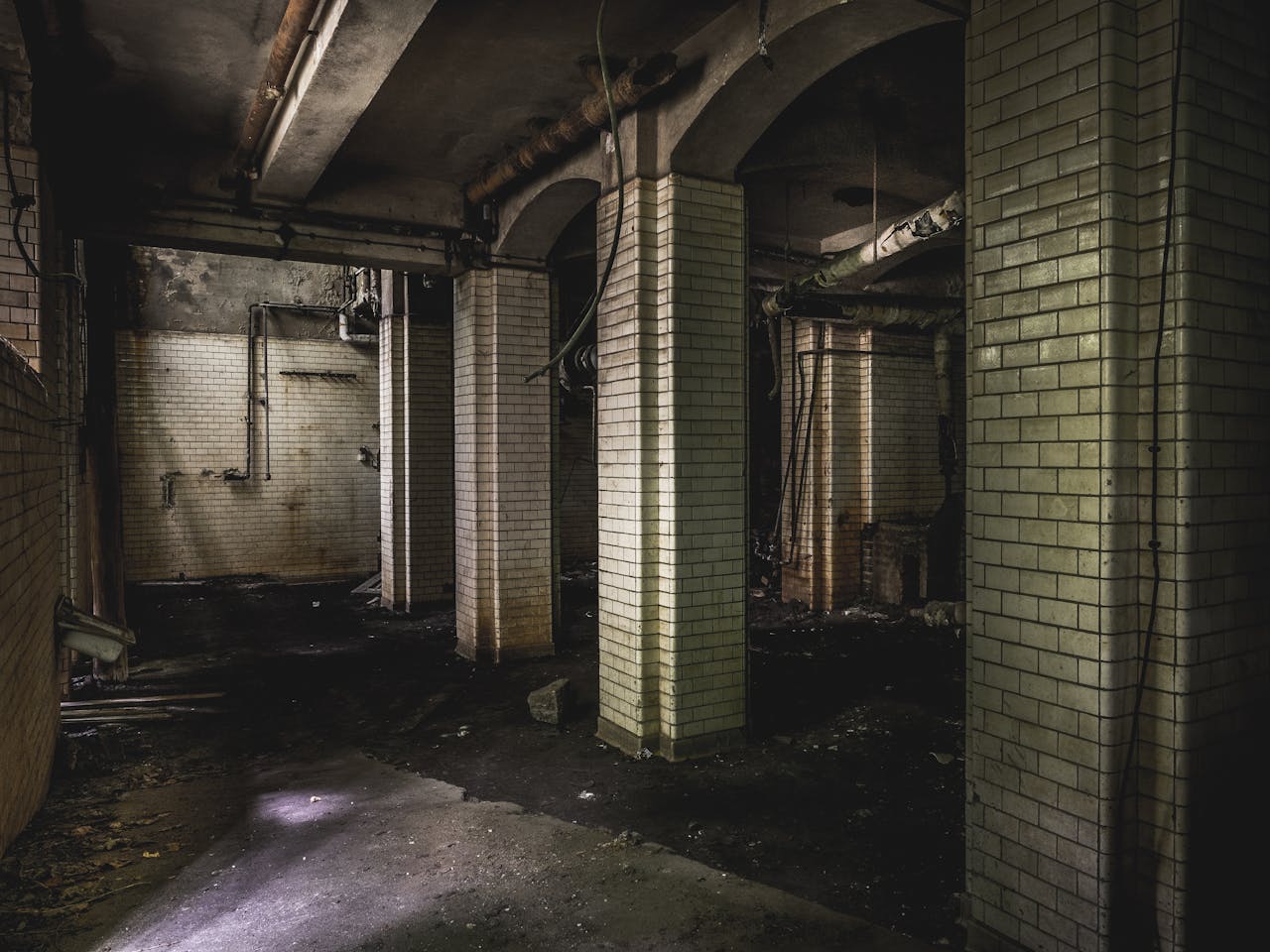
A musty, basement smell drifting into bedrooms or closets usually means moisture is feeding mildew somewhere out of sight, then HVAC airflow or simple warm-air rise carries it upward through gaps and chases. Common sources include damp carpet padding, wet drywall behind a sofa, a crawlspace with poor vapor control, or an air handler with a clogged condensate line and a pan that stays wet and slimy. The odor often spikes after rain or during humid spells, and the best clues are tactile: warped baseboards, cool clammy corners, peeling paint, rust on vent screws, or a closet that always feels a degree colder than the hallway.
Sweet Syrup Smell In A Hallway

A sweet, syrupy smell in a hallway can come from glycol-based fluids used in some HVAC and hydronic heating setups, and it hangs in the air because it clings to dust and fabric. Sometimes the culprit is not indoors at all: a car with a slow coolant leak in an attached garage can release sweet vapor that slips through door seals, especially when the engine is parked hot or a garage heater cycles. Clues are subtle, like a slightly sticky film near a supply vent, a pale stain under an air handler, or a damp patch by baseboard heat, and catching it early prevents corrosion, pump strain, and a sudden puddle in midwinter on tile floors.
Burning Dust That Will Not Quit

A light burning-dust smell at the first cold snap is common, as a season of dust warms on heater coils, baseboards, or heat exchangers, and it should fade within 10 to 15 minutes of airflow. The red flag is a sharper smoke or hot-plastic note that grows stronger, especially near a blower motor, dryer, range hood, or a vent that feels weak, because restricted airflow traps heat and cooks whatever is stuck to the surface. Filter changes, vent cleaning, and checking for lint in the dryer duct can solve the simple cases, but a persistent odor paired with new squeals, flickers, or repeated breaker trips deserves a prompt service call.
Sewage Smell After Showers
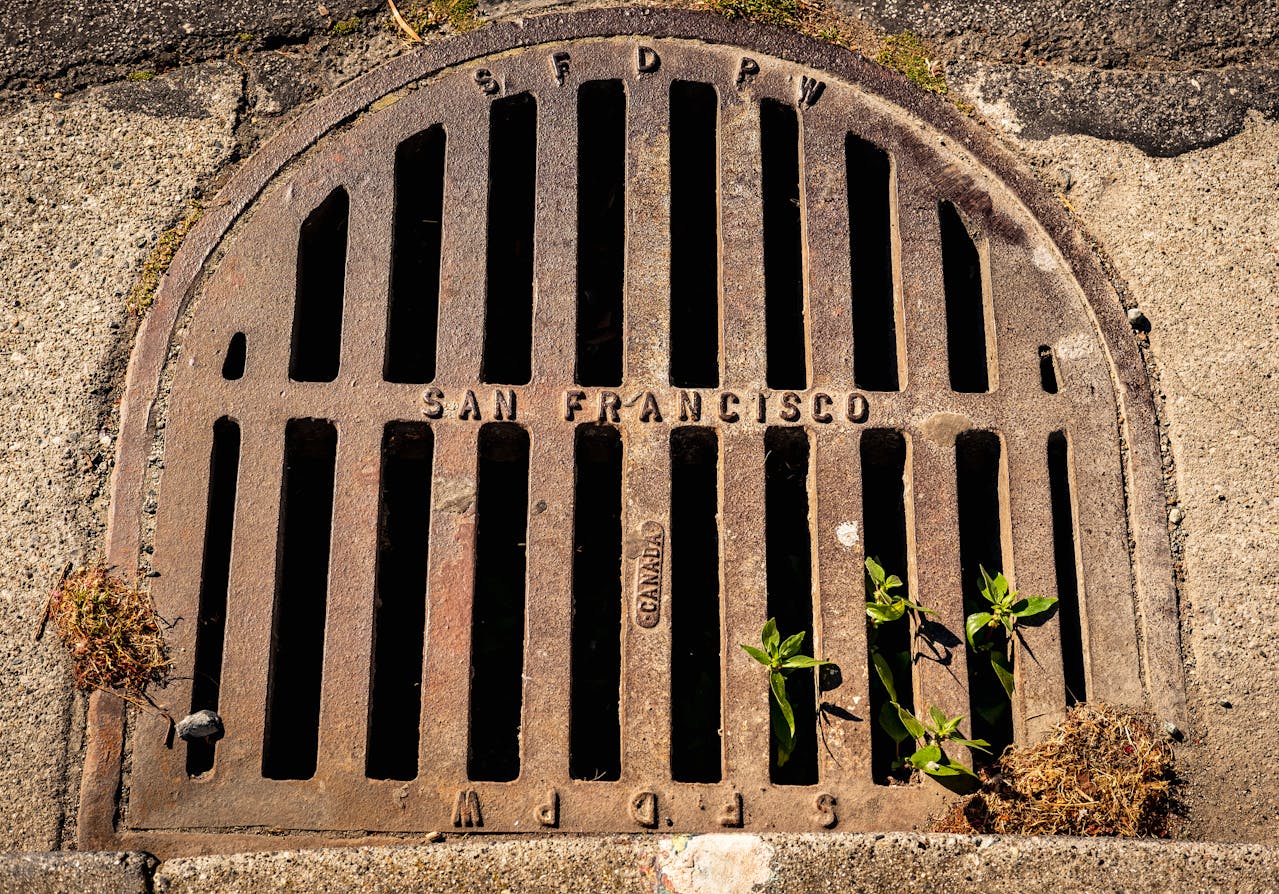
A sewage smell that spikes after showers usually points to a trap or vent problem, because fast-moving water and warm air change pressure and can tug sewer gases past a weak seal. A dry P-trap in an unused sink or basement floor drain is common, but a loose toilet wax ring, a cracked vent pipe in an attic, or a failing cleanout cap can create the same sour note, sometimes with gurgling drains, bubbles, or slow flushing. Because the smell can travel between floors through chases, the most useful clue is pattern: which fixture was used, how long the odor lasts, and whether rain, wind, or a laundry cycle makes it flare at night.
Ammonia Smell In A Closed Room

An ammonia or strong urine-like smell in a closed room often suggests animal activity, and it can appear even in homes without pets when a nook becomes a nesting spot. Rodents and stray cats may mark territory in attic insulation, under sinks, behind appliances, or inside cabinets, and heat from a radiator or supply vent can amplify the odor fast, especially after the room has been closed overnight. Because the scent clings to porous drywall, carpet, and wood, clues are small: dark pellets, shredded paper, rub marks along baseboards, or a corner that stays sharp even after cleaning, hinting that removal and sealing are needed.
Chemical Or Solvent Odor That Lingers
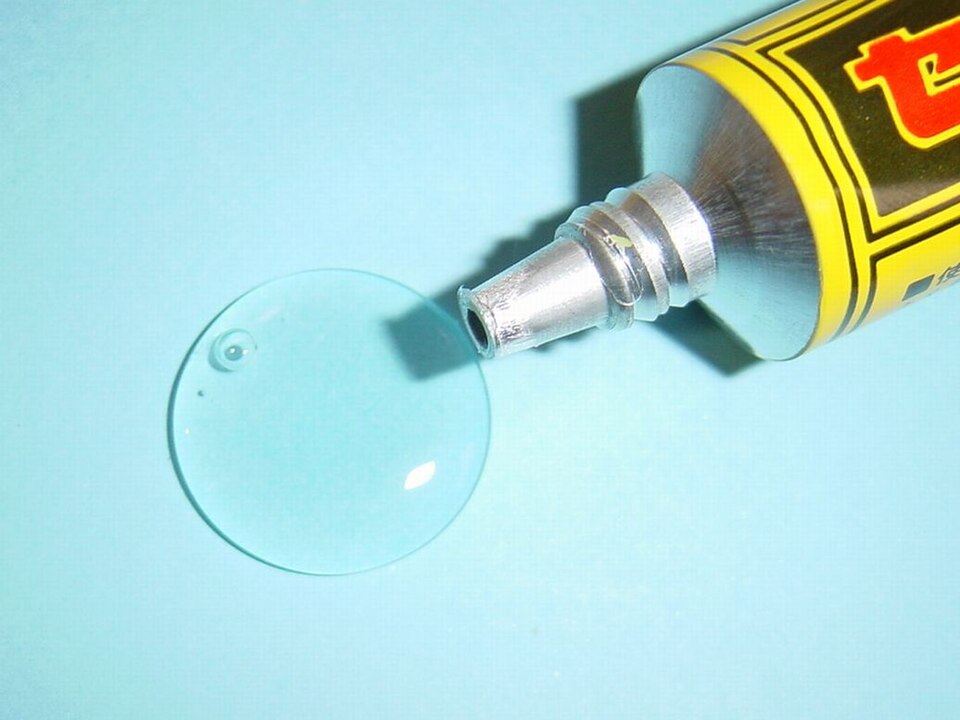
A sharp chemical, paint-thinner, or new-plastic smell usually comes from off-gassing, when materials release volatile compounds as they cure, age, or warm up. Fresh flooring, cabinets, foam cushions, adhesives, hobby supplies, and pesticides, plus gasoline cans in an attached garage, can flood a tight room, and the odor often worsens in sunlit closets or after the heat runs, when air exchange is low. The practical fix is boring but effective: increase ventilation, move solvents away from living space, and avoid mixing cleaners that can create harsher fumes, since the goal is dilution and time, not masking with fragrance for days.
Earthy Rot Or Unexplained Decay

An earthy rot or unexplained decay smell often means something organic is trapped where air moves but eyes do not, like a wall cavity, attic corner, a hidden soffit, behind a toe-kick, or the void under a tub. Small animals can enter crawlspaces and die, and the odor can pulse as HVAC cycles push air through gaps around ducts and registers, often worsening after rain raises humidity. Because the scent can linger for weeks and attract flies, the best direction comes from location: one room that stays worst, a ceiling stain that grows, damp wood that feels soft, or a pantry area where forgotten produce quietly liquefies over time.