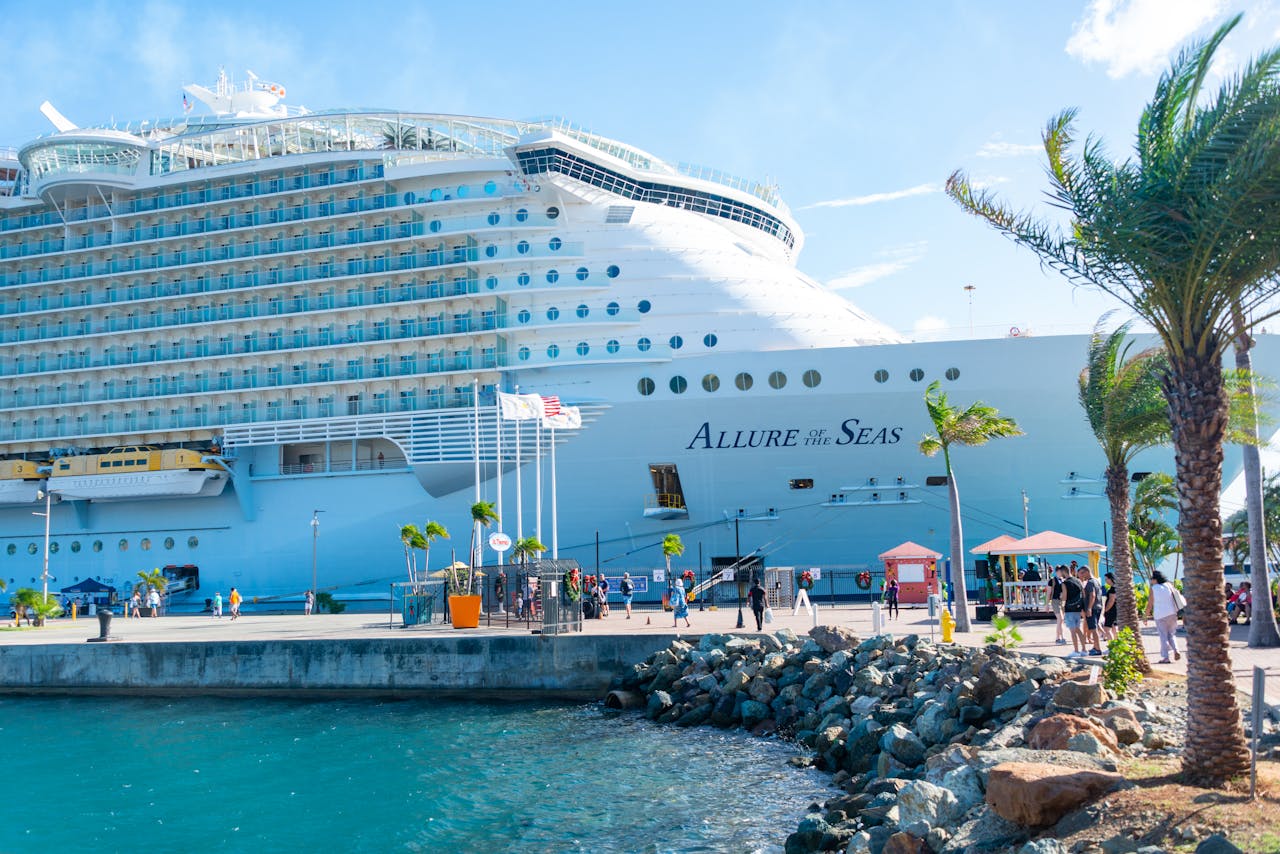
Cruise directors see the same pattern every sailing: first-timers arrive with big expectations, then lose time to avoidable missteps. Regret rarely comes from the ocean or the itinerary; it comes from tiny decisions made in airports, at check-in, and during the first few hours onboard.
A veteran cruise director’s perspective is simple: planning should protect the fun, not smother it. Knowing the ship’s schedule and a few key reservations ahead of time keeps the trip smooth, the budget calm, and the memories focused on sunsets instead of hassles. It prevents that sinking feeling when something was possible only on day one.
Skipping the App and Online Check-In

Many first-timers board without finishing online check-in or downloading the cruise line app, then spend embarkation stuck in lines. Digital boarding passes, muster steps, dining times, and daily schedules live in that app, and missing them creates messes all day.
Cruise directors notice the ripple effect: late arrival to the terminal, delayed cabin access, and a scattered start to reservations. Fifteen minutes at home to upload documents, pick arrival times, and enable notifications makes boarding calmer and frees the first afternoon for lunch, exploring decks, and settling in. Muster steps go faster, and day one stays calm.
Arriving in Port the Same Day as Sailing
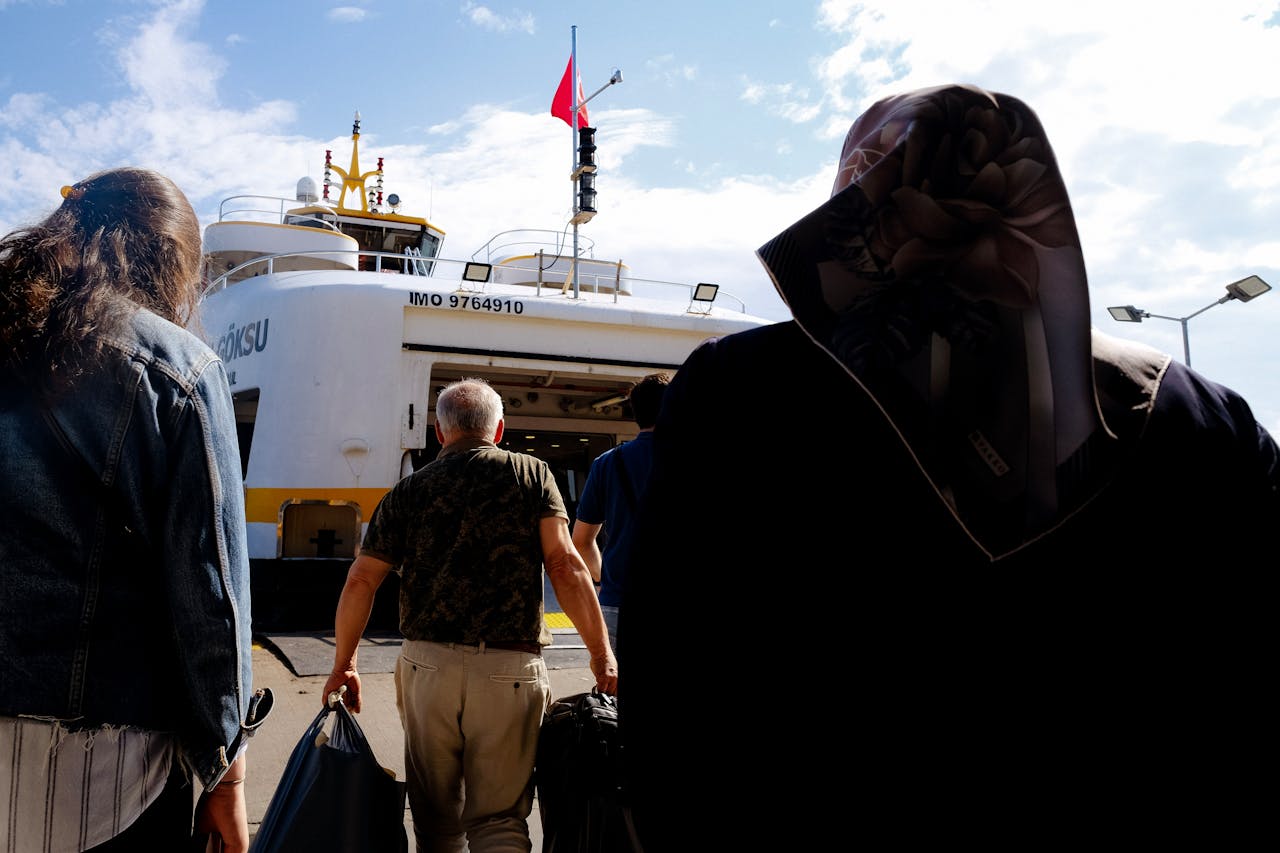
Nothing strains a vacation like landing late, watching traffic crawl, and realizing the ship runs on its own clock. Weather delays and missed connections are normal travel problems, but on embarkation day they can cancel a trip before it starts.
Seasoned crew members advise arriving the day before when possible, especially in stormy seasons or during holiday crowds. That extra night buys buffer time for baggage issues, a relaxed breakfast, and a calm transfer to the terminal. It also leaves room for a backup plan if the original flight route goes sideways. That buffer protects the mood, since stress can linger for days.
Packing Like a Road Trip, Not a Ship
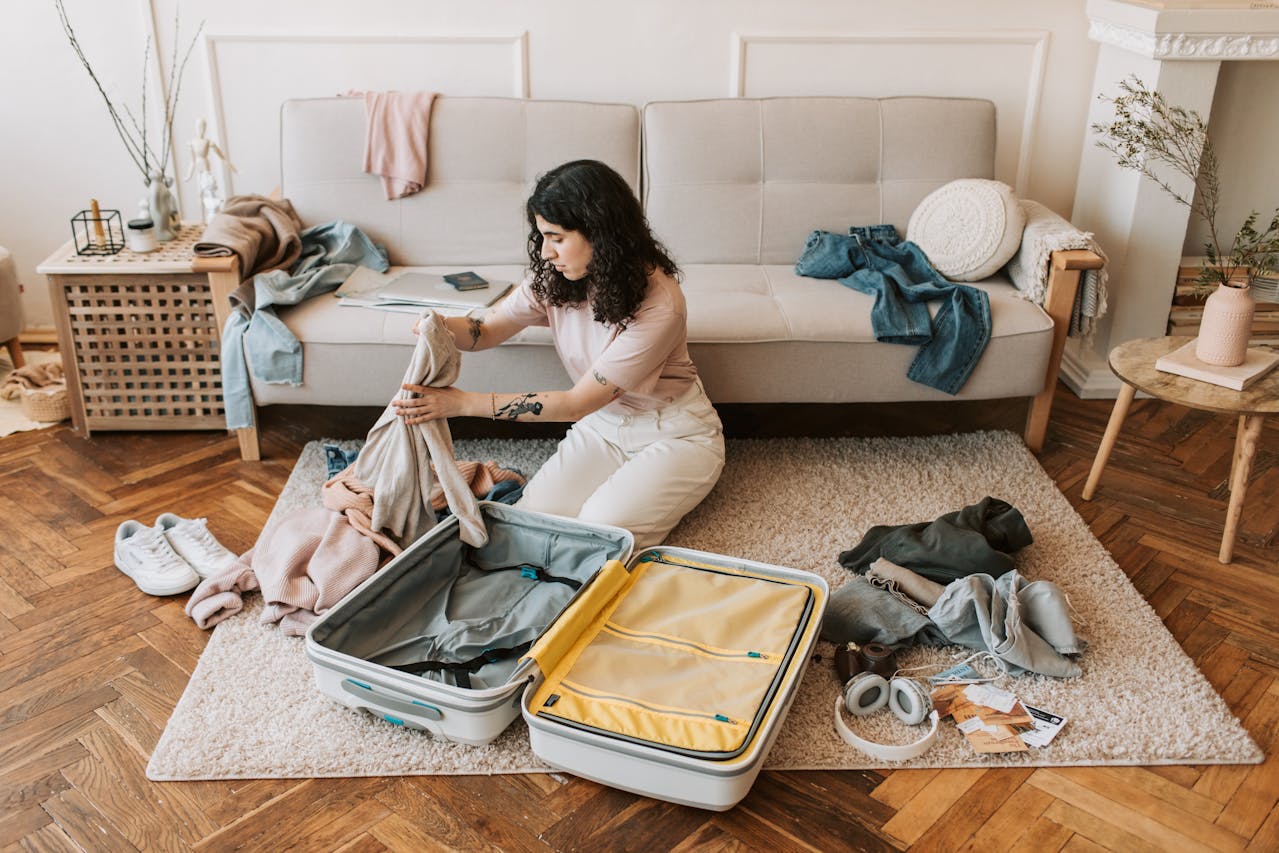
First-time cruisers often overpack clothes and underpack the boring essentials that keep days comfortable. Cabins store less than hotel rooms, laundries can be limited, and the wrong shoes or a missing adapter turns simple plans into errands.
Cruise staff see the same fixes repeated: a small day bag, swim coverups, motion relief, reef-safe sunscreen, and one outfit that fits a formal night. Smart packing is not about more items; it is about the few that prevent friction. When the suitcase is lean and purposeful, mornings start faster and the ship feels easier to enjoy. A refillable bottle and tiny kit solve more than extra outfits.
Ignoring the Ship’s Time and Daily Schedule
Ports may shift clocks, but the ship may stay on its own time for safety and planning, and newcomers miss that detail. A breakfast that feels early or a shuttle that feels on time can still lead to late arrivals, missed tours, and frantic sprints.
Cruise directors recommend checking the daily program each morning and setting phone clocks to match ship time. It sounds small, yet it protects dinner reservations, show seats, and that last tender back to the gangway. Even on sea days, the schedule matters because activities rotate and popular events close their doors once full. Planning by the clock keeps tours and rest aligned.
Waiting Too Long to Book Dining, Shows, and Spa Slots

Popular restaurants, headline shows, and prime spa hours fill quickly, especially on newer ships and school-break sailings. First-timers sometimes assume everything is walk-up, then discover their top picks are gone until the final night.
Onboard teams can help with waitlists, but the best windows often happen before sailing or right after boarding. Booking a few anchor moments early leaves the rest of the schedule open and prevents the feeling of chasing options. That balance also reduces stress between travel companions who want different things at the same time. It avoids the debate about where to eat when people are hungry.
Treating the Drink Package as Free Money

Drink packages can be a good deal, but regret starts when the math is ignored and choices become automatic. Specialty coffees, bottled water, and mocktails count differently by line, and some sailings bundle gratuities that surprise people.
Cruise directors see happier guests when they decide a budget first, then choose the plan that matches habits, not hopes. A simple rule helps: if the package forces extra consumption to feel worth it, pay as needed and enjoy without pressure. Moderation also keeps mornings clearer, which matters when ports start early. Spreading indulgences all week keeps energy steady on early port mornings.
Forgetting to Watch the Onboard Account and Fees

Many first-time cruisers treat the keycard like magic, then get shocked at the final statement. Gratuities, specialty dining upcharges, photos, arcade taps, and Wi-Fi bundles add up quietly, especially in families.
Ships make it easy to track spending in the app or at guest services, and crew members are used to setting limits. Checking the account every day keeps surprises small and turns money conversations into quick adjustments, not late-night regret. It also helps catch simple errors early, when they are easiest to fix. Spending alerts and cabin limits are easy to set, and they stop small splurges from snowballing.
Underestimating Sun, Wind, and Dehydration at Sea

Even on mild days, ocean wind and reflected light can burn skin fast, and newcomers do not feel it until evening. Air-conditioned interiors also mask dehydration, which can worsen headaches and make motion feel stronger.
Experienced staff push simple habits: sunscreen early, shade breaks, water between cocktails, and light snacks after excursions. Those basics protect energy for late shows and early ports, and they keep the trip feeling steady instead of drained. A brimmed hat and lip balm sound minor, but they spare a lot of discomfort. Reapplying after swims and windy decks matters, because spray and sweat strip protection.
Treating Port Days Like a Race
First-timers sometimes book back-to-back tours, then rush through ports without time to breathe or notice where they are. Long bus rides, heat, and tight timelines stack up, turning a dream itinerary into a blur of queues and clocks.
Cruise directors often suggest one signature plan per port, plus a small pocket of unstructured wandering. That rhythm leaves space for a local café, a quiet shoreline, or an unexpected market find, which is where trips become personal. It also builds recovery time, so sea days feel refreshing instead of like catch-up. A slower pace leaves time to linger at viewpoints, which is what people remember.