
Homeownership can feel straightforward until rules enter the room. Permits, HOA bylaws, and local codes are meant to keep things safe and predictable, but they also turn simple plans into schedules, forms, and follow-up calls that never seem to end.
The pressure lands in ordinary moments: a repair that needs an inspection slot, a paint choice that needs approval, or a yard plan that clashes with drought limits. A homeowner can do everything right and still lose weeks to waiting rooms and inbox silence. What should be a weekend project becomes a slow lesson in paperwork, patience, and the cost of staying compliant. In real time.
Permit Timelines That Stretch the Season

Permit timelines stretch small repairs into long waits. Electrical, plumbing, or structural work often triggers plan review, fees, and a narrow set of inspection days, so contractors juggle gaps while materials sit and prices creep up.
Many offices request revised drawings, product specs, or updated contractor licenses before approving a start. If a permit expires or paperwork is missing, a reinspection charge can follow, and a stop-work notice is possible after a complaint. Even when work is sound, the house lives in half-finished mode, and the calendar, not the homeowner, sets the pace. Weather windows close fast, too.
HOA Standards That Turn Taste Into Paperwork

HOA standards can turn taste into paperwork. Exterior paint, roofing, fences, lighting, and landscaping may require approval, with color codes, product details, and photos that match a rulebook written years ago.
Boards often meet on fixed dates, so a missed submission can cost weeks. A repair after hail or wind becomes a matching contest, and an upgrade can trigger warning letters or fines if the committee says it looks off. Appeals take time, and a pending violation can complicate refinancing or resale. When enforcement feels uneven from block to block, homeowners learn that the fastest path is often compliance, not creativity.
Historic District Reviews That Limit Practical Upgrades

Historic district rules protect street character, but they can limit practical upgrades. Window styles, siding, railings, and roofing may need to match period standards, and even modest exterior changes can require a hearing and drawings.
Solar panels or heat pumps may be restricted if they show from the street, pushing owners toward slower fixes. Energy-saving materials can be harder to approve when they shift the look. Custom millwork and specialty labor raise costs, and review cycles add weeks of waiting. Homeowners balance comfort and bills against the duty of keeping a neighborhood’s story intact. The trade-off stays constant.
Short-Term Rental Limits That Rewrite the Budget
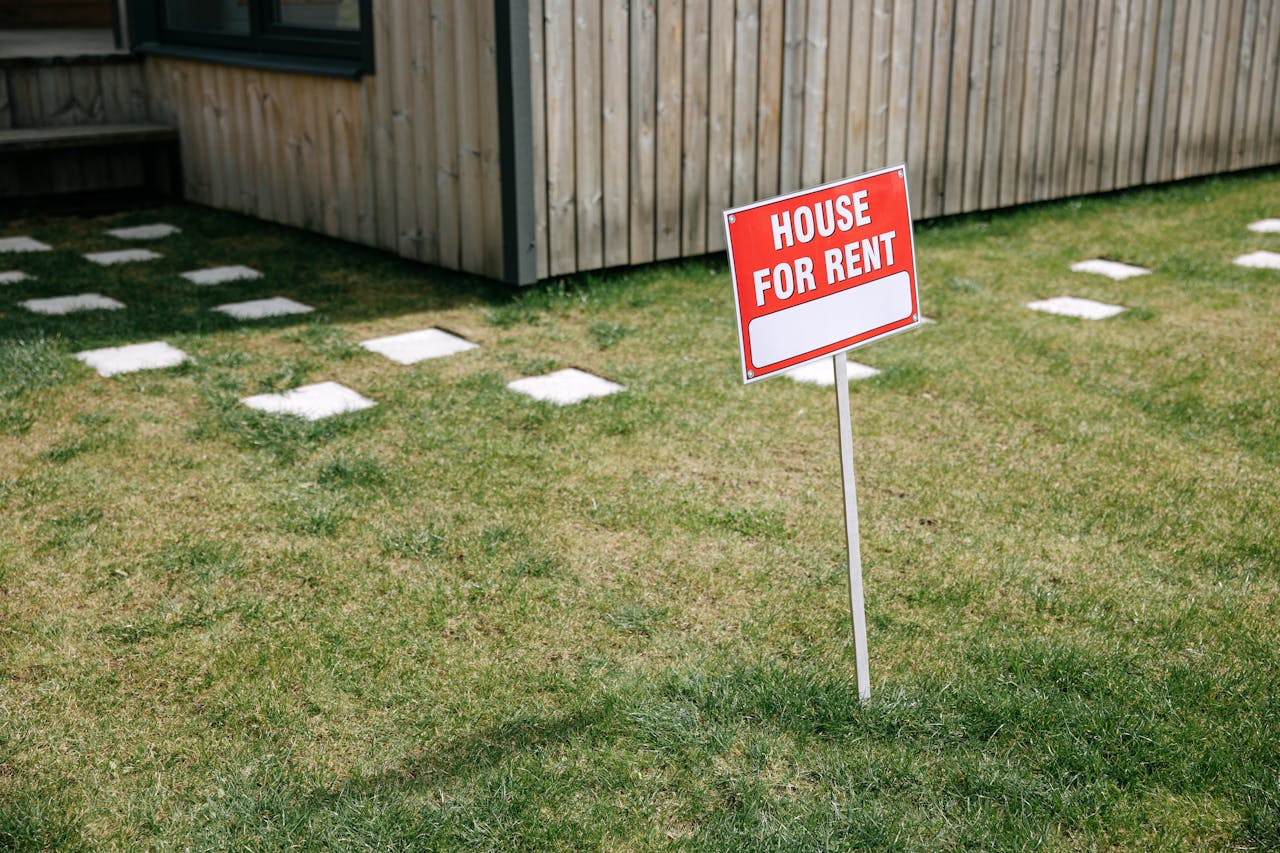
Short-term rental limits can rewrite a household budget. Cities may cap permits, require owner-occupancy, set minimum-night stays, or restrict rentals to certain zones, while HOAs sometimes ban them outright after complaints.
Fees, local taxes, registration deadlines, and surprise inspections can stack up fast. When rules change, expected income vanishes, and mortgage math tightens at the worst moment, often right after repairs or a job shift. Homeowners are left deciding whether to pivot to long-term tenants, sell, or absorb the loss while staying on the right side of enforcement. Online listings can draw quick scrutiny.
Yard Rules That Clash With Climate and Common Sense
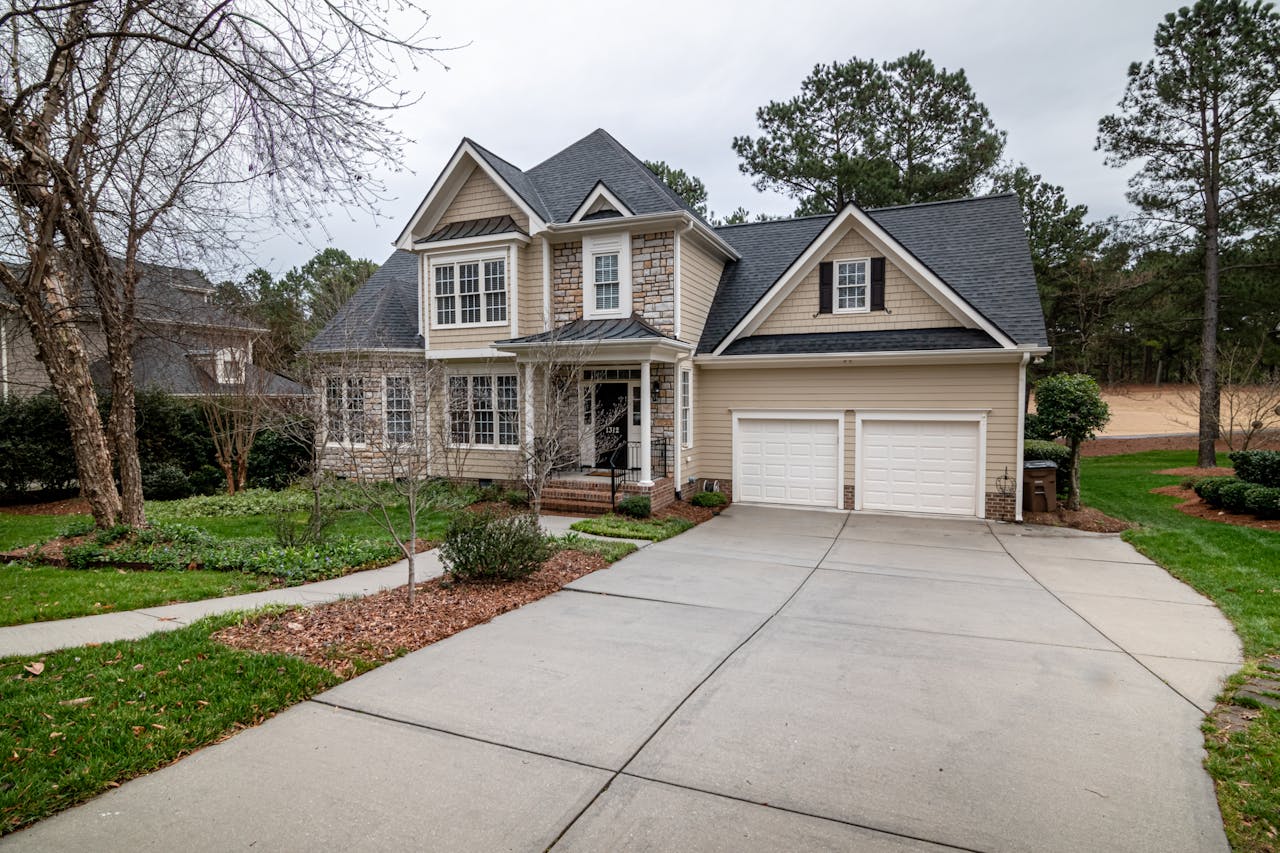
Yard rules can clash with climate reality. Drought limits, watering schedules, and wildfire clearance rules are increasingly common, yet some HOAs still expect a uniform lawn, trimmed hedges, and a specific look.
Switching to native plants, gravel, or drip irrigation can trigger design reviews, plant lists, and photo checks before a shovel hits dirt. Tree removals may need permits, and sidewalk planting can be restricted by utilities. Homeowners trying to be responsible can feel punished for adapting, especially when a greener plan is treated as a violation until every box is checked. That can mean rework and fines later.
Parking Restrictions That Punish Normal Life
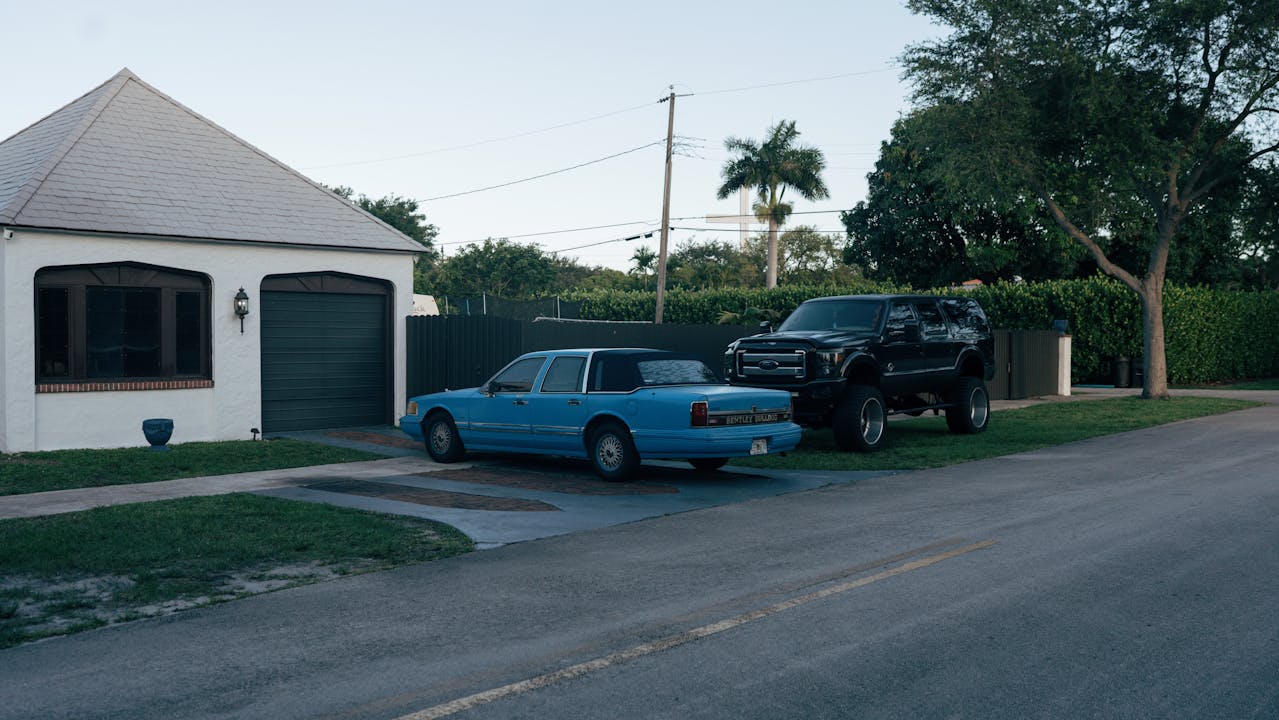
Parking restrictions sound minor until daily life tests them. Many HOAs limit overnight street parking, ban RVs or boats, and restrict commercial vehicles, while cities enforce permit zones, sweeping days, and time limits with quick tickets.
A visiting relative, a new teen driver, or a contractor van can trigger warnings after one complaint. Some rules reach into driveways, controlling how many cars fit, whether a vehicle must be fully enclosed, or how long a trailer can stay. Homeowners end up planning errands and gatherings around signs, neighbors, and the fear of waking up to another fine. Tow notices escalate tension fast.
Work-Hour Limits That Slow Urgent Repairs

Work-hour rules can slow urgent repairs. After a leak or storm, owners want fast drying and quick rebuilds, but many HOAs limit construction times, require contractor badges, and demand deposits, insurance proof, and scheduled deliveries.
Condos may control elevator reservations, dumpster placement, and where work vans can park, while cities can cite noisy work outside allowed hours. If a crew misses the narrow window, progress stalls, dust lingers, and costs rise with every remobilization. Homeowners can do everything by the book and still live longer with open walls and temporary setups. Neighbor complaints add pressure.
Compliance Costs That Keep Rising Quietly

Compliance costs rise quietly, and they rarely feel optional. An HOA may require specific insurance limits, annual inspections, or special assessments for roofs, pools, elevators, and shared walls, while local permits can trigger code upgrades.
Small items add up: smoke alarms, handrails, pressure regulators, or seismic straps during a remodel or sale. Lenders and insurers may ask for proof, and delays can threaten closing dates. Homeowners watch fees climb faster than wages, then realize the money went to staying eligible, not to the improvements that make a house feel settled. Missed deadlines can bring penalties, too.