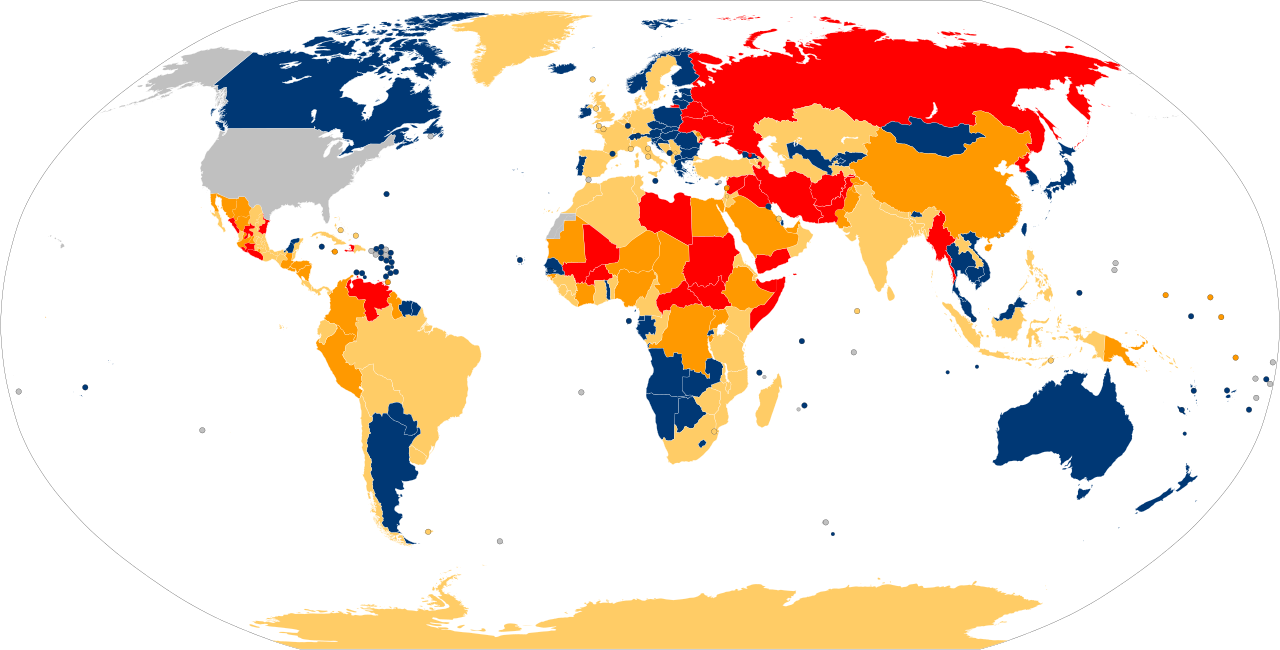
When the United States updates a Level 4 advisory, the signal reaches far beyond policy circles. It shifts conversations at dinner tables, interrupts travel plans months in the making, and reminds people how fragile mobility becomes when diplomacy fractures or local conditions turn volatile. Advisories distill complex risks civil unrest, terrorism, detention, or lack of consular access into guidance that ordinary travelers can grasp quickly. The most recent update arrived with a directness that leaves little room for interpretation, reflecting not only current events but the practical limits of what the U.S. government can do when citizens find themselves in danger abroad.
What A Level 4 Advisory Actually Implies
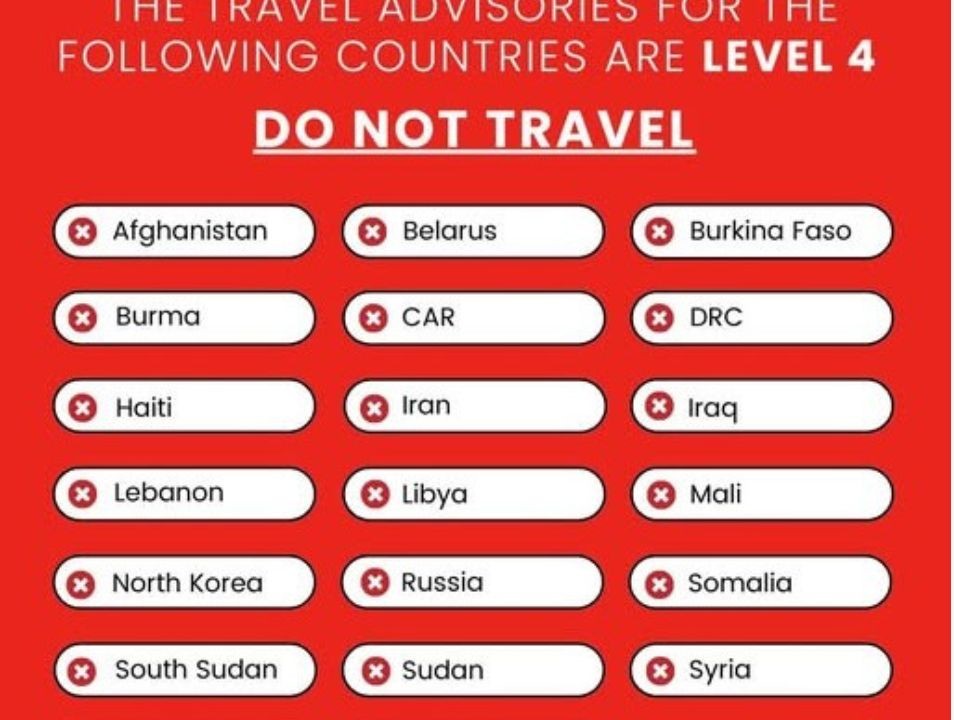
A Level 4 advisory is not issued lightly, and when it appears, it condenses months of threat assessments into a message meant to protect lives rather than frighten people unnecessarily. It signals that a destination carries life-threatening risks and that typical diplomatic support may be constrained or entirely absent. Travelers are urged not to enter the country, and citizens already there are asked to leave when doing so will not escalate personal risk. This level also reminds families back home that even routine problems a lost document, a medical emergency, a sudden flare of unrest may go unresolved because the U.S. has limited tools available on the ground. It is designed for clarity, not nuance, because nuance can be dangerous when time is short.
Why Iran Received The Updated Warning
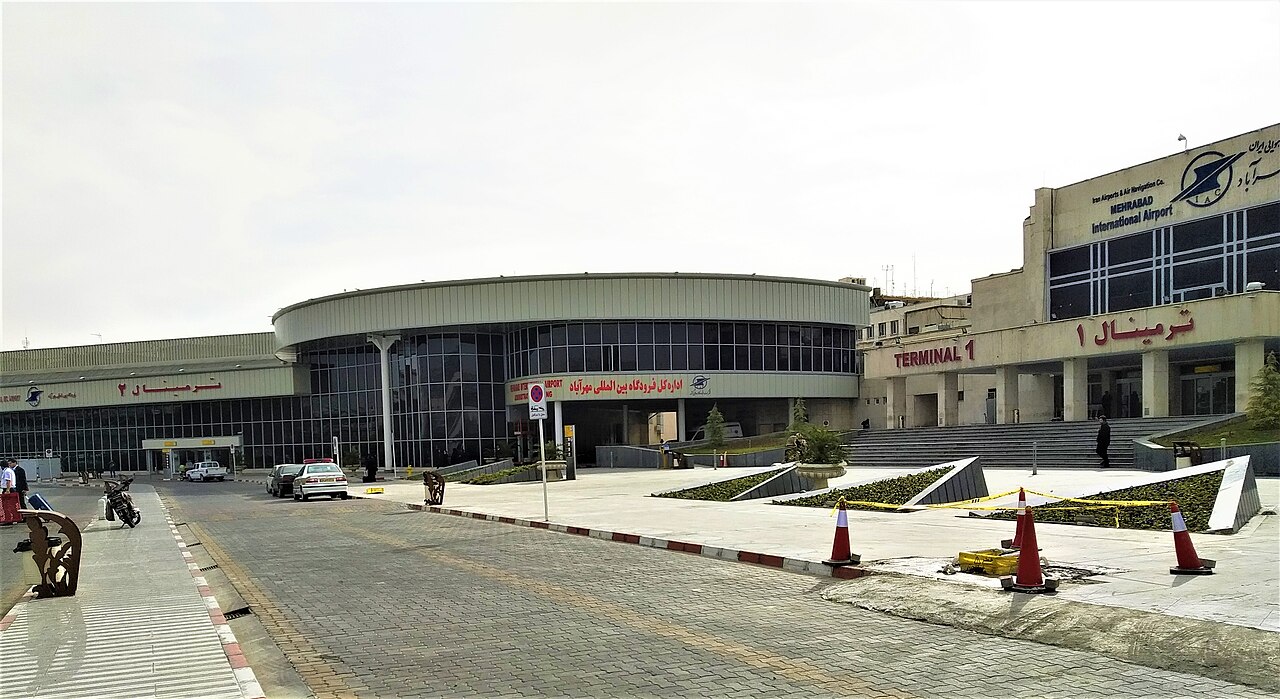
The updated advisory for Iran reflects years of tension layered onto recent incidents that sharpened concerns about terrorism, civil unrest, and the targeting of foreign nationals. The State Department emphasized risks including wrongful detention and arbitrary arrest, noting that some U.S. citizens have been held for years on fabricated charges and subjected to extreme treatment. The absence of a U.S. embassy magnifies these dangers, since those detained may face prolonged processes with minimal oversight. Swiss diplomats help as the designated protecting power, but their ability to intervene is limited. The advisory urges Americans currently in Iran to leave as soon as safety permits, underscoring that the issue is not speculation but patterns documented over time.
The Challenge For Dual Nationals And Long-Stay Residents

A Level 4 alert creates a complicated reality for dual nationals, students, and long-term residents who may feel tied to their lives abroad but now face sharply increased personal risk. Some countries do not recognize dual citizenship, meaning a U.S. passport holder may be treated entirely as a local subject to laws, investigations, and detentions that are not open to foreign diplomatic scrutiny. The advisory does not demand an exit but suggests that anyone choosing to remain must weigh personal obligations against the possibility that help may be delayed or unavailable. Even routine matters can become fraught when mobility is restricted or when authorities view foreign ties with suspicion. For many, the decision becomes a deeply personal calculation shaped by safety, family, and practicality rather than convenience.
Mexico As A Patchwork Of Risk Levels
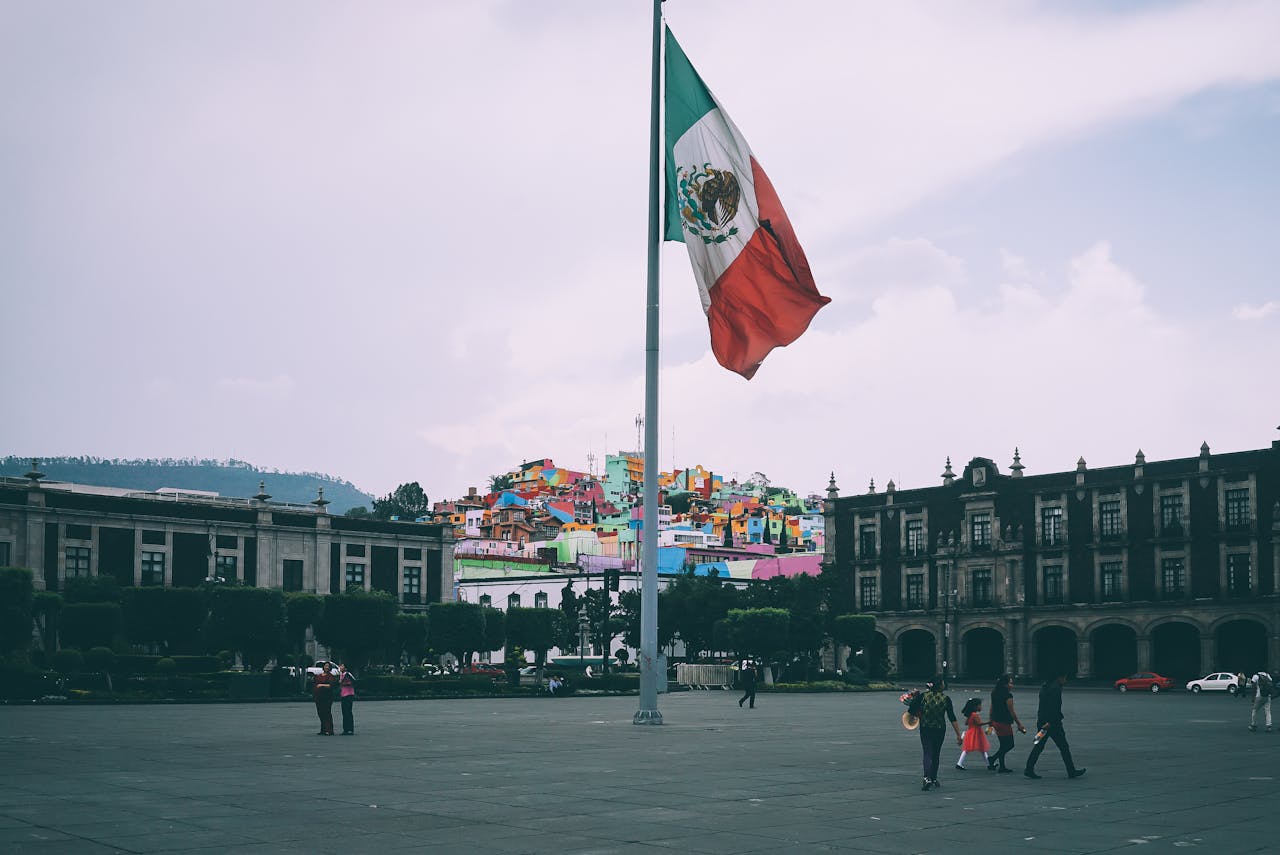
While Mexico was not part of the newest Level 4 update, its inclusion in public conversations about advisories reflects its complexity. The country is divided into regions with distinct risk levels, and the State Department updates them to account for shifting crime patterns, cartel activity, and local enforcement capacity. Some states are flagged for violence and kidnapping, while others especially well-traveled tourist centers operate under conditions with far lower risk. This patchwork requires travelers, businesses, and families to pay attention to state-level guidance instead of relying on broad assumptions. The advisory system aims to acknowledge that Mexico is not monolithic, and that safety can vary dramatically from one region to the next.
What Limited Consular Assistance Really Means

A key element of Level 4 advisories is the warning that consular help may be extremely restricted. When a country lacks a functioning U.S. embassy or when local authorities refuse cooperation, even basic support checking on a detained citizen, issuing emergency documents, or coordinating medical evacuation can become nearly impossible. In practice, this means Americans may depend on commercial flights, local networks, or third-country embassies for assistance. It also means communication with family may be sporadic, unpredictable, or subject to local interference. For those accustomed to the idea that the U.S. can intervene quickly anywhere in the world, this advisory level marks a sobering reset of expectations, emphasizing the limits of diplomatic reach.
Economic Ripples Through Travel And Tourism

Whenever a Level 4 warning is issued, the effects spread far beyond the immediate security environment. Airlines may cut routes, tour operators shift their seasons, and local businesses that rely on international visitors face sudden drops in revenue. Insurance providers review coverage, sometimes raising premiums or declining to cover travel to affected areas altogether. For families with ties to the region, the advisory multiplies the emotional strain of separation. While the advisory is designed to protect American lives, its ripple effects illustrate how intertwined global travel has become with local economies, and how quickly those connections can tighten or collapse when official warnings rise.
How Families And Travelers Adjust To The New Reality

In the wake of a Level 4 advisory, individuals with travel plans or loved ones abroad must quickly rethink what safety looks like. Some begin monitoring flights and arranging exits; others document contingency plans or notify employers of possible disruptions. Those who choose to stay may register with the appropriate embassy or protecting authority, avoid large gatherings, and keep essential items packed in case movement becomes necessary. Documentation, communication, and financial readiness all become more important. Even families thousands of miles away find themselves tracking updates, connecting with diaspora communities, and navigating the emotional weight that accompanies uncertainty.
How These Advisories Influence Policy And Public Understanding
A do-not-travel alert often shapes more than vacation plans; it becomes part of national dialogue. Media outlets amplify the risks, lawmakers ask questions about diplomatic strategy, and the public absorbs new vocabulary about detention, civil unrest, or limited governmental reach. These advisories also influence how allied nations coordinate evacuations or share intelligence, making them tools not just of communication but of policy alignment. Over time they help build a collective memory of risk that informs future decisions, from student exchanges to business travel, and they shape how Americans understand the balance between global mobility and personal security.