
The conversation around U.S. border procedures has shifted as policymakers consider how new biometric tools could reshape the arrival experience for millions of travelers. The proposal signals a moment when security goals, technological capability, and public concern converge in ways that feel both urgent and unsettled. Many visitors already navigate complex requirements, yet the idea of deeper digital scrutiny introduces a more intimate layer of evaluation. As government agencies weigh accuracy, fraud prevention, and national safety, the debate expands toward questions of transparency, privacy, and how much information any traveler should reasonably be expected to share.
Rising Reliance On Identity Biometrics
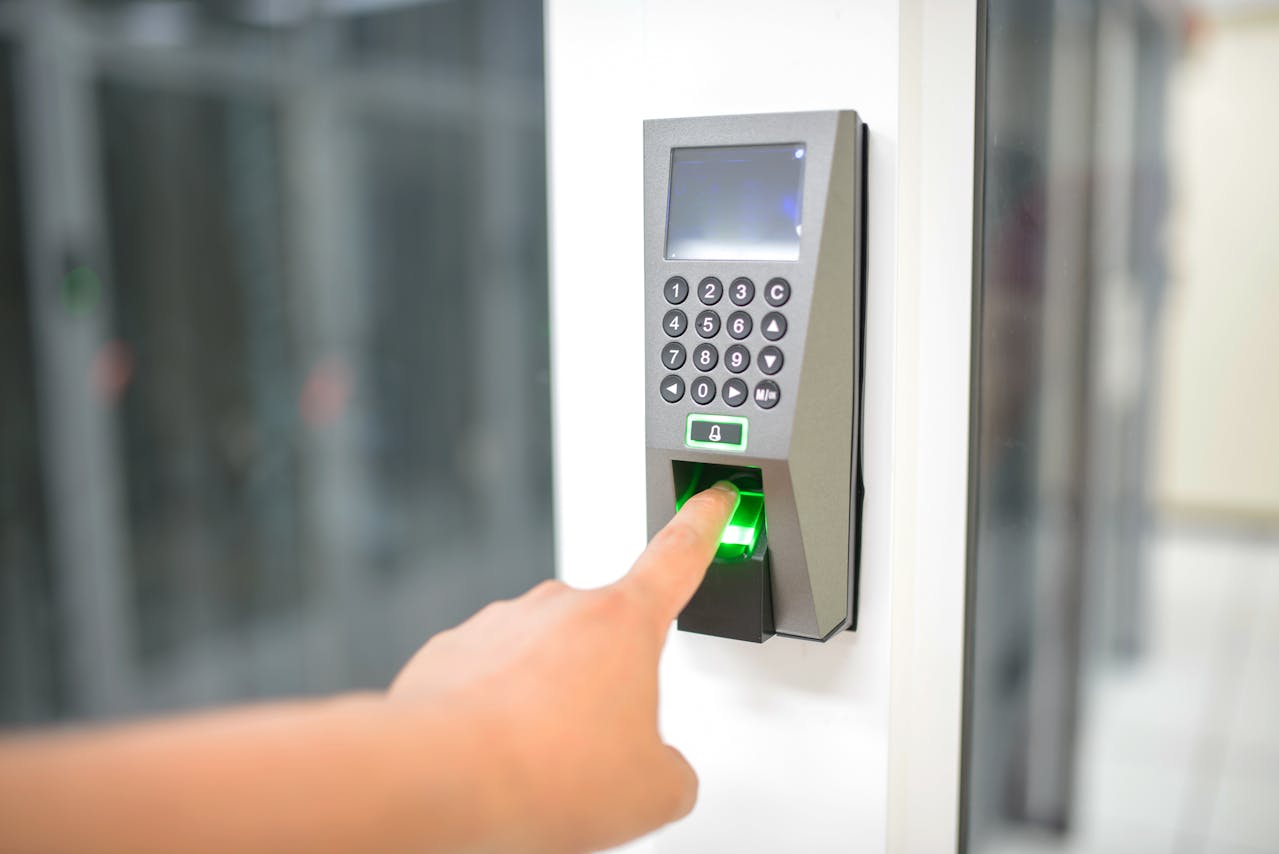
CBP’s proposed updates reflect an expanding belief that identity verification must be anchored in biometrics rather than paperwork alone. The agency argues that facial recognition, fingerprints, and similar markers help establish certainty in situations where documents can be falsified or borrowed. Supporters see these tools as a way to secure busy ports of entry without slowing movement, while critics warn that even small mismatches or technical errors may affect legitimate travelers. The shift shows a system determined to close long-standing gaps in tracking entries and exits across a massive, diverse visitor flow.
Mandatory Selfie Uploads For ESTA Applicants

One of the most visible changes involves mandatory selfie submissions for travelers applying through ESTA, even when using third-party services. CBP links this to rising concerns over manipulated images and fraudulent uploads that complicate identity checks. A mobile interface would guide applicants through a process designed to reduce errors by ensuring acceptable lighting, framing, and real-time verification. The requirement may feel minor, but it represents a deeper move toward immediate biometric confirmation long before a traveler reaches an airport, tightening scrutiny at an earlier stage than ever before.
Mobile-Only Application Systems

The shift to a mobile-only ESTA system underscores CBP’s frustration with low-quality photos and rampant misuse of unofficial websites that charge unnecessary fees. A controlled app environment gives the agency the ability to standardize image capture, prevent common submission mistakes, and integrate direct guidance into every step. It also positions the phone as the central gateway to U.S. travel authorization, aligning with broader trends toward app-based government services. The move could reduce fraud but may challenge travelers with older devices or limited digital familiarity.
Expanded Data Fields And Long-Term Histories

CBP’s proposal includes sweeping additions to the types of data travelers must submit, including social media accounts used over five years and contact details reaching back a decade. The agency also outlines potential use of fingerprints, face scans, iris data, and DNA collection when feasible. Officials frame this as a response to recent national security directives, arguing that richer data helps identify inconsistencies in a traveler’s profile. Others worry that such depth may cast a wide net that slows processing times, intensifies vetting, and raises new privacy debates around how long such information is stored.
New Expectations Around Self-Reported Departures

The voluntary self-reported exit feature signals a push to fill persistent gaps in departure records, which have long complicated immigration enforcement and analytical reporting. Through the CBP mobile app, travelers would confirm departure by submitting passport details, a live selfie, and geolocation data. CBP sees this as a way to strengthen compliance and simplify documentation. Some travelers may appreciate a faster path out of the country, while privacy advocates question whether a voluntary tool could gradually become expected or affect future entries if someone declines to participate.
Closer Review Of Digital Devices

Increased device searches remain one of the most controversial elements surrounding updated screening expectations. Such searches, while legally permitted at the border, carry emotional weight because they reveal personal histories, stored media, deleted files, and social interactions that rarely surface during routine travel. Attorneys report that officers typically pursue device checks only when a traveler’s stated purpose seems inconsistent with past behavior or digital activity. As biometrics expand, the relationship between physical identifiers and digital records becomes more closely linked, intensifying questions about the boundaries of inspection.
Heightened Scrutiny Of Social Media Activity
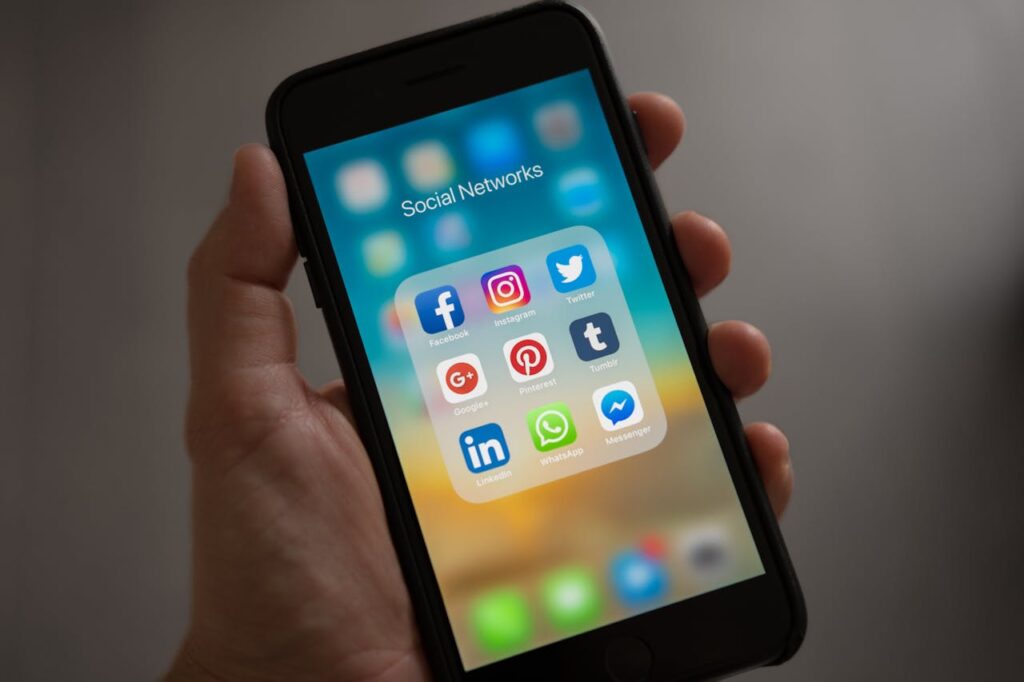
The requirement to list all social media accounts from the past five years highlights CBP’s interest in understanding how a traveler’s digital footprint aligns with their stated purpose. Officials say this helps identify potential threats, especially in cases where public posts conflict with declared travel intentions. Critics warn that political speech or cultural expression could be misinterpreted outside context, leading to lengthy delays or denials. This area of screening remains one of the most fraught, revealing how personal online behavior increasingly intersects with border evaluation.
Shifts Within The Visa Waiver Program
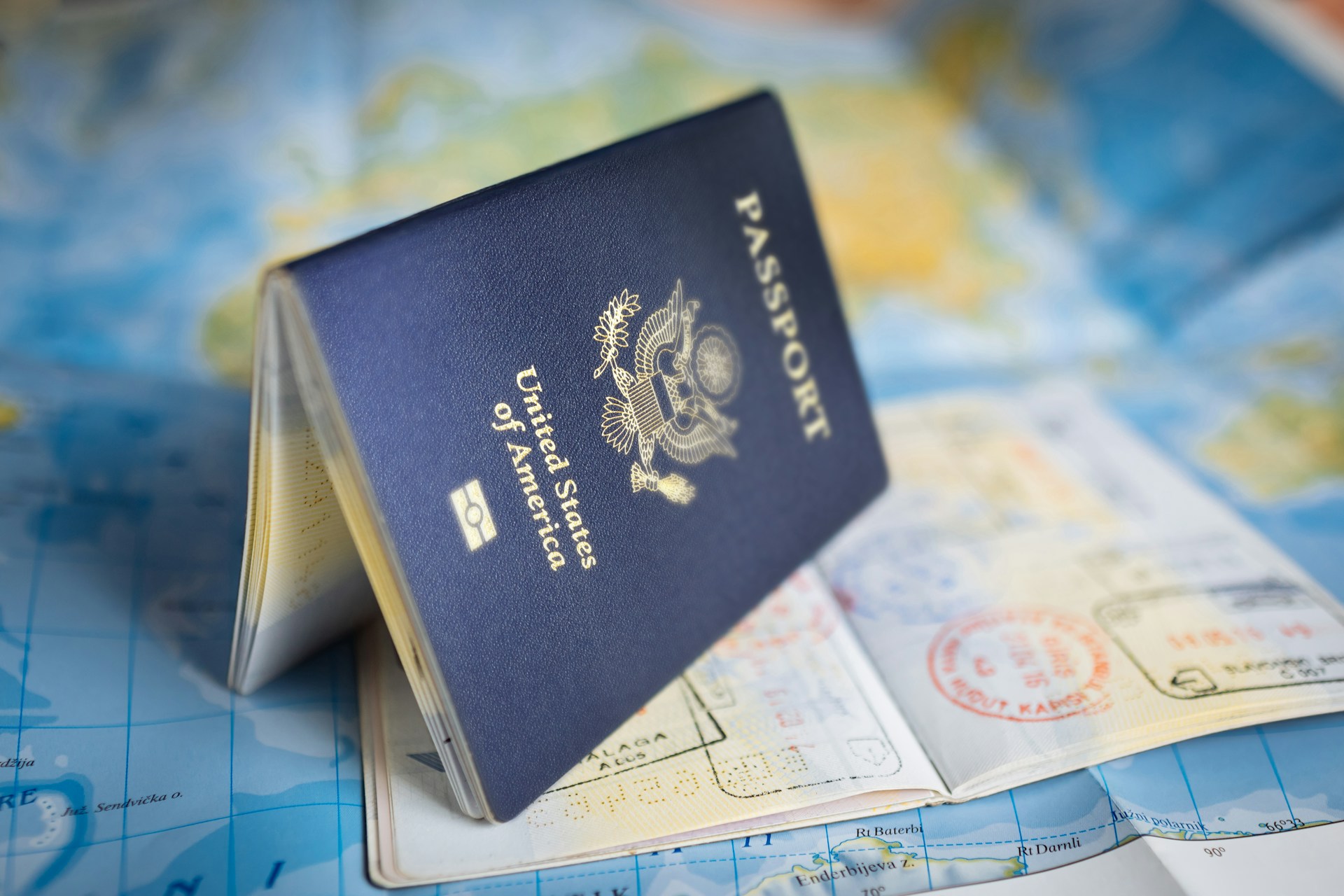
Recent changes to the Visa Waiver Program, including the removal of Romania and possible future additions, shape the evolving landscape around ESTA requirements. Each adjustment reflects the U.S. assessment of partner countries’ security cooperation and data sharing capabilities. As screening becomes more data-dependent, participating nations may face heightened expectations around reciprocal information transfers and traveler monitoring. Such shifts influence both diplomatic relationships and the practical reality of who qualifies for simplified entry procedures, reinforcing how national policy and global mobility remain tightly interlinked.
Impact On Processing Times And Consular Workloads

Immigration attorneys note that more extensive data collection can increase adjudication times, especially when officers must review years of online activity or reconcile details across multiple platforms. Consulates already manage fluctuating appointment availability, and deeper vetting may introduce further delays. While many travelers still enter without issue, others may encounter slower approvals as their records undergo more rigorous checks. This pattern suggests a future in which accuracy and security take precedence over speed, shaping expectations for applicants who rely on predictable timelines.
Distinctions Between Citizens And Foreign Nationals
The proposed updates primarily affect foreign nationals, leaving U.S. citizens subject only to standard passport requirements. This distinction highlights the layered nature of border control systems, where the level of screening depends on legal status, program eligibility, and previous travel behavior. Foreign visitors face broader scrutiny because their presence requires ongoing confirmation of intent, compliance, and risk. The separation also clarifies that biometric expansion is not a universal requirement but a targeted effort to strengthen oversight where immigration authorities believe vulnerabilities persist.