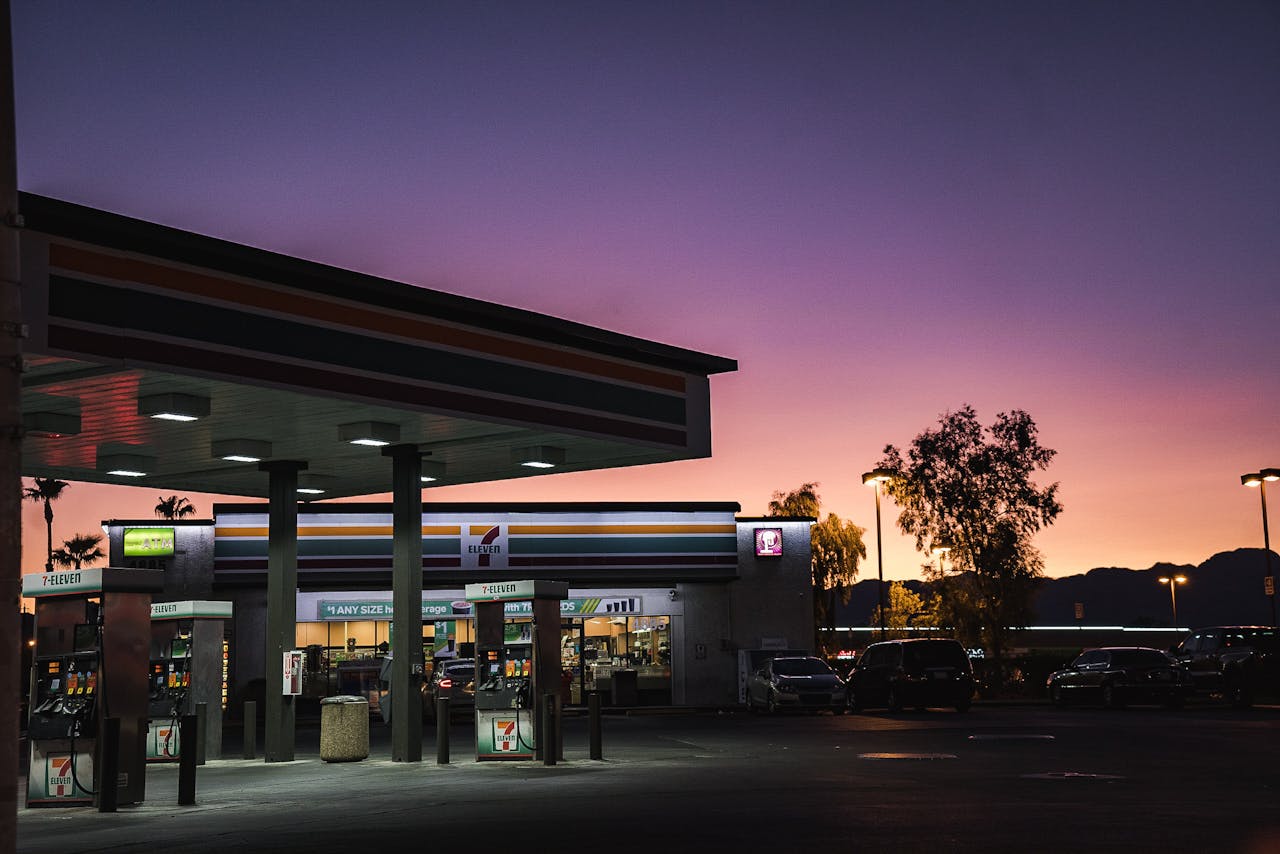
A road trip has always been part schedule and part improvisation, and the convenience store sits right at that intersection. It is where a sleepy driver finds light, coffee, and a reason to stretch, and where kids negotiate snacks like they are planning a tiny mission. Over decades, these stops grew from fuel-and-soda counters into miniature headquarters with clean restrooms, quick meals, local cues, and just enough gear to rescue a shaky plan. In small towns, the sign can feel like a lighthouse; on interstates, it becomes a shared pause among strangers. The rituals stay familiar: top off the tank, check directions, wipe the windshield, and leave a little steadier than when the car rolled in.
Fuel, Coffee, And A Reset Button
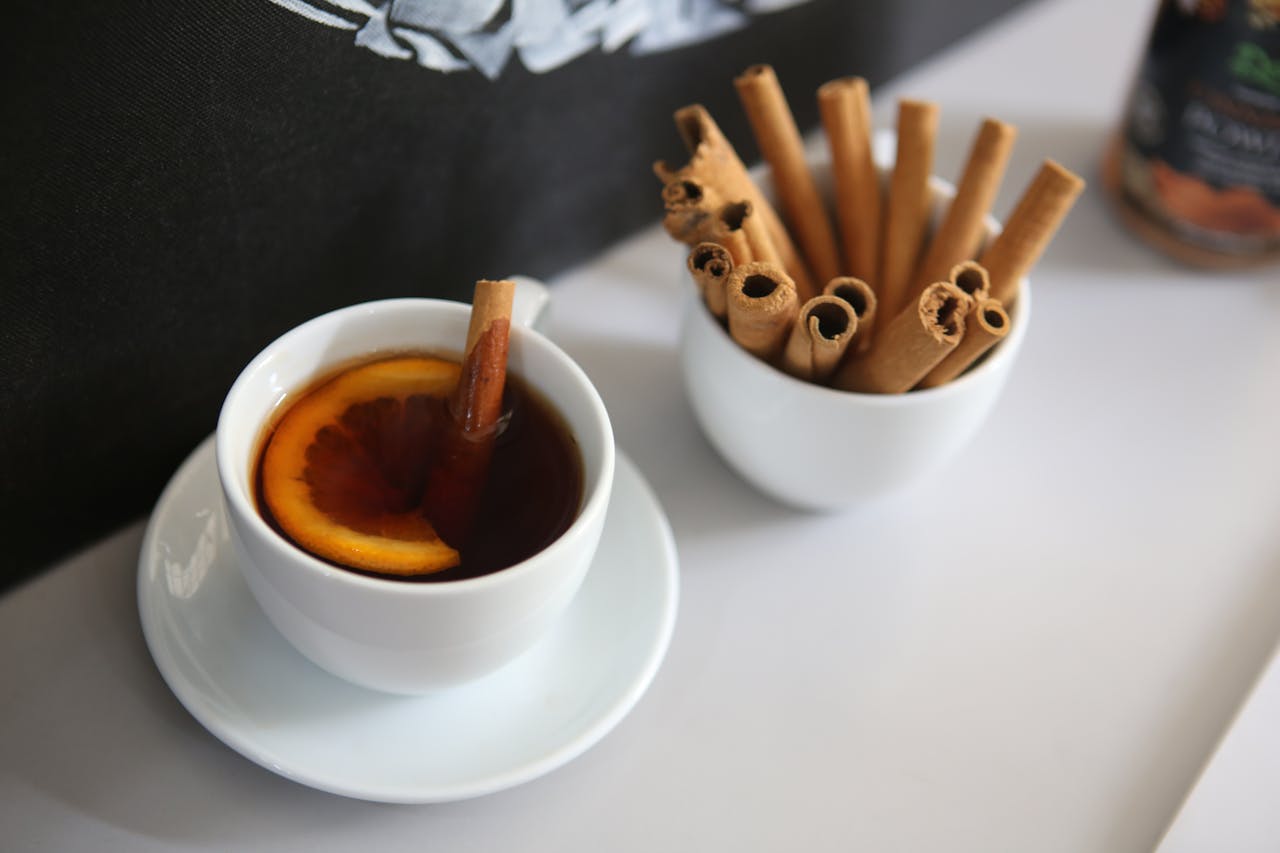
Refueling became a full reset: gas for the car, caffeine for the driver, and a bright aisle that snaps tired brains out of highway hypnosis. Coffee bars with real options, hot breakfast, and a quick counter chat keep the stop dependable in early morning or late night, when towns go quiet and the windshield is filmed with dust, bugs, and road salt from the last storm, and the playlist starts to drag. Under canopy lights, travelers squeegee glass, top off air, wipe mirrors, rinse sticky hands, refill water, plug in a charger, scan the radar, and climb back in with steadier hands, clearer eyes, and a calmer pace for the next exit.
Restrooms Became The True Amenity
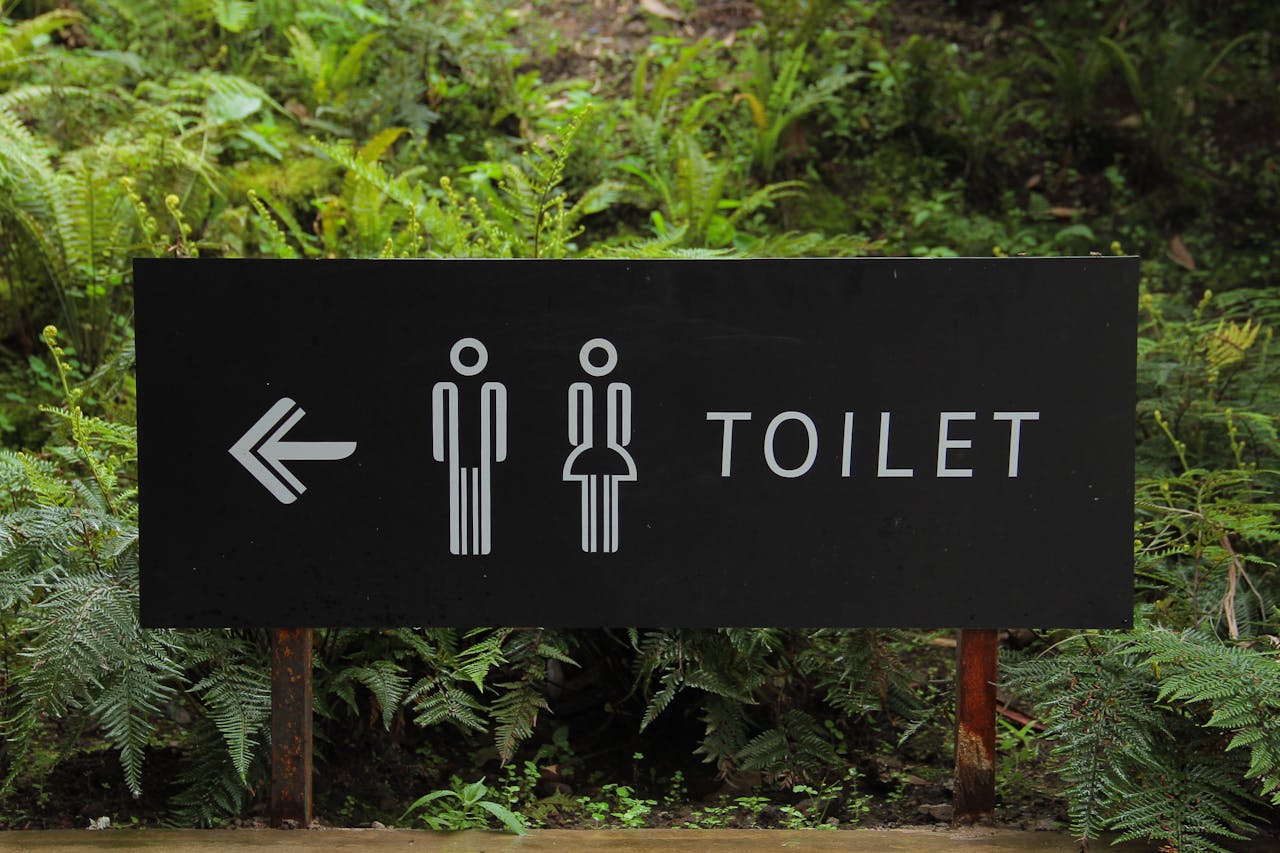
Seasoned travelers learned that clean restrooms matter more than a scenic overlook, and stores quietly competed on that promise until it became a signature. Brighter lighting, routine cleaning, baby-changing stations, and clear stall privacy turned an anxious stop into something reliable for kids, older relatives, and anyone who cannot afford surprise discomfort on a long stretch of highway with no easy exits ahead. When the sink is stocked, the lock works, and the floor is dry, it signals broader care: fresh soap, paper towels that are not empty, and a lot that feels watched, not lonely, when headlights thin out after dark.
Snacks Turned Into Trip Currency
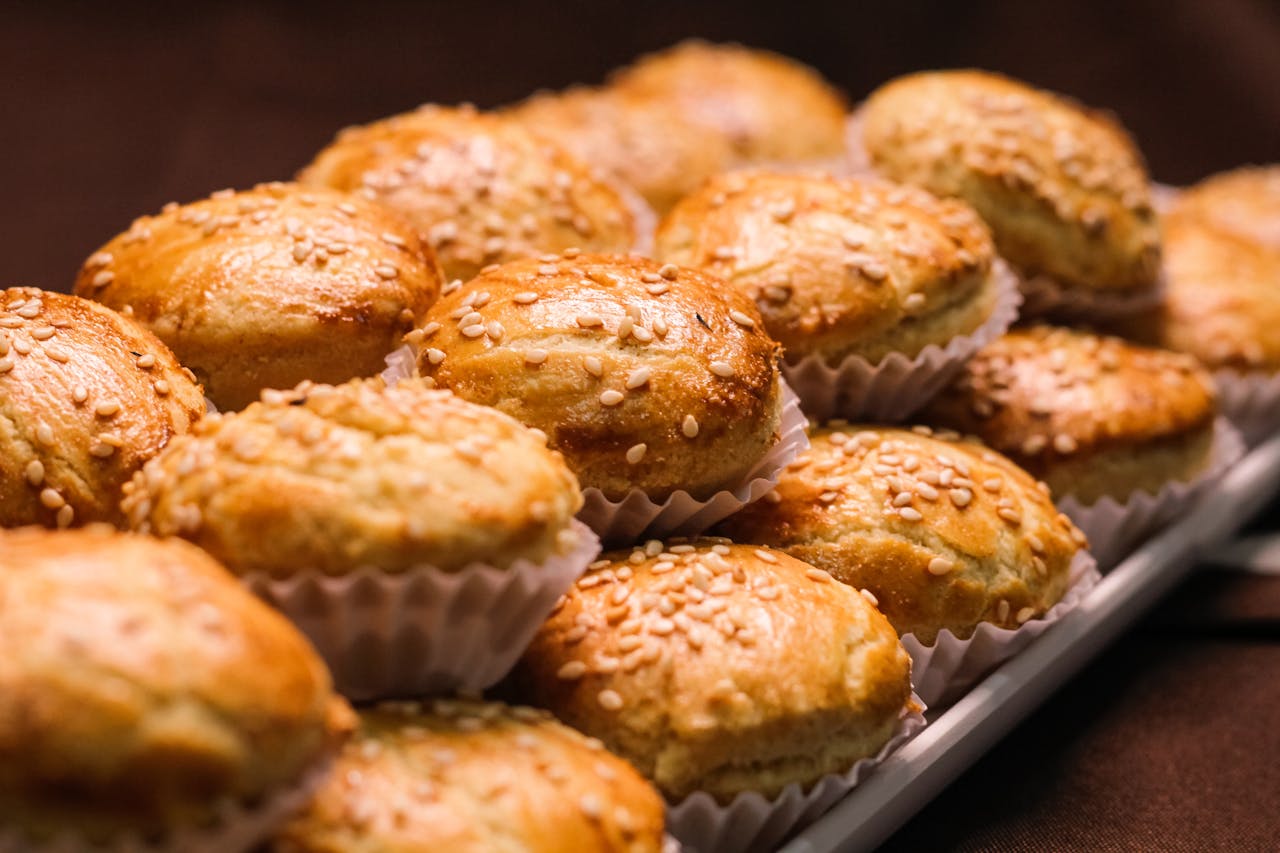
Snack aisles made peace negotiable: salty for focus, sweet for morale, and something cold to mark the next county line, a tiny reward for staying strapped in. Family deals happen at the chip wall, where a few dollars can buy quiet in the back seat and patience up front, because everyone gets to choose one thing and share a backup when moods dip hard. Limited-time flavors and regional brands add a sense of place, so the drive becomes a low-stakes tasting tour, from spicy nuts to odd sodas, local candy, and jerky that smells like smoke, with receipts that read like a timeline of cravings, gas prices, weather shifts, and miles.
Local Flavor, Right By The Register
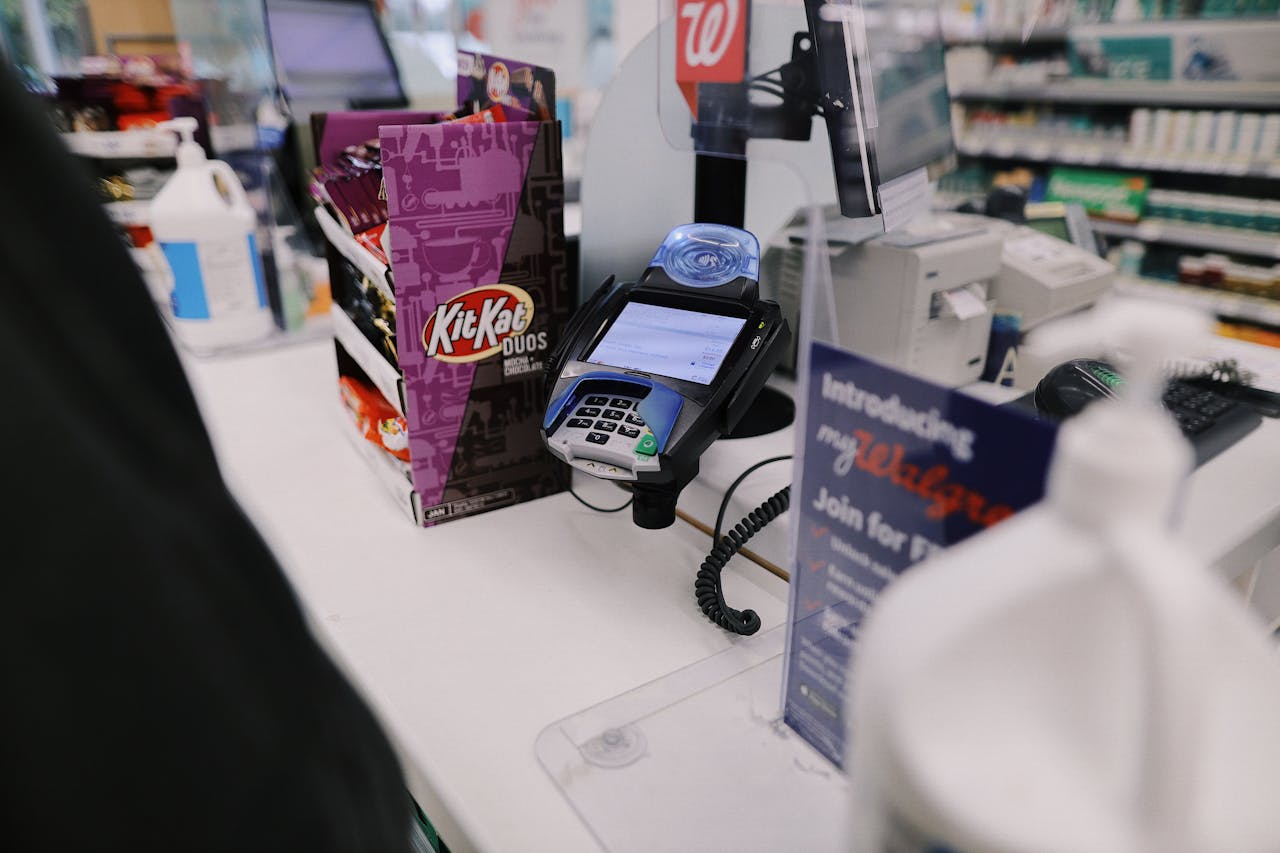
In rural stretches, the convenience store often doubles as the quickest window into local life, because it stocks what nearby people buy every day, not what tourists expect. A cooler of boiled peanuts, jerky made down the road, jars of honey, bait in a small fridge, and a stack of county papers hint at seasons, jobs, and pride in place, beside the register candy. Clerks tend to know which road floods first, which diner stays open late and when a ballgame will empty the lot, so a brief chat can steer the route toward a safer shortcut, a better view, or a small-town festival signposted only by hand-painted arrows taped to fence posts.
Maps, Directions, And Backup Navigation
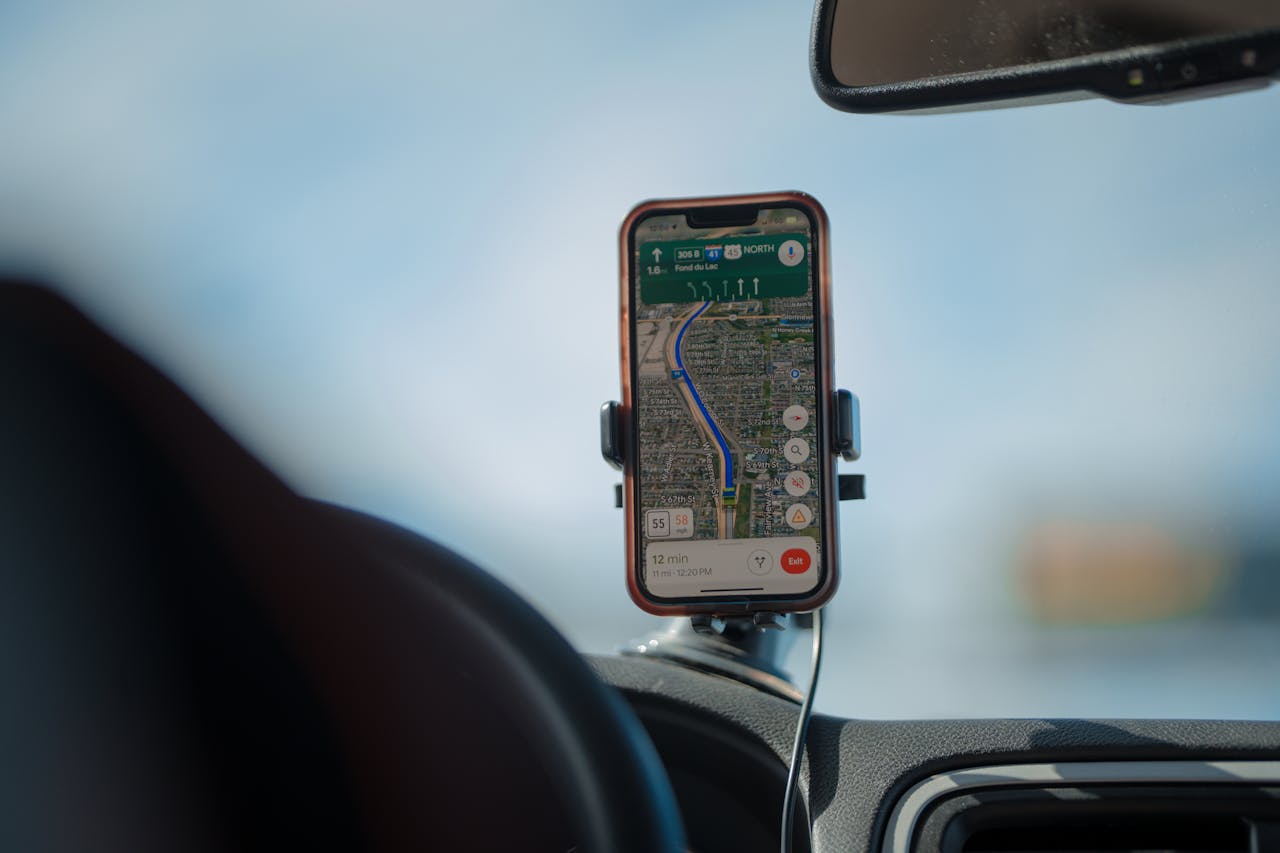
Even with GPS, drivers still get humbled by dead zones, detours, and the kind of roadwork that appears overnight, and the convenience store fills the gap with paper maps and local advice. A clerk’s directions come with landmarks, not algorithms: the grain elevator, the red barn, the bridge that always backs up in rush hour, and the turn that sneaks up fast after the church sign. When a phone insists on a dirt road, that quick counter conversation can save 30 minutes, avoid a washed-out shoulder, and point to the first place where signal returns, often right after the last bend, before the valley swallows the bars again for miles.
Cheap Gear For When Plans Go Sideways
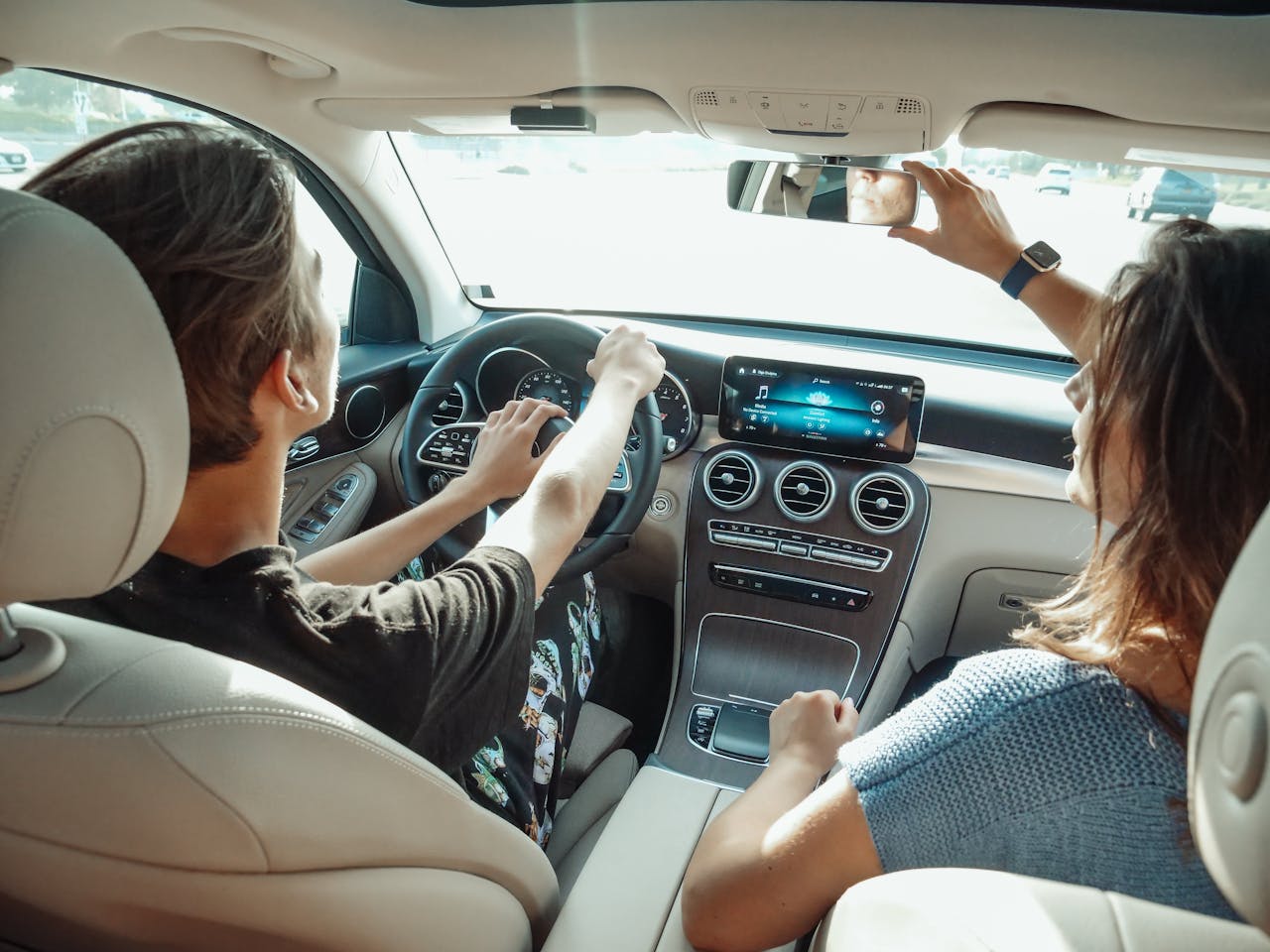
Forgotten chargers, spare sunglasses, ponchos, and windshield fluid can decide whether the day stays fun or turns into a long, cranky problem that hijacks the schedule entirely. Stores keep the small fixes that hotels rarely stock, from duct tape and zip ties to phone mounts, pain relievers, and ice for a cooler losing the battle in July heat, plus jumper cables and cheap earbuds. That wall of emergency goods lowers the risk of long drives, because mistakes get patched in minutes, minor aches get handled, and the trip keeps momentum instead of collapsing into a two-town hunt for a pharmacy, a hardware shop, and a working charger.
Parking Lots Became Micro Meeting Points
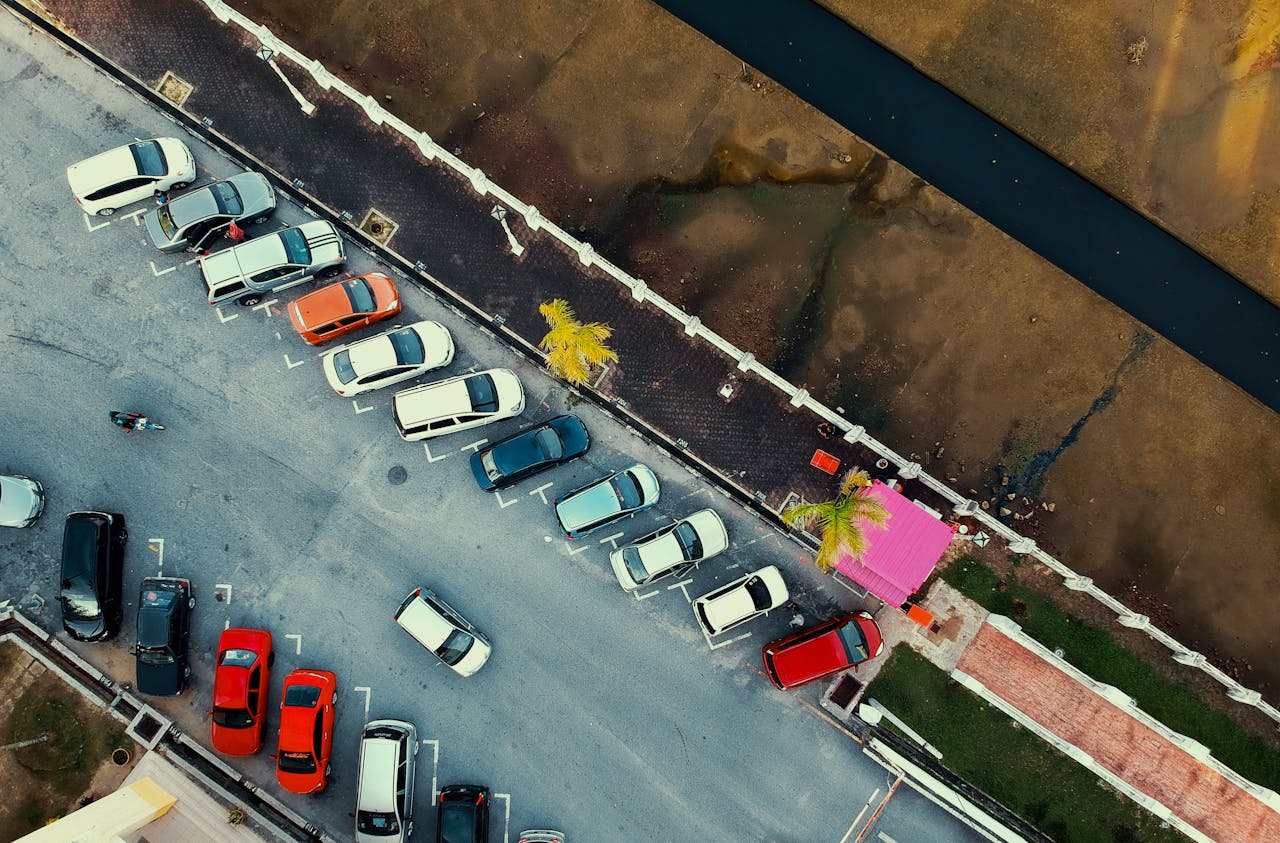
The parking lot is a tiny crossroads where commuters, families, and truckers share the same few minutes under bright canopy lights, all moving with practiced efficiency. People swap drivers, walk the dog, tighten roof straps, toss trash, and refill water bottles while engines tick as they cool, and someone always wipes a sticky spill off a seat before it sets. In busy, well-lit lots, help is usually close when a tire looks low or a strap slips loose, and the steady flow adds a quiet layer of safety, plus the chance to overhear which exit has construction, which route is moving faster, and where the next rest area is actually open.
Food Got Surprisingly Real
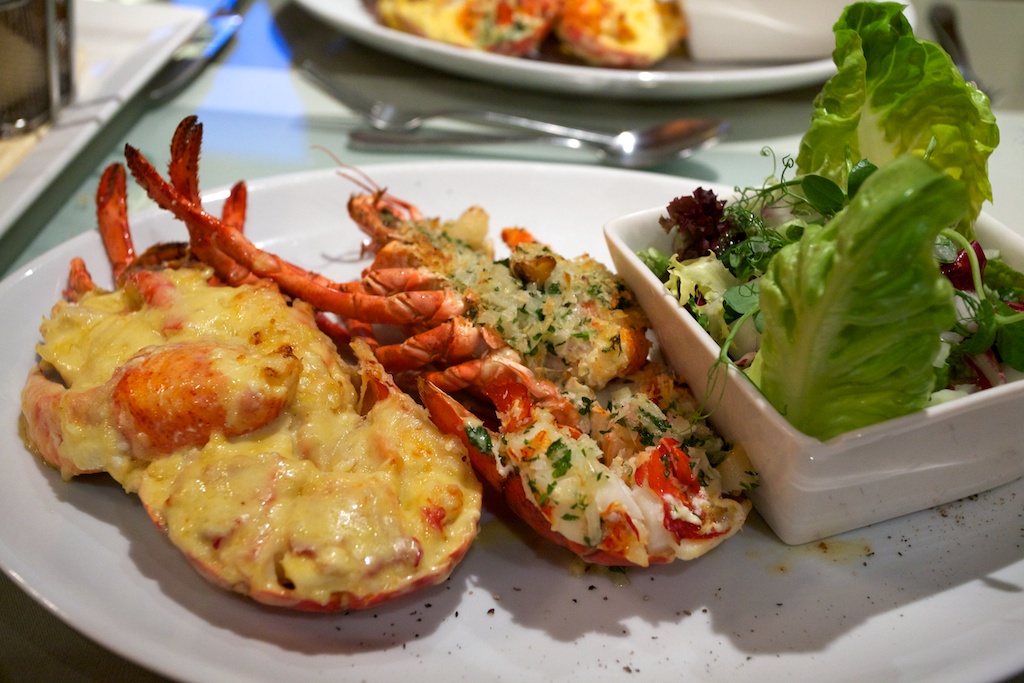
Many stores moved past stale rollers and started serving food travelers would actually choose, including breakfast tacos, hot sandwiches, salads, and regional staples that rotate by season or local demand. The change matters where sit-down options disappear early, or where the same fast food repeats exit after exit until conversation dries up and stomachs turn picky. A decent meal eaten at the tailgate with counter napkins can feel like found time, and microwaves, condiment bars, and simple picnic tables turn a plain stop into a quick, practical break, with enough variety to keep everyone steady and less irritable on the road.
Loyalty Apps And Deals Shaped Routes
As chains pushed loyalty programs, points and discounts began shaping where people stopped, not just when they needed fuel, and the habit stuck across families. Drivers learned which locations had the best coffee deal, the cleanest restrooms, and the least chaotic parking pattern, and those preferences hardened into a predictable route, almost like a personal network of safe exits. Over a long trip, the savings might be small, but the real reward is certainty: the snacks are known, the checkout is fast, digital receipts track spending, and the stop stays efficient when everyone is tired, daylight is fading, and patience is thin.
Safety, Light, And A Sense Of Control
A well-run store offers something subtle but powerful on the road: light, visibility, and people close enough to notice if something seems off, even without getting involved. Bright aisles, cameras, staffed counters, and steady foot traffic can make a late stop feel manageable, especially for solo travelers or families arriving after midnight on an unfamiliar stretch where rest areas feel empty and tense. Good lighting also helps with practical checks, because it is easier to spot a low tire, a loose strap, or a forgotten wallet before the highway swallows the mistake, drains the mood, and turns it into a stressful detour.
Souvenirs And Small Rituals Marked Progress

Convenience stores became mile markers in physical form, because small purchases make progress feel real when the destination is still far away and the map looks long. A local soda, a state-shaped keychain, a sticker for the cooler, or a postcard rack by the door becomes proof that the car made it that far, even if the day was mostly asphalt and heat haze. These objects collect in cup holders and glove boxes, then turn up under seats with crumbs and sunscreen, alongside scribbled directions and spare change, carrying the scent of the road, the hum of the pumps, and the memory of quick, bright stops that stitched the trip together.