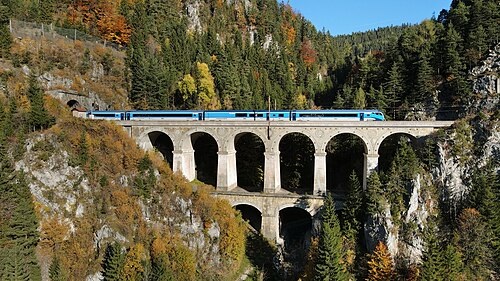
Europe’s busiest rail corridors are carrying more people than they have in decades, and the strain is starting to show in missed connections, packed platforms, and frayed patience. Eurostat says EU rail passenger traffic reached a record high in 2024, while weather shocks and infrastructure faults have kept disruption in the headlines across the continent.
Across that noise, seasoned rail travelers are quietly shifting toward slower regional lines with better scenery, steadier pacing, and room to breathe. These routes do not fight for attention, yet they often deliver the kind of journey people thought Europe had lost.
Douro Line From Porto To Pocinho
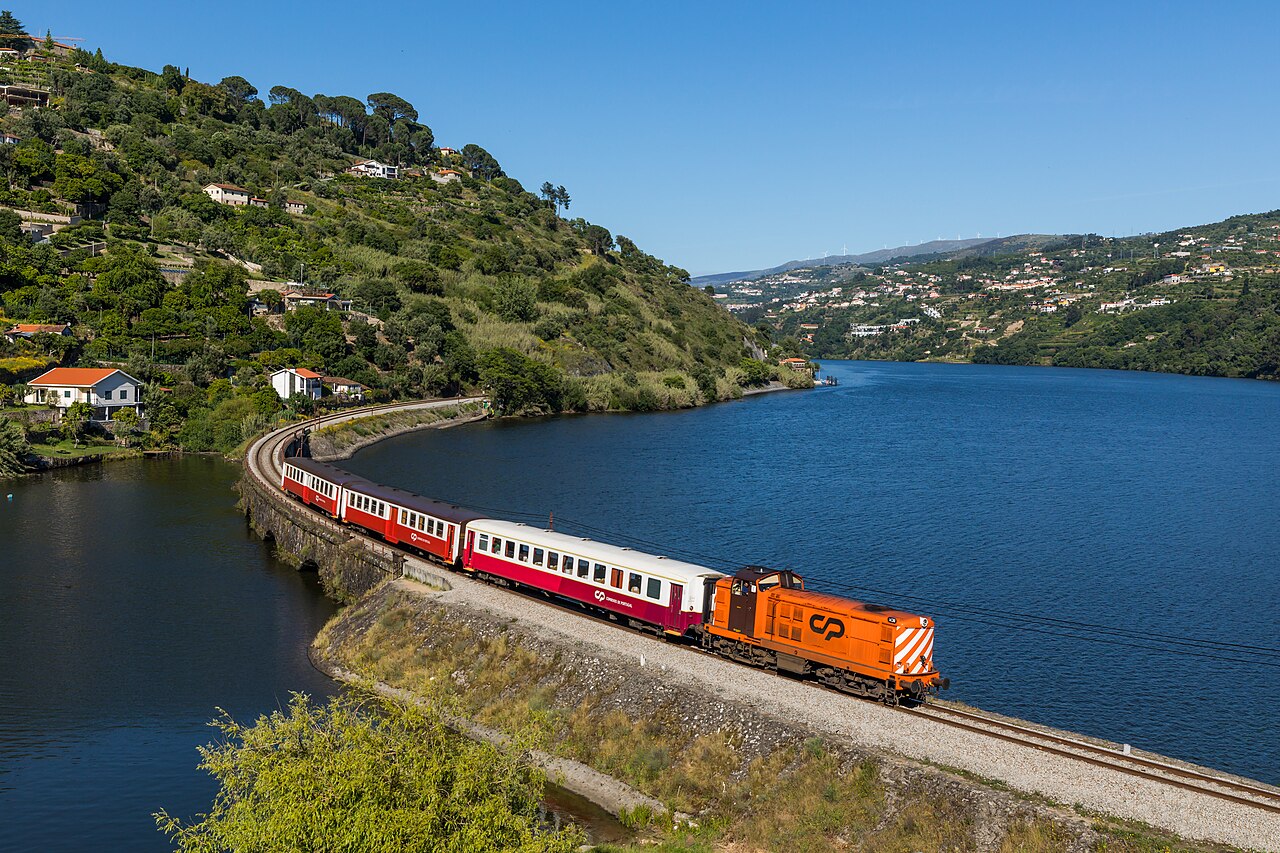
Portugal’s Douro Line feels like a refusal to rush. CP describes the route as one of the country’s great rail journeys indeed, and the reason is visible almost immediately as tracks follow the river through vineyard terraces, old stations, and steep valley walls that keep changing color with the light all year.
The line now runs to Pocinho over 172 kilometers, and much of it stays close to the Douro. That steady riverside rhythm makes it a strong alternative when larger city routes are crowded, because the point here is not speed at all. It is the rare feeling that the landscape and the timetable finally work together.
Celta Route On The Minho Line
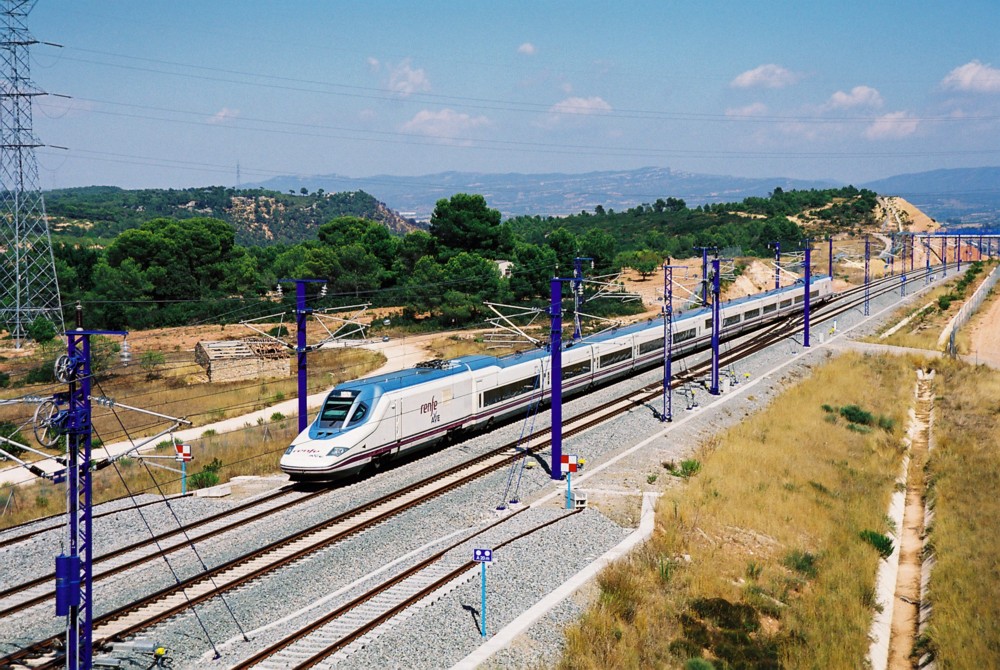
The Celta service between Porto and Vigo runs with a calm confidence that bigger cross border routes often lose. CP calls it the train link to Galicia and notes daily departures in both directions, but the real draw is the way the journey keeps changing character without feeling hectic at all.
After Porto, the line moves through the Minho corridor toward Valença and Spain, with CP highlighting views of sea, rivers, mountains, beaches, and castles. That variety gives the route a wide visual range for travelers, and the historic Minho connection to Valença adds depth that makes the crossing feel richer than a simple transfer.
Train Des Merveilles From Nice To Tende
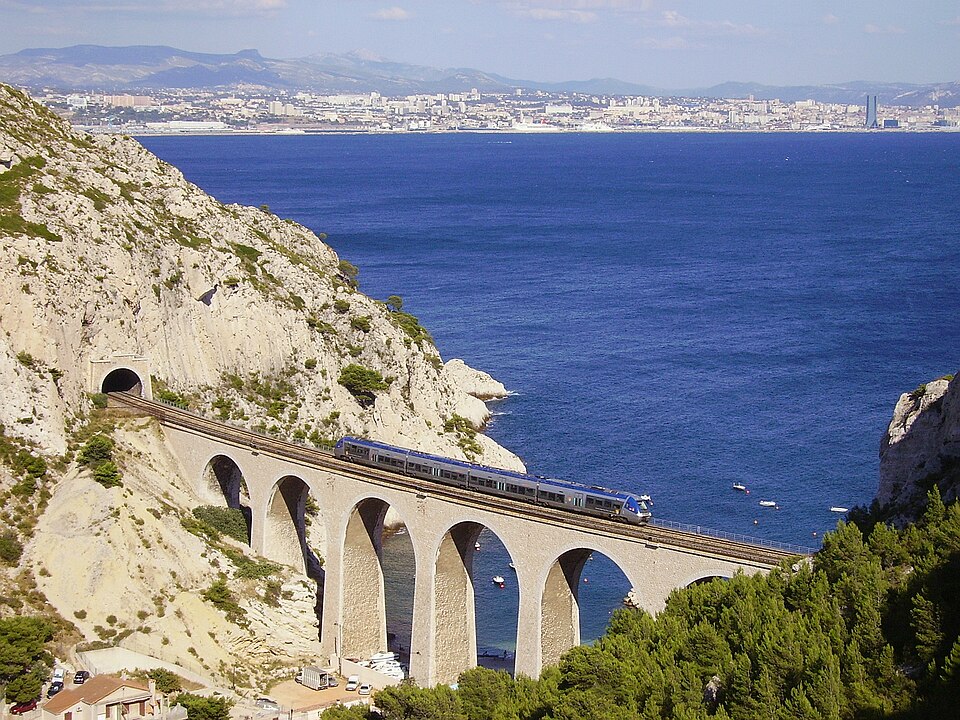
France keeps a few regional lines that still feel cinematic, and the Train des Merveilles is one of the best examples. SNCF Connect lists it among the country’s standout TER journeys, running from Nice to Tende through Mercantour landscapes, hilltop villages, and a chain of tunnels and viaducts cut into the mountains.
Because it is a TER, the trip also carries the practical perks travelers need when disruptions build elsewhere, including flexible regional ticketing and bike space on many services. It works as both a scenic ride and a pressure release valve from the heavier traffic on France’s main corridors most days.
Train Jaune In The Pyrenees
The Train Jaune moves at its own speed, and that is exactly the point. SNCF Connect notes that this Yellow Train has been climbing the heights of the Pyrénées Orientales for a century at about 30 km/h, crossing a route with more than 1,000 meters of vertical drop between Latour de Carol and Villefranche de Conflent.
It is easy to see why it keeps reappearing in rail photography feeds. The open carriage in good weather, the high mountain stations, and the long valley views create a ride built for looking out, not checking the clock, which is a relief when delays on major lines start dictating the mood of an entire trip.
Centovalli Railway Between Locarno And Domodossola
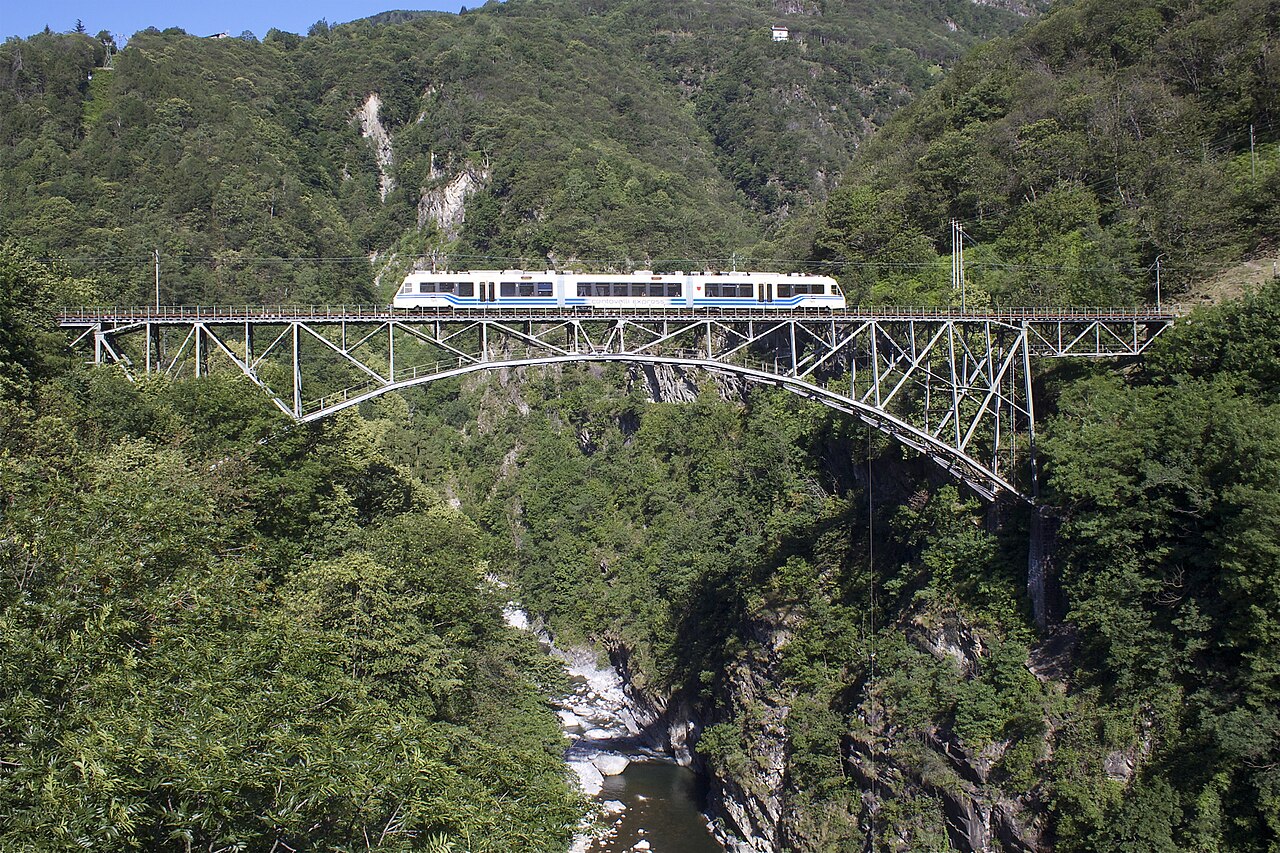
The Vigezzina Centovalli Railway is one of those routes that feels too intricate to be real until it starts moving. The operator frames it as a slow journey between villages and nature, linking Locarno and Domodossola through a long chain of small stops that many faster itineraries skip without noticing.
Its centenary material sums up the appeal with clean numbers: 52 kilometers, two countries, 83 bridges, and 31 tunnels in under two hours. That mix gives the line a rare density of scenery and engineering, which is why it has become such a strong choice for travelers who want cross border rail without the platform crush.
Semmering Railway In Austria
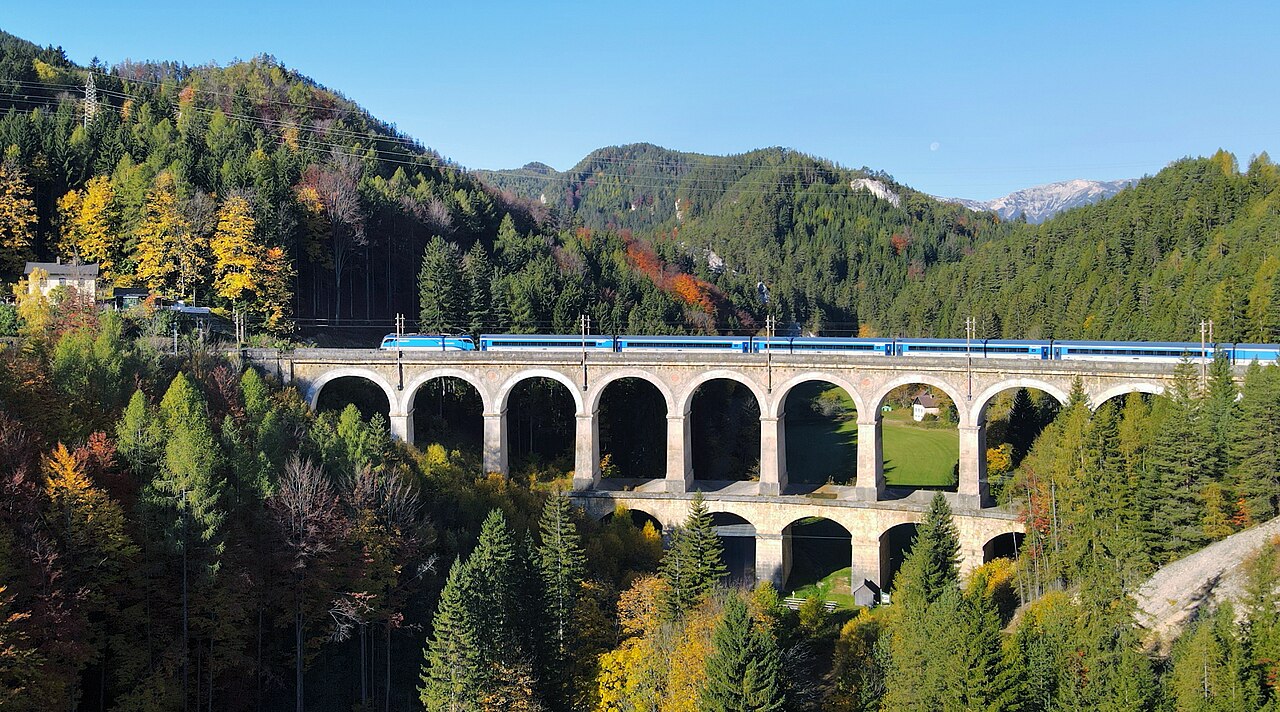
The Semmering Railway still carries the weight of history without feeling stuck in it. UNESCO describes the line as a 41 kilometer mountain railway built from 1848 to 1854, with tunnels and viaducts that marked a turning point in rail engineering and still remain in active use across the same dramatic landscape.
That living continuity is what makes the route stand out now. It is not a heritage ride frozen for display, but a working rail line with real purpose, mountain views, and a calmer pace than Austria’s busiest intercity stretches. Even when travel plans wobble, Semmering keeps the trip feeling grounded and beautiful.
Mariazellerbahn From St. Pölten To Mariazell
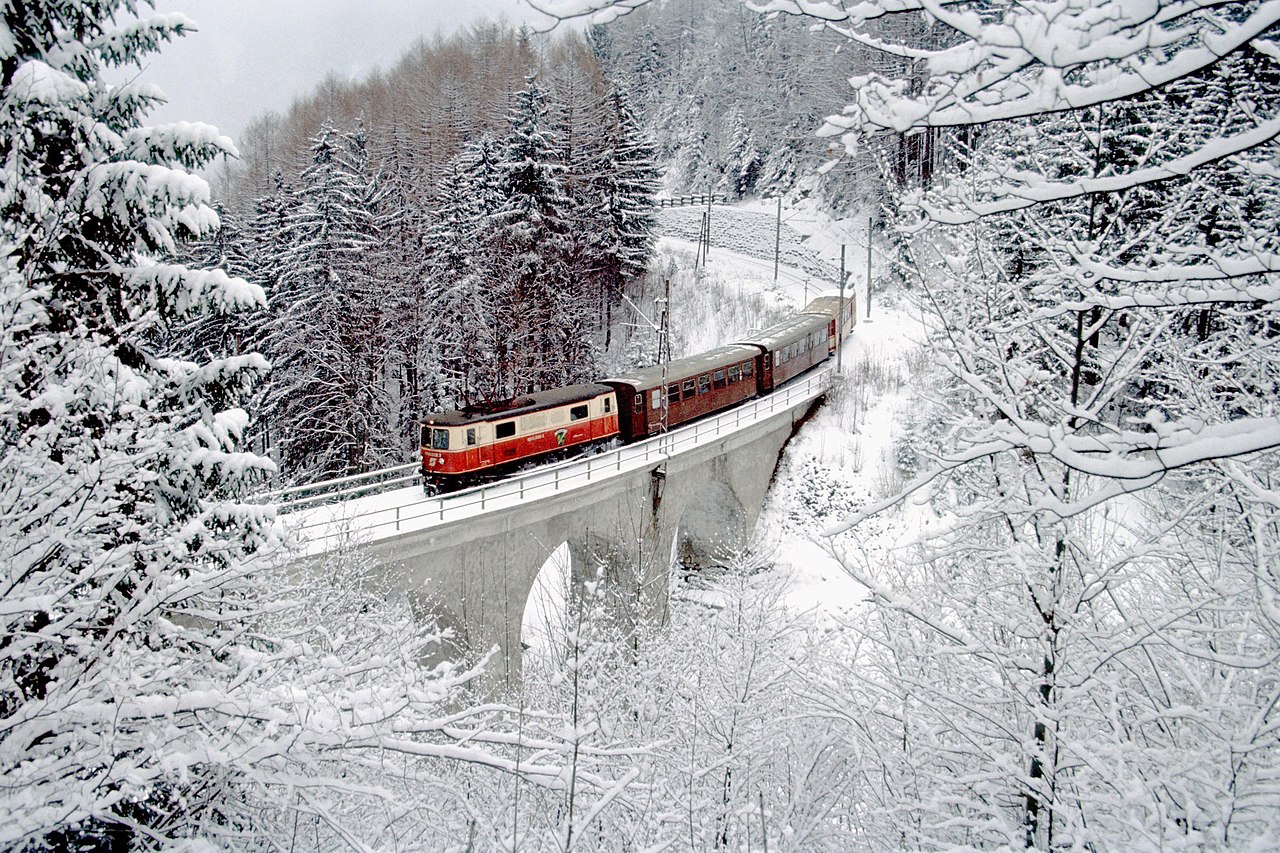
Mariazellerbahn carries a very different Austrian mood from the country’s big trunk routes. The line runs from St. Pölten through the Pielach Valley and the Ötscher region to Mariazell, crossing 19 viaducts and 21 tunnels, and its operator calls it Austria’s longest narrow gauge railway for good reason.
What keeps it memorable is the balance between local utility and panoramic drama. The panorama carriages add large windows and a more open view of bridges, tunnels, and mountain stretches, but even the standard journey has the same core appeal: a route built to be watched, not rushed through between larger connections.
Arlberg Line Across Western Austria
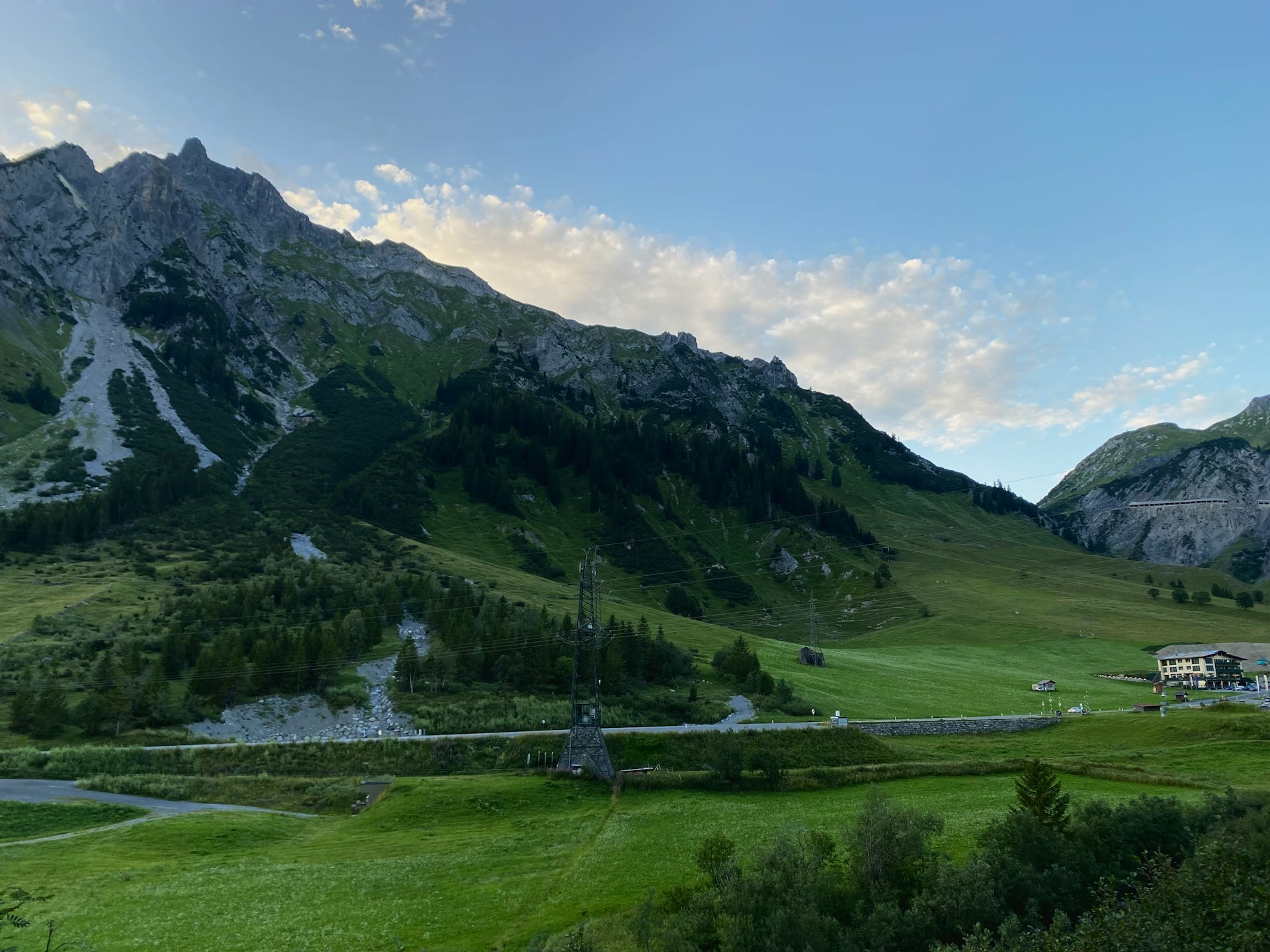
The Arlberg Line is often overshadowed by Austria’s flashier rail names, yet it quietly does the hard work of linking western Austria toward Switzerland. ÖBB Infrastructure describes it as part of the Arlberg Corridor and notes ongoing upgrades in the west, while the classic mountain alignment still delivers the route people remember.
Eurail highlights the steep grades and the stretch between Landeck, Langen am Arlberg, and Bludenz, which helps explain why the ride feels so dramatic from the window. It is a practical line first, but the mountain engineering gives it a scale that makes ordinary travel feel cinematic.
Rauma Line From Dombås To Åndalsnes
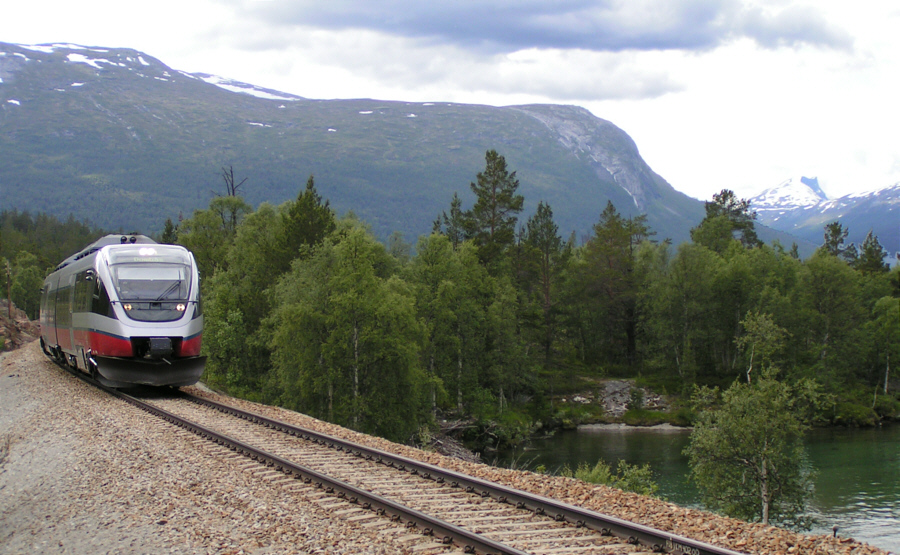
Norway’s Rauma Line is short enough to fit into a larger trip and strong enough to become the part people remember most. SJ Norge describes the 115 kilometer run between Dombås and Åndalsnes as a passage through sharp mountains, rivers, and waterfalls, and the route starts delivering on that promise almost immediately.
Visit Norway adds another reason it keeps spreading through rail circles: the journey takes about one hour and 40 minutes and is built for views through big windows. That makes it an easy detour when long distance schedules tighten, because it offers high reward without asking for a full day of planning.
Nordland Line Between Trondheim And Bodø
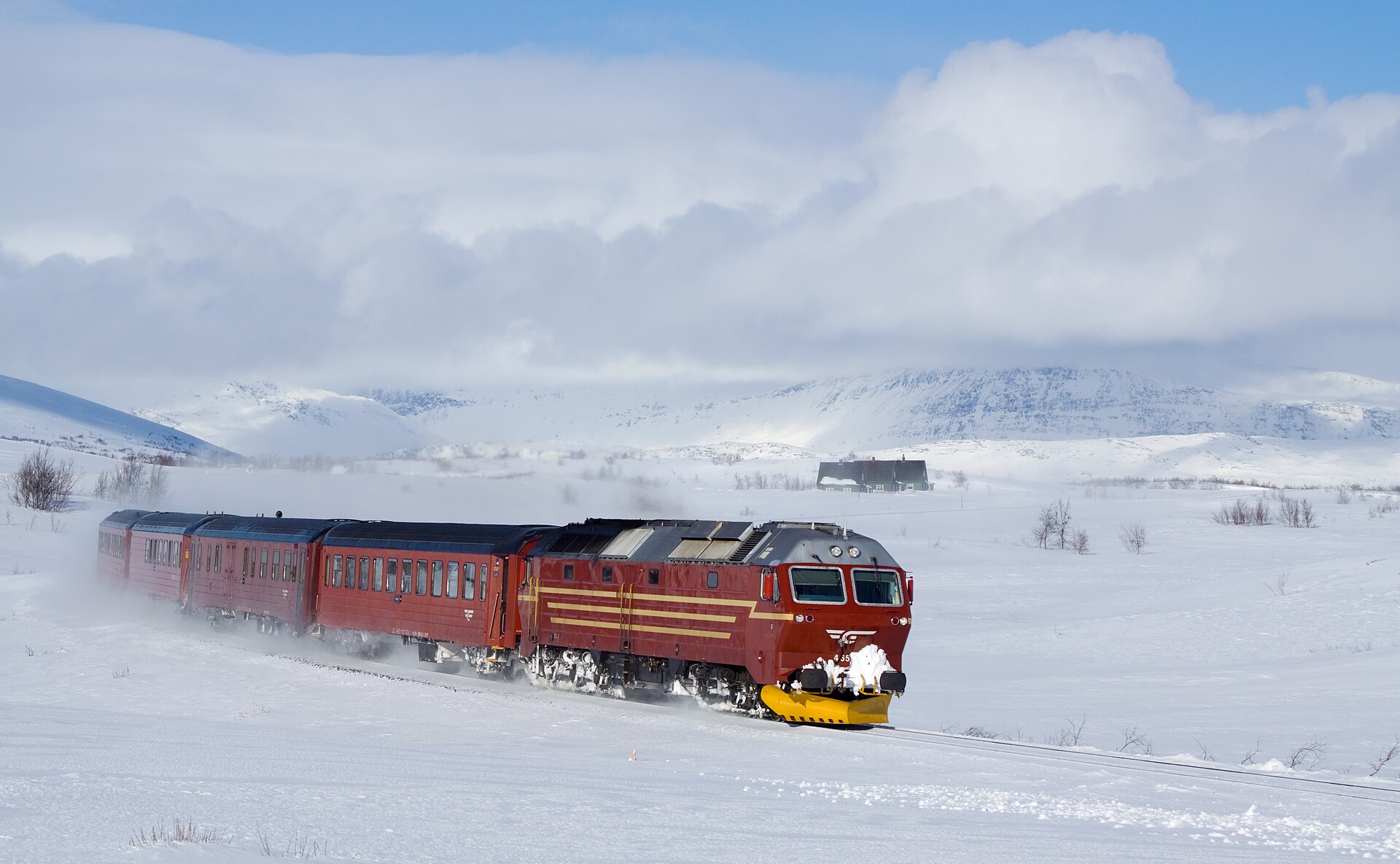
The Nordland Line feels less like a transfer and more like a gradual shift in atmosphere. SJ Norge calls it Norway’s longest railway journey, running between Trondheim and Bodø, and the line earns that scale with a long sequence of fjord views, mountain sections, and northern light that changes the entire trip hour by hour.
Visit Norway underlines the engineering side as well, noting 293 bridges, 154 tunnels, and the crossing of the Arctic Circle. For travelers trying to avoid the compression of busier European corridors, that distance becomes a gift. The route gives time back, and the scenery uses every minute of it.
Elbe Valley Route From Prague To Dresden
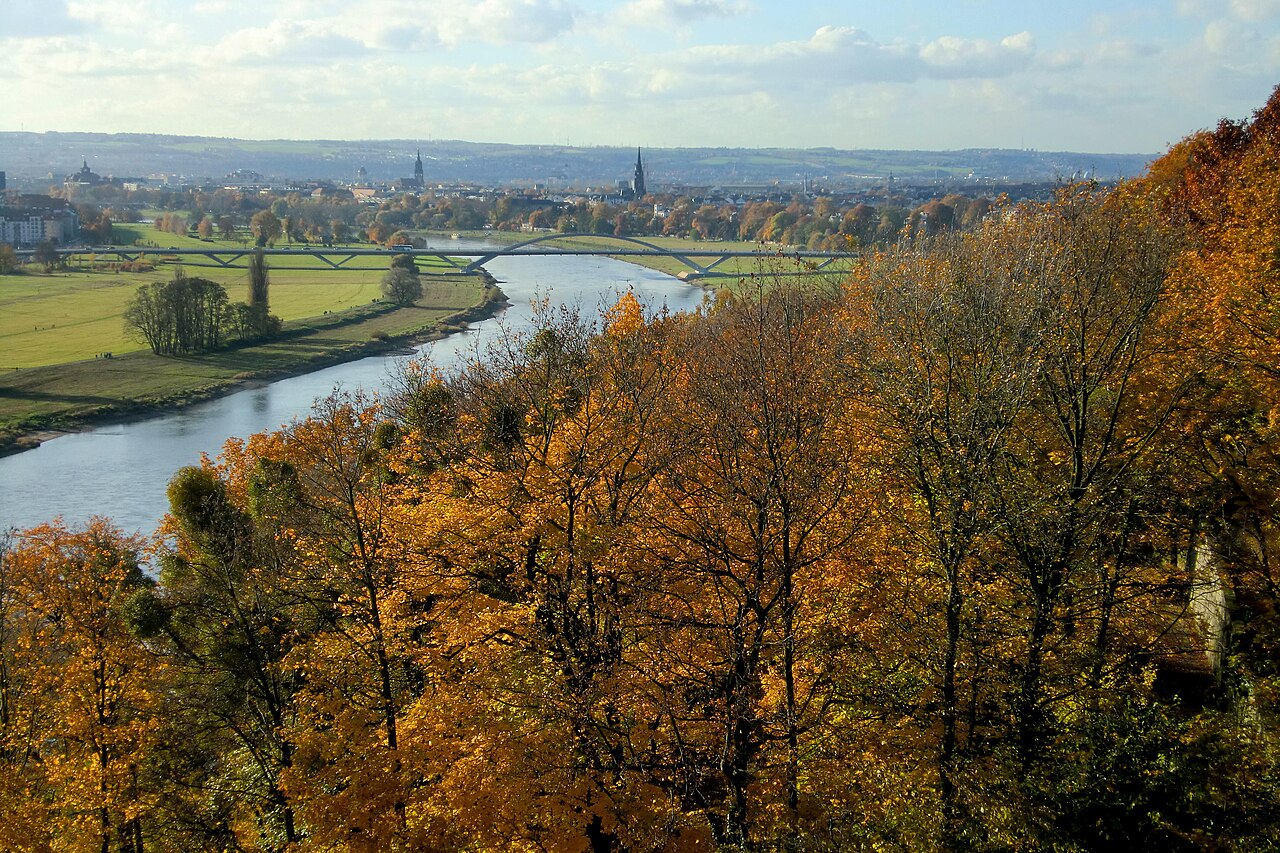
The Prague to Dresden stretch deserves far more attention than it gets, especially for travelers who assume cross border rail must feel stressful. Eurail singles out the Elbe Valley line as a scenic route from Dresden into Czechia along the Elbe in Saxon Switzerland, and the landscape does most of the persuasion.
The wider corridor matters, too. The Dresden Prague rail project is a core cross border link in the Rhine Danube network, and Deutsche Bahn has announced expanding direct connections deeper into Central and Northern Europe. That makes this route feel timeless from the window and more useful on the map today.