The 1950s are often remembered as orderly, wholesome, and predictable, yet common routines from that decade would not survive a single afternoon under today’s laws. Safety research barely existed, public health rules were loose, and civil-rights protections were only beginning to form. Many habits that felt ordinary at the time now reflect how much society has learned about risk, fairness, and responsibility. Looking back at everyday life from that era, it becomes clear that nostalgia often softens the harder truths hiding behind the familiar images of neat lawns and cheerful neighborhoods.
Letting Kids Roam For Hours Unsupervised

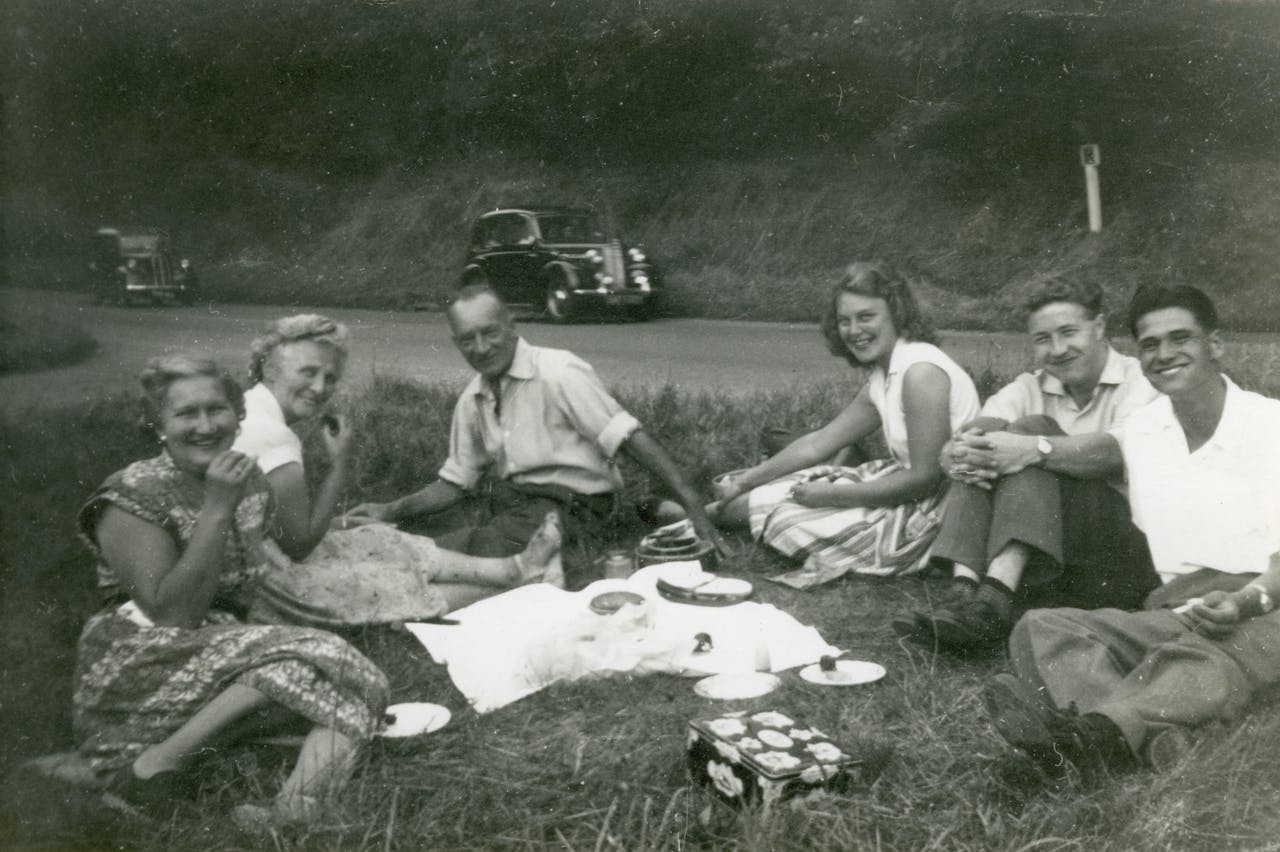
In the 1950s, children often disappeared for entire days without adults worrying about where they wandered or who they met along the way. Streets, woods, and vacant lots became unofficial playgrounds, and minor injuries were treated as part of growing up rather than a sign something had gone wrong. Today, neglect laws in many states require a level of supervision that simply did not exist back then. What once felt like freedom is now viewed as leaving children vulnerable to avoidable risks, prompting welfare checks and detailed questioning when adults are not present.
Driving Without Seat Belts Or Car Seats
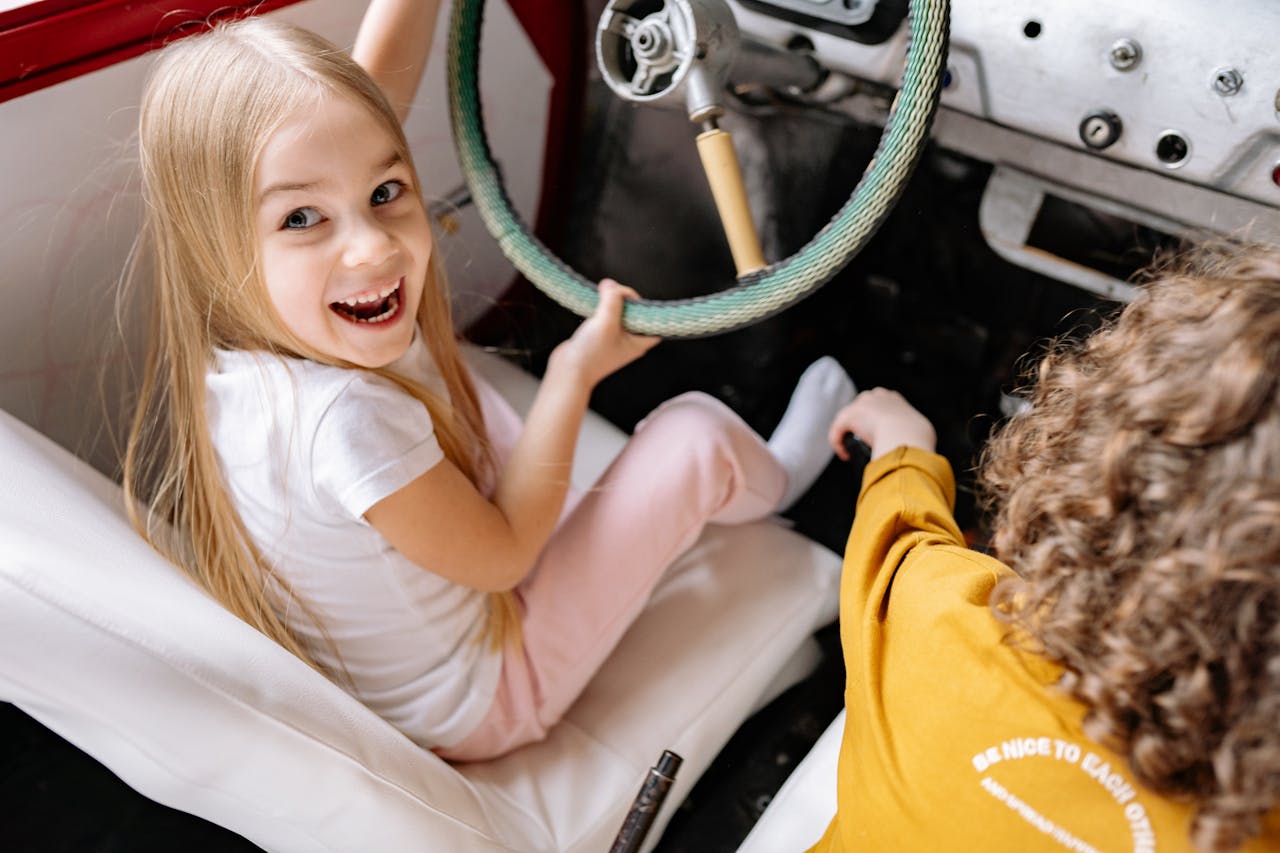
Cars of that era relied more on heavy metal frames than on meaningful safety features, and many rolled off assembly lines without seat belts at all. Children rode in the front seat, often standing or sliding from side to side with every turn. Car seats looked more like toys that lifted toddlers to window height than protective devices. Modern laws treat restraint systems as essential, with detailed rules for age, height, and weight. Allowing a child to ride unrestrained today isn’t seen as a parenting choice but as a clear violation of safety standards.
Driving After “A Couple Drinks”
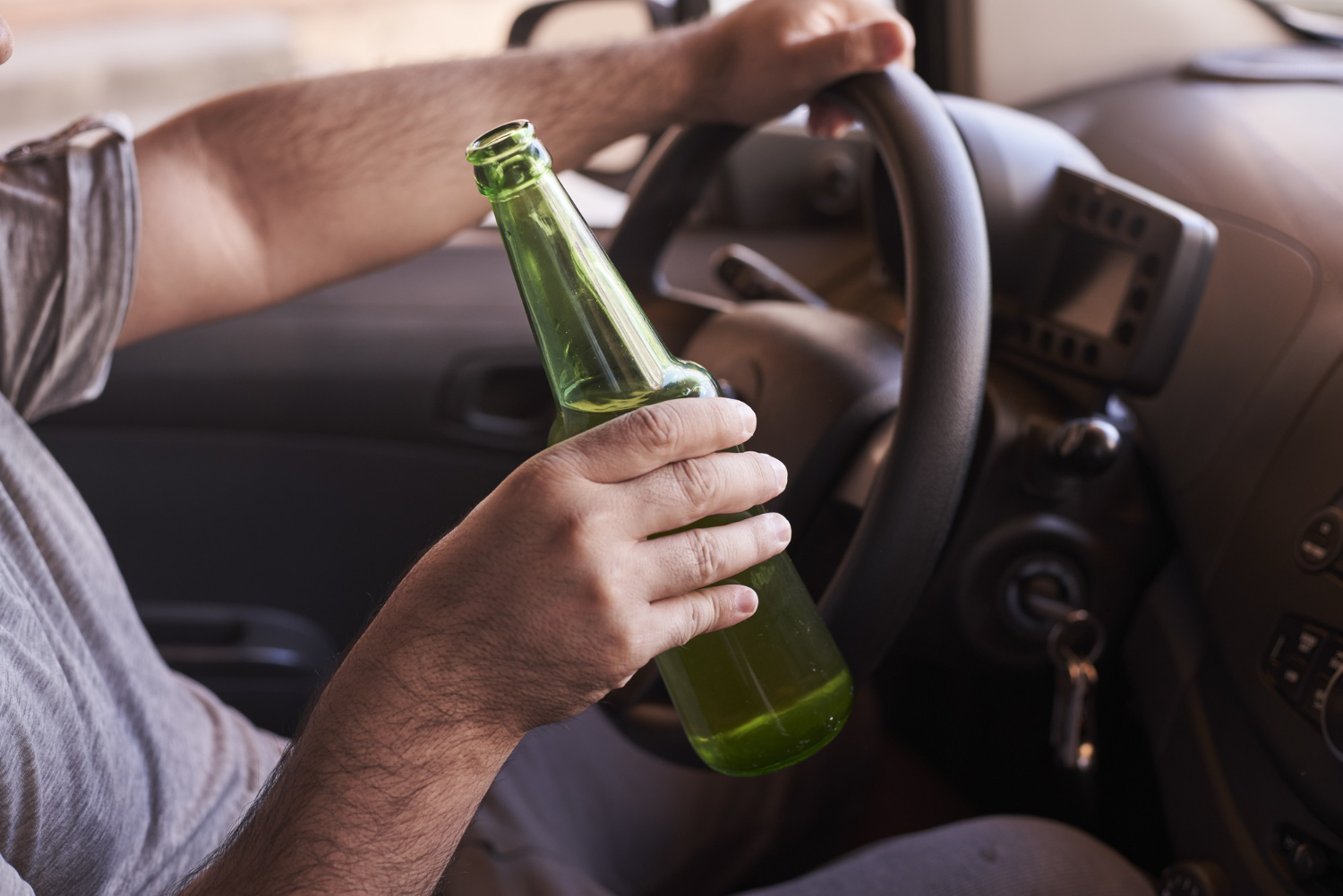
In midcentury America, drinking before driving was often brushed aside as a mild lapse rather than a serious threat. Social events routinely involved alcohol, and people thought nothing of heading home after several rounds, assuming their experience behind the wheel would compensate. Officers sometimes issued warnings instead of arrests. Today, DUI laws are among the strictest on record, backed by decades of data linking impaired driving to preventable deaths. Behavior once dismissed as normal now carries legal consequences that reflect the real danger it poses to everyone on the road.
Smoking In Nearly All Indoor Spaces

Cigarettes were woven deeply into daily life, with smoke lingering in offices, restaurants, airplanes, and even hospital waiting rooms. Ads featured authority figures praising tobacco, and ashtrays sat beside conference tables and classroom desks. The health risks of secondhand smoke were unknown or ignored. Modern restrictions now prohibit smoking in most indoor public spaces and many outdoor ones, reflecting research that reshaped public-health policy. Lighting up anywhere you pleased in the 1950s might have drawn no comment; doing so today can lead to fines, removal, or a swift complaint.
Corporal Punishment In Public Schools

Teachers in the 1950s relied on paddles, rulers, and their own hands to enforce discipline, often with full support from administrators and families. A strike across the knuckles or a trip to the principal’s office for a harsh reprimand was considered part of building character rather than a cause for concern. Modern research on emotional development and trauma has changed that understanding. Most states now forbid physical punishment in public schools, and striking a student can lead to immediate legal action, professional sanctions, or criminal charges depending on severity.
Riding In The Back Of Pickup Trucks
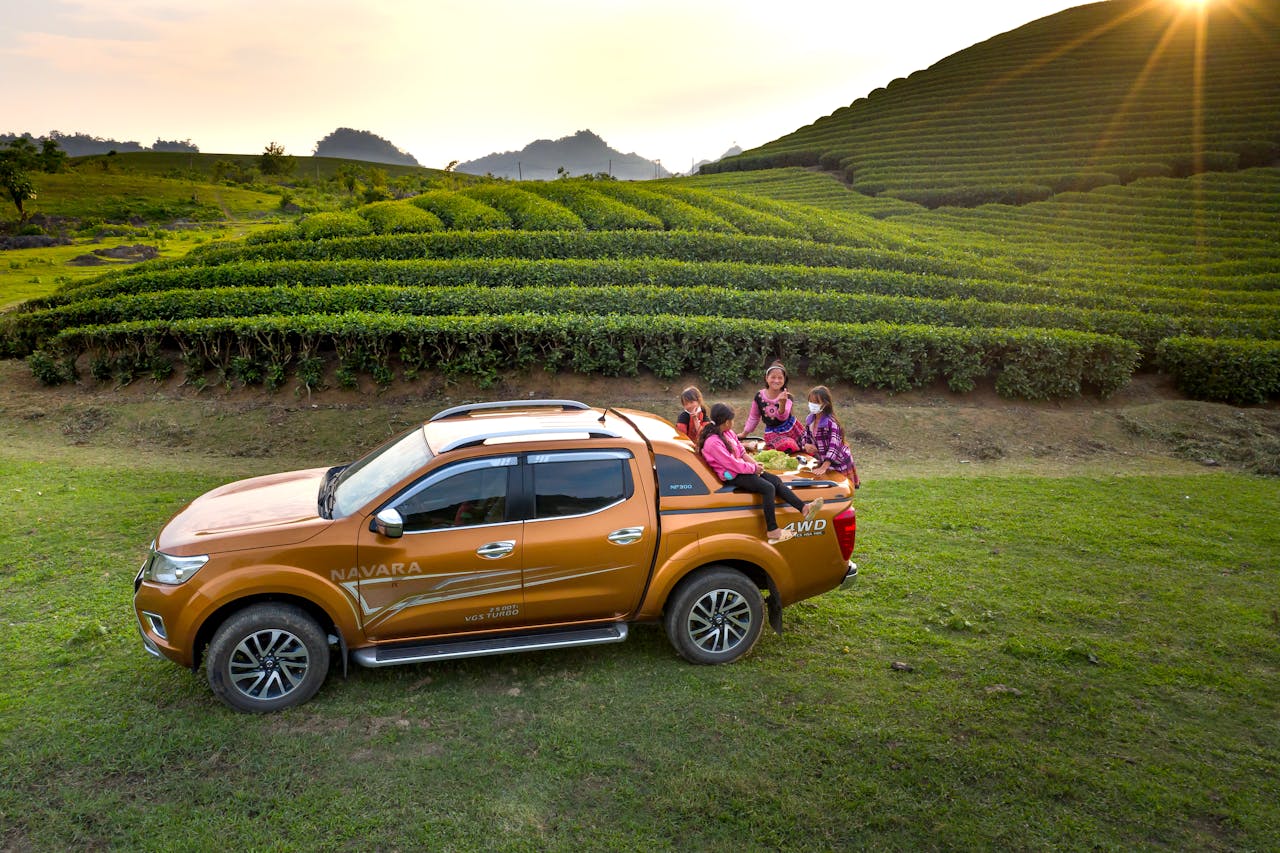
Riding in a truck bed was once a treat, and children leaned against the sides or sat on wheel wells while the vehicle sped down busy roads. The open-air rush felt thrilling, and few adults saw it as reckless. Accidents involving ejections were often viewed as misfortune instead of predictable outcomes. Today, many states restrict or ban passengers in cargo beds, especially minors, treating it as a clear safety hazard. What once symbolized carefree childhood now exists mostly as a memory, tightly controlled by modern transportation rules.
Leaving Kids In Parked Cars During Errands

Parents in the 1950s commonly left children waiting in a parked car while they ran grocery errands, paid bills, or chatted with neighbors. Engines idled or windows stayed cracked as kids sat without shade or supervision, sometimes for extended periods. Today, this routine is regarded as dangerous due to overheating, theft, or unexpected emergencies. Many states have specific laws prohibiting leaving children unattended in vehicles, and bystanders often feel compelled to call authorities. A casual errand for a parent can now trigger investigations and mandatory interventions.
Spanking Children In Public

Physical discipline in public spaces was widely accepted and rarely questioned. Parents delivered quick swats in busy aisles, restaurants, and sidewalks, and observers viewed it as a normal response to misbehavior. Over time, research on developmental harm shifted cultural expectations, reframing aggressive discipline as a sign of distress rather than authority. While some forms of physical punishment remain legal in private settings, hitting a child in public often prompts reports to law enforcement or child-protection agencies. What once drew nods of approval now raises immediate concern.
Dumping Trash Wherever Convenient
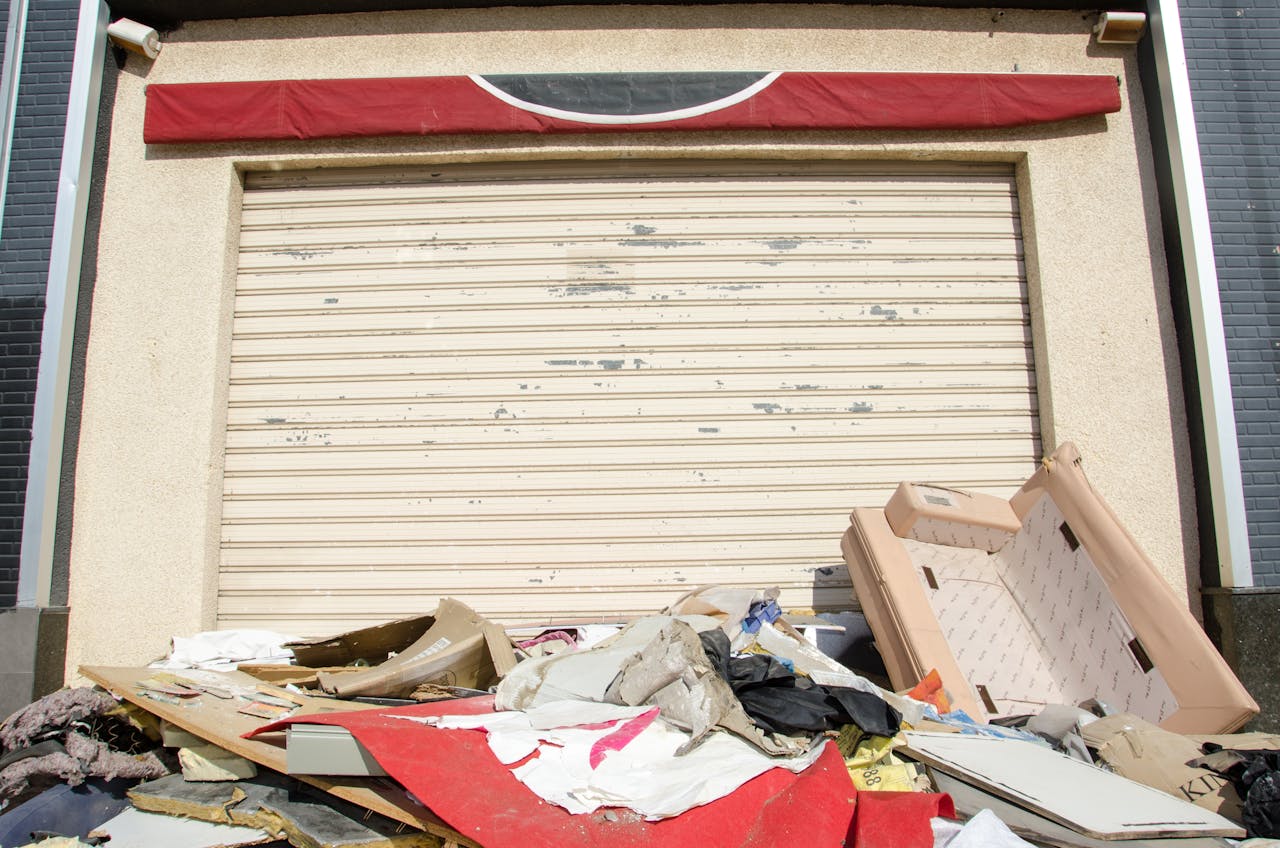
Communities lacked structured waste management systems, and many households burned trash in backyards or tossed it into open fields without a second thought. Rivers and roadsides collected debris that no one tracked or regulated. Environmental damage accumulated quietly until public pressure and scientific research led to sweeping laws in later decades. Today, illegal dumping carries hefty fines and potential criminal charges. Practices once viewed as ordinary chores are now treated as environmental hazards requiring formal cleanup and enforcement.
Burning Daily Garbage In The Yard

Before municipal pickup and recycling, many families disposed of waste in backyard burn barrels or pits. Flames consumed everything from food scraps to plastics and paint cans, sending smoke across neighborhoods and leaving ash in gardens and soil. People accepted the ritual as efficient without understanding the toxic byproducts lingering behind. Modern restrictions prohibit open burning in most areas, classifying it as a fire risk and a public-health concern. What once felt practical is now recognized as harmful to both air quality and long-term soil health.
Biking Without Helmets Or Safety Gear
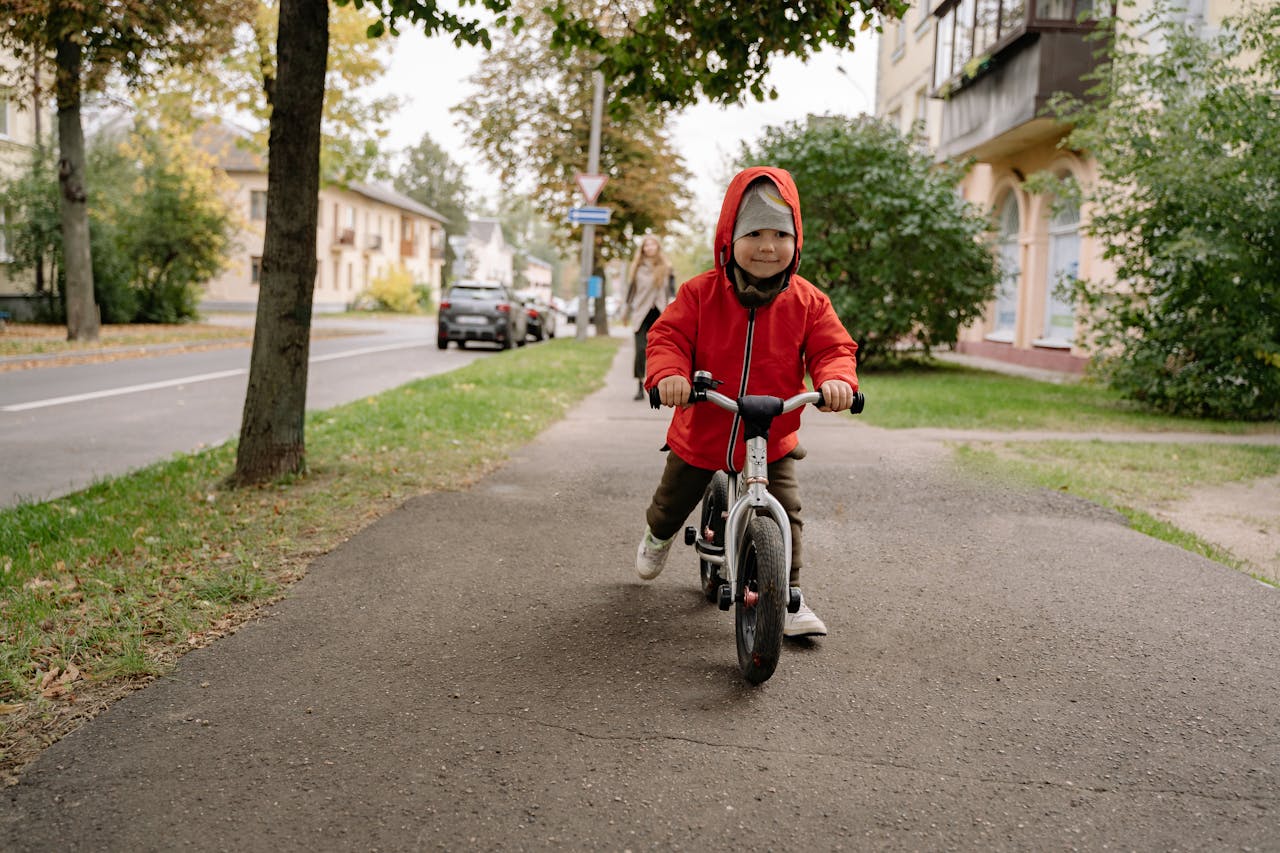
Children treated bikes as tools for exploration, racing down hills, jumping curbs, and weaving through traffic without helmets, pads, or any protective equipment. Scrapes and falls were expected, and adults rarely intervened unless injuries were severe. Modern focus on head trauma and long-term recovery has shifted expectations dramatically. Many regions now require helmets for young riders, and schools and youth programs enforce strict safety rules. Midcentury carefree riding would now draw warnings from coaches, police, or concerned neighbors.
Enforcing Racial Segregation In Public Spaces

One of the most significant legal shifts involves public segregation, which shaped daily life in transportation, schools, restaurants, and municipal facilities. Signs and social codes divided communities and restricted where certain people could sit, learn, or work. These practices were upheld by local laws and broad social acceptance. Federal civil-rights legislation dismantled those systems, recognizing them as discriminatory and incompatible with equal protection. What was once presented as normal is now understood as a violation of fundamental rights and dignity.