A quiet shift is playing out in flight searches and friend-group chats: the classic Europe loop is no longer the default dream. South America is pulling attention with cities that stay awake late, landscapes that change by the hour, and a cultural intensity that feels lived-in rather than curated. Colonial plazas lead to street murals, Andean markets, and coastal neighborhoods where music is as common as traffic. For travelers chasing texture over checklists, the swap is not about replacing one continent with another. It stays in the senses.
A City Rhythm That Runs Past Midnight
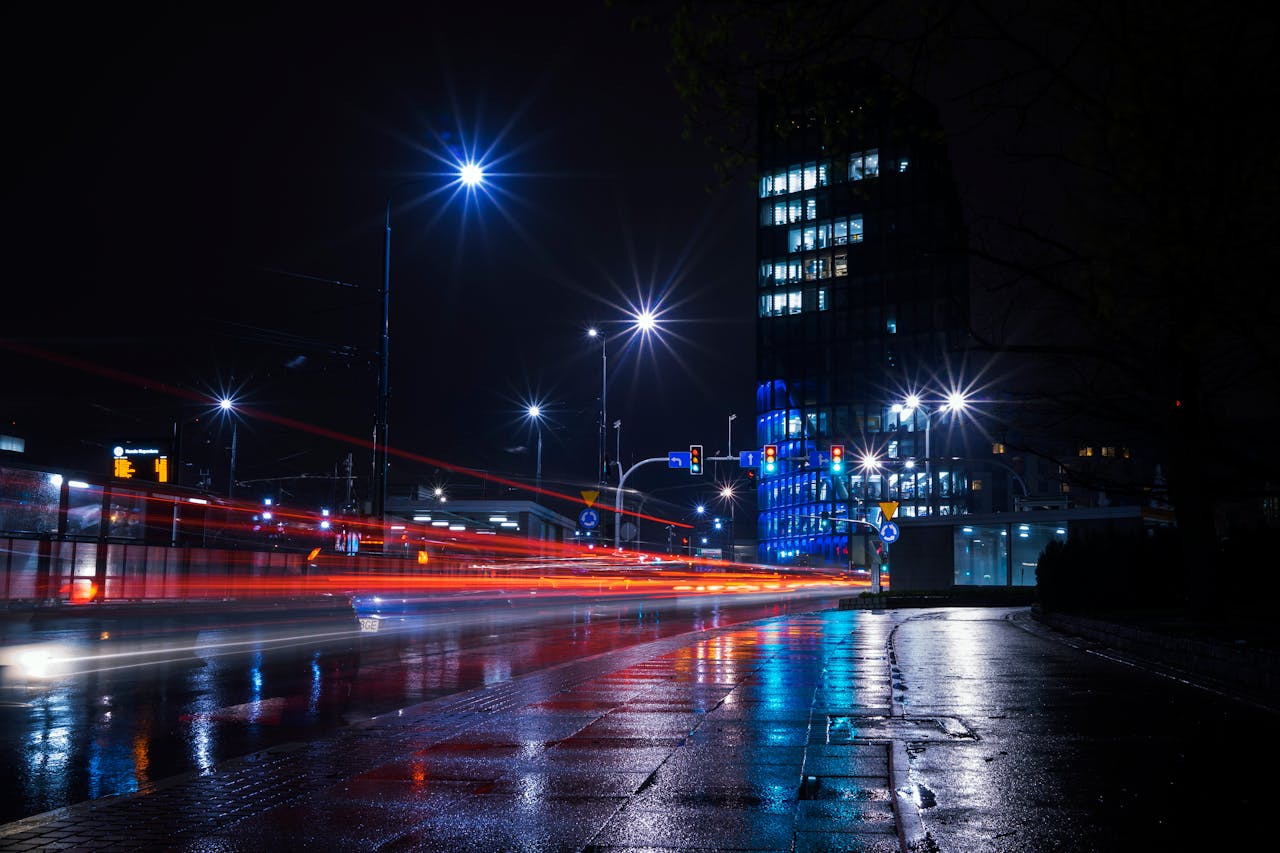
In many South American capitals, dinner is not a rushed prelude to sleep but the main event, followed by plazas, bars, and sidewalks that keep their conversations going. Buenos Aires leans into theater and neighborhood parrillas, while Bogotá and São Paulo turn weekends into citywide circuits of live sound. Afternoons can slow down, then the streets reboot after dark with cafés, kiosks, and open doors. The energy feels participatory, less like an audience and more like a chorus, where strangers share tables, stories, and late buses home. Dress codes stay relaxed, and nights pivot fast from bars to dance floors easily.
Markets That Feel Like Living Museums
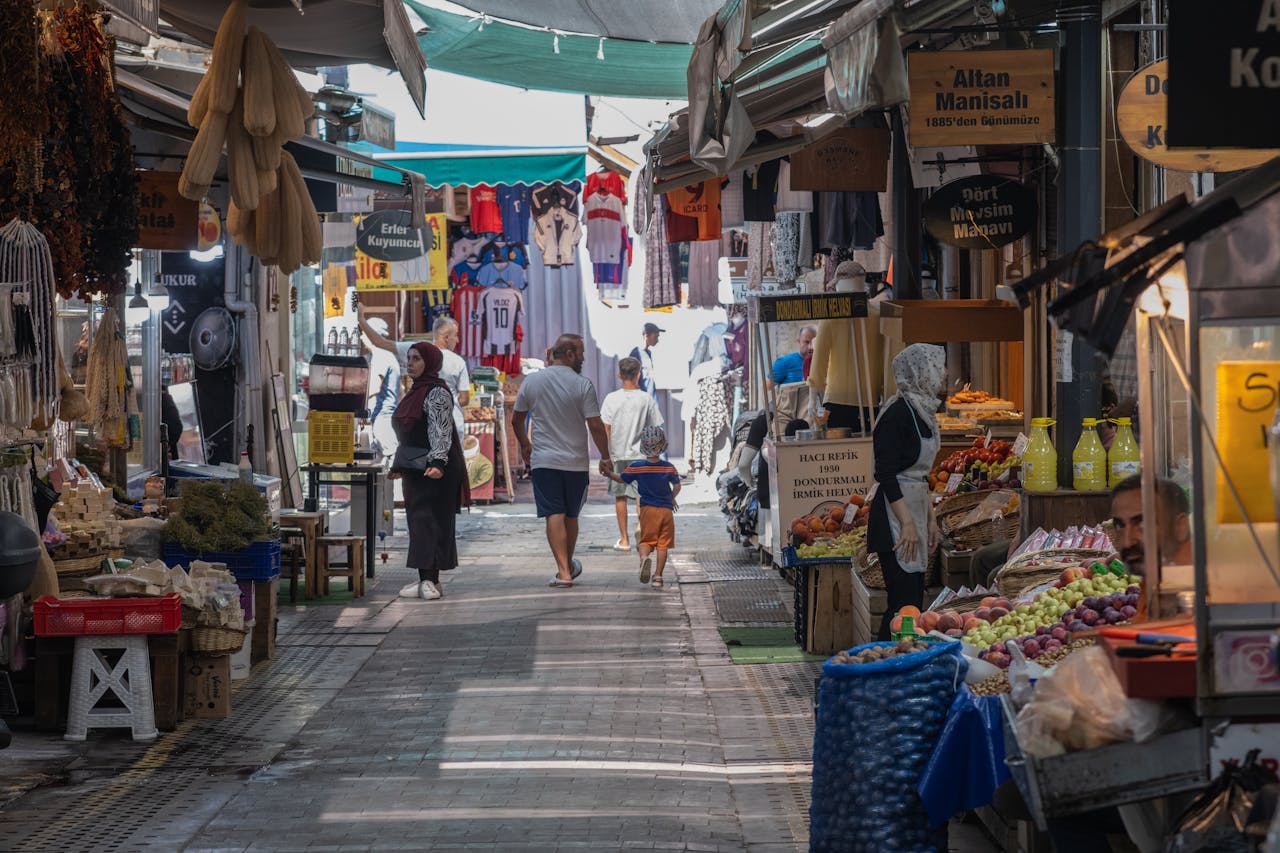
South America’s markets carry the feeling of a working archive: baskets of unfamiliar fruit, piles of chilies, handwoven textiles, and medicine stalls that still trade in local knowledge. In places like La Paz, Cusco, and Otavalo, bargaining is less performance than routine, and craft traditions stay tied to family lines. Even modern food halls keep a sense of origin, where the vendor’s story matters as much as the ingredient. Culture shows up in the practical details, not behind glass. The air mixes citrus and frying oil, while radios bounce between pop and folk. Snack counters run on bus schedules and work shifts.
Coffee and Wine With Their Own Accents
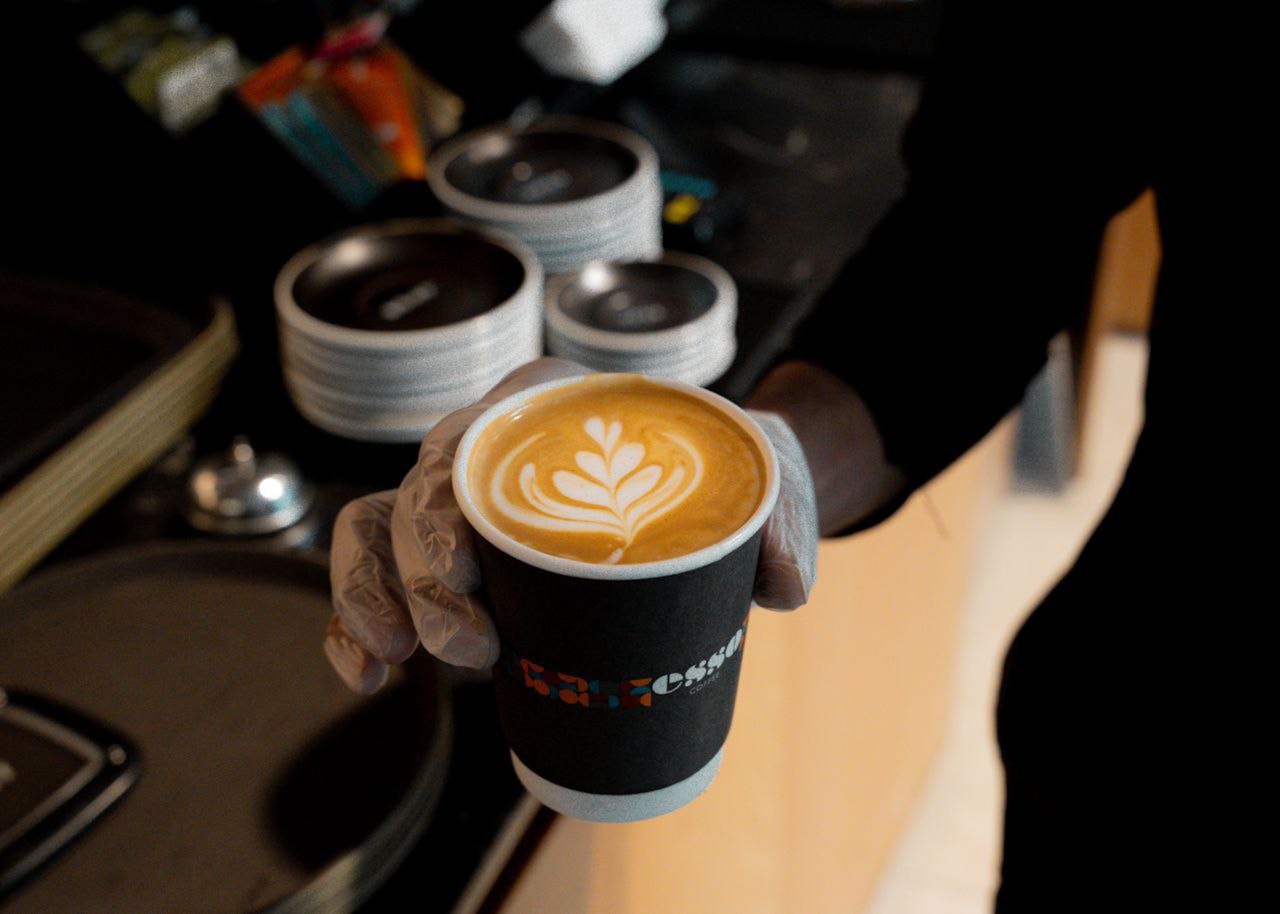
In Europe, the romance of a café can feel standardized across capitals. In South America, coffee and wine land with regional signatures. Colombian cafés in Medellín and Bogotá highlight farms and processing, while Brazil’s specialty scene pairs espresso with baked snacks and lingering talk. Argentina and Chile treat wine as everyday culture, not a special-occasion accessory. Maté adds another ritual, passed between friends with quiet etiquette. The tasting life feels local, social, and pleasantly unpolished. Weekend day trips can reach vineyards under Andean light, and city wine bars keep prices grounded and pours easy.
Nature That Sits Close to City Life
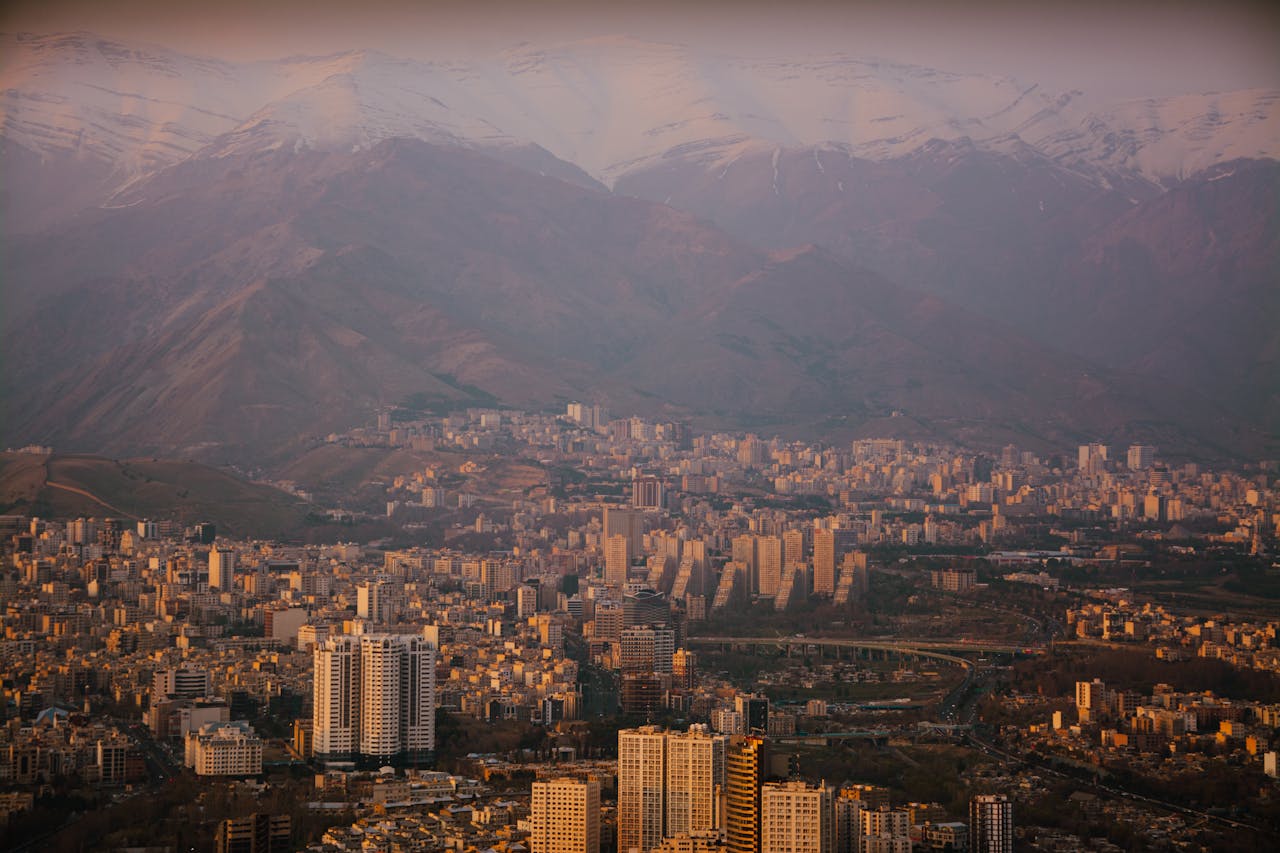
Europe often splits city time from nature time, with long transfers treated as the cost of beauty. In South America, dramatic landscapes sit close to everyday life. Quito and Bogotá rise beside mountain air, Rio frames beaches with rainforest slopes, and Santiago keeps the Andes on daily display. Escapes can mean cloud forests, desert valleys, or glacier lakes without an elaborate plan. That proximity shifts the mood fast, from exhaust to pine, and the scenery feels like a lived backdrop, not a set. Flights and night buses stitch distances, trading boredom for dawn arrivals and shared snacks. And quick friendships.
Street Art as a Public Language

In many European cities, history is the dominant visual language, with change tucked into galleries or design districts. Across South America, walls talk back in real time. From Bogotá’s murals to Valparaíso’s painted stairways, street art marks politics, pride, grief, and humor without asking permission. Neighborhood tours often feel like conversations with residents rather than lectures, since artists paint in response to local headlines. Public space becomes a canvas for memory, not just decoration. Posters, stencils, and fresh paint layer into a living timeline, revised instead of archived. It keeps cities awake.
Music That Spills Into Daily Life
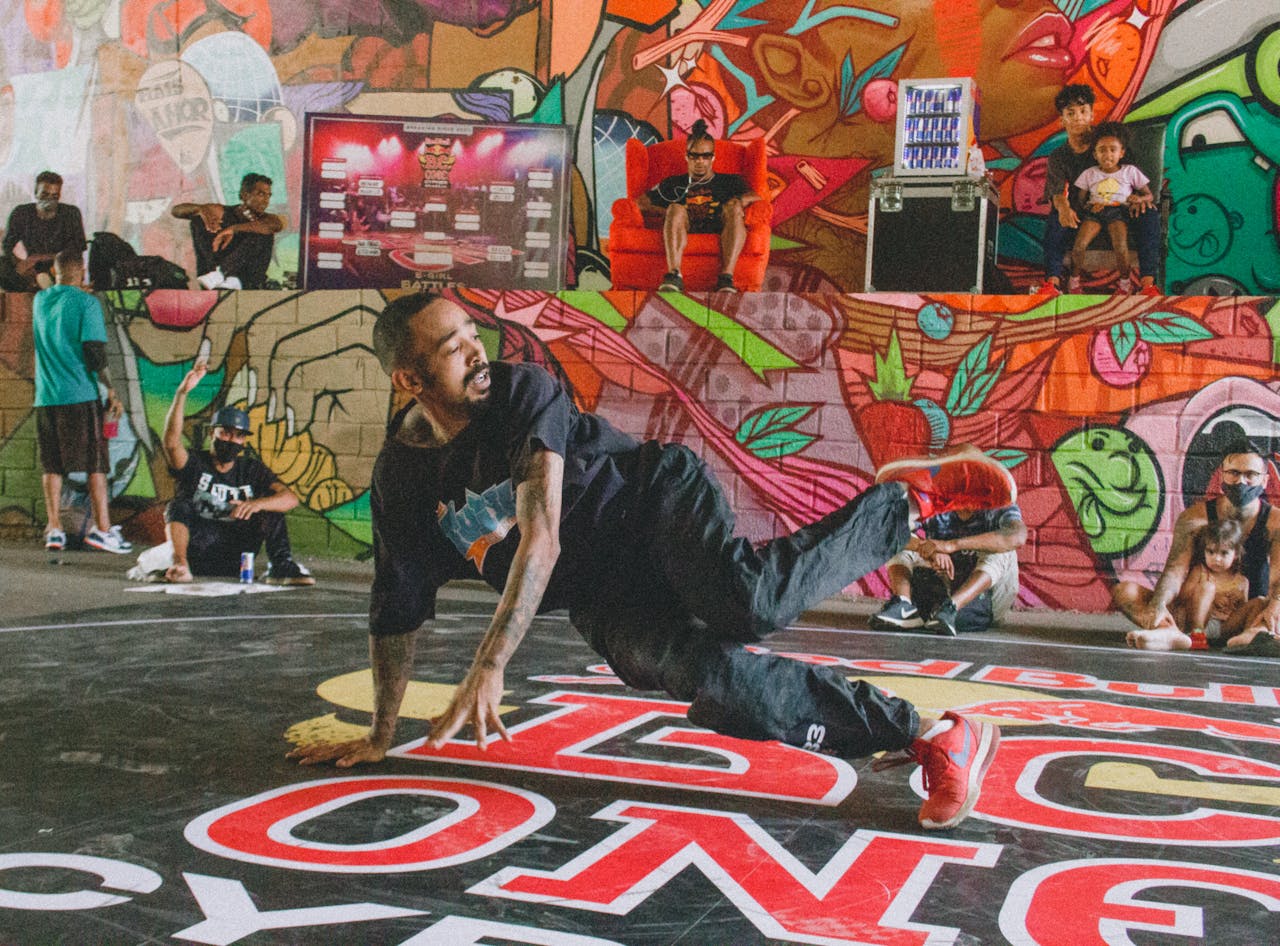
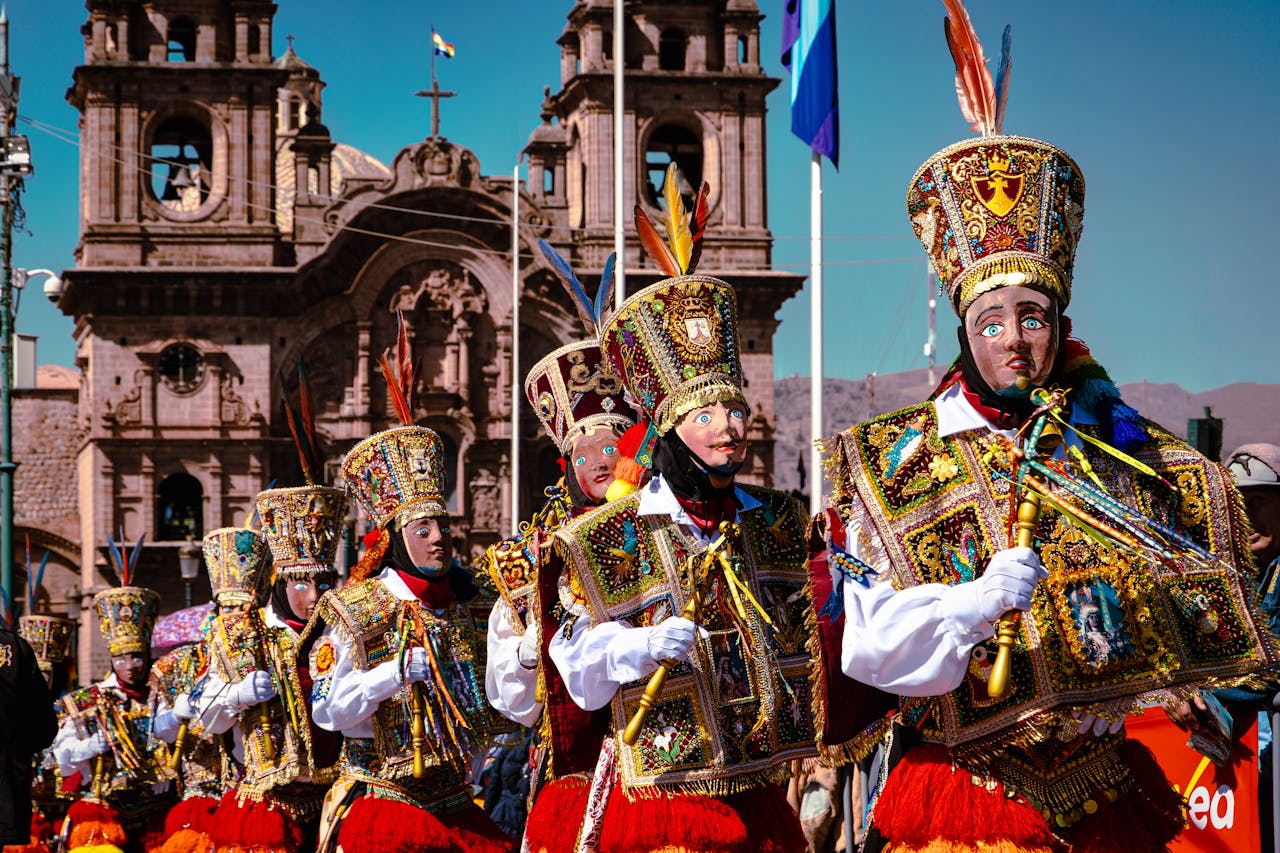
Europe’s music heritage often lives in concert halls and reserved tickets. In South America, music leaks into daily routines. Tango lessons in Buenos Aires, samba rehearsals in Rio, and cumbia nights in Colombia blur the line between practice and party. Bands pop up in parks, patios, and street festivals that run on small budgets and big feeling. Dancing becomes a shared language across ages, and vendors orbit with snacks and cold drinks. Even when the sound is imperfect, participation is the point, and joy reads as a civic habit. Steps spread by watching, not gatekeeping, which keeps the vibe open. For everyone.
Design That Feels Collected, Not Curated
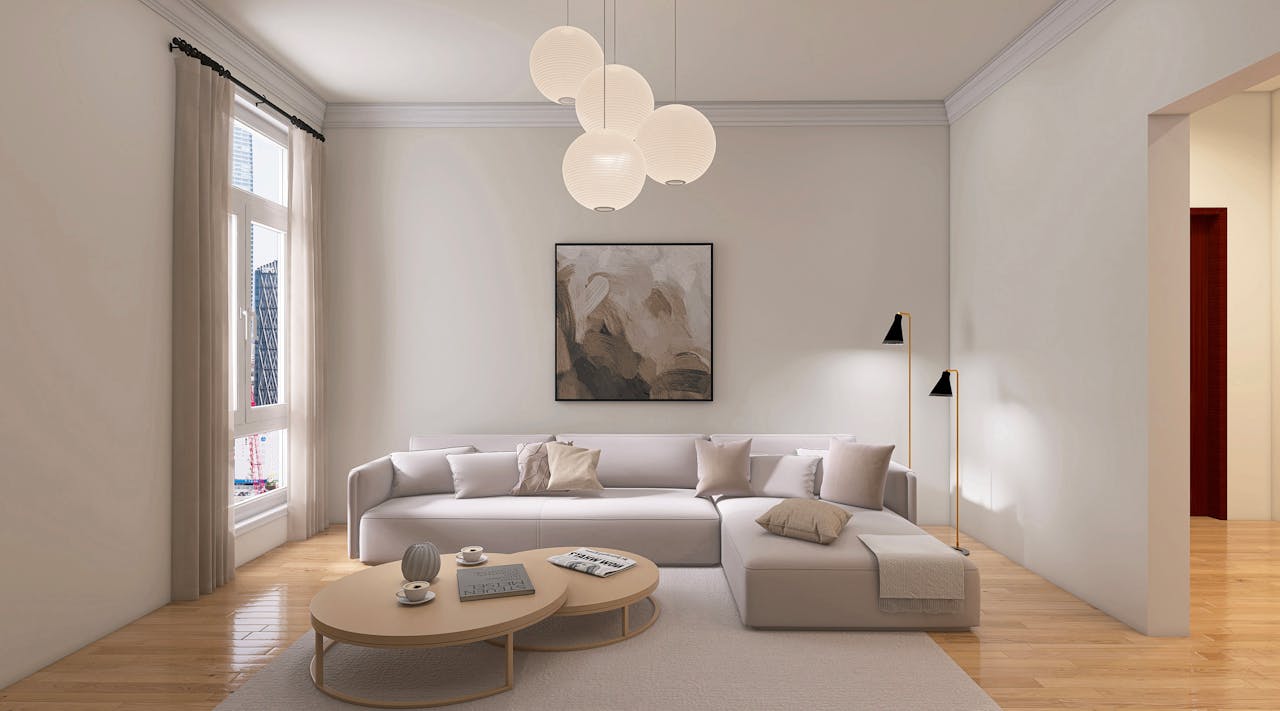
Europe’s aesthetic can feel polished to the point of predictability, especially in neighborhoods tuned for tourism. South American style often reads more personal: midcentury furniture beside indigenous textiles, bold color against old stone, and handmade ceramics treated as everyday objects. Hotels and cafés lean into local materials, from hardwoods to woven grasses, rather than imported sameness. The spaces feel collected over time, with imperfections that signal real use, not staged perfection. Small studios and weekend fairs keep makers visible, so a lamp or blanket often comes with a name and a neighborhood story.
A Bigger Range of Weather and Mood
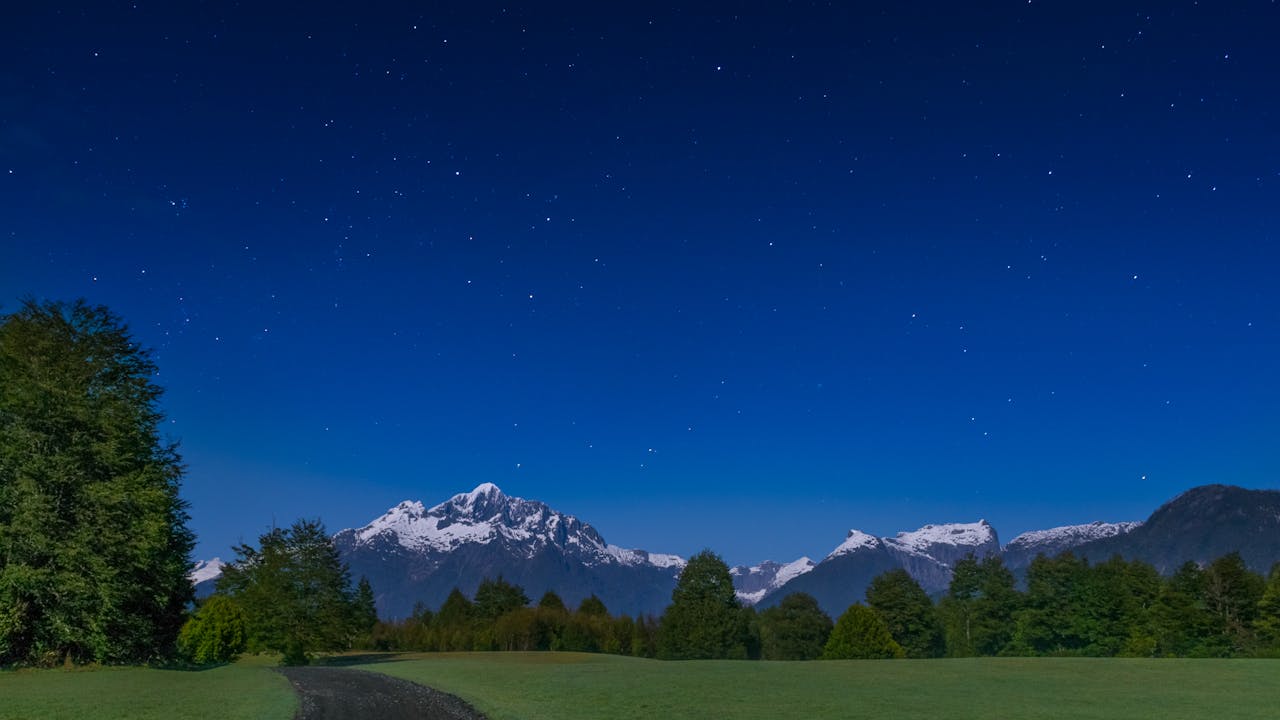
Europe’s seasons are familiar to many travelers, and the highlights can cluster into the same months and routes. South America stretches across latitudes and elevations, so the calendar stays flexible. One flight can move from tropical humidity to crisp highland mornings, and another can land in wine country light or Patagonian wind. This variety reshapes the trip’s emotional tone, mixing beach ease with mountain seriousness. The continent offers contrast without demanding a single, perfect season. Festivals and harvests also move on local rhythms, so celebrations appear in unexpected places, not only in headline capitals.
Hospitality That Feels Less Transactional
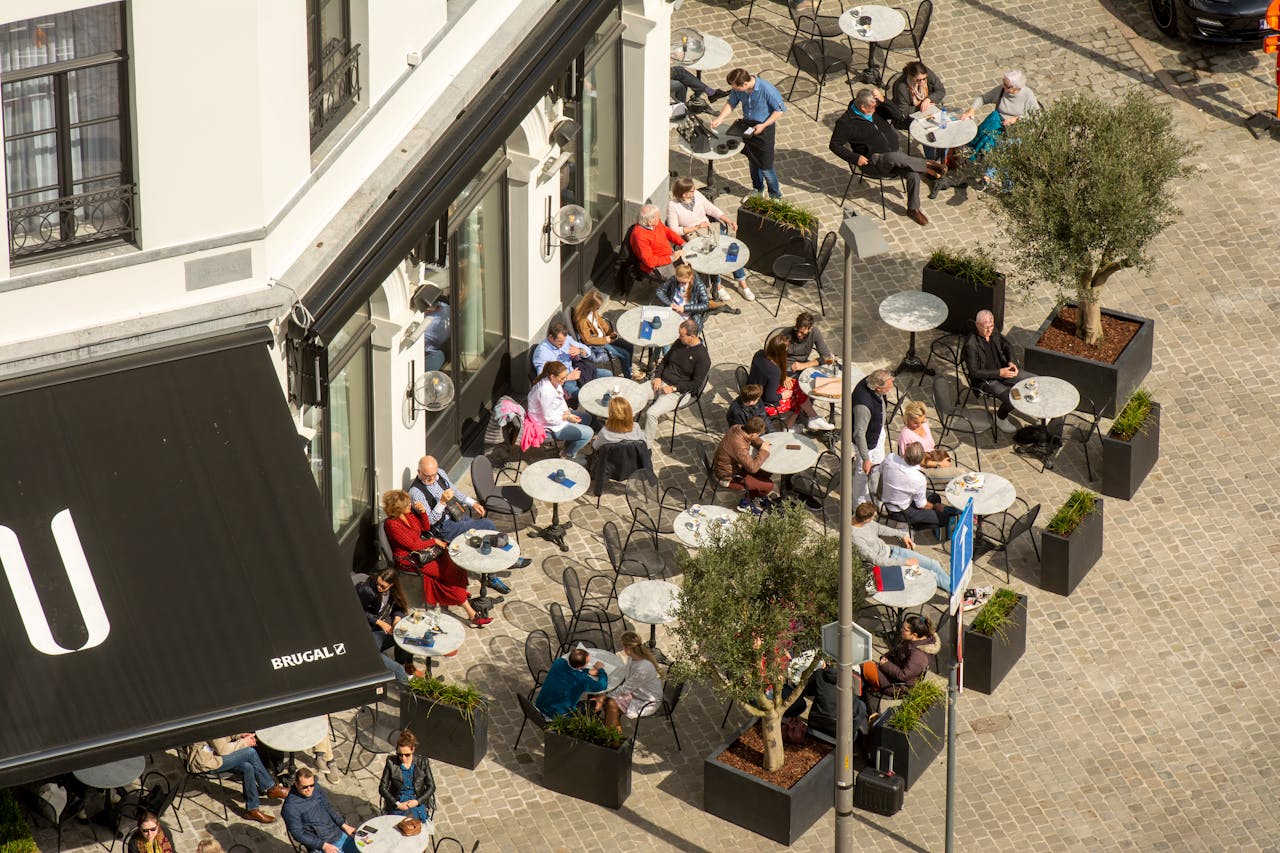
In parts of Europe, the tourism economy can sharpen the line between guest and host, with politeness that stays professional. South America often blurs that line, though it varies by city and circumstance. Small gestures stand out: café owners remembering an order, bus-seat conversations turning into local tips, and family-run stays where breakfast feels like a shared table. This hospitality is not constant sunshine; it can be blunt, witty, and direct. But it tends to feel human first, transactional second. Invitations can arrive quickly, folding travelers into birthdays, pickup games, or a late group chat. Afterward.
Language That Becomes Part of the Vibe
Europe’s multilingualism can feel intimidating, with rapid switches and a sense that fluency is the entry ticket. In South America, Spanish and Portuguese dominate large regions, and the social reward for trying tends to be immediate. Cities offer a steady stream of low-stakes practice, from ordering at a bakery to chatting with taxi drivers and barbers. Local slang becomes a souvenir that works, carrying humor and belonging. Language turns into part of the vibe, not homework. Accents shift by region, and indigenous languages sit alongside, keeping the culture layered. Pop songs and soccer chants become lessons that stick.