Public art sits in the open, where pride, annoyance, and curiosity share the same sidewalk. A new sculpture can interrupt a commute, challenge a city’s self-image, or spark questions about who gets a voice in shared space. Controversy is not always a failure; it can be the sound of a community negotiating memory, money, and meaning in real time. Sometimes the uproar fades, and sometimes it becomes part of the artwork. These installations show how a single object can become a headline, a landmark, and an argument, all at once.
Tilted Arc and the Federal Plaza Detour
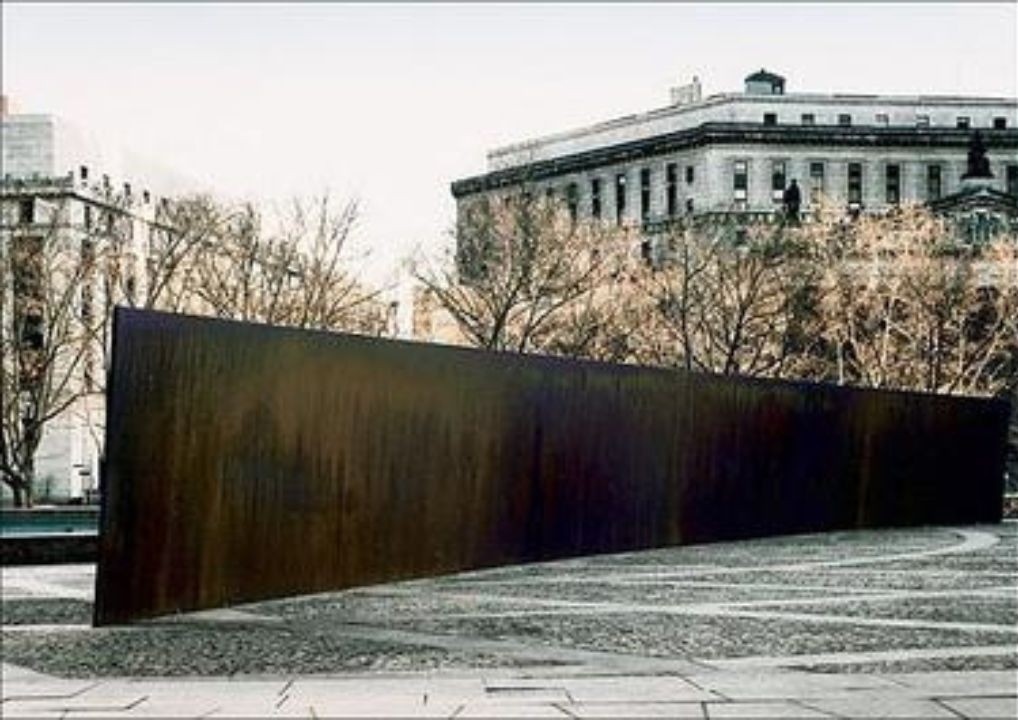
Installed in 1981, Richard Serra’s “Tilted Arc” stretched across Foley Federal Plaza in Lower Manhattan as a long, rust-toned steel wall that forced pedestrians to reroute, reshaping a civic square into a daily obstacle course. Supporters argued that the inconvenience was the meaning, because the piece made authority, surveillance, and movement feel physical, while critics called it unfriendly, costly, and disruptive to courthouse traffic and security. After a public hearing and years of federal argument, the work was dismantled in 1989, and its removal became a defining case about who controls art once it occupies shared space.
The Vietnam Veterans Memorial and the Politics of Quiet
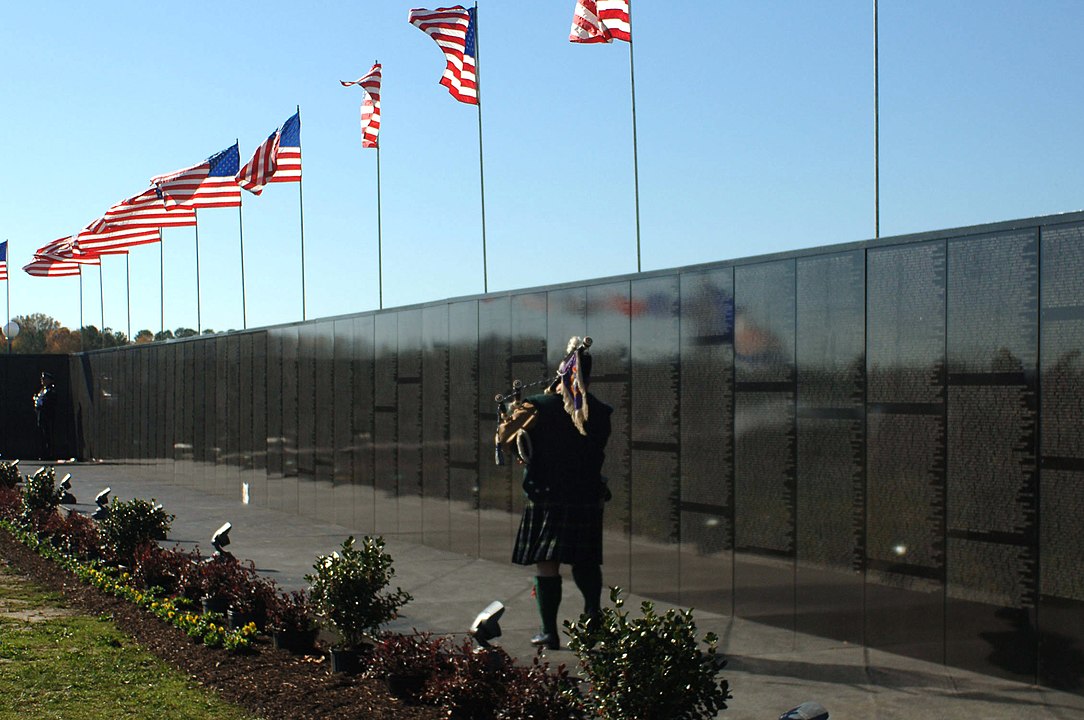
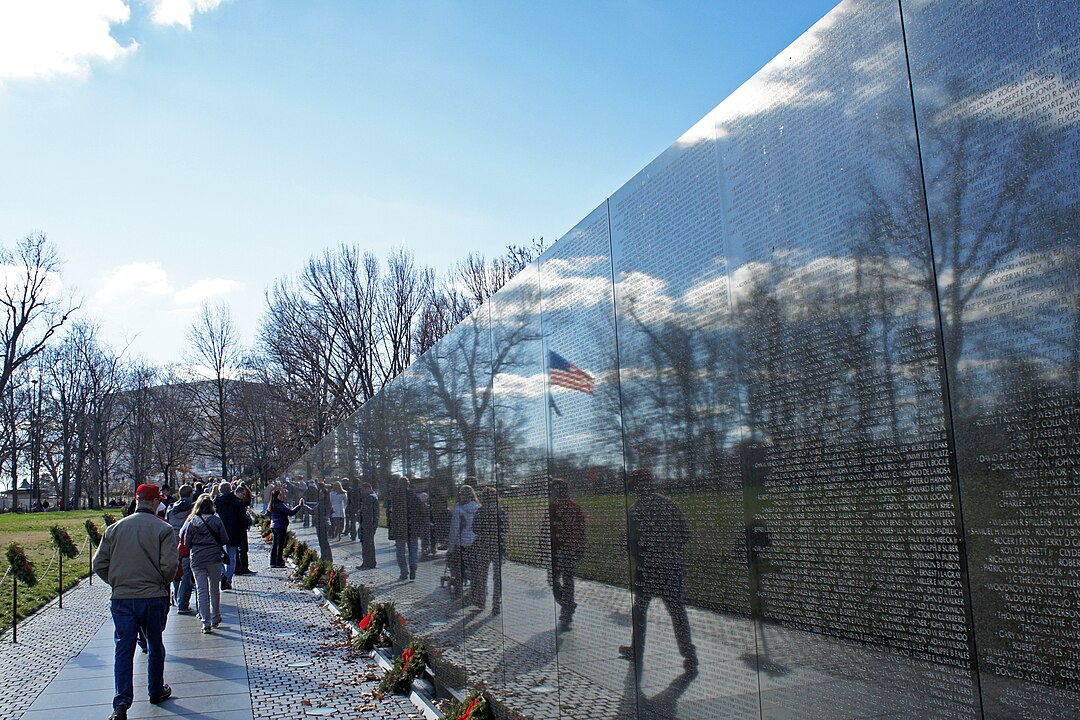
When Maya Lin’s Vietnam Veterans Memorial opened in 1982, it replaced heroic statuary with a V-shaped wall of polished black granite set into the earth, where names sit at eye level and reflections mingle with the carved letters. Opponents argued the design felt too somber and too abstract for a national tribute, pushing for a more traditional scene that would read as pride rather than mourning, while supporters defended the quiet as honest. A compromise added a flag and a nearby soldier sculpture, but the wall’s spare language endured, and over time the very simplicity that drew criticism became the reason people returned.
Angel of the North and the Question of Scale
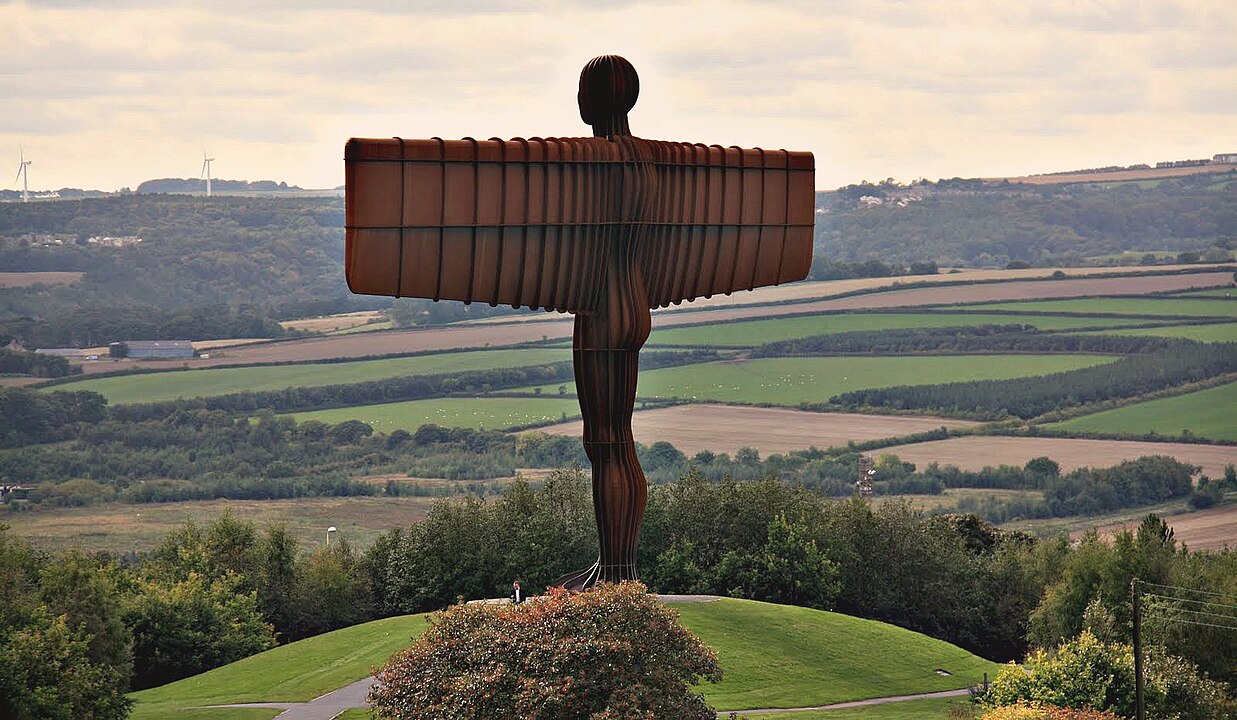
Antony Gormley’s “Angel of the North” rose near Gateshead in 1998, a 66-foot steel figure with wings spread wide enough to register from the A1, greeting commuters who never asked for a monument on their horizon. Early complaints targeted the about £800,000 price tag, the industrial look, and the fear that a giant silhouette would overpower its setting, while advocates insisted the region deserved a bold symbol of renewal. As months turned into years, the Angel slipped into everyday life through photographs, postcards, and local pride, and the controversy cooled into something rarer: a shared landmark that grew on people.
Denver’s Blue Mustang and Airport Folklore
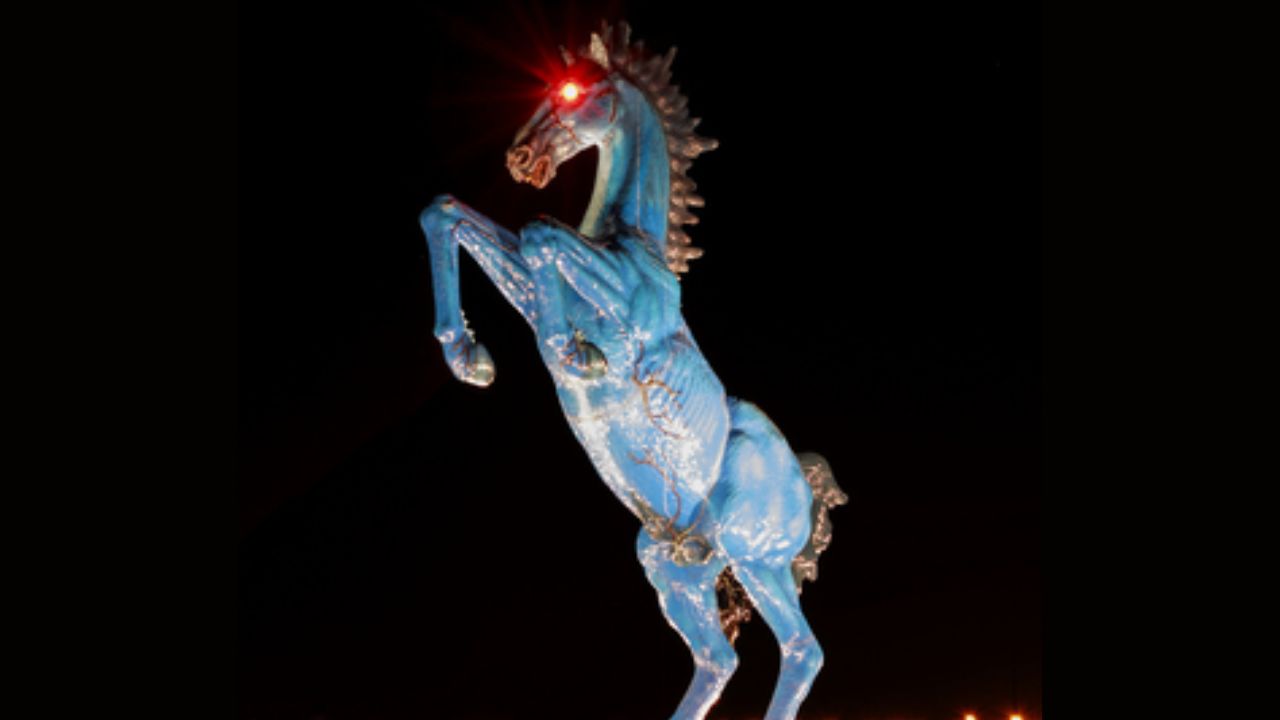
Denver International Airport’s bright blue rearing horse, installed in 2008, stands with glowing red eyes and a tense, forward-leaning pose that some call thrilling and others call unsettling for a major gateway. The conversation intensified because the sculpture’s creation was marked by a severe studio accident during fabrication, a detail that stayed in local memory and colored the work with unintended gravity. Over time it became a lightning rod and a mascot at once, proving that a city can turn disagreement into folklore when an artwork is impossible to ignore and too distinctive to be forgotten.
Fearless Girl and the Fight Over Context
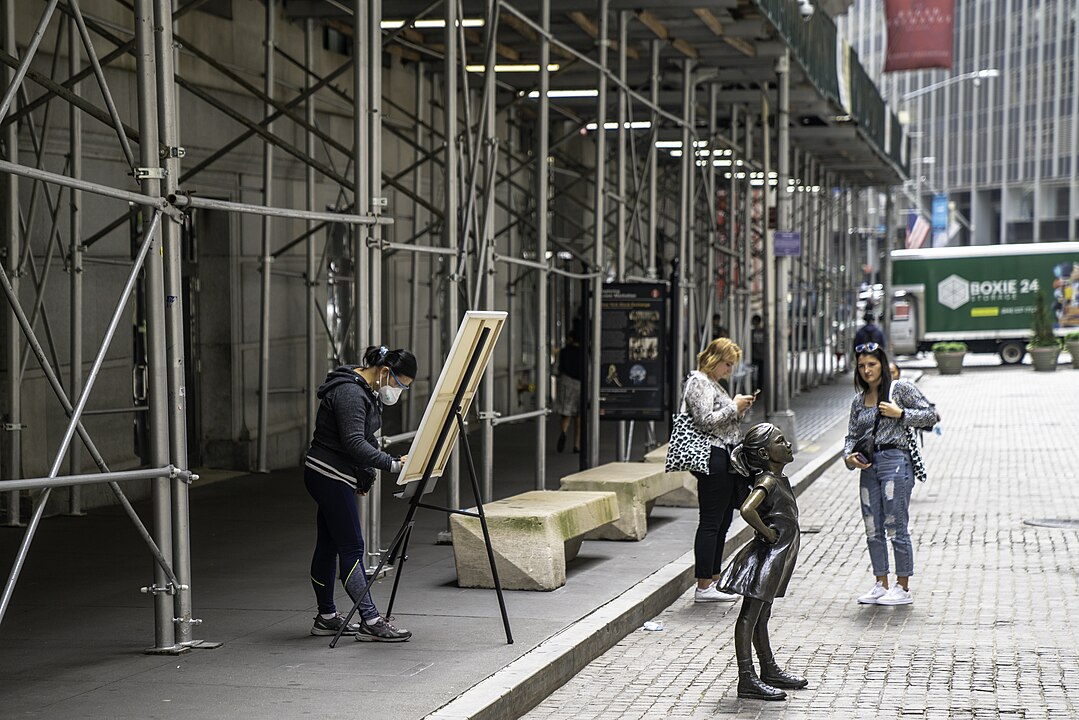
Placed in 2017 near Wall Street, “Fearless Girl” was celebrated as a symbol of women’s leadership, yet the controversy came from staging as much as from sculpture, and from the campaign behind it. By facing the “Charging Bull,” the small figure reframed another artist’s work as an opposing character, prompting arguments about consent, authorship, and whether a public icon can be repurposed by a newer message without permission. The statue later moved, but the debate kept echoing because it exposed a simple truth: in public space, location is part of the artwork, and meaning shifts with every step around it.
Charging Bull and the City’s Uninvited Icon
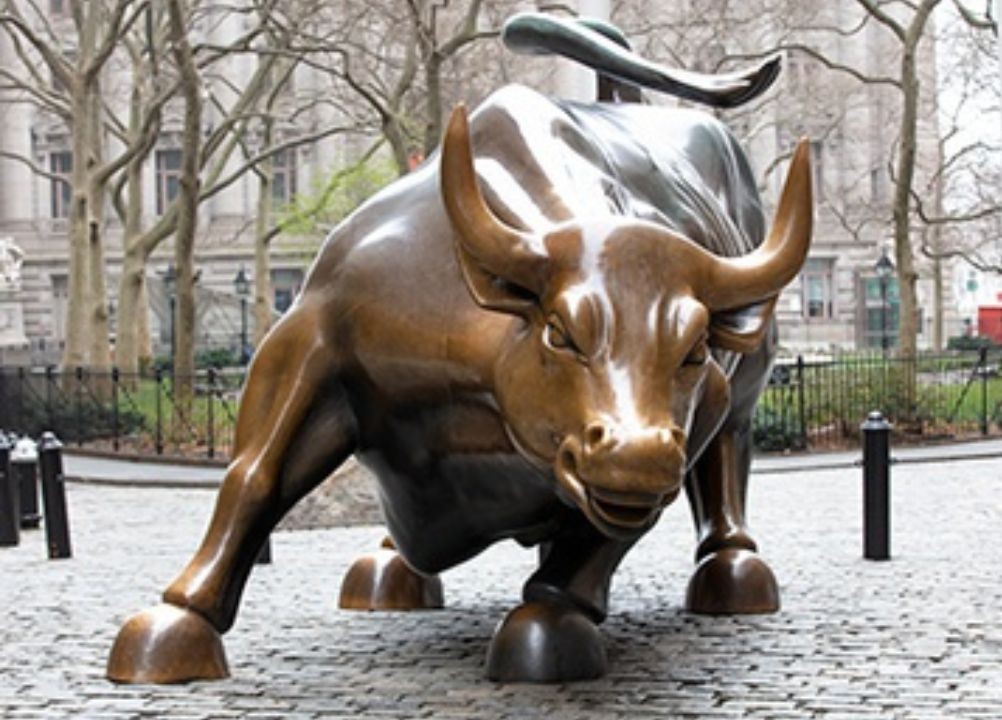
Arturo Di Modica’s “Charging Bull” arrived in New York in 1989 as an unapproved installation, placed near Wall Street as a bold, bronze statement about endurance after market turmoil. City officials treated it as an unauthorized object at first, but crowds gathered, photographs spread, and public affection turned removal into a political headache that officials could not easily justify. That origin still shapes every argument around the bull, because it shows how quickly a no can become a keep it, once an artwork starts functioning as a shared symbol for a neighborhood and the city at large.
Cattelan’s L.O.V.E. and a Gesture Toward Finance
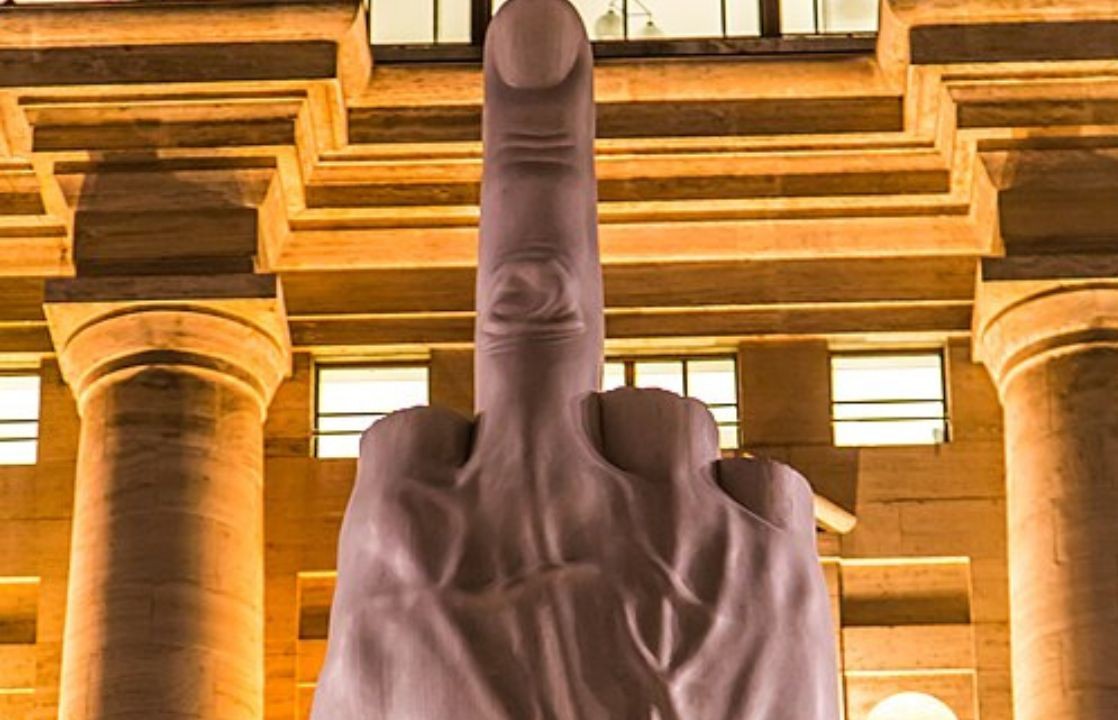
Outside Milan’s stock exchange, Maurizio Cattelan’s “L.O.V.E.” stands as a Carrara marble hand with most fingers removed, leaving only one finger remaining. To some locals, it reads as sharp satire aimed at financial power, especially after years of economic anxiety; to others, it feels like a permanent provocation in a civic square. Officials debated whether it belonged there at all, then kept it, partly because the argument became inseparable from the sculpture’s identity. Its endurance suggests that public art can survive not by pleasing everyone, but by staying legible as a conversation starter.
Chicago’s Picasso and Modernism in a Plaza
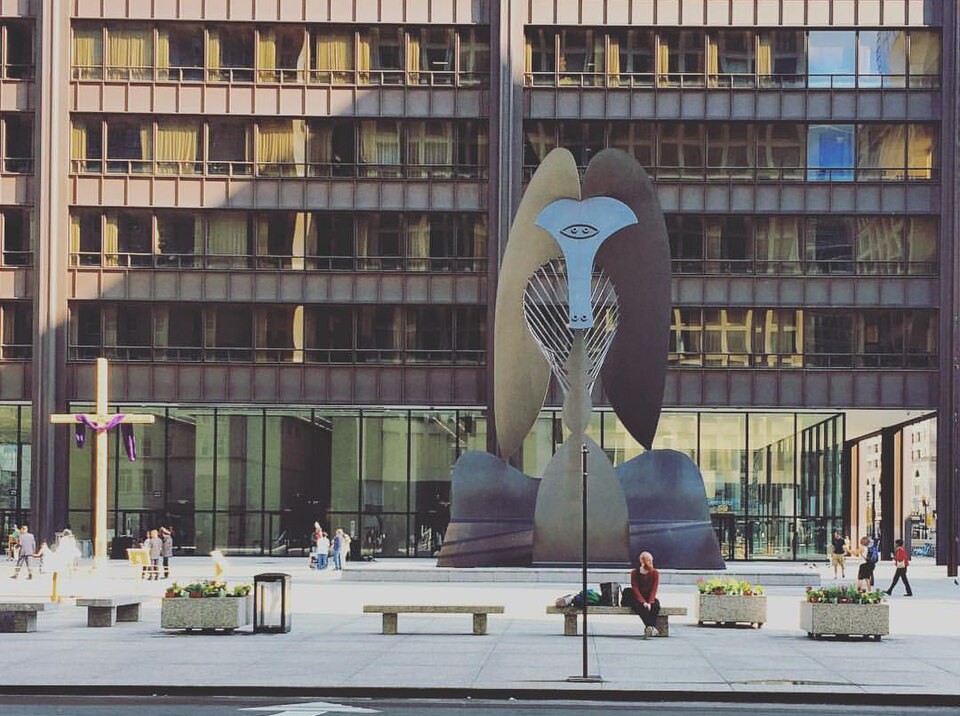
When the 50-foot “Chicago Picasso” was unveiled in Daley Plaza on Aug. 15, 1967, reaction split fast: some people laughed, some complained, and plenty asked why a civic plaza should host a puzzle. The abstract form refused a single subject, and critics argued that public art should feel welcoming without a guidebook, while supporters said a modern city should not fear ambiguity or bold scale. Decades of lunch breaks and winter photos softened the resistance, and the sculpture became a reliable meeting point, showing how familiarity can turn confusion into ownership without changing a single line of steel.
Crown Fountain and a Brief Privacy Panic
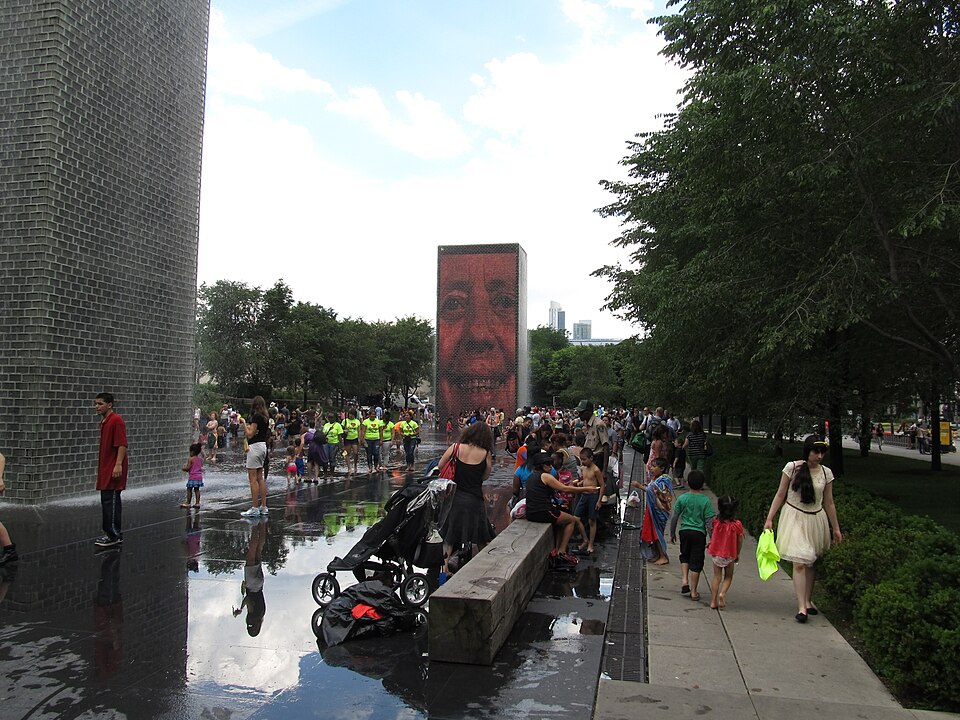
Jaume Plensa’s Crown Fountain opened in 2004 with two glass towers showing video portraits of Chicagoans, then sending water into a shallow pool that invited summer crowds. Some critics worried the playful tone did not fit the seriousness expected of a flagship park, but the bigger flare-up came when security cameras were mounted on top of the towers. Residents and civil liberties advocates objected, arguing the installation should not double as a watch post. The cameras were removed after public pressure, and the episode left a clear message: even joyful public art can trigger sharp debates about trust in shared space.