
Fashion rules used to travel by rumor, handed down by older cousins, glossy magazines, and the panic of a school photo day. Many were built for strict offices, fewer shopping options, and the idea that looking polished meant looking predictable. Some were also about class signals: what looked respectable, what looked expensive, and what looked conventional. Style now moves faster, and comfort, self-expression, and thrifted discovery matter more than gatekeeping. A sharp outfit can come from mixing decades, budgets, and moods, not from obeying a checklist. Nostalgia is fun, but it should not get the final vote in a closet.
No White After Labor Day

The old warning about wearing white after Labor Day came from a time when city heat, soot, and limited laundry made light fabrics feel impractical in fall. It also echoed resort-season codes, when linen and seersucker signaled summer status, but modern fabric care and year-round travel have turned the rule into theater while ignoring how sharp pale tones look against darker layers. Cream denim with a camel coat, an ivory knit with black trousers, or a white tee under a charcoal blazer reads crisp in October; add texture with wool, leather, or suede boots, and the palette feels anchored, even on gray days, in the city.
Stop Matching Shoes And Bag Exactly

Matching shoes and a handbag was once an easy way to signal polish when wardrobes were smaller and department-store advice favored tidy sets that looked coordinated from across a room. The downside is that perfect matching can look costume-like in photos, and it limits how often great accessories get worn because every pair becomes tied to one color family. A tan belt with black loafers, a burgundy bag with navy, or sneakers under a slip dress works when the colors talk through one shared note, like similar leather texture, repeated hardware, or a small accent shade echoed in a scarf or earrings instead of copying.
Mix Gold And Silver Without Apology

Old etiquette insisted on choosing either gold or silver jewelry, as if mixed metals were a mistake instead of a design choice. That mindset came from owning fewer pieces and wanting them to look like a matched set, plus the idea that one consistent shine looked more expensive under restaurant lighting and office fluorescents. Mixing metals reads intentional when there is a bridge piece, like a two-tone watch, a ring stack, or earrings that combine both finishes; a warm gold chain with a cool silver cuff can soften black, brighten denim, and make basics feel styled, even on repeat outfits week after week, without fuss.
Layer Prints Instead Of Playing It Safe

For years, prints were treated like loud guests: one per outfit, and everything else stayed neutral to avoid looking busy. That caution made sense when patterns were bold, cheaply printed, and hard to coordinate across brands, and when dressing guidelines valued blending in over standing out. Modern wardrobes include subtler checks, stripes, and florals that behave more like texture, so a striped tee under a plaid blazer, leopard flats with a solid dress, or small polka dots with denim can look pulled together when scale differs and one color repeats, creating rhythm instead of chaos, and reading intentional on camera.
Wear Denim On Denim With Contrast

Denim-on-denim was long treated as a fashion misstep, a reminder of awkward school photos and the punchline of the so-called Canadian tuxedo. The rule stuck because early denim sets often matched too closely, and stiff fabric made the outfit look like a uniform, especially when brands offered only one mid-blue shade. Now, varied washes, looser tailoring, and softer blends make it easy: a dark jacket over light jeans, a chambray shirt under a black denim coat, or wide-leg denim with a cropped vest looks relaxed and polished; a belt, white tee, or knit layer breaks the look and adds shape, without feeling themed at all.
Treat Sneakers As Real Shoes
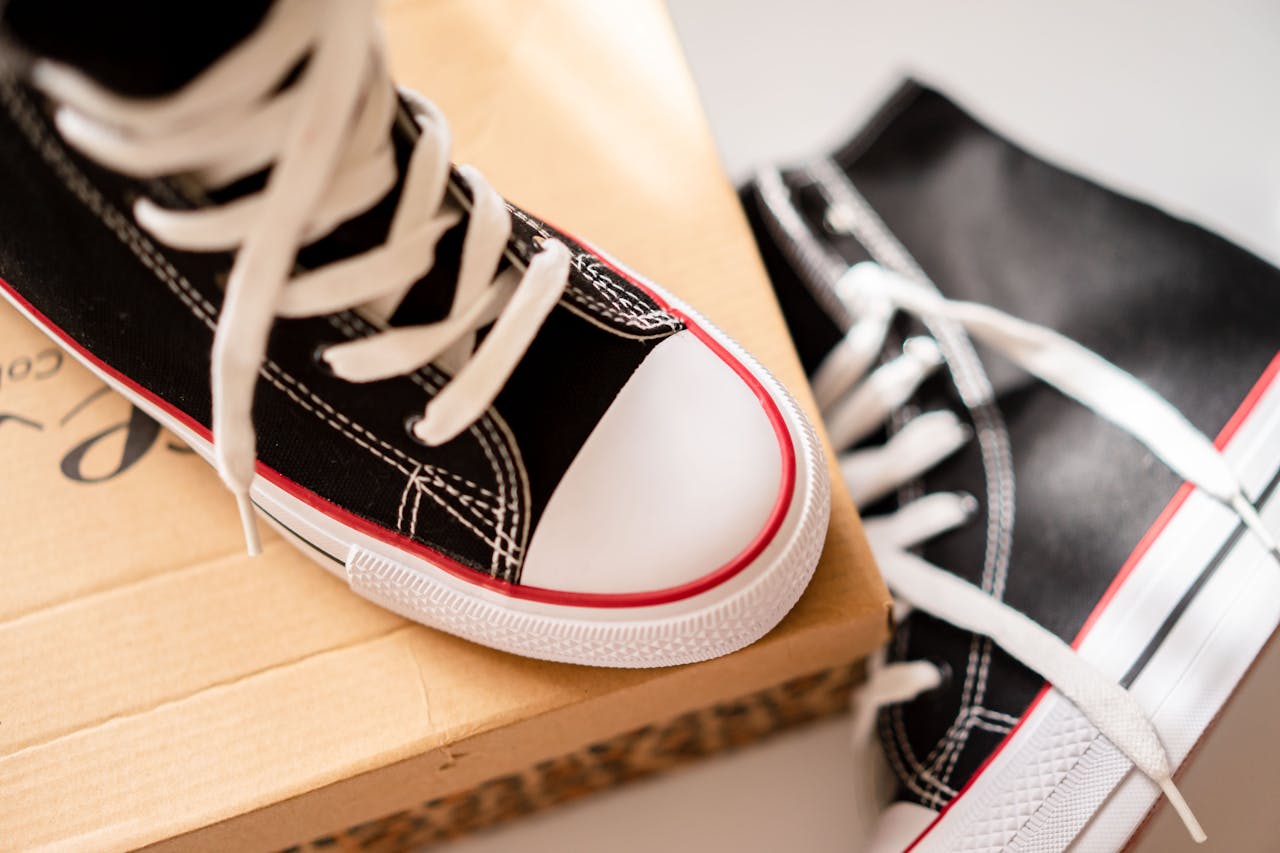
Sneakers were once treated as strictly athletic, something to keep off city sidewalks unless there was a practice, a run, or a gym bag in hand. That boundary made sense when casual shoes looked bulky and workplaces demanded heels or hard soles, and when comfort was quietly dismissed as laziness rather than good planning. Now, a clean sneaker with tailored trousers, a midi skirt, or a blazer can read intentional and sharp, especially in neutral colors; a neat sock line and a crisp hem keep proportions tidy, and the comfort helps posture stay calm on long days, making the outfit look better, not worse, in real life.
Let Socks Be Seen On Purpose
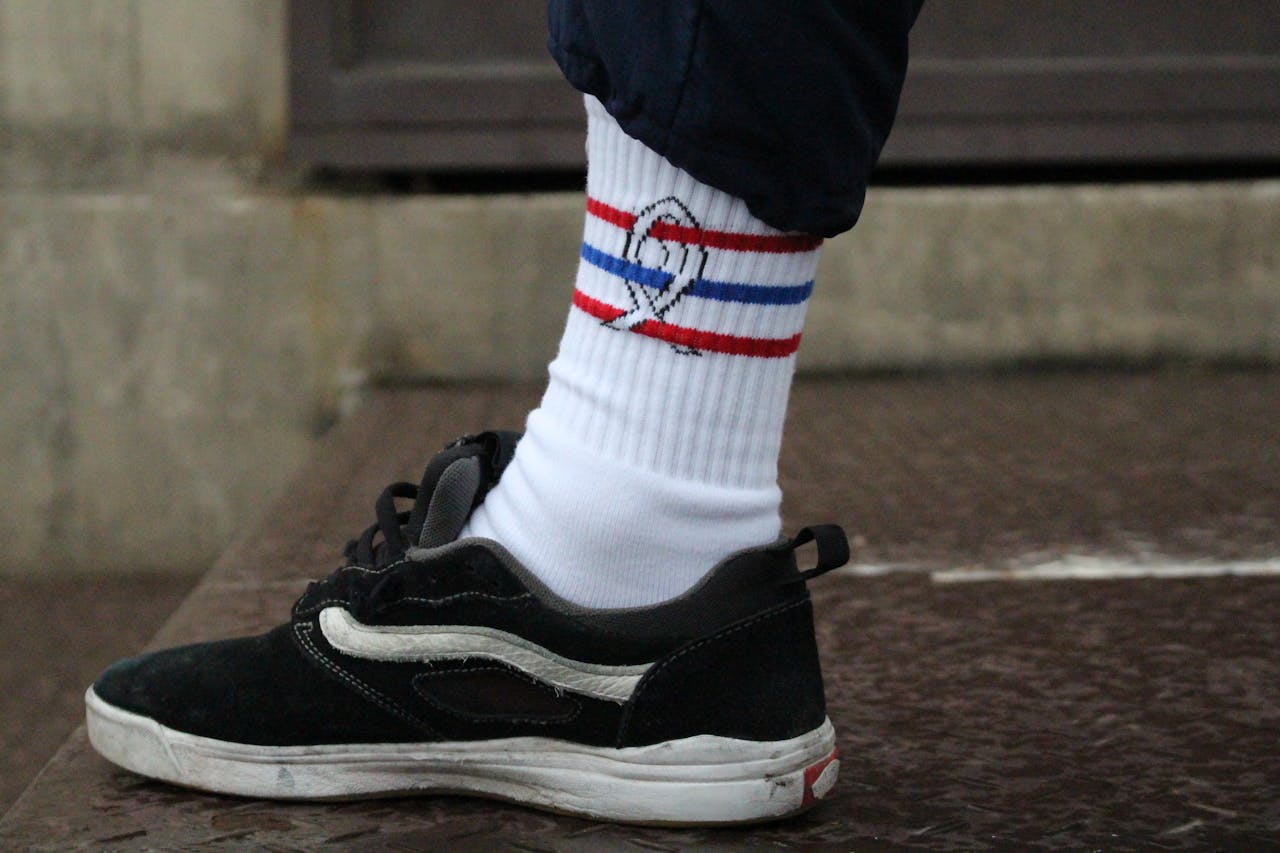
Visible socks were once treated as a style failure unless they were hidden inside a loafer or paired with a gym uniform, and sandals were expected to show bare feet. The rule came from a narrow idea of elegance, plus shoes that fit poorly unless worn exactly as intended, and it ignored the real world of blisters, cold office air, and long commutes. A deliberate sock can add color, warmth, and comfort: ribbed crews with loafers, sheer socks with Mary Janes, or sporty socks with slides can look editorial when the outfit stays simple, the palette is controlled, and the sock reads like an accessory, not an accident, all day.
Pair Black And Brown Together
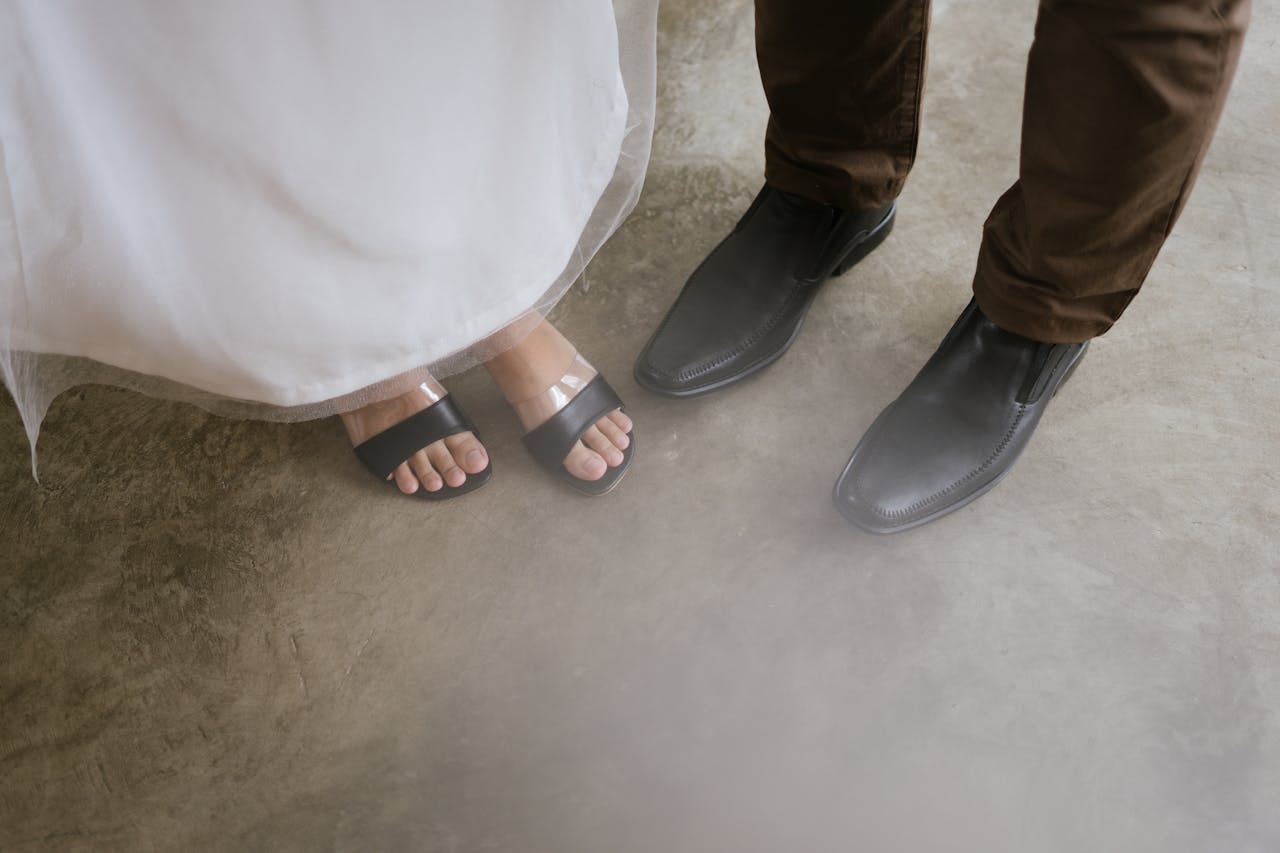
The ban on mixing black and brown came from older menswear rules, store display logic, and the fear that clashing leathers would look like a mistake. In practice, the combination often looks richer than either color alone, especially when it pulls from nature: espresso, chocolate, and caramel next to ink and charcoal. A black coat over brown trousers, a tan belt with black denim, or a dark brown boot with a black dress works when the tones are deep and the textures feel intentional; matte suede beside polished leather can make the contrast look refined, not random, in evening light, and keeps outfits from feeling flat.
Ignore The Dress-For-Age Script

The phrase dress for one’s age is a relic of decades when fashion was policed through shame, and trends were treated as a privilege reserved for the young. It pushed many people toward dull “safe” pieces that hid personality, even though adulthood usually brings clearer taste, a steadier budget, and better tailoring choices. A bright color, a short hem, or a playful accessory can look grounded when fit is good and styling is balanced; a classic item can also look current when paired with something unexpected, like sneakers, a bold lip, or a vintage tee, letting personal style lead instead of fear, at work or dinner.
Combine More Than One Statement Piece
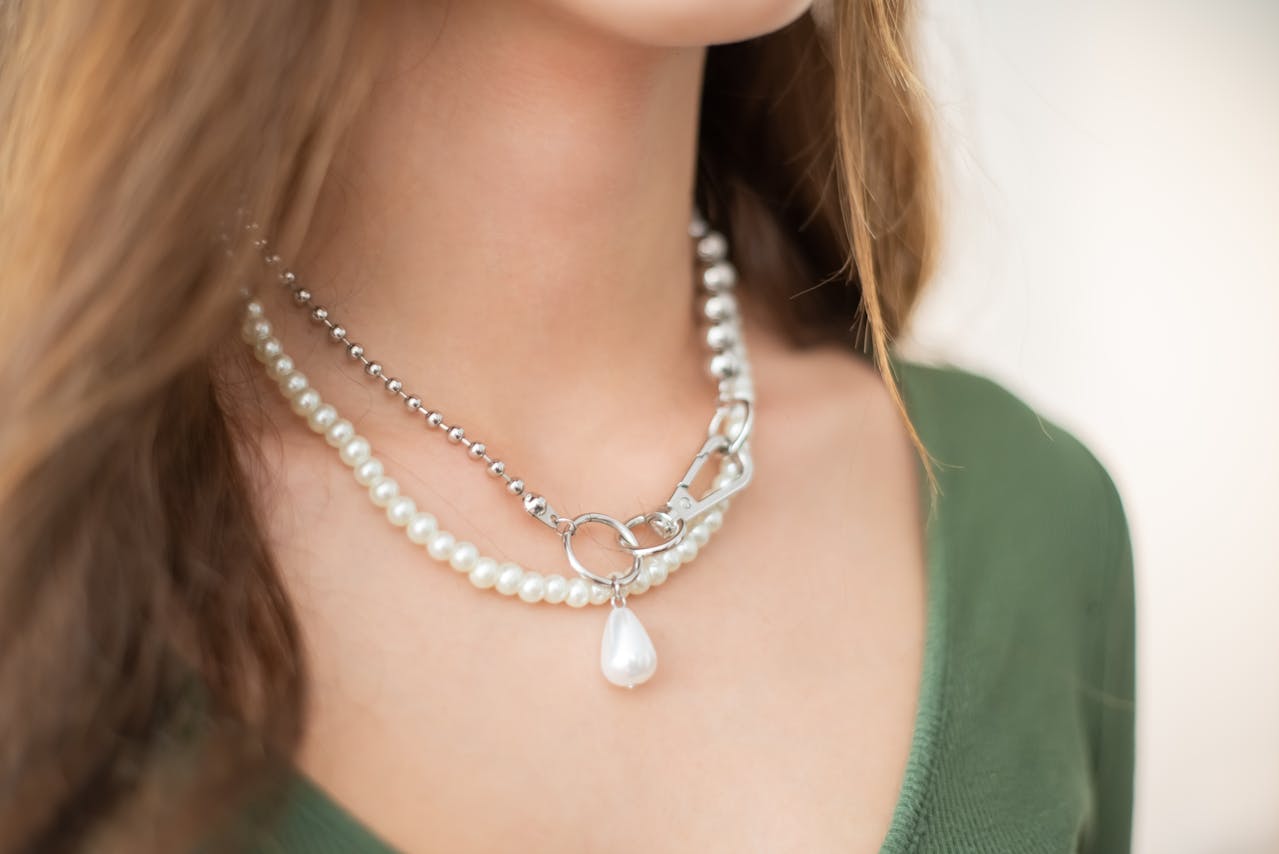
An older rule said an outfit should feature only one statement piece, as if confidence had a strict limit and anything bold had to be rationed. That advice came from formal dressing, where sparkle and volume could overwhelm under bright lighting or in conservative rooms, and where looking tasteful often meant fading into the background. In everyday style, two bold elements can work when they share a story: a bright coat with graphic sneakers, chunky earrings with a patterned top, or a red bag with red lipstick can look cohesive when the rest stays clean, the colors repeat, and there is one calm base, like denim or black.
Repeat Outfits Without Guilt

The no-repeat mindset, popularized by celebrity photos and old event etiquette, implied that wearing the same outfit twice was a social failure. It pushed closets toward clutter and made good pieces feel disposable, even though the most stylish wardrobes are built on repetition, tailoring, and small variations that evolve over time. Repeating an outfit can look intentional when the styling shifts, like the same dress with boots instead of heels, a different jacket, or new jewelry; it also frees attention for better choices, like fit, fabric, and repairs, which age far better than constant novelty, for real schedules.