
Travel advice spreads fastest when it sounds simple: one tweak, one shortcut, one clever trick that promises smoother days away. But airports, border rules, hotel policies, and payment systems have tightened, and old hacks now collide with scanners and contracts. The result is rarely dramatic. It is usually a quiet inconvenience that snowballs: a canceled ticket, a denied claim, a bag that never meets its owner. Add unfamiliar local rules and peak-season lines, and the margin for improvisation shrinks fast. These nine myths show where small savings often turn into big stress at the worst moment, when patience runs thin.
Hidden-City Ticketing Will Not Be Noticed
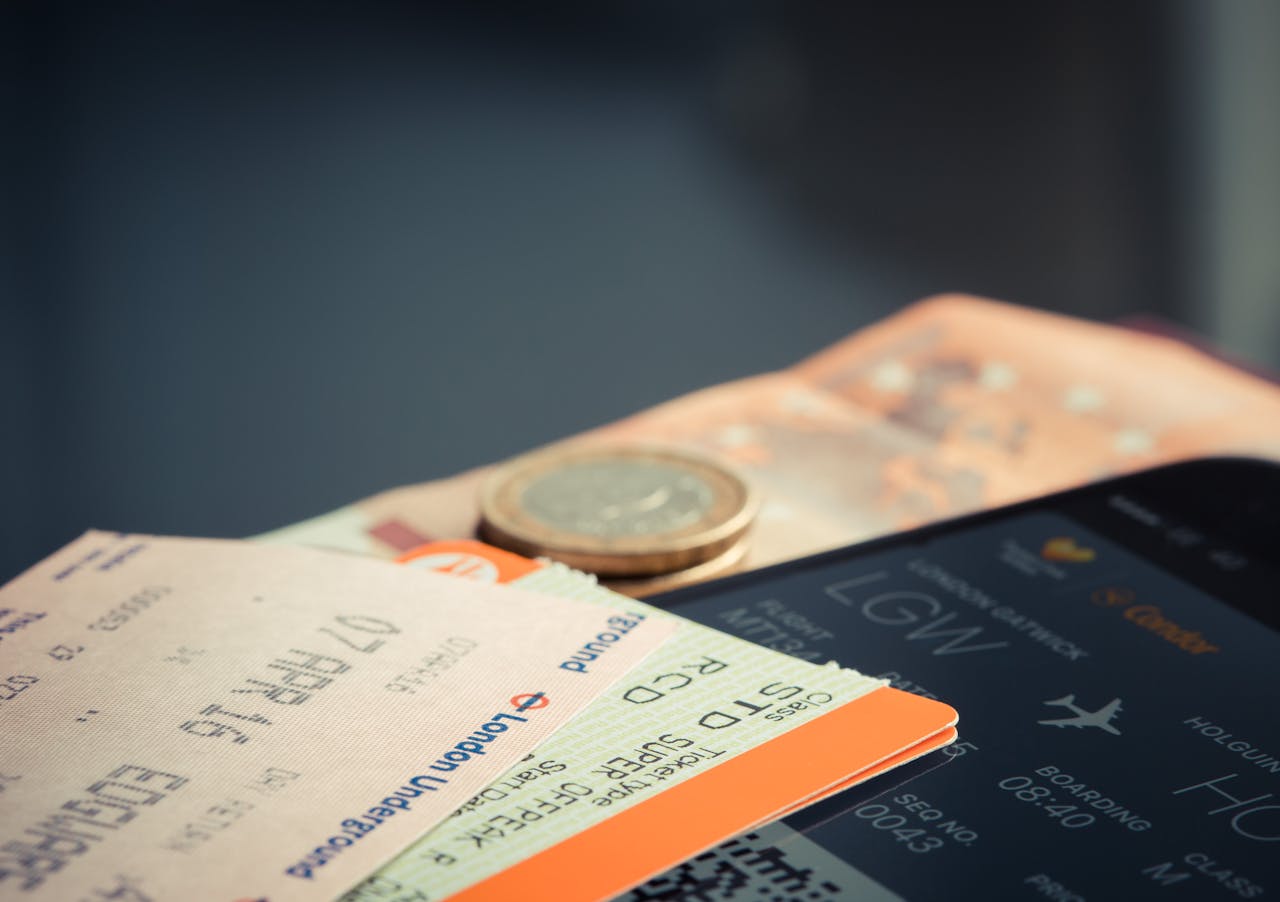
The hack sounds harmless: book a cheaper route with a connection, then walk out at the layover. Airlines treat a skipped segment as a no-show, and the booking system may cancel every later flight on that same ticket quickly, including onward legs and the return. When the plan unravels, agents often cannot restore the itinerary at the airport price seen online, and disruption makes it worse: a reroute can remove the target layover, while checked bags keep moving to the ticketed final city, leaving the traveler chasing luggage, receipts, and a new fare under time pressure, with no easy appeal and little sympathy from rules engines.
Put Power Banks in Checked Luggage to Save Carry-On Space

The tip sounds practical: toss the power bank in checked luggage and keep the carry-on light. Most aviation rules prohibit spare lithium batteries in checked bags, so screening can pull the suitcase, delay it, or remove the item entirely, often when lines are already moving and boarding time is shrinking. It also raises safety risk in the cargo hold, which is why crews want batteries where heat, smoke, or swelling can be spotted; the approved approach is simple: keep the power bank in the cabin, protect the terminals from metal contact, and check the airline’s watt-hour limits and quantity rules before packing for each bag.
Buy Through Any Third-Party Site and Expect the Airline to Fix It

A bargain site can look identical to an airline checkout, so the handoff is easy to miss. When a schedule changes or a name detail needs correction, the airline may not be able to touch the reservation because ticketing control sits with the agency, creating a blame loop under a ticking clock. Seat assignments, baggage fees, and fare rules can also be different from what a traveler expected, and many fixes require the agency to reissue the ticket, not just edit it, which can mean waiting on email chains or chat queues while the airport counter says nothing can be done until the seller acts and the last seat disappears.
Arrive at the Last Minute Because Online Check-In Exists
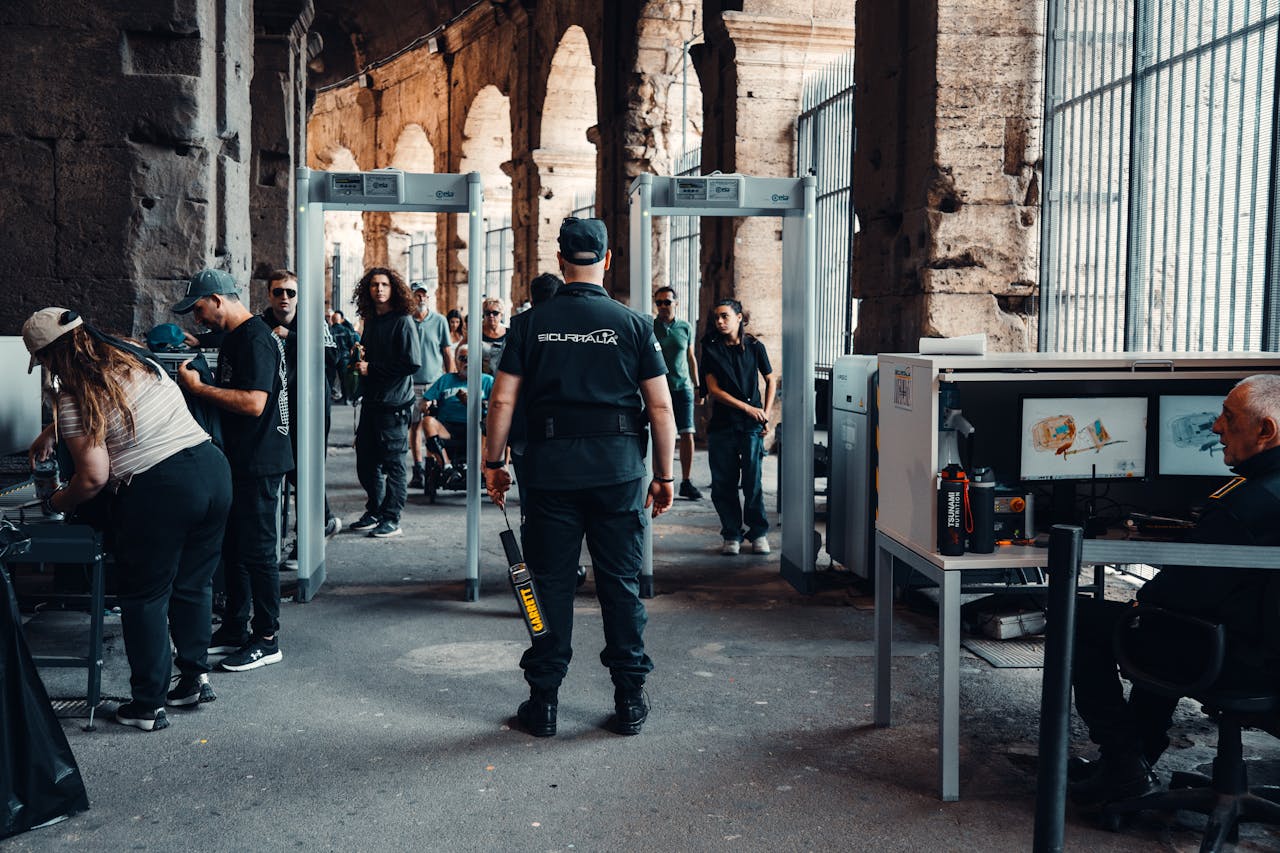
Online check-in solves one problem and creates another: it tempts travelers to treat the airport like a simple doorway. Bag-drop cutoffs can land well before boarding, security lines surge without warning, and some routes add document checks at the gate that eat the last calm minutes, even after the pass shows checked in. A tight plan also leaves no room for terminal changes, slow trains between concourses, a surprise secondary screening, or a boarding pass that fails to load when service drops, and once the door closes the seat can be reassigned, leaving missed-connection fixes that are limited, pricey, or simply unavailable.
Skip Travel Insurance Because a Credit Card Covers Everything

Skipping insurance because a credit card promises protection sounds responsible, but the fine print is where trips get expensive. Card benefits often require paying the full fare with that card, reporting within strict timelines, and proving a narrow set of covered reasons, while medical care and evacuation may be thin or excluded. Many travel policies also reward early purchase, tying waivers to the first nonrefundable payment, and some expect the full prepaid cost to be insured from day one, not patched in later, so waiting until the week of departure can lock travelers into the weakest coverage when plans wobble.
Split a Connection Into Separate Tickets for a Cheaper Fare

Buying two separate tickets can look like smart math, especially when a budget carrier undercuts the through-fare. The catch is protection: if the first flight runs late, the second airline can treat the passenger as a no-show with no duty to rebook, and minimum connection times do not apply across separate reservations. Bags may not transfer, forcing a landside exit, a new check-in line, and another security screening, and in some countries that exit triggers entry checks that were never part of the plan, turning one small saving into an overnight hotel bill, change fees, and a sprint with a high chance of failure.
Use a Chargeback as a Shortcut Refund Button

The internet loves the idea that a chargeback is a universal refund button. Disputes exist for real errors, but using them as a routine tactic can backfire when airlines and hotels respond with paperwork and the bank decides the charge was valid, leaving the bill in place after weeks of uncertainty. With third-party sellers, the dispute may hit the wrong merchant and freeze the real fix, and some providers pause loyalty accounts or block new bookings until the balance is resolved, so a direct written refund request and a clean paper trail usually travel farther than a scorched-earth click, and goodwill evaporates.
Rely on Free Public Wi-Fi for Bookings, Banking, and Boarding Passes

Free public Wi-Fi feels like a win until it becomes the single point of failure for a day on the move. Crowded networks crawl, drop, or demand repeated logins that time out mid-booking, and they invite sloppy habits like entering card details through captive portals, missing security warnings, or saving passwords on shared devices. A lost connection can freeze a rideshare pickup, block a hotel kiosk check-in, or keep a boarding pass from loading at the gate, and even two-factor codes may never arrive, which is why a data plan, offline maps, and saved confirmations beat gambling on a network that was never built for reliability.
Depend on Screenshots Instead of the Right Documents
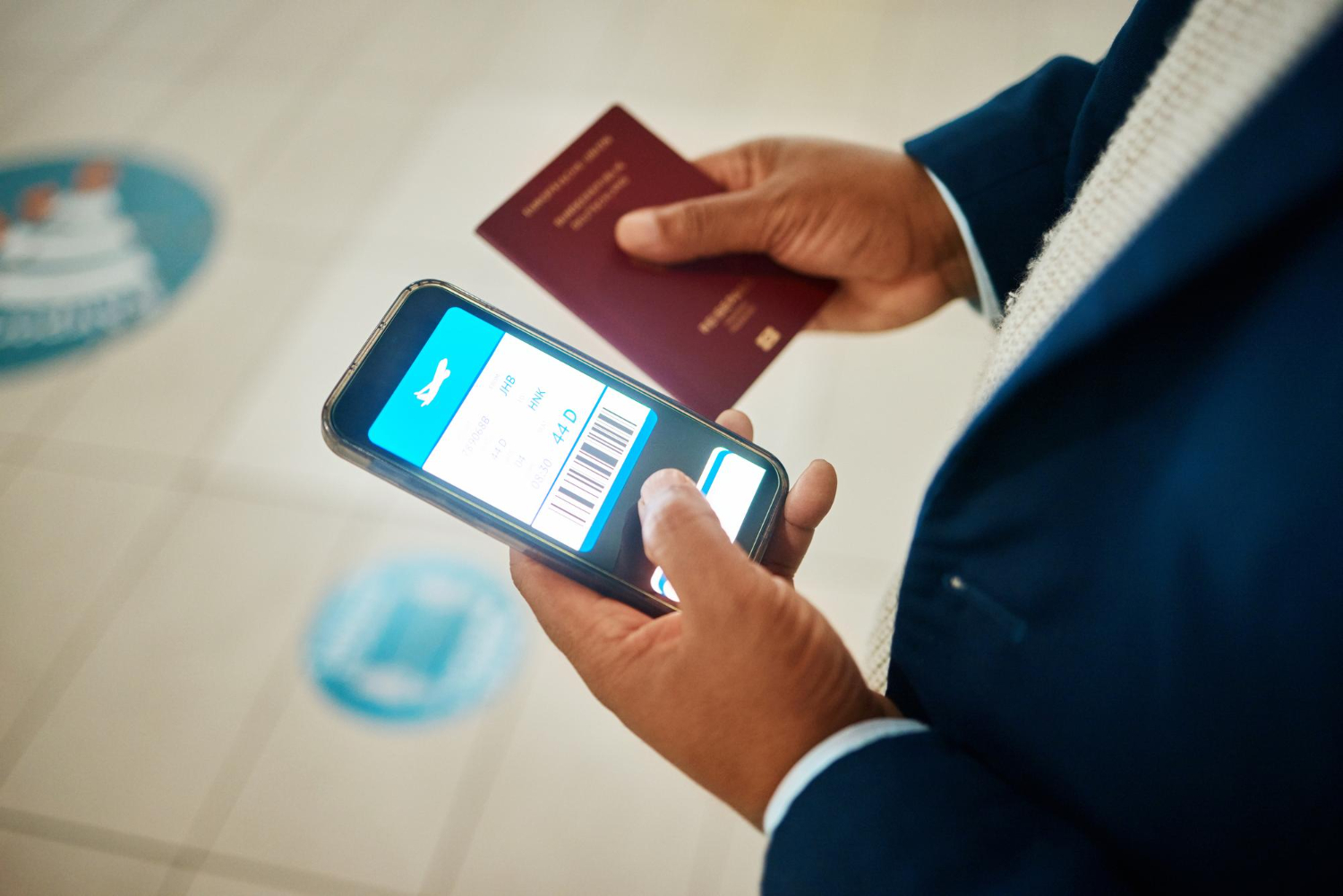
Screenshots feel like modern armor: a boarding pass image, a hotel confirmation, a photo of an ID. They help, but they do not replace what desks and officials are allowed to accept, especially when barcodes refresh, names must match exactly, or proof has to be verified live instead of as a cropped file. Hotels may still require a physical card for incidentals, rental counters can insist on original licenses, and border checks may demand specific pages or supporting proof, so printed backups and offline files matter most when a phone dies, gets lost, or decides to update in a slow line at the worst moment without warning.