Long before the United States existed, Americans argued about who should hold force and who should fear it. English law and colonial charters accepted that ordinary citizens could own arms to defend themselves and their towns.
After the Revolution, memories of imperial troops and sudden searches made many wary of a powerful center backed by a permanent army. The militia idea answered that fear: civilians who trained part time and arrived already equipped, keeping defense close to local life. On Dec. 15, 1791, the Second Amendment set that compromise into the Bill of Rights, tying public security to citizen capability.
English Roots And The 1689 Bill Of Rights
The American argument borrowed heavily from English political memory. In 1689, the English Bill of Rights said Protestant subjects may have arms for their defense, within the law, after a struggle over royal power and parliamentary limits.
That promise was narrow and conditional, yet influential. Later writers such as William Blackstone treated it as an auxiliary right tied to self-preservation and the balance between rulers and the ruled. Colonists carried the idea into daily life, where town orders, alarms, and musters assumed civilians could appear equipped. It seeded a language of rights shaped by fear of abuse. Too.
Colonial Militias As Everyday Government
In the colonies, militia duty worked like local infrastructure. Laws and custom expected many able-bodied men to drill, respond to alarms, and supply their own arms, because settlements were spread out and formal policing was thin. Musters, inspections, and fines turned readiness into routine.
Over time, the militia became more than a tool. It taught that defense could stay close to neighbors and elected leaders, not distant commanders. When British officials moved to seize powder and stored weapons in the 1770s, it landed as a challenge to that local control and helped harden political resistance. Trust snapped quickly.
Revolution-Era Fear Of Standing Armies
The Revolution deepened a long distrust of permanent troops. The Declaration of Independence complained about standing armies in peacetime and about the military being placed above civil power, language that echoed raids, seizures, and the bitter politics of quartering.
After independence, many Americans assumed a large national army could become a political instrument. A militia drawn from the people, controlled through state laws and local officers, seemed like the safer counterweight. Early state declarations warned that peacetime armies were dangerous to liberty unless tightly checked and reviewed by legislatures.
Virginia’s 1776 Militia Ideal
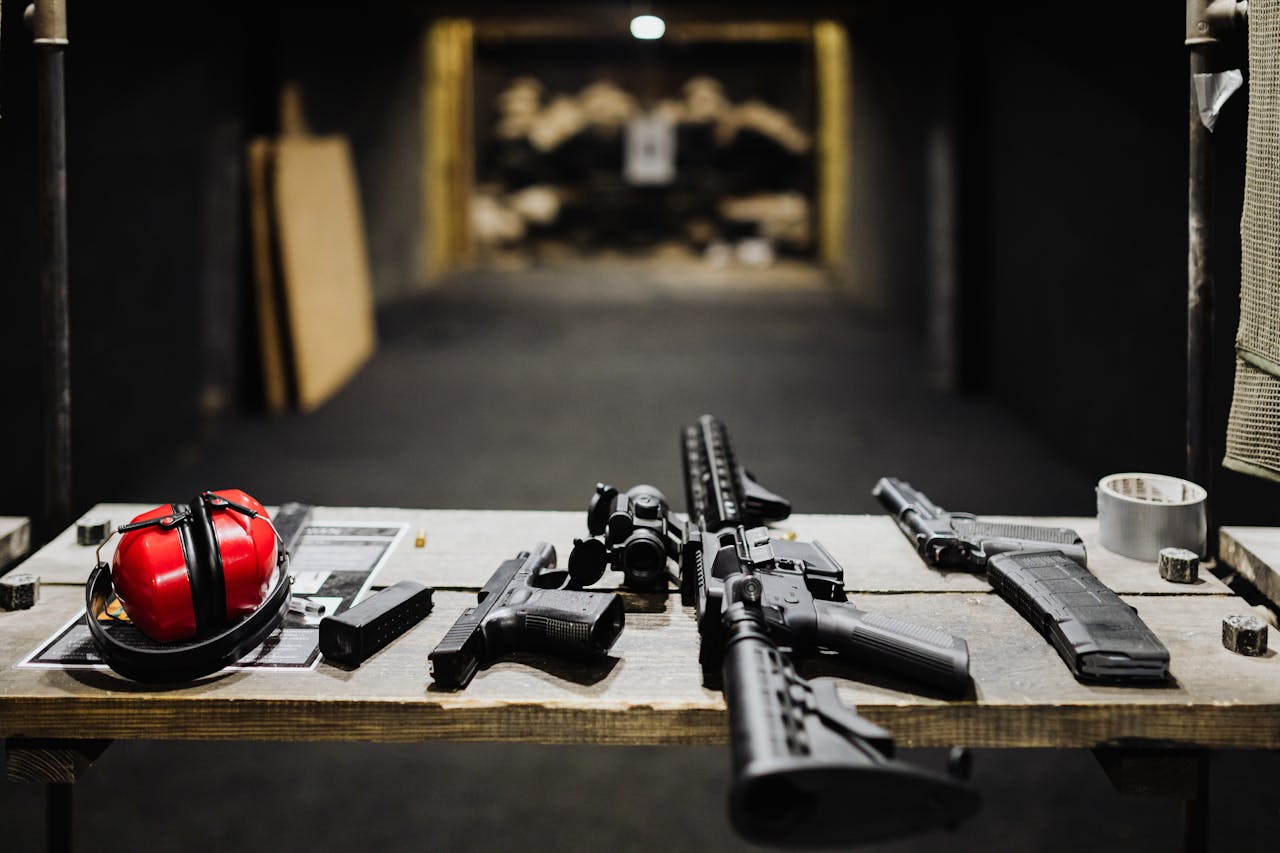
Virginia’s 1776 Declaration of Rights helped turn sentiment into principle. It praised a well regulated militia, made up of the body of the people and trained to arms, as the natural defense of a free state.
It also warned that standing armies in time of peace should be avoided as dangerous to liberty. That pairing mattered: arms and training were treated as civic ingredients, while concentrated force was treated as a recurring risk. The wording became familiar across the states, giving later critics of federal power a ready-made standard to demand in national form. Madison later drew heavily from these state patterns.
Massachusetts And The “Common Defense” Tradition
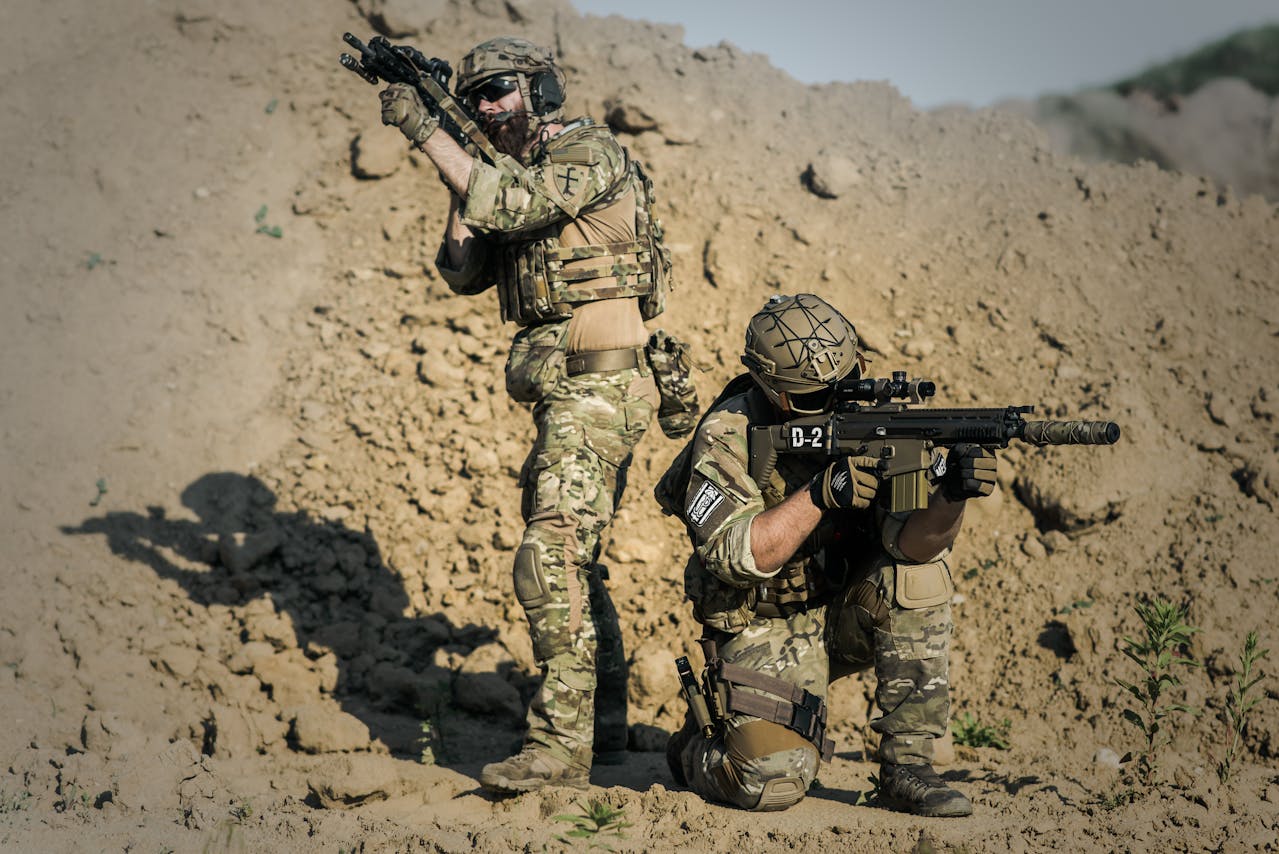
Massachusetts sharpened the theme in 1780 by tying arms to public purpose. Its Declaration of Rights said the people have a right to keep and to bear arms for the common defense, then warned that peacetime armies are dangerous to liberty without legislative consent.
The emphasis on consent was the quiet center of the argument. Defense was legitimate, but it had to remain accountable to civilian institutions. This language gave Americans a bridge between private ownership and collective security, and it shaped the vocabulary used when amendments were proposed after ratification fights. It also hinted at a duty, not only a privilege.
Ratification Anxiety And The Bill Of Rights Bargain

When the Constitution went to the states in 1787 and 1788, the militia question turned urgent. Skeptics feared Congress could neglect state militias, control appointments, or set rules that quietly emptied them, leaving a national army as the final authority in a crisis.
Supporters answered that the states would still appoint officers and that a broadly armed public was hard to dominate. The practical politics were clear: several states ratified while urging amendments, and the promise of a Bill of Rights helped close the deal. The Second Amendment carried that compromise into constitutional text. It soothed fears of distant power.
The Militia Acts Of 1792 In Practice
Early federal law tried to make the militia idea concrete. The Militia Acts of 1792 organized enrollment and set basic expectations for equipment, assuming that many citizens would keep arms and supplies at home as part of public preparedness.
The system was uneven and often messy, but the premise was direct: military power should be broadly distributed and supervised through civilian rules. The president could call militias into federal service in limited circumstances, but the day-to-day structure remained local. In the early republic, the militia was policy, not metaphor. Lists specified muskets and ammunition, with exemptions.
Nineteenth-Century Limits And Local Control

As the nation grew, the text stayed fixed while enforcement shifted. After the Civil War, the Supreme Court held in cases such as United States v. Cruikshank (1876) and Presser v. Illinois (1886) that the Second Amendment restrained the federal government, not the states.
That view fit a period when most regulation was local and state constitutions carried much of the weight. It also showed how the founding compromise could look different once the country’s institutions changed. The origin story never disappeared, but it was often argued in statehouses instead of Washington. In 2010, McDonald v. Chicago applied it to states.
Why Courts Keep Returning To The Founding Era
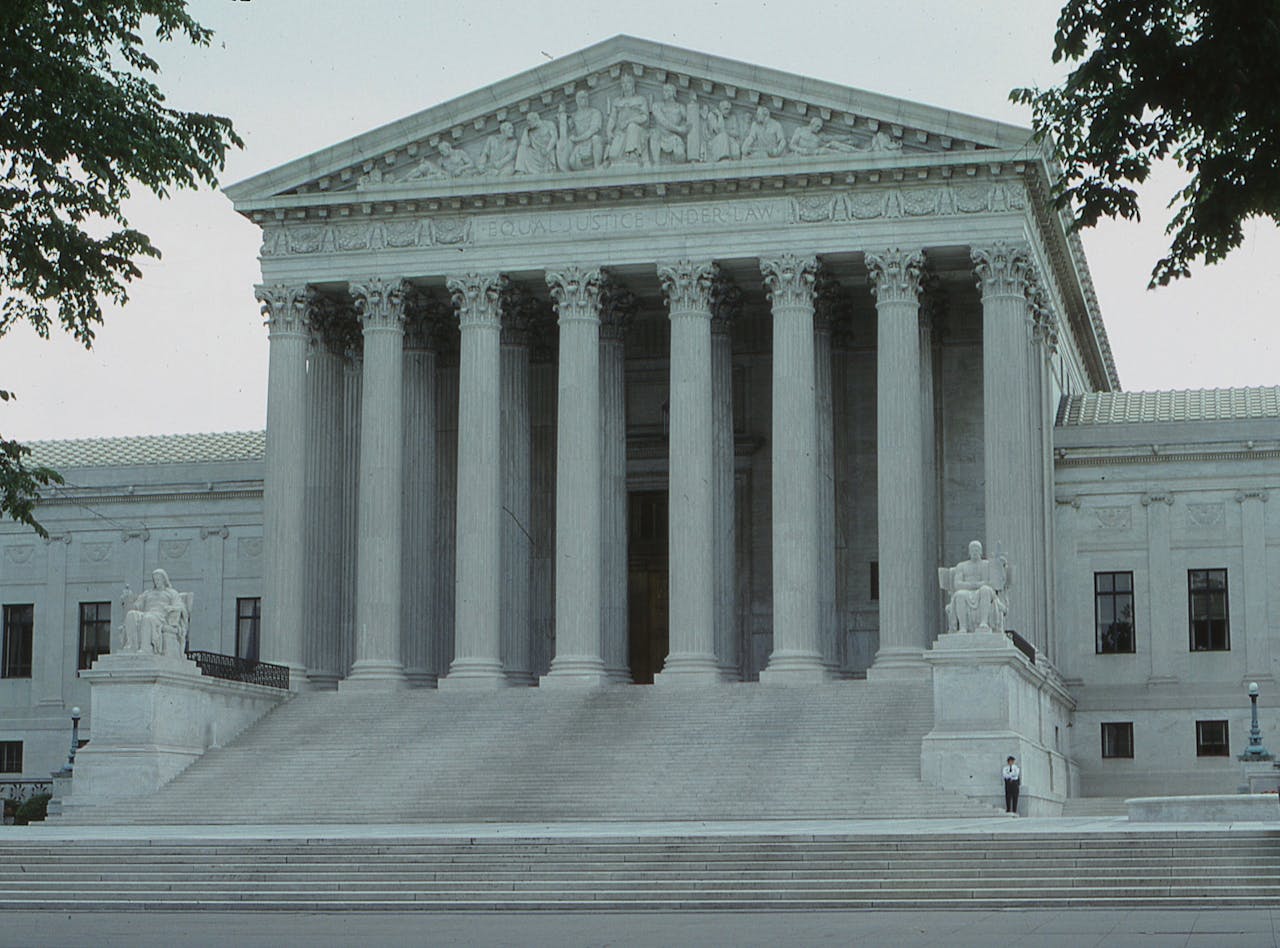
In recent decades, courts have pulled the founding era back to center stage. District of Columbia v. Heller (2008) said the Second Amendment protects an individual right, while also noting that longstanding limits can exist.
New York State Rifle & Pistol Assn. v. Bruen (2022) leaned hard on historical tradition when judging modern rules, pushing lawyers to argue from eighteenth-century practices. United States v. Rahimi (2024) stressed that history works through analogies, not perfect twins. The result is a legal debate that keeps returning to the anxieties of 1791. Founding texts became exhibits and phrasing choices gained weight.