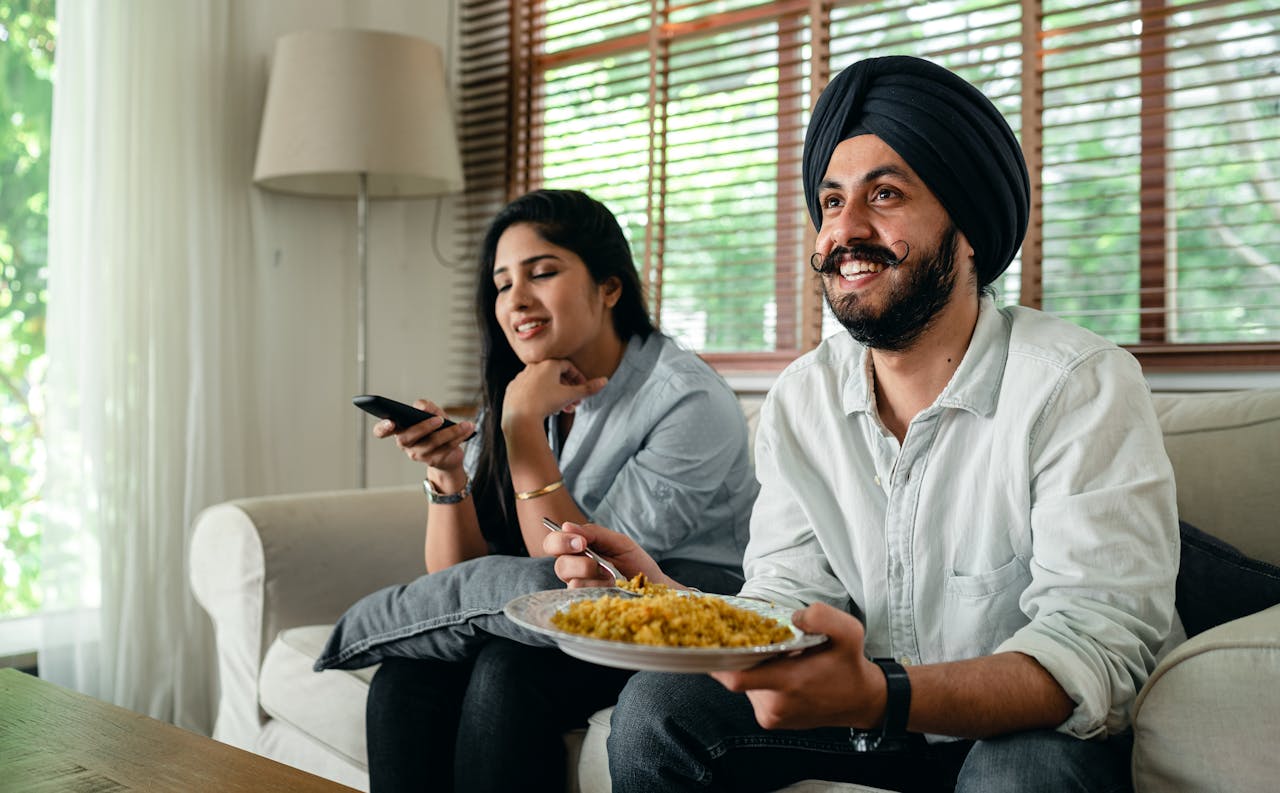
A TV dinner looked like an almost miraculous trick in the postwar kitchen: a full plate that could wait in the freezer, then reappear hot on a folding tray in front of the set. In the 1950s, that promise landed as televisions multiplied and weeknights got tighter and louder. The compartmented tray made dinner feel modern, organized, and oddly personal, even when several people ate in the same room. For some families it was a treat, for others a fallback, and for many it became both. Either way, the ritual quietly rewired expectations about time, labor, and what a meal at home could be. It also turned the freezer into a pantry with a clock.
The Living Room Became the Dining Room
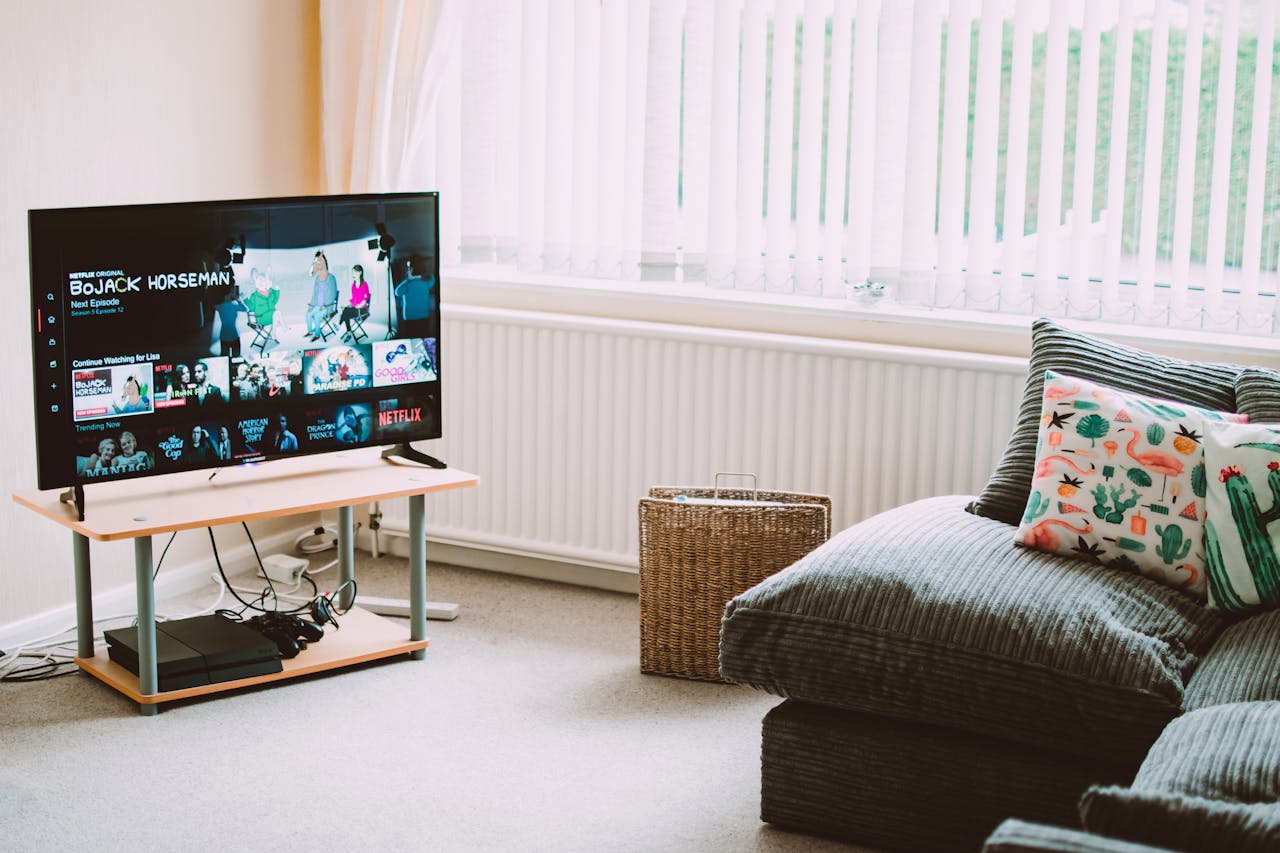
TV dinners were sold as meals made for the new living room ritual, the television, and many households took the idea literally. Balancing a hot, compartmented tray on a folding stand pulled supper away from the dining table and closer to sitcoms, weather maps, and the evening news, with no serving bowls to pass and almost nothing to wash besides a fork. The shift softened old rules about starting together, and it let everyone eat on the same night at slightly different moments, with the small clink of fork on foil, kids angled toward the screen, and a sense of privacy that felt modern, even in a crowded room, for once, too.
The Compartment Tray Rewrote Meal Design
The compartment tray did more than look futuristic; it made frozen food feel carefully planned by controlling what touched what. Separate wells kept peas from soaking mashed potatoes and gravy from invading dessert, so the plate arrived tidy even after a rough ride home and a long wait in the oven. That grid of little borders turned dinner into geometry: each bite had a lane, arguments over mixing stopped, and the meal felt decided in advance, from the first forkful to the last brownie corner, which is part of why the format stuck and later shaped cafeteria trays, airline meals, and microwave bowls for decades after without effort.
Weeknight Labor Got Redefined
TV dinners changed what weeknight work looked like by turning supper from a daily project into something that could be scheduled down to the minute. Instead of planning menus, shopping, chopping, and washing up, a caregiver could stock a freezer row of dependable plates, slide one into the oven, and use the timer as permission to finish homework help, fold laundry, or simply sit. The food was not pretending to be a Sunday roast; it was a practical truce with time, and in homes balancing late shifts, school activities, and long commutes, it reduced stress and guilt by making an adequate hot meal easy to repeat night after night.
Portions Started Looking Official
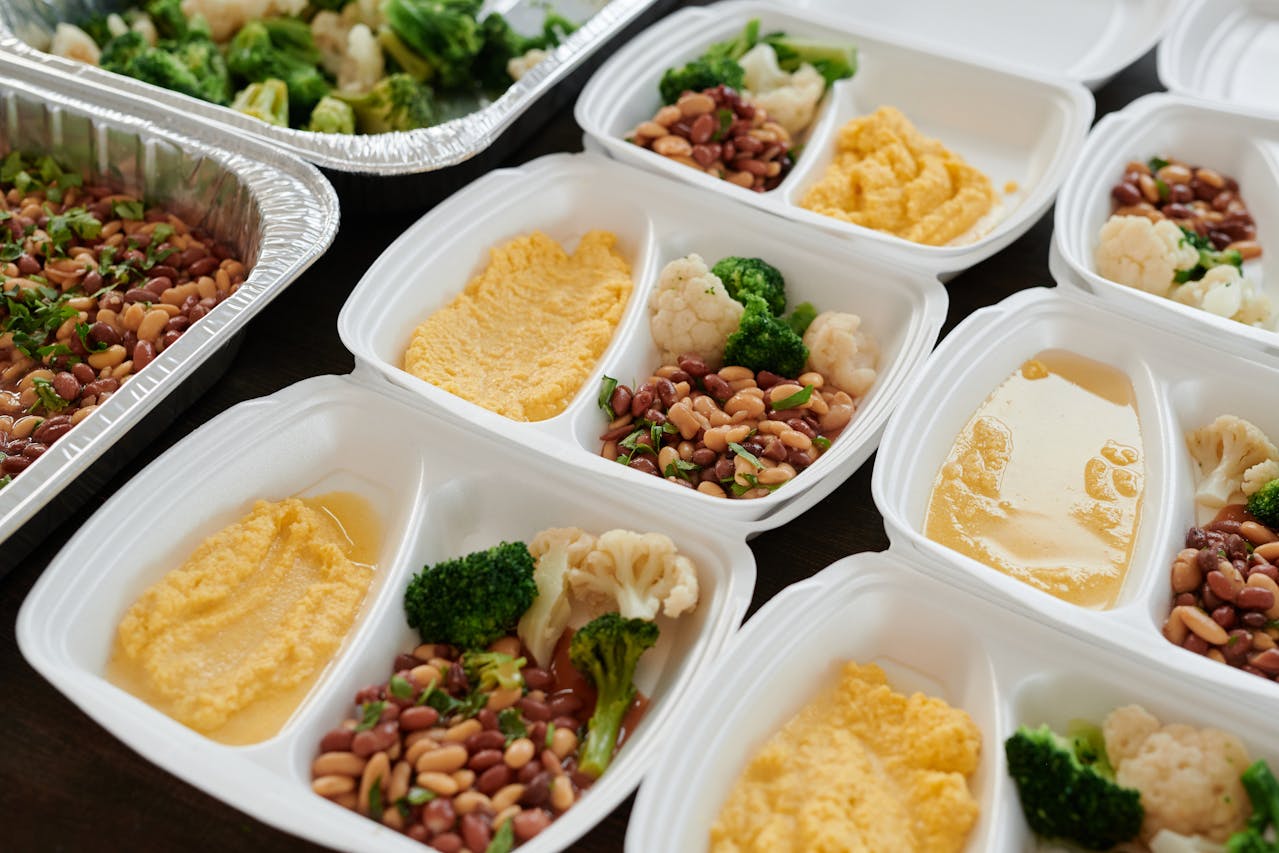
A TV dinner taught families to see supper as a formula: protein, starch, vegetable, then dessert, each with a clean edge. Because portions were factory-set, second helpings meant opening another box, and leftovers stopped being a pot on the stove and became empty space in the freezer, where the next tray waited like a replacement part. The plate looked official in a way a casserole never did, with a brownie square that signaled the finish line, and that visual certainty seeped into later food culture, making control, consistency, and repeatable portions feel like comfort rather than restriction on busy nights in many homes.
The Freezer Turned Into a Meal Plan

TV dinners did not just ride the freezer boom; they gave it a new purpose on ordinary weeknights when energy ran thin. A freezer stopped being a place for wrapped roasts and summer berries and became a library of labeled entrées, stacked like files, each with printed timing, temperature, and a picture of what dinner should look like. As supermarkets stretched their frozen aisles, shopping shifted toward meal inventory, favorites were tracked like pantry staples, and the question of what to cook became what to pull from the cold, turning the freezer door into a quiet menu board for the whole household at a glance most nights.
Kids Got a New Kind of Independence

For kids, a TV dinner often felt like the first meal that belonged to them, not to the table, because it arrived as a single, assigned tray. A name on a box, a portion that did not require asking, and a predictable mix of nuggets, corn, and dessert made supper feel personal, almost like a reward, with the foil peel and the oven timer marking a small moment of control. In homes with after-school gaps, babysitters, or older siblings in charge, the frozen tray bridged adult schedules and child hunger, and it taught basic kitchen confidence through simple rules: wait, stir if told, and let it cool before eating without panic.
Everyone Could Eat Separately Without Fuss
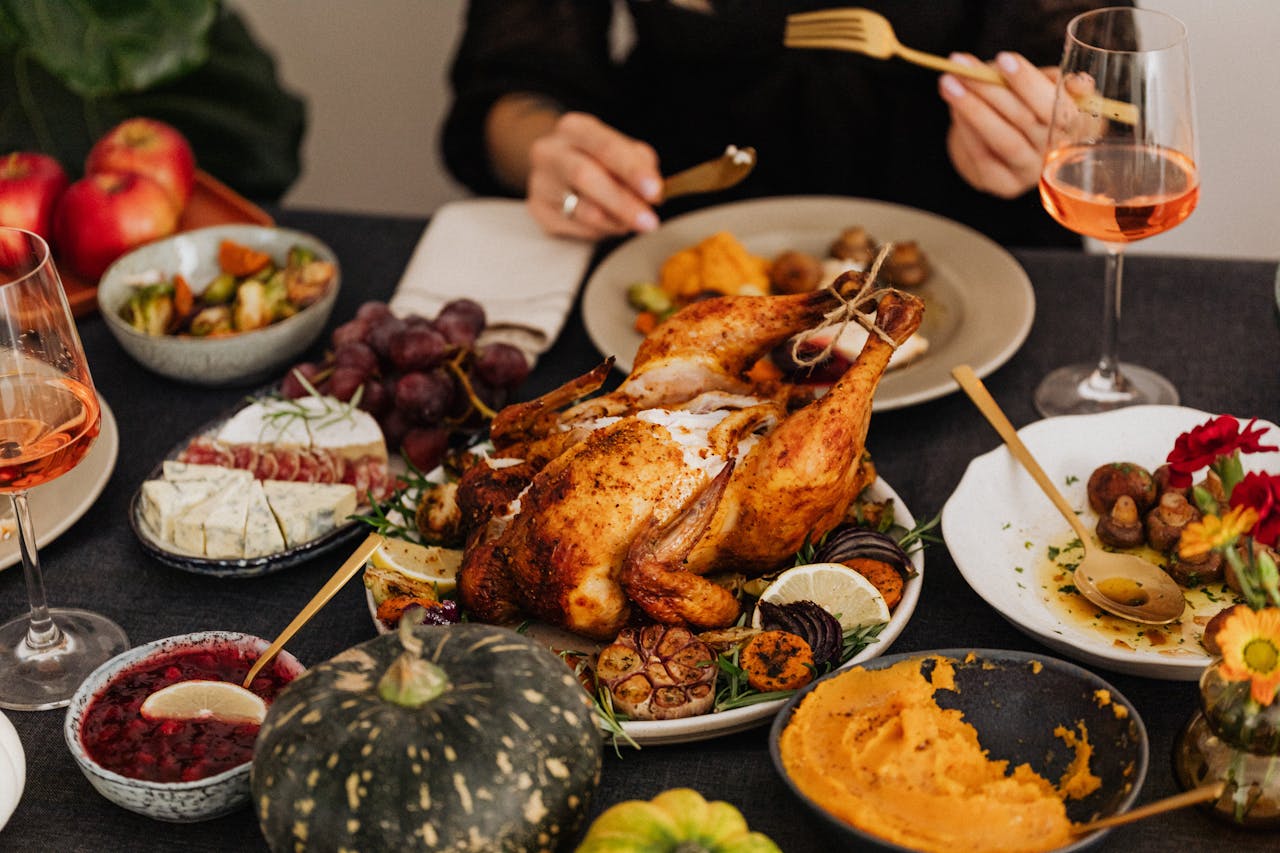
The tray made it easy for a household to eat the same way at different times, without a negotiation about what dinner would be. Instead of one pot that asked people to compromise, there were boxes that matched different tastes, appetites, and moods, all stackable and ready whenever someone drifted in from practice, a second shift, or a late class. The flexibility kept routines moving, yet it also loosened the habit of gathering, because a meal no longer required everyone to arrive together, and that small change nudged mealtime toward individual choice, which later fed snacking culture and solo dining in plain sight, more often.
Microwaves Made Dinner Feel Instant
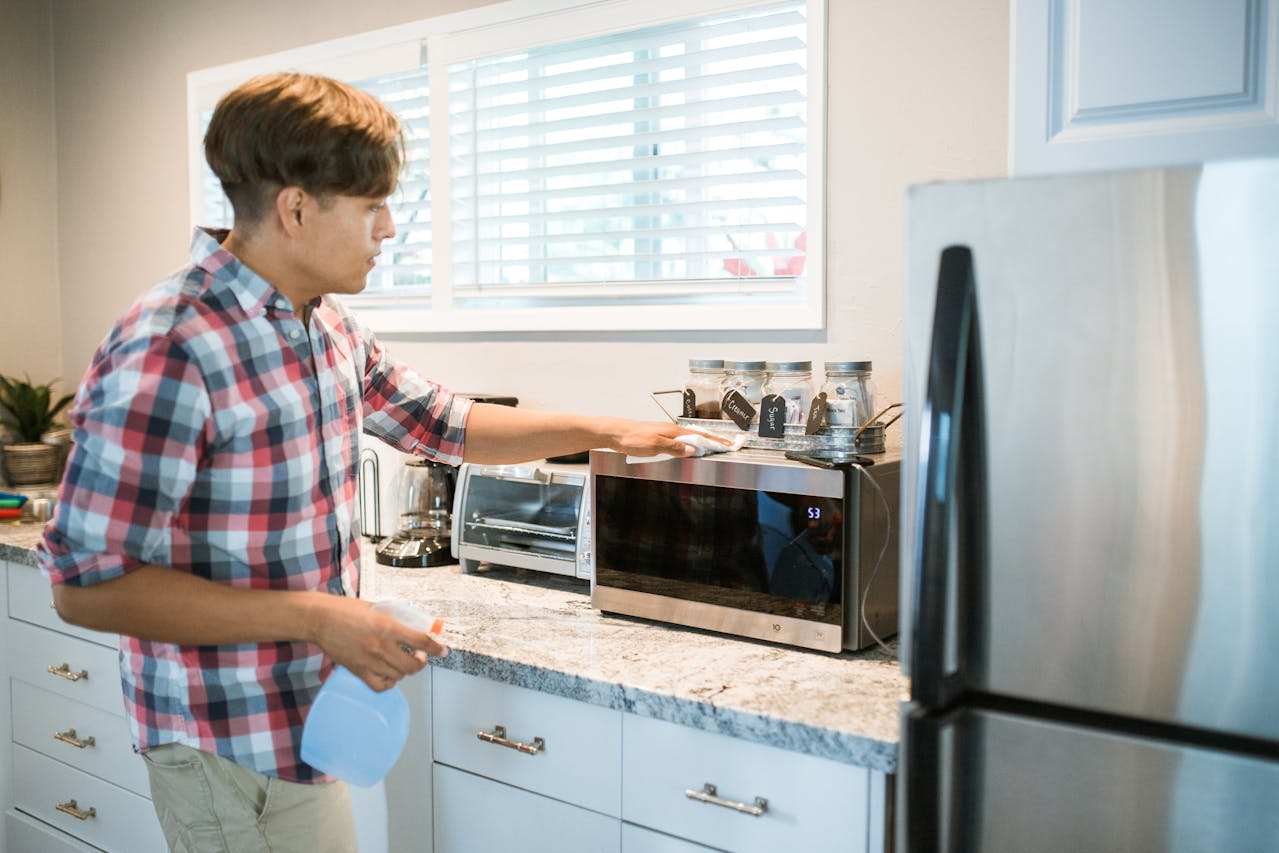
When microwaves moved from novelty to countertop staple, the TV dinner found its fastest era, and the definition of quick dinner reset. Dinner no longer waited for an oven to preheat, and packaging shifted toward microwave-safe trays with directions to vent, stir, and rest, because the old problem was not time but uneven heat, with scalding gravy beside a cold center. Once people learned the rhythm of the beep, the turntable, and the brief cooling pause, a complete hot meal could appear in minutes between homework and phone calls, and that expectation spread into dorms, break rooms, and small apartments for decades after that.
Food Marketing Learned to Sell a Whole Evening
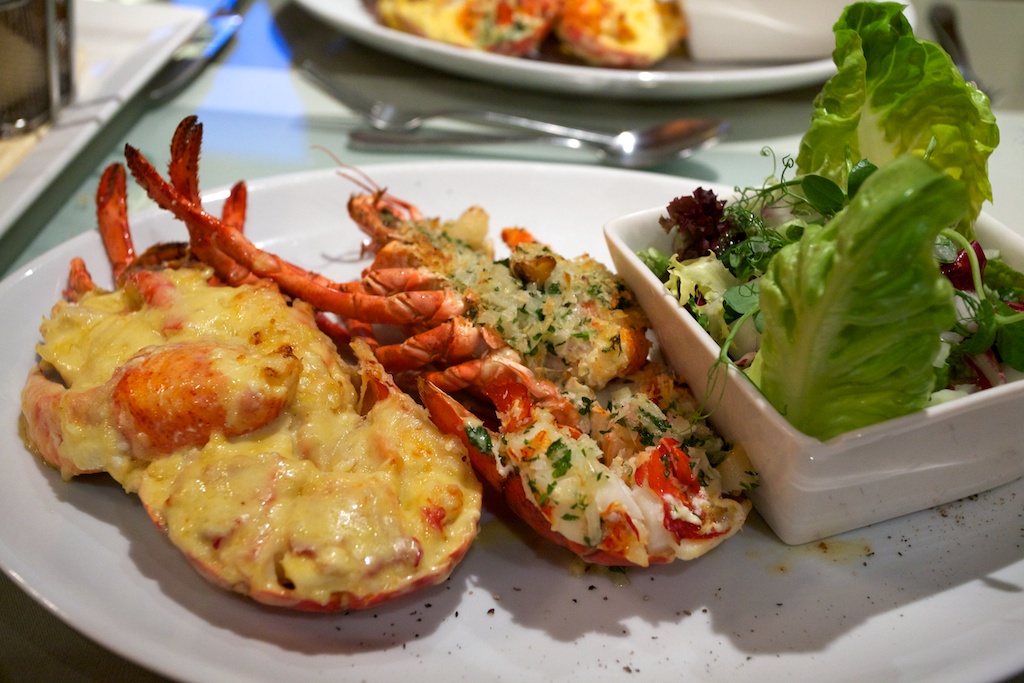
TV dinners taught food companies to sell supper as a packaged promise, not just ingredients in a bag. From the glossy box photo to the timed directions, the meal offered consistency, and it turned the freezer aisle into a row of reliable decisions, often advertised on the same television that the trays were designed to face. That loop changed how Americans shopped and talked about dinner, making brand loyalty feel like a household shortcut, and it paved the way for later frozen meals, grab-and-go cases, and meal kits, while leaving a nostalgia made of foil peel, divided lanes, and a brownie corner every time, without thinking.


