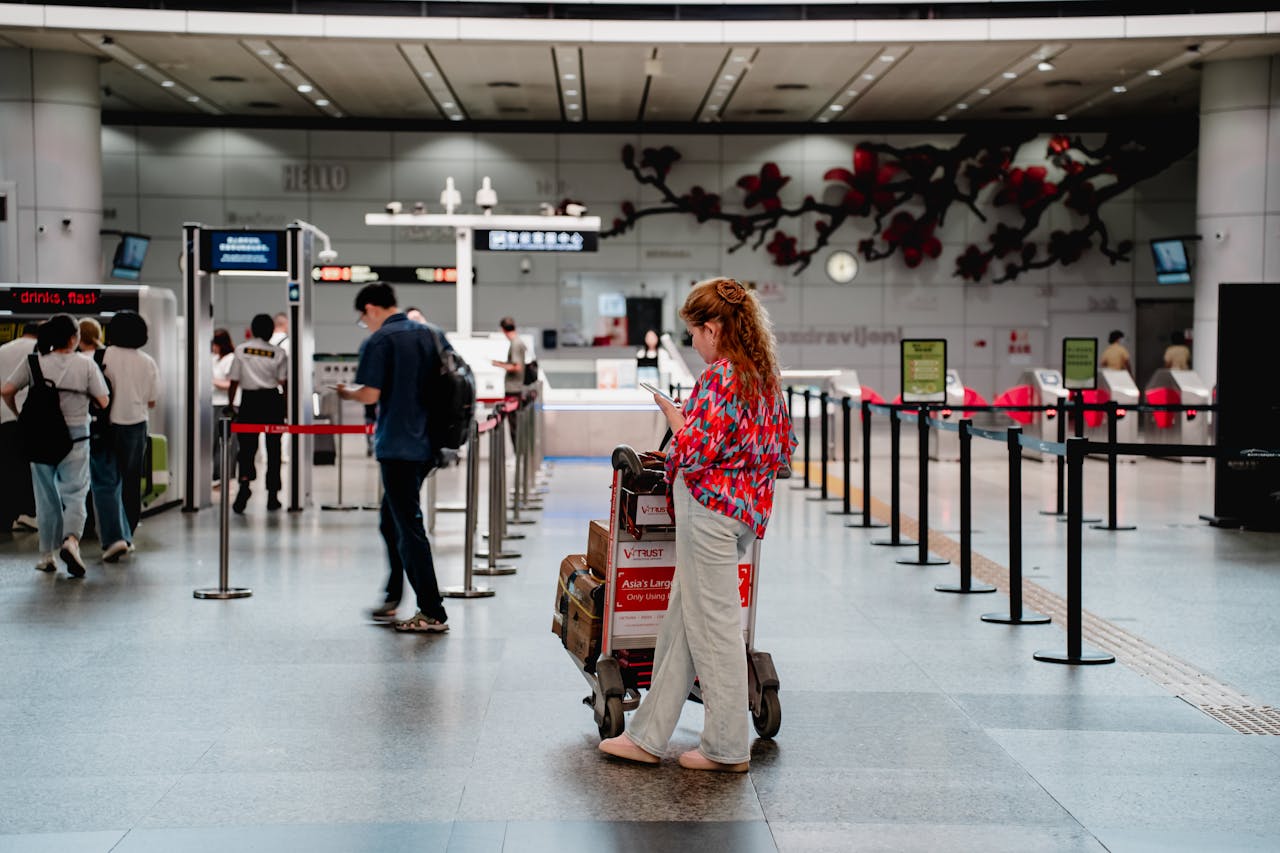
Airport security rarely surprises seasoned flyers, yet a new fee could catch a small slice of passengers off guard. Starting Feb. 1, the Department of Homeland Security may charge $45 when the Transportation Security Administration must confirm identity because a traveler cannot present a REAL ID-compliant document at the checkpoint. REAL ID standards took effect in May 2025, and TSA leaders say about 6% of travelers still are not using compliant ID. For that group, a boarding pass can come with paperwork, a pause in line, and a price tag that feels personal. It is less a penalty than a reminder that the rules have hardened.
The $45 Fee Is Tied to a New ConfirmID Option
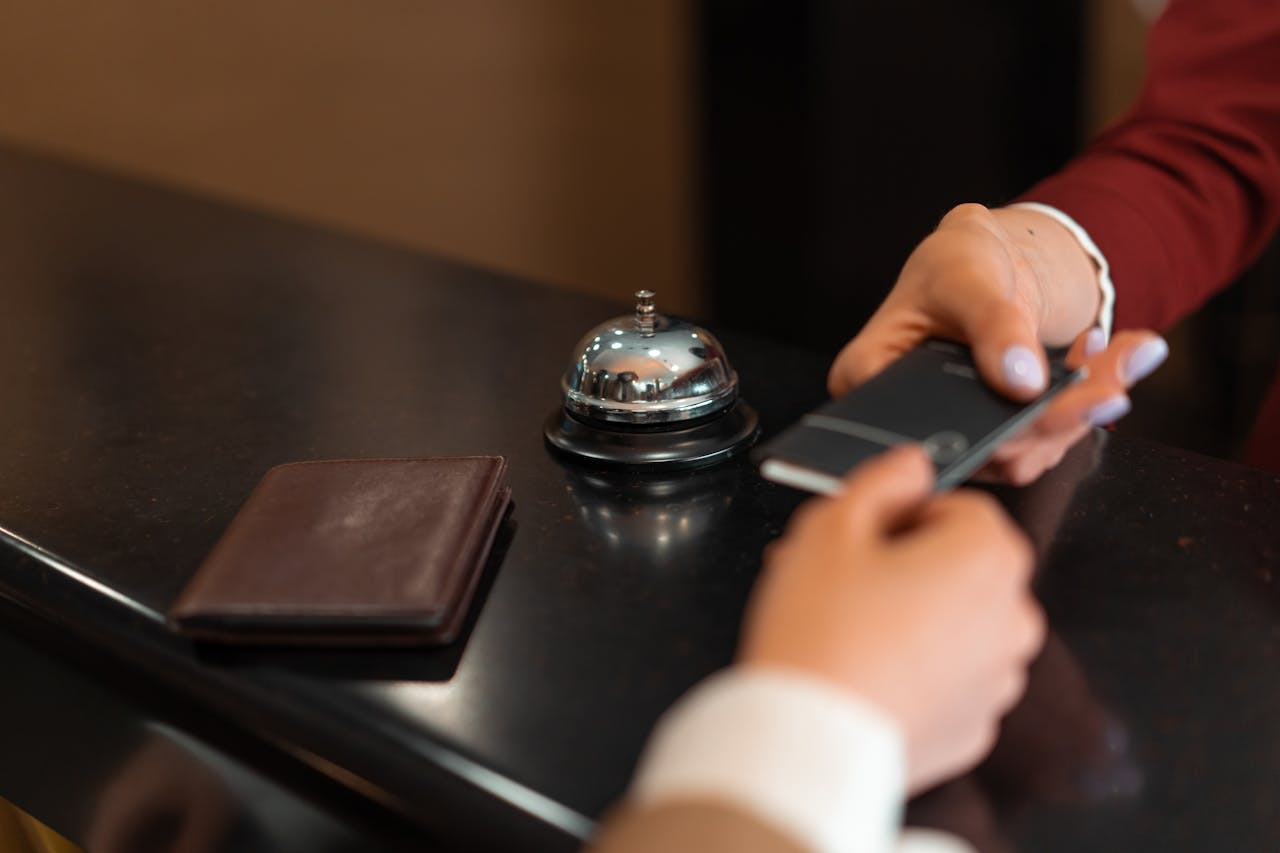
The fee is tied to a new TSA option called ConfirmID, meant for travelers who arrive at the checkpoint without a REAL ID-compliant document. Instead of asking an officer to sort it out on the spot, the process starts identity confirmation ahead of time.
The charge is $45, and enrollment is valid for 10 days after payment, which can cover a weekend trip or a rebooked departure. TSA describes the step as optional, but warns that travelers who skip it are more likely to lose time and miss flights. ConfirmID also comes with a blunt caveat: verification is not guaranteed, and boarding can still be refused at the gate too.
REAL ID Became the New Baseline in May 2025
REAL ID is not a new kind of license so much as a tougher standard for state-issued IDs. It took effect in May 2025 and requires states to verify identity using specific source documents before issuing cards, making IDs harder to fake.
At airports, the change matters because TSA checkpoints are federal access points, not just airline counters. Travelers ages 18 and older must present a REAL ID-compliant ID or another accepted document to board domestic flights. A compliant license does not replace a passport for international travel, but a passport still works for domestic screening in practice when a license falls short.
Why 6% Still Matters More Than It Sounds
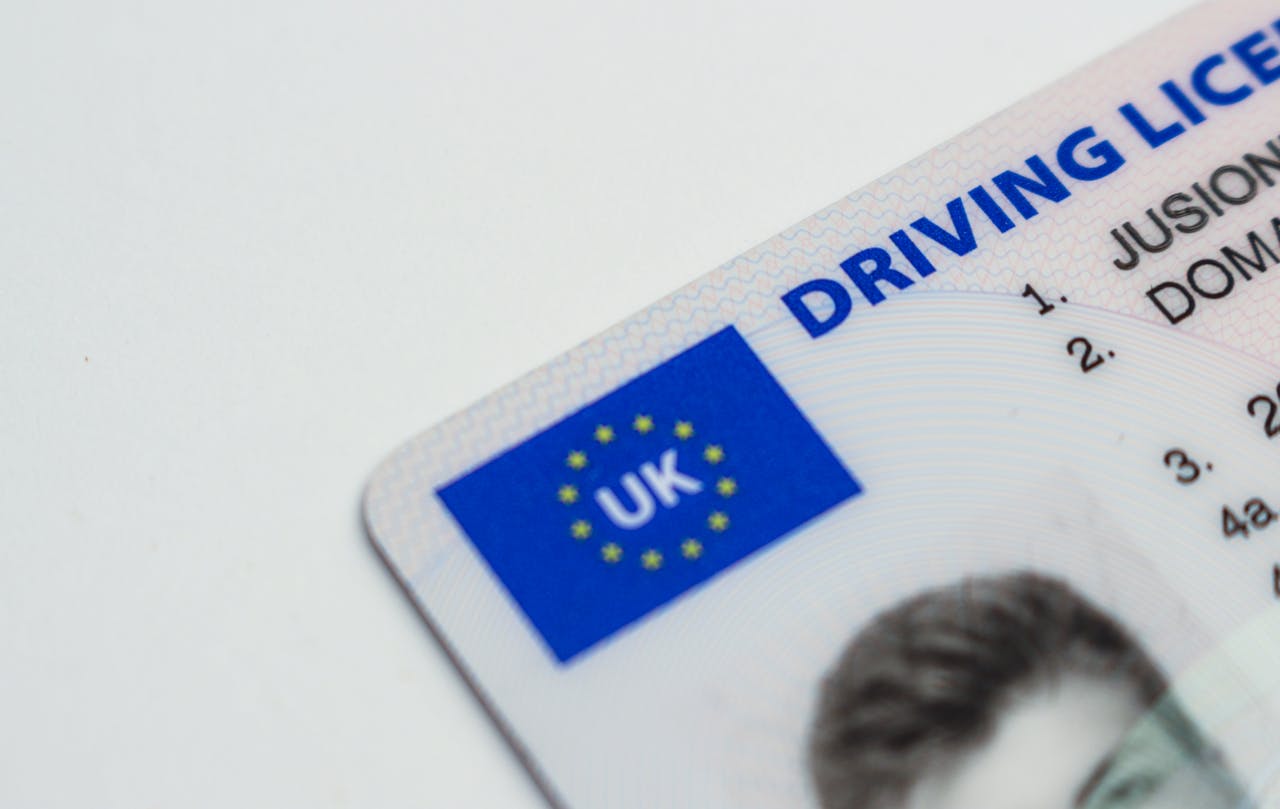
TSA leadership has said about 6% of travelers are still not using REAL ID at airports, a small share that becomes large in busy terminals. A few percent translates into thousands of passengers each day arriving with a card that does not meet the new standard.
When that happens, the checkpoint shifts from a quick glance to a slower identity process, and the line loses its rhythm. The delay does not stay private; it spreads through families, tour groups, and tight connection windows. The $45 ConfirmID fee is aimed at that narrow slice, but the stress shows up in the people waiting, watching the clock, and hoping the door stays open.
The Star Symbol Is Small but Decisive
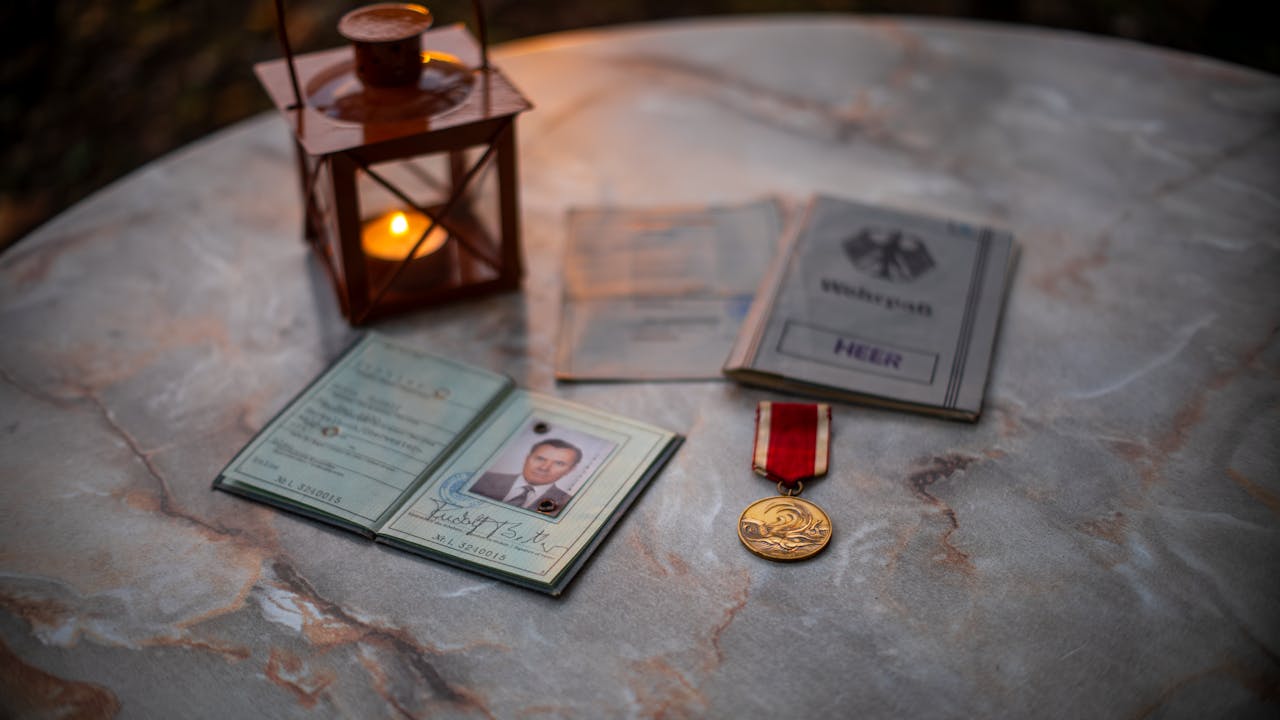
DHS says compliant cards carry a star near the top, a small symbol that does a lot of work at a crowded podium. It is meant to help officers spot compliant IDs fast, without turning every handoff into a conversation. Many travelers never notice the mark until travel day makes it urgent.
The star is not identical everywhere. In California, it appears inside the outline of a bear, while other states use a simple gold or black star. Because a driver’s license is the most common document shown at airports, that tiny detail can decide whether a passenger moves forward or steps aside for extra questions that may end with a $45 charge.
Passports and Trusted Traveler Cards Still Count
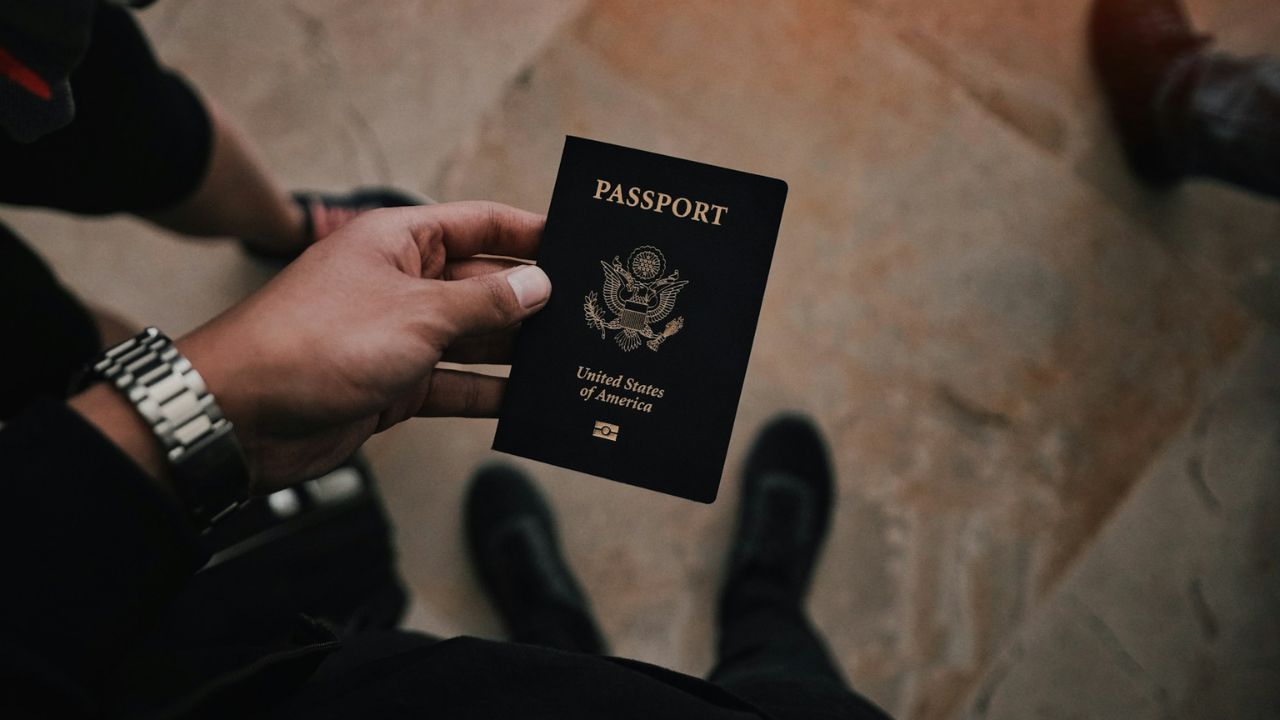
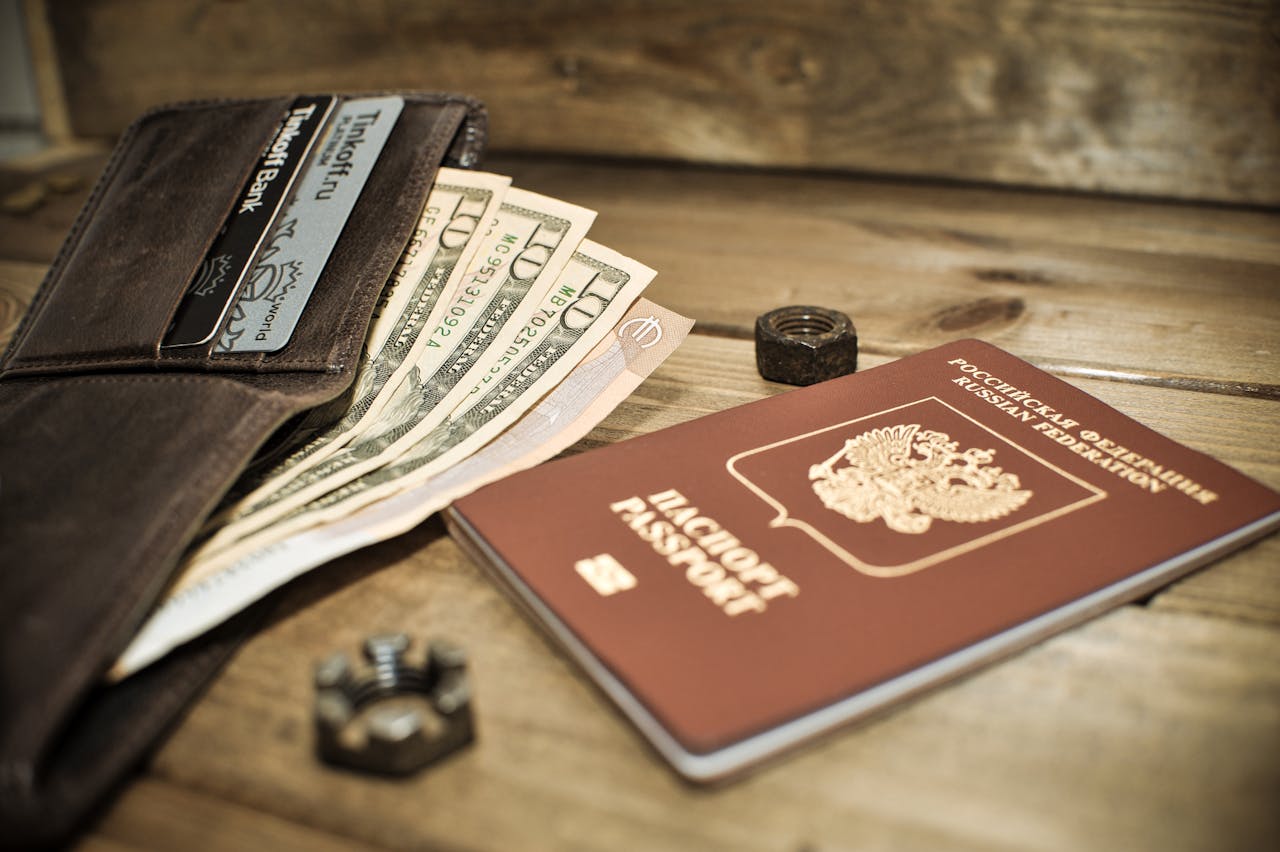
REAL ID is common, but it is not the only document TSA accepts. Passengers can clear domestic checkpoints with a U.S. passport or passport card, or with DHS trusted traveler cards such as Global Entry.
TSA also lists options like an Enhanced Driver’s License, a permanent resident card, and certain federal credentials, including TWIC or an HSPD-12 PIV card. Photo ID from a federally recognized Tribal Nation can also qualify. The best backup is the one carried consistently, not left in a drawer. When none of these show up at the podium, identity confirmation becomes the slow, often stressful fallback that may come with a $45 charge.
Foreign Nationals and Canadians Follow Different ID Paths
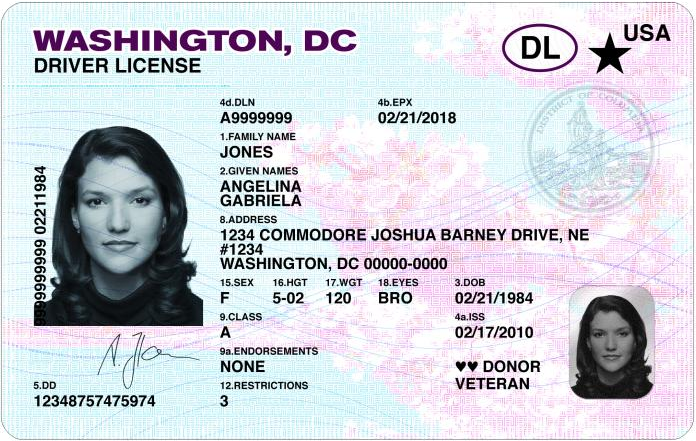
REAL ID rules center on U.S. state IDs, so many foreign nationals rely on different documents for domestic U.S. flights. TSA guidance points to passports, passport cards, or border crossing cards as common ways to satisfy identity screening.
Canadian citizens have an additional lane: a Canadian provincial driver’s license or an Indian and Northern Affairs Canada card may be accepted. The practical risk is not paperwork at home, but arriving with a familiar card that is not on TSA’s accepted list. When that happens, the same identity-confirmation delay can follow, even for travelers who assumed their documents were routine.
Optional on Paper, High Stakes in Practice
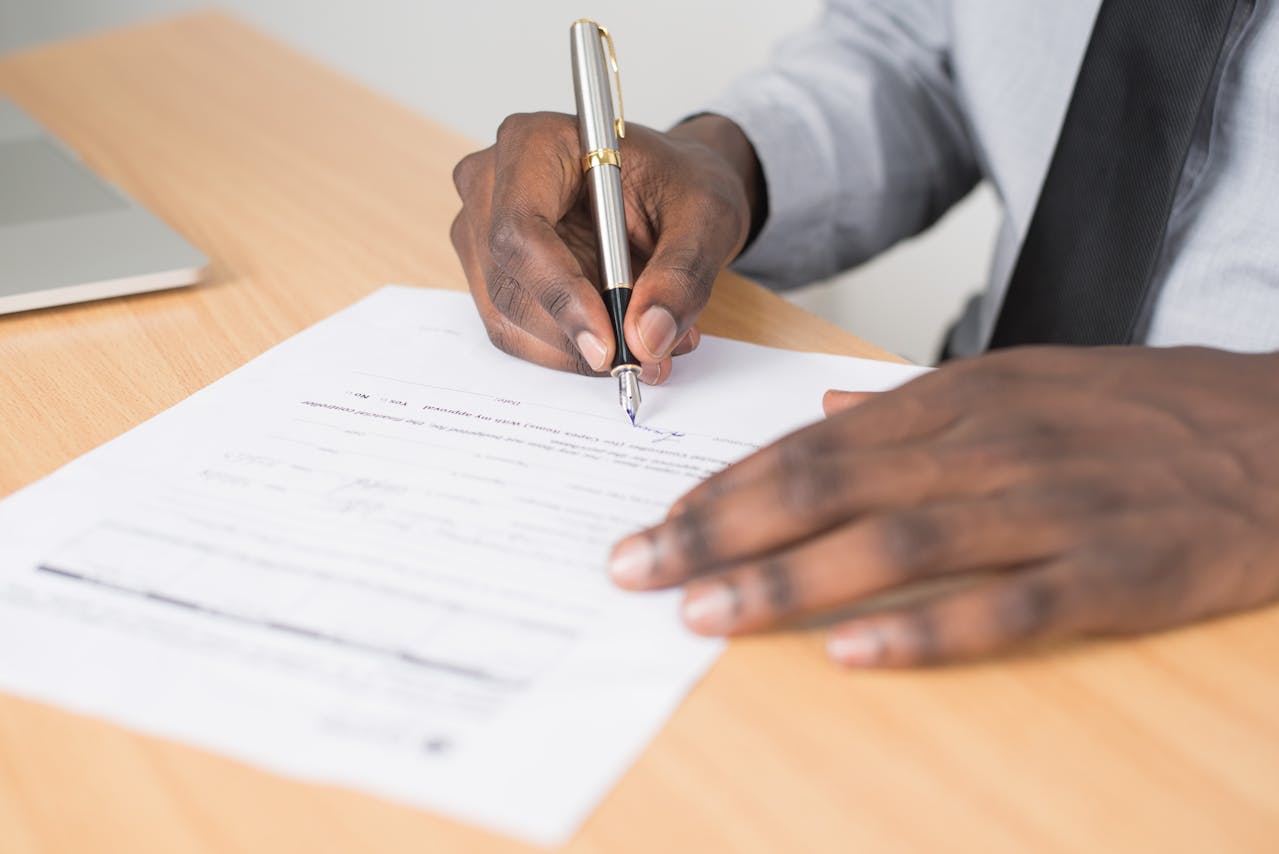
TSA frames ConfirmID as optional, but the language around it is pointed. The agency warns that travelers who do not complete the process in advance may be at risk of missing their flights, especially when staffing and surges collide.
It also states that paying the $45 does not guarantee identity can be confirmed by an officer. That uncertainty is what makes the fee feel unusual: it buys an attempt, not a promise, and the airline counter cannot override it. If verification fails, boarding can still be refused, turning a simple oversight into a day-long detour with connections, hotel check-ins, and plans sliding out of reach.
The Age 18 Rule Creates Sneaky Trip Traps
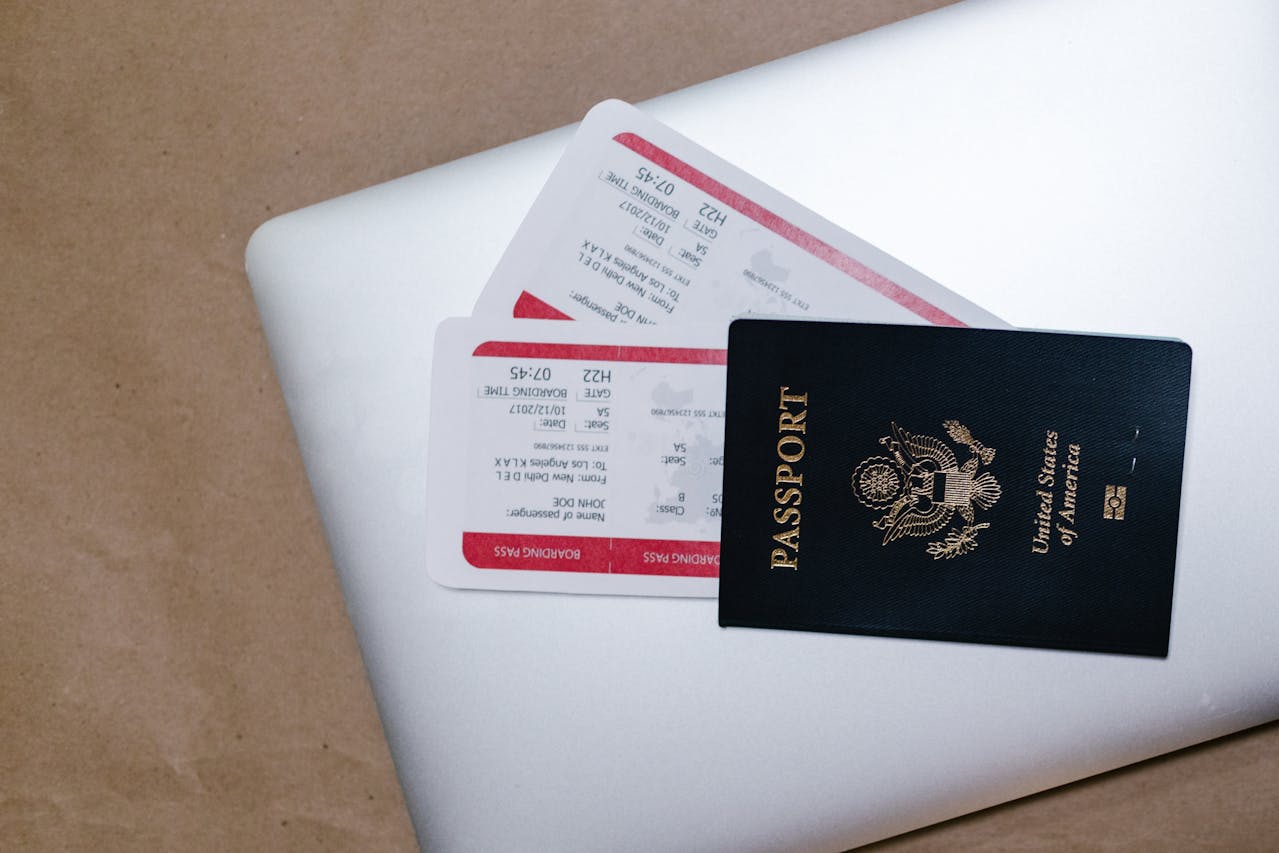
The rule draws a clear line at age 18: adults must present compliant ID for domestic flights, while minors follow different expectations. That detail can surprise groups when one adult arrives with the only card that does not meet the standard. Often, it is forgotten.
REAL ID-compliant licenses are not substitutes for passports on international routes, but a passport can cover domestic screening when a compliant license is missing. That split is where confusion lives, because the same traveler may be prepared for one trip and not the next. When the gap shows up at the checkpoint, ConfirmID can look like a quick fix, even at $45.
The Fee Signals a Bigger Shift in How Travel Works

The $45 charge is less about revenue than about moving friction away from the checkpoint. DHS is signaling that identity questions should be handled before the airport, not while a line backs into the terminal.
For most travelers, nothing changes beyond spotting the star and moving on. For the remaining 6%, the shift can feel like a travel tax attached to paperwork or an ID that was never upgraded. The pinch point is the busiest hour, when departures stack and a missed slot can unravel the day. Over time, the fee may push more people toward passports, trusted traveler cards, or updated state IDs just to keep travel steady.