10 Confession Stories That Revealed Shocking Motives

A Confession To Shield The Wrong Person
MART PRODUCTION/Pexels
Confessions stripped alibis and exposed greed, jealousy, control, and pride, motives that shattered cases changed what came next.

Confessions rarely arrive as neat endings. They spill in squad rooms and kitchens, tugging at threads that once looked tidy. Detectives hear rehearsed lines first, then pressure builds and a stranger’s logic takes shape. Some motives land like a punch; others sound painfully ordinary. Money, pride, jealousy, fear—each can bend a life in quiet steps until a single act breaks it open. What this really means is that truth often hides in small reasons, not grand tales or cinematic twists.

The Mercy Story That Wasn’t

The Mercy Story That Wasn’t
Valentin Angel Fernandez/Pexels

A caregiver swore the act was mercy for a partner in steady decline. The taped confession cracked that tale in minutes, detailing staged symptoms, hidden pills, and search histories that mapped out a timetable. The motive sat closer to control than compassion, anchored in resentment over lost freedom and the hard work of care. What sounded like love at first pass revealed a tight, fearful grip dressed up as grace, and a home where patience was already gone.

Insurance, Debts, And A Borrowed Alibi

Insurance, Debts, And A Borrowed Alibi
Justin Wolfert/Pexels

A shop owner reported a clean overnight burglary with a tidy list of missing goods. Under long questioning he admitted the alarm was clipped, the camera covered, and inventory padded weeks in advance. Debt weighed on the books, and a fresh policy promised relief. The confession turned a mystery thief into staged ruin, with friends recruited for bogus receipts. Survival arrived as arithmetic, and the motive was a calculator, not a crowbar or a shadow in the alley.

Jealousy Masked As Protection

Jealousy Masked As Protection
Victoria Strelka_ph/Pexels

A partner framed daily check-ins as safety, insisting the city felt dangerous after dark. Faced with location data and screenshots, he confessed to tailing nights out and staging a fight to drive friends away. The language of care hid a need to control the social map. In his words, love meant removing variables he did not manage. The motive looked less like fear of harm and more like fear of being ignored, which corrodes trust one excuse at a time.

Revenge For A Digital Slight

Revenge For A Digital Slight
cottonbro studio/Pexels

A mild office prank spiraled into weeks of anonymous posts and vandalized accounts. The culprit finally admitted a grudge that began with a public dig about a missed deadline, then grew into a private scoreboard of slights. The confession traced late-night planning, burner emails, and the rush of seeing a rival scramble. It was not about status or cash, just the relief of payback in a world that rarely offers clean wins. Screens made cruelty feel distant and safe.

A False Confession For Borrowed Fame

A False Confession For Borrowed Fame
Marcelo Jaboo/Pexels

Detectives triaged a headline case when a surprise walk-in claimed credit. Gaps appeared fast: places he could not have been, details he could not know. Pressed harder, he confessed to inventing the role to feel important for once. He wanted a microphone more than a verdict. The motive shocked in its emptiness. Notoriety looked easier to gain than belonging, and the lie felt safer than a life he saw as invisible in every room that mattered.

Inheritance Wrapped In An Accident

Inheritance Wrapped In An Accident
ArtHouse Studio/Pexels

A family labeled a fall as bad luck on a wet staircase. Weeks later, a sibling confessed to “helping fate,” describing a loosened banister and a staged spill. The motive hid inside a will that rewarded speed, not care, and years of being overlooked at holiday tables. The confession exposed how a house can hold rivalries like live wires. It was not a mastermind plot, just bitterness sharpened into a shortcut that broke what could never be fixed.

A Confession To Shield The Wrong Person

A Confession To Shield The Wrong Person
MART PRODUCTION/Pexels

An older teen took the blame for a hit-and-run, reciting the route like a script. Camera angles and paint transfer told another story. Under quiet questions he admitted covering for a cousin who panicked and fled. The motive was loyalty welded by childhood favors, shared summers, and secrets kept. The truth arrived with tears and names, shifting charges but not the damage. Protecting family had become a reflex strong enough to rewrite facts on command.

Cult Logic In Plain Clothes

Cult Logic In Plain Clothes
Israel Torres/Pexels

A neighbor’s polite smile hid months of group meetings that promised purity and higher purpose. After an assault tied to “tests of faith,” he confessed to acting on orders, fearing exile if he wavered. The motive braided belief with belonging, the hunger to matter in a story larger than himself. The confession named the power of small rooms where doubt is treated like sin and obedience is praised. Ordinary clothes can hide very sharp rules.

Greed Hidden In Charity

Greed Hidden In Charity
nuzree/Pexels

A fundraiser boomed for a distant disaster, complete with photos and heartfelt updates. The organizer’s confession mapped shell accounts, purchased followers, and staged thank-you notes. The motive was simple and shameless: cash plus the glow of public praise without the work. Donors felt foolish; volunteers felt used. The lie cut deep because it borrowed the language of care to hide appetite. Once spoken aloud, that theft sounded small, and the hurt sounded huge.

When Pride Outweighed Peace

When Pride Outweighed Peace
RDNE Stock project/Pexels

Two families feuded over a driveway and a fence by inches. A late-night face-off ended with a flare of violence no one could justify in daylight. In interview, the aggressor confessed to rehearsing comebacks and carrying a weapon “just in case.” The motive was pure pride, the need to win a story told on the block. The confession showed how grudges metastasize when ego sits in the driver’s seat and the exit ramp is ignored.

0 Shares:
You May Also Like
Read More

12 Misunderstood Nursery Rhymes With Dark Origins

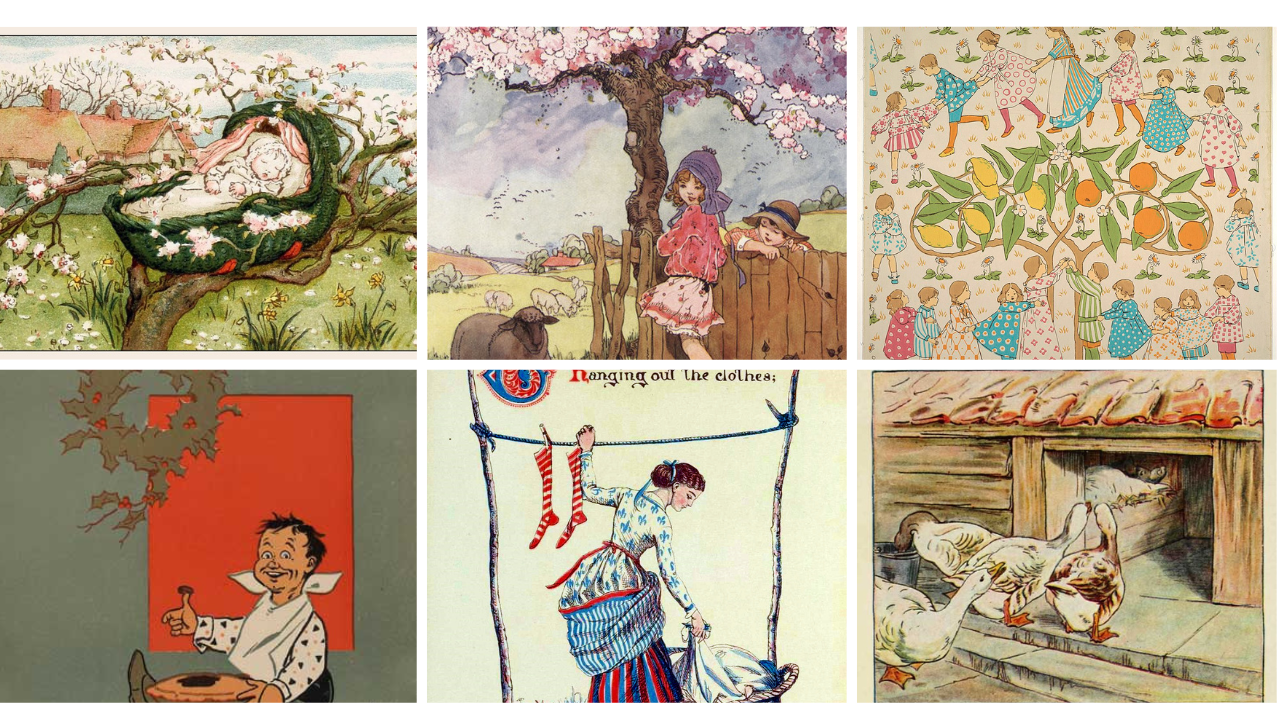
# 12 Misunderstood Nursery Rhymes With Dark Origins Nursery rhymes sound like comfort: steady beats, familiar cadences, the promise that childhood stays gentle. Many, though, were shaped by crowded streets, strict churches, and loud political moments where jokes and warnings lived side by side. Over time, darker readings clung to certain lines, sometimes supported by scholarship, sometimes inflated by modern mythmaking. That mix is the point. A tiny chant can hold fear of disease, punishment, collapse, or greed, then slip it past the ear on melody alone. These verses survive because they are catchy, but also because they let a culture process hard truths in miniature, repeatable form. Even when an origin tale is shaky, the unease shows what people feared and could not say plainly. ## Ring a Ring o' Roses Often taught as a simple circle game, this rhyme is still tied to plague lore: roses as rashes, posies as protection, a cough, and everyone falling at the end. Folklorists challenge that story, pointing out that the famous wording appears relatively late in print, and earlier versions vary wildly, sometimes without any sneezing or collapse at all. What lingers is less a confirmed medical code and more a cultural reflex, the urge to pin disaster to a tune so fear feels explainable, communal, and safely held at arm’s length, even when the archive won’t confirm it. It is a rhyme that lets dread hide in plain sight. Still. ## London Bridge Is Falling Down The chorus sounds like gleeful demolition, but the real London Bridge spent centuries cracking, burning, crowding with shops, and getting rebuilt in costly cycles. That long repair history makes the rhyme feel like a city talking to itself, repeating the same problem because the river, the traffic, and the politics never stop pushing back. Legends about Viking attacks or buried sacrifices float around, yet proof is thin, and the uncertainty matters: the song teaches that icons fail, budgets run dry, and even daily life gets shaped by slow collapse and rebuild. The cheeriness feels like whistling past the scaffolding. ## Humpty Dumpty Before he became an egg in picture books, Humpty Dumpty worked as a riddle about something that breaks beyond repair, no matter how official the rescue looks. The line about all the king’s horses and men carries a blunt message about limits: authority can assemble a crowd, but it cannot rewind a fall, erase damage, or restore what snapped. Stories linking Humpty to a Civil War cannon persist, though evidence is disputed, and that uncertainty fits the point. The rhyme returns to the same ledge, where pride, balance, and chance meet, then fails in public. That finality is what makes the riddle sting. Even the helpers feel helpless. ## Three Blind Mice The melody skips along, yet the plot is a chase with a cruel ending, which is why this rhyme never fully feels innocent, even when sung with hand motions. A musical version appears in early 1600s print, long before children’s collections softened its edges, and later writers tried to map it onto persecution under Mary I, a claim that remains unproven. Even without a single verified event, the unease holds: the targets are helpless, the pursuit is relentless, and the refrain repeats like footsteps that refuse to stop, turning a nursery into a small courtroom where mercy never arrives. The tune keeps running. No mercy shows. ## Baa, Baa, Black Sheep Its neat counting feels like play, but the rhyme is built around extraction: valuable wool measured out, then handed upward to people who did not shear it. One common theory links the lines to historic wool taxes and who took their share, while modern claims about other systems of exploitation circulate without strong documentation in early sources. What the verse reliably captures is a social mood, the sense that the best of something leaves the worker’s hands first, and that obedience can be trained with a cheerful, automatic reply that sounds like agreement, not resignation. The arithmetic is cute, but the arrangement is not. ## Mary, Mary, Quite Contrary This garden rhyme thrives on suspicion. Mary is often tied to Mary I or Mary, Queen of Scots, and the imagery gets treated as coded commentary, from church symbols to violence. The problem is evidence: versions shift across time, and no single interpretation locks in as fact, which is exactly why the rhyme stays fertile ground for rumor, politics, and projection. Its darkness is how easily a sweet scene becomes an accusation. A few bright objects, a tidy bed, and a sing-song tone can smuggle judgment where plain speech once carried risk. The garden stays pretty, and the subtext bites. It survives because the question never closes. ## Jack and Jill On the surface it is a quick trip for water, but the fall feels symbolic, especially with a crown involved and a pair tumbling together, then trying to patch the damage. Some readings treat it as satire about rulers, political missteps, or shifting measures and taxes, yet none can be proved cleanly, and the rhyme predates many tidy explanations pinned to it. Still, it endures because it is honest about gravity, literal and social. Climbing can be ordinary ambition. The drop can be sudden, public, and impossible to talk away afterward, which is why the simple scene keeps getting reread. It is comedy on the surface, caution underneath ## Oranges and Lemons It begins as a bright roll call of London church bells, then tightens into debt and deadlines, ending in the later-added moment when someone gets caught by the chopper. Editors note that many grim interpretations do not match the earliest printed texts, but the rhyme’s geography still points toward courts and punishments that once sat close to markets and church doors. The darkness is the tonal slide. A city sings, time keeps ringing, and play turns into reckoning with just a few extra words stitched on, then carried forward as if they were always there, like a threat hidden inside a map. The bells feel bright until the trap snaps. ## Goosey Goosey Gander The verse walks through a house like a search, and its ending turns domestic space into a stage for punishment, with religion used as the trigger. Folklore often links the old man in the closet to eras of conflict, imagining hidden priests or forbidden worship, though the historical fit is debated and the text evolved across editions. That evolution is telling. Later versions sharpen the violence and make obedience the point, as if the rhyme learned to threaten more directly. Sung lightly, it still carries the chill of coercion, where privacy offers no protection at all. The closet stops being a hiding place and becomes a verdict. ## Rock-a-bye Baby As a lullaby, it offers calm, yet its central image is a cradle perched in a treetop, where wind and wood decide whether rest becomes a fall. The rhyme appears in 18th-century print, and some early editions even tack on a moral about pride and ambition, turning the baby’s danger into a warning about climbing too high. No origin story is settled, but the anxiety is clear. Comfort is temporary. Safety depends on forces that do not care about bedtime, and the song rocks that fear into rhythm so it can be endured, then hummed again the next night. It soothes by naming the fear, then rocking through it. The danger never leaves the frame. ## Little Jack Horner He looks like a harmless kid with a Christmas treat, but the rhyme has long served as shorthand for self-congratulation and sly opportunism, delivered with a grin. A popular tradition claims it mocked a Tudor-era Thomas Horner tied to monastery property deals, though historians debate the link and the evidence is messy. Even without that biography, the posture lands. Jack pulls the prize from the center, declares himself good, and expects applause. The darkness is moral: luck becomes virtue, and taking becomes bragging, which is a lesson that ages well for the wrong reasons. One small plum becomes a whole worldview. ## Sing a Song of Sixpence The opening is pure nonsense fantasy, then the rhyme swerves into money, labor, and sudden cruelty, as if a curtain drops mid-song and no one stops singing. Commentators argue over whether it hides court satire or is simply a stitched-together jumble, but the counting house and the poor maid keep the scene grounded in class and vulnerability. Its bite comes from contrast. Wealth stays indoors. Work happens outside. And the cost of being small arrives without warning, delivered on a bright tune that keeps smiling as it repeats, so the sting lands only after the last note. It is sugar on top of a hard little story. The unsettling part is not that every rhyme hides one provable secret. It is that these songs travel because they are flexible, ready to carry whatever a community fears, mocks, or cannot say outright. A tune can be comfort and warning at once, letting history slip through a child-sized doorway. When the meaning stays blurry, the feeling still lands, and the melody keeps the past humming under the present. **Excerpt (130 characters):** Sweet melodies, sharp shadows: plague lore, power games, and greed echo in rhymes that shaped childhood, then refused to fade yet.