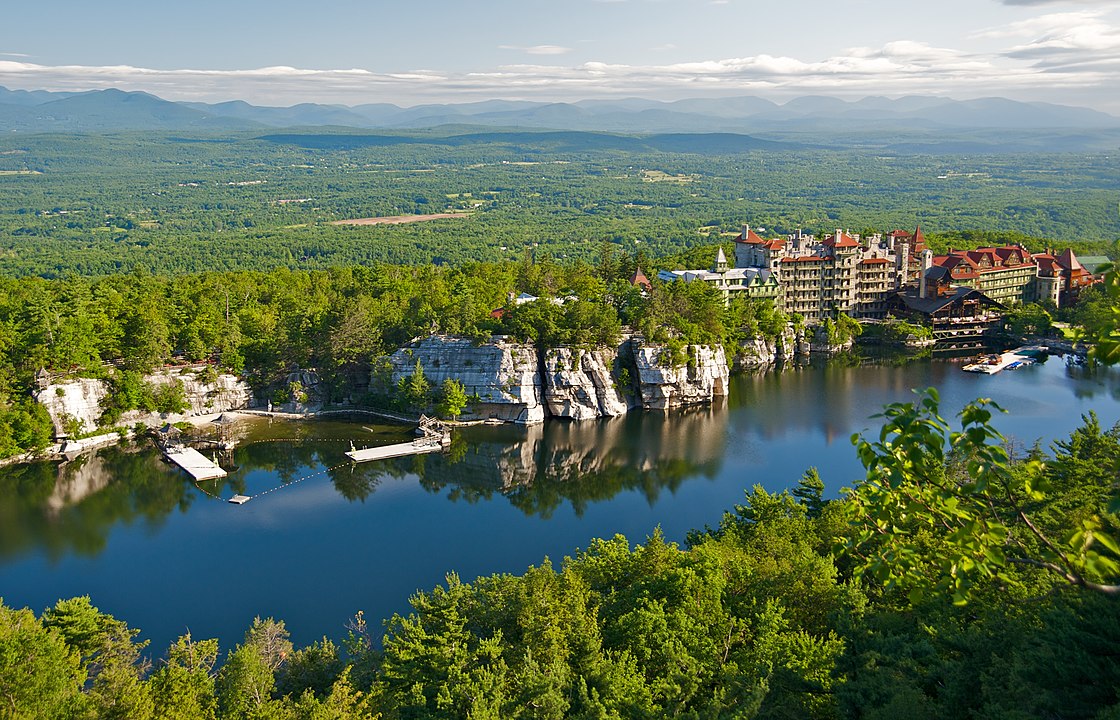
Minnesota welcomes visitors with small-town warmth and big-lake calm, but that ease is built by people who keep showing up for neighbors. Winter adds pressure: crews clear sidewalks, servers juggle rushes, and local shops stretch budgets through slow weeks. Travel can support that balance or strain it. The best trips keep money local, respect routines, and treat communities as lived places, not props. That can mean choosing local meals, staying on marked trails, and giving space when streets get busy. These ten practices help visitors contribute quietly, enjoy the state fully, and leave things better than they found them.
Choose Locally Owned Lodging and Meals
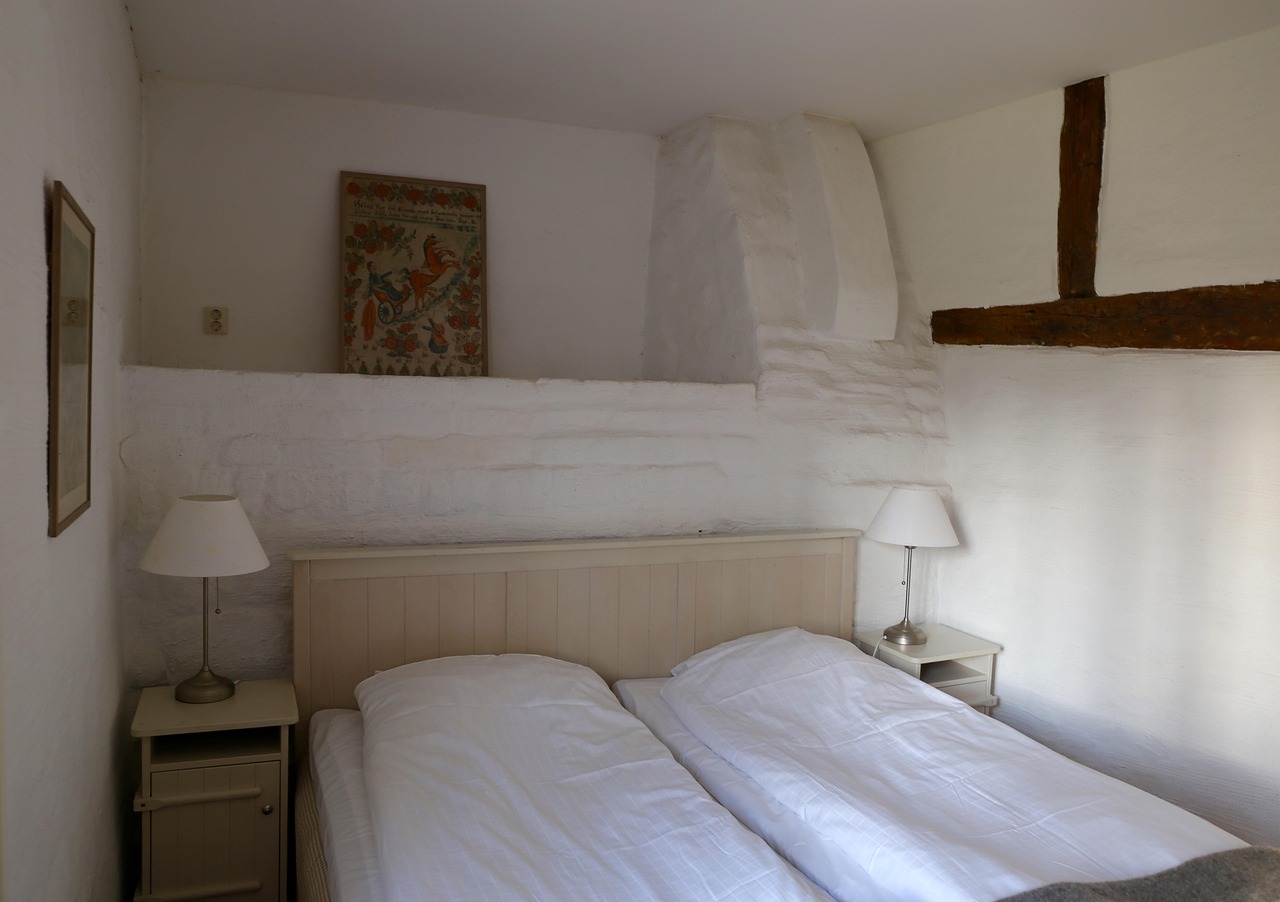
Locally owned hotels, cafés, and supper clubs keep paychecks circulating close to home, not disappearing into distant fees. Booking direct and paying posted prices helps small teams plan staffing, especially on winter weekends when no-shows sting.
Asking what bakery supplies the bread or which roaster is used often points spending toward Minnesota makers without extra effort. Ordering one solid meal instead of grazing for photos reduces waste, and calm timing at peak brunch hours eases pressure. These places are also the ones sponsoring youth teams, festivals, and food shelves, so support lands far beyond the receipt.
Shop Minnesota Grown Markets and Co-ops

Farmers’ markets and co-ops are an easy way to back growers, foragers, and small-batch producers without creating extra work. The Minnesota Grown directory helps locate nearby markets and seasonal listings, including winter options.
Arriving early, carrying a reusable bag, and choosing a few vendors keeps lines moving and cuts packaging clutter. Asking before handling produce, stepping aside to read labels, and paying efficiently respects tight stall space. Staples like wild rice, maple products, cheese, and preserves travel well, and the money stays local instead of leaking out through distribution layers.
Pay for Community-Led Arts and Heritage

Tickets for neighborhood theaters, small museums, and community-run tours do more than entertain; they fund preservation and paid local work. University of Minnesota Extension notes tourism can strengthen economies and encourage protection of local resources when communities guide it.
Choosing a matinee, reserving a time slot, and arriving on schedule keeps small teams steady. Guided walks help too. Keeping phones dim and skipping flash protects collections and performers. A small purchase from a museum shop or a local artist often supports youth programs and archive work that rarely attracts big sponsorships.
Support Tribal Nations Through Indigenous-Run Enterprises

Minnesota is home to 11 sovereign tribal nations, and support lands best when it follows Indigenous leadership and businesses. Choosing Native-owned restaurants, shops, or cultural centers helps revenue flow into local jobs and community programs.
The Minnesota Indigenous Business Alliance points to Indigenous entrepreneurs statewide. Respect is practical: ask before photos, follow posted rules, and keep voices low in cultural spaces. Buying directly and using the correct nation name keeps attention on living communities, not souvenir versions. When staff say no, accepting it quickly matters.
Donate Through Trusted Local Organizations
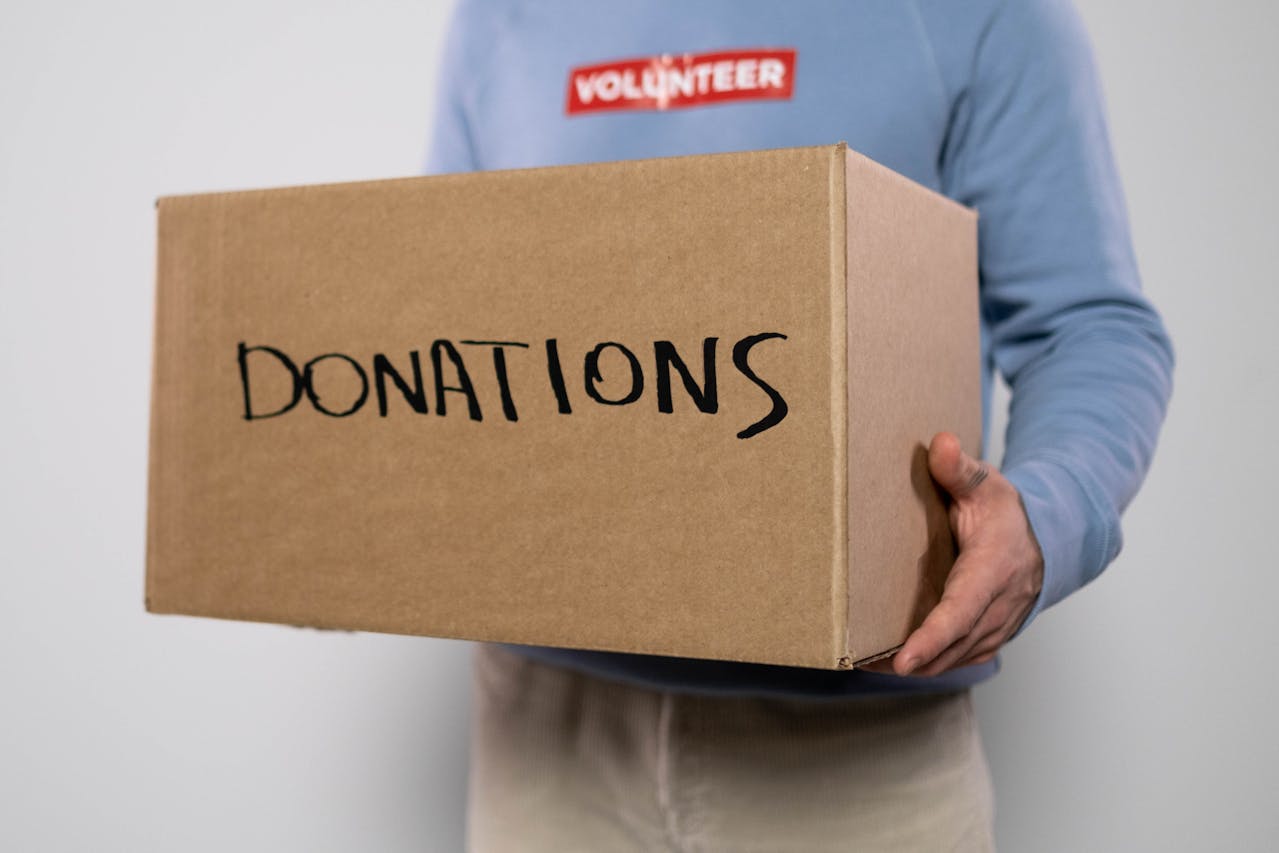
Dropping off random goods can create sorting work, so the cleanest help is usually money given to trusted local groups. The Minnesota Council of Nonprofits maintains a statewide member list that can help confirm organizations before donating.
Small recurring gifts are often more useful than one big burst, because programs can budget for rent help, pantry staples, and emergency rides. Some groups prefer gift cards for groceries or gas, but only when requested. Matching donations to the county being visited keeps impact close, and checking stated needs prevents support from turning into clutter in storm weeks.
Tip Fairly and Travel Patiently in Winter

Minnesota hospitality runs on people who shovel entrances, de-ice steps, and still greet guests with steady calm. Fair tips and clear gratitude matter more in winter, when weather delays can shrink shifts and turn a simple commute into an ordeal.
Patience is also support: arriving with realistic timelines, accepting that kitchens slow when deliveries are late, and keeping requests concise when lines stretch. Knocking off snow at the door and using the mat keeps floors safer for staff carrying hot plates. Choosing weekday visits spreads demand, and booking appointments instead of walk-ins helps workers keep control of their day.
Park, Ride, and Walk Without Blocking Daily Life
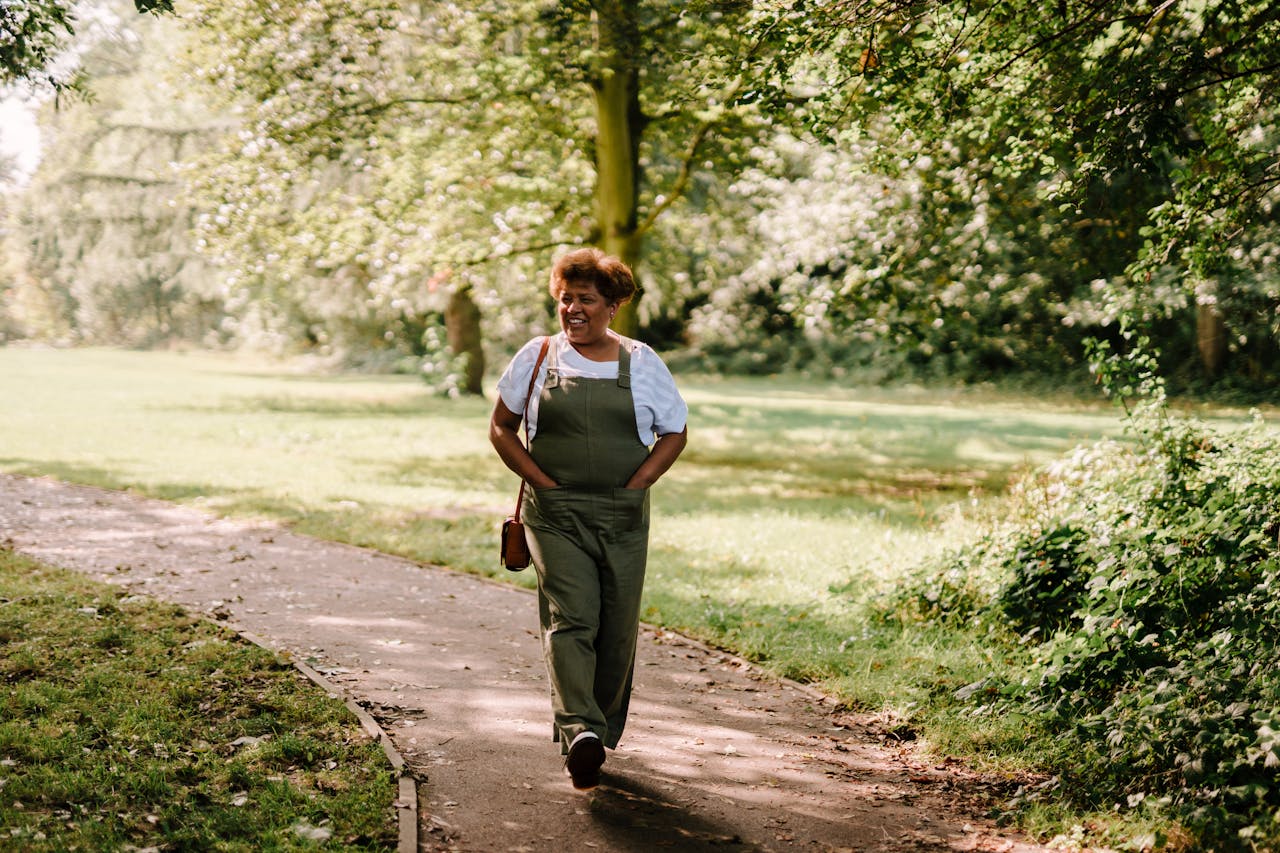
In Minneapolis, St. Paul, and lake towns, parking and traffic can flip fast when a game, show, or festival lets out. Using ramps, paid lots, and legal street spots keeps plows, delivery trucks, and buses moving after snowfalls.
Skipping snowbank parking and leaving accessible spaces open avoids ripple effects for residents. Ride-share pickups work best at corners or designated zones; walking one extra block can prevent gridlock. Limiting idling on tight streets helps, too. Photo stops should never pinch sidewalks or doorways. Travel that stays orderly makes daily life smoother for people finishing school runs and late shifts.
Follow Leave No Trace on Lakes and Trails
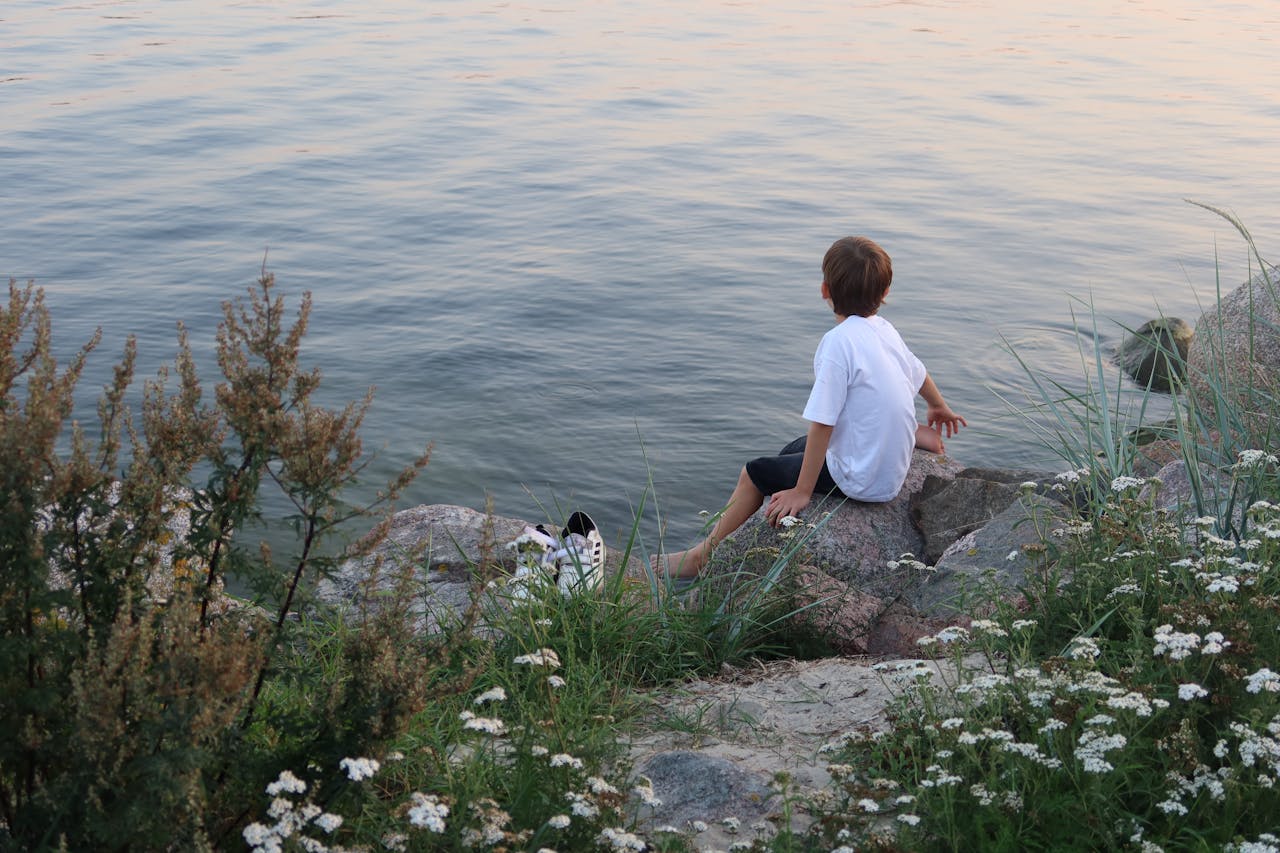
Minnesota’s lakeshores and forest trails look hardy, but they wear down fast under shortcuts, noise, and stray litter. Leave No Trace lays out minimum-impact basics, and the National Park Service highlights them as simple visitor etiquette.
#RecreateResponsibly adds a practical reminder to plan ahead and respect land and cultural resources. Staying on durable surfaces, packing out scraps, and keeping voices low protects wildlife and other visitors’ quiet. Cleaning boots between stops limits invasive seeds, and using established fire rings prevents new scars each season.
Share Photos Without Overexposing Fragile Places

A single viral post can turn a quiet overlook or small café into a traffic problem overnight, especially in short winter daylight. Sharing photos without precise geotags for sensitive spots helps places stay manageable for residents and calmer for wildlife.
The National Park Service encourages responsible recreation and responsible sharing, including safety-first habits online. Good reviews focus on details like parking rules, icy steps, and reservation needs, not on treating a neighborhood like a set. Off-peak hours matter. Crediting artists and buying prints keeps attention on creators, not just locations.
Choose Low-Impact Habits Over Drop-In Volunteering

Short trips are rarely the right moment for drop-in volunteering, because onboarding and supervision can drain capacity. The better move is to follow local guidance, spend intentionally, and donate to programs already doing the work.
Explore Minnesota’s green travel tips emphasize reducing waste and supporting local businesses. Simple habits like a refillable bottle and reusing towels keep impact light. Planning off-peak visits and respecting closures helps too. For deeper involvement, longer stays and official sign-ups through established nonprofits keep expectations clear. Consistency beats urgency.