Some American traditions once felt as steady as the seasons: small rituals that stitched neighbors, schools, and families into a shared rhythm. Lately, those routines are thinning out as daily life moves to screens, schedules tighten, and familiar gathering places vanish. The change is not always dramatic; it is often a quiet absence, like a morning corridor that no longer echoes with sneakers, or a kitchen drawer without a thick directory. Even celebrations have shifted, trading big public moments for smaller, more practical ones. In that hush, a culture learns which comforts were so much more fragile than they seemed.
Mall Walking Mornings
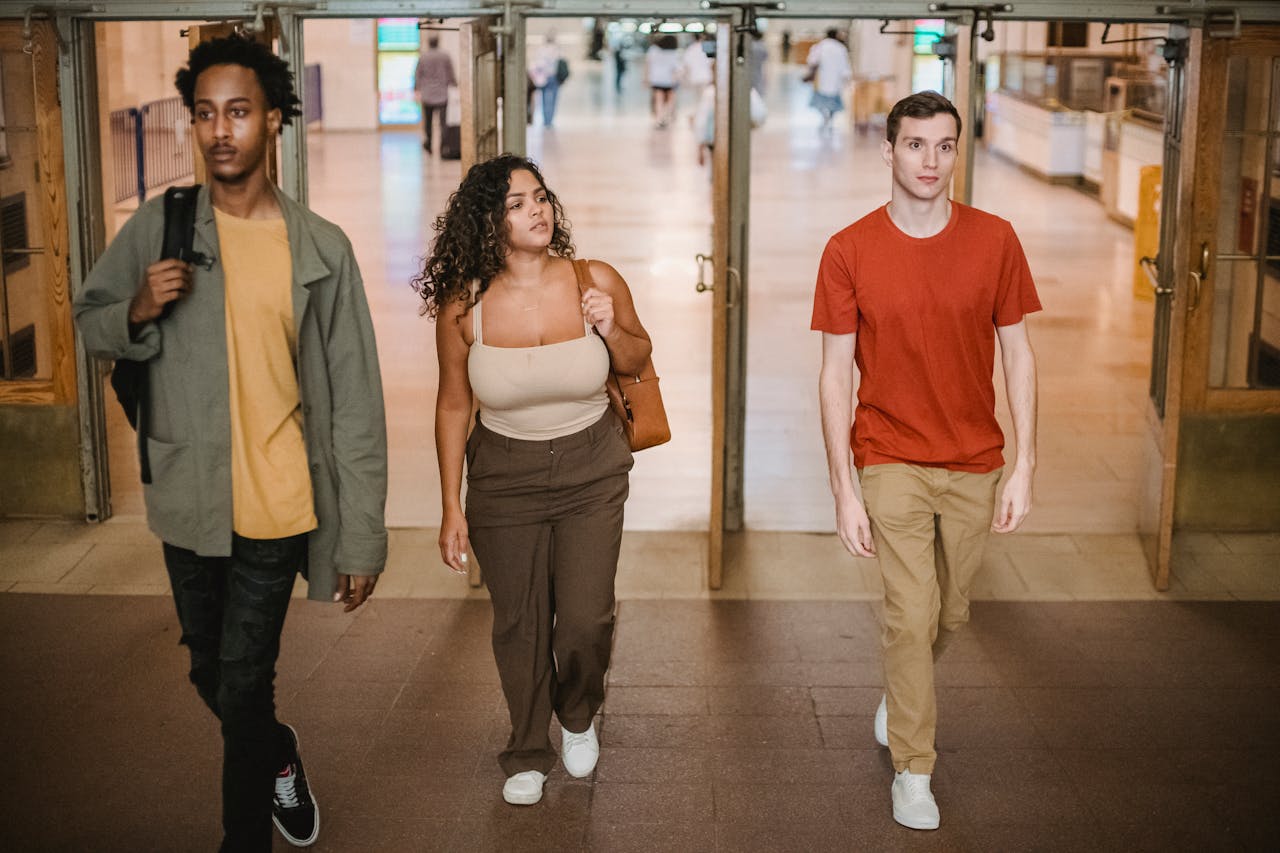
For years, early hours at the mall belonged to steady-paced walkers, often older adults, circling bright corridors before the shops fully opened. Safe floors, climate control, and the comfort of familiar faces made it both exercise and a quiet social hour, with nods near the fountain, brief chats by the security desk, and a reward coffee once the gates lifted. As malls shrink, repurpose, or close, the routine loses its indoor hometown, and that gentle, communal workout becomes a memory tied to shuttered storefronts, echoing concourses, and mornings that once felt reliably claimed by the same small crowd, in every season.
The Neighborly Ritual of Polling Places
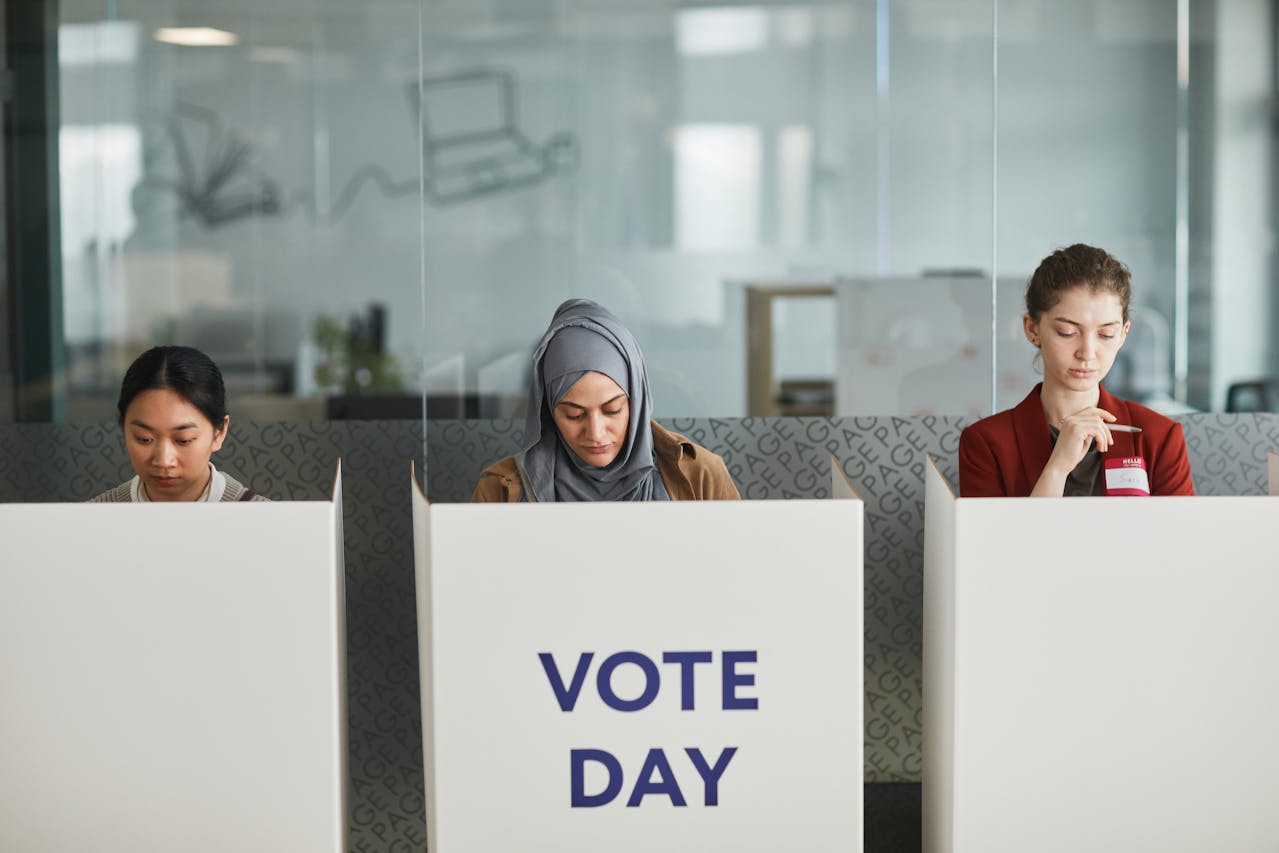
Voting at a local polling place once carried a small-town warmth, even in big cities, because the setting was familiar: a school gym, a church hall, a community center. Neighbors recognized one another in line, and long-serving poll workers often greeted regulars by name, turning civic duty into a brief reunion with hand-sanitizer jokes, kids’ art on the walls, and that sticker on the way out. As pandemic-era changes linger, procedures tighten, and more voting shifts away from the room itself, the ritual grows quieter and more transactional, with fewer of the tiny conversations that once made Election Day feel shared.
Block Parties on Quiet Streets
The classic block party relied on a simple faith that a street could belong to its residents for a day. Folding tables appeared, grills fired up, kids chalked the pavement, and adults traded plates and local news under strings of lights, sometimes with a borrowed speaker and a cooler full of sodas. In many neighborhoods, busy commutes, faster turnover, and tighter permits have made those gatherings rarer, surviving mostly on small cul-de-sacs or determined blocks where someone still prints flyers, closes the lane, and asks, without irony, if everyone wants to meet for an afternoon, before the summer slips away again.
The Fading Pull of Class Reunions

Class reunions once had gravity because they were among the few sanctioned chances to see who had changed, who had stayed, and who had quietly reinvented themselves since graduation. Awkward name tags, buffet lines, and the slow scan of the room turned into a night of storytelling, with old teachers’ catchphrases resurfacing like passwords and a familiar song suddenly making everyone sixteen again. Now social media keeps faces, milestones, and opinions on constant display, and the reunion’s mystery evaporates; DMs and group chats do the catching up, leaving the ballroom lights and rented banners behind more often now.
Smaller Weddings, Smaller Spectacles

For decades, the big wedding functioned as a public milestone, with banquet halls booked months ahead, matching bridal parties, and guest lists stretching to coworkers, cousins, and family friends. Rising costs, complicated travel, and a growing preference for privacy have pushed many couples toward courthouse vows, backyard ceremonies, or intimate dinners where the focus stays on the promises instead of the production. The shift changes the social calendar, too, as fewer communities gather around one enormous party with favors and dance-floor traditions, and more celebrations happen quietly, almost offstage at home.
Photo Albums That Live on Screens
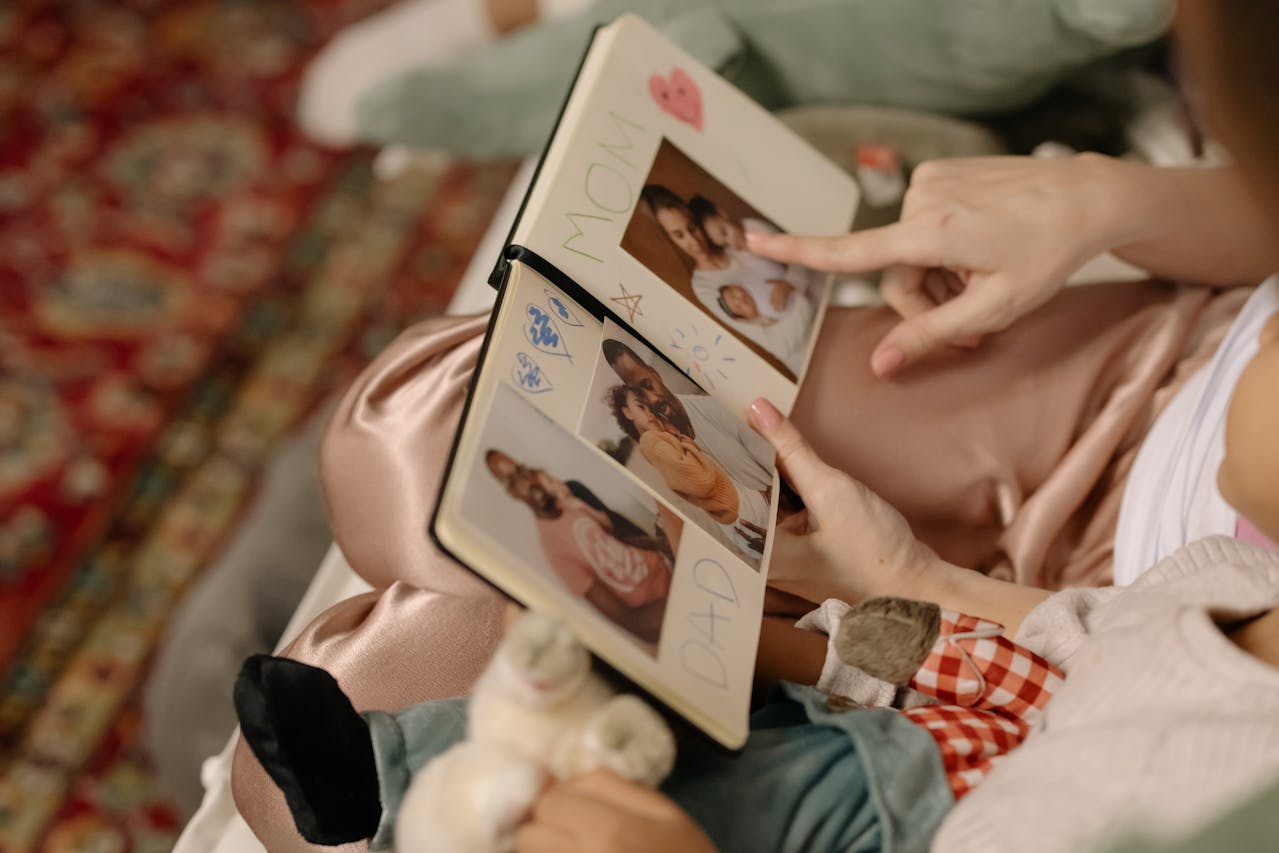
Printed family photo albums used to be a living-room object, pulled from a shelf and opened like a familiar book at holidays. Pages crackled, captions faded, and several generations could crowd around the same moment, tracing faces with fingertips and re-telling the story behind each picture. Now most images stay on phones or in the cloud, auto-sorted by date and face recognition, and rarely printed unless a milestone demands it; the ritual shifts from turning pages to scrolling, and families may someday inherit passwords instead of binders with thousands of everyday moments never leaving a private camera roll at all.
Mischief Night Losing Its Cover
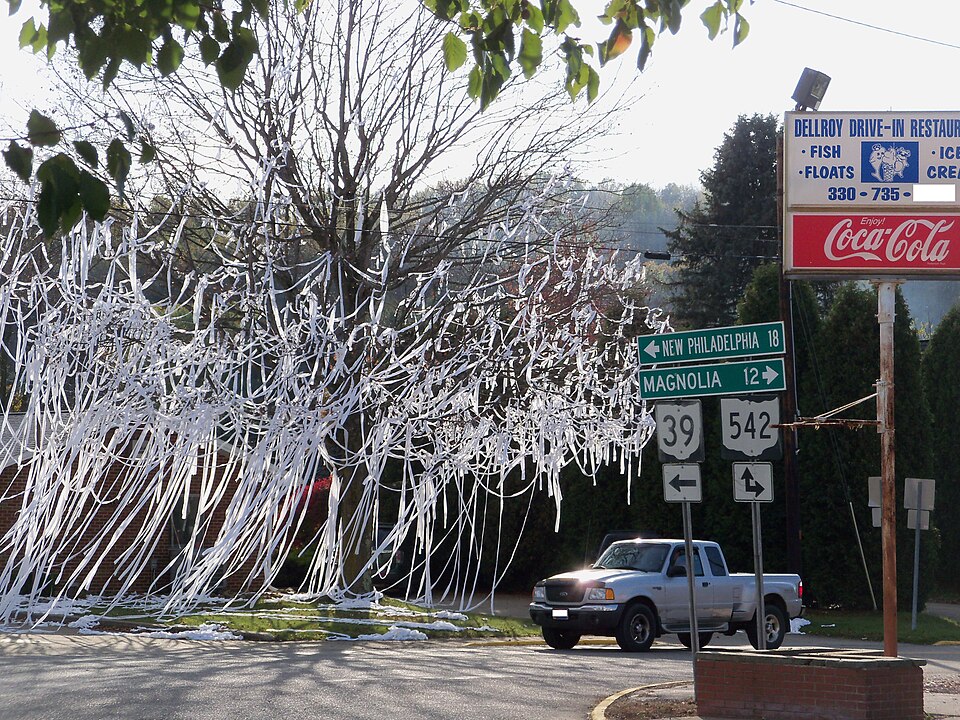
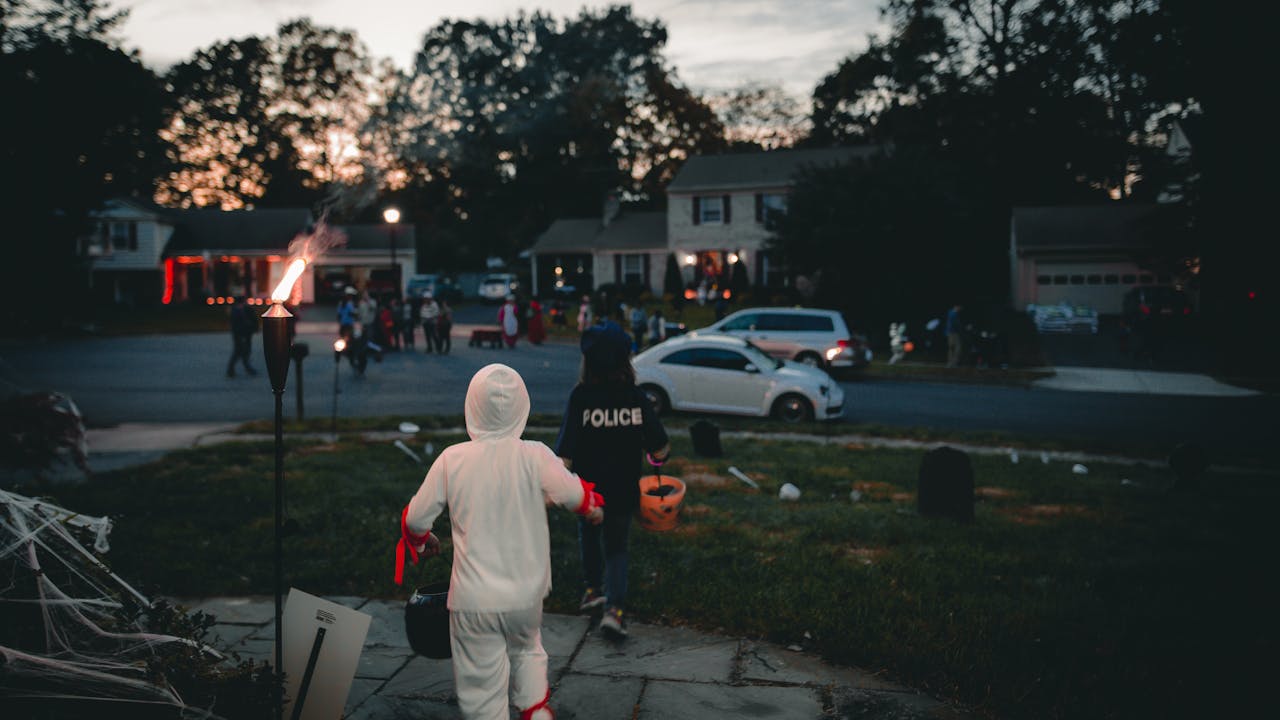
Mischief Night once thrived on anonymity and darkness, a pre-Halloween outlet for pranks that were meant to be more nuisance than harm. Eggs on a porch, toilet paper in a tree, and a quick sprint away were folklore passed down in whispers, with the unspoken rule that nobody got seriously hurt and nobody got caught. In the smartphone era, every driveway can become a camera angle, and a so-called harmless stunt can spread online in minutes, raising the stakes from embarrassment to legal trouble; under that glare, the tradition retreats into caution, or vanishes. with doorbell cameras and neighborhood apps watching.
Phone Books on the Curb

A delivered phone book once landed with a thud on the porch, then took its place by the kitchen phone like a household tool. It carried local businesses, neighbors’ numbers, and a sense of geography, because a town could be browsed by page and street, with dog-eared corners marking plumbers, pizza, and grandparents. Now search engines and maps do the work in seconds, and many households toss the directory immediately, unopened; as landlines fade and printing contracts disappear, the annual arrival feels less like a service and more like a relic waiting for its final edition. in many ZIP codes, destined for recycling.
Bake Sales Under Pressure
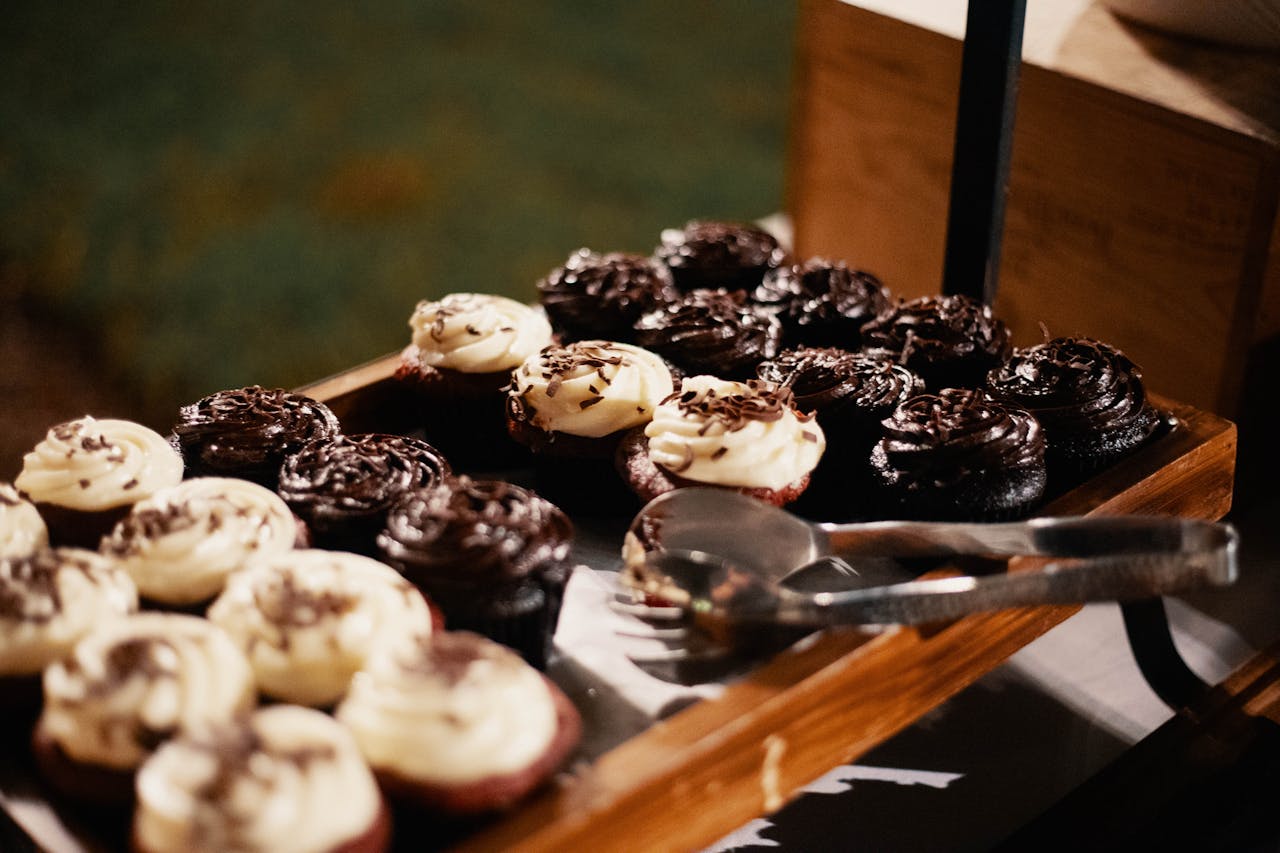
Bake sales once turned school hallways and church lobbies into sugary marketplaces, powered by home ovens, wax paper, and handwritten price signs. They worked because a few dozen brownies could fund a trip, and because baking for a cause felt neighborly, the kind of effort that let kids practice making change while adults swapped recipes. Now schedules are tighter, grocery costs are higher, and food rules can be stricter, so the tradition feels more stressful than fun; the tables still appear now and then, but less often, with more store-bought trays filling the gaps and fewer volunteers lingering to chat after school.
Gender Reveals Dialing It Back

Gender reveal parties are unlikely to vanish, but their tone is shifting as more people tire of elaborate stunts and the risks they can bring. What began as a playful surprise has sometimes ballooned into social-media-ready productions, complete with crowds, props, and pressure to outdo last year’s video, until the spectacle overshadows the family moment. Backlash over dangerous reveals is nudging the tradition toward calmer rituals, like a cake slice or a quiet name announcement, where the news lands softly and the celebration feels more like a welcome than a performance shared first with grandparents, then posted.