Winter turns a familiar cabin into a small weather system. Snow melts off coats, boots, and hair, then becomes invisible moisture that rides along with every breath. When glass is colder than the air inside, that moisture has only one place to go: the windshield. Many drivers reach for the same button they love in summer, but in cold months it can quietly make visibility worse, right when a clear view matters most. The surprise is how fast a warm, crowded car can fog itself up on a short school run or a stop-and-go commute. It is a tiny choice on the dash, yet it can decide whether the road stays sharp or turns hazy.
The Button That Feels Like a Winter Shortcut
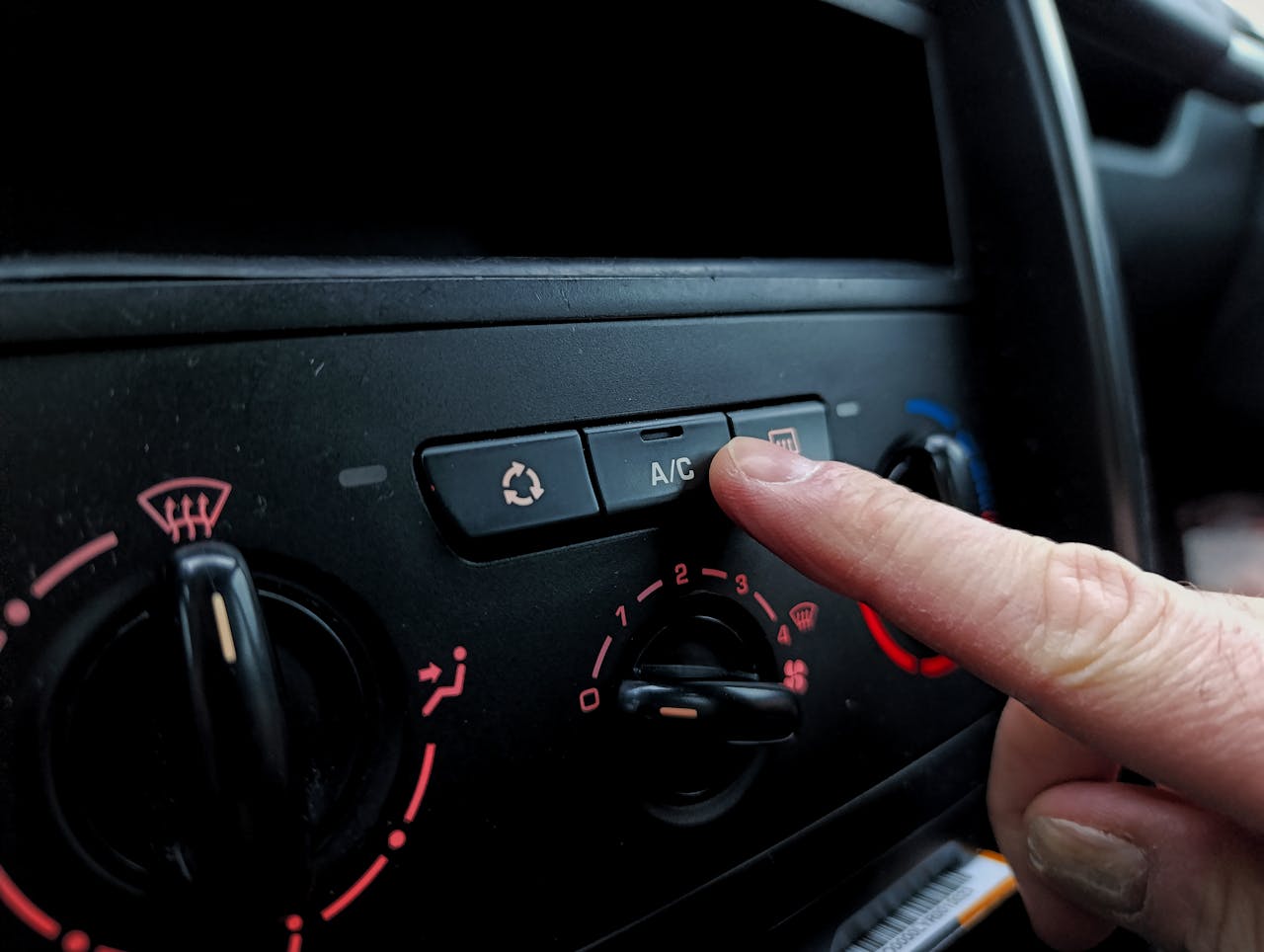
The “air recirculation” button is usually marked by an arrow looping into a circle, a small symbol that feels like a shortcut to warmth. Once pressed, it reduces outside air and keeps the cabin reusing what is already inside, which can make heat feel stronger during the first few miles. That same closed loop also keeps moisture trapped, so the windshield and side glass can fog sooner and stay foggy longer as the car fills with wet clothing, melting snow, warm breath, and the damp air kicked up every time the heater fan ramps at a stoplight; visibility can slip from crisp to milky without warning, even with wipers running.
How Fog Forms Inside a Warm Cabin

Fog happens when humid cabin air hits cold glass and the water vapor condenses into a thin film, turning headlights and streetlamps into glare. In winter, outside air is often much drier than the air trapped inside a car, so bringing it in gives the HVAC system a better starting point for dehumidifying. Recirculation does the opposite, keeping the wettest air looping around while the heater warms it, which encourages more evaporation from coats, umbrellas, hot drinks, and puddles on the carpet, letting humidity climb with each passenger, each exhale, and each slushy floor mat, and the glass pays the price within minutes.
Why a Summer Trick Backfires in Cold Weather

Recirculation earns its good reputation in July because it helps an air conditioner cool already-chilled cabin air instead of battling hot outside air. Winter is different: the goal is not just warmth, but dry air that can keep windows clear and prevent that clammy feeling that lingers on long drives. With recirculation on, the heater may feel stronger, yet the cabin can become a humid bubble, so the windshield corners haze first, then the whole pane, and a driver ends up toggling defrost repeatedly as the fog returns the moment the fan slows, the door opens, or another wet coat climbs into the back seat, adding stress.
Defrost Mode Fights Best With Fresh Air

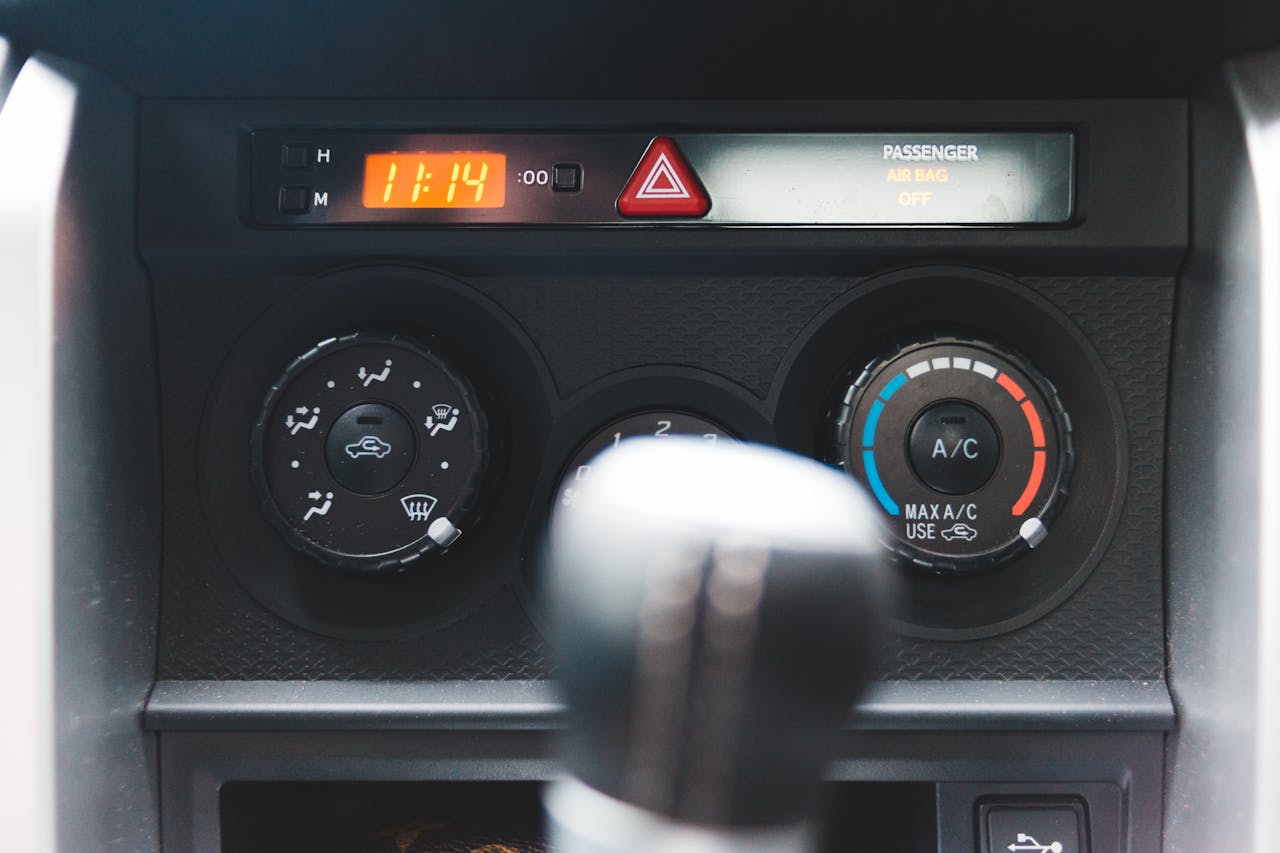
Most modern cars treat the windshield as a safety priority, which is why selecting front defrost often disables “air recirculation” automatically. Defrost works best with a steady supply of outside air and, in many vehicles, an engaged A/C compressor that pulls moisture out before the air hits the glass. When recirculation is forced back on, the system has to fight humidity with one hand tied behind its back, and the clearing effect can fade as soon as the cabin warms up, especially on short trips where the glass stays cold, the engine never heats, and stop-and-go traffic keeps adding moisture from boots and breath.
The Hidden Moisture Sources Underfoot

A car can feel dry while quietly collecting water, as snow packed into tire treads melts into floor mats, rain drips from umbrellas, and a heater vent aimed at feet speeds evaporation like a small indoor dryer. Add a few passengers, and warm breath raises humidity quickly, especially during school drop-offs, carpool runs, or long waits in a drive-through. With outside air shut out by recirculation, that moisture has fewer exits, so windows become the easiest surface for it to settle on, starting with the windshield and spreading to side glass, mirrors, and the rear window just as headlights appear in the lane behind.
Dry Heat Beats Warm, Humid Air

The appeal of recirculation in winter is simple: reused air warms faster, so the cabin feels comfortable sooner on busy mornings. Comfort and clarity do not always travel together, and a fast warm-up can turn into fog when humidity spikes after a car leaves a garage for cold air, or when a damp jacket lands on a seat and starts steaming under the heater. Drivers often get better results by letting the system pull in outside air, aiming airflow toward the windshield, and allowing the A/C function to run if the vehicle enables it, because cold air is often dry air, and dry heat clears glass more reliably than humid heat.
When Recirculation Is Only a Brief Fix

There are moments when recirculation seems harmless, like the first minute after start-up when the cabin air is as cold as the steering wheel and every surface feels brittle. Some drivers tap it briefly to build warmth while scraping ice or buckling kids into car seats, then switch back to fresh air once the heater produces steady heat and the glass begins to clear. Used for the whole drive, though, recirculation turns that early comfort into a humidity trap, so the car may look clear at first and then suddenly film over as speed, passengers, and wet gear add moisture faster than the system can remove it in traffic.
Visibility Slips Before Anyone Notices

Window fog is not just annoying; it is a safety issue that arrives quietly, often right after a driver thinks the problem is solved. A thin mist can hide pedestrians at crosswalks, soften the edges of a turning lane, and distort the distance of brake lights, especially at dusk when wet pavement reflects every headlamp. Because recirculation can make fog return while the car is already moving, it nudges people into hurried wiping with sleeves or bare hands, smearing salt haze into streaks and stealing attention at exactly the moment winter roads demand steady, unbroken focus, through intersections, merges, and heavy spray.