Home cooking can feel like the sensible default until the grocery receipt shows specialty items, herbs that wilt overnight, and a sauce used once. Some meals punish small-batch kitchens: they need high heat, long simmering, or a shopping list that only makes sense at restaurant scale. In many towns, take-out spots buy in bulk, spread labor across hundreds of orders, and use equipment most apartments will never own. The quiet truth: a few favorites are often cheaper, and sometimes better, when someone else makes them. They are the meals where time, waste, and technique tilt the math toward ordering in on weeknights instead.
Rotisserie Chicken
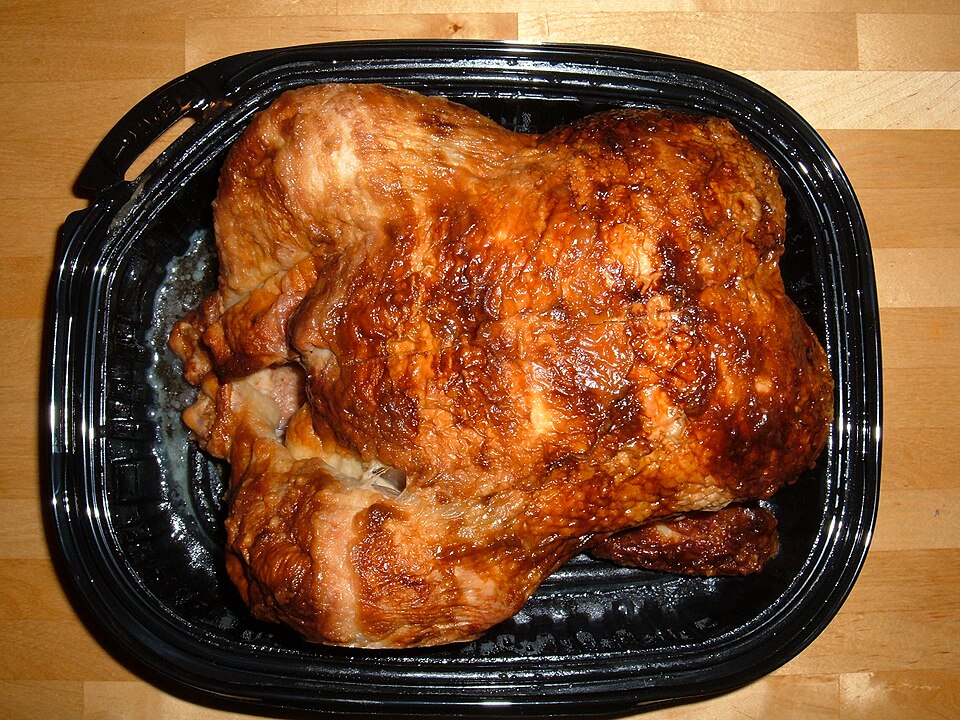
Rotisserie chicken is one of the few grocery bargains that regularly beats raw poultry, because stores buy birds in bulk, season simply, and sell them hot as a dependable draw. At home, the real cost hides in lemons, herbs, foil, oil, and an hour or more of oven heat that warms the whole kitchen, dirties a roasting pan, and still risks dry breast or rubbery skin. It can stretch into soup, salads, tacos, and sandwiches, but the savings often shrink once side dishes, extra seasonings, energy use, and the pile of bones, trays, and greasy cleanup are counted, especially for smaller households on a weeknight.
Pizza From a Busy Shop

Pizza gets cheaper when an oven runs nonstop and dough is mixed by the tub, since labor, heat, and timing are shared across hundreds of pies instead of one sheet pan. A home version often demands very high heat, a stone or steel, and ingredients that add up fast: good flour and yeast, mozzarella, sauce, herbs, and toppings like mushrooms or basil that rarely get used up neatly. Busy shops buy cheese by the case, portion precisely, and run bundle deals that include boxes and delivery, so the final price can beat the grocery total, plus the cost of running an oven at full blast for one pie and washing everything afterward.
Pho Or Ramen
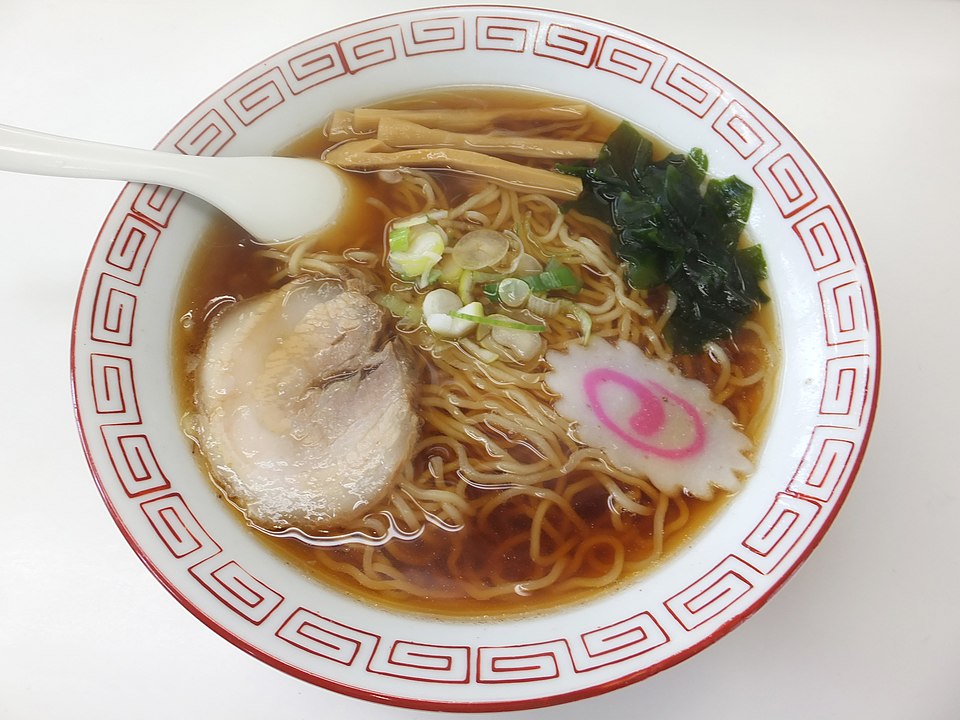
Pho and ramen taste like patience, with bones, aromatics, and simmering that can stretch half a day before broth feels deep, clear, and balanced. Restaurants keep stockpots rolling, skim steadily, and reuse the base across countless bowls, while home cooks pay retail for spices, noodles, and condiments that may not fit the next week’s meals. After fuel, hours of monitoring, and a sink full of pots, a shop’s bowl often lands cheaper, and it arrives with properly cooked noodles, fresh herbs, and toppings that would otherwise require another shopping trip and careful prep timing at home, down to the last garnish.
Sushi Rolls
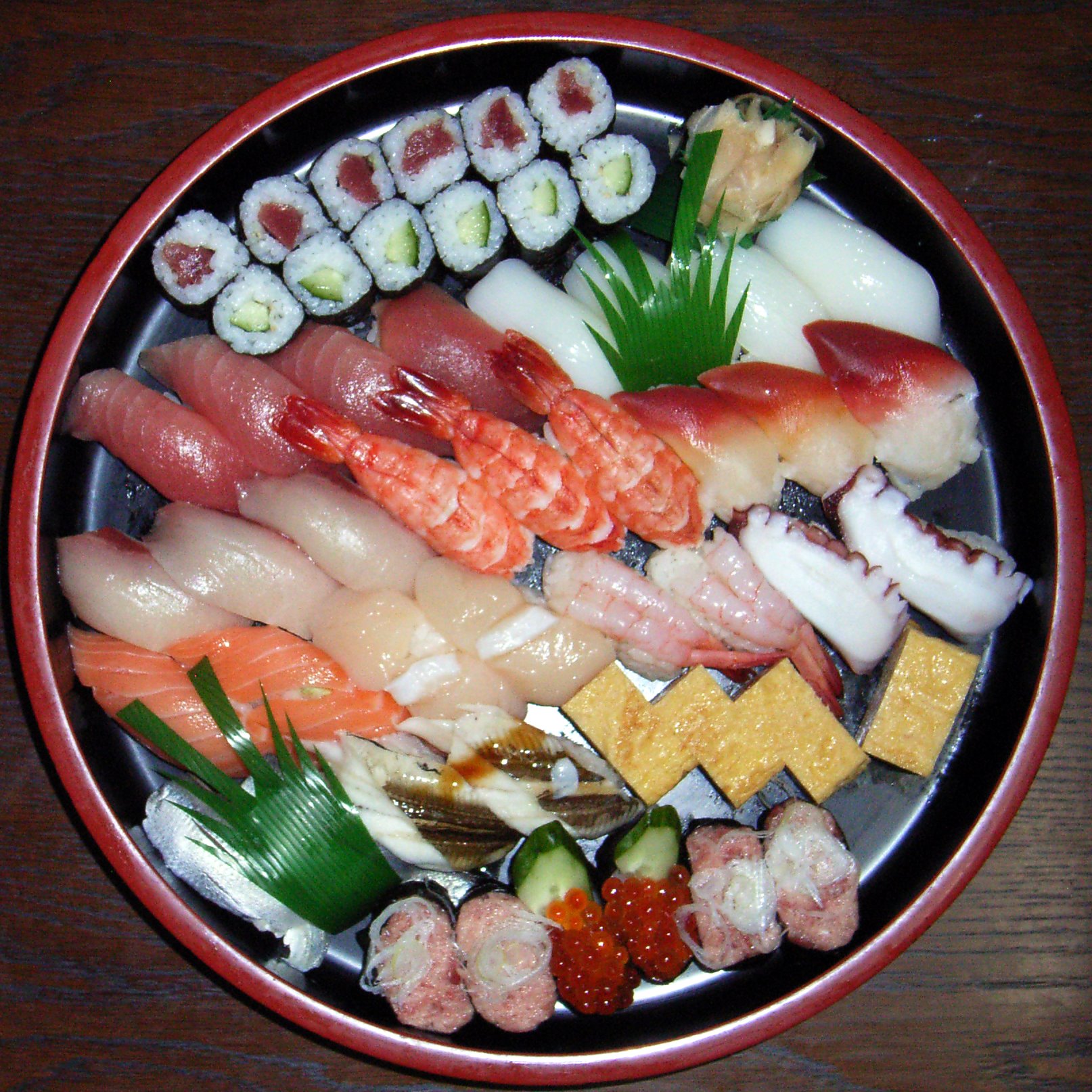
Sushi looks minimal, yet the ingredient bar is strict: properly handled fish, seasoned rice, nori, rice vinegar, soy sauce, wasabi, and sharp tools guided by steady hands. Buying fish in small quantities can cost more per ounce than a basic roll, and the supporting items add up quickly, especially when leftovers cannot wait, rice takes practice, and nori goes stale after a few uses. Most counters portion daily, keep waste low, and price simple rolls to move fast at lunch, which is why ordering often beats buying a full set of supplies, plus the risk of throwing out unused seafood, sauces, and rice that went wrong.
Fried Chicken
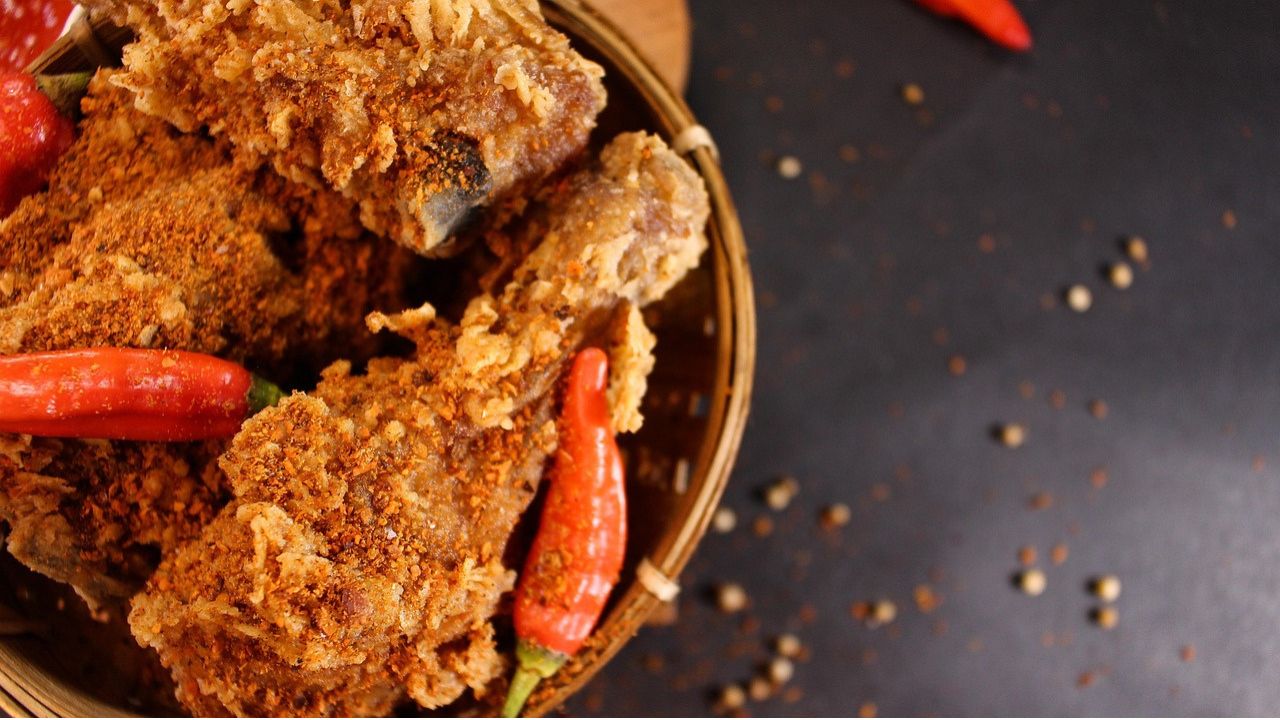
Fried chicken punishes small kitchens with oil cost, splatter, and the narrow window between pale and overdone, especially when the pot cools after each batch. A reliable fry wants a thermometer, enough oil to hold heat, and a seasoned dredge with flour, starch, and buttermilk, plus draining racks, paper towels, and cleanup that lingers in the air and on curtains. Restaurants run fryers all day, filter oil, and portion chicken efficiently, so crisp pieces with sides can cost less than buying oil, spices, and extra supplies, then figuring out how to store or discard used oil without making the kitchen smell for days.
Pad Thai
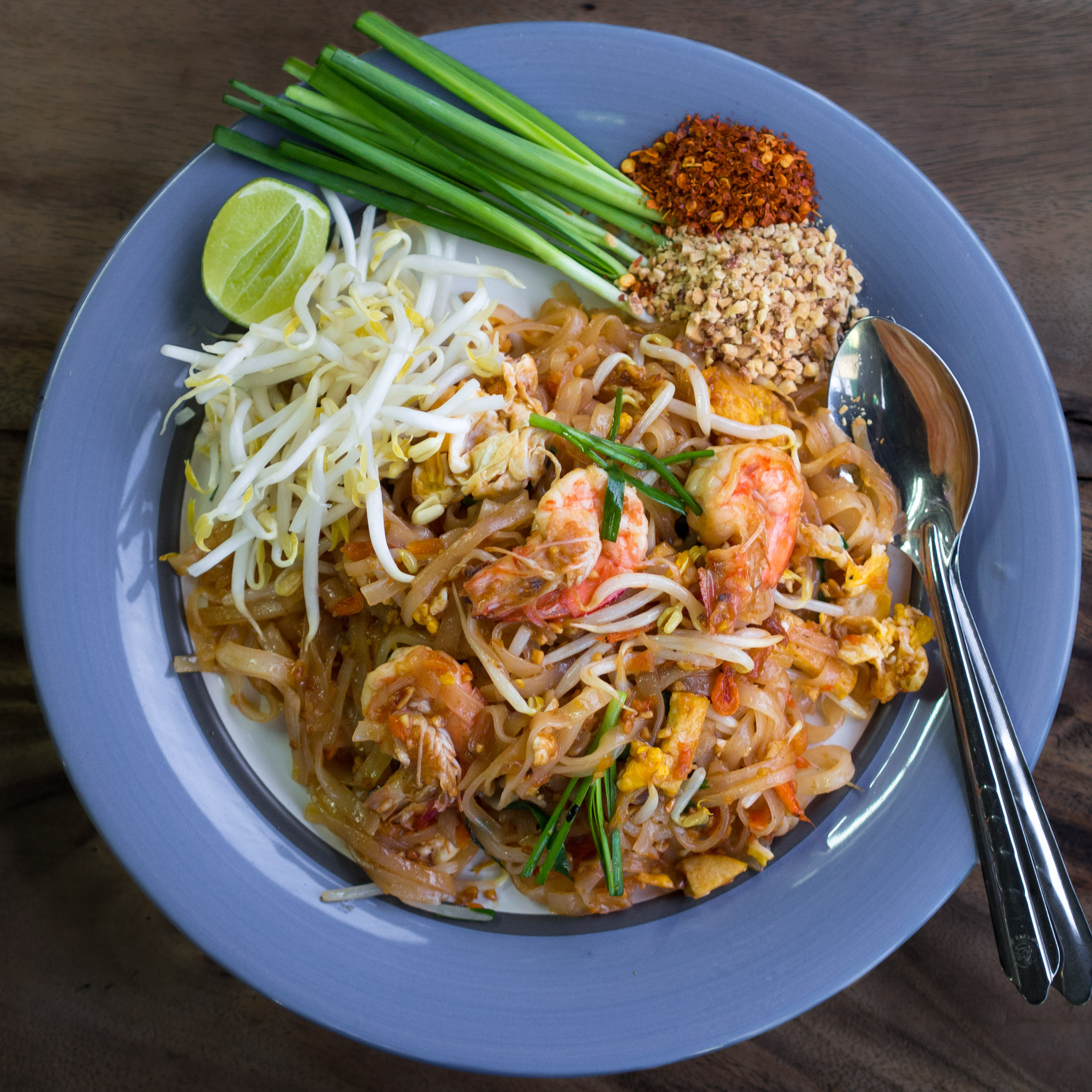
Pad Thai is a fast balance of tamarind, fish sauce, palm sugar, rice noodles, egg, tofu, and herbs, and the pantry list can swell before the wok even heats up. Buying those staples for one dinner feels expensive, especially when tamarind paste, dried shrimp, or rice noodles sit untouched later, and fresh herbs wilt within days. Restaurants keep sauces ready, cook over hotter burners, and portion peanuts, lime, and sprouts with less waste, so a takeout box can beat the cost of chasing the same sweet-sour, smoky flavor at home while specialty ingredients pile up unused in the back of the fridge.
Indian Dal And Rice Plate
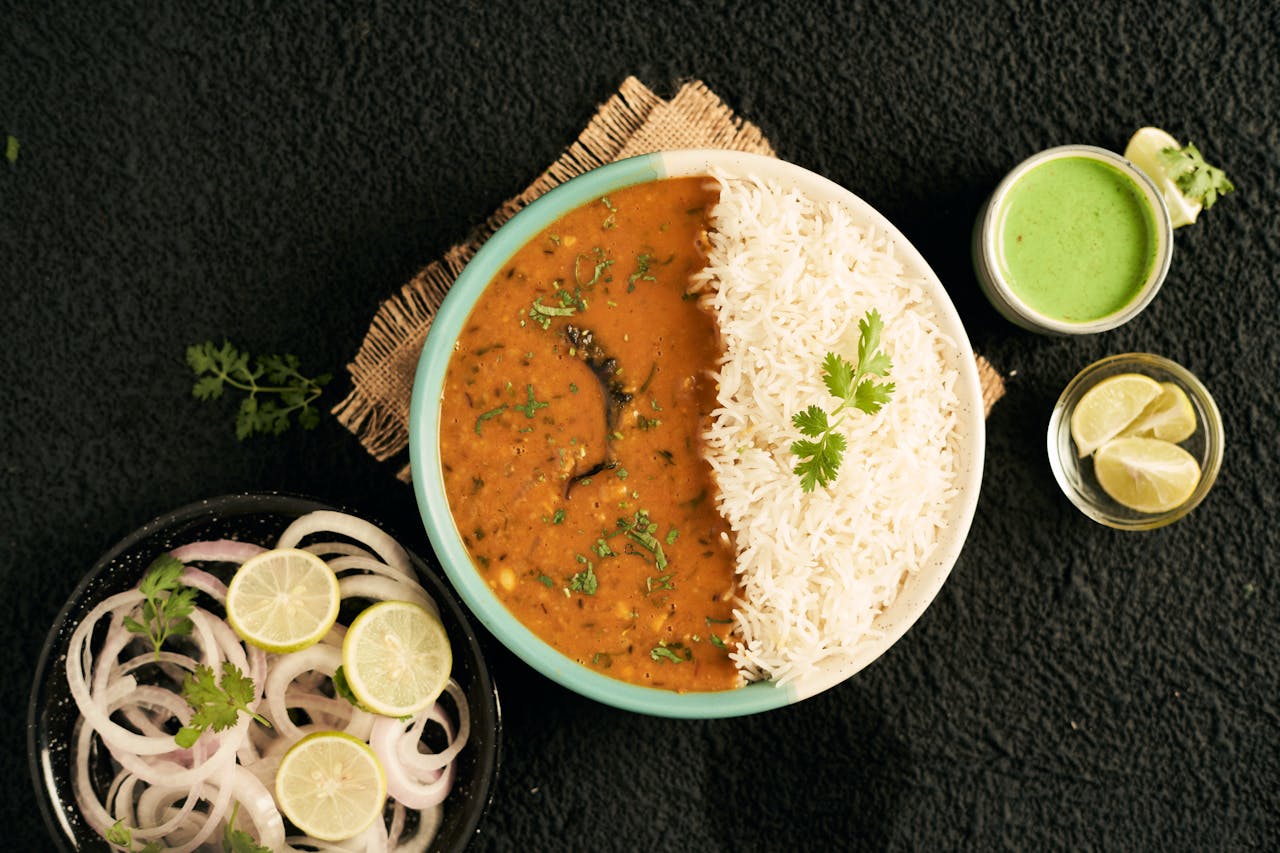
Dal seems inexpensive until the first grocery trip expands into cumin, turmeric, chili, ginger, and the small extras that make the bowl taste complete, from ghee to fresh cilantro. Indian kitchens cook lentils and rice in large pots, then finish with a quick tempering that stretches across many orders, keeping flavor strong and costs low even on busy nights. At home, buying full jars for a few teaspoons, plus onions, tomatoes, and accompaniments like pickle or raita, can push the total beyond a simple dal-and-rice plate that arrives portioned, hot, and ready, with no leftover spice bottles to store.
Burritos With Many Fillings
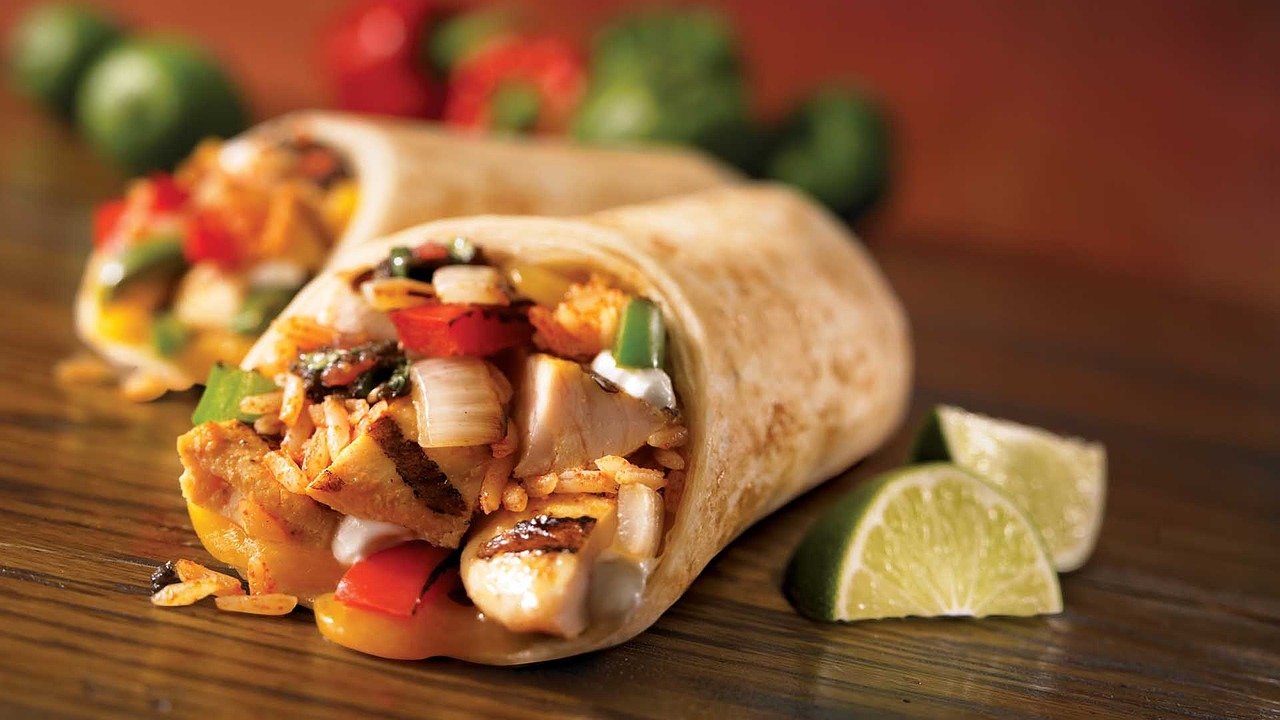
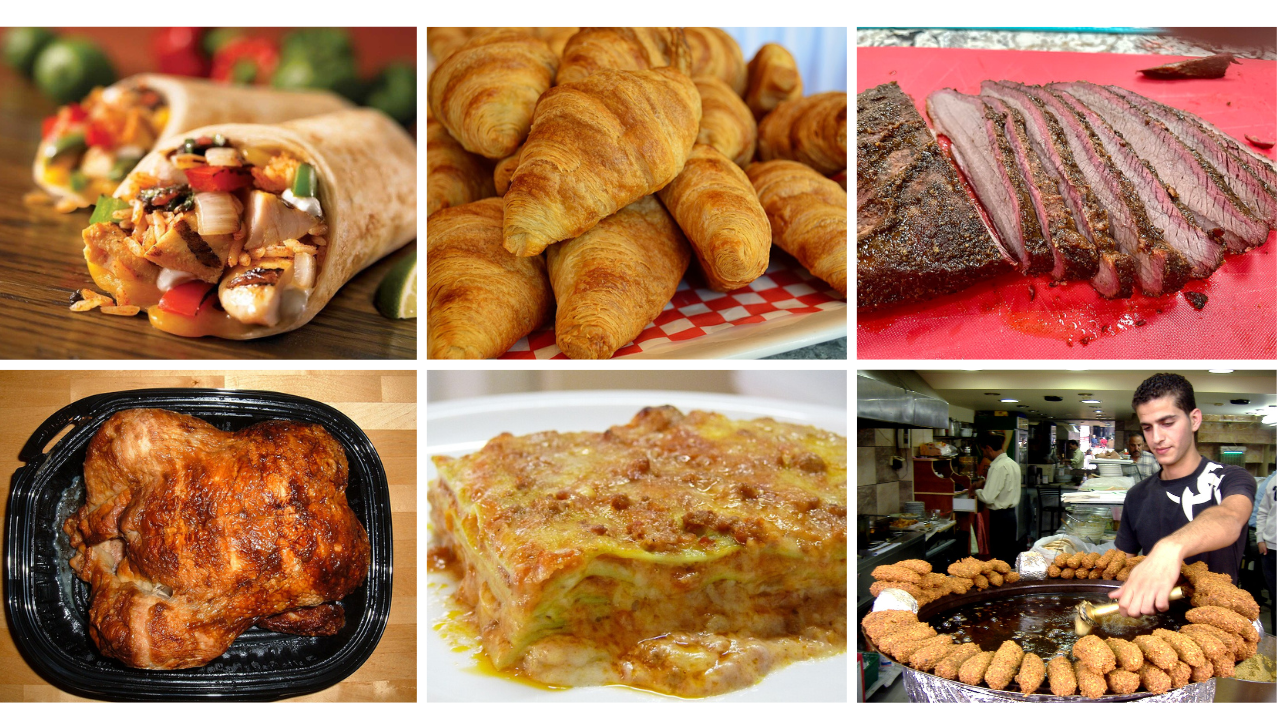
Burritos reward scale because the best ones rely on many parts: seasoned meat, rice, beans, salsa, maybe guacamole, cheese, and a few pickled toppings for bite. Making all of that for two people can turn into a fridge full of half-finished containers, wilted herbs, and avocados that ripen all at once, plus tortillas that dry out before the week ends. Taquerias prep in bulk, keep grills hot, and portion fast, so variety and heft are built into the price, often beating a grocery run that leaves leftovers nobody is excited to finish, produce that spoils early, dishes that stack up, and small purchases that never get used again.
Dim Sum
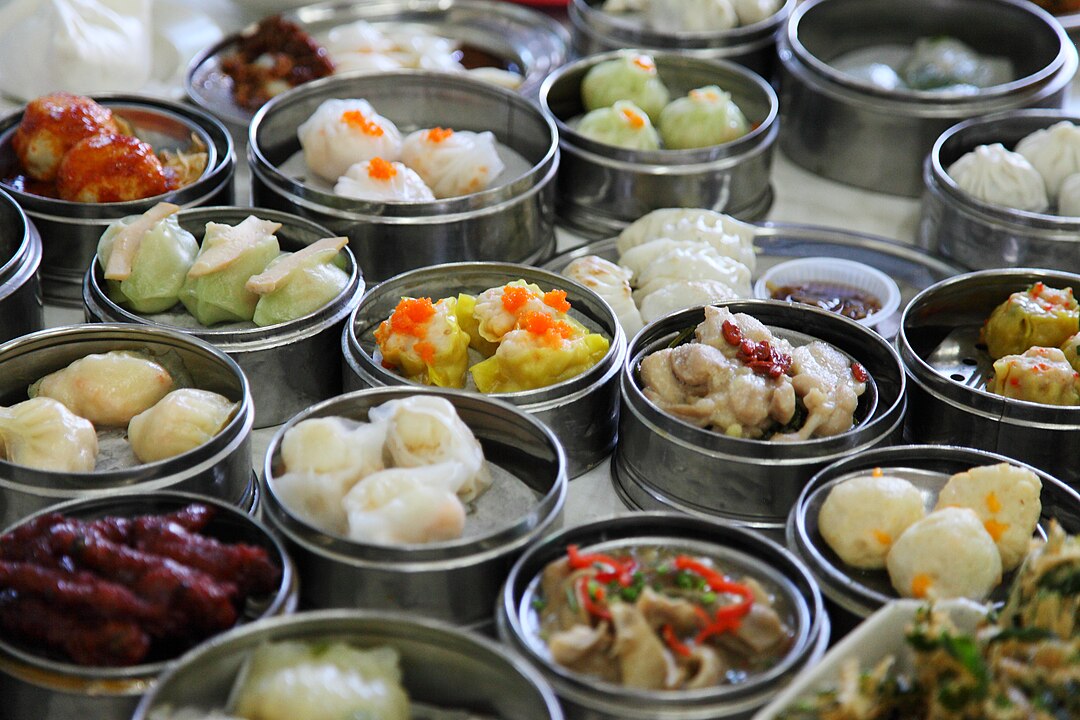
Dim sum is a feat of repetition: thin wrappers, fillings, folding, steaming, and sauces, all done with practiced speed and steady heat. A home attempt can demand special flour, bamboo steamers, and ingredients like dried mushrooms, shrimp, or Chinese sausage that rarely show up in everyday cooking, plus hours of pleating. Restaurants make hundreds at a time and keep steamers running, so a few plates of dumplings and buns often cost less than the tools, the practice, and the trial batch, and the meal comes with dipping sauces that do not require buying full bottles or storing them afterward in a crowded fridge.
Falafel And Hummus Combo
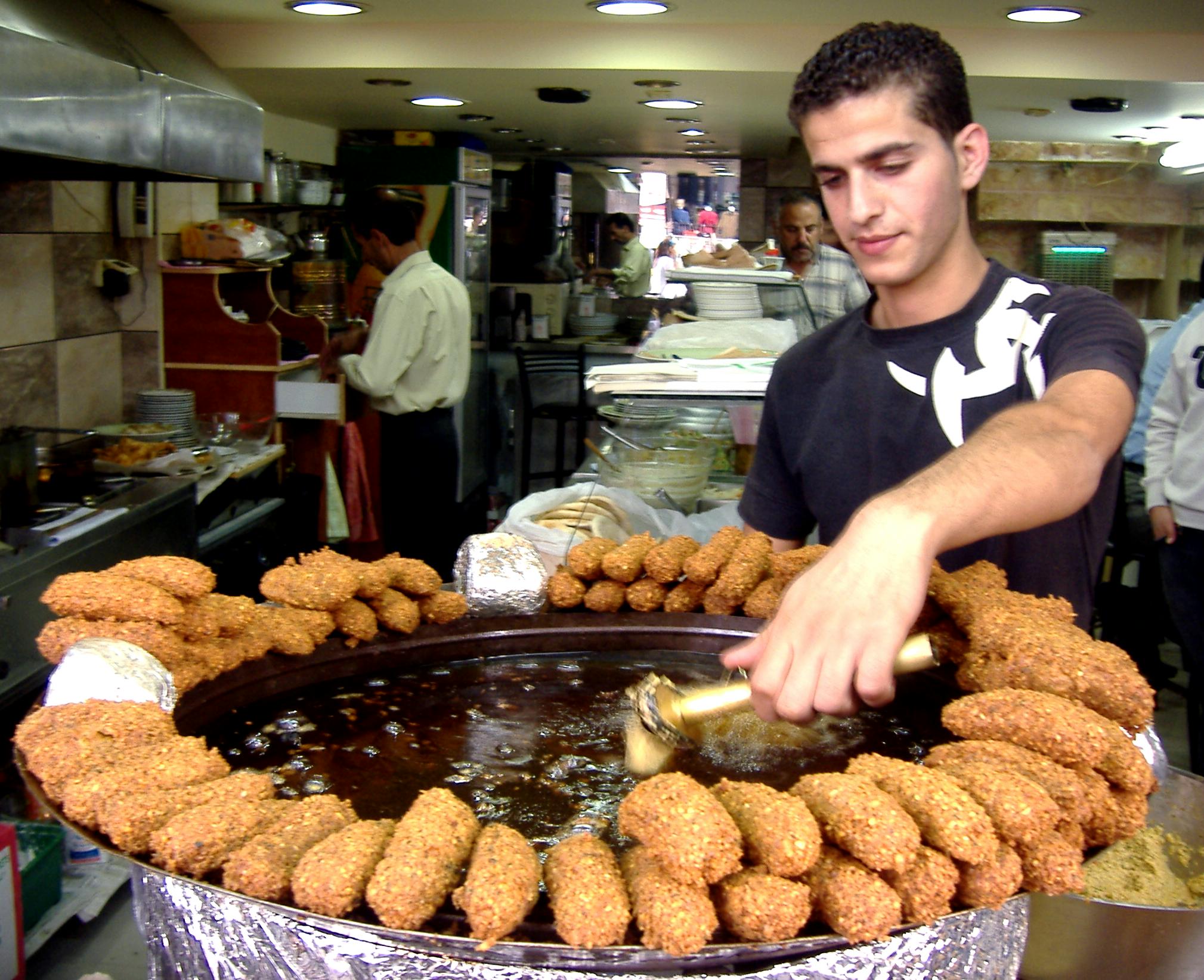
Falafel and hummus look humble, but the real cost is soaking, grinding, seasoning, and frying with steady heat that keeps the inside tender without turning the crust greasy. Small batches can crumble or turn dense, pushing extra testing and extra chickpeas, while tahini, parsley, cumin, and sumac pile up in the cabinet and expire slowly. Shops grind fresh daily, fry consistently, and add pita, pickles, sauces, and salad in balanced portions, which can make ordering cheaper than buying specialty condiments, dealing with used oil, and hoping the texture lands right on the first try every single time.
Barbecue Brisket Or Ribs
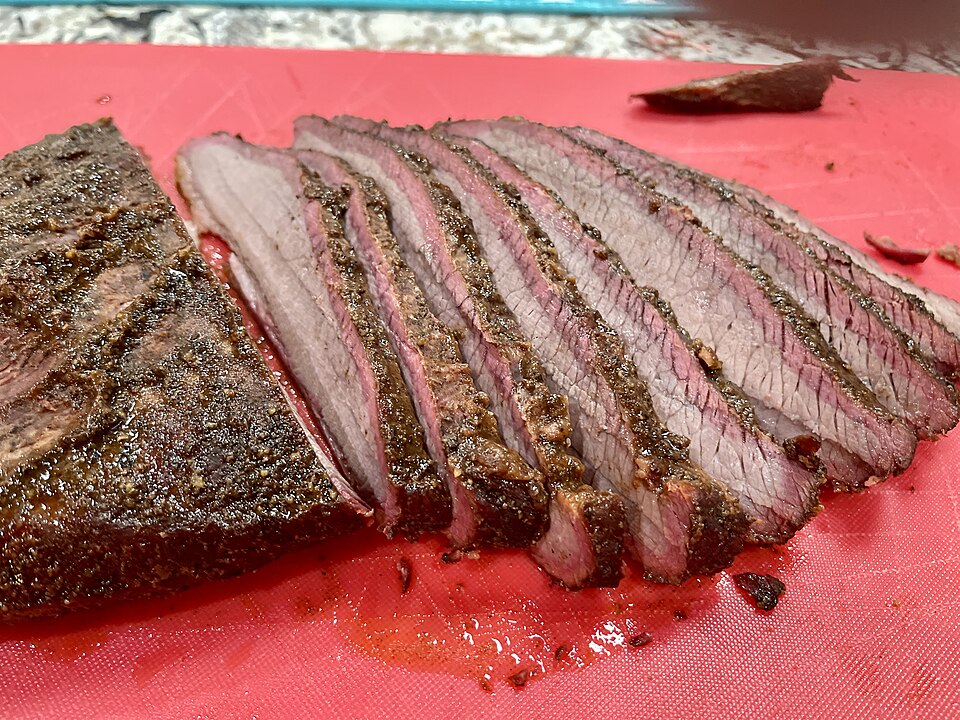
Barbecue costs a lot at home because it eats time, fuel, and equipment before anyone takes a bite, and early attempts can miss that tender finish. Brisket and ribs want hours of low heat, wood or charcoal, rubs, and attention, and even a small cook still means buying a big cut, plus foil, sauce, thermometers, and enough space to rest the meat properly. Pit joints do overnight cooks at scale, use trim in sides, and sell portions all day, so an occasional plate can cost less than turning a weekend into smoke, temperature checks, extra fuel runs, heavy cleanup, and a house that smells like charcoal for days.
Lasagna
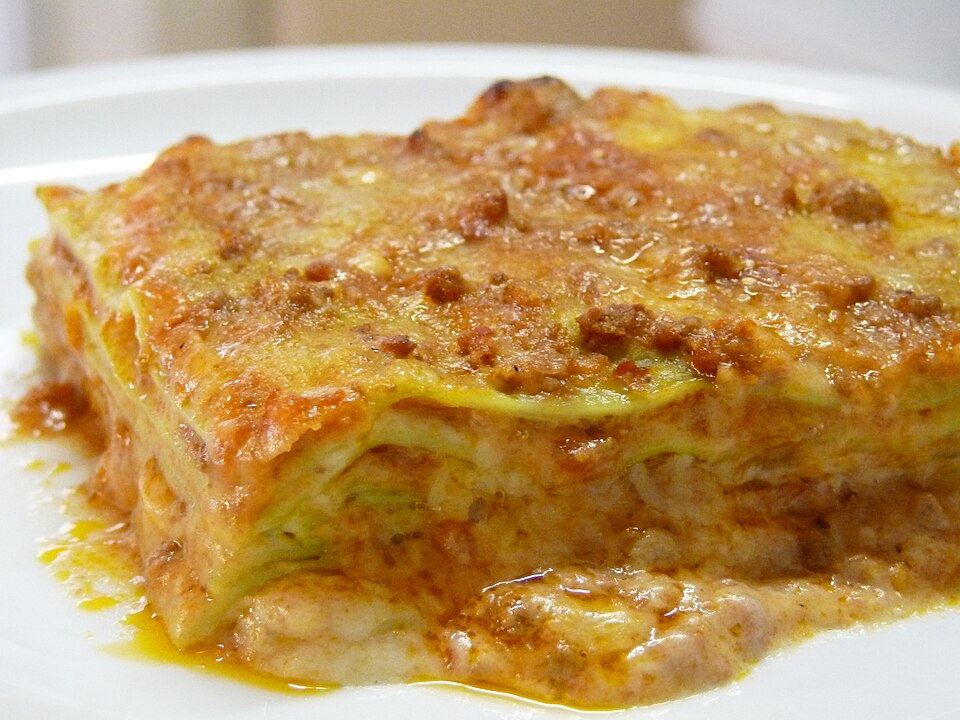
Lasagna is built for a crowd, which is why a small household can lose on the math even when the ingredients look simple at first glance. One pan often means ricotta, multiple cheeses, noodles, sauce, meat, and herbs, plus a long bake that leaves open containers that spoil before they get used, and dishes stacked in the sink. Delis and Italian spots make trays in volume, portion clean slices, and price them fairly, delivering that layered comfort without extra shopping, oven time, or a night spent washing pans, and without leftover cheese bricks taking over the fridge, plus sauce jars and herbs that fade before the next craving.
Croissants And Laminated Pastries

Croissants are a butter-and-time commitment, with folding, chilling, and proofing that depends on cool temperatures, careful timing, and enough counter space to roll dough evenly. High-quality butter is expensive at retail, and one warm kitchen can ruin a batch, wasting hours along with pounds of ingredients that cannot be repurposed easily into weeknight meals. Bakeries run mixers, proofers, and ovens daily, then sell singles and two-packs that deliver crisp layers and tender centers without the risk, the mess, the waiting, or the leftover butter and flour that go stale before the next attempt.
Donuts

Donuts are a fryer project with yeast timing, oil temperature control, glaze texture, and a counter that turns into an assembly line from shaping to cooling to dipping. A home batch needs deep oil, racks, and cleanup, plus leftover sprinkles, extracts, and glazes that sit for months, and oil that must be strained, stored, or tossed. Shops keep oil steady, move volume fast, and price a box to sell, so donuts often cost less than buying oil, sugar, flavorings, and supplies, then dealing with lingering odors, sticky bowls, and a pot that needs serious scrubbing long after breakfast on a Saturday.
Ice Cream Sundaes And Mix-Ins

Scratch ice cream can mean cream, egg yolks, sugar, chilling, and a machine, plus mix-ins bought in full bags for a single batch, from cookies to nuts to chocolate. Even no-churn versions leave extra cream that spoils quickly and toppings that drift to the back of the pantry, half used and forgotten until it is too late. Ice cream shops spread equipment costs across daily sales, keep sauces hot and cones crisp, and offer variety by the scoop, making sundaes cheaper than they seem once waste, freezer space, cleanup, and leftover ingredients are all included, down to the last spoonful and crumb.