
Boxing Day often arrives with a double mood: quiet morning calm, then a sense that normal life is starting to stir again. In some places it extends Christmas with visits, leftovers, and long walks. In others it turns into a public day shaped by sports schedules and shopping hours. Underneath the modern habits sits an older idea that still matters. Dec. 26 became a time for gratitude, charity, and small social rituals that kept the holiday spirit going one day longer.
Not About The Sport Of Boxing
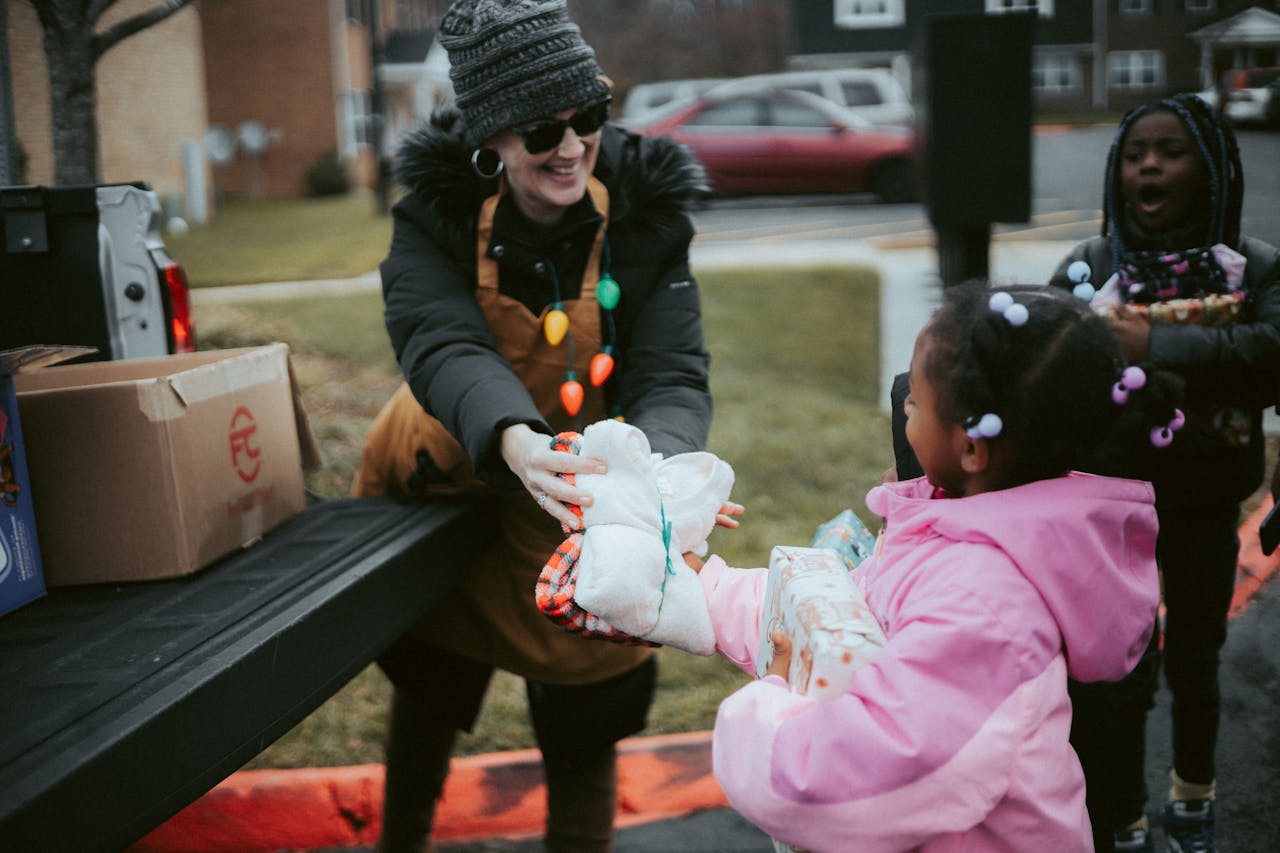
Despite the name, Boxing Day has nothing to do with gloves or a ring. Most explanations link it to “Christmas boxes,” small gifts or cash given after Christmas to workers, tradespeople, and service staff, and to a church custom of opening alms boxes on Dec. 26 to distribute donations. What makes it surprising is the direction of the day: Christmas turns inward to family tables, while Boxing Day turns outward to gratitude, tips, and practical help, a reminder that the holiday only works because many people keep kitchens, streets, and shops running in the background. That old purpose still makes the name feel oddly warm once it is understood.
Built On The Second Day Of Christmas

Boxing Day falls on Dec. 26, sitting inside the traditional twelve days of Christmas in many Western calendars. In much of Europe that same date is Saint Stephen’s Day, so it carries a religious identity even where the phrase Boxing Day is rarely used. That overlap helps explain why the day feels like Christmas continuing rather than ending: visits stretch on, public closures linger, and giving customs fit naturally right after Christmas Day, when families are still together, leftovers are still warm, and the mood is still gentle. It explains why many people treat Dec. 26 as a continuation, not an afterthought.
Servants And Staff Were Central To The Original Custom
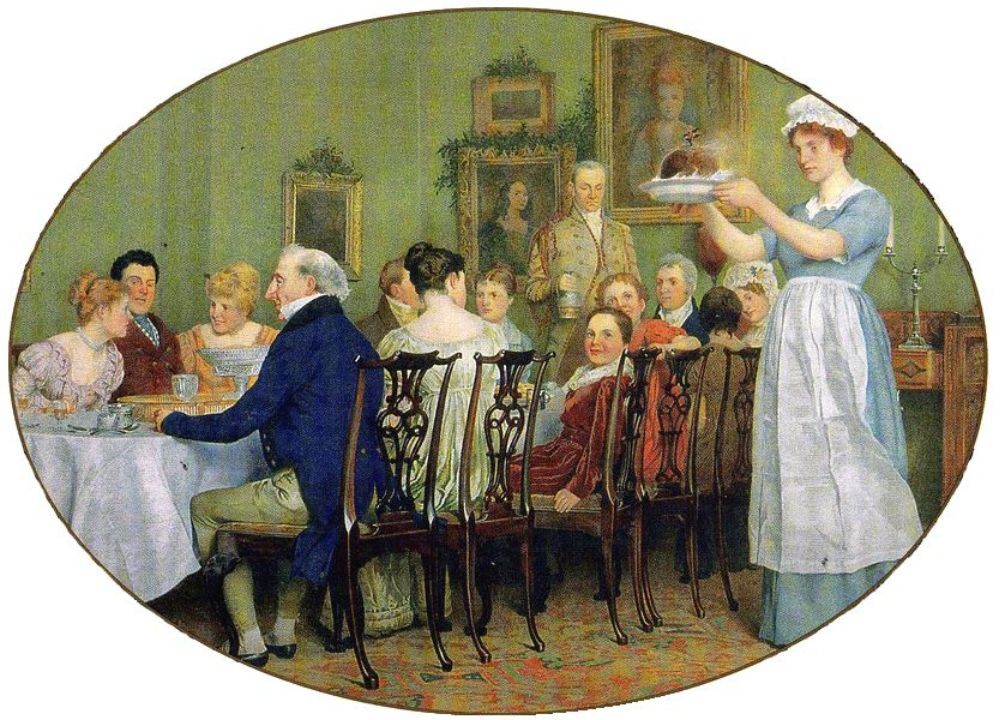
Older descriptions of Boxing Day center on the people who worked while others celebrated. Household staff could finally take Dec. 26 off and receive a box of money, leftover food, or useful goods as thanks, and tradespeople might get a small gift for a year of steady service. The surprise is how direct the tradition is about appreciation: it treats labor as part of the holiday story, not background noise, and that meaning still shows through whenever a city uses the day to say thanks, share food, or acknowledge the people who keep daily life moving. The day’s quiet thank-you is the part that tends to survive every modern reinvention.
The Public Holiday Can Move When Dec. 26 Falls On A Weekend
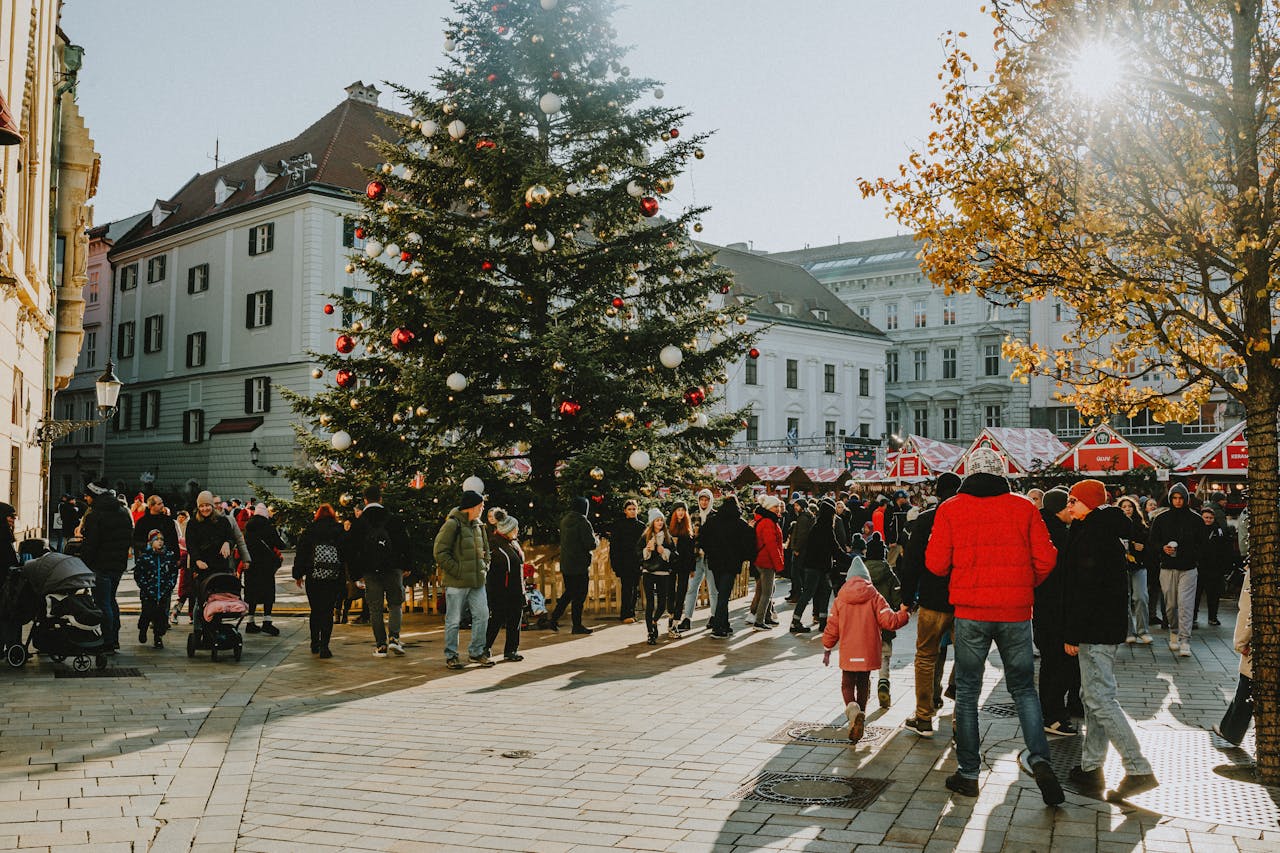
In countries where Boxing Day is a public holiday, the day off does not always stay on Dec. 26. When the date lands on a weekend, many places shift the observed holiday to the next weekday so workers still get the break, and calendars will label it accordingly. That detail matters for travel because store hours, rail timetables, and museum openings follow the observed date, not the historical one, so a visitor can arrive expecting normal service on Dec. 27 and find quiet streets, limited schedules, and family closures that are completely planned. Knowing the rule ahead of time prevents needless stress at the station and the front desk.
It Has A Second Name That Reveals Its Roots
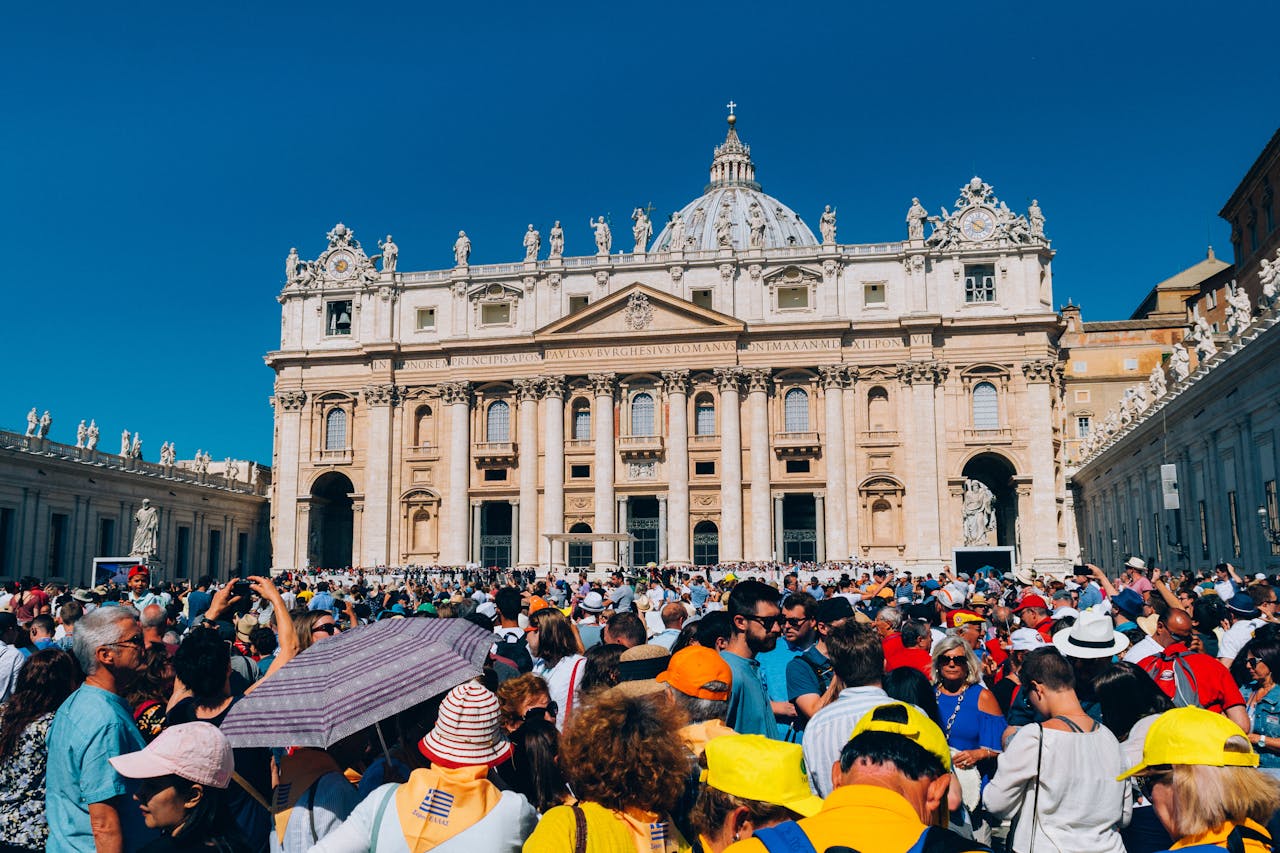
Boxing Day is sometimes described as an “Offering Day,” a phrase that reveals the older meaning more clearly than the modern label. The wording frames Dec. 26 as a day for charitable giving and community support rather than gift opening inside the home. Even in places where sales dominate, the idea still fits: people visit neighbors, share leftovers, donate to local causes, and pass along extra food, warm clothing, or small cash gifts, keeping the season rooted in care instead of only consumption and receipts. The best versions of the day still feel simple, like generosity done without a spotlight.
Shopping Took Over Later Than Many People Assume
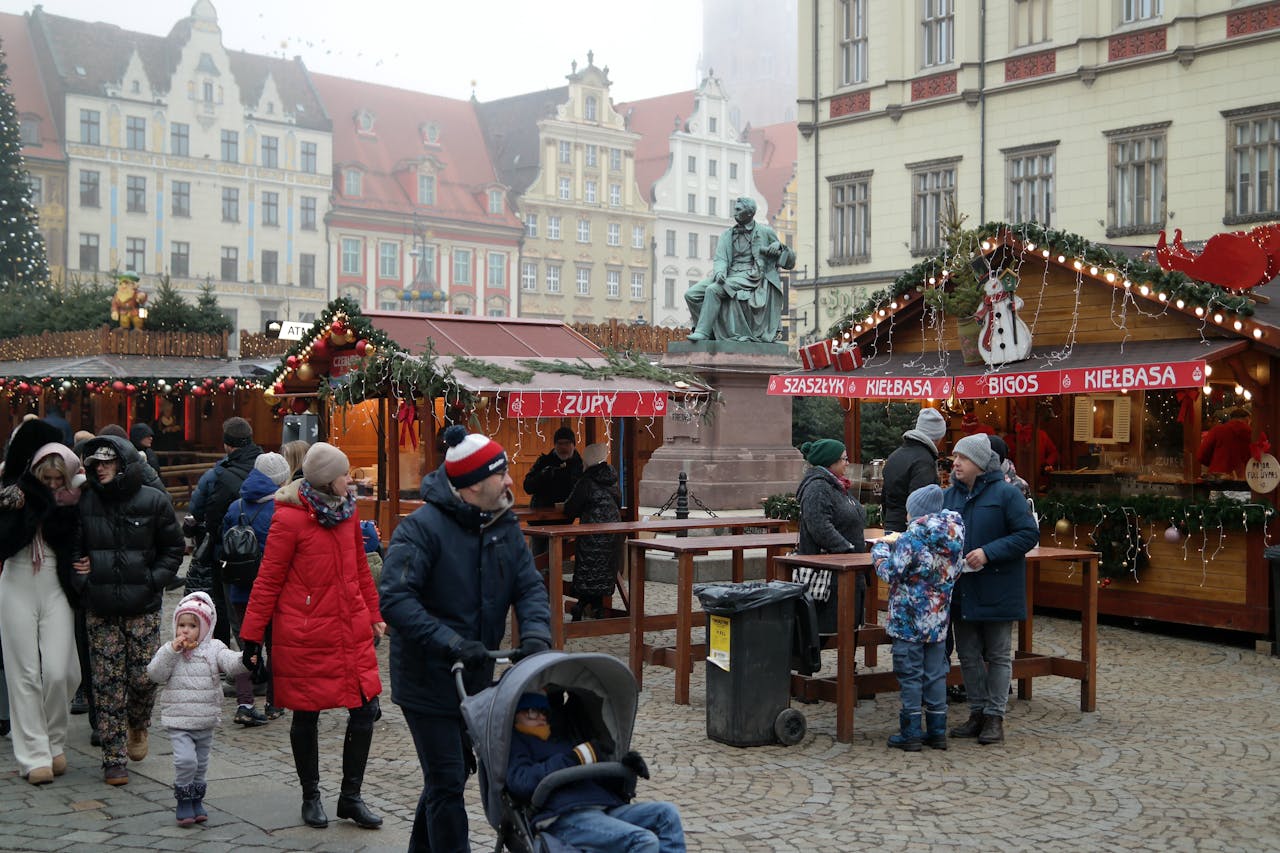
Many people assume Boxing Day shopping has always been the point, but that takeover is relatively modern. Retailers turned Dec. 26 into a major sales day to clear inventory and pull crowds back into stores as the holiday pause starts to lift. The result is a split personality: a day rooted in gratitude becomes a day defined by bargain hunting, returns, and crowded sidewalks, yet the timing explains the habit, because people are off work, gift exchanges are fresh, and the world feels ready to reopen one careful step at a time. In other words, the crowds are new, but the instinct to keep the holiday moving is older.
Sports Are A Core Tradition, Not Just A Side Activity
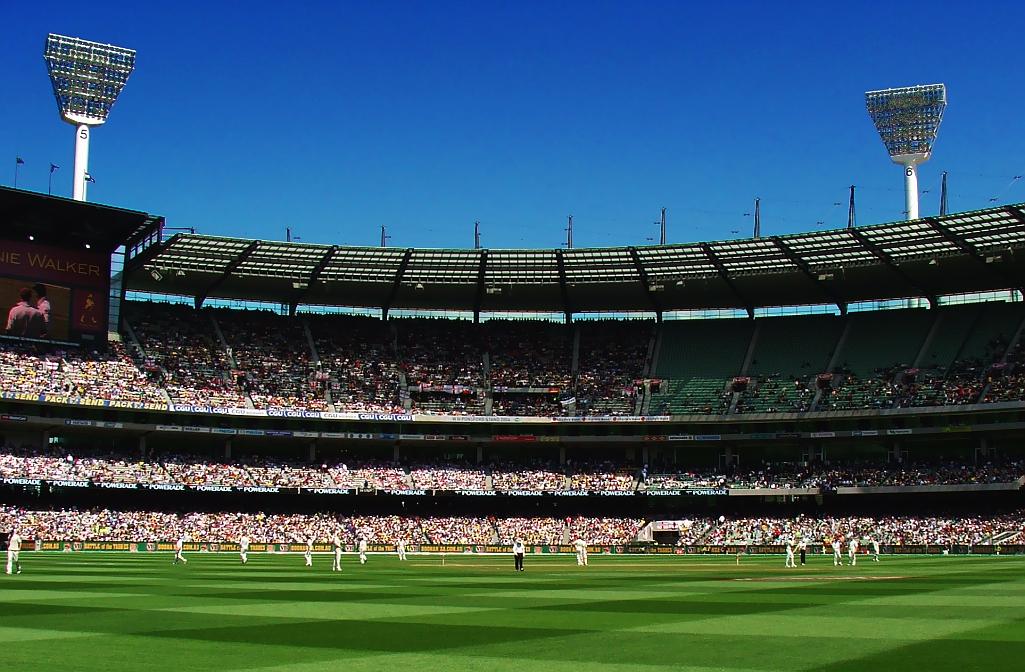
In several countries, Boxing Day is as much about sports as it is about shopping. In the U.K., football fixtures on Dec. 26 are a long-running tradition that families plan around, and pubs fill as the holiday mood continues in public. Across the Commonwealth, big matches and races give the day a shared schedule, turning it into a gathering point with kickoff times, familiar chants, and warm food after cold walks, so the holiday stays social even when offices are closed and the week still feels slow and festive. For many households, that shared timetable is the tradition, even more than the shopping.
South Africa Officially Calls It The Day Of Goodwill

In South Africa, Dec. 26 is officially known as the Day of Goodwill, which makes the spirit of the holiday unmistakable. The name shifts attention away from boxes and toward intention: kindness, visits, and community care that feels personal rather than transactional. It also shows how the same date adapts across countries; the calendar stays, but the emphasis changes, encouraging a softer day of shared meals, checking in on neighbors, and small generosity that can be as simple as hosting family, sharing transport, or bringing food to someone who could use company. The name keeps the mood steady as habits change.
The Boxing Day Test Turned A Date Into A Global Sporting Marker
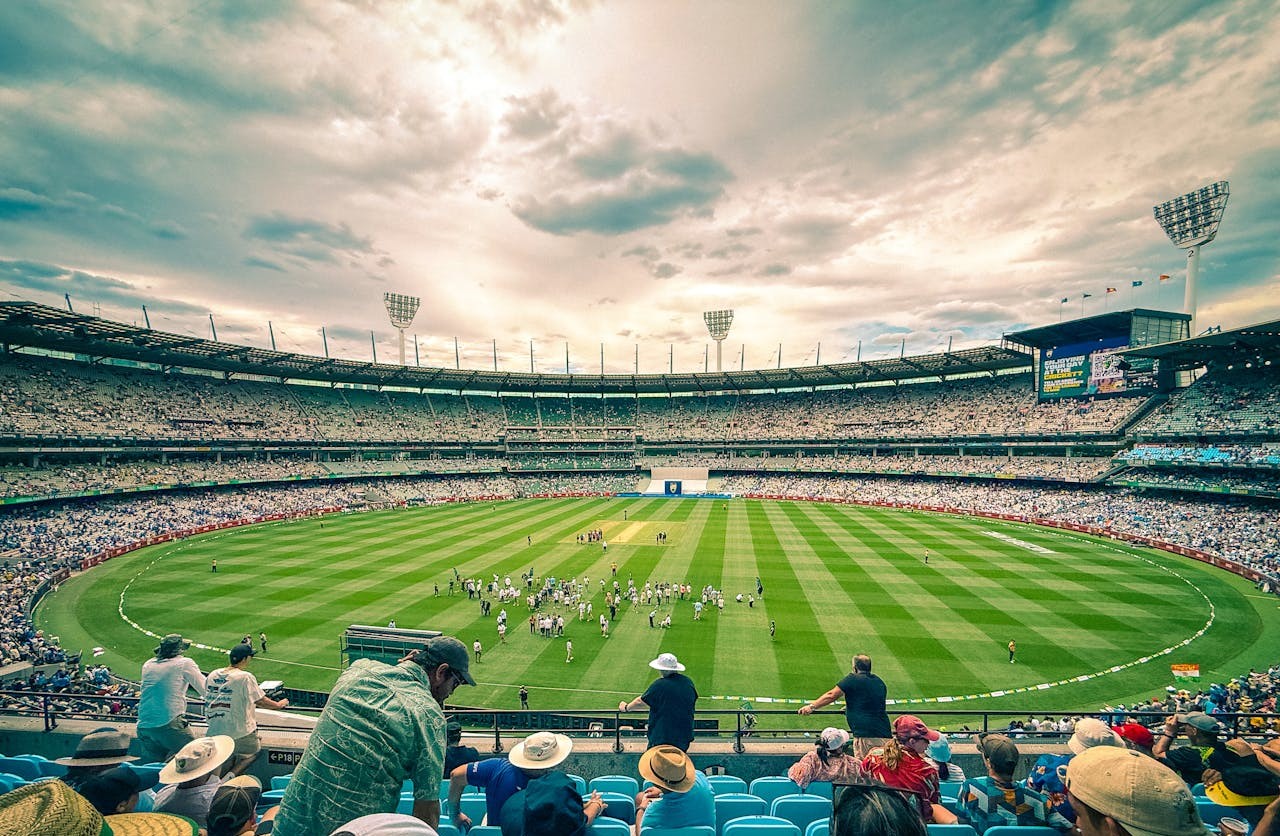
Australia has a Boxing Day tradition so famous it works like a global timestamp: the Boxing Day Test in cricket, typically starting on Dec. 26. For fans, the match signals summer, long sessions, and the sense that the holiday break is still unfolding rather than finished. Even people who do not follow cricket recognize the phrase because it anchors the date in public life, proving Boxing Day can be about shared rituals, time together, and a predictable rhythm that repeats each year, linking family gatherings, TV schedules, and conversations across time zones. It turns a date into a shared reference point, the way a song marks the season.
It Functions As Part Two Of A Two-Day Holiday Flow

Boxing Day often works as part two of a two-day holiday flow. Christmas Day carries the ceremony, while Dec. 26 feels more lived-in: leftovers, casual visits, and the first long walk when streets are quieter but still festive. That second day matters because it slows the return to normal life; people exchange gifts, return items, nap without guilt, and let the season settle, so the warmth lasts longer than a single night and the holiday feels like a gentle stretch instead of a hard stop. It is the day that lets the holiday soften into everyday life, instead of snapping back overnight. It gives people space to breathe.
Its Origin Story Is A Family Of Theories, Not One Proven Tale
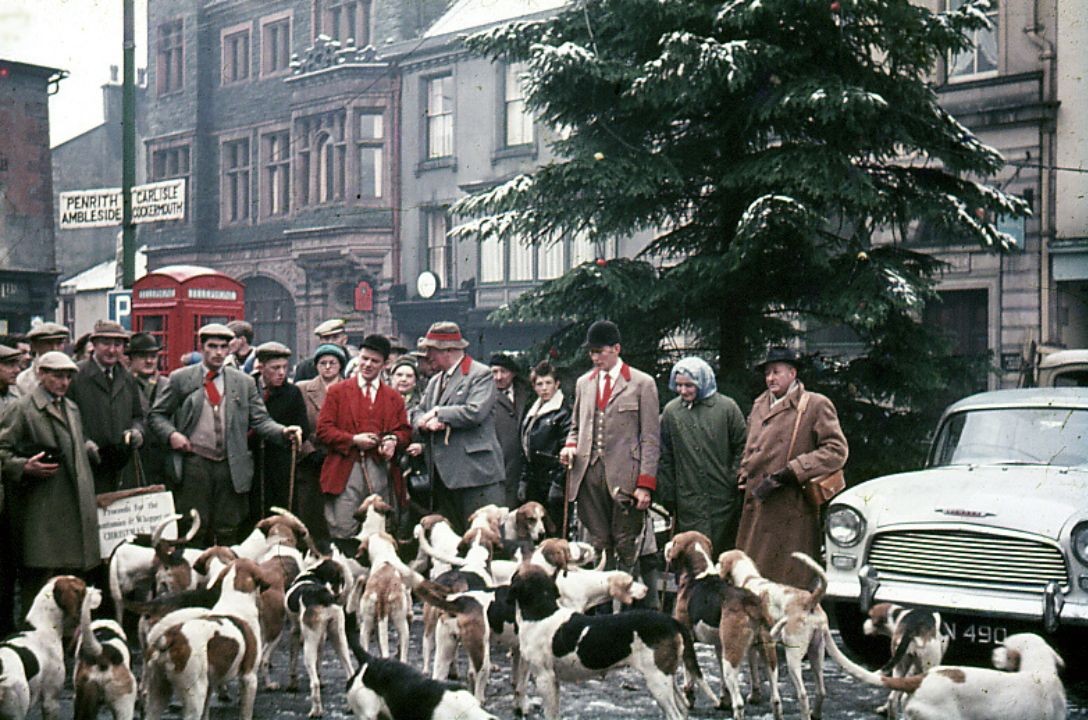
Even with its popularity, Boxing Day does not have one universally proven origin story. Different explanations highlight church donation boxes, “Christmas boxes” for workers, and tipping tradespeople after a year of service, each pointing to a slightly different starting point. What matters is that these stories agree on the theme: gratitude and support for people outside the main celebration, which explains why the holiday keeps reinventing itself while still feeling familiar, year after year, whether it shows up as charity, sport, family visits, or a quiet day off. That flexibility is why it travels well across cultures.