
Geopolitical tension in the Middle East rarely stays on the map; it leaks into everyday prices in quiet, annoying ways.
Air routes shift, fuel markets flinch, and insurers rewrite their risk math, sometimes in the same weekend.
That chain reaction shows up as higher fares, fewer deals, and more fees tucked into checkout screens.
It also lands in places people do not expect, like delivery times, imported snacks, and even the cost of a simple taxi ride.
Restaurants feel it when ingredients travel farther or arrive later, and menus get nudged upward a little at a time.
Businesses hedge by raising prices early, because nobody wants to be the last one eating a sudden cost spike.
Even if a person never boards a plane, energy and shipping can move enough to change weekly spending.
Here is how the ripple works, and what to watch this month so a budget does not get blindsided.
Why Flights Jump First
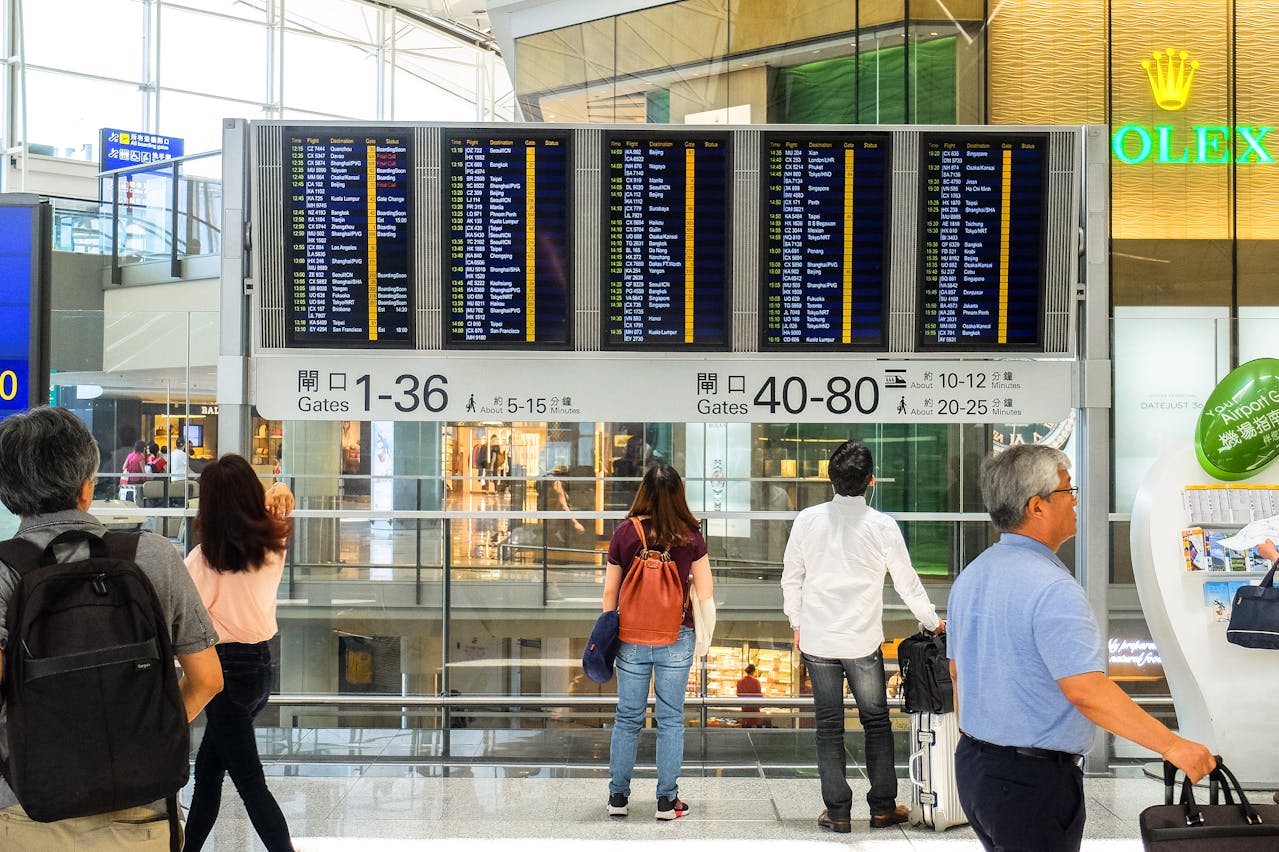
When airspace gets risky or restricted, airlines detour, which adds miles, time, and cost to every seat they sell.
Longer routes burn more fuel and can force extra crew hours. Carriers protect margins with quick fare jumps or fewer discounts.
Even rumors can move prices, because algorithms respond to demand spikes and shrinking seat inventory in real time.
Detours can also disrupt connections, so airlines trim schedules to stay on time. Fewer flights on a route usually means higher averages.
Fuel Prices and Hidden Surcharges
Oil markets react fast to threats around key shipping lanes and pipelines, and traders price in worst case scenarios.
Jet fuel can rise even faster than crude, because refining capacity and local shortages matter as much as headlines.
Airlines may not call it a price hike; they add a fuel surcharge, then adjust base fares so the total climbs quietly.
Budget carriers often keep the sticker fare low but raise charges for bags, seat picks, and even card payments.
Those extra fees are sticky, so prices rarely fall as quickly as they rose, even after the news cycle cools down.
Business travel demand also shifts, and premium cabins can get expensive when companies scramble to reroute meetings.
Reward miles lose power when cash fares surge, since many programs price awards with dynamic charts tied to demand.
By the time a traveler clicks pay, the wallet hit is usually a blend of fuel math, capacity limits, and fee creep.
Shipping Delays That Sneak Into Prices
Conflict risk near major sea routes can slow cargo, because ships reroute or wait for safer convoys and clear signals.
Long detours add days or weeks, and that time turns into cost through fuel, crew, and missed delivery windows.
Marine insurers raise war risk premiums for certain waters, and shippers pass that bill down the chain.
Importers respond by ordering earlier and holding more inventory, which ties up cash and nudges prices higher.
Fast fashion, electronics, and specialty foods feel it first, because they rely on tight schedules and global parts.
Even domestic goods can rise when packaging, components, or fertilizers arrive late and factories pay overtime.
At checkout, it looks like random inflation, but the hidden driver is logistics getting less predictable.
Travel Insurance, Visas, and Risk Fees
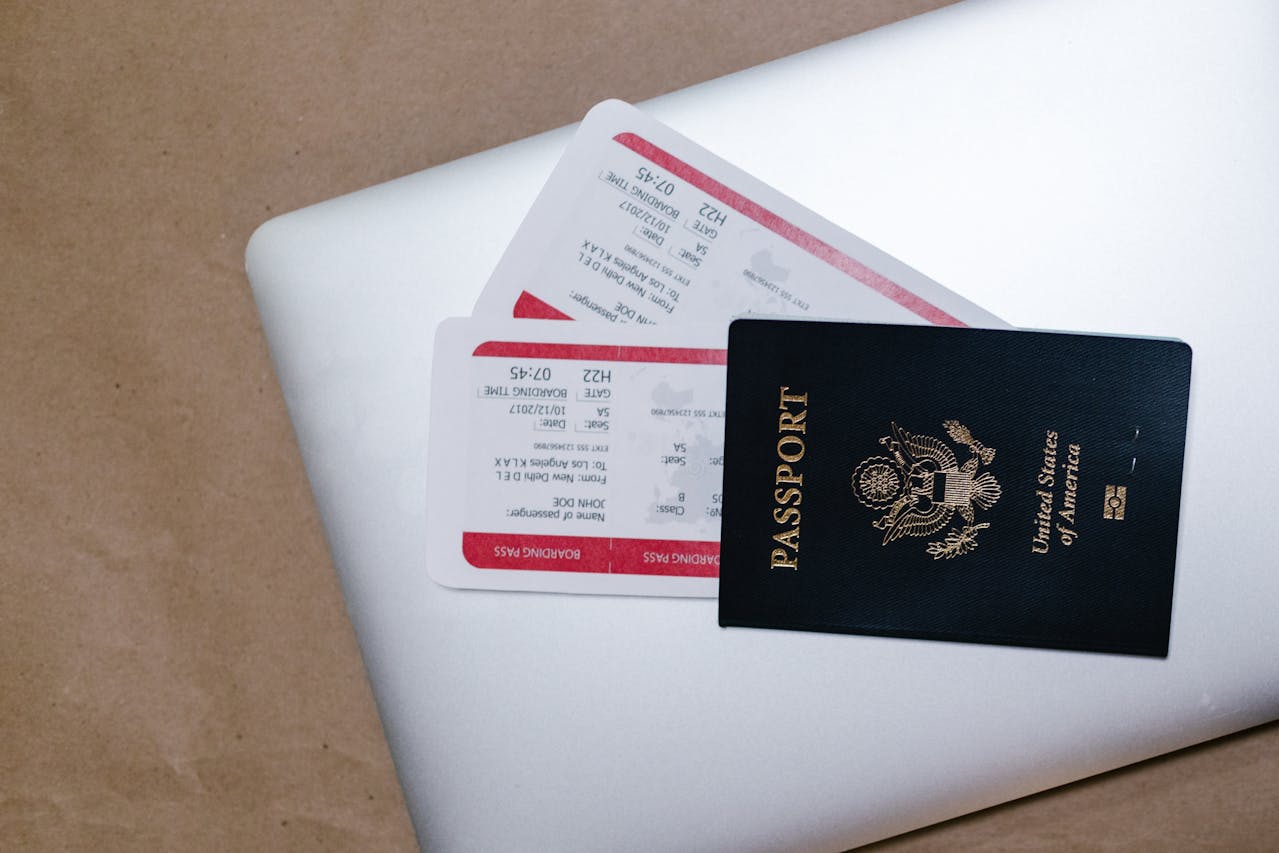
Travel insurance prices can rise when advisories change, because underwriters expect more trip cancellations and disruptions.
Policies may exclude certain regions or events, so travelers end up buying pricier coverage that actually pays out.
Airlines and tour operators also bake risk into their terms, tightening refund rules and pushing credits over cash.
Some airports and countries add extra screening or paperwork, which can mean longer layovers and more paid transfers.
The result is not just a higher ticket price, but a higher cost to stay flexible when plans wobble.
Grocery, Gas, and Utility Ripple Effects
Energy is the main conduit from distant conflict to local budgets, because fuel sets the floor for many other costs.
Gasoline and diesel jumps show up quickly, and trucking surcharges can lift prices for everything from diapers to lumber.
Natural gas volatility matters too, since it feeds power grids and home heating in many regions during peak demand.
Food prices can react through fertilizer, packaging, and refrigeration costs, even when farms are thousands of miles away.
Utilities often adjust with a lag, so bills may rise weeks later and stay high through the next billing cycle.
When households feel squeezed, they cut small extras first, and that shift can hit local businesses that depend on volume.
Currency Swings and Card Conversion Traps
During uncertainty, money moves toward perceived safe havens, and that can swing exchange rates in a hurry.
A weaker local currency makes imported goods pricier right away. It also makes overseas travel feel like paying a penalty.
Card networks and banks may widen conversion spreads, and some merchants push dynamic currency conversion at the register.
That option can look convenient, but the rate is often worse than the bank rate. Declining it can save more than people expect.
Restaurant Tabs and Menu Inflation

Restaurants operate on thin margins, so they react quickly when cooking oil, grains, seafood, or imported spices get pricier.
Delivery fees rise with fuel, and suppliers add their own surcharges, so menus creep up a dollar at a time.
Even a casual night out can cost more when staff hours, refrigeration, and card processing all reflect higher risk and energy.
Practical Ways to Cushion the Shock
Watch the big drivers, not the noise: oil benchmarks, major airspace advisories, and shipping route disruptions.
For flights, compare nearby airports and be flexible on days of the week. Lock in refundable rates only when the premium is modest.
At the checkout, scan for extra fees, and treat bundled offers with suspicion until the final total is clear.
Build a small buffer for essentials like fuel and groceries, then trim optional spending early. Small adjustments feel painless and prevent panic later.