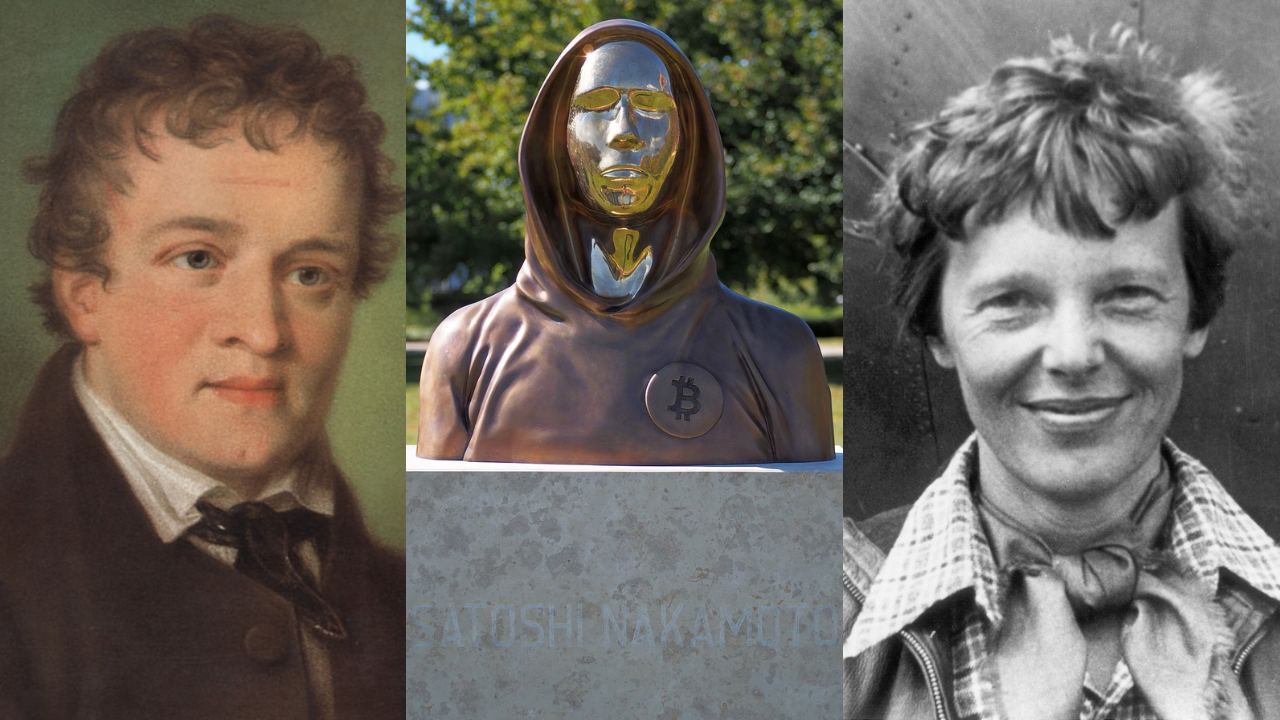
Some names drift through history like footprints in fog, visible just long enough to spark certainty before they blur again.
Their stories survive in scraps of letters, courtroom notes, ship logs, and rumors repeated until they harden into legend, but the person at the center stays oddly out of reach. Sometimes the mystery is accidental, a fire in an archive or a lost page; sometimes it is deliberate, a mask, a pseudonym, or a family that refuses to speak. What remains is the tension between evidence and imagination, and the quiet pull of unanswered identity. Even with modern tools, the gaps stay stubborn, and intimate.
Satoshi Nakamoto
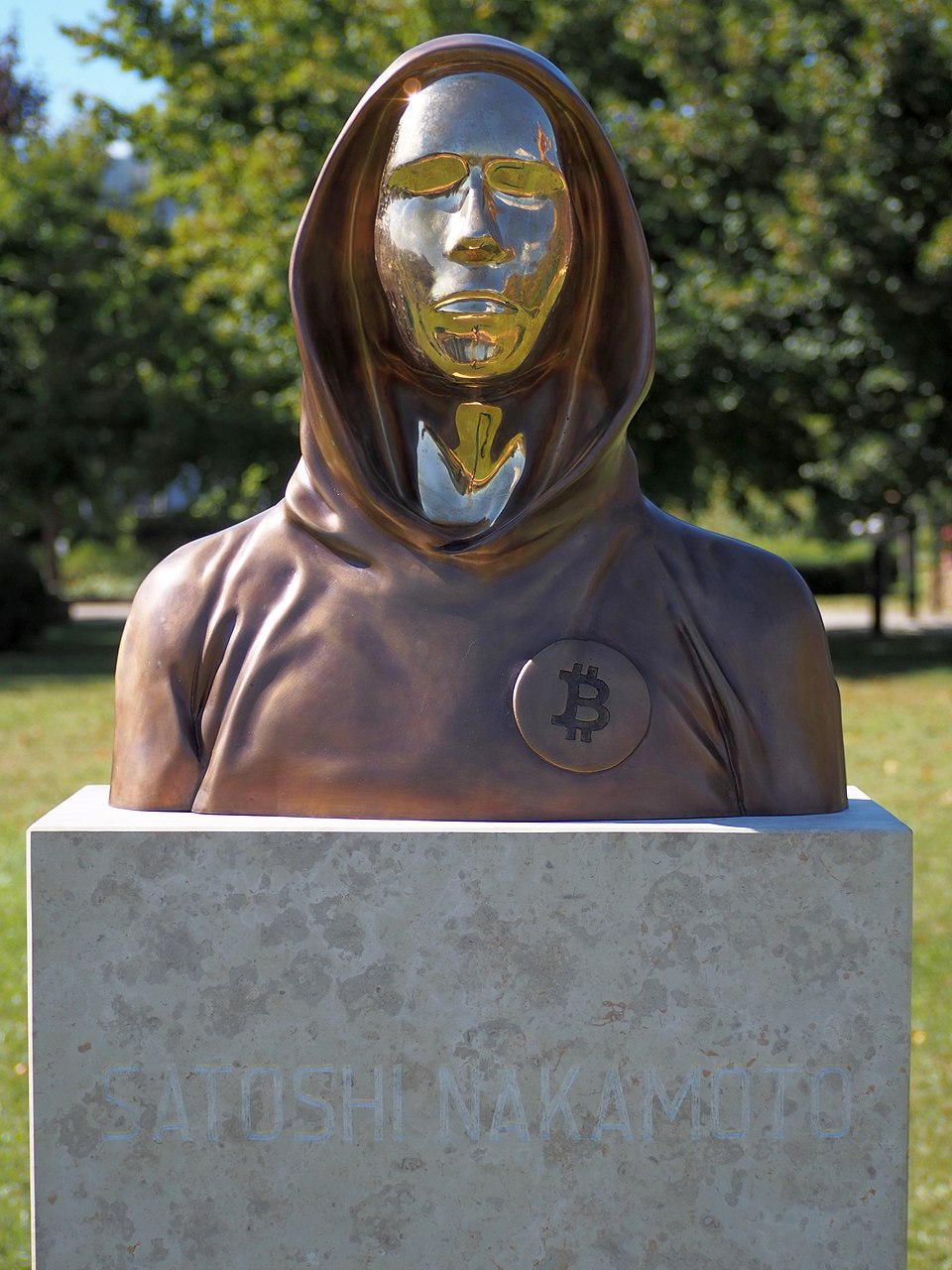
Satoshi Nakamoto introduced Bitcoin in 2008 and then, within a few years, stepped away while the project kept growing.
Emails and forum posts show a careful thinker who avoided personal detail, shared code, debated design choices, and refused to become a public leader. The name might represent one person or a small team, and proposed real-world candidates have never produced decisive proof. What makes the mystery unusual is its scale: a hidden identity tied to technology that reshaped finance, privacy debates, and regulation. Satoshi’s silence turned authorship into folklore, and left a global system without a known founder.
Homer
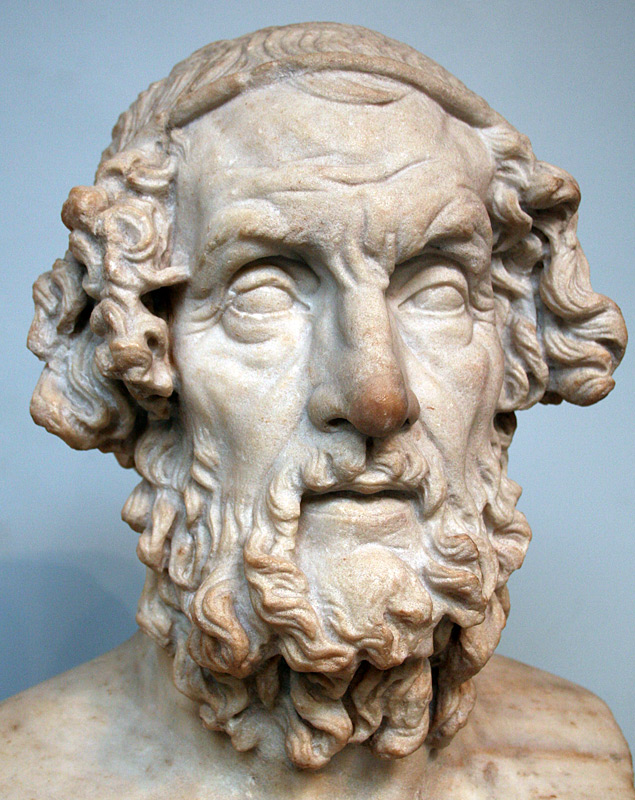
Was Homer a single poet, a circle of singers, or a name later editors used to give authority to tradition?
“The Iliad” and “The Odyssey” carry a voice that feels unified, yet they also show layers, seams, and regional memory stitched together over time. Scholars point to oral-performance techniques, repeating phrases, and episodes that can shift like modular pieces. Ancient biographies read like guesswork, and even Homer’s birthplace becomes a contest among cities. The result is a founder without a face, where the poems feel real, but the author remains a moving silhouette. The doubt keeps the epic tradition untethered, and alive.
Kaspar Hauser
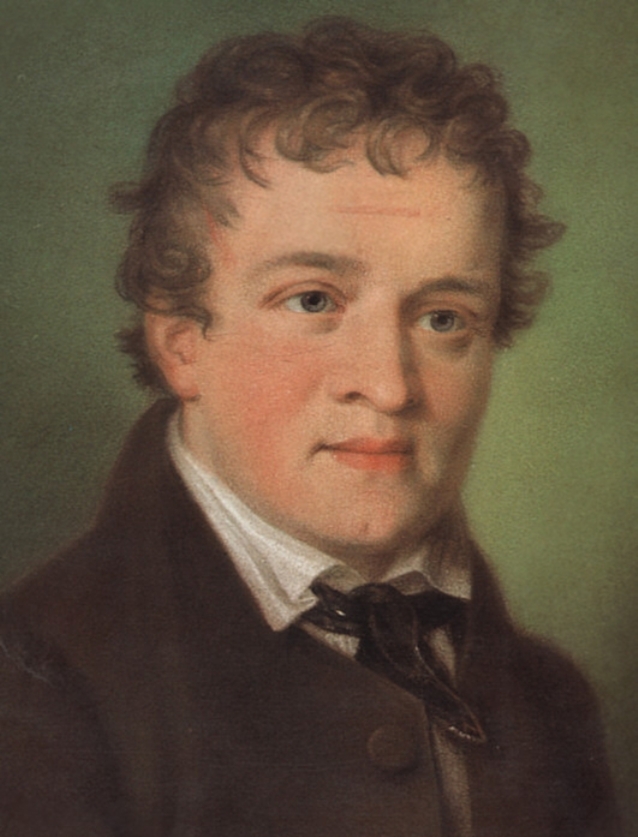
In 1828, Kaspar Hauser appeared in Nuremberg with a strange story of isolation and a shaky grasp of ordinary life.
Some believed he was a hidden aristocratic heir, removed to prevent a succession claim; others saw a talented impostor shaped by need. He became a public fascination, gathered patrons, and drew investigators, yet every attempt to pin down his origins ran into contradictions. After a puzzling injury in 1833, he died, and the paper trail ended where it was most needed. The unsettling part is how quickly a person can become a symbol, and how little certainty follows. Even now, it toggles between tragedy and performance.
Amelia Earhart

Amelia Earhart’s disappearance in July 1937 froze a modern hero inside an old-fashioned mystery: a final radio call, then silence.
She and navigator Fred Noonan were attempting a round-the-world flight when contact faded near Howland Island in the Pacific. Search efforts were massive for the era, but wreckage was never confirmed, and competing theories filled the vacuum. Some point to a crash at sea, others to a landing on a remote atoll, and each new artifact claim reopens the argument. Her story endures because it sits at the edge of certainty, where courage and chance meet. The missing proof keeps the story balanced on doubt.
Edward V
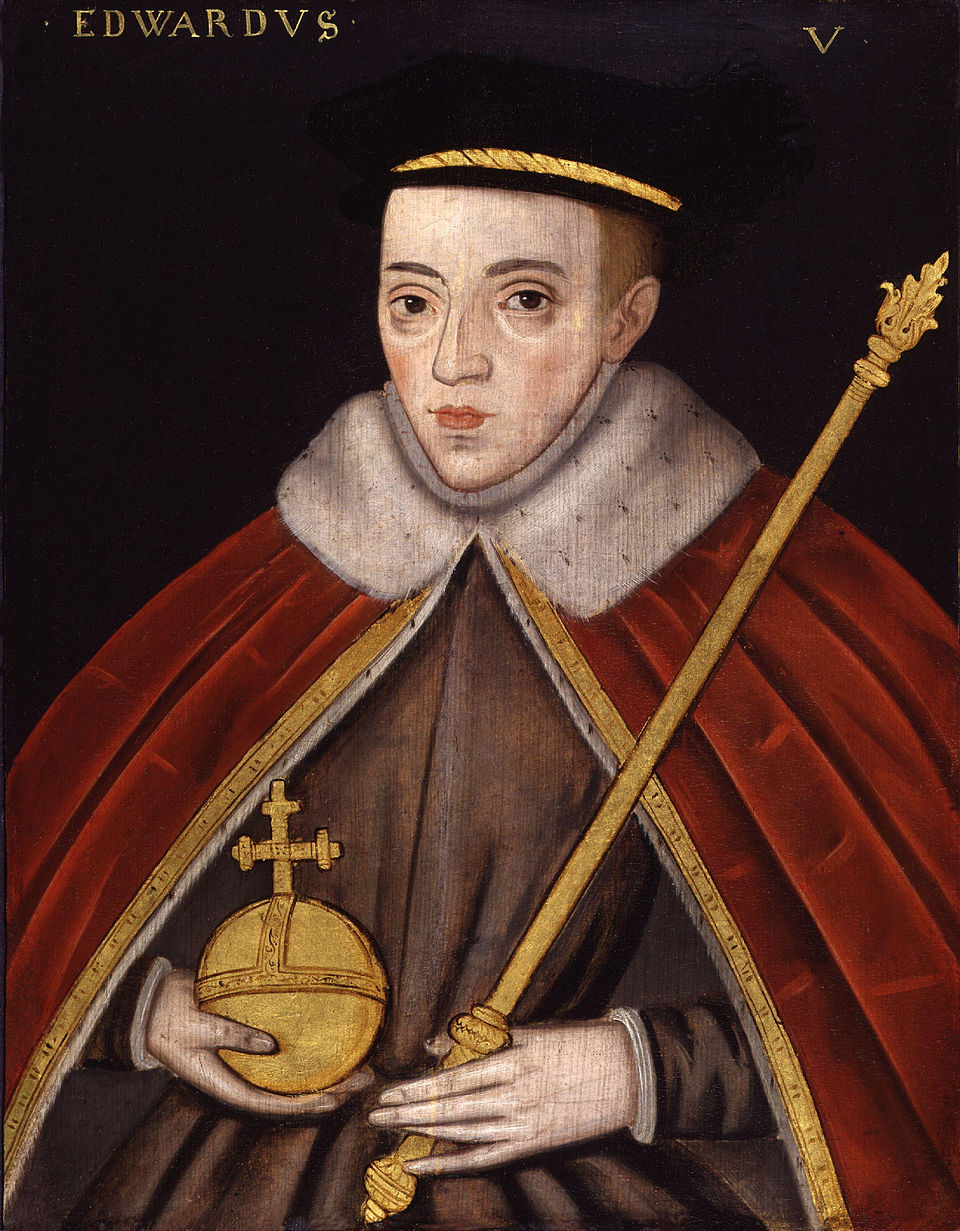
Edward V was 12 when he became king in 1483, and the crown immediately pulled him into a web of adult calculation.
Taken to the Tower of London for what was said to be safekeeping, he and his younger brother were gradually seen less and less. Within months, their uncle Richard III was crowned, and the boys slipped out of the official record. Later rumors accused rivals, defenders argued innocence, and centuries of debate turned two children into political evidence. The haunting detail is not what is known, but what is missing: clear sightings, reliable letters, and any agreed ending. The gap in their story still sharpens theories.
Richard, Duke of York
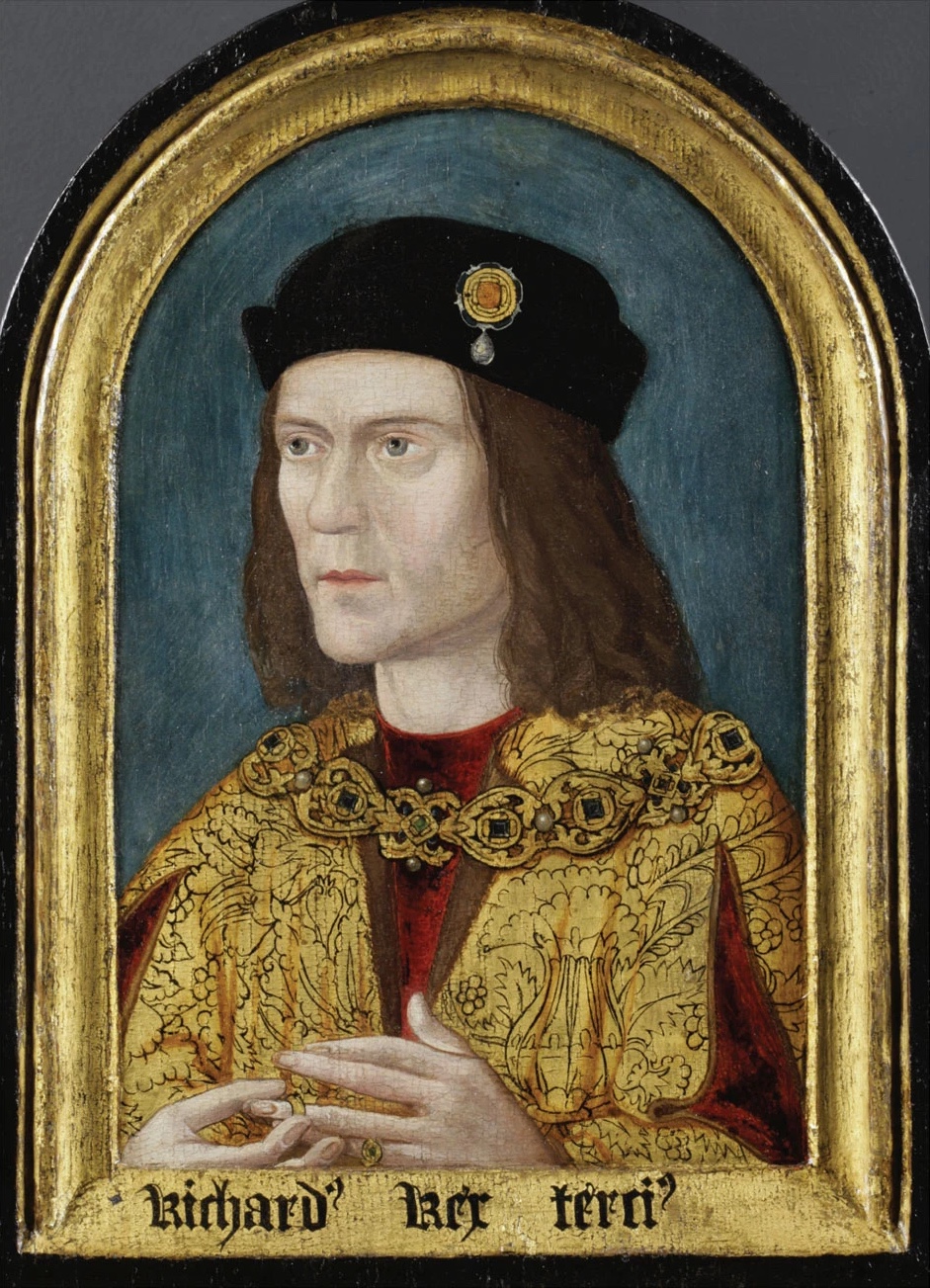
Richard, Duke of York, was only about 9 when he entered the Tower alongside his brother, and his fate became entangled with England’s crown.
Because he was younger, later centuries treated him as the more plausible survivor, a loophole big enough for hope and deception. Impostors like Perkin Warbeck claimed to be Richard, gathered supporters, and forced the Tudor state to prove a negative. Even when politics moved on, the question stayed: did any child escape, or did the story end quietly behind stone walls? The mystery persists because it mixes grief with identity, and because certainty arrived too late to heal the moment.
Neferneferuaten
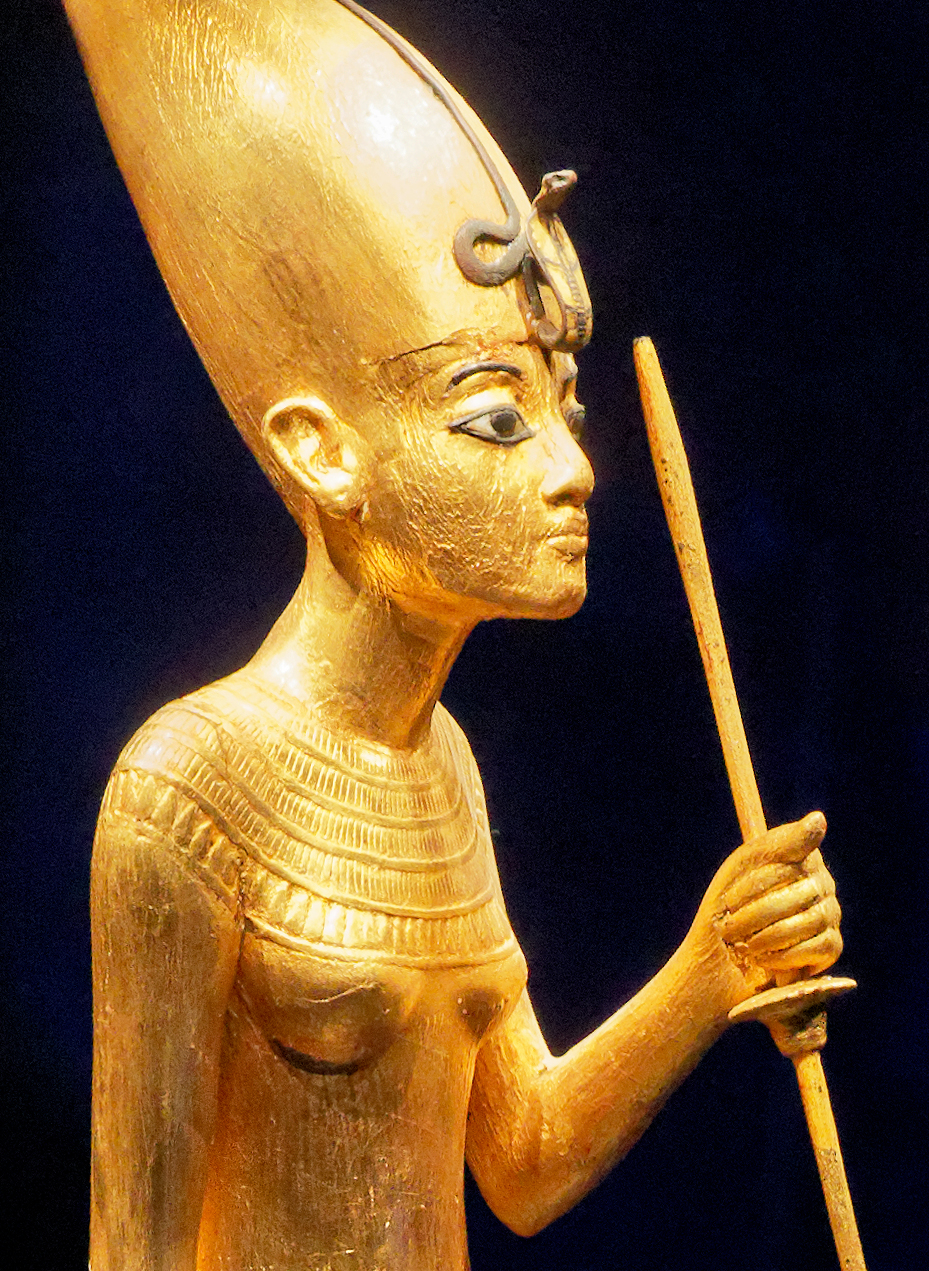
Neferneferuaten appears in late 18th Dynasty records like a ruler stepping briefly into torchlight, then vanishing.
The name shows up on royal objects and inscriptions after Akhenaten’s reign, but the person behind it is still argued over. Some historians link it to Nefertiti, others to Meritaten, and the surviving evidence is thin and politically loaded. In a court where titles were weapons and images were propaganda, the uncertainty is part of the point: power could be visible, while the individual holding it stayed carefully obscured. Rulers dismantled the Amarna legacy, so clues were erased, reused, or buried under new names.
Smenkhkare
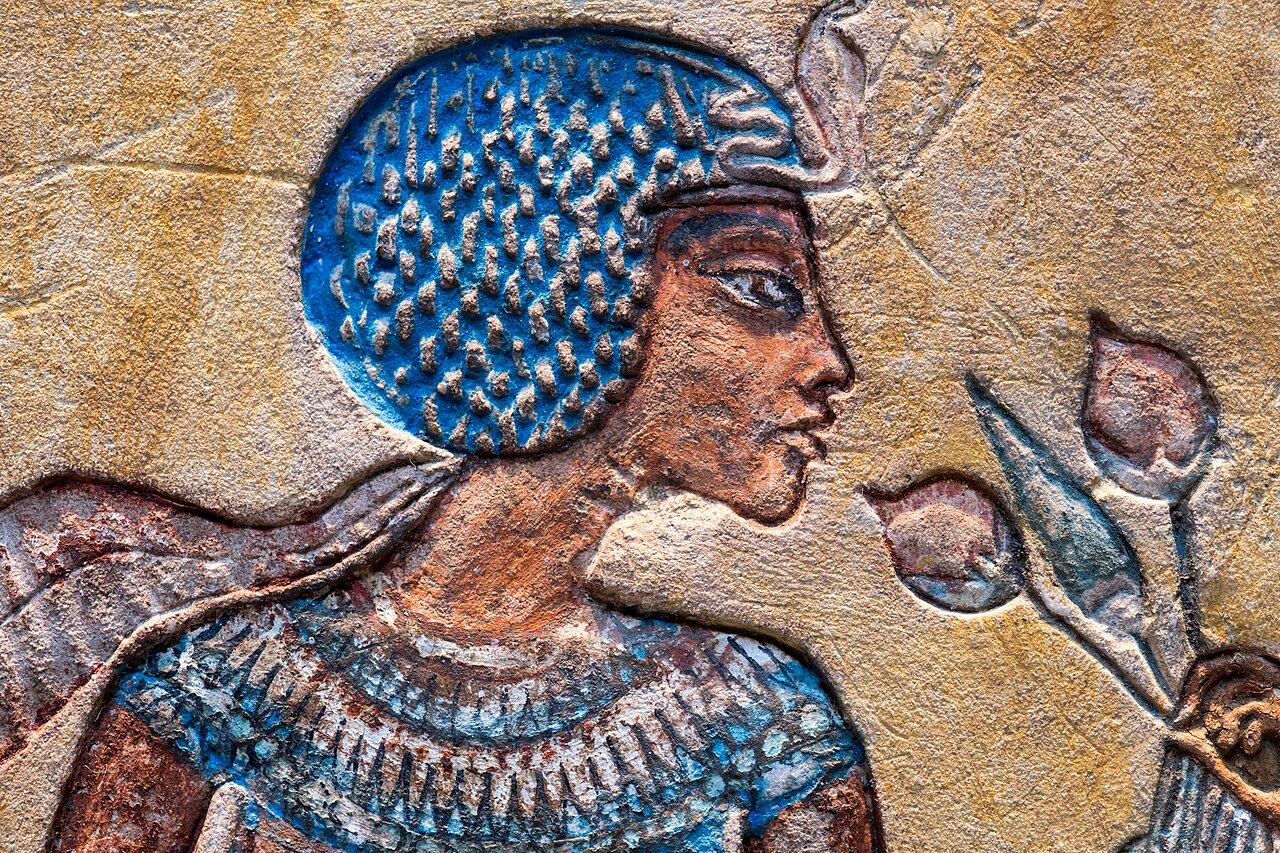
Smenkhkare is one of Egypt’s most puzzling pharaohs, mentioned just enough to feel real and just little enough to resist certainty.
A short reign is implied by a scattering of inscriptions, a few royal names, and a tomb context tangled with the Amarna court. Was Smenkhkare a brother, a son-in-law, or a co-ruler used to smooth a dangerous succession? The record is fragmented, and later officials had reasons to tidy the story. That leaves a royal figure suspended between biography and bureaucratic shadow, defined more by transition than by a clear life. Even face behind the name shifts as artifacts were relabeled and titles recycled.
The Man in the Iron Mask
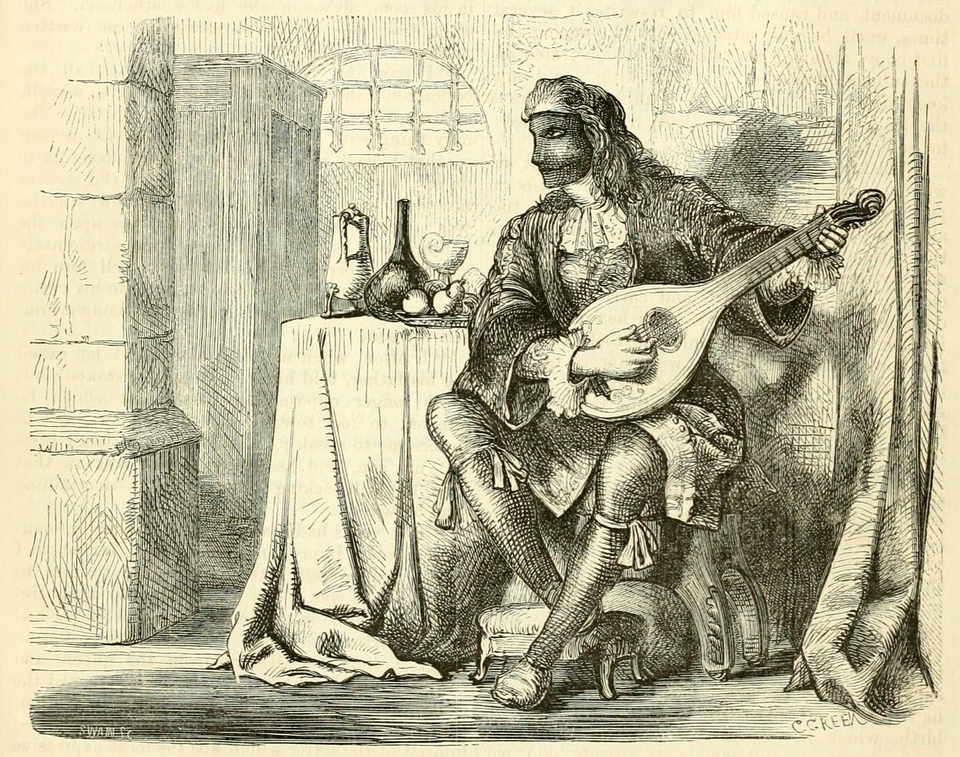
France kept a prisoner under extraordinary secrecy in the late 1600s, moving him between fortresses and shielding his identity.
Later storytellers turned the restraint into an iron mask, but records suggest a concealed face and strict orders to prevent recognition. The captive died in Paris in 1703, buried under an alias, while gossip raced ahead of facts. Was he a disgraced noble, a political liability, or simply someone who knew too much? The state’s silence did what it often does: it made a single life feel like a riddle designed for future generations. Voltaire and Alexandre Dumas fed the legend, but paper trail stayed thin.