
For years, Boomers were cast as the generation that missed the memo. While startups promised frictionless futures and social feeds crowned every novelty as inevitable, older voices kept asking plain questions: who profits, who carries the risk, and what happens after the hype cycle ends?
By 2025 and into 2026, many of those questions looked less cynical and more practical. A surprising number of celebrated trends did not evolve into durable habits. They shrank, reset, or collapsed under the ordinary pressure of cost, trust, and daily life. Their memory of earlier bubbles gave that skepticism a longer time horizon.
NFTs Looked Revolutionary Until Liquidity Vanished

NFTs arrived wrapped in big language about ownership, permanence, and digital status. Boomers often ignored the slogans and focused on the mismatch between price and utility. Paying huge sums for tokens tied to images that anyone could still view or copy looked less like a new asset class and more like speculative theater.
That caution aged well. Trading activity and floor prices fell sharply after the peak, liquidity thinned, and many collections became hard to sell. Legal disputes and fraud allegations made mainstream buyers more careful. What was marketed as cultural infrastructure behaved like a classic boom-and-bust cycle.
SPAC Fever Burned Hot, Then Ran Out of Fuel
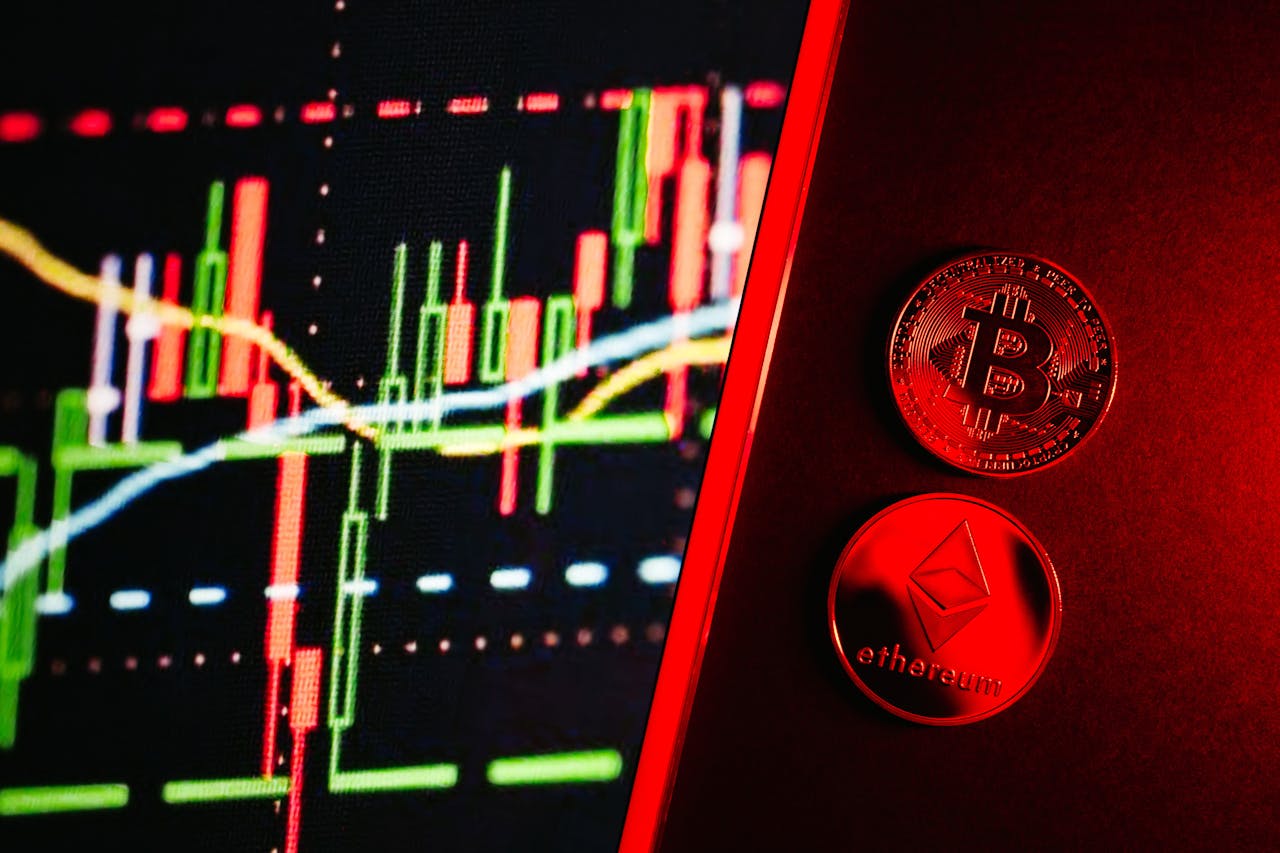
SPACs were pitched as a faster, friendlier road to public markets. Boomers who had lived through prior financial manias heard familiar music: easy money, celebrity sponsors, aggressive forecasts, and very little patience for basic due diligence. The warning signs were not subtle, even when headlines made the structure sound revolutionary.
The unwind was brutal for many deals. A large share of post-merger companies underperformed, many vehicles liquidated when targets failed to materialize, and regulators tightened disclosure rules after the frenzy. Speed looked exciting at launch, but quality still determined survival.
The Metaverse Stayed Smaller Than the Pitch
The metaverse pitch promised a new default life: work meetings in headsets, shopping through avatars, and social time in virtual plazas. Boomers questioned the premise early. They saw bulky hardware, awkward interfaces, and a plan that seemed to treat physical life as an inconvenience rather than the baseline people prefer.
By the mid-2020s, adoption stayed narrower than forecasts implied. Major firms kept spending, yet usage remained concentrated among gamers, creators, and enthusiasts. The core problem was simple: convenience, comfort, and human connection in the real world still beat novelty for most daily routines.
Connected Home Fitness Lost Its Permanent-Age Glow

During lockdown years, connected bikes and treadmills were sold as a permanent replacement for gyms. Boomers doubted that expensive hardware plus monthly subscriptions would hold once streets reopened and classes returned. They read the moment as temporary demand, not a permanent behavioral reset.
That view held up. Equipment demand softened, subscriber growth slowed, and companies built for pandemic velocity had to cut costs and reset expectations. At the same time, in-person fitness participation rebounded at clubs and studios. For most households, convenience mattered, but so did community, variety, and getting out of the house.
Crypto Never Became Everyday Money at Scale

When people said crypto would replace cash, Boomers asked how payroll, rent, groceries, and taxes would run on assets that could swing sharply in a single day. They were not rejecting innovation in theory; they were testing whether a payment system could carry ordinary life with reliability and protections.
So far, behavior has answered that question. Cards, bank transfers, and cash still dominate routine purchases, while crypto remains a speculative or niche-use asset for most consumers. Security gaps, usability friction, and policy uncertainty kept mass payment adoption below the level promised during the loudest years of hype.
The Scooter Flood Hit a Real-World Ceiling
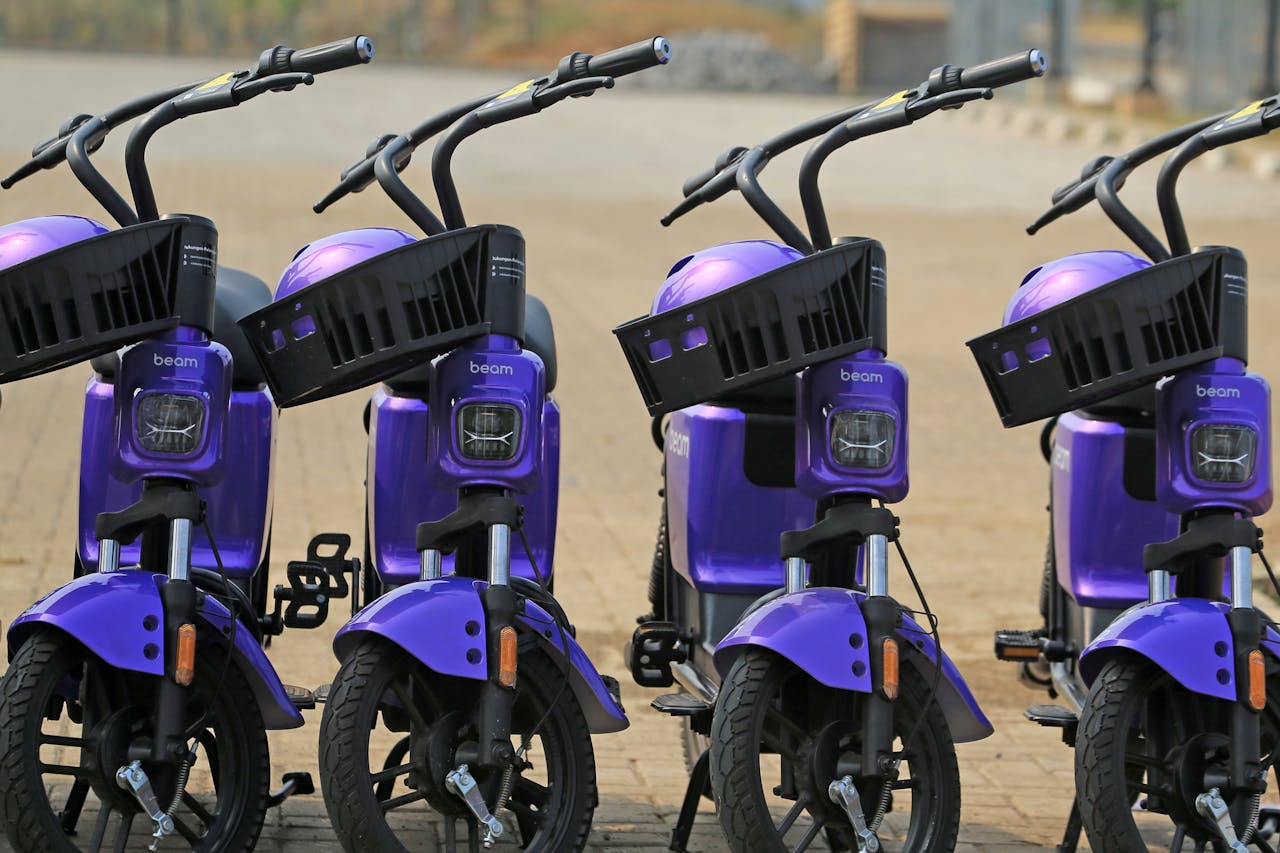
Dockless scooters looked like instant urban progress: tap an app, ride a mile, leave it almost anywhere. Boomers noticed the downside early, from blocked sidewalks to risky riding and weak accountability when fleets piled up. Their skepticism focused on whether the model could work without shifting costs onto cities.
Reality forced a reset. Operators burned cash, a major brand entered bankruptcy, and several cities tightened rules or ended rental programs after safety and parking disputes. Shared micromobility did not vanish, but the original all-out expansion gave way to stricter limits, slower growth, and harder economics.
Open Offices Relearned the Value of Boundaries

Extreme open-office design was sold as culture in architectural form: no walls, no hierarchy, constant collaboration. Boomers doubted that nonstop exposure would help concentration. They expected interruptions, less privacy, and a drift toward performative busyness rather than thoughtful work. Noise had a cost.
Research later echoed that intuition. In major workplace studies, face-to-face interaction dropped after open layouts were introduced, while digital messaging rose as people shielded attention. Employers then added quiet rooms, phone booths, and partitions. The one-size model gave way to a more balanced design logic.
VanLife Became Less Fantasy and More Logistics

#VanLife sold freedom in perfect light: sunrise views, remote work, and no fixed address. Boomers saw the invisible costs: fuel, repairs, insurance, healthcare access, safe parking, and long stretches without routine. Their skepticism came from practical arithmetic, not cynicism about adventure.
As the trend matured, more creators described breakdowns, burnout, and isolation behind polished feeds. For some, the lifestyle still worked, especially with savings and flexible income. For many others, the gap between curated content and daily logistics proved too wide. The dream stayed alive, but it became less universal and more honest.
Move-Fast Culture Ran Into a Trust Wall

Move-fast culture treated collateral damage as acceptable because growth was the only scoreboard that mattered. Boomers questioned that bargain, asking what would be broken and who would pay for repair. They worried about privacy, platform safety, and the civic cost of scaling first and governing later.
That concern moved from fringe to mainstream. Major firms faced regulatory pressure, enforcement actions, and a public mood that shifted from awe to scrutiny. Boards now talk more about governance, risk and trust because expansion no longer guarantees legitimacy. Innovation still matters, but ignoring consequences now carries price.
Ghost Kitchens Could Not Replace Restaurant Trust

Ghost kitchens promised a lean restaurant future: no dining room, no storefront, just delivery efficiency. Boomers asked a blunt question: if quality slips, who is accountable, and where does trust live when the operation is nearly invisible? Convenience can attract first orders, but reputation keeps repeat ones.
After the pandemic spike, many delivery-only concepts struggled with margins and platform fees. Some operators pulled back, shut sites, or pivoted to software and licensing instead of pure virtual brands. The model still works in selected cases, yet the idea that it would replace neighborhood restaurants proved too broad.
Subscription-for-Everything Hit Consumer Fatigue

A box for coffee, socks, pet toys, snacks, and nearly everything else once looked like retail’s smartest recurring model. Boomers saw something simpler: too many auto-renewals, too little flexibility, and closets filling with things people did not need. Their concern was not novelty itself, but overload.
Consumer behavior later reflected that fatigue. Churn stayed high in many categories, price sensitivity rose, and companies spent more to win back users who canceled quietly. Surviving brands improved value, curation, or utility, but the idea that every product should become a monthly commitment faded quickly for many households.
Radical Minimalism Softened Into Practical Balance

Radical minimalism framed ownership as a problem to solve, sometimes reducing life to a strict item count and sparse rooms. Boomers respected decluttering, yet questioned whether the extreme version fit families, hobbies, seasonal living, or memory-rich homes. They saw a philosophy that could become rigid once real life got messy.
The middle path won. People kept useful parts, like intentional buying and less waste, while rejecting performative austerity. A calmer home became the goal, not an empty one. In practice, comfort, sentiment, and function remained central, and the movement softened from doctrine into practical habits.
Commission-Free Trading Exposed New Kinds of Risk

Commission-free trading apps were presented as pure democratization: fast access, sleek interfaces, and markets finally open to everyone. Boomers did not dismiss access, but worried that game-like design could blur the line between investing and impulse betting during social-media frenzies.
Those concerns proved timely. Stress moments during volatility sparked debates about transparency, risk controls, and customer education across the industry. Lower fees were a real gain, yet price alone could not replace trust architecture. Sustainable participation still depended on clear rules, resilient systems, and informed decisions.
Fintech Could Not Fully Replace Banking Guardrails

App-first finance promised to make traditional banks feel obsolete: instant onboarding, polished dashboards and higher yields. Boomers asked a question: when something goes wrong, who answers, who carries liability, and who guarantees the money path from app to bank?
Recent failures in parts of the fintech stack validated that caution. Partnership breakdowns, account-access disruptions, and governance gaps showed how fragile convenience becomes without strong controls. Stronger players now lean into compliance, clearer disclosures, and sturdier rails. Innovation remains valuable, but durability still depends on trust and oversight.