
International trips can still feel routine until a route changes, a connection vanishes, or a phone lights up with an alert.
Rising tensions rarely cancel every flight, but they do increase detours, delays, and last minute gate swaps that test patience.
A smart plan starts before packing, with a quick scan of advisories, airline messages, and the fine print on your booking.
Think in layers: what happens if the flight reroutes, if your layover shrinks, or if your checked bag meets a new airport.
The goal is not to panic or play hero, it is to reduce surprises and keep your options open when plans bend.
Small choices matter, like choosing earlier departures, avoiding tight connections, and keeping essentials in your carry-on.
If something changes mid-trip, calm, clear steps beat frantic scrolling, especially when support lines are jammed.
This guide focuses on practical moves that protect time, money, and peace of mind, without turning travel into a fear project.
Track Official Advisories, Entry Rules, and Transit Surprises That Can Change Between Booking and Boarding.
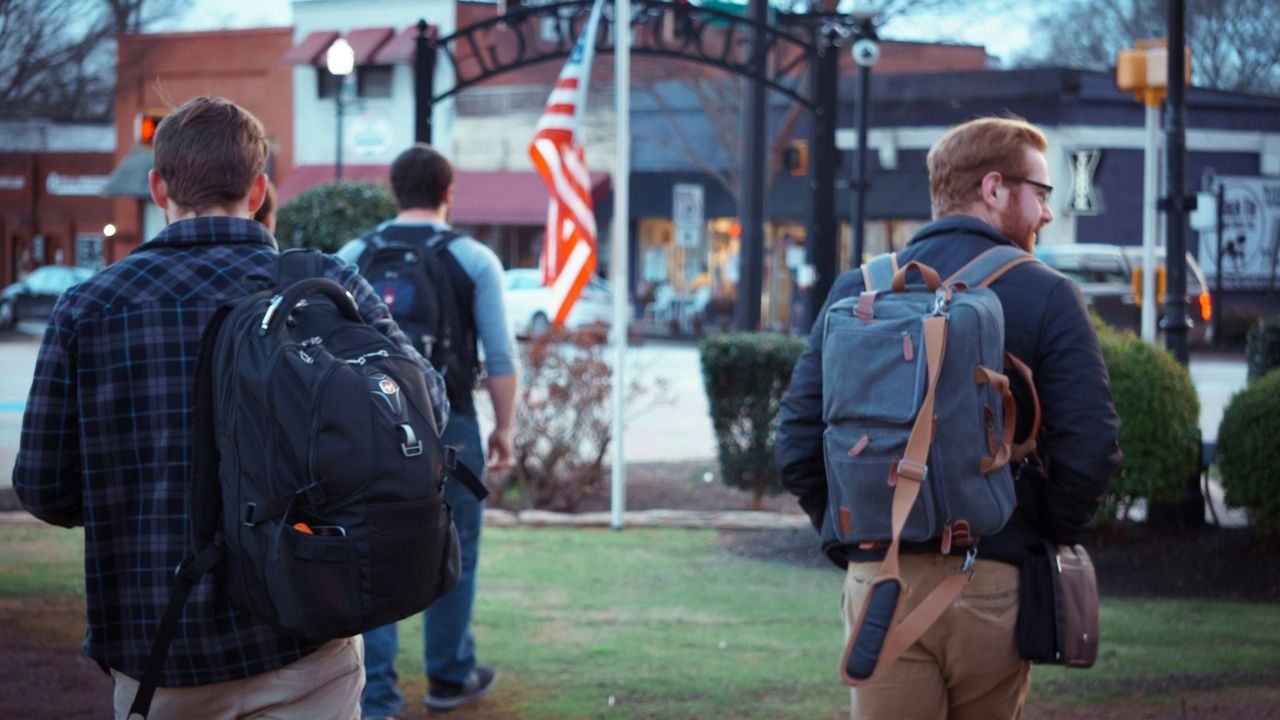
Start with entry rules for your destination and any transit country. A simple connection can trigger extra checks and forms.
Check advisories daily in the week before departure so you spot shifts early and can pivot without stress.
Keep printed confirmations plus digital copies of tickets, hotels, and insurance. Screens die at the worst moments.
Make sure the passport is valid well past return, since many countries enforce strict minimum validity windows.
Expect Reroutes, Longer Flight Times, and Sudden Fuel Stops When Airlines Avoid Certain Airspace.
Airlines may avoid certain airspace, which can add miles, shift fuel stops, and change your arrival time without drama.
Longer routes can mean earlier departures or later arrivals, so pad your first night schedule and avoid hard commitments.
If you booked a short connection, assume it could get tighter when gates move or your first leg lands late.
Choose seats with flexibility in mind, because a missed connection is easier when you can move fast and stay calm.
Carry snacks and an empty bottle, since reroutes can disrupt meal timing and airport shops do not always stay open.
Track your flight status in the airline app, but also watch airport boards, because last minute changes happen on both.
If an unexpected stop appears, ask crew what it means for bags and immigration, since rules differ by country.
When fatigue hits, focus on basics: hydration, layers, and a simple plan for getting to your hotel safely.
Build Connections Like a Risk Manager So One Late Landing Does Not Wreck the Whole Itinerary.
Avoid connections under ninety minutes on international itineraries, because one delay can turn a smooth trip into a sprint.
If you must connect, pick hubs with frequent onward flights so you have more rebooking options when things go sideways.
Favor one ticket over separate tickets, since protected connections usually trigger rebooking help when a leg is disrupted.
Know the last flight of the day to your destination, because missing it can mean an unplanned hotel bill.
Keep addresses and terminal maps offline, because airport WiFi can fail right when you need directions.
If your transit country requires a visa even for airside transfers, confirm it early to avoid a surprise denial.
Pack a calm buffer day after arrival if the trip is high stakes, since tight schedules break first when travel turns weird.
Know What Airlines Owe, What They Do Not, and How to Ask for Better Options During Disruptions.
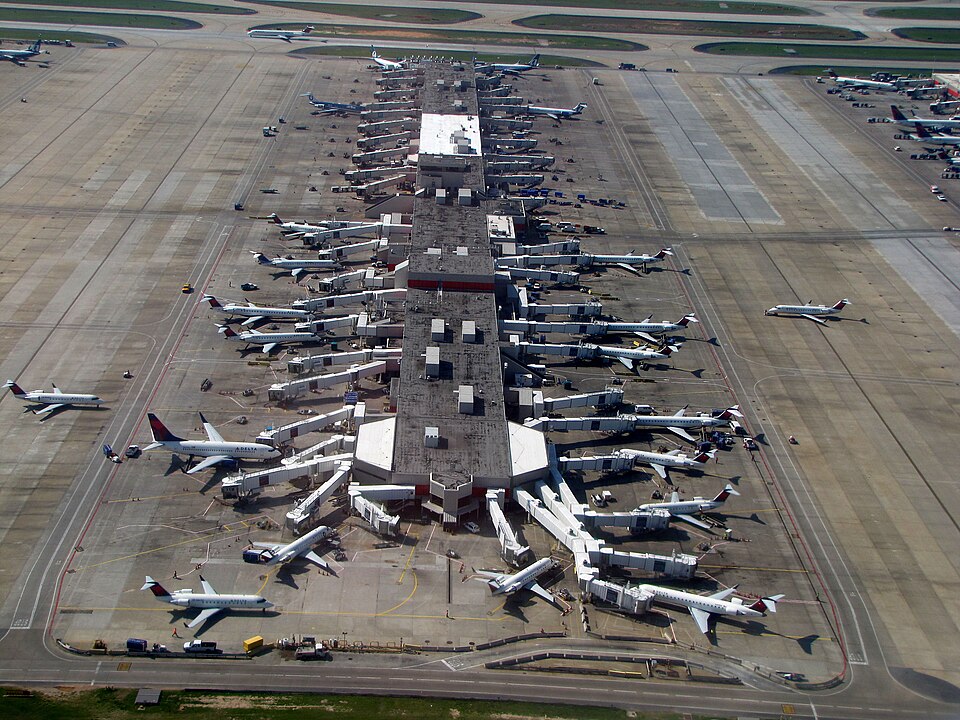
Policies vary, so read your fare rules and the airline’s disruption policy before you assume meals or hotels are covered.
Delays from airspace closures or security issues may be treated differently than mechanical problems or crew timing.
Save every receipt when plans break, because reimbursement often depends on proof and clear timestamps.
When rebooking, ask about partner airlines and alternate airports, since agents can sometimes route you creatively.
If the airline offers vouchers, check expiration and limits, because a quick yes can lock you into weaker options.
Choose Insurance and Credit Cards With Real Delay, Cancellation, and Medical Protection in Fine Print.
Travel insurance can help, but only if the covered reasons match your situation, so read the cancellation and delay triggers.
Some plans exclude war related events, while others cover certain disruptions, so the difference lives in the definitions.
A good credit card may include trip delay benefits, but you still need to pay with that card and follow the claim rules.
Store policy numbers and claim steps in your notes app, because digging through email during a delay is miserable.
If you have medical needs, confirm your plan covers care abroad and evacuation, not just lost luggage.
Compare emergency assistance services, since a twenty four hour help line is useful only if it can actually arrange care.
Pack for Disruptions With Carry-On Essentials That Keep You Clean, Charged, and Comfortable.
Keep a change of clothes, meds, chargers, and a small toiletry kit in your carry-on. Checked bags can vanish for days.
Bring a power bank and a pen, since paper forms still show up and outlets are never where you want them.
Pack layers and a light snack so delays do not turn into a hanger spiral. Comfort makes better decisions.
Use a simple list so adaptors, SIM tools, and prescription copies do not get left behind when you repack in a rush.
Protect Your Data, Your Phone, and Your Ability to Reach Help When Networks and WiFi Fail.

Use a strong phone passcode and turn on device tracking, because travel stress is when phones vanish.
Set up roaming, an eSIM, or a local SIM before you land, because you may need a ride or updates immediately.
Keep key numbers in more than one place, including your hotel, airline, and a trusted contact back home.
Handle Cancellations Fast, Stay Calm, and Make Decisions That Get You Moving Instead of Stuck.
If a cancellation hits, open the airline app and join the customer-service line at the same time. Speed matters more than perfect logic.
Ask for the next workable route, not the ideal one, and you often arrive sooner with less drama.
Confirm where your bag will go and screenshot the new itinerary before you leave the counter. Memory gets slippery in crowds.
Sleep, eat, and reset expectations, because choices made while exhausted are the ones that cost the most later.