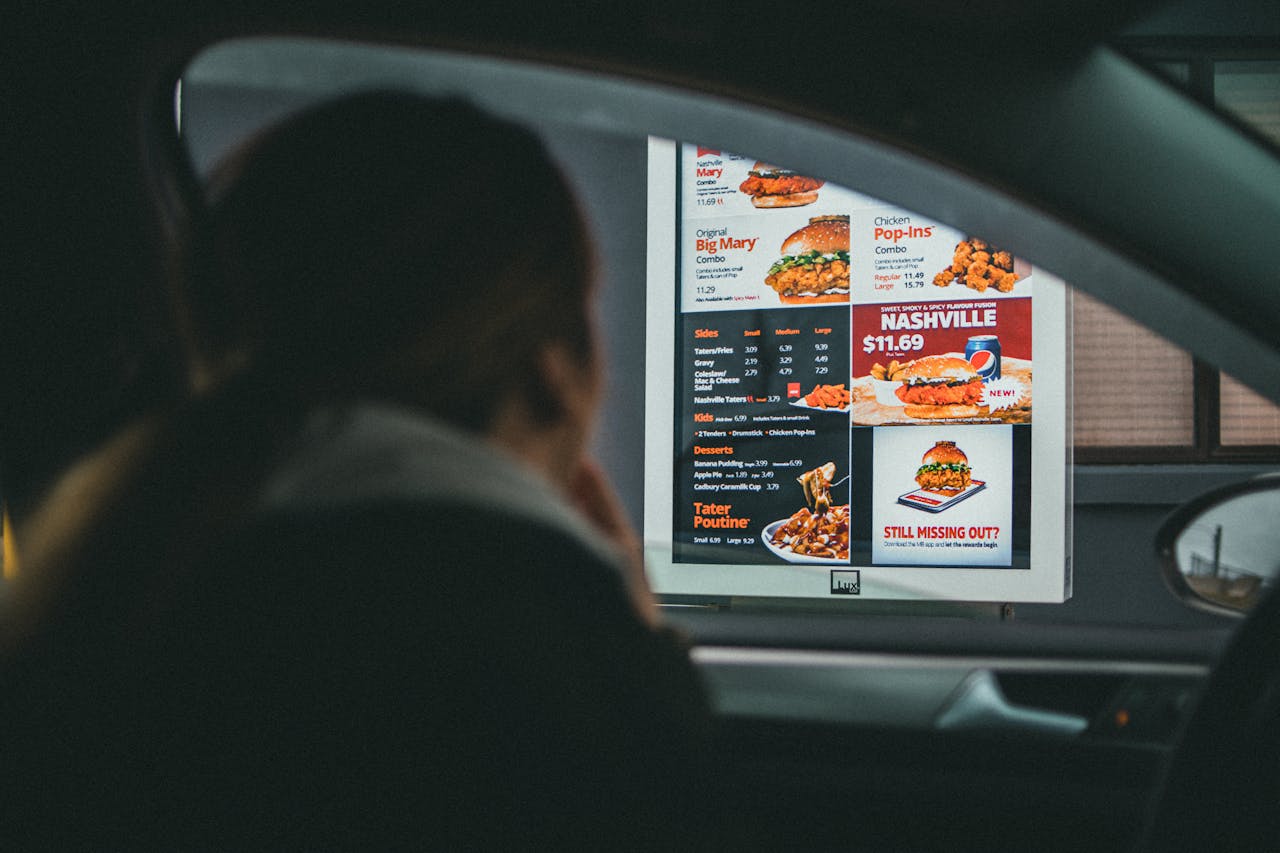
Chain food didn’t get lazy overnight; it got optimized, line by line, for speed, cost, and consistency.
When price wars, rent, and delivery fees squeeze margins, taste is often the first thing traded away.
You still see grills and fryers, but more steps happen off-site, earlier, and with tighter scripts.
That shift can make meals feel flatter, even when the kitchen is busy and the ticket printer is screaming.
The bar drops quietly: less skilled labor, cheaper inputs, shorter cook times, and heavier seasoning.
Not every chain follows the same path, but the incentives push toward predictable, fast, and safe.
If your old favorite feels different, you’re probably noticing a thousand small choices piling up.
Here’s what’s behind the slide, plus how to spot the places still taking food seriously, again.
Cooking Moved Upstream
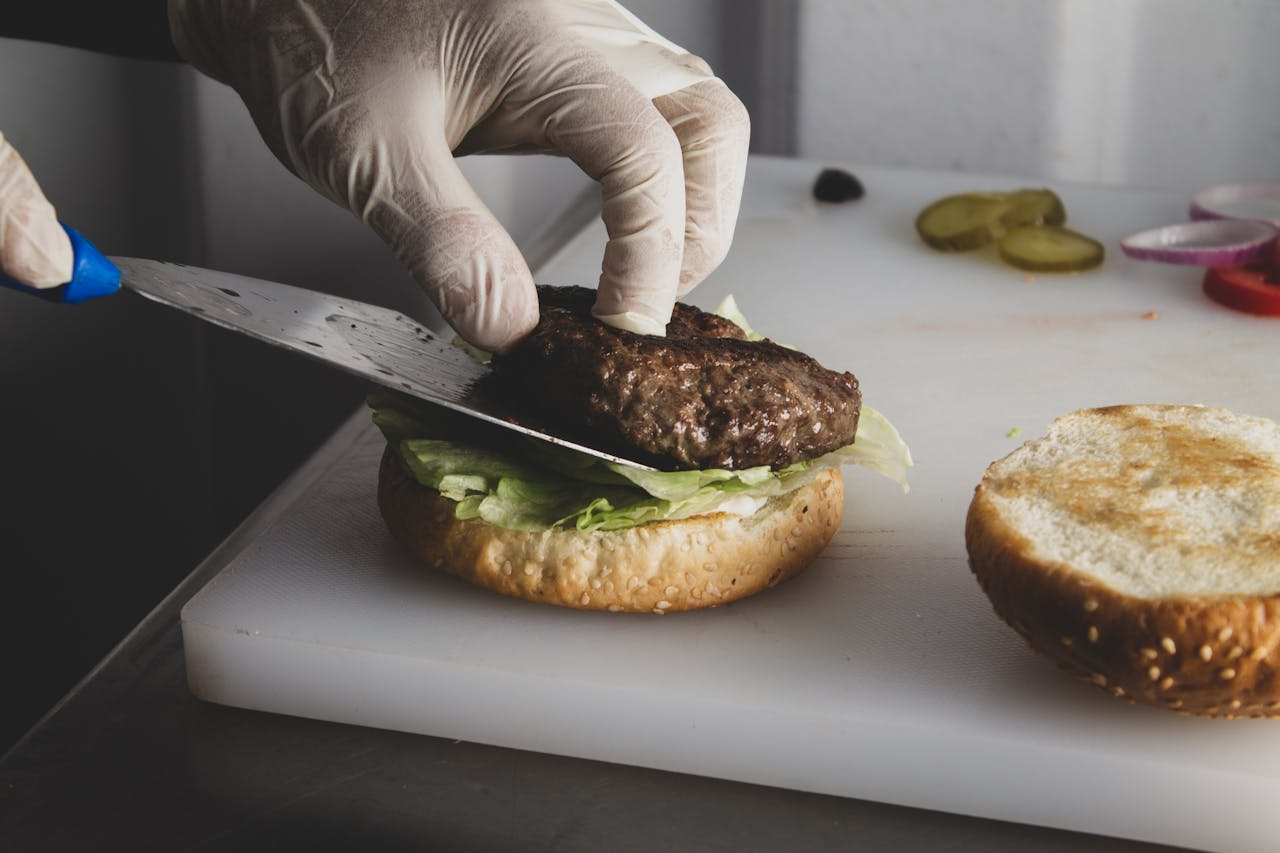
A lot of cooking happens at commissaries now, then gets chilled, bagged, and shipped to each store.
Stores reheat, finish, and plate. It’s still cooking, but it’s not the same as building flavor from scratch.
Central prep keeps meals consistent across cities. It also standardizes how good they can ever get.
Once a sauce is locked in a pouch, the line cook can’t tweak it for the day, the batch, or the room.
Labor Got Cheaper and Simpler
Chains once leaned on cooks who understood timing, heat, and how to rescue a dish mid-rush.
Now many stations are built so a new hire can perform in days, not months, with fewer judgment calls.
That means fewer knife skills, fewer reductions, and fewer tiny touches that make food feel alive.
It also means less pride, because the job becomes assembly, not craft, and diners pick up on that.
High turnover pushes menus toward items that survive inconsistency without becoming unsafe to serve.
So you get more breading, more fried options, and more sauces that can hide texture problems.
Even when pay improves, staffing has to be fast, so the system stays simplified and tightly scripted.
The result is reliable food that rarely surprises you, like it was tuned to avoid complaints, not spark cravings.
Ingredients Got Quietly Downgraded
Swap higher-fat dairy for a cheaper blend and a soup loses body without looking much different.
Replace butter with flavored oil and the aroma changes first, then the aftertaste follows.
Lower-grade beef can still be juicy, but it often needs more salt and seasoning to feel rich.
Chicken gets pumped and tumbled, so texture can shift from fibrous to spongy, especially as it cools.
Vegetables arrive pre-cut and older, so they’re softer, sweeter, and less bright on the plate.
Even bread changes: softer rolls, more conditioners, longer shelf life, and less snap and chew.
You don’t notice one tweak, but a dozen tweaks can turn a signature dish into a decent imitation.
Menus Got Overbuilt
Big menus look like choice, but they often mean a cooler full of half-used ingredients in the back.
To manage waste, chains lean on base components that can be remixed into ten different dishes.
The same chicken becomes a salad topper, a pasta add-on, a wrap filler, and a taco protein.
Sauces do most of the personality work, because they’re easy to portion and hard to mess up.
When menus sprawl, freshness suffers, so more items get pre-cooked, held longer, and reheated.
Speed and Delivery Rewrote the Kitchen

Drive-thrus and delivery apps reward food that travels well, not food that peaks at your table.
Crispy turns soggy, fries die fast, and delicate greens wilt, so recipes get armored for transit.
That means thicker breading, sturdier buns, heavier sauces, and extra sugar to keep flavors loud.
Packaging shapes portions too, because containers have limits and consistency beats plating.
Even dine-in plates can feel like takeout, because the kitchen is designed around that workflow.
Once speed is the goal, shortcuts spread everywhere, and the meal starts to taste like the clock.
Cutting Costs Shows Up as Smaller Extras
The little things show the slide first: thinner pickles, fewer onions, and weaker condiments.
Garnishes disappear, refills shrink, and side portions get standardized to a tighter scoop.
Cheese becomes a light sprinkle, bacon becomes bits, and the premium add-on starts costing extra.
None of it ruins a meal alone, but it changes the value feeling that once made chains comforting.
Flavor Got Louder, Not Better

When ingredients get cheaper, chains often compensate with more salt, sugar, smoke, and spice.
You taste it fast, but it fades quickly, leaving a one-note finish that can feel processed.
Texture takes the hit too, with softer buns, mushier pasta, and meat that’s tender but oddly uniform.
How to Find Chains Still Trying
Look for shorter menus, visible prep, and items that depend on timing, like seared proteins and fresh salads.
Check bread, produce, and fries, because they’re hard to fake when the kitchen stops caring.
Try a small modification; a cooking kitchen adapts, while an assembly line usually can’t on the fly.
Notice the operator too: a well-run local franchisee often guards quality better than a distant playbook.