Some museums are built for hands, not just eyes. Levers move, wheels spin, and walls respond, turning curiosity into a physical habit.
That openness also changes social rules. Oils and smudges collect, parts loosen, and the most popular stations become pinch points where patience runs thin.
Staff must juggle access, hygiene, and wear, while still keeping the mood light. Timers, queues, and resets show up where galleries once relied on quiet distance. The goal stays generous, but the room needs structure, because every touch leaves a trace that someone has to manage. Otherwise, the next visitor inherits the mess, delay, and the letdown, too.
Hands-On Children’s Museums
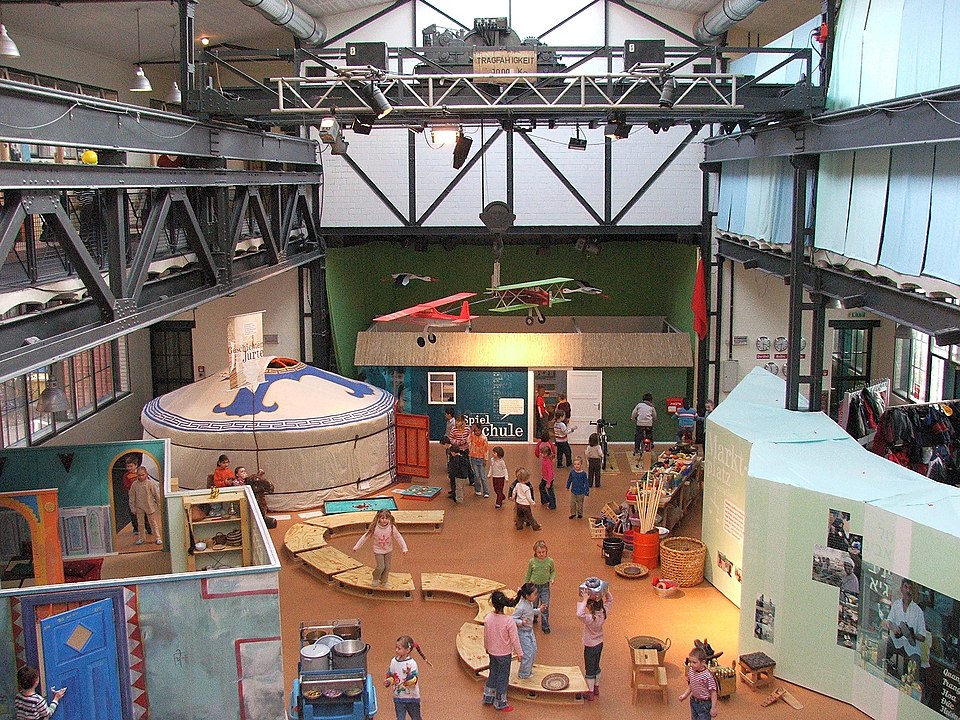
Hands-on children’s museums blur exhibit and play space, with water tables, pretend storefronts, and build zones meant to be handled all day. The learning lands because kids test cause and effect with their whole bodies, not just their eyes.
That freedom creates new friction. Surfaces need frequent cleaning, pieces migrate between stations, and a favorite corner becomes a slow-moving line. Staff rotate quick resets, post clear turn cues, and keep spare parts ready, because wear shows up fast when curiosity runs through hundreds of small hands. Timed entry helps, but the fix is simple: clear rules, repeated kindly, and enforced the same ways.
Interactive Science Centers With Real Experiments
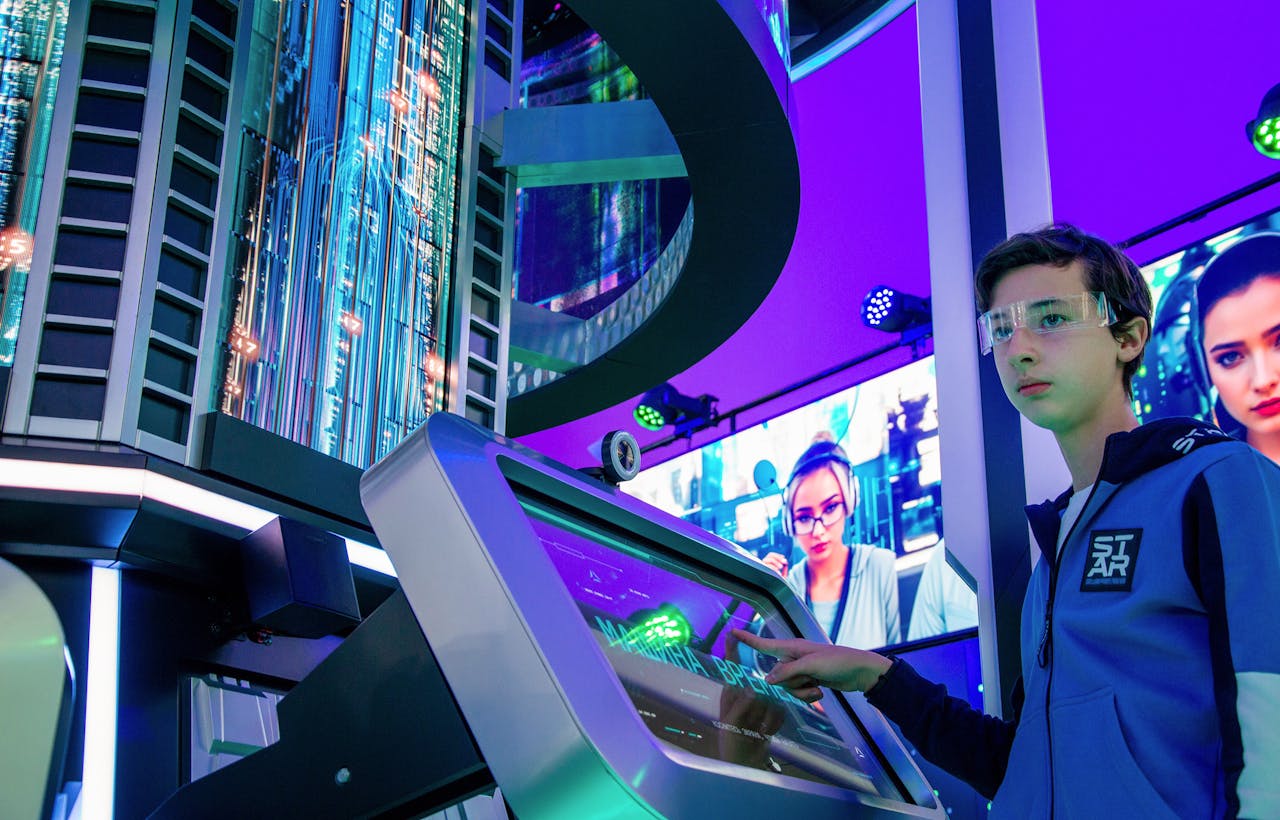
Interactive science halls invite visitors to spin gyros, launch air pucks, bend light through prisms, and build circuits that respond instantly. The appeal is trust: the station answers real physics, not a looped video. Crowds cluster around the loudest demos, and the room needs flow cues to keep curiosity moving without crowding.
High use exposes small failures. Sensors drift, knobs loosen, and labels fade, so a task that felt obvious at 10 a.m. can behave oddly by 3 p.m. Cleaning adds another constraint, since harsh products cloud plastics. Teams schedule calibration breaks, swap consumables, and coach quickly to prevent repeat confusion.
Optical Illusion Museums Built for Photos
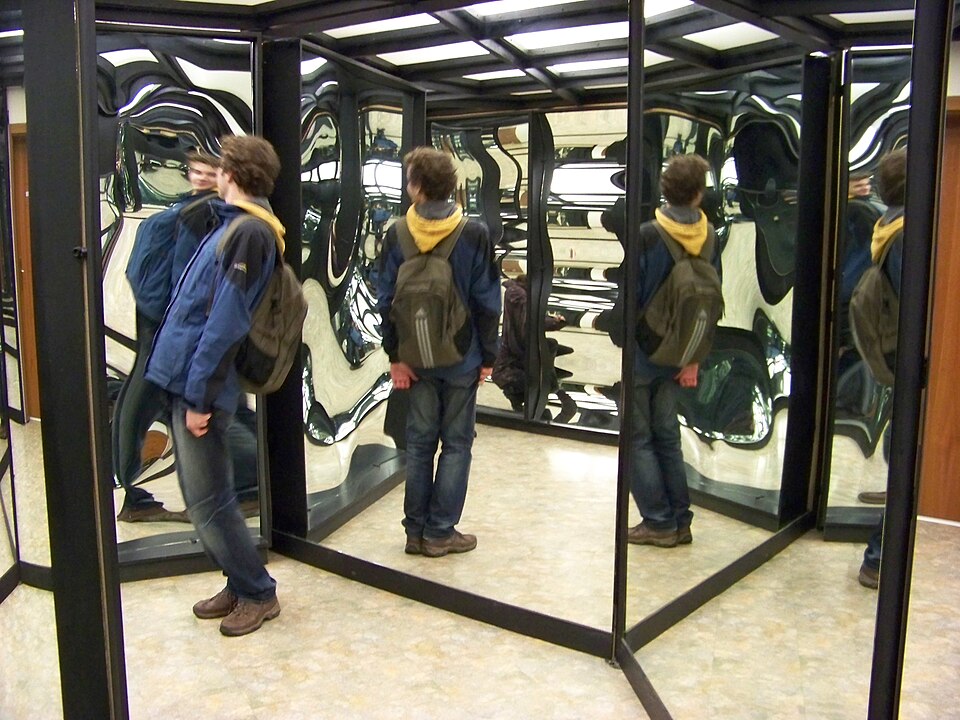
Optical illusion museums turn rooms into puzzles, with mirrors, tilted floors, forced perspective walls, and props that only read correctly from one marked spot. The fun comes from testing the trick and capturing it in a single frame.
Touch leaves instant evidence. Fingerprints streak mirrors, matte paint smudges, floor decals scuff, and moved props break the effect for the next group. Because visitors pause to trade phones and rehearse poses, bottlenecks form fast. Staff re-tape markers, rotate groups, and reset props constantly so the illusion stays convincing. Time limits sound strict, but they keep the rooms fair, and the photos clearer.
Dessert Pop-Up Museums With Props Everywhere
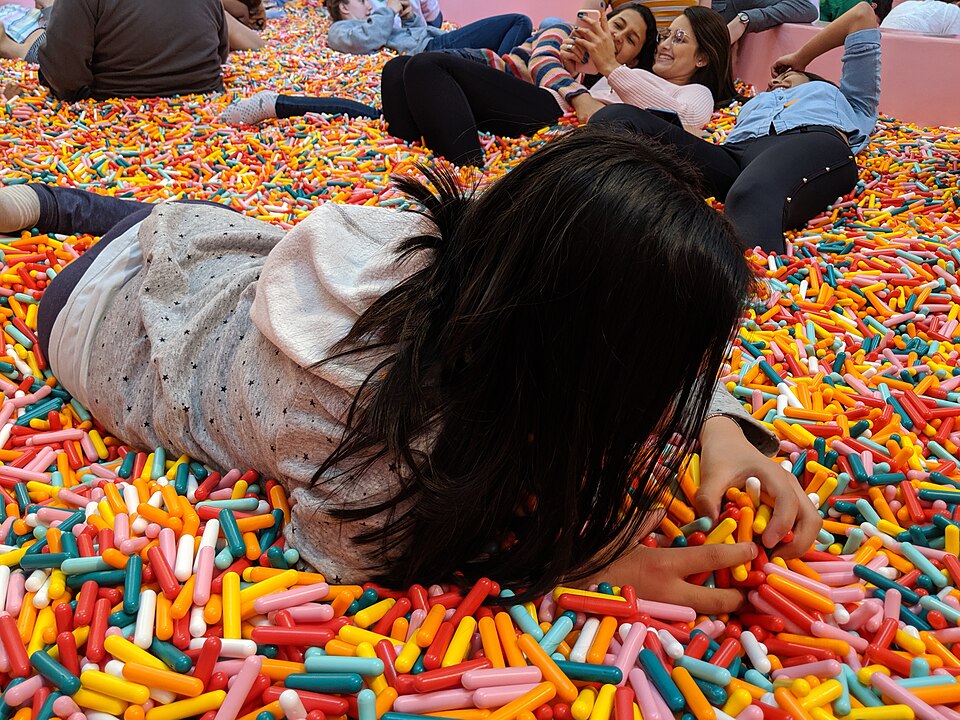
Dessert pop-up museums lean into touch, with sprinkle pits, glossy props, bright slides, and neon rooms designed for quick photos and quick laughs. The sets feel playful, so hands land on rails, walls, and oversized cones without much thought.
Mess appears quickly. Fine particles cling to clothes, residue smears on shiny surfaces, and floors need constant attention to stay clean and steady. Queues build when one room becomes the main photo spot, and props wander into the next scene. Staff vacuum pits, swap mats, and reset surfaces on a tight loop to keep the mood light. Ingredient signs and sample rules matter, as cues raise questions often.
Museums Where Visitors Can Play Instruments
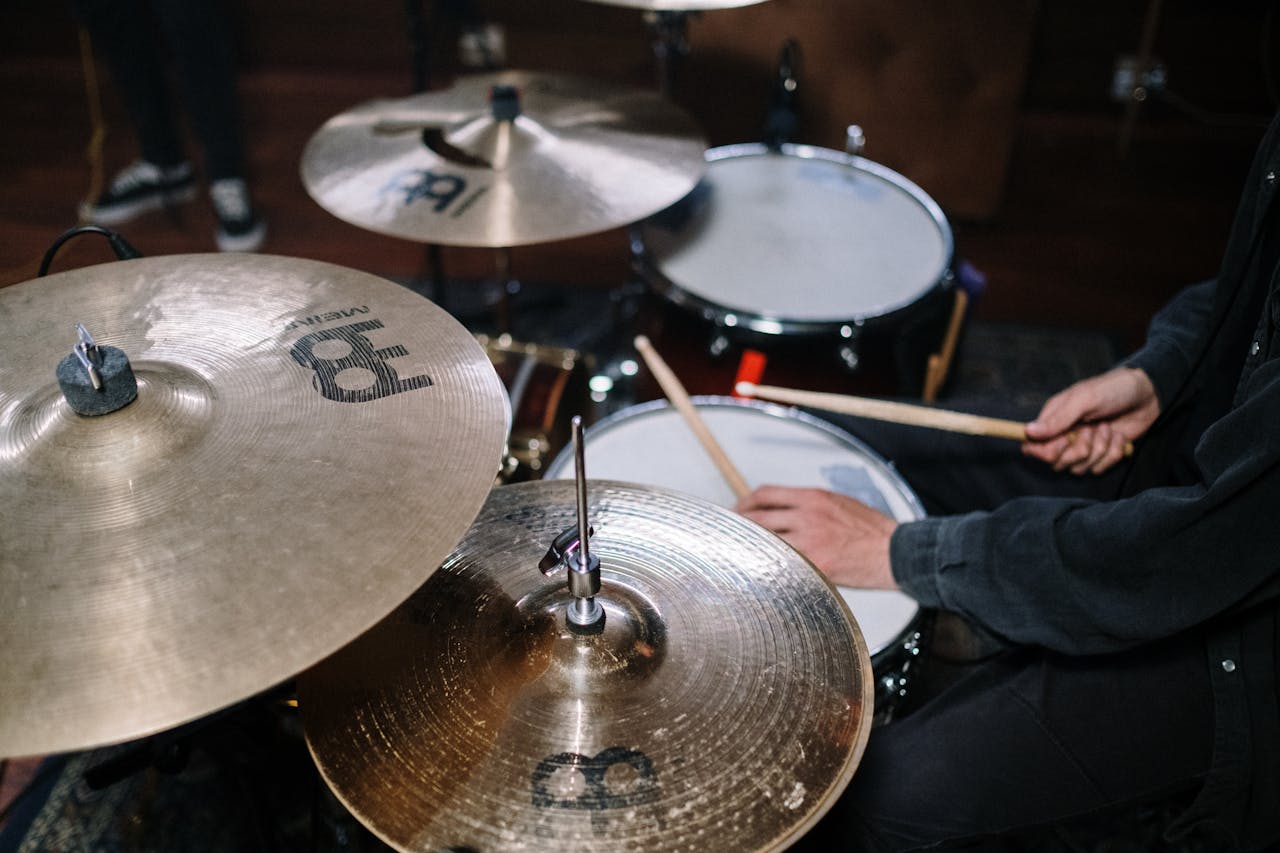
Playable music museums feel generous, offering drums, synth pads, and string instruments meant for real sound, not silent display. The point is immediate feedback, a rhythm line answered by a room that listens.
Touch wears instruments quickly. Skin oils dull finishes, tuning drifts, keys stick, and headphone jacks fail under constant plugging and cable pulls. Noise also stacks, because excitement builds into a steady roar that swallows subtle demos. Staff use timers, volume limits, and clear turn cues so the space stays lively, not overwhelming. Spare cables, felt pads, and quick wipe-downs keep the room usable for the next group each stop.
Living History Workshops With Tools in Hand
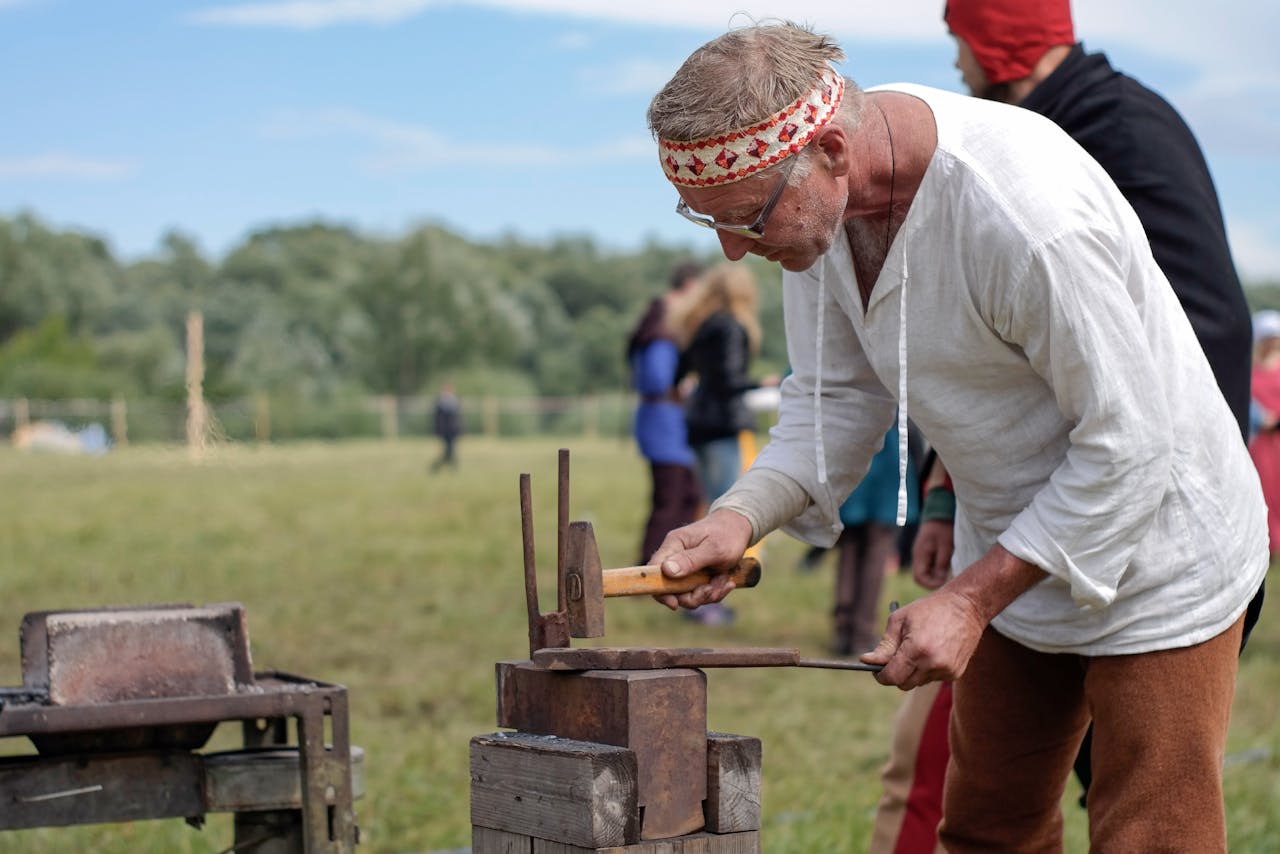
Living history museums sometimes let visitors handle replicas, grind grain, weave a short band, or shape clay under supervision. The lesson lands in the wrists and shoulders, turning a distant era into lived effort.
Hands-on access raises new problems. Tools dull, fibers tangle, and repeated handling can flatten a tradition into a quick activity that drops context. Crowds also push the pace, creating queues and rushed coaching. Staff set firm limits, replace materials often, and explain why some objects stay look-only so the craft stays respectful. Replicas help, still replicas show wear, so signs and steady coaching matter as much as props.
Outdoor Sculpture Parks That Encourage Climbing
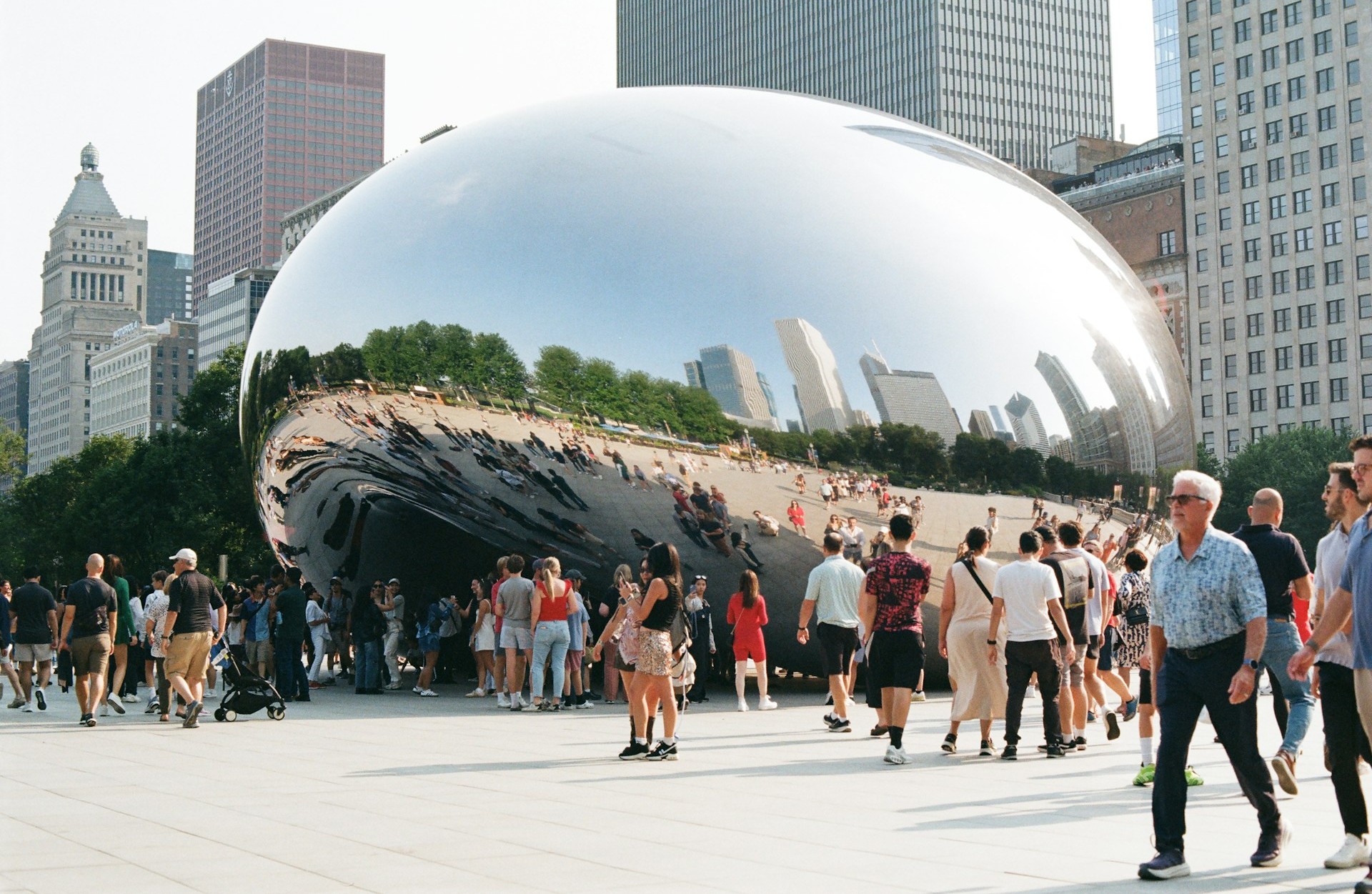
Some outdoor sculpture parks invite touch openly, placing big forms where visitors can trace textures, sit on curves, or climb pieces designed as public furniture. It feels welcoming, and it draws people who do not connect with art behind glass.
Weather already works on materials, and hands speed it up. Sunscreen and skin oils leave films, grit scratches paint, and repeated rubbing can polish away intentional texture. Rules are hard to teach in motion, because one work is meant for sitting while another needs distance. Staff rely on clear signs, light patrols, and frequent touch-ups to keep the park calm. Small repairs become daily routines.
Historic Ships With Narrow Decks and Rails
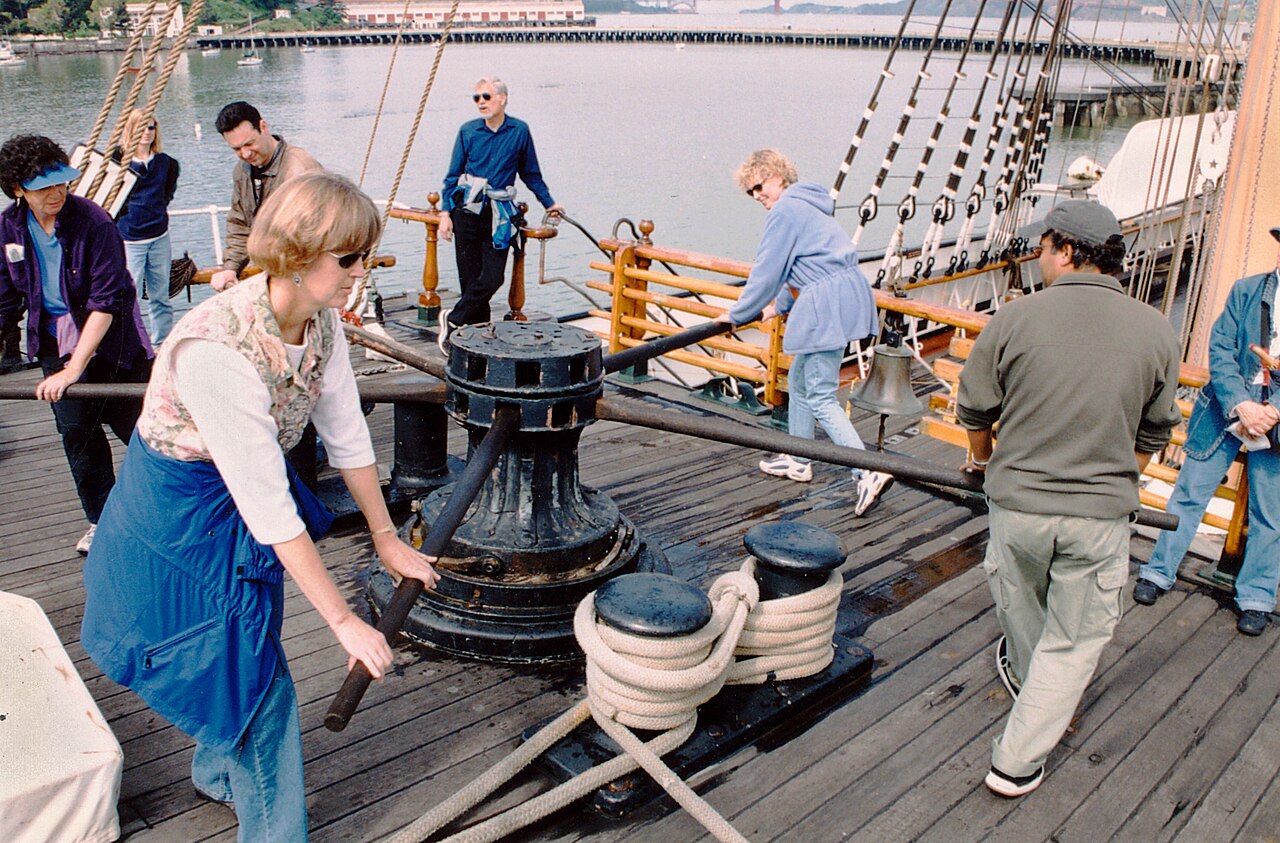
Historic ships invite hands by necessity. Visitors grip rails, climb ladders, and squeeze through narrow doors where balance and touch feel essential, especially below deck. The layout is memorable, but it funnels crowds into the same tight pinch points.
Constant contact wears varnish, loosens fittings, and leaves salt and skin oils on wood and metal that already need careful care. Bottlenecks appear at steep stairs, so moods can tighten when groups meet head on. Many ship museums use timed entry, one-way routes, and staff posted at hatches to keep movement smooth and reduce repeated rubbing on the same surfaces. Calm pacing helps the visit.
Tactile Art Galleries Designed for Blind Visitors
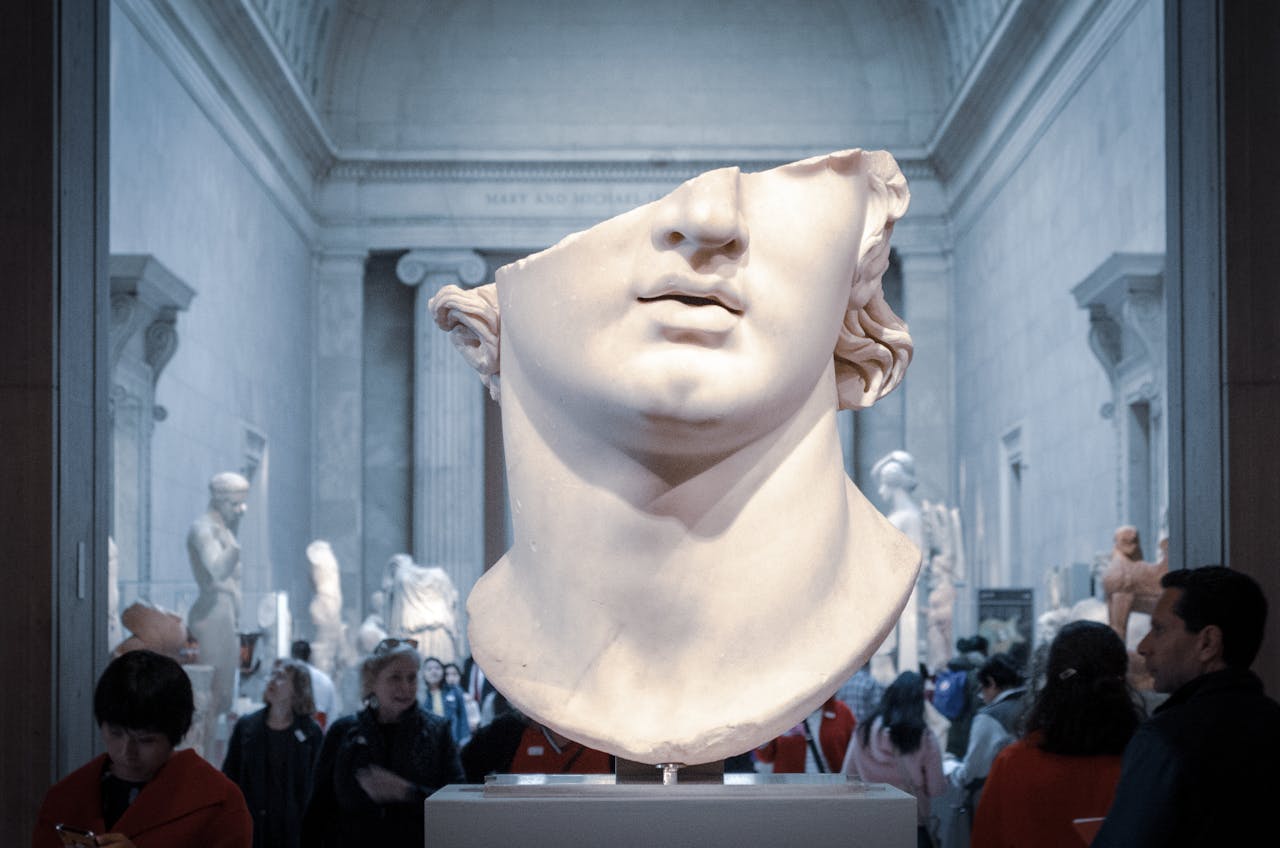
Some galleries are designed around touch so blind and low-vision visitors can read form directly, using bronzes, textured panels, and sturdy replicas meant for hands. It is not a rule break there it is the core way the room communicates.
Mixed crowds create new problems. Visitors unfamiliar with protocols may handle works too casually, smudge braille labels, or block audio triggers. Busy hours also raise hygiene demands, because touch is continuous rather than occasional. Staff use calm reminders, timed sessions, and supervised stations so access stays dignified, and the objects stay clean and legible for everyone. Calm cues keep hands kind.