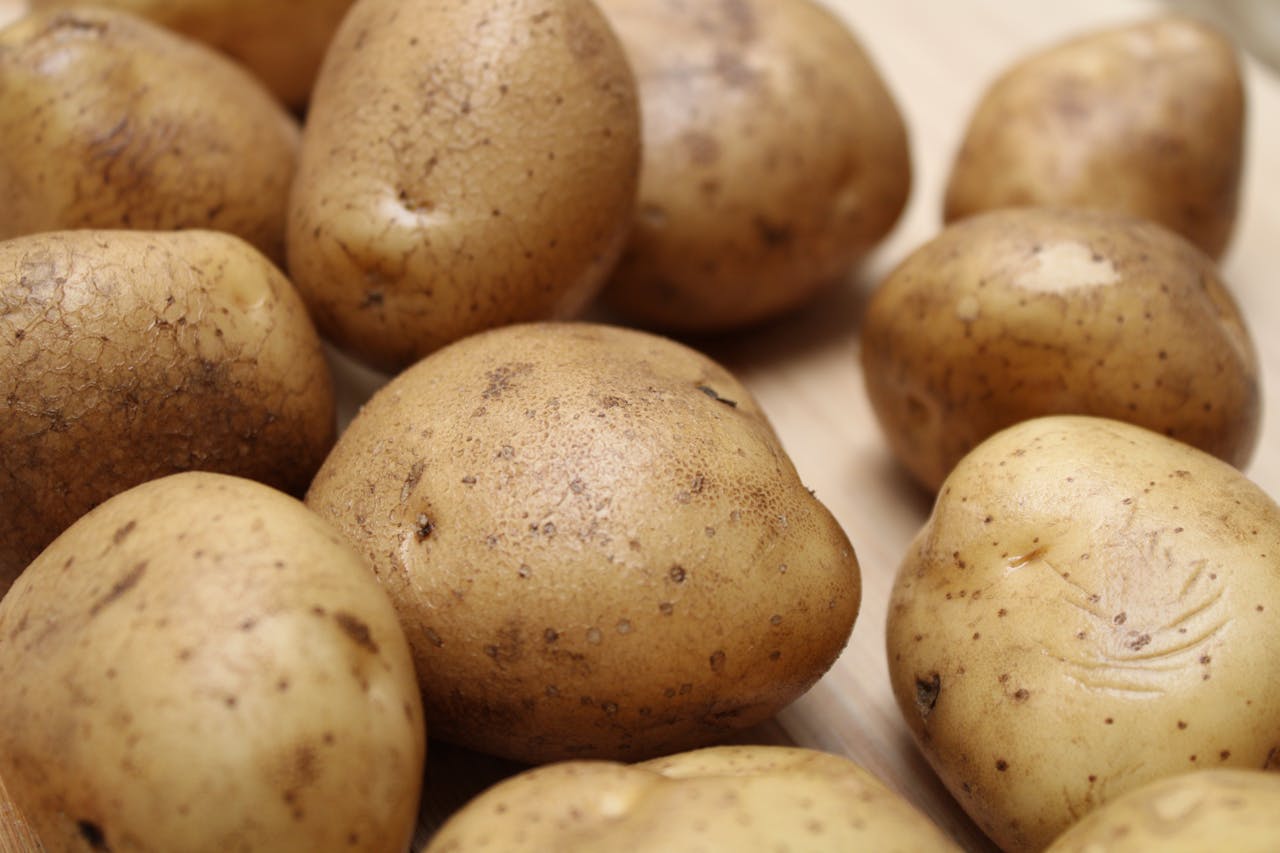
Potatoes look like they are simply sitting still, but they are living tubers that keep breathing, taking in oxygen, losing moisture, and slowly consuming their own starch. That is why storage details matter: light can trigger greening and sprouting, excess dampness can invite rot, and warm rooms can wake up the eyes. A winter kitchen that hovered around 55 to 60°F made a useful testing ground. Five popular methods were tried for 10 days and checked daily for firmness, discoloration, soft spots, and interior quality. The goal was a Goldilocks setup that stayed cool, dark, and dry, with just enough air exchange. All simple.
Keeping Them in the Plastic Bag
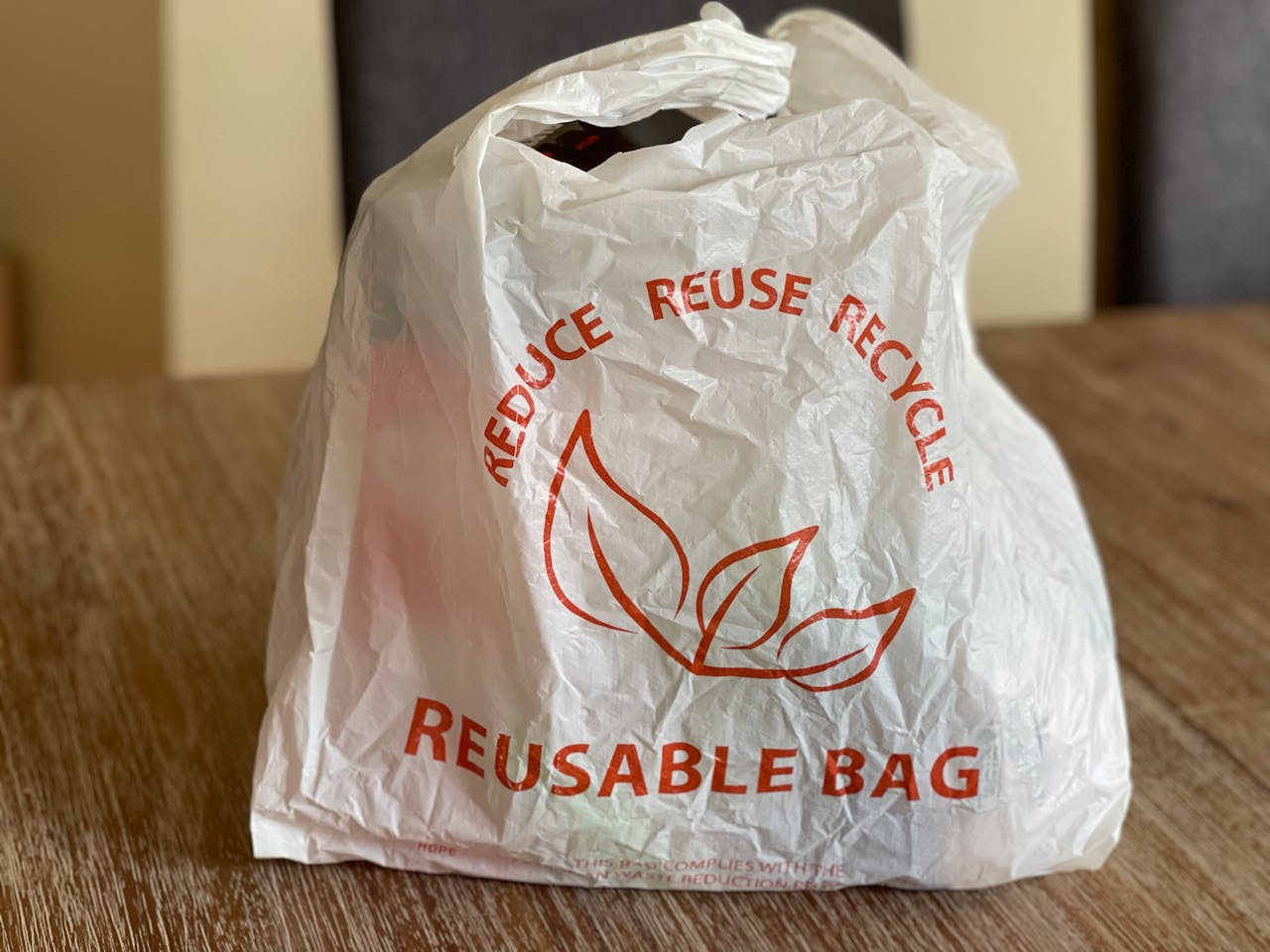
Keeping potatoes in the original store plastic bag feels tidy, but the plastic holds moisture close to the skins and blunts the steady air exchange potatoes need as living tubers. Even when the bag has a few small holes, it can trap just enough humidity to create a slightly clammy microclimate, and in a 10-day test the potatoes ended up less firm than the rest, with the first signs of softening. Nothing failed dramatically in that short window, yet the same conditions tend to compound over another week or two, making this the method most likely to drift toward moldy patches or rot in everyday kitchens quietly over time.
Bowl on the Counter
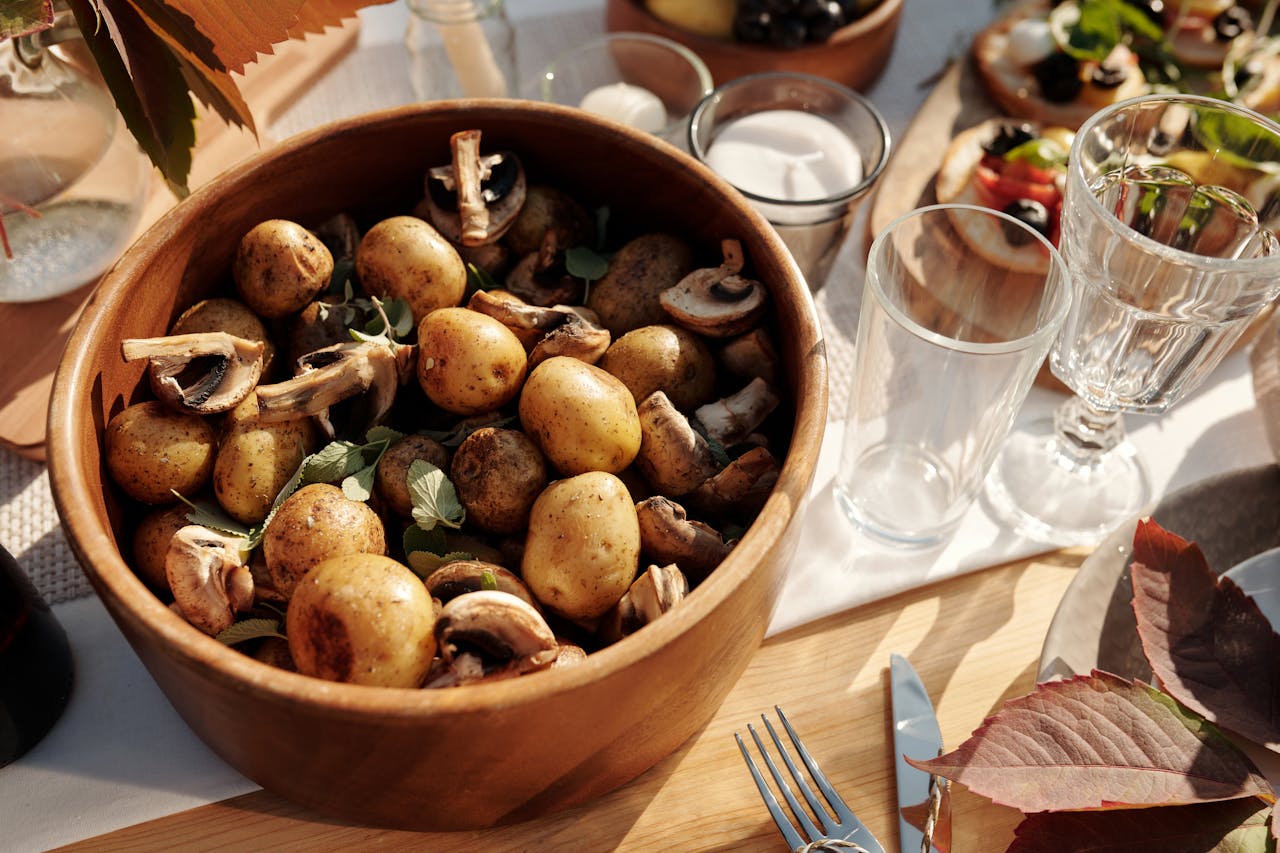
An open bowl on the counter gives potatoes maximum ventilation, so moisture does not pool, the air stays dry, and the skins keep that tight, fresh firmness many people look for. In the 10-day check, the potatoes remained solid and sprout-free, and the interior of a sliced sample looked sound, yet the bowl offered zero defense against everyday light drifting across the room. A couple potatoes that caught indirect window glow showed a whisper of greening, an early stage of chlorophyll formation that can accompany sprouting and higher solanine, making this a decent short-term choice but a risky long hold in brighter kitchens.
Wicker Basket Storage
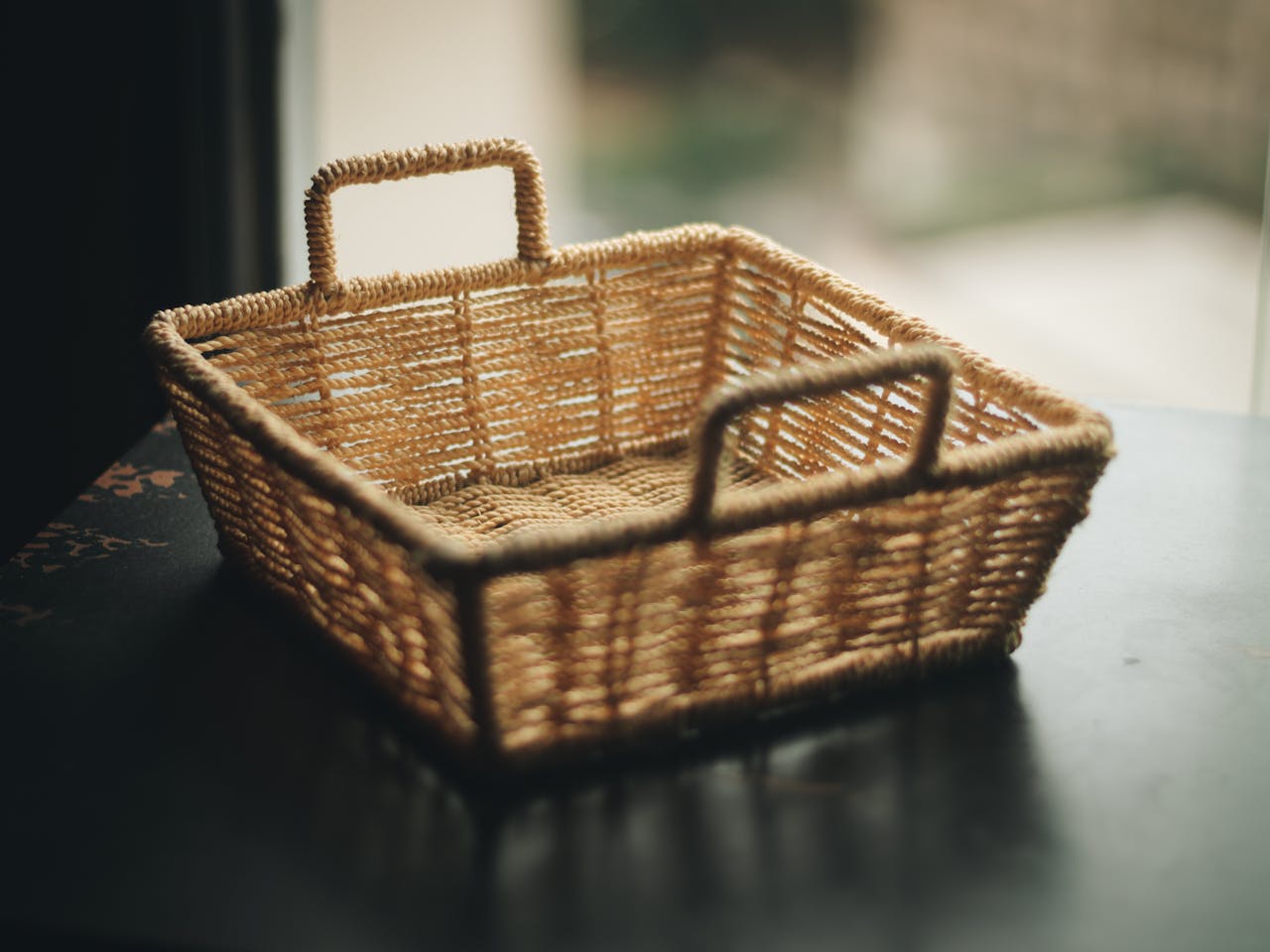
A wicker basket mirrors the bowl’s airflow, but its weave adds a soft veil of shade that reduces the odds of greening while still letting the potatoes breathe from every side. Across 10 days, the batch stayed firm, clean-skinned, and calm, with no damp patches hiding at the bottom and no early eyes pushing out, which explains why this setup has served pantry shelves and farm kitchens for generations. Air circulation stayed strong enough to prevent moisture buildup, yet not so harsh that skins began to wrinkle, and the method works best when the basket sits in a cool corner away from heat and direct light most seasons.
Mesh Bag Method

A mesh bag delivered the strongest overall all-around result short of the top pick, keeping potatoes firm, smooth-skinned, and free of sprouting eyes throughout the daily 10-day checks, and a sliced sample stayed bright inside. Because air moves through every side, humidity does not settle under the pile, and the bag makes it easy to store potatoes off the floor and away from appliances that create warm pockets. Light is the only reason it did not win: mesh offers only moderate shade, so in a bright kitchen it can still allow enough exposure for slow greening, while a dark pantry turns it into a near-perfect holder.
The Brown Paper Bag Trick
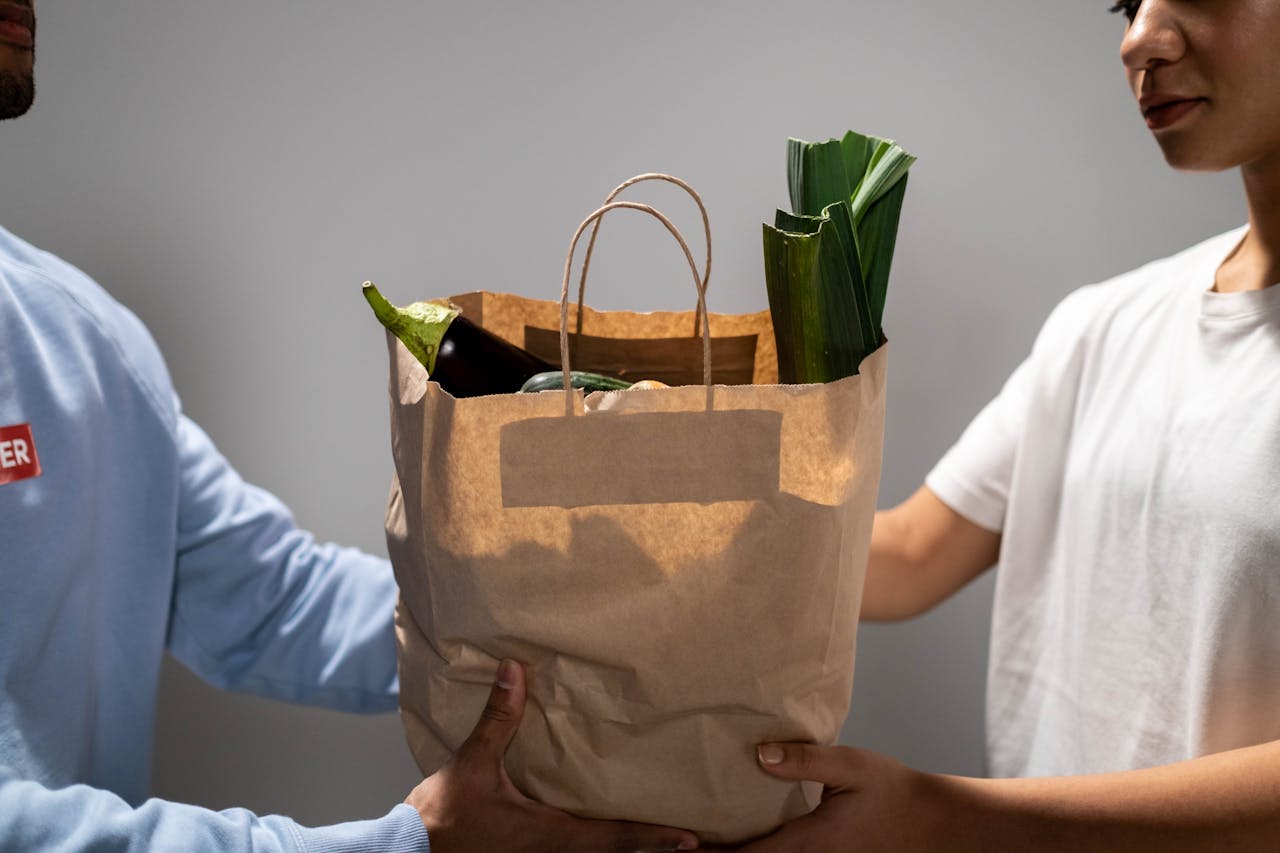
The one easy trick that consistently worked was plain brown paper: a simple paper bag creates the closest thing to root-cellar conditions without special bins or gadgets for weeks at a time. In the 10-day trial, this group was the firmest, with zero greening, no sprouting, and no damp soft spots, and the interior of a sliced potato looked bright, white, and clean. Paper blocks light completely while still allowing oxygen exchange, and it absorbs small bursts of moisture without sealing them in, so the bag should sit in a cool, dark place around 50 to 60°F, away from onions and bananas, and out of the refrigerator.