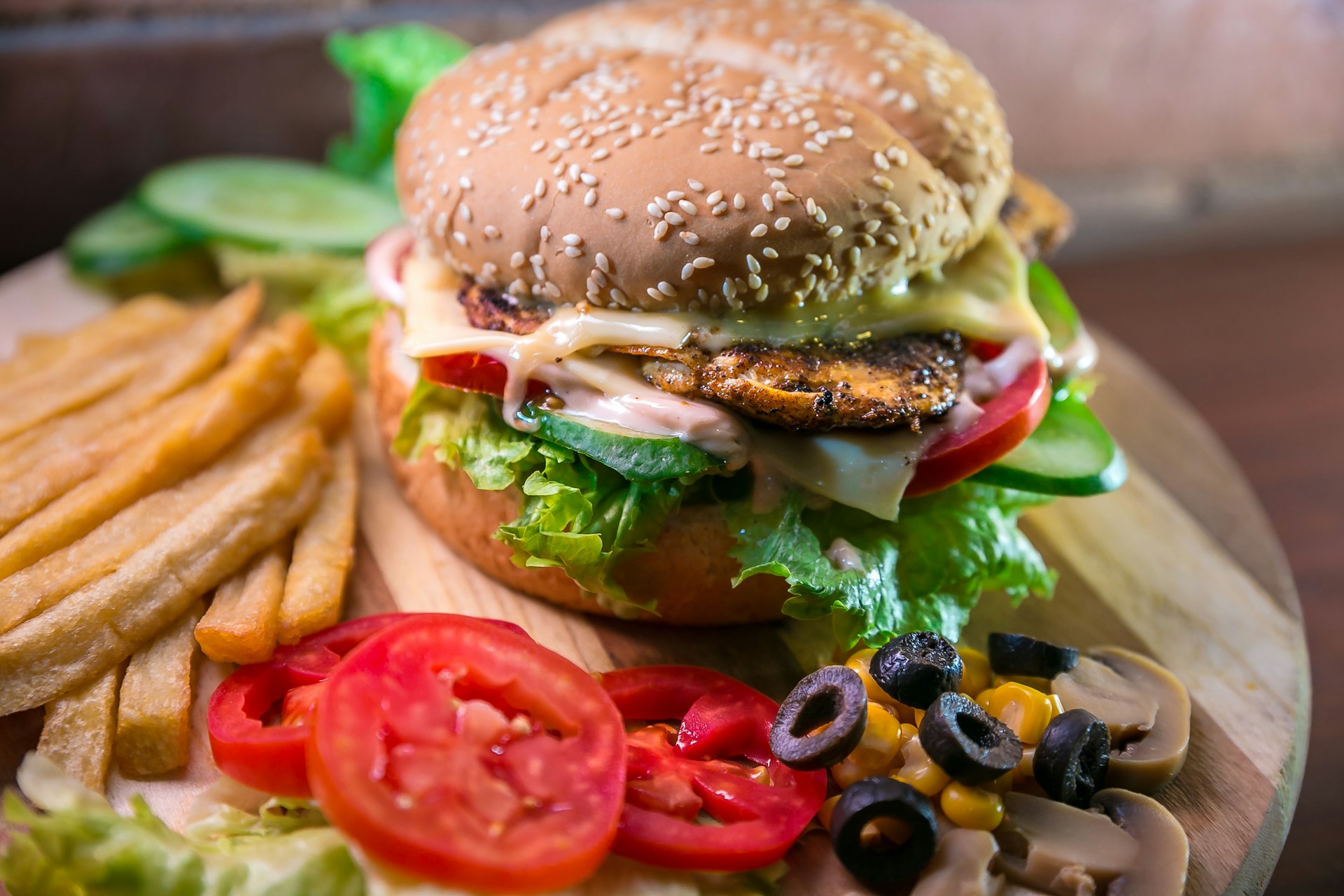
Regional fast food is less about convenience and more about memory wrapped in paper, the kind that makes you leave the house even when you are full.
These trips start as cravings, but they turn into road rituals where the drive becomes part of the meal and the first bite feels earned.
Local menus reward people who grew up nearby and never stopped caring, and outsiders learn fast that the best items rarely travel well.
Chains expand, yet some recipes stay tied to a place because scaling them changes the ingredients, the timing, or the expectations of regulars.
That scarcity is the point since you cannot casually replace the experience, and the item keeps its mystique by staying just out of reach.
Social media makes the itch worse with close-up photos and insider orders, so the nearest location suddenly feels too far for comfort.
What people chase is not only taste but the exact texture, smell, and packaging, plus the story you get to tell when you get back.
The smart move is to know what travels and what must be eaten hot, so your long drive ends with satisfaction instead of disappointment.
Why Some Menu Items Stay Stuck in One Region

Some items start as local tests, and chains keep them regional when the data says the love is intense in one area and lukewarm elsewhere.
Supply chains decide more than most customers realize, because a regional ingredient can be easy nearby and a mess to ship across a continent.
If a sauce relies on a local vendor or a fresh ingredient, scaling it can force substitutions that blunt the flavor and spark backlash.
Exclusivity also does free marketing, because people talk harder about what they cannot casually get.
The Items That Spark the Long-Distance Craving
Breakfast specials create urgency since you can miss them by sleeping in, and a spicy biscuit or sweet-and-salty combo can trigger a whole detour.
Signature burgers pull drivers when the build is oddly specific, like a griddled patty, a toasted bun, and a regional sauce you cannot replicate.
Some fries are really cult side dishes, and seasoned rounds or cheese-curd style bites become the real reason people cross state lines.
Drinks matter because you cannot copy a fountain mix at home, and house lemonade or serious sweet tea can define the entire stop.
Desserts hit hardest at night when everything else feels boring, so frozen custard or a thick shake turns into a planned late drive.
Then there are hometown oddities locals defend like family recipes, such as chili on spaghetti or an Italian beef sandwich dipped on request.
Limited-time returns amplify the chase, because a seasonal item creates a short window and people plan trips like it is a small holiday.
Some items taste best only in the original store rhythm, where fryer timing, assembly speed, and staff muscle memory shape every bite.
What Makes the Same Brand Taste Different by Location
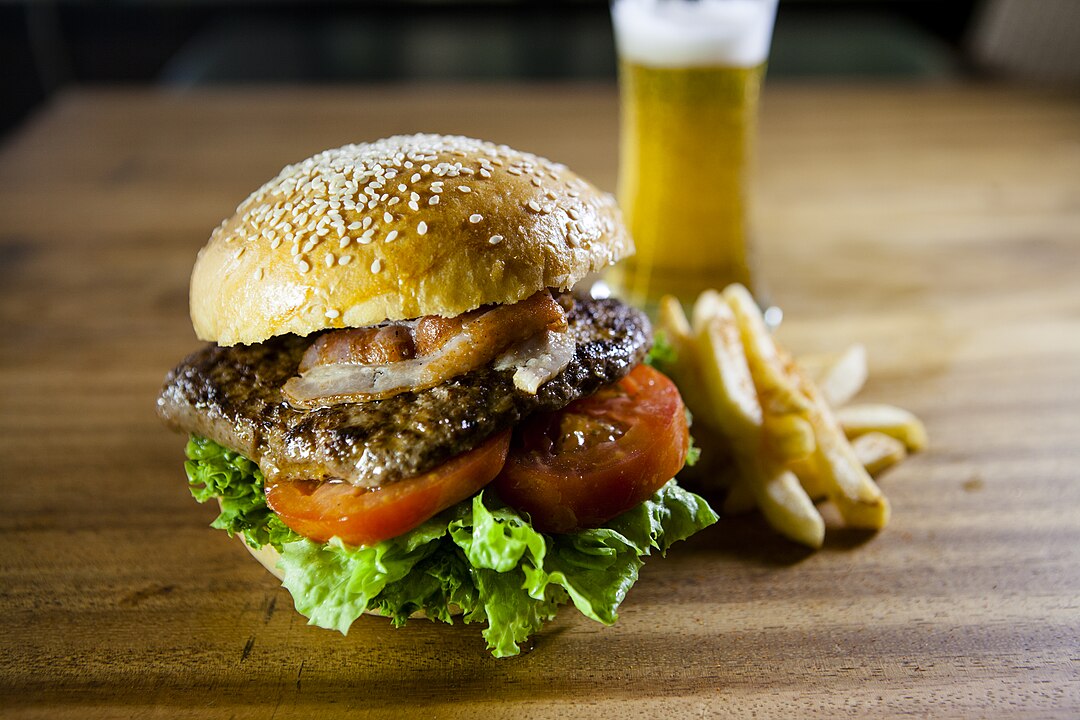
Ingredient specs can match on paper, yet the finished food still shifts because water chemistry, oil turnover, and equipment calibration vary by store.
Training changes outcomes, especially for high-volume items where small motions matter, and veteran crews move with a calm precision you can taste.
Hold times are a quiet dealbreaker for fried food, because minutes in a warming bin can turn crunch into softness and salt into sadness.
When a store sells fast, you get crispness instead of a tired, steamy bite, and that is why road-trippers chase the busiest locations.
Local demand also nudges portioning and assembly, because some places build heavier and faster to match what regulars expect in that market.
Even the dining room matters since the same food can taste better in the bright, noisy setting you remember from childhood stops.
Road-trippers notice every difference because they arrive with a mental benchmark, and when it matches, the satisfaction is almost unfairly strong.
How Fans Plan the Perfect Detour
Veterans time arrivals for peak freshness, not just when hunger hits, and they aim for opening rush or the moment fries come off the line.
They order like locals, which means knowing the best combo, the right sauce, and the one upgrade that is actually worth paying for.
Smart fans decide what travels before they leave the lot, because burgers can survive a ride while fried sides collapse unless you vent the bag.
A cooler in the trunk turns a craving run into a supply run, helping with sealed sauces, desserts, and anything you plan to eat tomorrow.
Most importantly, they keep expectations realistic, since the point is the ritual and the taste, not a perfect photo that proves you were there.
The Psychology Behind Driving Hours for a Bite
Scarcity makes flavor feel sharper, even when the recipe is simple, because limited access tells your brain this bite is a reward.
Nostalgia does heavy lifting, and one familiar smell can bring back summers, road trips, or late nights after games with friends.
There is pride in knowing the right order, since a small expertise feels earned and you get to play guide for people who are new.
Travel adds effort, and effort makes outcomes feel valuable, so a snack turns into an event you can justify without guilt.
Shared missions matter because cravings are social, and the ride becomes as memorable as the meal when everyone is laughing and plotting.
The hunt also breaks routine in a low-stakes way, giving you novelty and a destination without planning a whole vacation.
Tips for Bringing Regional Fast Food Home Without Ruining It
Eat fried items first, even if that means parking for ten minutes. Crispness dies fast in a closed bag, and steam is the enemy.
Separate wet ingredients from bread, because a few minutes of steam can wreck a bun and make a great sandwich taste tired.
Ask for sauces on the side and assemble later to avoid soggy disasters. Keep napkins handy, because regional items often drip by design.
If you are carrying food for hours, choose items built for it, like chili, packaged desserts, and sealed sauces that survive the ride.
The Best Way to Explore Regional Menus Like a Local
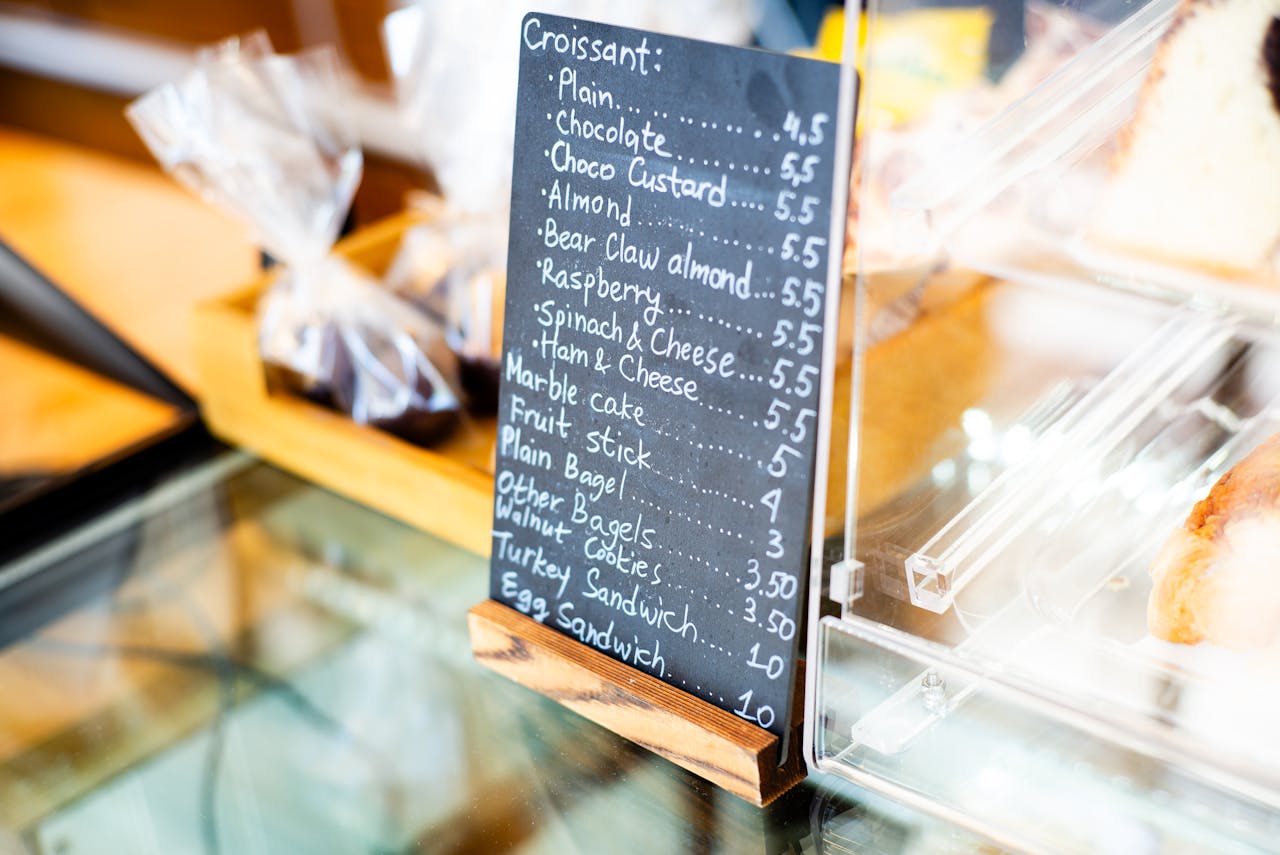
Start by asking what locals order when they are not trying to impress anyone, because the everyday pick is usually the most consistent.
Try one classic item and one weird item in the same visit, and you will learn the menu personality faster than playing it safe.
Pay attention to sides and condiments, not just the main item, since a regional dip, slaw, or seasoning often explains the obsession.
When a Long Drive Is Actually Worth It
It is worth it when the item is truly unique and hard to mimic at home. If you can cook a close copy easily, the trip loses its magic.
It is also worth it when you can pair the stop with something else, like a friend visit, a scenic route, or a market run nearby.
Skip it when you are chasing a memory you cannot recreate, because sometimes the best version lives in a time of life, not a storefront.
Make it work by learning the order, the timing, and the travel plan. Then the drive feels less like effort and more like tradition.