February arrives with assemblies and familiar names, yet the record still feels unfinished. Black history has been shaped by what was preserved and what was pushed aside, leaving chapters in patent files, church minutes, newspapers, and family memory. Some of the clearest truths sound small: why February was chosen, how freedom reached places late, and how cities and culture were rebuilt anyway. Behind every headline figure sits a network of teachers, organizers, artists, and archivists who refused to let the story shrink. The moments below follow those threads and show how dates and choices can shift the picture.
How Black History Month Started as a Classroom Fix
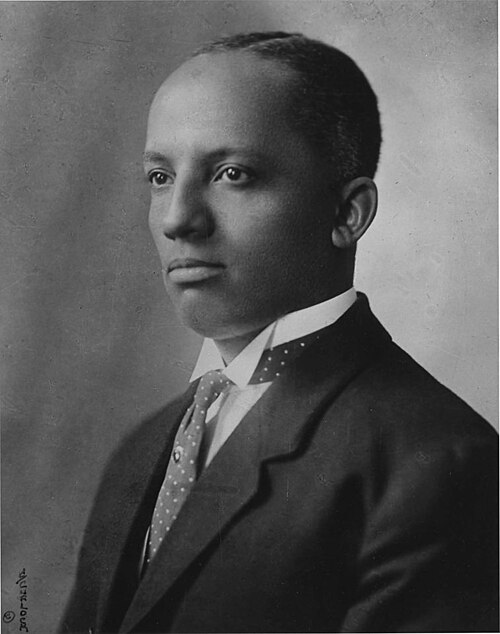
Historian Carter G. Woodson saw a problem that felt ordinary and urgent: schoolbooks that treated Black life as a sidebar or skipped it entirely. In 1926 he launched Negro History Week, built around lessons, reading lists, and community programs that could travel from a single classroom to a whole city.
February was chosen to align with existing commemorations of Abraham Lincoln and Frederick Douglass, but the goal was bigger than a date on a calendar. Woodson wanted a standard of evidence and pride that schools could not ignore, and a habit of telling the truth with sources in hand, again.
The 1976 Bicentennial Turned Tradition Into Policy
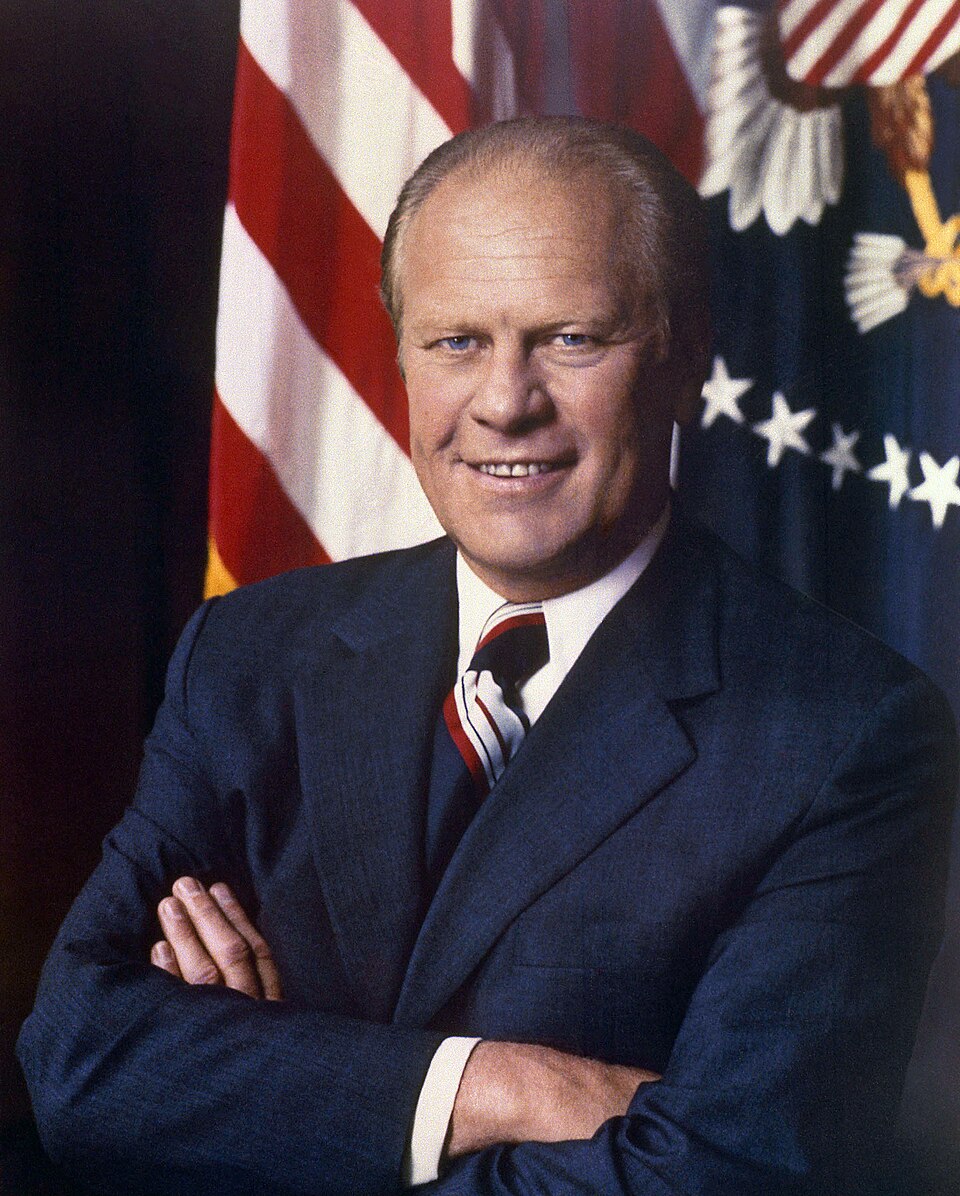
By 1976, the celebration had already grown beyond one week in many communities, but official recognition still mattered for schools and institutions that follow signals from the top. During the U.S. bicentennial, President Gerald R. Ford issued a Feb. 10 message urging Americans to honor Black History Month and the perseverance it represents.
That public statement did not invent the work; it validated decades of organizing by teachers, librarians, and local groups who had been doing it without headlines. It also set a marker in the record, making it harder to pretend the story was optional or new.
A Dry Cleaning Patent Funded Abolitionist Work
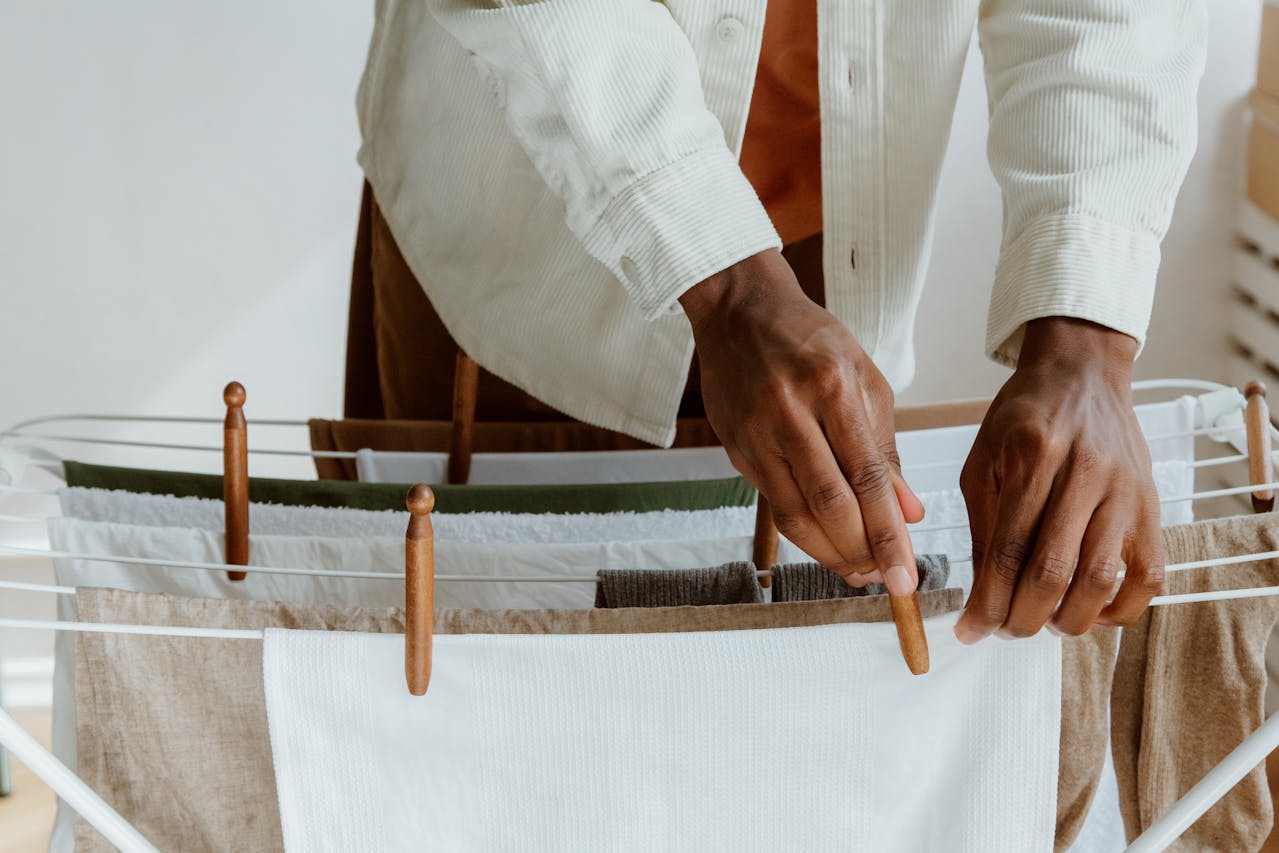
In 1821, New York tailor Thomas L. Jennings secured a U.S. patent for dry scouring, a forerunner of modern dry cleaning. That matters because it places Black invention in the early republic, not only after emancipation or inside universities. It also shows entrepreneurship growing in plain view, even under heavy constraints.
The patent was issued on March 3, 1821, and Jennings used the income and standing that followed to support abolitionist work and civil rights organizing in New York. Records note he framed the certificate, a simple way of claiming authorship when society often resisted it.
A White House Dinner Triggered a Long Social Freeze
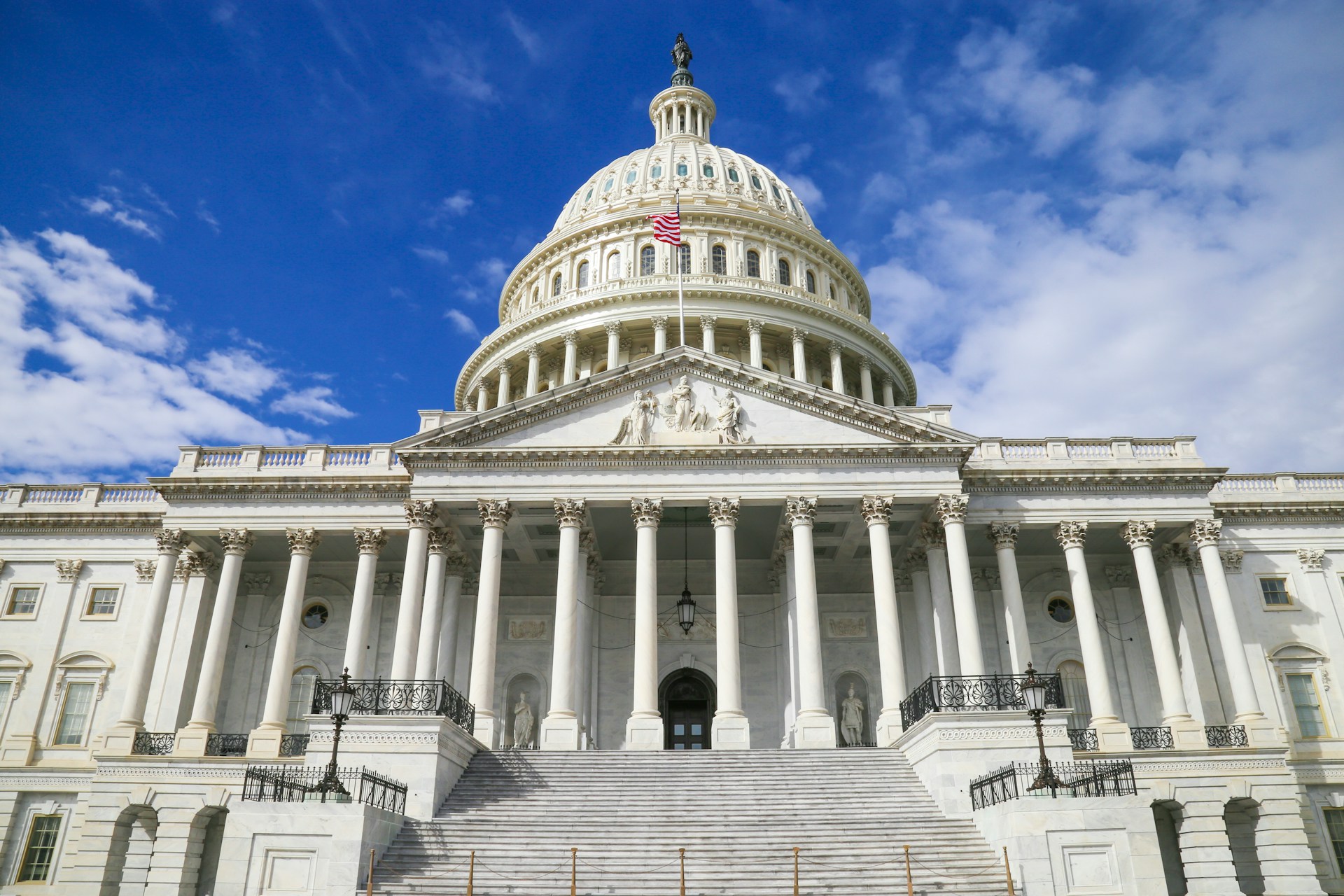
On Oct. 16, 1901, Booker T. Washington dined at the White House with President Theodore Roosevelt, a meeting that blended policy discussion with a very public signal of respect. The meal was ordinary on its face, yet the backlash from white politicians and newspapers, especially in the South, was loud and sustained.
Histories of the event note that no other Black American was invited to dinner for almost 30 years, a reminder that custom can be enforced through social pressure as much as law. The episode is useful because it shows how equality is tested in small rooms, not only in courts or ballots.
The 1863 Draft Riots Included an Attack on a Children’s Asylum
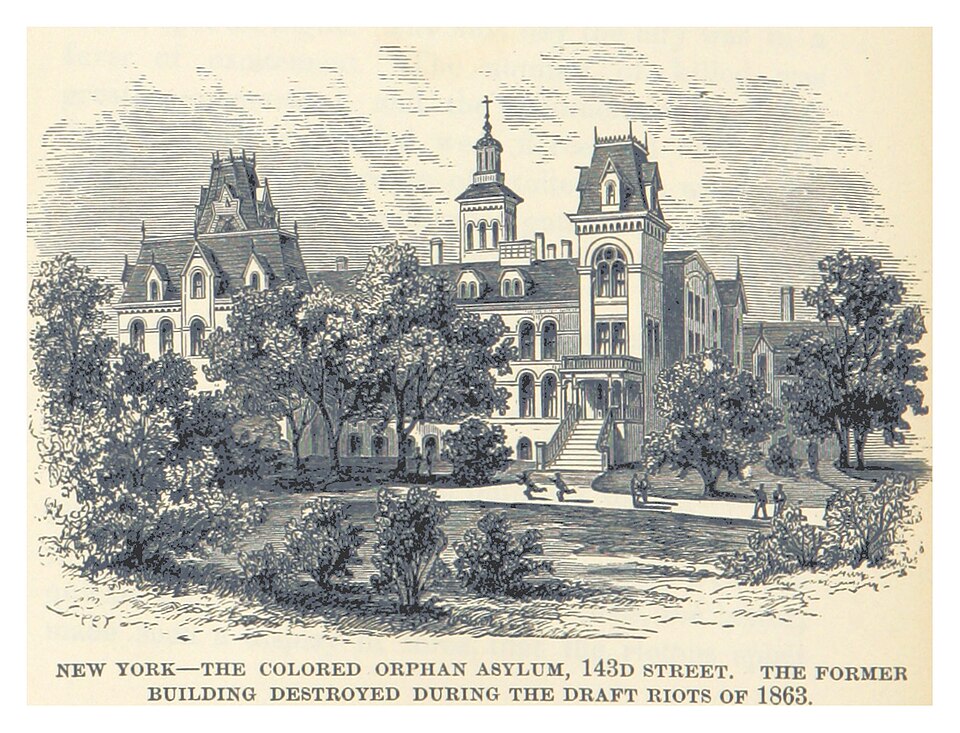
In July 1863, unrest over the Civil War draft in New York City escalated into days of chaos, and Black residents became targets across the city. On July 13, the Colored Orphan Asylum on Fifth Avenue was looted and burned, forcing staff to move children to safety through crowded streets.
The building was rebuilt later, but the lesson lasts longer than the bricks: institutions that served Black children could be treated as symbols to punish. Remembering this episode changes how the North is remembered, and it makes clear why many families carried both hope and caution into city life.
Reconstruction Produced Thousands of Black Officeholders
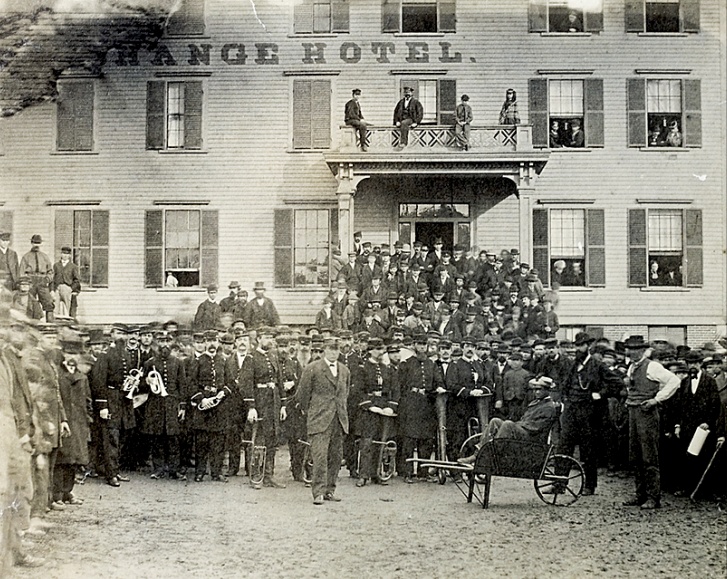
Reconstruction is often compressed into a quick bridge between war and Jim Crow, yet it contained a real experiment in multiracial democracy. National Park Service historians note that up to 2,000 African Americans held public office from the late 1860s to 1900, from local roles to seats in Congress.
Hiram Revels became the first Black U.S. senator in 1870, and Black lawmakers helped build the South’s first state funded public school systems, serving an expanded public, too. Taken together, these facts frame the era as capacity and achievement, not only backlash and retreat.
Juneteenth Exists Because Freedom Traveled Slowly
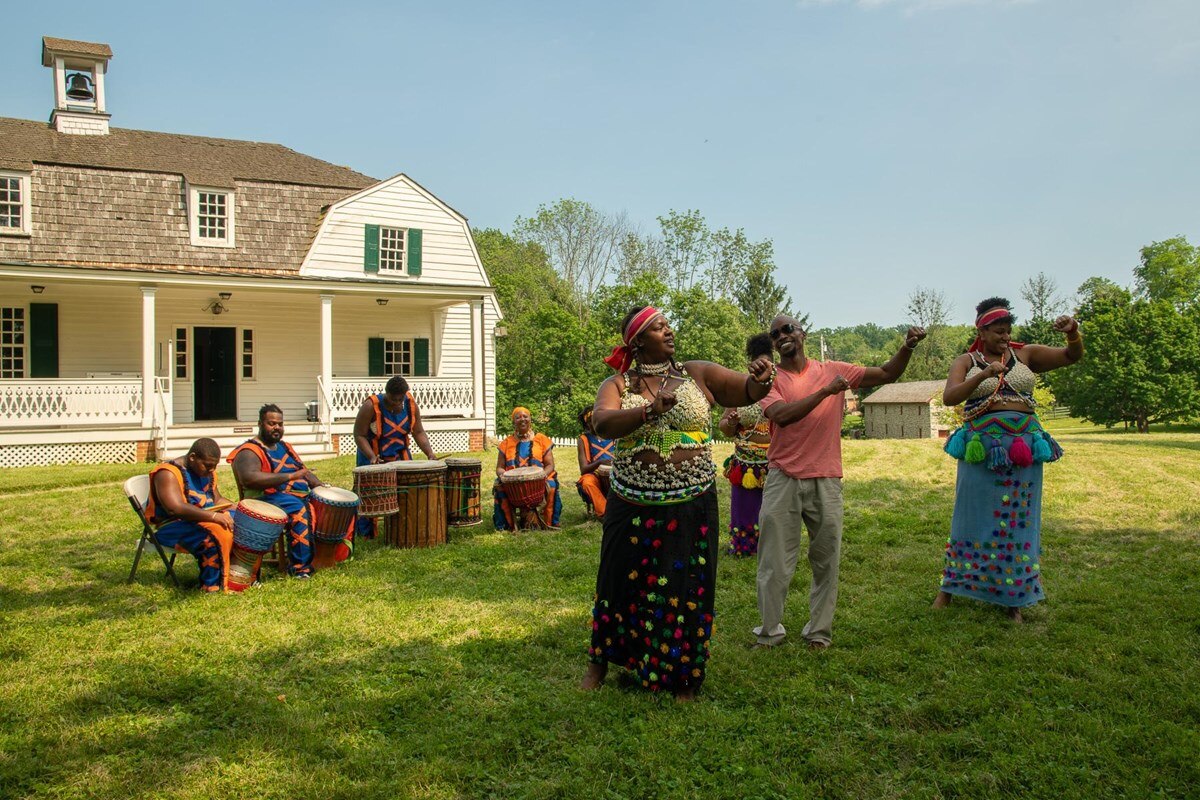
Juneteenth is a reminder that emancipation was not a single switch flipped everywhere at once. On June 19, 1865, Union Maj. Gen. Gordon Granger issued General Order No. 3 in Galveston, Texas, announcing freedom for enslaved people in the state. Texas held one of the last concentrations of people still enslaved.
The timing mattered: it came about two and a half years after the Emancipation Proclamation, and enforcement depended on Union presence. The order was posted and published, then carried by word of mouth. Celebrations began in Texas in 1866, holding relief and memory together.
The Great Migration Was a Strategy, Not a Single Wave
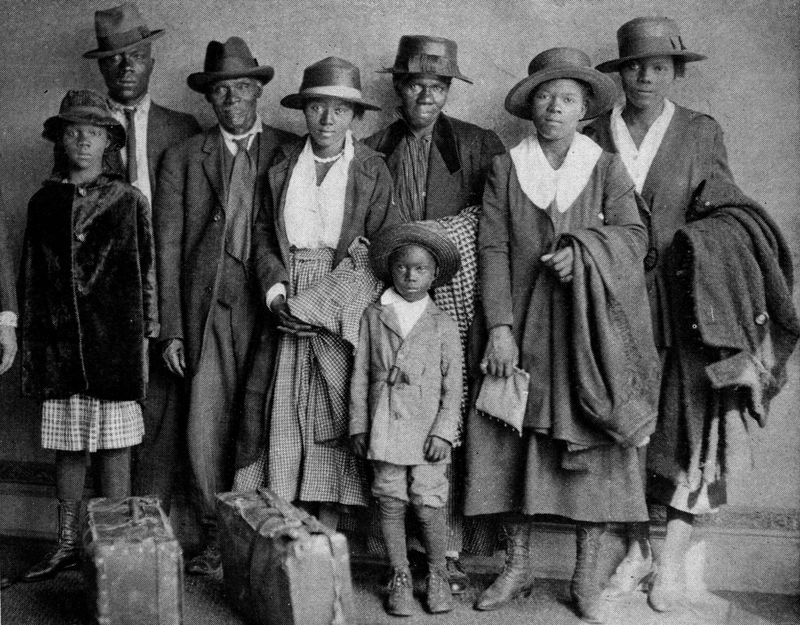
The Great Migration is often described as movement, but it was also planning: families weighing safety, wages, and the chance to live with less fear. The National Archives estimates that about six million Black people moved from the South to Northern, Midwestern, and Western states from the 1910s through the 1970s.
The scale reshaped cities, labor politics, music, and food, while also reshaping the South as people left behind voted with their feet. It helps explain why certain neighborhoods became cultural engines, and why the memory of departure still sits close to the surface in so many families.
Jacob Lawrence Painted Migration Into a Shared Record
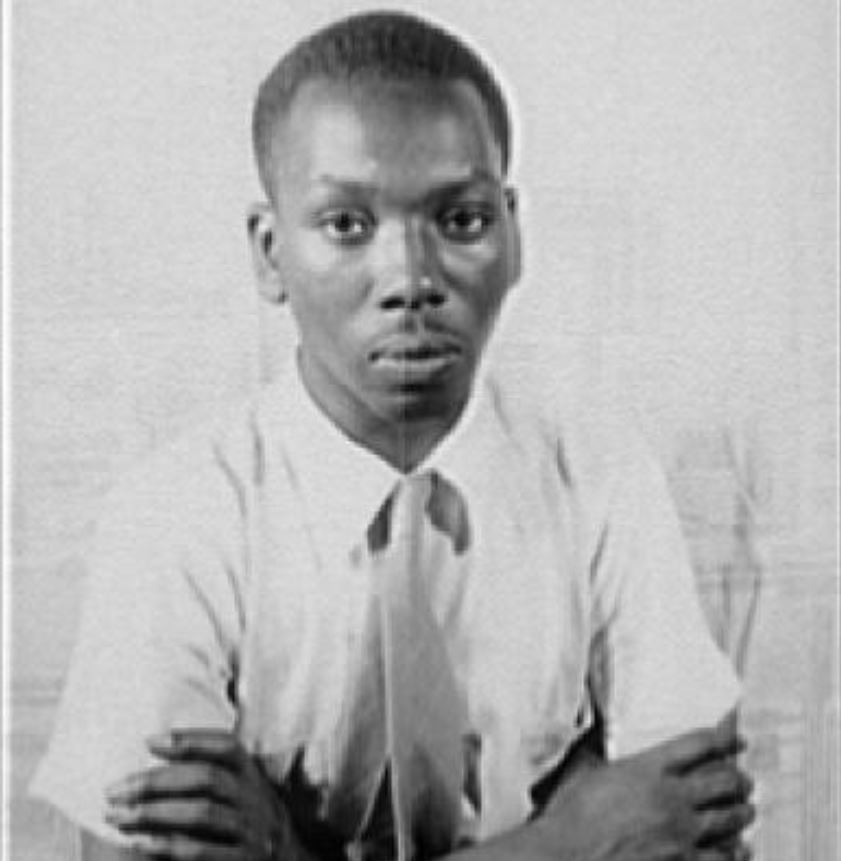
In 1940 and 1941, Jacob Lawrence completed The Migration Series, 60 panels that turned a massive demographic shift into scenes of train stations, factory work, rented rooms, and hard choices. MoMA notes the work depicts the post World War I migration that began around 1915, and that it is jointly owned with The Phillips Collection.
Lawrence was only 23 when he finished it, and the series carries that sharp clarity: simple forms, direct captions, and no wasted space. For many viewers, it does what textbooks often fail to do, making migration feel personal while staying anchored to history.
Black Cowboys Were Common, Then Edited Out of Memory
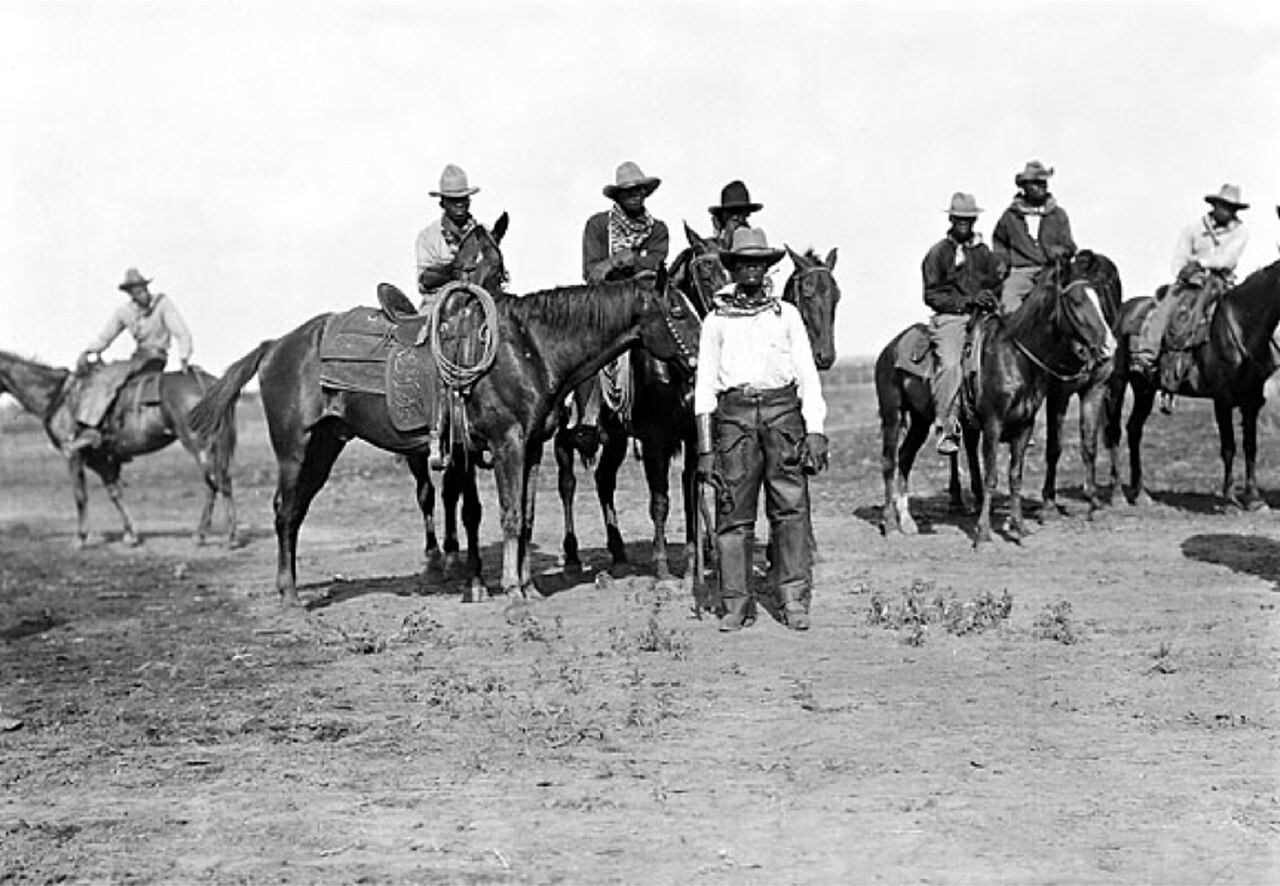
The cowboy myth was never as white as movies made it. The National Park Service notes that one out of every four cowboys was African American, riding on cattle drives and working ranches after emancipation.
Smithsonian historians describe how Black cowboys worked the same trails and ranch jobs, yet their presence faded from popular storytelling and school lessons. That erasure left a gap where real names, rodeo talent, and photographs should have been. Recovering the fact does not remake the West; it restores the West that existed, with Black riders shaping it in plain sight for decades.