Air travel did not become normal in a smooth line. It arrived in leaps, each pushed forward by a single flight that proved a new idea could work in the real world. Some were bold crossings that turned blank ocean into a plotted route. Others showed how airports, crews, and schedules could move people and supplies at scale. Over decades, cabins grew quieter, routes grew straighter, and fares edged closer to everyday life. These flights mark the moments when the sky stopped being a dream and started acting like a reliable road.
Alcock And Brown’s Nonstop Atlantic Leap (1919)
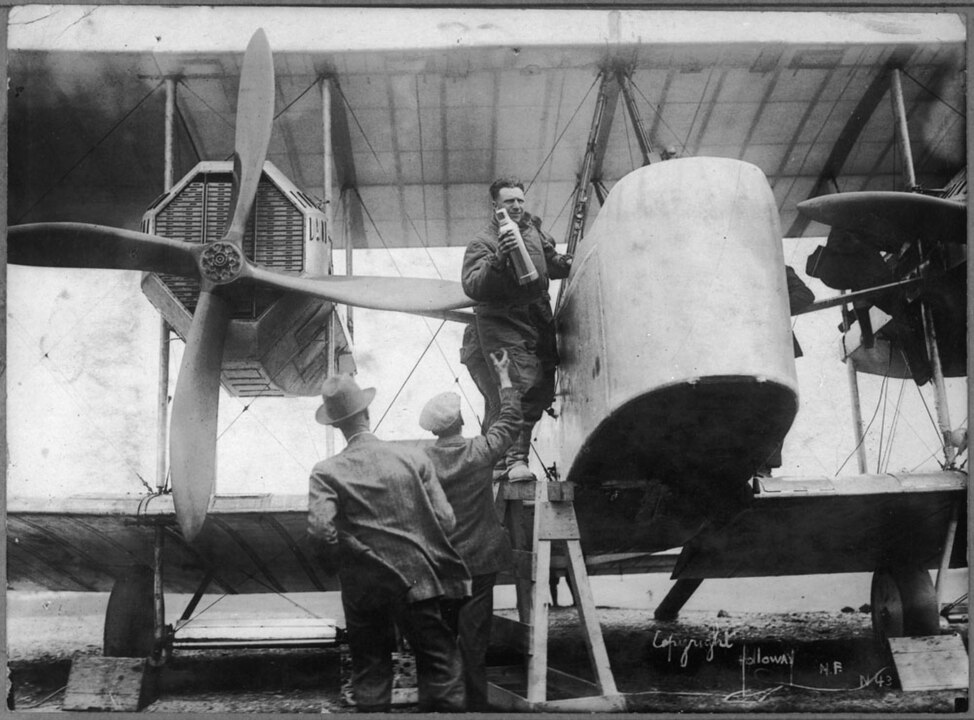
In June 1919, John Alcock and Arthur Whitten Brown lifted a modified Vickers Vimy from Newfoundland and aimed for Ireland without a planned stop. Cloud, icing, and instrument trouble forced constant judgment, yet the aircraft reached Clifden, proving an ocean could be crossed by air in one continuous push. Navigation relied on dead reckoning and quick fixes, not comfort. The landing was rough, but the message stayed simple: long routes could be engineered, timed, and repeated, which nudged aviation from headline dare to workable transport. It also made airlines and governments take weather data and radio planning seriously.
Pan Am’s Dixie Clipper Opens Paid Transatlantic Travel (1939)
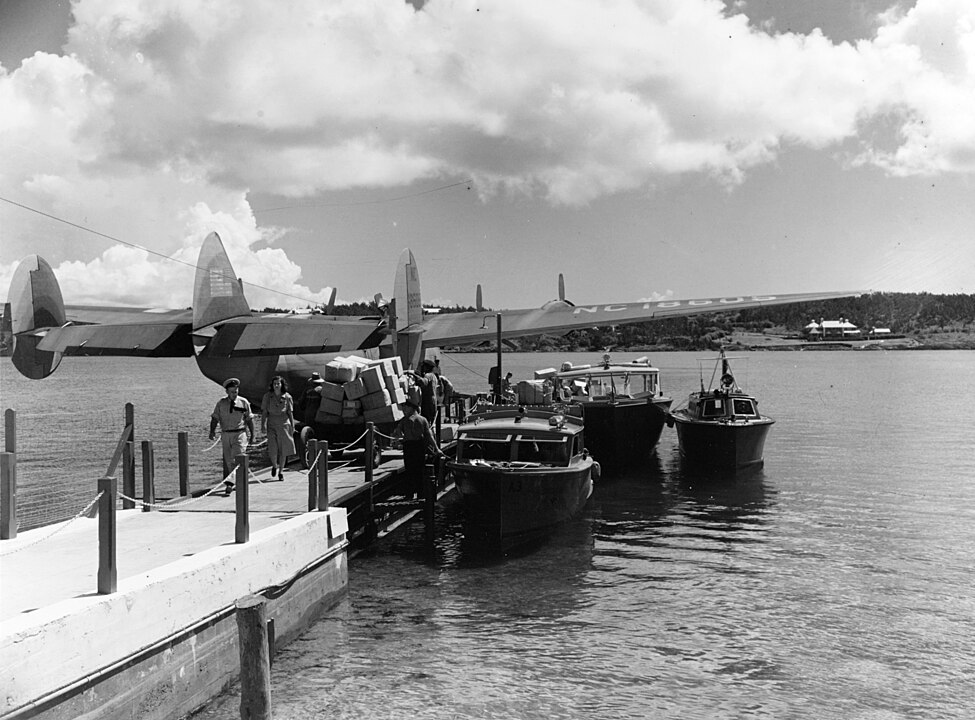
On June 28, 1939, Pan Am’s Boeing 314 Dixie Clipper carried paying passengers across the Atlantic, turning a daunting crossing into a product with tickets, menus, and procedures. The flying boat hopped through island stops, but the real breakthrough was repeatability: dispatch rules, crew standards, and route planning that made an ocean feel schedulable. That mindset shaped modern long-haul travel, where reliability matters as much as romance, and where a route exists only when the paperwork, training, and infrastructure can support it. Even the idea of in-flight service became a standard instead of a novelty.
The Berlin Airlift Proves Air Corridors Can Sustain A City (1948)
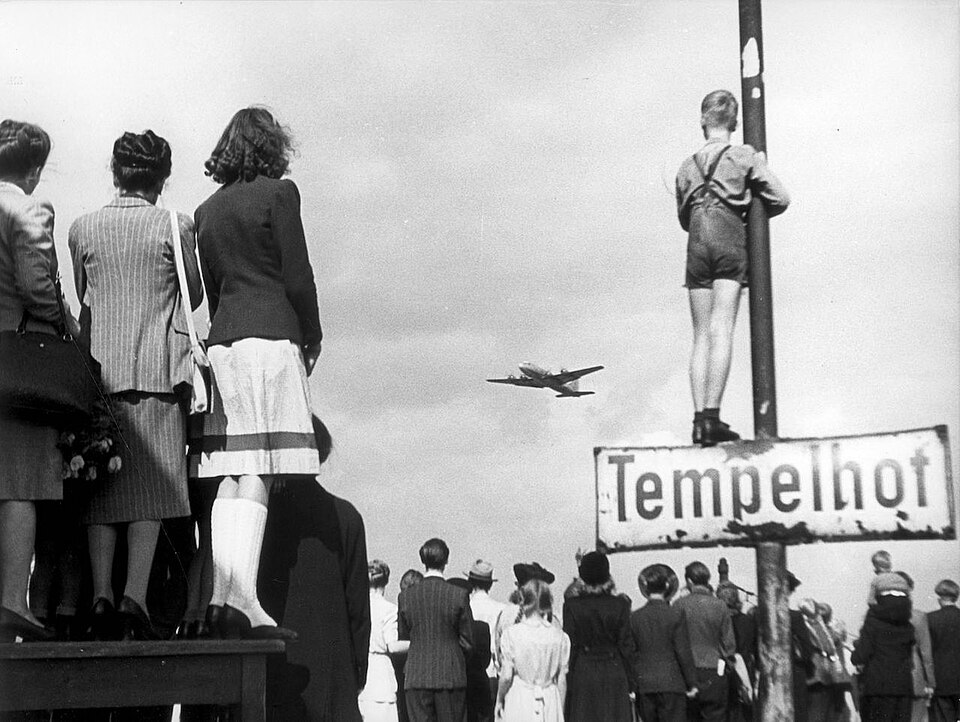
When the Soviet blockade cut West Berlin off in 1948, transport aircraft became the city’s steady heartbeat. Beginning June 26, U.S. and allied crews flew a constant stream of landings into Tempelhof and other fields, bringing coal, flour, milk, and medicine with strict timing and fast turnarounds. It was not glamorous flying, but it forced big advances in logistics, loading, and air traffic control. Civilian aviation later borrowed those lessons, from slot discipline to airport throughput, making crowded terminals and tight schedules workable. It showed that aviation could be essential infrastructure, not just convenience.
BOAC’s Comet Introduces Jet Service To Passengers (1952)
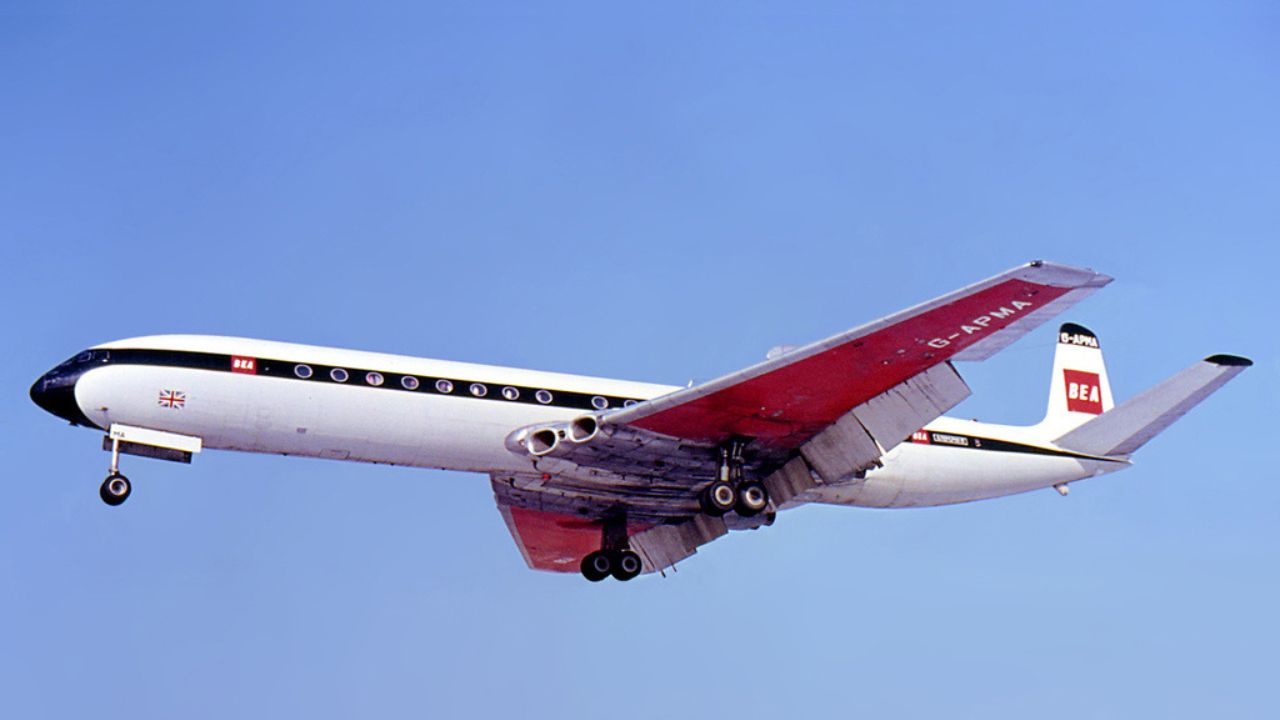
On May 2, 1952, BOAC put the de Havilland Comet into commercial service, and passenger expectations shifted in a single season. Jet power meant higher cruising altitudes and shorter travel times, while pressurization made long segments feel calmer than propeller flights that rattled through weather. Early structural failures later pushed new testing and certification rules, but the Comet’s debut made jets inevitable. From then on, airlines competed on minutes saved and network reach, and airports began preparing for faster turnarounds and higher volumes. Comfort and speed became the baseline promise of modern flying.
SAS’s Polar Route Makes The Globe Feel Smaller (1954)
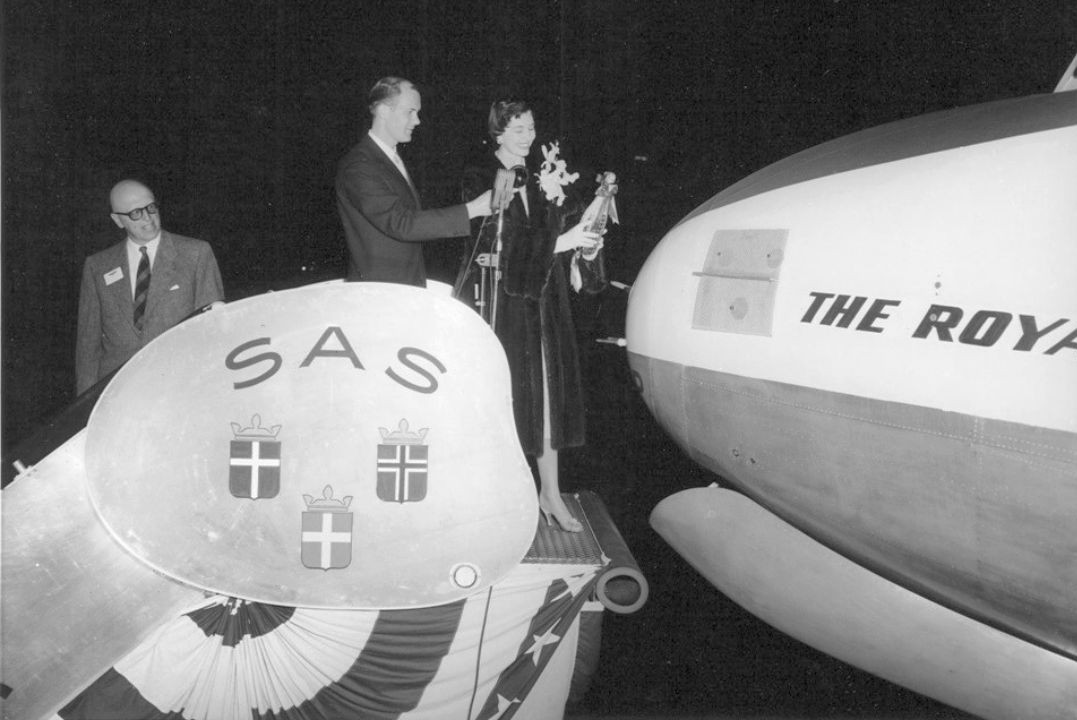
In Nov. 1954, SAS opened a polar route linking Copenhagen and Los Angeles, using the Arctic as a shortcut instead of a blank edge on the map. The flight reduced distance enough to change planning, and it demanded stronger navigation, cold-weather discipline, and contingency thinking across remote airspace. More than a technical feat, it reshaped how routes were imagined: not as straight lines on wall maps, but as curves across a round world. That shift set the stage for later transpolar networks that connect Europe, Asia, and North America with fewer detours. It also proved that geography could be negotiated with math and fuel planning.
Pan Am’s Boeing 707 Turns Long-Haul Into A Routine (1958)
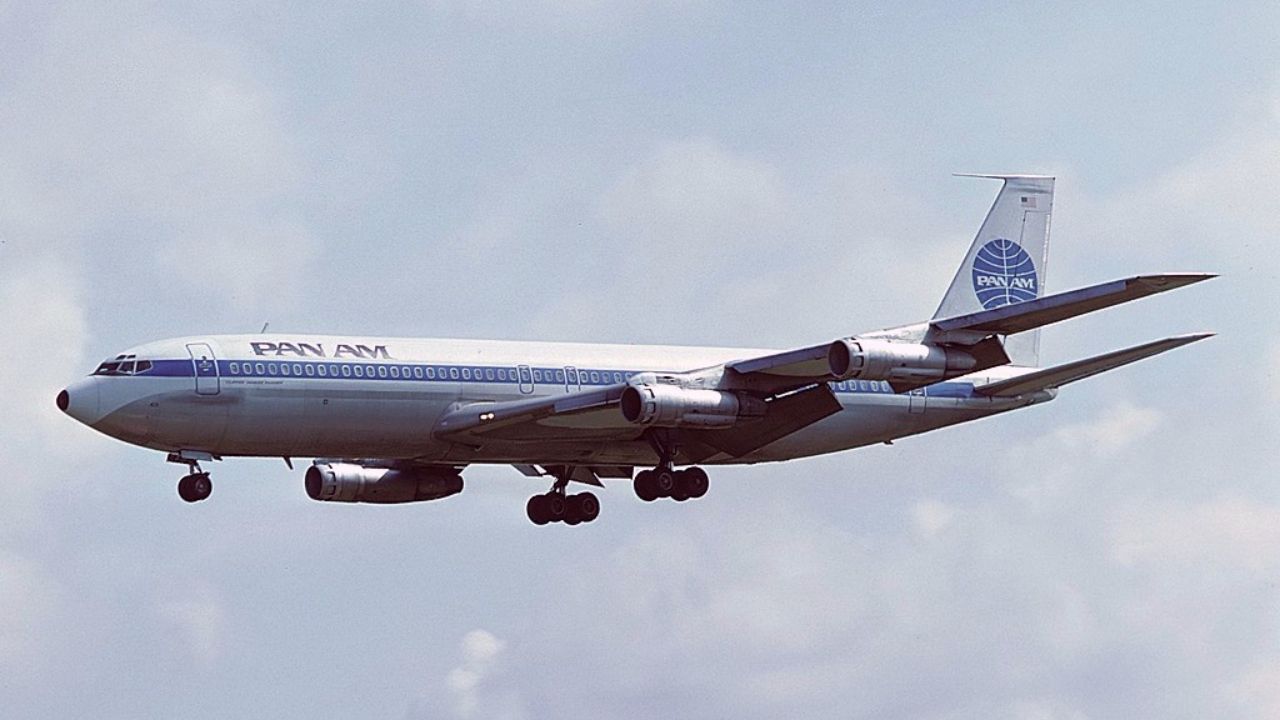
On Oct. 26, 1958, Pan Am launched Boeing 707 service, and the Jet Age stopped being a promise and became a timetable. Speed shortened the Atlantic enough to support regular business travel, quick diplomatic trips, and family visits that did not require weeks away. Airlines reorganized around jets, hubs, and frequency, while airports updated gates, fueling, and baggage systems to match faster operations. The change was cultural, too: international travel began to look less like a grand event and more like a practical option when time, price, and routes aligned. It also made jet lag a common term, because distance was suddenly outrun.
Pan Am’s 747 Jumbo Brings Mass International Travel (1970)
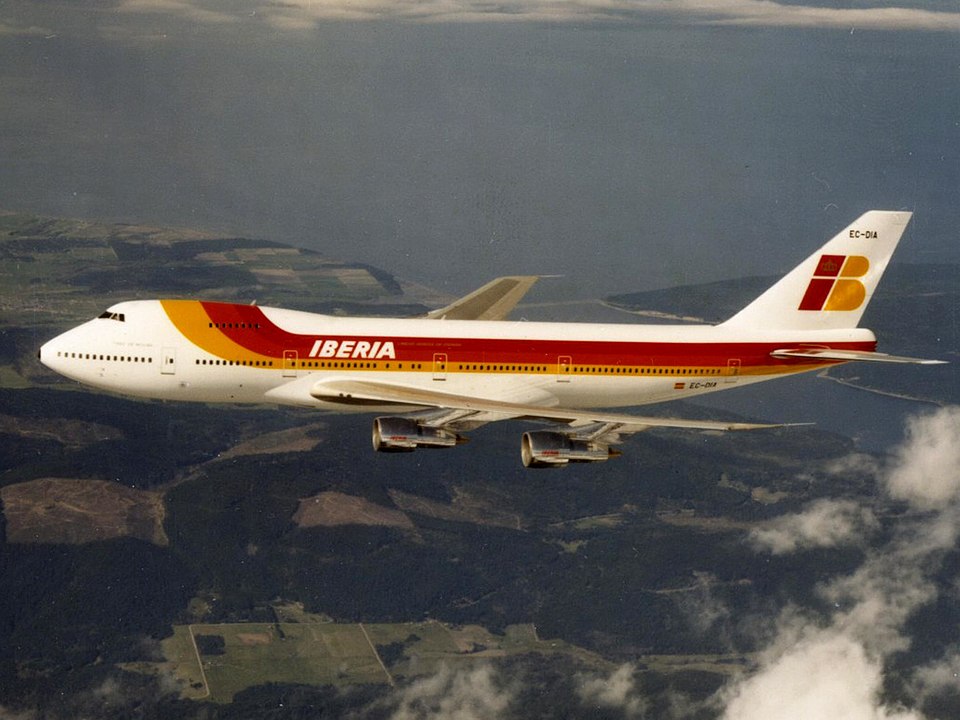
On Jan. 22, 1970, Pan Am flew the Boeing 747 on a New York to London route, and the scale of air travel expanded overnight. A wide-body cabin meant far more seats, lower cost per passenger, and a new pressure on airports to rethink gates, jet bridges, baggage flow, and runway capacity. The 747 did not just carry more people; it changed how airlines sold the world, with packages, partnerships, and nonstop routes built around volume. Tourism grew where the jumbo could reach, and global cities learned to host crowds arriving in the same hour. Its silhouette became an icon of possibility, but its impact was mostly arithmetic.
Concorde Makes Speed A Destination In Itself (1976)
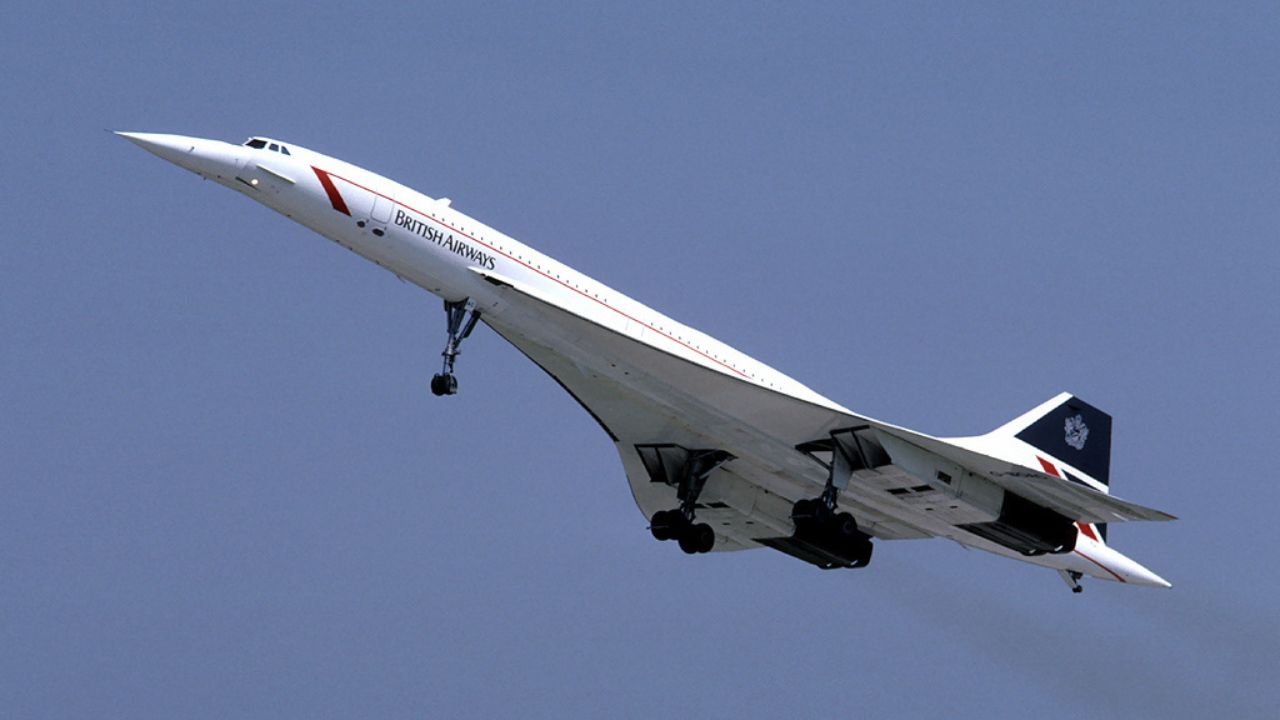
On Jan. 21, 1976, Air France and British Airways began Concorde service, selling supersonic time savings as a kind of modern prestige. The needle-nosed jet cut travel hours so sharply that same-day transatlantic business became plausible, and arrival times took on a new logic. Noise limits, fuel costs, and politics kept supersonic flight rare, but Concorde proved that speed could be the primary design goal, not a bonus. It also refined premium airport handling, from lounge culture to tight, choreographed boarding, shaping what top-tier long-haul service would later promise. Long after retirement, the idea still shadows every supersonic plan.
Laker’s Skytrain Pushes The Fare Revolution (1977)
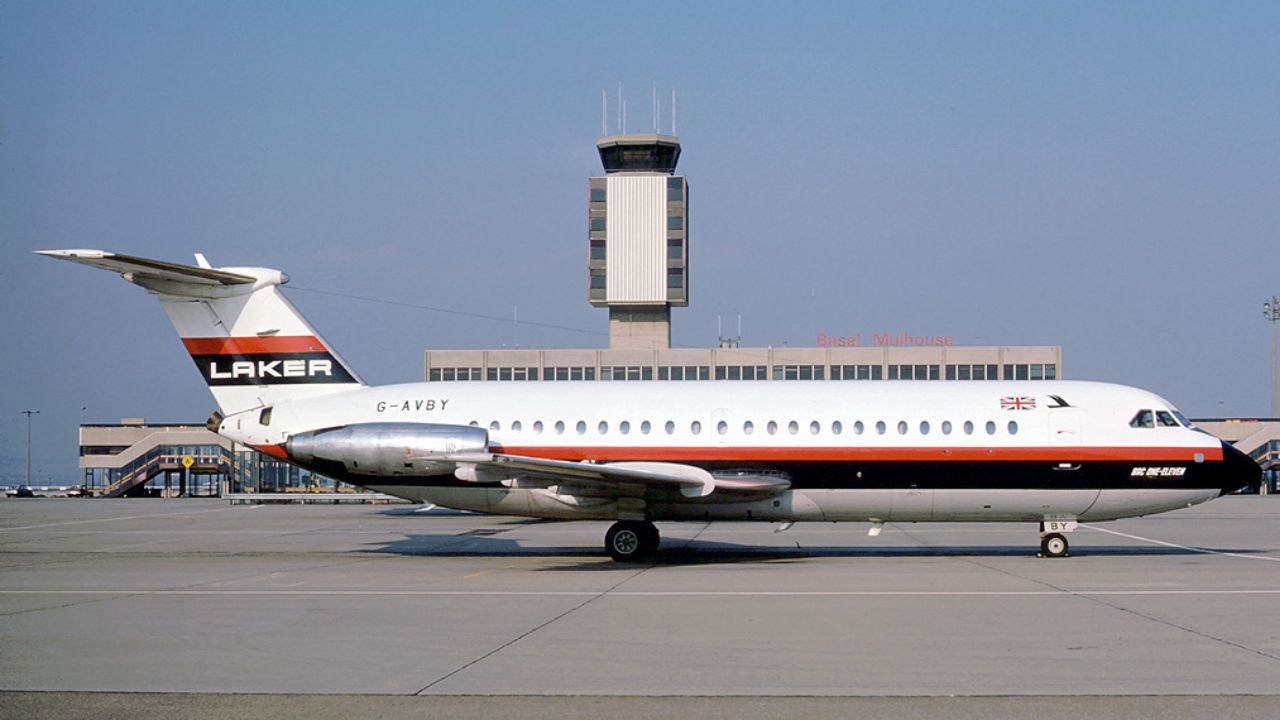
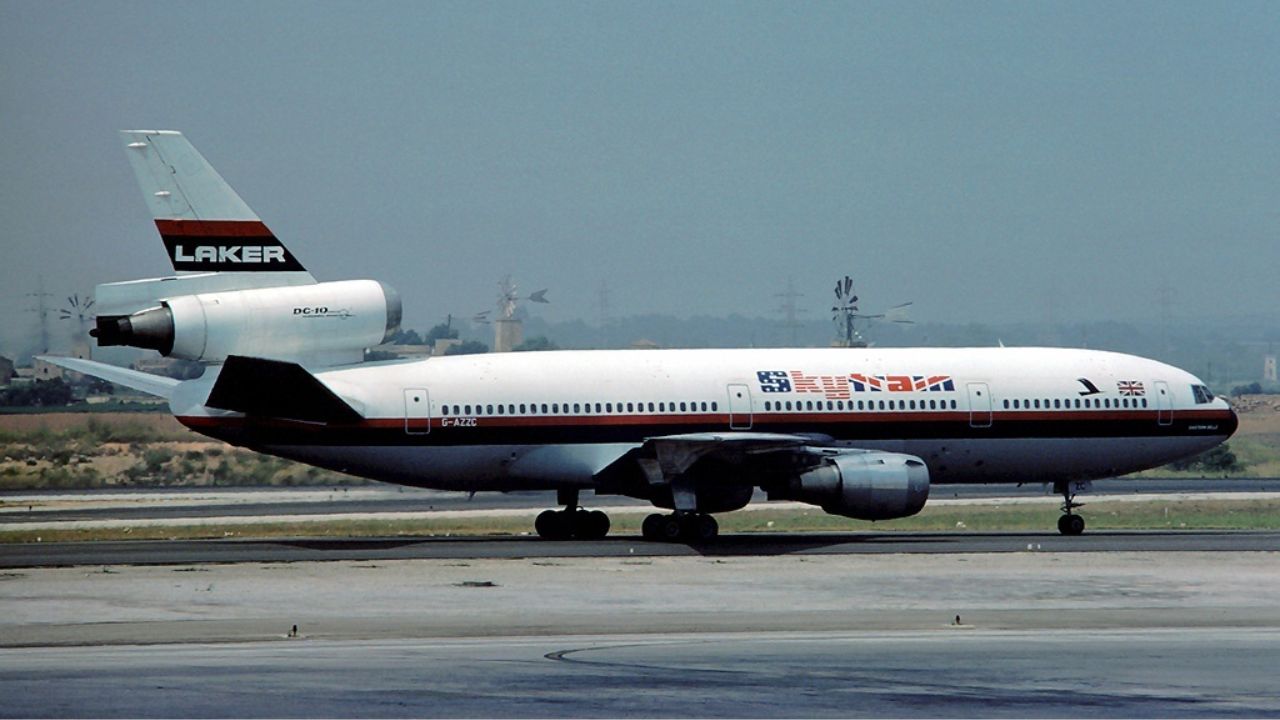
On Sept. 26, 1977, Laker Airways launched Skytrain between London Gatwick and New York JFK, betting that the Atlantic could be priced for ordinary budgets. The model stripped frills, promoted simple fares, and treated a seat like something to be bought, not granted by status. Competition and regulatory pressure were fierce, and the airline later failed, yet the core idea survived and spread. Unbundled extras, dense cabins, and bargain hunting became familiar, and secondary airports proved they could anchor international routes when price was the headline. It helped normalize the belief that flying could be planned around deals, not privilege.
ANA’s First 787 Flight Enables More Direct Routes (2011)
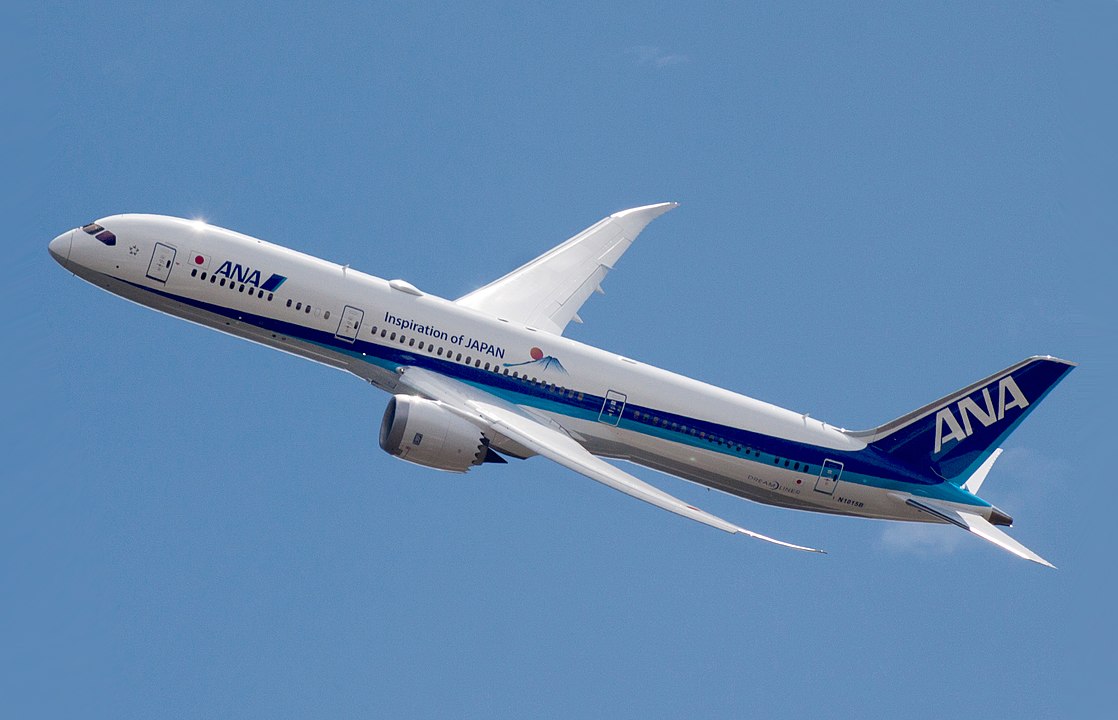
On Oct. 26, 2011, All Nippon Airways operated the first passenger flight of the Boeing 787 Dreamliner, a jet designed around efficiency and range. Its economics made long, thin routes viable, allowing airlines to connect smaller city pairs directly instead of funneling everyone through mega-hubs. The cabin experience improved as well, with quieter engines and higher humidity that reduced some long-haul fatigue. Over time, the 787 helped redraw route maps into finer lines, nudging more airports to add customs capacity and giving travelers more nonstop options with fewer tight connections. It rewarded patience with simplicity.