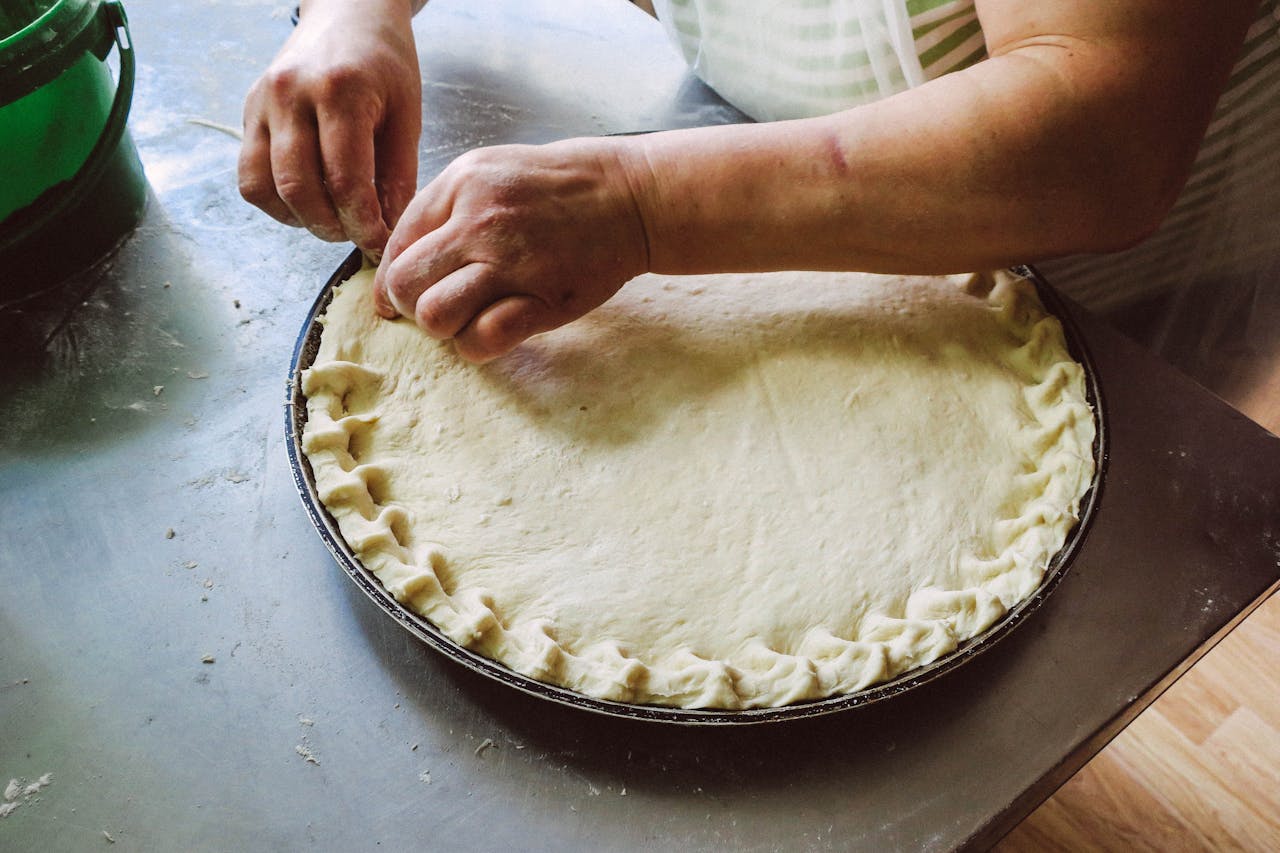
Some home cooking tastes pleasant but never quite lands, and chefs can usually name the missing pieces. Not fancy ingredients or rare gear, but a small set of base recipes that quietly hold everything together. When cooks skip them, weeknight meals lean on bottled fixes, flavors stay one note, and textures turn soft or dry. These foundations travel across cuisines, from winter soups to summer salads, because they teach balance, timing, and restraint. Once they are learned, the kitchen feels calmer, faster, and more reliable on ordinary nights. The payoff is confidence that shows up on the plate, not in the recipe book.
Stock That Tastes Like Something
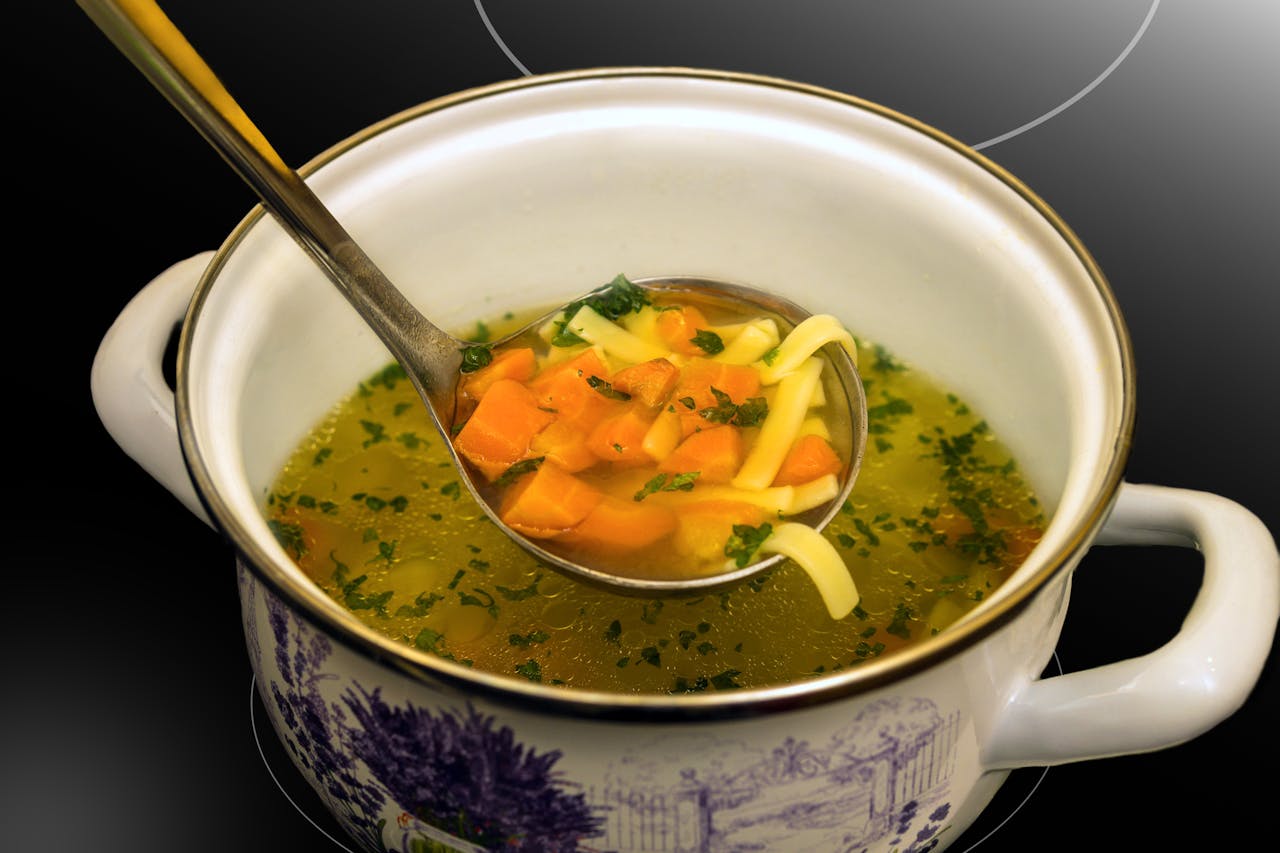
A real stock is less about bones and more about patience and restraint. Chefs notice when soups and grains taste hollow because boxed broth was asked to do too much. A simple pot of chicken or vegetable stock, kept at a gentle simmer and skimmed when needed, builds clean depth.
Onion, carrot, celery, and a bay leaf are enough, and avoiding a hard boil prevents cloudy notes. When cooled, chicken stock can gel slightly, giving sauces a fuller feel. Saving herb stems and chicken bones in the freezer makes the next batch easy. Freeze stock in small portions for beans, risotto, and pan sauces, then salt to taste at the end.
A Vinaigrette That Balances, Not Bludgeons
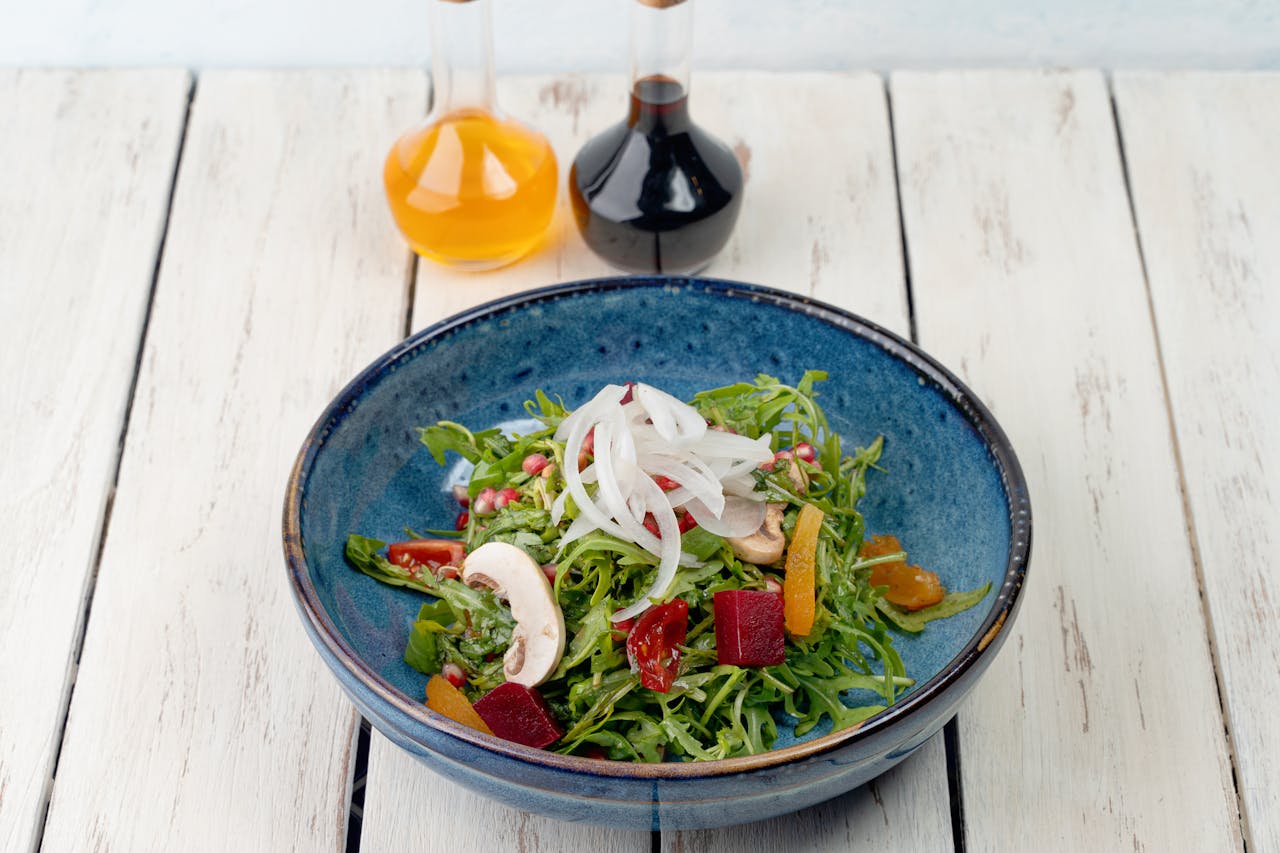
A basic vinaigrette teaches balance in one small jar: acid, fat, salt, and a little aroma. Chefs notice when salads feel like an afterthought because greens were hit with bottled dressing. Three parts oil to one part vinegar is a good starting point, not a law.
Add mustard or grated garlic for structure, then whisk or shake until it looks lightly emulsified. Taste and adjust with salt, citrus, or honey until it feels bright but not harsh. It also works as a marinade for vegetables, a finish for grilled fish, or a quick sauce for beans and lentils. Without it, meals often taste one note, even when everything was cooked correctly.
A Simple Tomato Sauce With Patience Built In
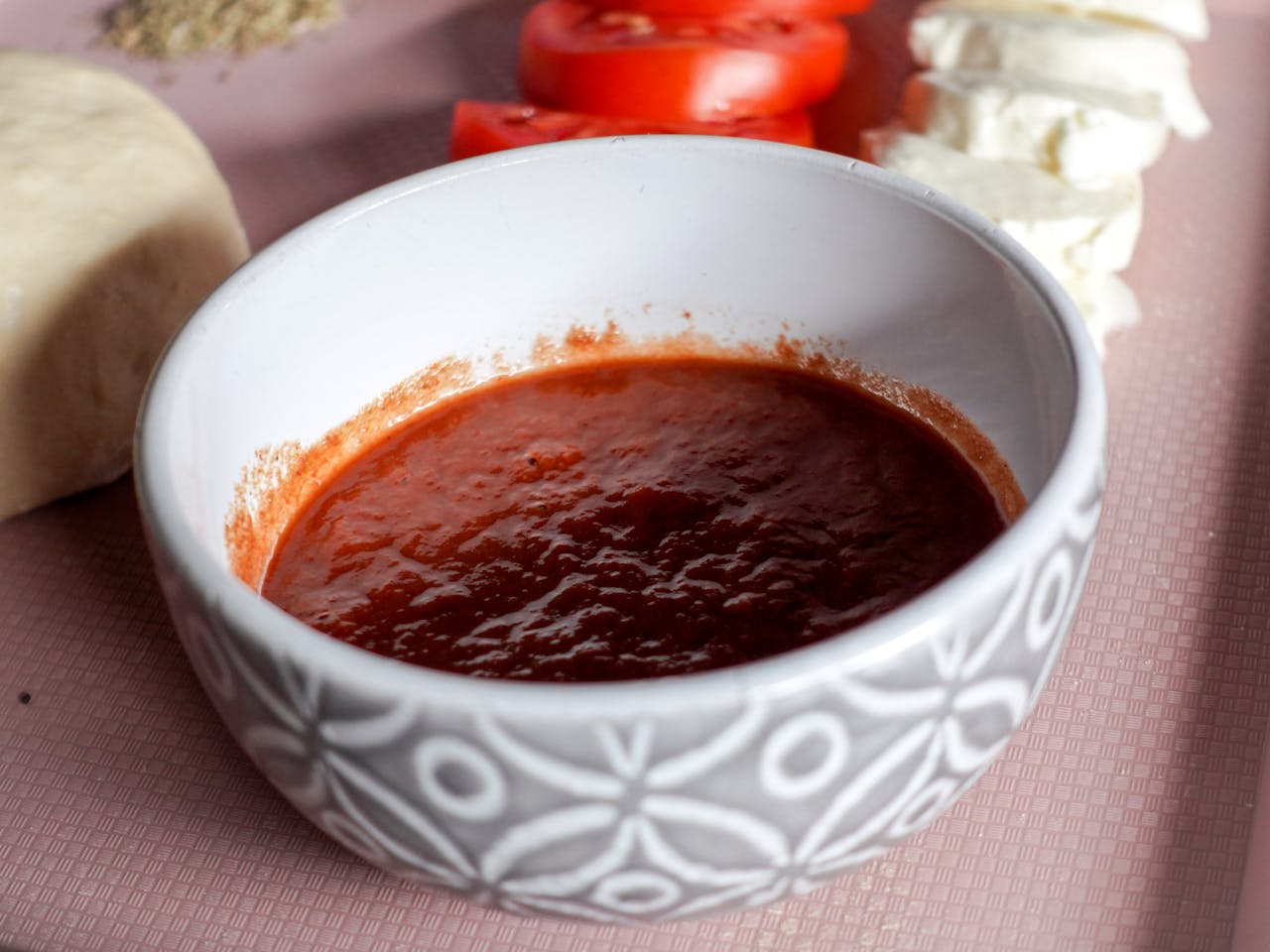
A simple tomato sauce is where many cooks learn the difference between sweet, salty, and truly savory. Chefs hear it in complaints about pasta tasting sharp or sugary, a sign the sauce was rushed or masked with too much seasoning. Good sauce starts with gentle heat, olive oil, and aromatics, then lets tomatoes reduce slowly.
A pinch of salt early helps the tomatoes relax, and a small knob of butter or a splash of stock can round the edges. Once the base is right, it becomes pizza sauce, shakshuka, braises, or a home for winter greens. Skipping this foundation forces meals to rely on jars that all taste strangely alike.
Béchamel That Stays Smooth and Steady
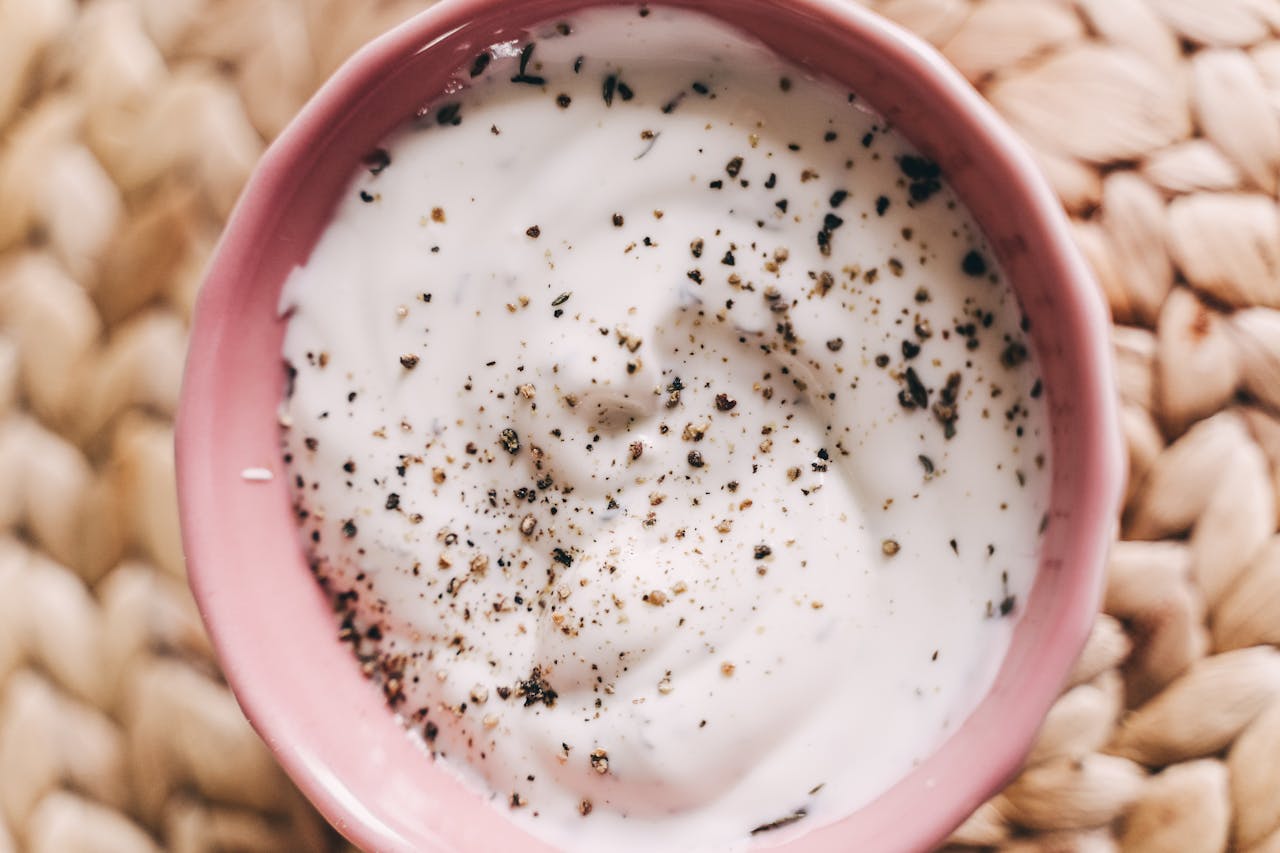
Béchamel looks humble, but it teaches control: heat, starch, and dairy working together. Chefs spot the gap when mac and cheese turns grainy, casseroles leak, or creamy soups taste chalky. A pale roux, cooked until it smells nutty, then loosened with warm milk, makes a smooth base.
That base becomes Mornay with cheese, a sauce for lasagna, or the quiet glue in gratins and pot pies. Salt should be added in small steps, and thickness can be tuned for coating or pouring. If a few lumps slip in, a quick strain fixes it, and leftovers reheat well with a splash of milk. The reward is comfort food that tastes composed, not muddled.
A Pan Sauce That Saves Weeknights
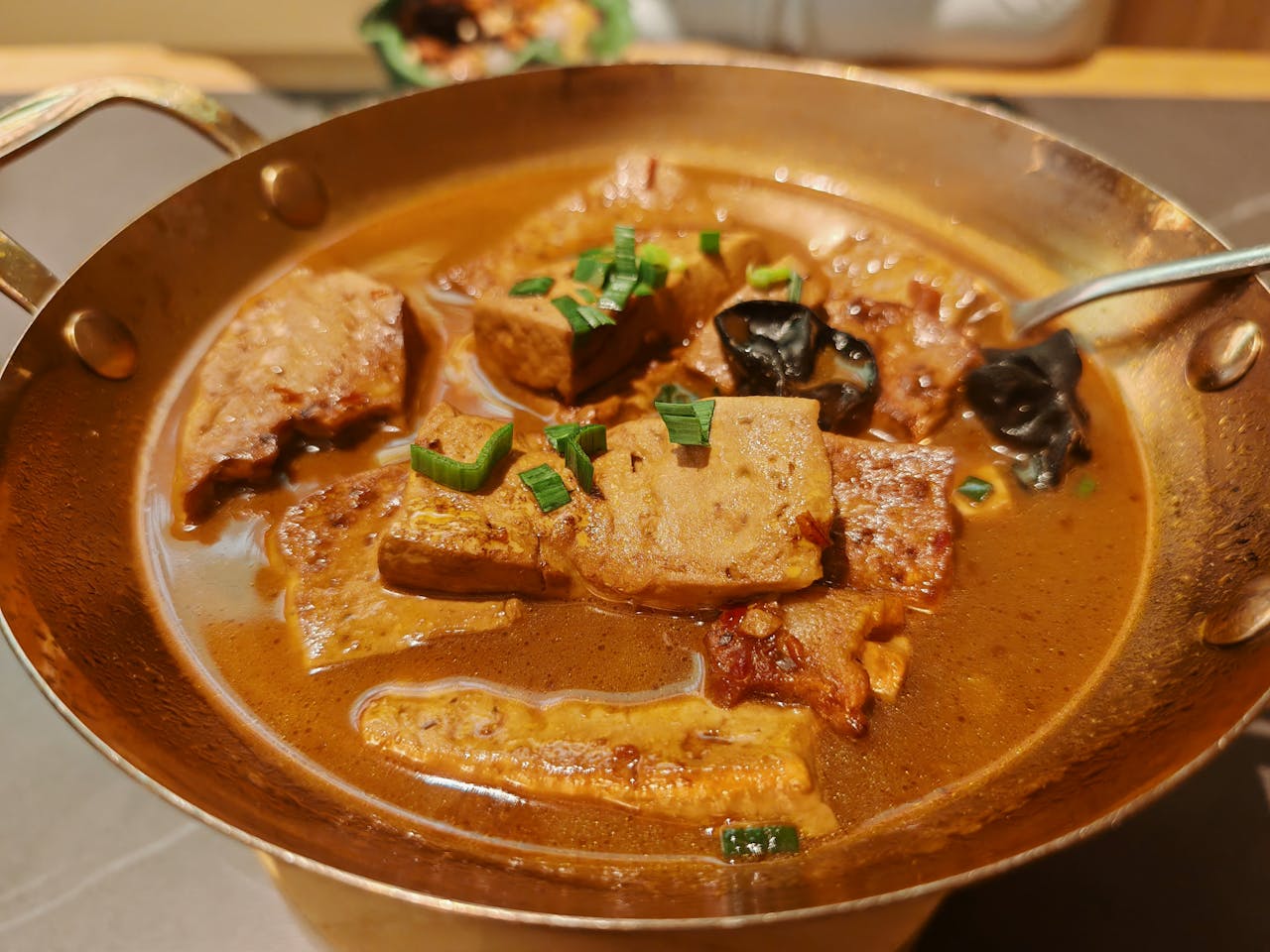
A pan sauce is the fastest way chefs turn a simple piece of protein into dinner with a point of view. When cooks skip it, chicken and pork often taste plain, even if they were browned well, because the flavor stuck to the pan got washed away. Deglazing that fond with wine, stock, or even water pulls the browned bits back into play.
Let it reduce, add a spoon of mustard or a squeeze of lemon, then finish with cold butter for shine and body. The method adapts to mushrooms, capers, herbs, and peppercorns, depending on the season and mood of the meal. Learning this one recipe makes leftovers feel fresh instead of repetitive.
Pie Dough That Bakes Up Tender, Not Tough
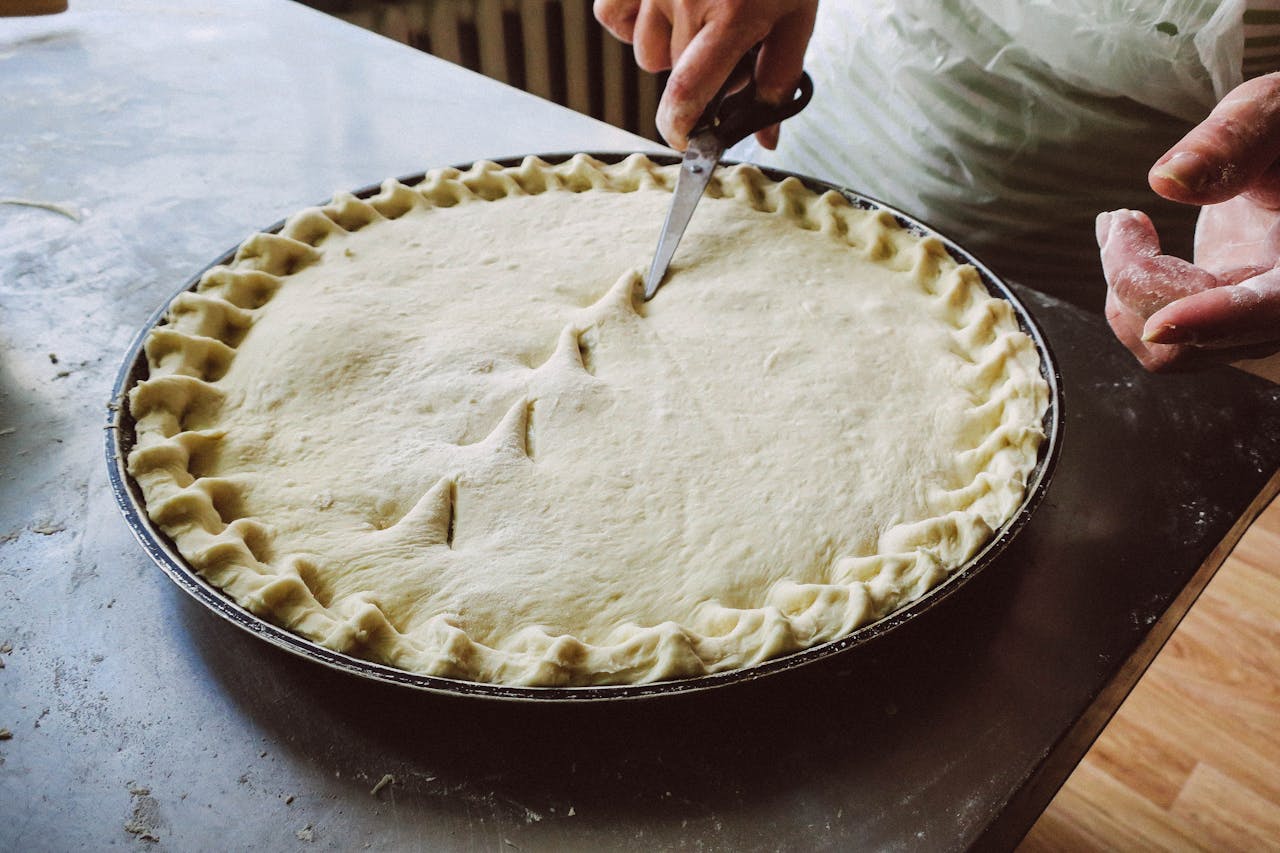
Pie dough teaches a lesson most home cooks avoid: texture comes from temperature and touch, not luck. Chefs can spot the shortcut when crusts bake up tough or greasy, usually from overworking warm butter or adding too much water. A reliable dough uses cold fat cut into flour until it looks like coarse sand, then comes together with minimal mixing.
That same base becomes savory quiche, galettes, hand pies, and quick tarts for fruit that shows up in peak season. Chilling before rolling and before baking keeps layers distinct and edges crisp. Once cooks trust their own crust, store bought shells stop feeling like the default.