Caribbean itineraries still sell the dream: blue water, easy shore days, and a steady rhythm of island stops. But behind the brochure glow, cruise planners juggle crowd limits, charges, tender logistics, and disruptions that can turn a simple call into a scramble. Local pushback is part of the mix when streets clog or reefs strain. When a port becomes hard to operate, hard to secure, or hard to enjoy, ships pivot to alternatives, even if guests complain. That is why the map keeps shifting from season to season as 2026 schedules lock in. These five stops show how quickly a fan favorite can start feeling like a liability.
Labadee, Haiti
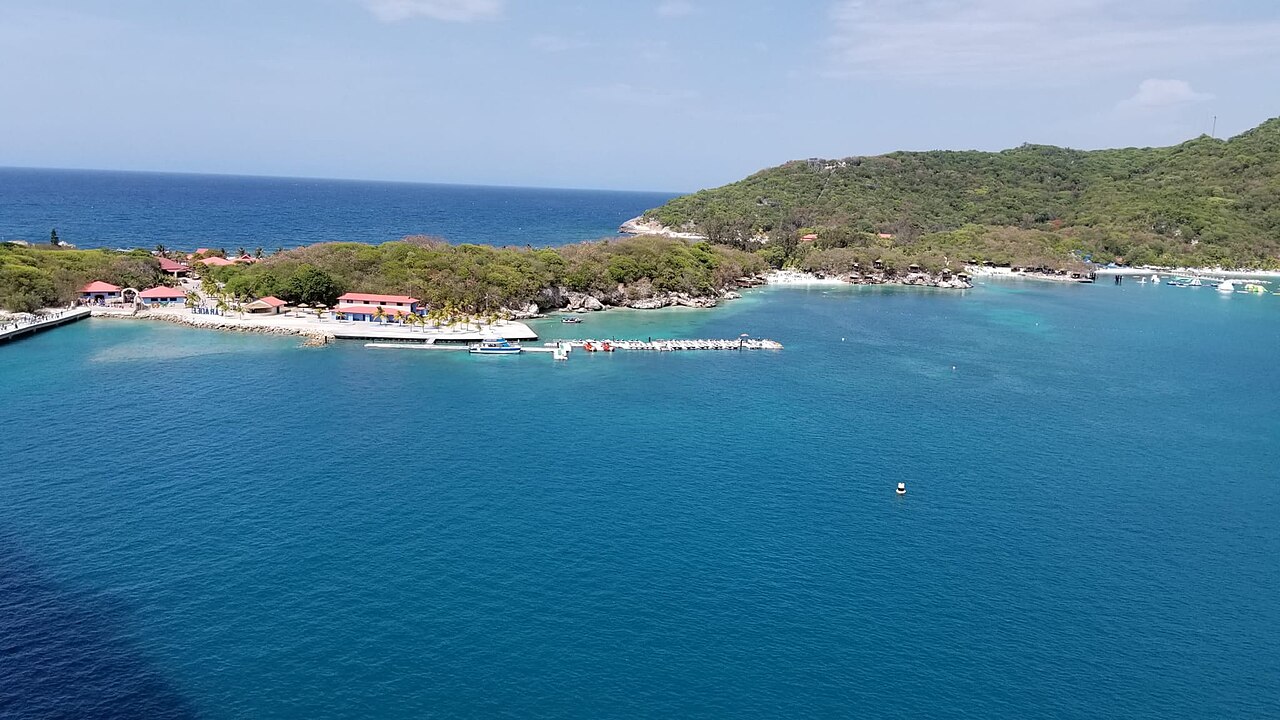
Labadee is marketed as a controlled, private beach stop, yet it sits inside a country facing a fast-changing security picture. Royal Caribbean has extended its pause on Labadee calls through the end of 2026, with the line last calling there in April 2025. Celebrity, a sister brand, has also removed the stop from 2025 and 2026 itineraries.
For guests, the switch often becomes Nassau or an extra sea day. For planners, it is a reminder that even gated ports depend on response capacity and the broader situation onshore, not just a fence line. Local guides and vendors feel the whiplash when schedules vanish with little warning.
Cozumel, Mexico
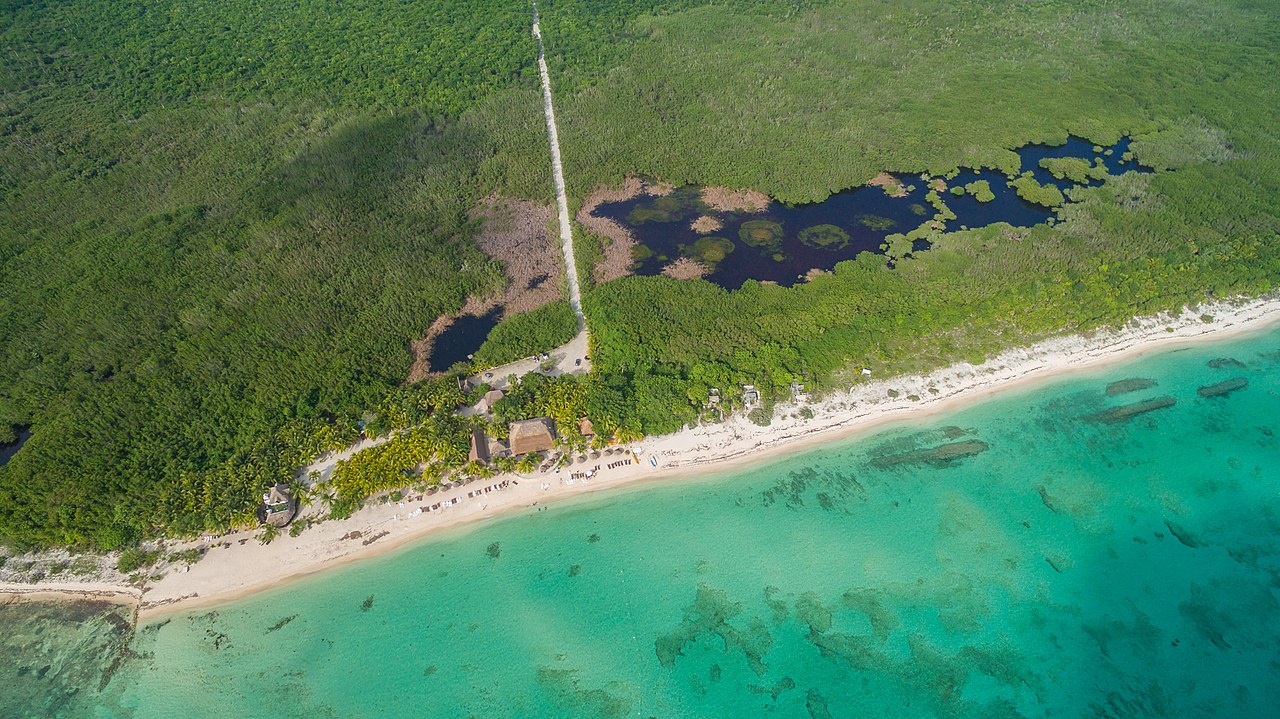
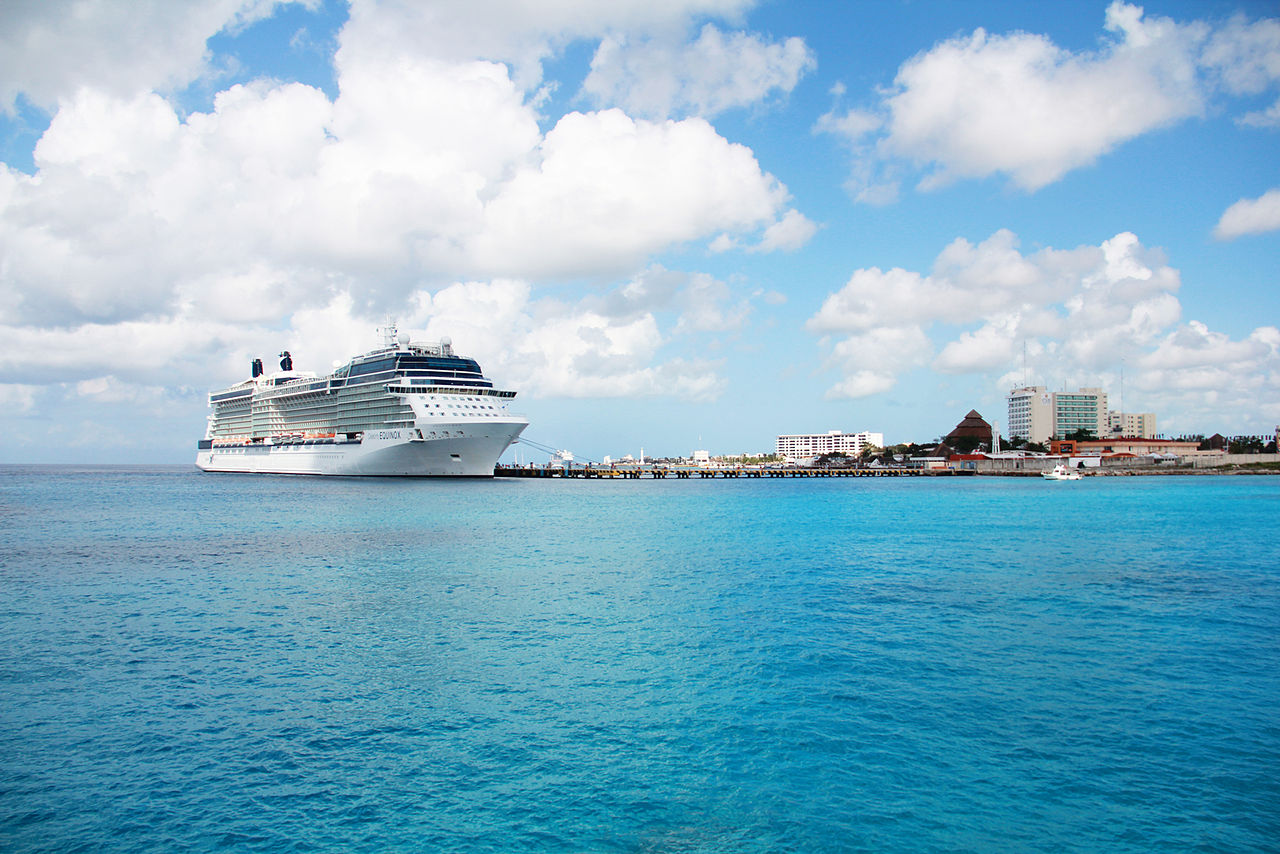
Cozumel runs on cruise traffic, which makes new fees feel personal. Mexico approved a non-resident duty for cruise passengers starting July 1, 2025, first floated at $42 before being reduced to $5, with a planned step-up to $21 by 2027. The back-and-forth signaled how quickly costs can change.
Industry groups warned that per-passenger charges ripple into itinerary math, especially on short sailings where every dollar counts. For a port built on high volume, even small policy shifts can push lines to swap days, shorten calls, or bundle Cozumel with fewer Mexico stops. Local shops feel it when a full ship day turns lighter.
George Town, Grand Cayman
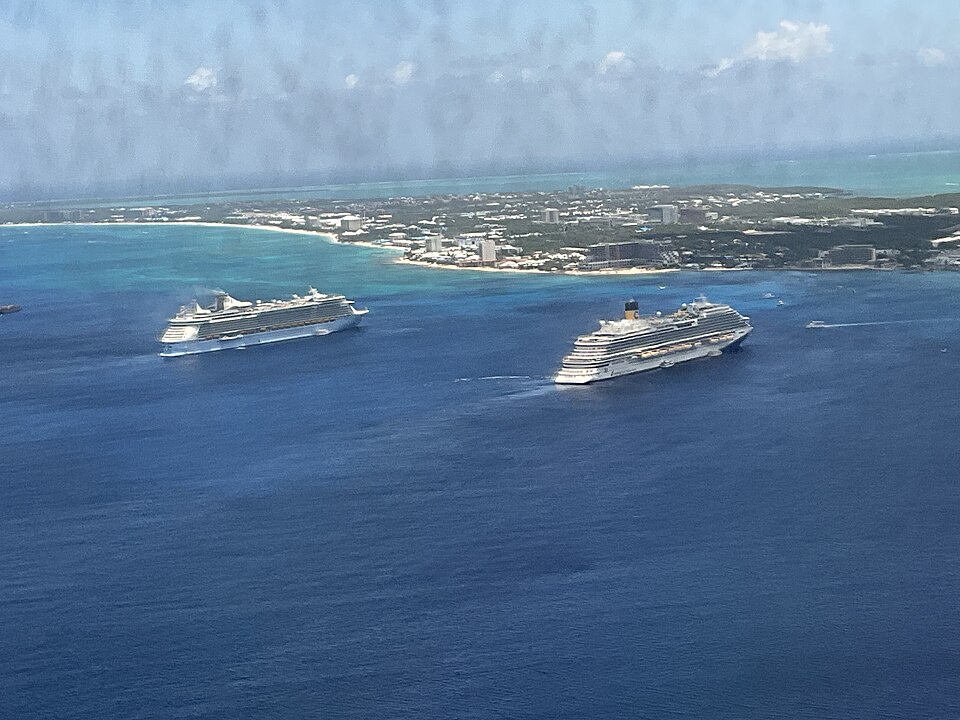
George Town, Grand Cayman, remains a tender port, and that single detail changes everything. When winds pick up, moving thousands of people by small boats becomes unsafe, so ships anchor offshore and then leave without a single foot on land. Even on calm days, tender queues can eat into shore time.
In April 2025, voters rejected building cruise berthing infrastructure, a clear signal that the island wants tighter control over scale and shoreline impacts. Cruise lines hear that message, too. Mega-ships prefer predictable docks, so Grand Cayman can lose calls to ports that promise faster turnarounds and fewer weather headaches.
Nassau, Bahamas
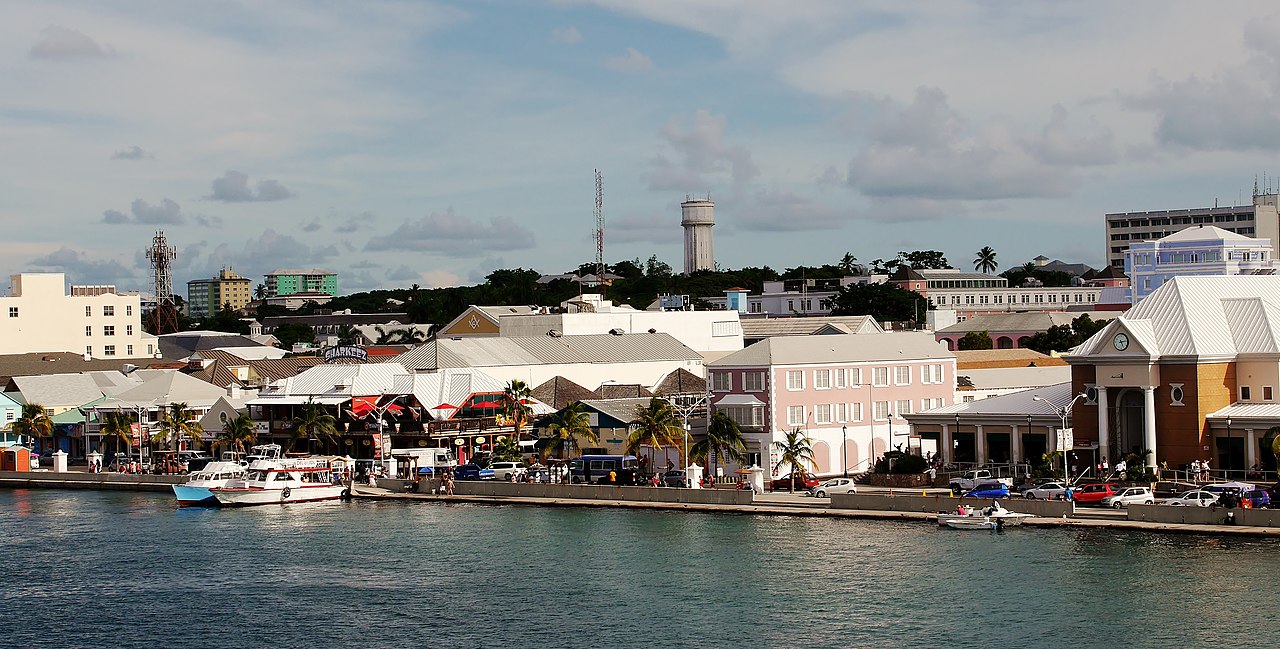
Nassau is not fading; it is almost too successful. The port reported an estimated 6.1 million cruise passengers in 2025 across nearly 1,600 calls, and Seatrade noted single days topping 30,000 people, with up to six ships alongside.
That scale creates friction: packed streets, long waits, and a shore day that can feel rushed instead of restorative. Small problems multiply fast, and even upgrades strain. When satisfaction slips, lines look for fixes that steer guests into controlled experiences, including private beach clubs and pre-booked zones. For Nassau, the work is keeping growth from turning a classic stop into a churn.
Kralendijk, Bonaire
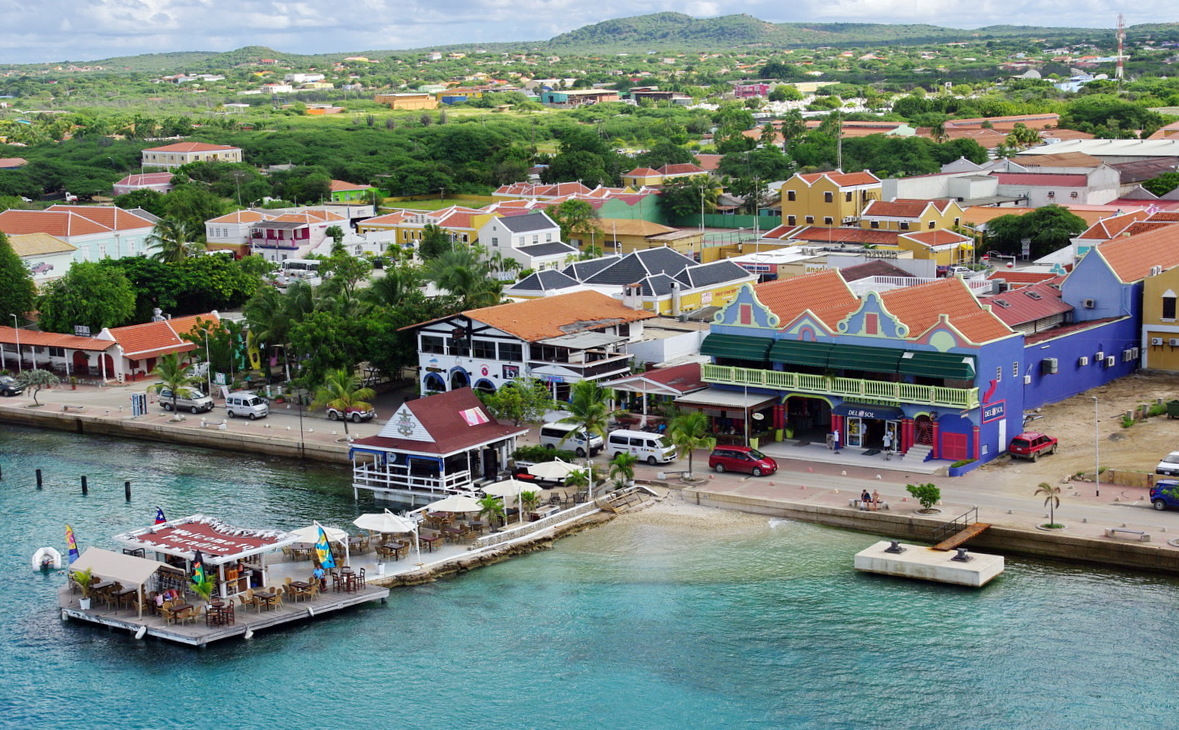
Bonaire has been honest about its priorities: slower cruise growth, less crowding, and more breathing room for a small island with a fragile shoreline. A policy introduced in 2022 limits the island to one large cruise ship per day, with the one-ship approach largely implemented by April 2023.
For cruise lines, that cap turns a pleasant port into a scarce resource. Fewer berths mean tougher scheduling, more competition for prime days, and less flexibility when ships run late. Bonaire can still win on quality, but the logistics push some itineraries toward ports that can absorb bigger surges without saying no in peak season.