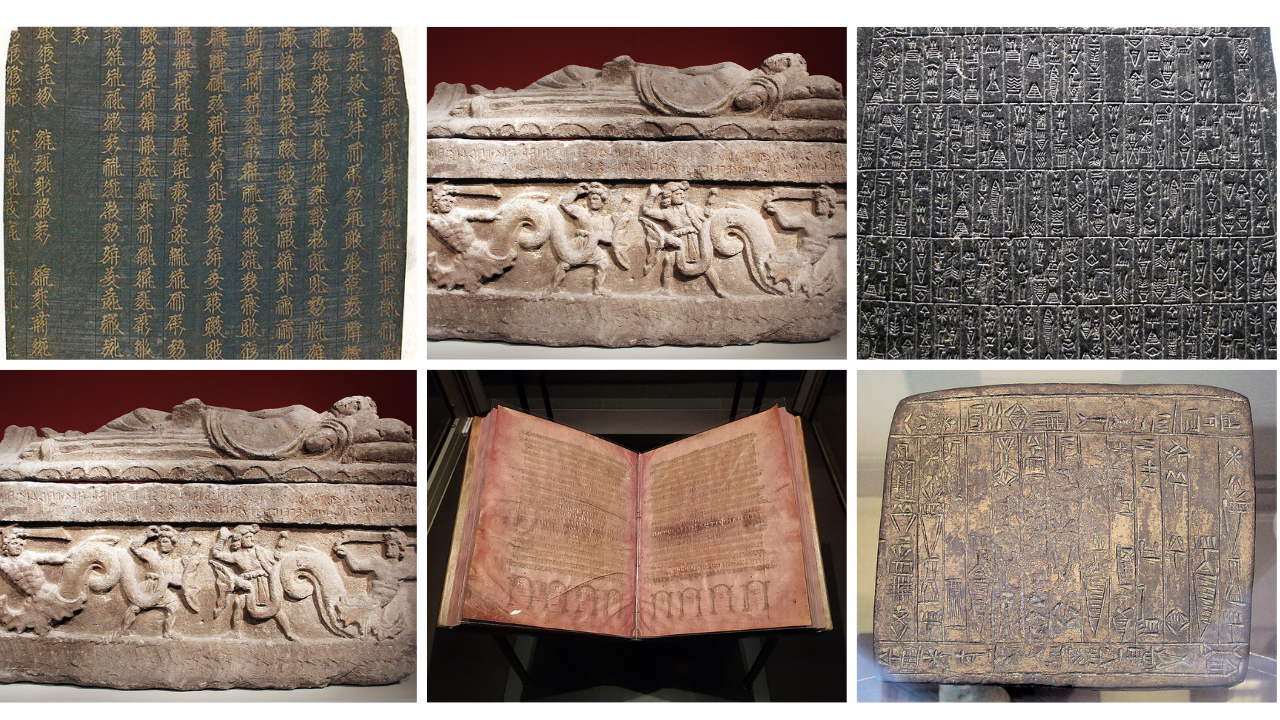
Some languages do not vanish in a single dramatic moment. They crumble quietly, leaving behind a carving, a brittle manuscript, or a clay tablet fired by accident in a collapsed palace. Centuries later, scholars piece together those scraps and a whole way of thinking reappears: jokes, prayers, trade terms, and the names people whispered to their children. The shock is not that a language died. It is that it ever lived at all, humming in markets and temples that are now dust. It changes what seems inevitable, and makes silence feel temporary, for a moment. Each rediscovery is a small resurrection, sharpening the outline of forgotten lives and giving modern history a new angle on old power.
Hittite
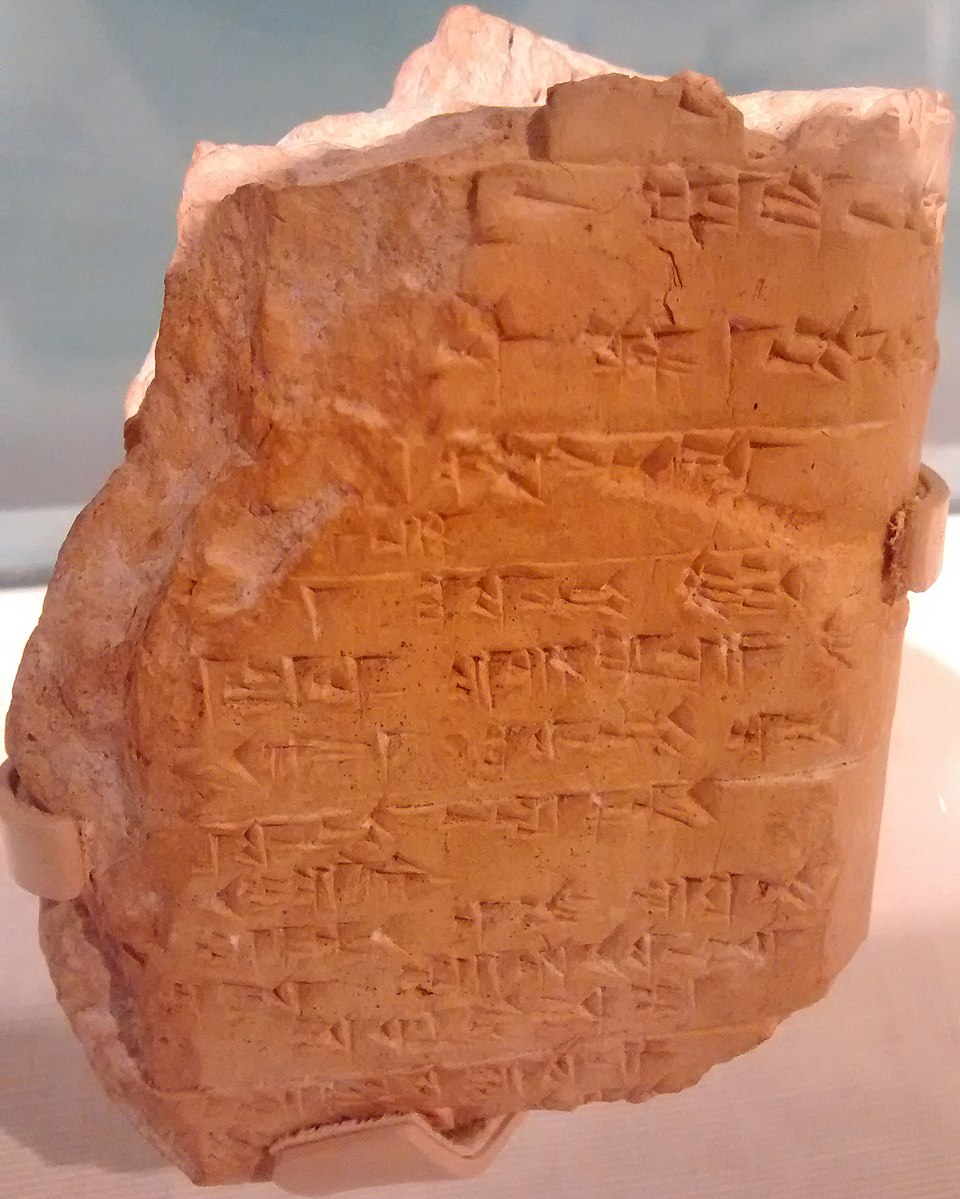
Hittite rose and fell with Bronze Age Anatolia, but the language waited inside thousands of tablets buried at Hattusa. When the Boğazköy archives were uncovered in 1906, the wedge marks opened into treaties with foreign kings, court cases, prayers, and blunt inventory lists, all in an Indo-European voice that had vanished from daily life for over 3,000 years. Some tablets deliberately slip into Hattic or Hurrian during ceremonies, as if a different language carried different force, and that small code-switch makes the empire feel startlingly alive. Even gods’ names travel between scripts, tracing politics, trade, and fear.
Tocharian
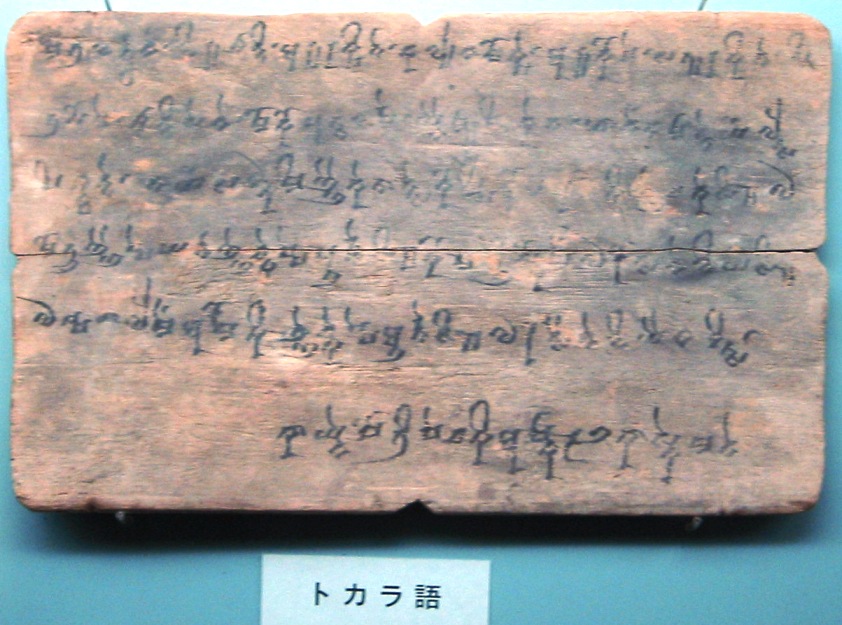
Tocharian was unknown until Silk Road explorers began pulling brittle manuscript fragments from the Tarim Basin, where sand preserved ink better than libraries ever could. Written largely in monastery corridors between the 6th and 8th centuries, the pages revealed two related languages, now labeled Tocharian A and B, sitting in a previously unsuspected branch of Indo-European. The shock was geographic: an ancient cousin of Latin and Greek had once traveled the oases of Kuča and Turfan, leaving sermons, medical notes, and donation records that still smell of caravans. It reminds that languages hitchhike on trade routes.
Ugaritic
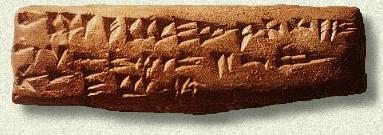
Ugaritic returned to history after a 1928 discovery at Ras Shamra on Syria’s coast, where clay tablets lay packed into ruined rooms like a sealed filing cabinet. The signs look like cuneiform, yet they work as a 30-letter consonantal alphabet, spelling a Northwest Semitic language used for palace letters, contracts, school exercises, and mythic poems such as the Baal Cycle. That mix of bookkeeping and epic makes the speakers easy to imagine: scribes who could tally oil jars at noon and, by lamplight, trade jokes, record omens, and debate which god deserved the next sacrifice. Then the city fell and the alphabet went quiet.
Tangut
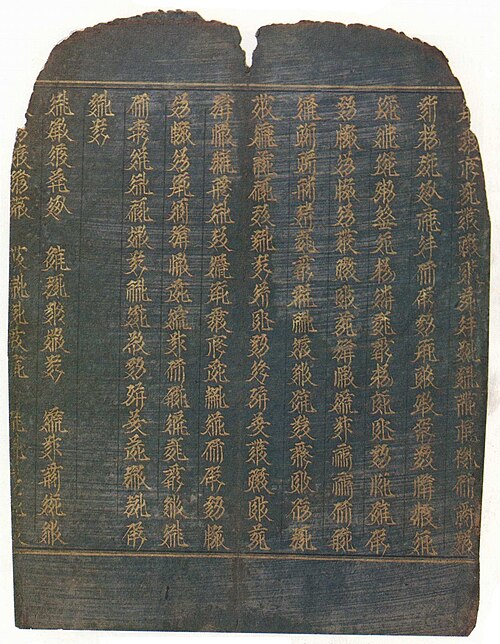
Tangut was the language of the Western Xia empire, spoken on China’s northwest frontier until conquest and dispersal silenced it in the 1200s. Its script is famously dense and square, designed to look official at a glance, which made later readers feel locked out even when pages survived in temple caches. When the ruins of Khara-Khoto yielded thousands of books and manuscripts during early 20th-century expeditions, bilingual glossaries helped scholars crack the code, and prayers, legal rules, folk songs, and Buddhist commentaries rose from the sand like a delayed echo. The empire was gone, but its handwriting was not.
The Language Behind Linear A
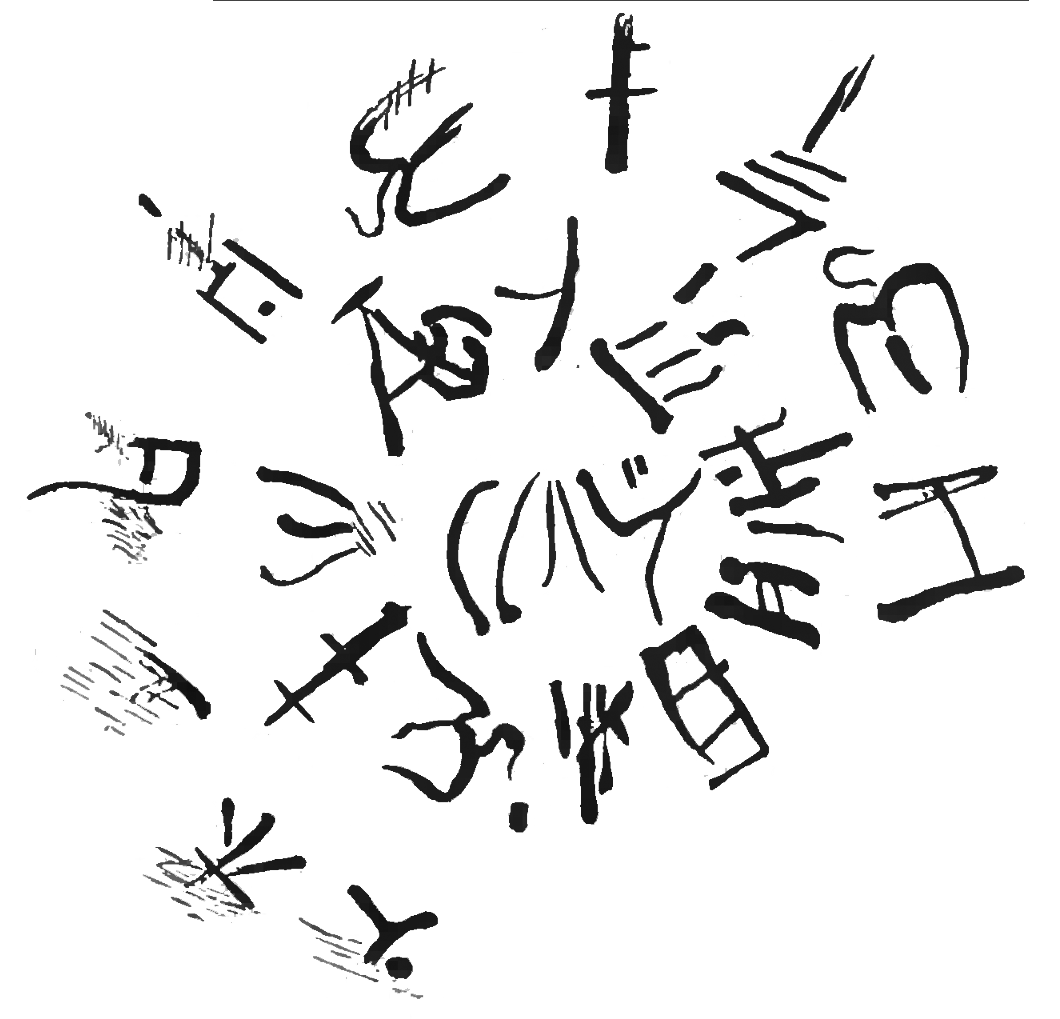
The language behind Linear A is still unnamed, but its traces cover Crete’s palaces from roughly 1800 to 1450 BCE, stamped onto clay as calmly as a modern receipt. Arthur Evans unearthed the script at Knossos in 1900, and ever since, scholars have been able to catalog signs, spot accounting patterns, and notice overlaps with Linear B, yet not translate a single confident sentence. What survives are ledgers, offerings, and place names, the practical pulse of a sophisticated island society that shipped goods, paid workers, and prayed, all in words that remain just out of reach. Each new shard feels like it might speak.
Etruscan
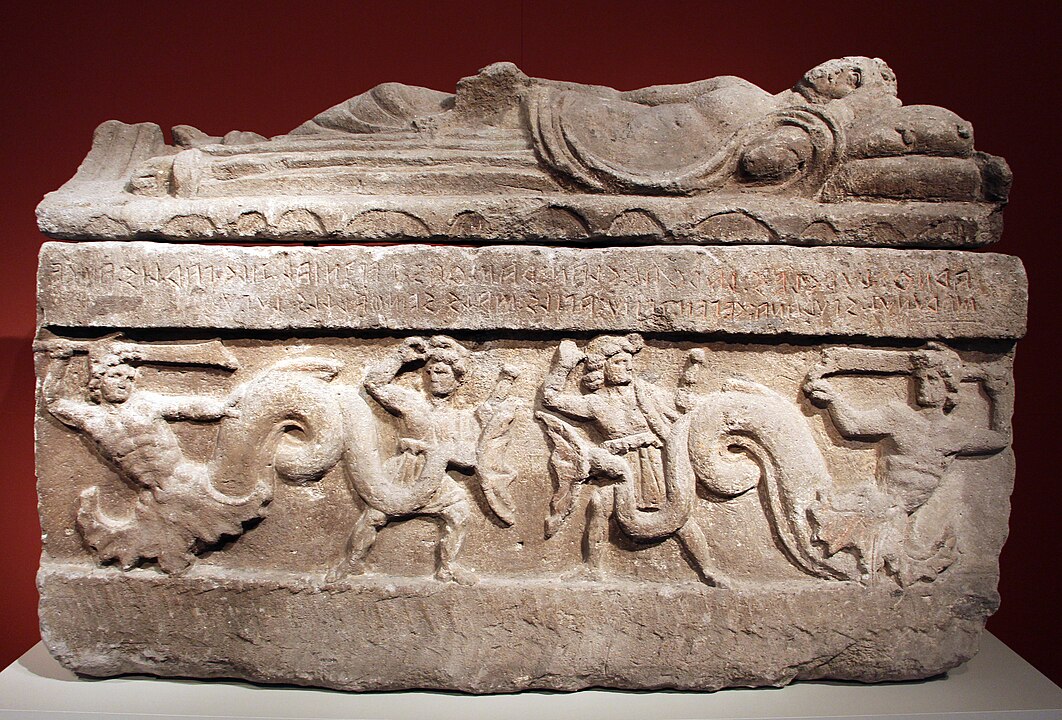
Etruscan once filled central Italy with public inscriptions, tomb messages, and ritual formulas before Latin became the loudest language on the peninsula. Its alphabet is readable because it grew from Greek, so scholars can sound out words, yet meaning is often slippery because many surviving texts are brief, formulaic, and heavy on names, kinship, and offerings. Every so often a longer inscription cracks open a little wider, revealing grammar, social ranks, and the rhythm of funerary honor, and it becomes obvious how much of early Roman life stood on an older Etruscan foundation, even if the dictionary never arrives.
Sogdian
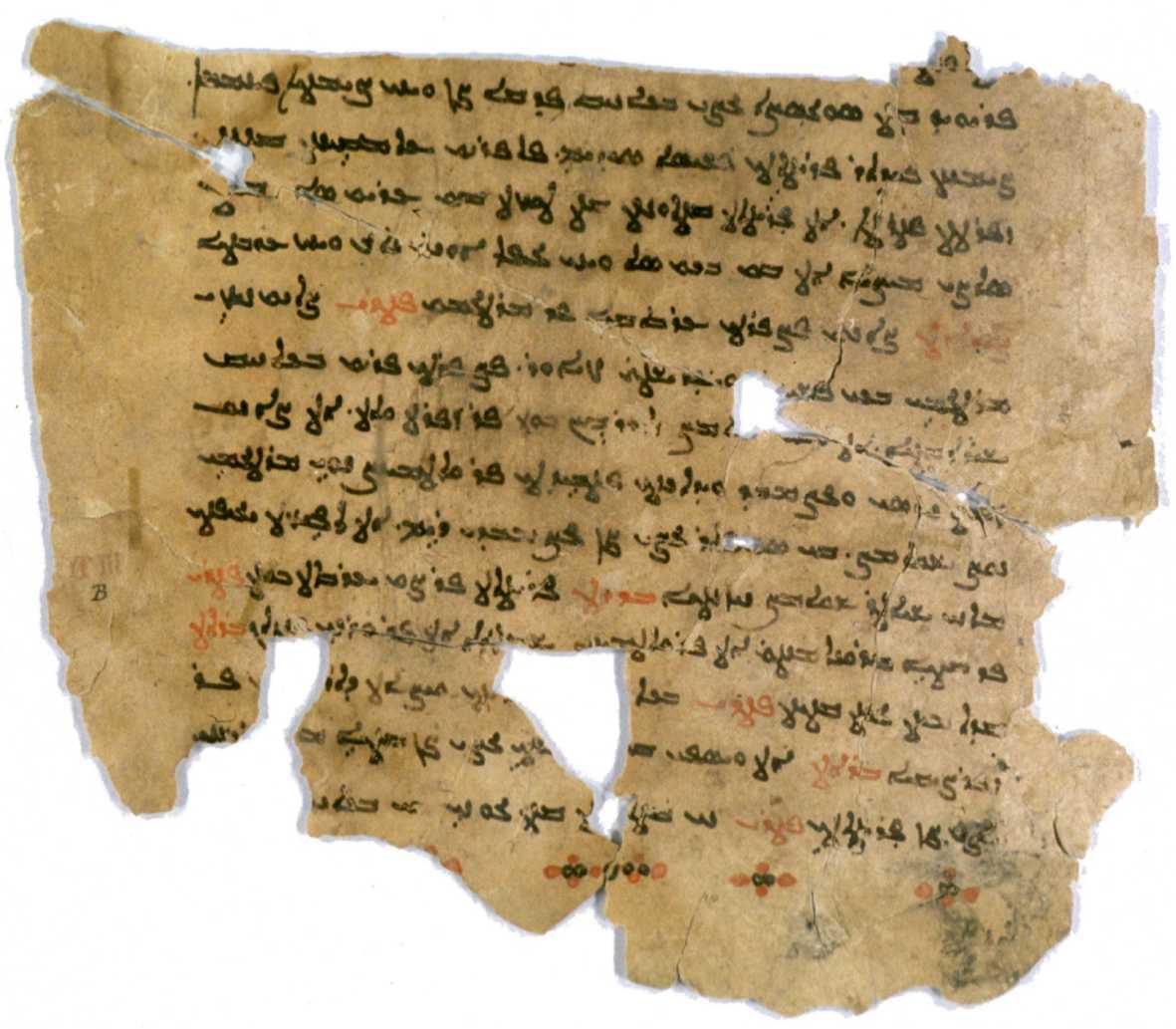
Sogdian was the Silk Road’s social glue, used by merchants who threaded Central Asia to China with contracts, letters, and prayers written in a distinct Iranian script. When caches like the Dunhuang manuscripts and the so-called Ancient Letters surfaced in the early 1900s, the language reappeared as a lived reality, not just a scholarly label, because it recorded argument, affection, and logistics in the same breath. The surviving lines are intimate in an unexpected way, describing delayed caravans, stolen goods, and homesickness, and they show how a trading people carried their identity farther than any single border.
Hurrian
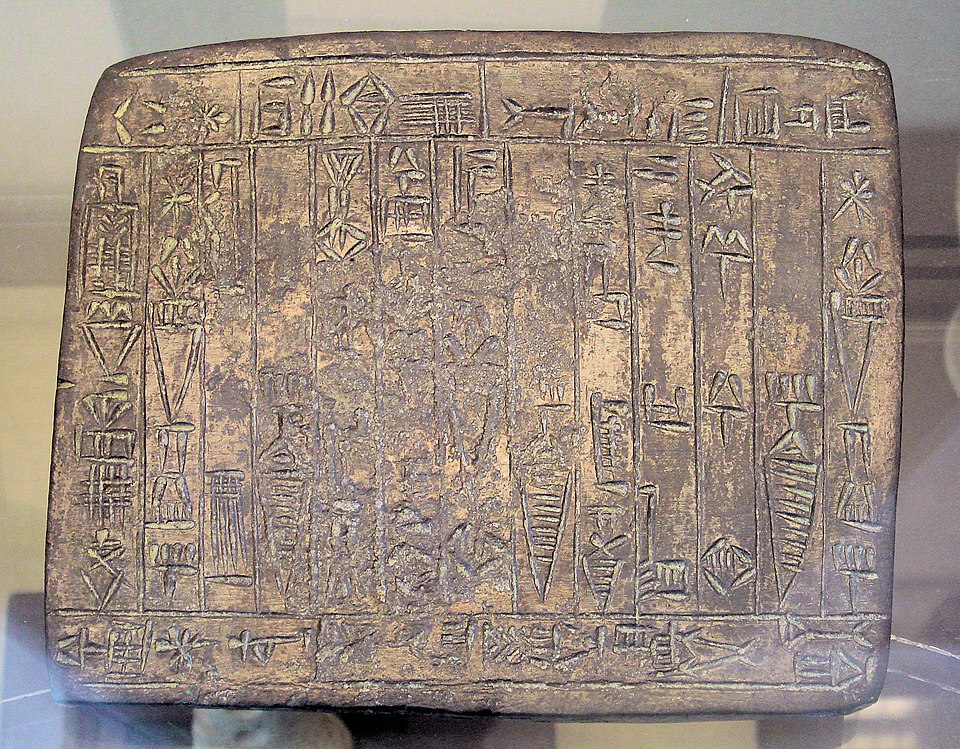
Hurrian was neither Indo-European nor Semitic, yet it spread across northern Mesopotamia and Anatolia, leaving traces in spells, treaties, and palace correspondence. Texts have been found at sites such as Hattusa and Ugarit, and the language sometimes appears as a quoted layer inside other writings, as if priests kept Hurrian phrases for the moments that demanded extra authority. One surviving hymn is even linked to musical notation, so the language returns not only as meaning but as sound, hinting at ceremonies where melody carried theology into the air. Then kingdoms shifted, scripts changed, and Hurrian slipped away.
Gothic
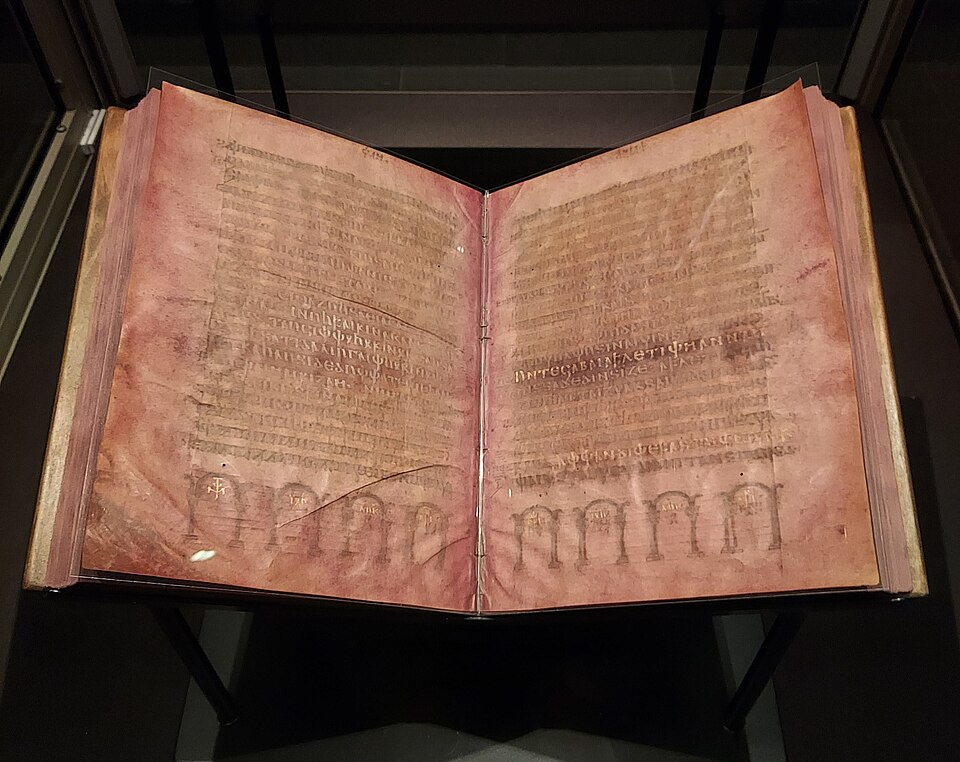
Gothic is often treated as a ghost in Europe’s language family, an East Germanic branch that died out while its relatives evolved into modern tongues. The most famous survivor is the Codex Argenteus, a lavish Gospel manuscript written in Gothic, copied in the 500s from an earlier Bible translation associated with Bishop Wulfila. Because it preserves connected prose, not just names on stone, it shows grammar, word order, and even a translator’s choices, turning an extinct people into a readable presence rather than a costume in a history book. Without it, Gothic would be little more than a rumor in Roman chronicles.
Akkadian
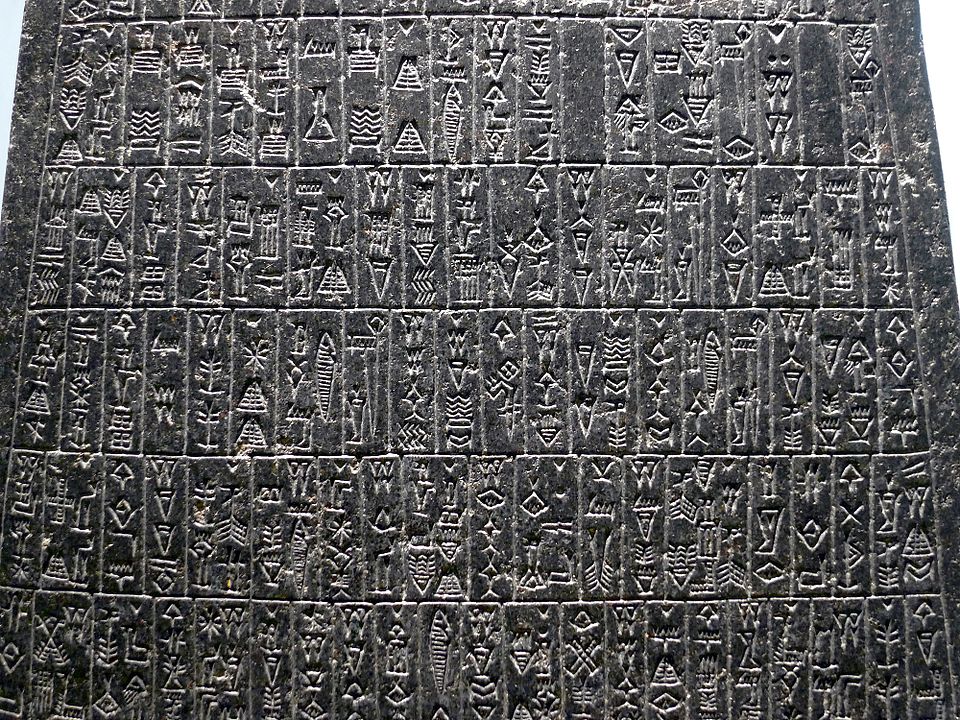
Akkadian once ruled the paperwork of Mesopotamia, written in cuneiform across empires that rose, fought, and collapsed in cycles along the Tigris and Euphrates. When the last cuneiform documents stopped being written, the script became mute, and later visitors could only guess whether the wedges were art, math, or magic. In the mid-1800s, scholars including Edward Hincks, Henry Rawlinson, and Jules Oppert drove the decipherment forward, and Akkadian returned with contracts, school exercises, lullabies, and sharp-eyed prayers that make ancient cities feel crowded again. The past stops being marble and becomes conversation.