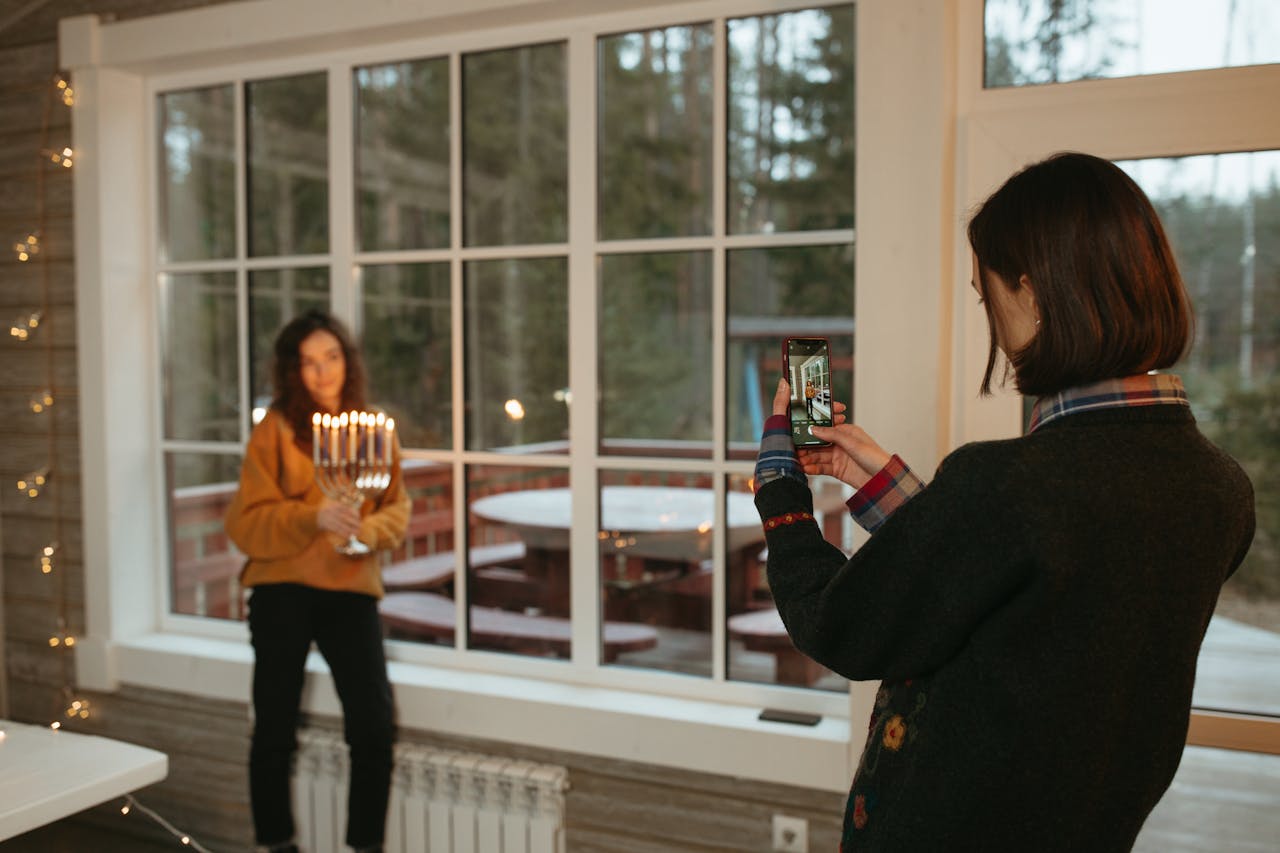
Travel memory posts have started to outrun bucket lists because they promise meaning, not just movement. One swipe can package years of trips into a neat emotional arc, then suggest that real growth always comes with stamped passports, sunrise shots, and a final reflective caption. The format feels intimate, almost documentary.
But that intimacy is edited. The rough edges are cropped, the pauses are removed, and ordinary days disappear. What remains is a polished mood that can inspire for a moment, then quietly push people to measure their own lives against a story built for attention and social approval online every day.
Nostalgia Carousels That Rebuild the Past

Nostalgia carousels usually open with grainy train windows, faded maps, and a line about simpler times. The sequencing feels honest because old footage signals memory, not marketing, yet the edit often trims delay, confusion, and fatigue. What survives is a clean emotional claim: the past trip was deeper than the present life.
That framing works because longing is easy to trigger and hard to question in public feeds. People are not just invited to remember; they are nudged to rank their current routines against a selective memory reel that was built to look effortless, meaningful, and complete for everyone watching in silence.
Before-and-After Identity Arcs

Identity arc posts follow a familiar script: tired face in slide one, mountain light in slide two, calm caption in slide three. The message is clear without saying it directly. Travel did not just change a mood; it changed a whole self. The pace and music make the shift feel immediate, earned, and repeatable for almost everyone.
The problem is not hope. The problem is compression. Personal growth rarely follows a neat route from chaos to clarity, yet these edits present that route as if anyone can unlock it with the right destination, the right timing, and a camera roll that proves the transformation happened on schedule.
Soft-Brag Budget Reveals

Budget reveal posts often begin with practical value, listing bus fares, hostels, and cheap meals that look transparent. Then the tone shifts. Savings are framed beside rooftop pools, curated cafés, and sunset shots until thrift becomes a style identity rather than a financial choice made under constraints.
That shift changes the emotional message. It no longer says travel can be affordable; it says good choices should also look cinematic and socially impressive. Viewers who cannot match the pace, aesthetics, or spending pattern can feel less adventurous, even when they are being realistic, careful, and financially responsible.
Hidden Gem Countdowns

Hidden gem posts promise intimacy, then direct huge waves of people to one overlook, one alley café, or one narrow beach path. The language says secret, but the format behaves like open distribution. Timing, angle, and caption style get copied fast, so discovery turns into repetition within days.
The emotional pull is understandable. Everyone wants to feel early, connected, and a step ahead of crowd culture. Yet the post often sells uniqueness while producing sameness, and local spaces absorb the pressure. A place that once held quiet, ordinary life can quickly become a scripted backdrop for matching photos and matching reactions.
Relationship Montage Proofs

Relationship memory montages pair affection with scenic proof: sunrise hugs, shared scooters, breakfasts, and sea horizons. The sequence can be beautiful and sincere, but it also implies that strong love naturally produces travel highlights worth posting. Daily care that happens off camera rarely appears.
That absence matters. When closeness is framed through destination imagery, ordinary partnership can start to look smaller than it is. Viewers may compare quietly, not because they were told to, but because the visual logic does the sorting for them. Intimacy becomes a performance language, and tenderness gets measured by scenery and reach.
Healing Trip Confession Threads

Healing confession threads usually begin with emotional honesty: burnout, grief, or a period of numb routine. Then a trip appears as the turning chapter, and the ending lands with clear relief. The story can be genuine, yet the structure often compresses recovery into a destination timeline that looks tidy and fast.
Travel can support reflection, but healing rarely obeys itinerary logic. Setbacks, repetition, and quiet progress are normal, even when no photo captures them well. When recovery is edited into a smooth arc, vulnerable viewers may feel pressure to solve complex pain with quick movement, visible rituals, and a shareable ending.
Productivity Disguised as Wanderlust
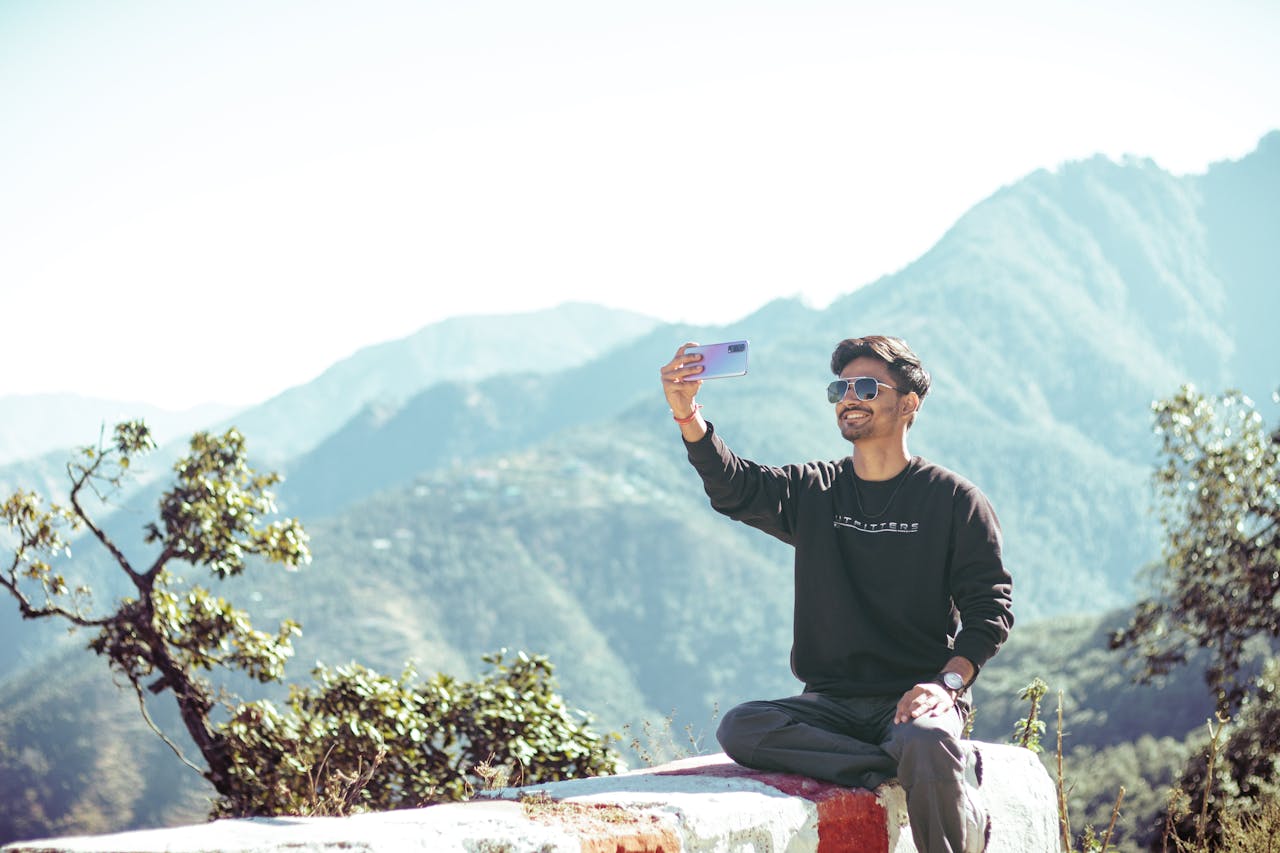
Some memory posts track travel like a performance dashboard: countries counted, sunrise targets hit, museums logged, and sleep traded for optimized routes. The caption calls it freedom, but the rhythm feels managerial. Rest appears in frame, yet every moment is framed as output with evidence.
That style attracts admiration because it looks focused and disciplined. Still, it can make leisure feel like another place to prove worth. Joy starts needing metrics, and pause starts looking like waste. The pressure is subtle but constant: meaningful travel should be efficient, visible, and impressive enough to survive comparison in public feeds.
Transformation Reels With Moral Lessons

Transformation reels often begin with discomfort, then pivot toward a life lesson about courage, gratitude, or simplicity. The final shot seals the message with wide scenery and calm music, so reflection feels complete. The storytelling is effective, but it can flatten local realities into background for branding.
Moral clarity is appealing, especially when people are tired and searching for direction. Still, one edited journey cannot serve as a universal map. When advice arrives wrapped in emotional authority and visual polish, viewers may accept it too quickly, mistaking narrative confidence for full context, and inspiration for truth.
Farewell Posts That Trigger Comment Rituals

Farewell posts often end with a soft prompt: leave a sign, share a memory, ask for part two, or save this for later. It feels communal and warm, and sometimes it is. Yet the structure also converts emotional closure into engagement loops that reward repetition and predictable reaction patterns.
People participate because shared feeling can be comforting after long days and crowded feeds. But the ritual can turn private reflection into performative response, where comments become proof of belonging. The tone stays gentle while pressure builds underneath, especially for anyone already feeling late, excluded, or uncertain about their own pace.