At 100,000 miles, a car stops being a simple purchase and becomes a history lesson on maintenance, heat cycles, and decisions made years earlier. Mechanics see that transition every day, and they know which models tend to ask for costly attention once early-life forgiveness is gone.
This is not fear-driven advice, and it is not a blanket verdict on every vehicle listed below. Plenty of these cars still serve owners well. The point is practical: some models have repeat trouble patterns after six figures, so buyers need service records, recall checks, and a budget that assumes real repairs, not best-case luck over time. Plan ahead.
Ford Focus (2012-2016)

The 2012-2016 Focus can drive normally for long stretches, then begin showing transmission behavior that feels inconsistent in traffic. Mechanics often describe shuddering launches, hesitant engagement, and low-speed shifts that never feel fully settled once wear builds in daily stop-and-go use.
What makes technicians cautious is not internet noise, but repeat shop patterns across high-mile examples. A clean interior and smooth highway test drive can hide developing issues, so purchase decisions hinge on documented transmission work, software history, and whether earlier symptoms were handled quickly instead of postponed.
Ford Fiesta (2011-2016)
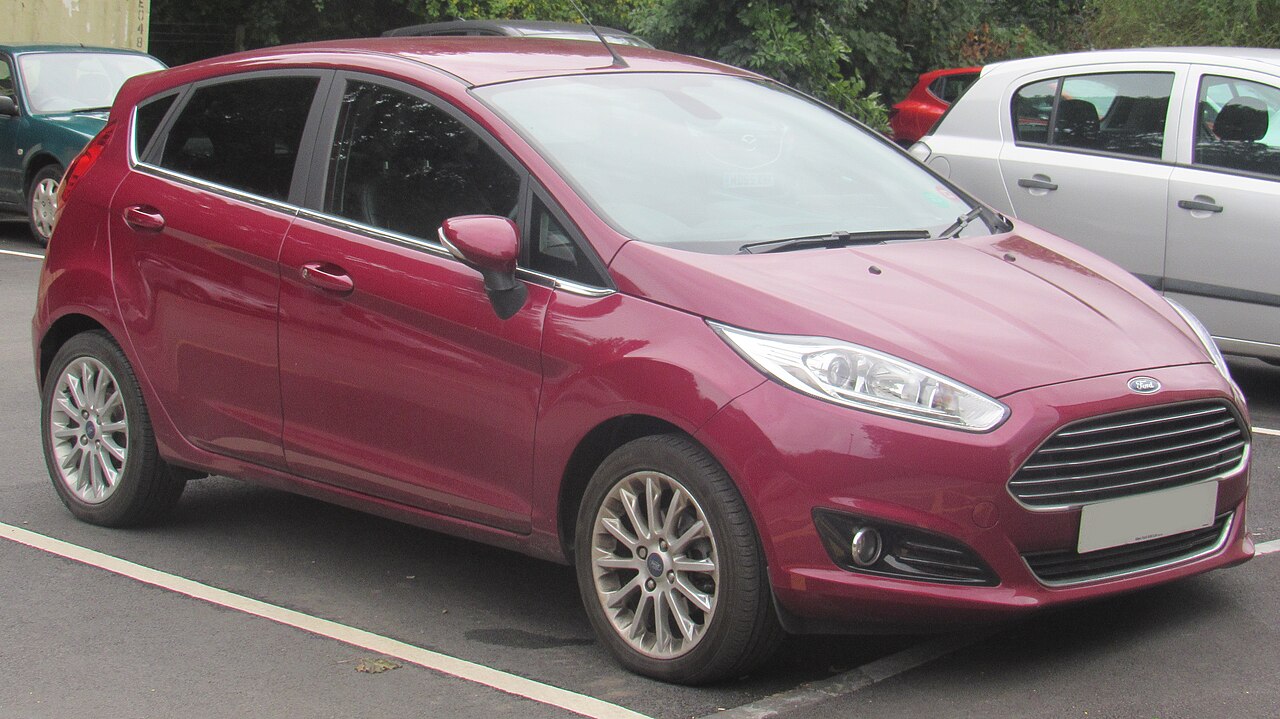
The 2011-2016 Fiesta often looks like a smart low-cost option, especially for city driving and short commutes. Past 100,000 miles, many mechanics report a familiar complaint arc: jerky takeoffs, uneven shift timing, and a driving feel that can change week to week without clear warning.
In the bay, technicians focus less on mileage alone and more on service consistency across the transmission’s life. High-mile cars with detailed records can still be workable, but examples with vague history tend to carry higher financial risk because small drivability problems can become repeated repair visits over time. That pattern is widely noted.
Nissan Altima (2013-2016)
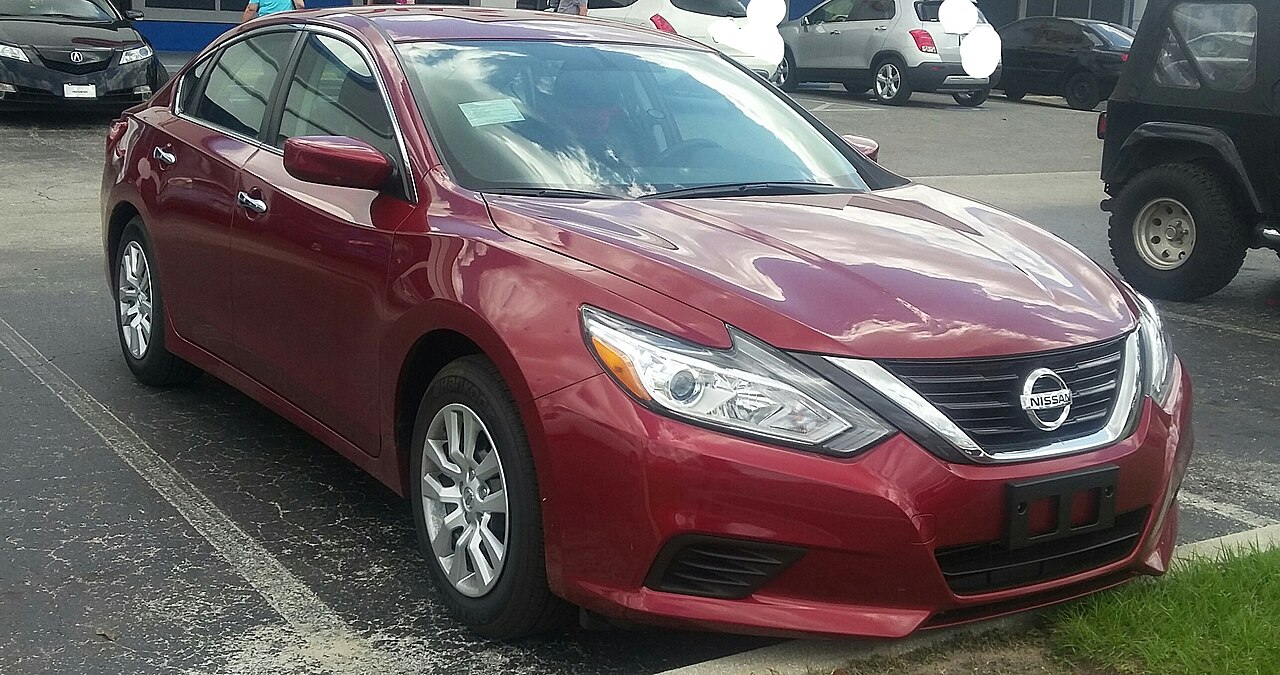
The 2013-2016 Altima is common on used lots because it offers space, comfort, and easy parts access. After 100,000 miles, mechanics often watch for CVT-related complaints that start subtly, such as delayed response under load, light flare in rpm, or a strained feel during steady acceleration.
Technicians usually do not treat every high-mile Altima as a problem car, but they do treat maintenance records as nonnegotiable. Vehicles with timely fluid service and early diagnosis tend to age better, while neglected examples can move from mild drivability annoyance to expensive transmission decisions faster than owners expect. Early.
Nissan Sentra (2013-2017)
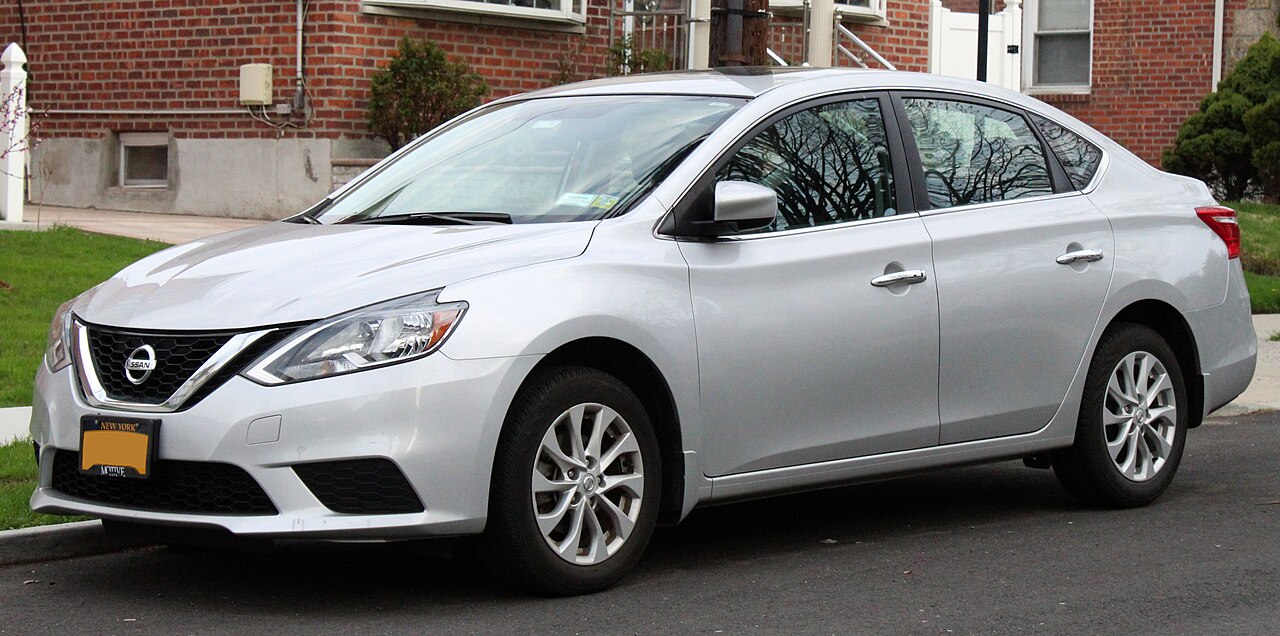
The 2013-2017 Sentra frequently appears in budget searches, and that keeps demand high even at six-figure mileage. In many repair shops, the same long-term concern surfaces: CVT behavior that feels acceptable when cold, then less confident in heat, hills, and repeated urban stop-and-go cycles.
Experienced mechanics read this model through documentation first, not listing photos or trim level. A well-kept Sentra can remain useful, but thin records make ownership harder to predict because gradual transmission symptoms are easy to normalize until they suddenly affect daily reliability and force a larger repair choice. It matters.
Chevrolet Equinox (2012, 2.4L)
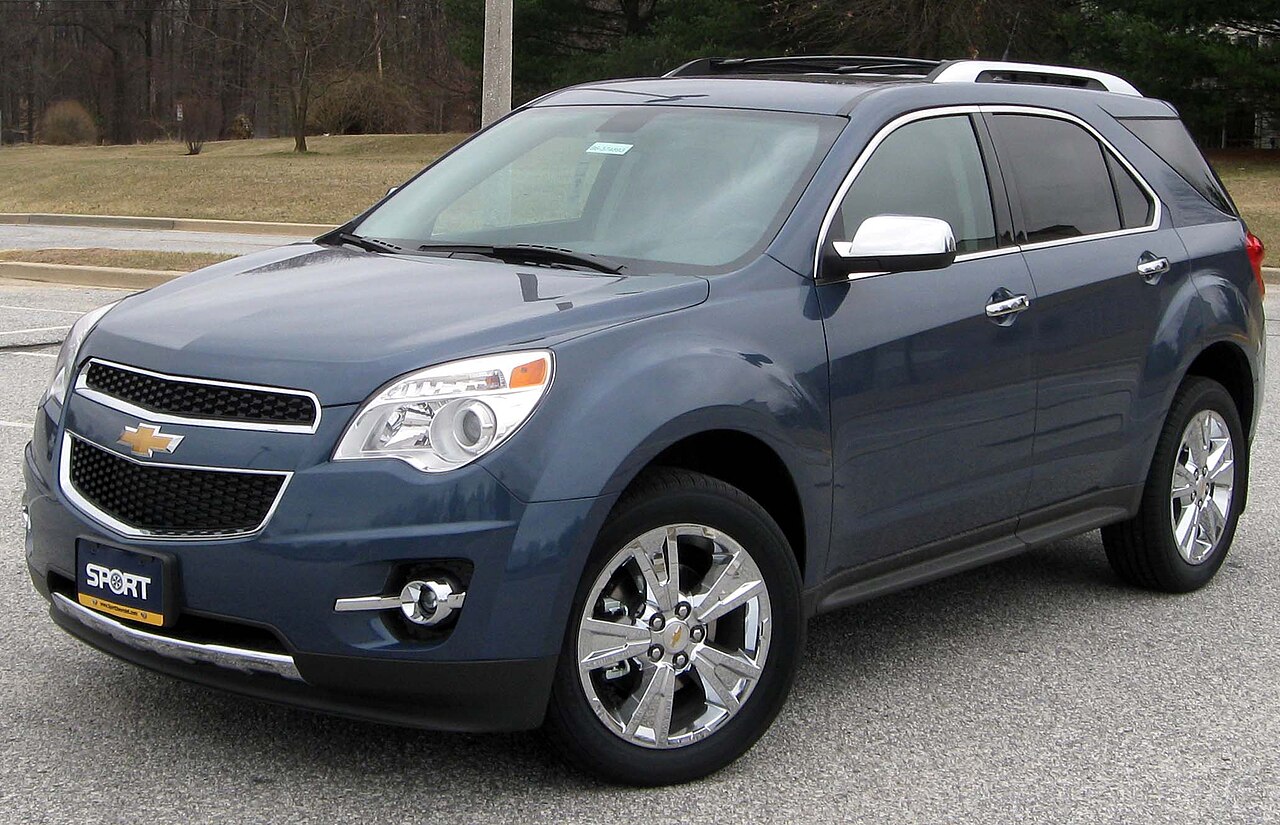
For the 2012 Equinox with the 2.4L engine, mechanics still emphasize oil-level discipline once mileage climbs past 100,000. Shop conversations often center on consumption patterns that owners may not notice early, especially when change intervals stretch and routine level checks get skipped between services.
The risk is practical rather than dramatic. If oil drops too low between checks, secondary engine wear can follow, and repair costs rise in steps instead of all at once. Technicians therefore value this model most when owners track oil use carefully, document every service, and respond quickly to new warning lights or noise changes.
Hyundai Sonata (2011-2019, Selected Theta II)
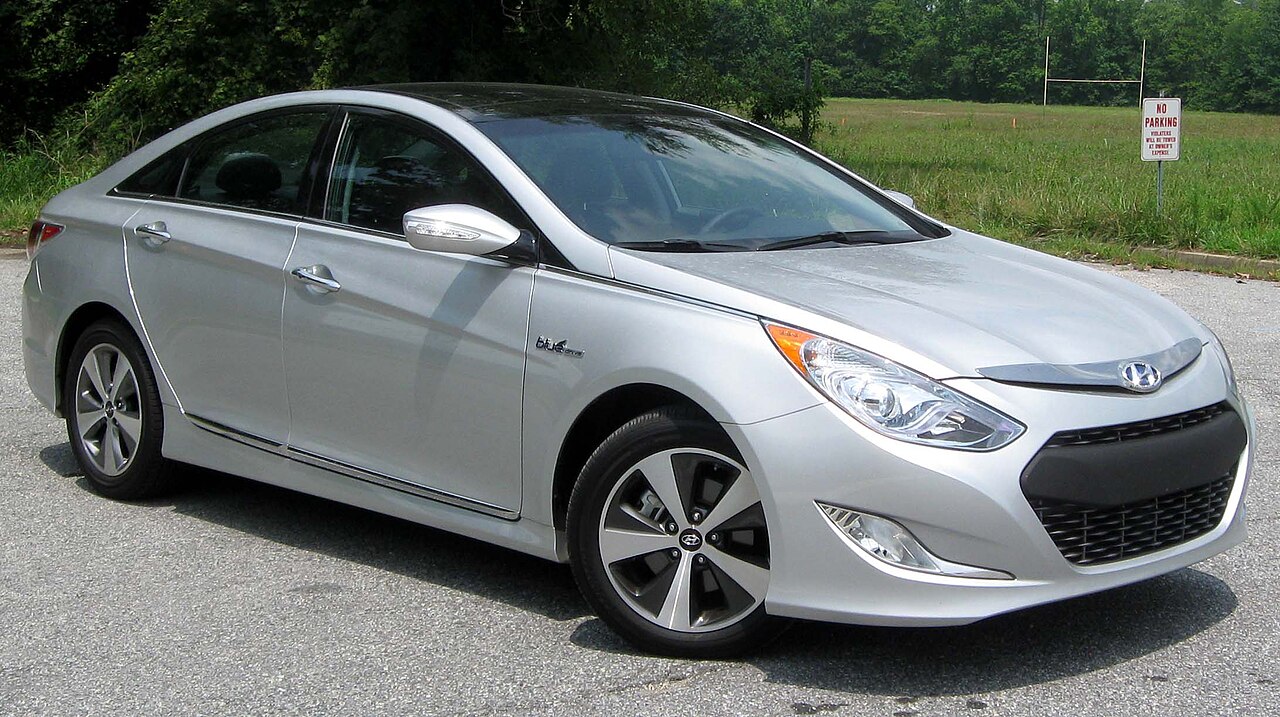
Selected 2011-2019 Hyundai Sonata models with Theta II engines are often evaluated carefully in high-mile inspections. Mechanics watch service history, update completion, and early warning signs like fresh knocking sounds, because bearing-related concerns in this engine family are broadly documented.
The key point is not that every Sonata in these years will face major trouble after 100,000 miles. The key point is predictability. Cars with complete records, quick diagnostics, and timely maintenance usually present fewer surprises, while uncertain histories can force expensive decisions when symptoms become harder to ignore.
Kia Optima (2011-2014, 2.0L/2.4L GDI)
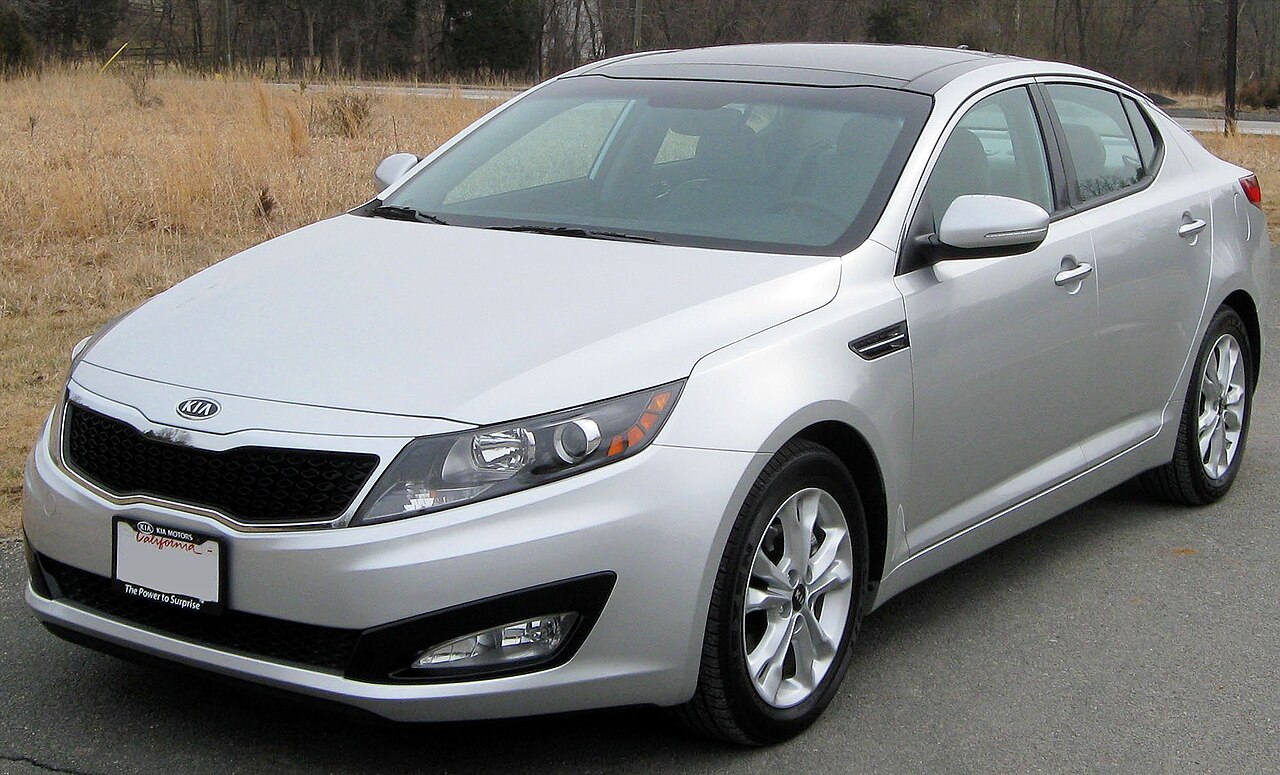
The 2011-2014 Kia Optima with 2.0L or 2.4L GDI engines remains appealing on the used market, often because pricing looks attractive beside newer alternatives. Mechanics, however, usually treat engine history as the first checkpoint once mileage enters six figures and ownership stakes rise.
In real shop flow, outcomes depend on whether required inspections, updates, and early symptom checks were handled on time. Many owners still get good daily service from these cars, but delayed diagnosis can raise costs quickly. For high-mile examples, technicians trust documented maintenance timelines not hopeful assumptions, when judging long-term value.
Jeep Cherokee (2014)
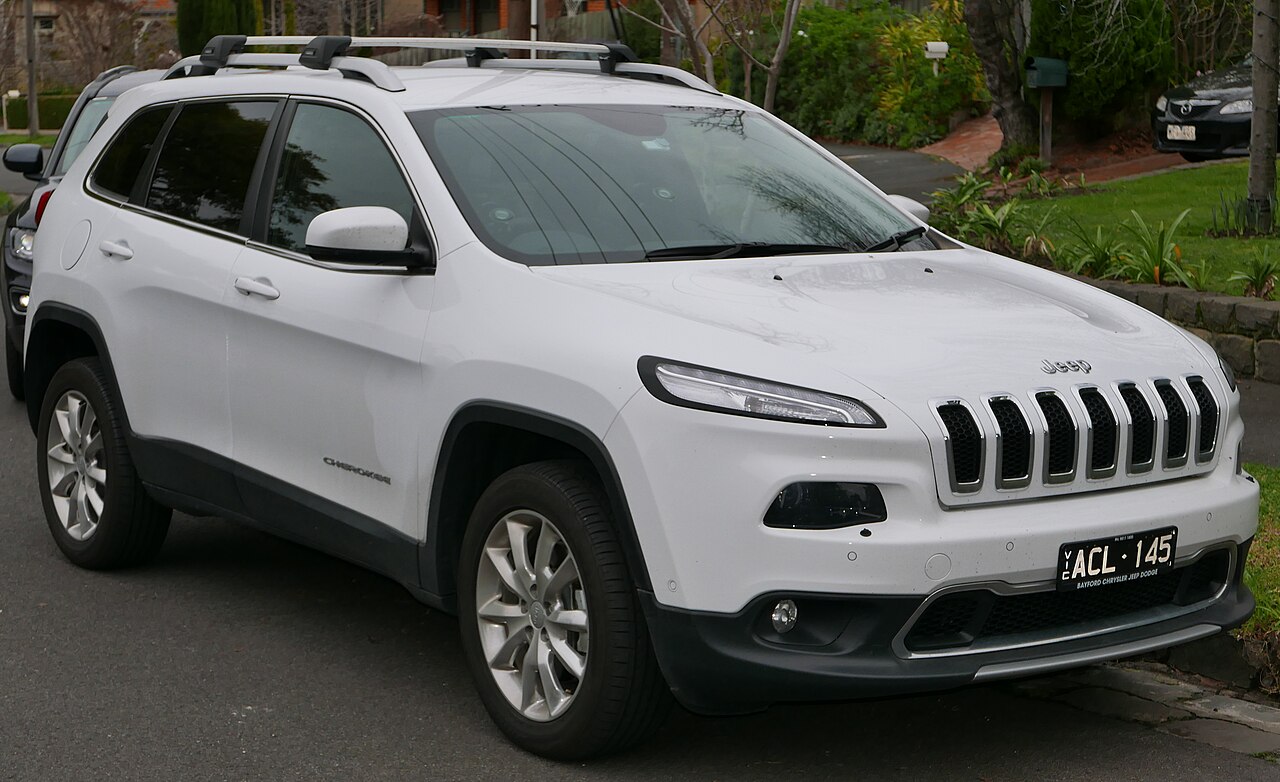
The 2014 Jeep Cherokee can remain comfortable and capable at high mileage, but mechanics still review transmission service history with extra care. Intermittent drivability complaints in older units often require deeper scan data and software verification, since brief test drives may not surface every concern.
That does not make the model unusable after 100,000 miles. It means buying decisions should be record-led and methodical. Technicians usually recommend confirming recall completion and evaluating shift behavior across mixed speeds before purchase, because diagnosis can become expensive when issues appear only under specific conditions.
Subaru Outback (2010-2015, CVT Models)
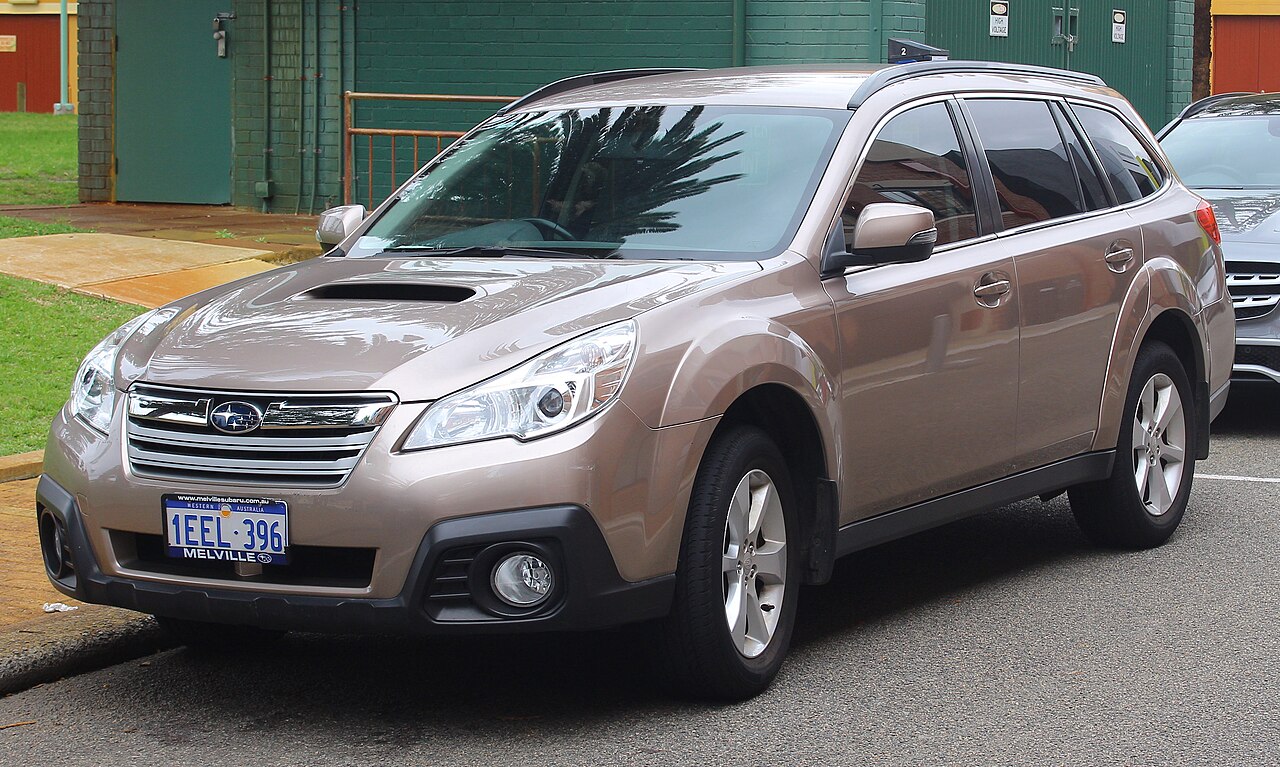
The 2010-2015 Subaru Outback with CVT remains a favorite for buyers who want cargo space, weather confidence, and everyday comfort. Even so, many mechanics approach six-figure examples with focused transmission checks, because long-term smoothness and service timing matter more than a short road test.
Plenty of Outbacks run far beyond 100,000 miles with stable performance, but that result usually follows disciplined maintenance. Technicians look for complete records, steady fluid-service habits, and clear evidence that early drivability changes were addressed quickly. When that foundation is present, ownership tends to feel predictable.