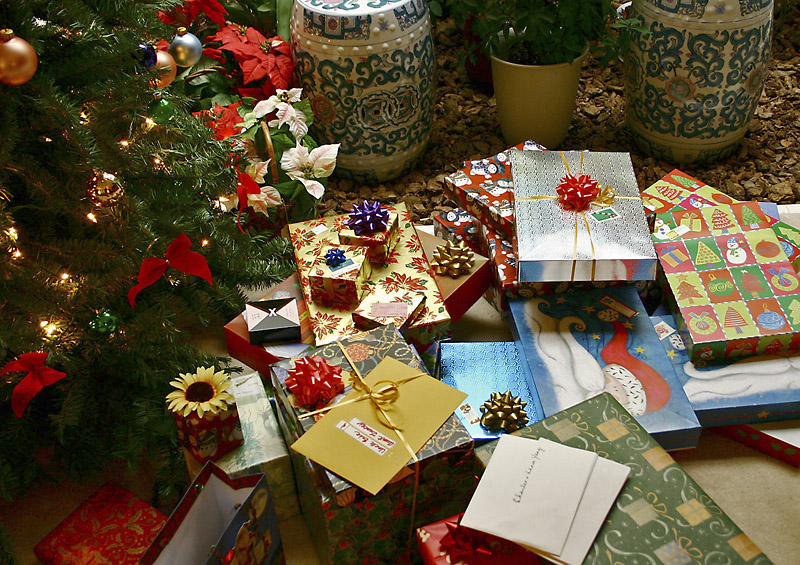
December often feels like a month wrapped in ritual. Across continents and belief systems, communities gather to honor stories of light, struggle, renewal, and protection. Some observances are loud and colorful, with fireworks and music in the streets, while others unfold quietly at home or in temples and churches. Seen together, these holidays reveal how people reach for meaning at the year’s darkest point, turning cold nights into chances for gratitude, remembrance, and spiritual reset.
Saint Nicholas Day
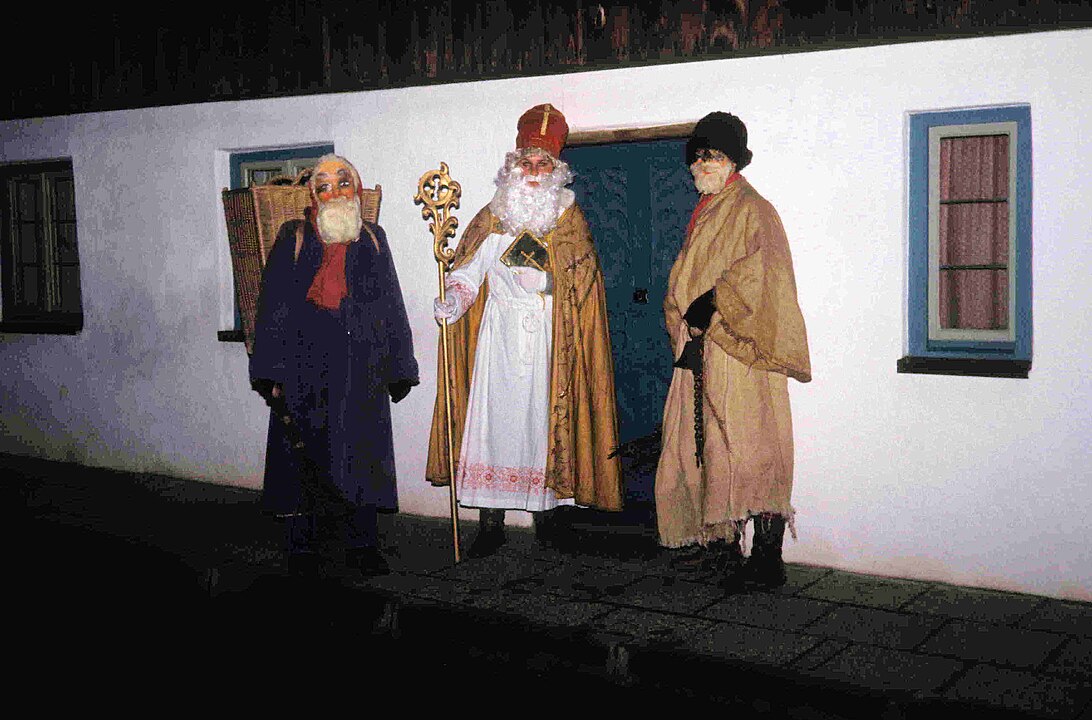
Saint Nicholas Day on Dec. 5 or 6 honors Nicholas of Myra, a fourth century bishop remembered for secret generosity and fierce concern for the poor. In parts of Europe, children leave polished shoes by the door and wake to find nuts, tangerines, or small toys tucked inside, a gentle lesson in surprise kindness. Churches hold services, choirs sing old hymns, and many families use the day as a reminder that seasonal joy begins with looking out for those who have less.
Bodhi Day
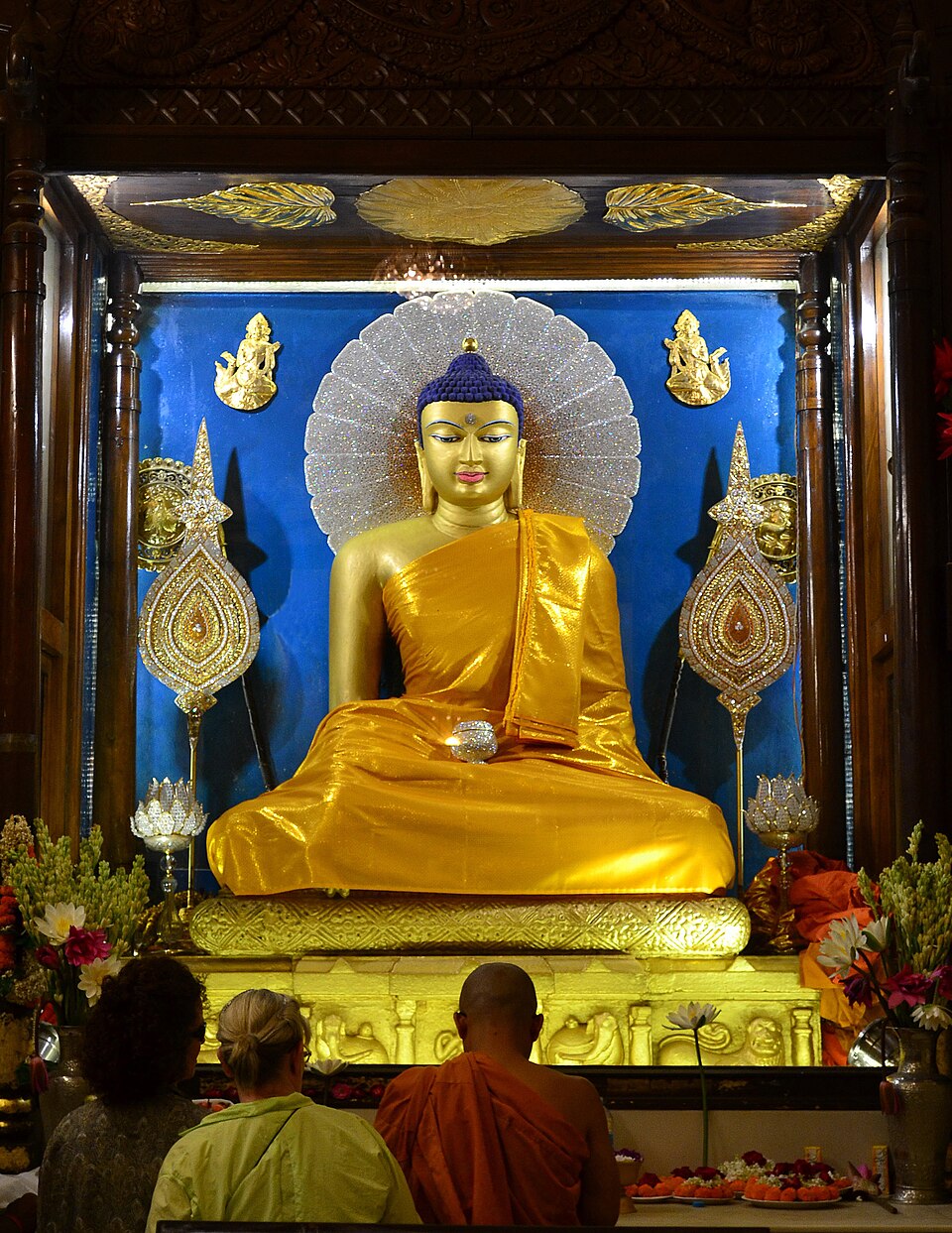
Bodhi Day on Dec. 8 marks the awakening of Siddhartha Gautama beneath the Bodhi tree, when he understood the roots of suffering and the path to liberation. Many Buddhists spend the day in extended meditation, simple chanting, and quiet study of core teachings, letting the pace of daily life soften a little. Some decorate a small ficus with lights to symbolize insight breaking through confusion. The atmosphere is calm rather than showy, focused on patient effort and inner clarity.
Feast Of The Immaculate Conception
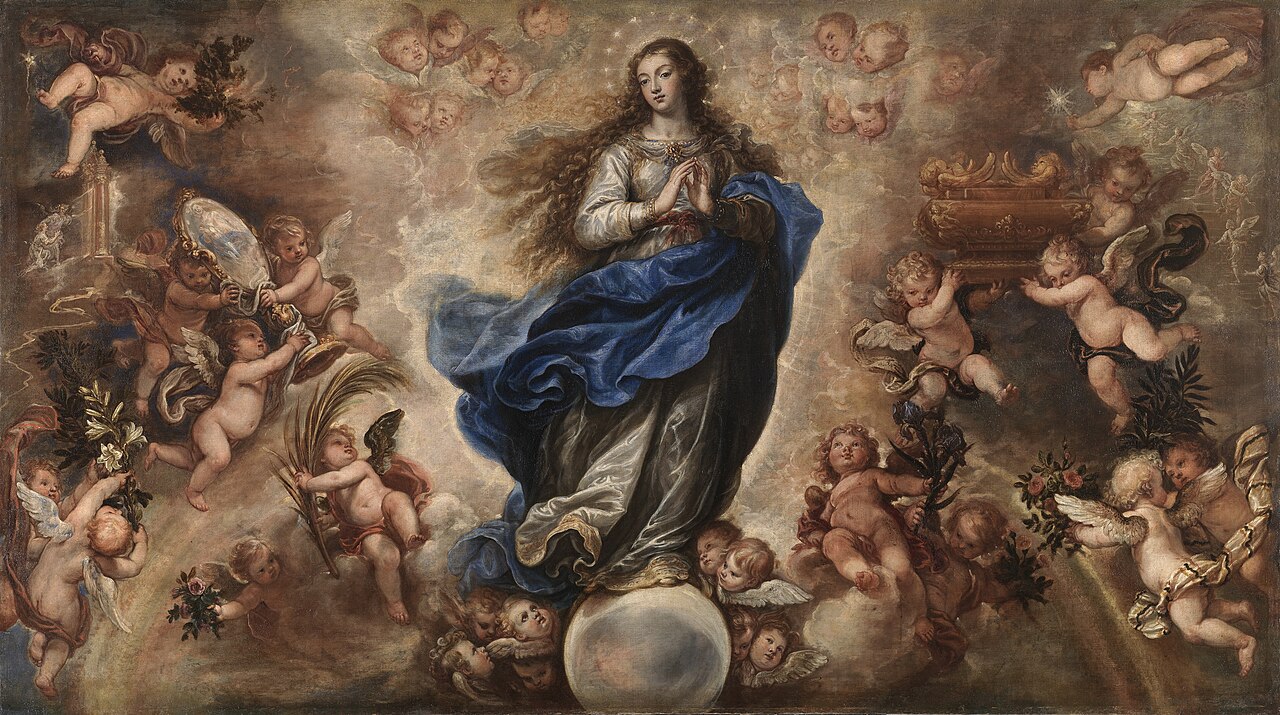
On Dec. 8, Catholics celebrate the Feast of the Immaculate Conception, which centers on the belief that Mary was preserved from original sin from the first instant of her life. The feast carries special weight in countries where she is seen as a patron figure, drawing crowds to Masses, processions, and candlelit vigils. Families often gather afterward for shared meals and simple desserts. Spiritually, the day invites reflection on grace, humility, and the idea that holiness can grow in very ordinary settings.
Feast Of Our Lady Of Guadalupe
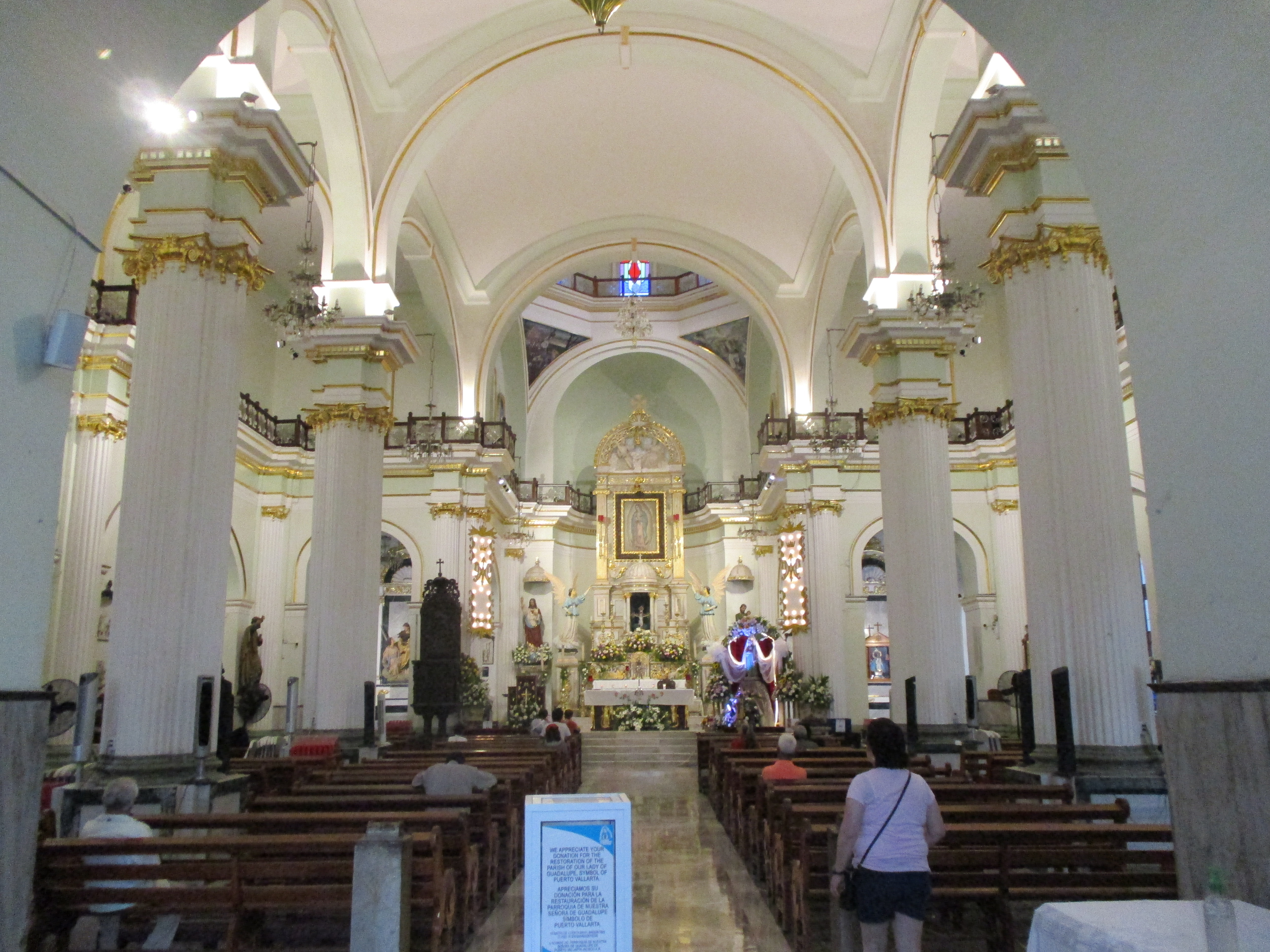
The Feast of Our Lady of Guadalupe on Dec. 12 is one of the most beloved observances in Mexico and across the Mexican diaspora. It recalls reported apparitions of Mary to the Indigenous farmer Juan Diego in 1531, weaving together Catholic devotion and Indigenous identity. Pilgrims walk long distances to shrines, mariachis play dark to dawn, and churches overflow with roses and handmade banners. For many, Guadalupe represents protection, dignity, and a motherly presence that travels with migrants and working families.
Saint Lucia Day
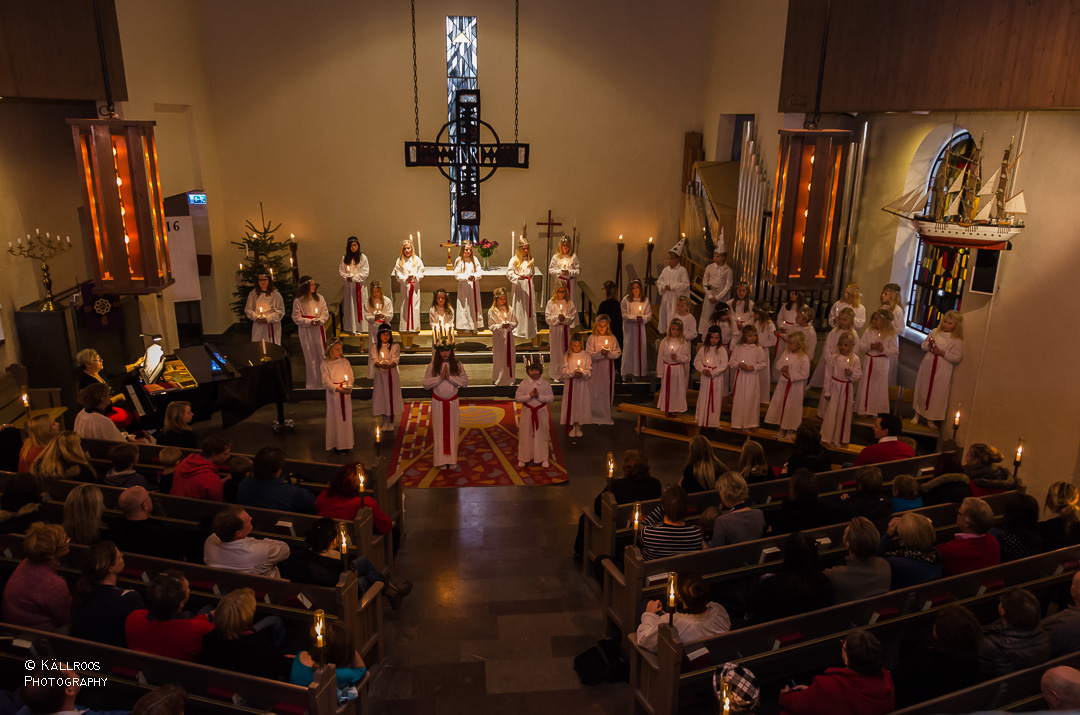
Saint Lucia Day on Dec. 13 brightens the long Scandinavian winter with a moving mix of Christian story and older solstice customs. A girl in white robes, crowned with candles, leads a small procession through dim rooms or village streets, followed by singers in simple gowns carrying wreaths and stars. Families share saffron buns, coffee, and songs before sunrise. The celebration honors Lucia as a bearer of light and care, turning the thick December darkness into a backdrop for music and warmth.
Hanukkah
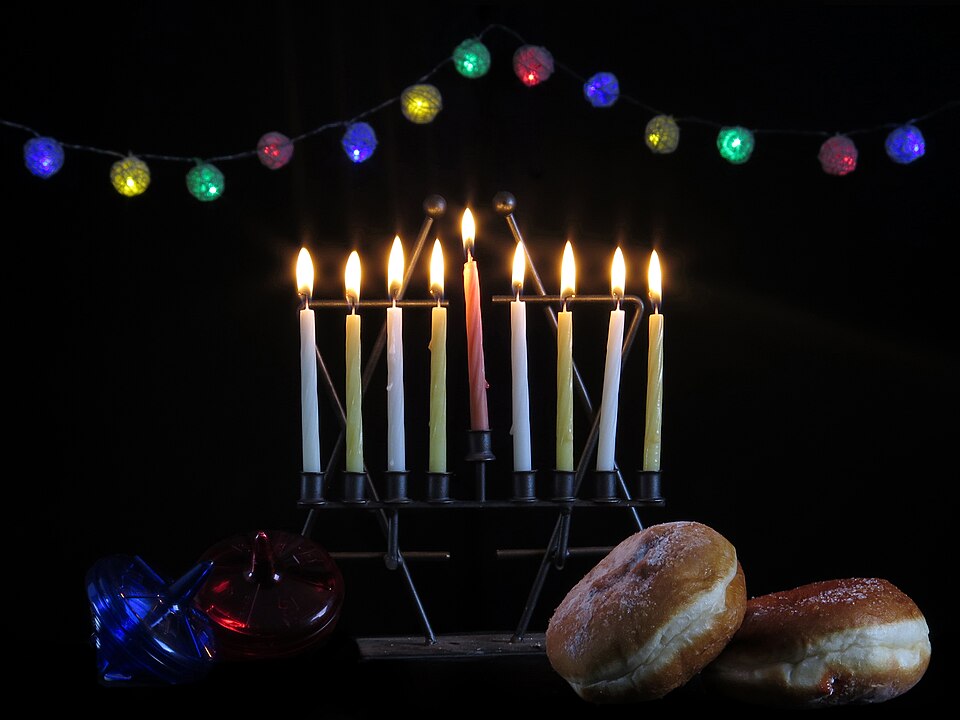
Hanukkah marks the rededication of the Second Temple in Jerusalem after the Maccabean revolt and remembers a small supply of oil that is said to have burned for eight nights. Jewish families light a menorah each evening, adding one candle at a time while blessings and songs fill the room. Children spin dreidels, trade chocolate coins, and wait for crisp latkes or jelly filled doughnuts frying in the kitchen. Public menorah lightings in city squares extend the festival’s themes of resilience and religious freedom.
Las Posadas
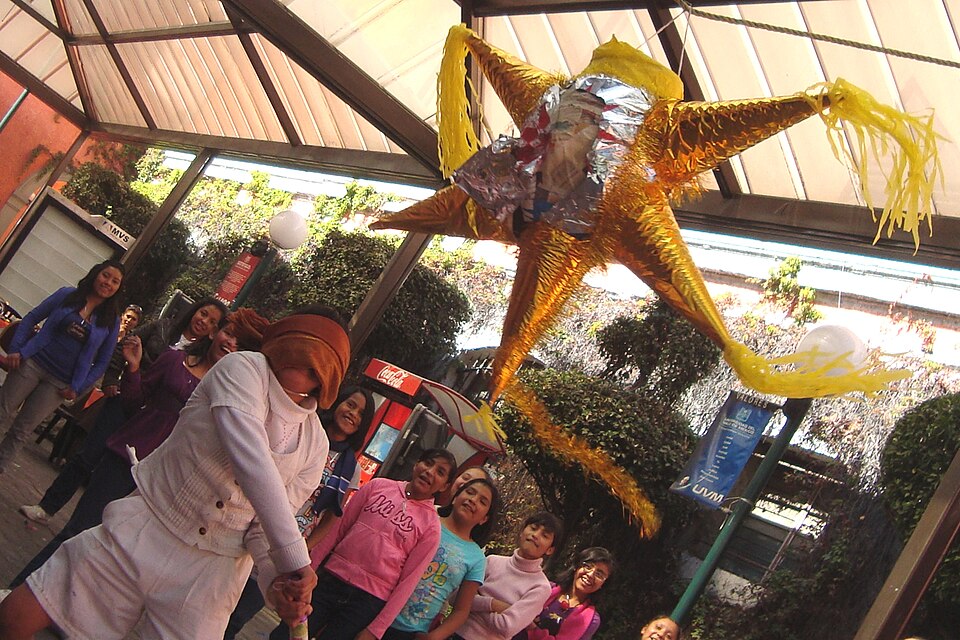
Las Posadas, observed from Dec. 16 to 24 in many Hispanic Christian communities, reenacts Mary and Joseph’s search for shelter in Bethlehem. Each night, neighbors form a candlelit procession that moves from house to house while singers outside and inside trade verses asking for and denying lodging until a final home opens its doors. Once admitted, everyone shares tamales, warm drinks, and prayers. Children often receive treats from star shaped piñatas. The tradition keeps hospitality, migration stories, and faith closely intertwined.
Yule And Winter Solstice
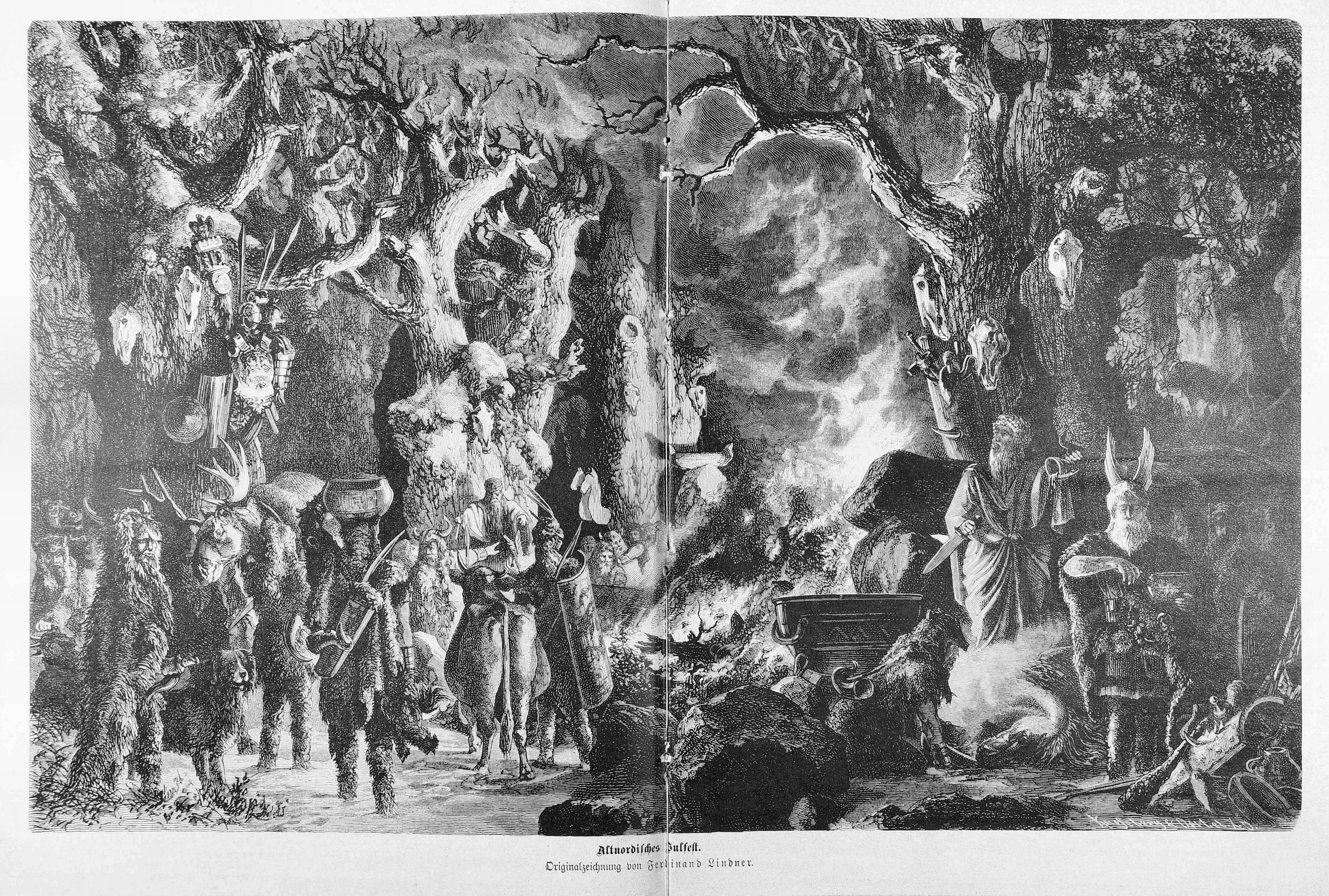
Around the winter solstice, many modern pagans and Wiccans celebrate Yule as a turning point in the natural year. Rituals often unfold by firelight, with evergreen branches, handmade wreaths, and candles that symbolize the rebirth of the sun. Some groups gather at dawn to greet the first light after the longest night, while others hold indoor circles that honor deities of renewal and the land. The focus rests on cycles, gratitude, and the idea that even deep darkness carries the promise of return.
Dongzhi Festival
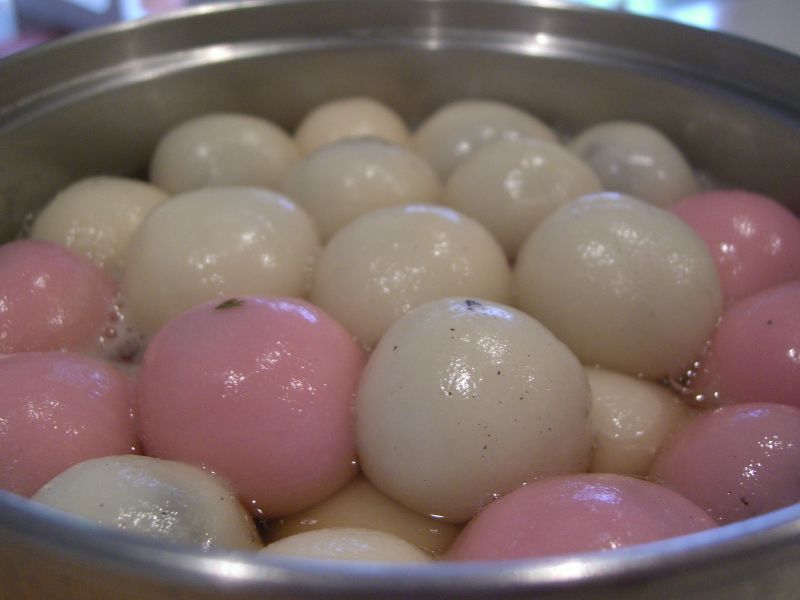
The Dongzhi Festival, usually falling around Dec. 21 or 22, has been observed in Chinese culture for centuries as a solstice rite linked with cosmic balance and family duty. Households prepare warming dishes such as tangyuan, small glutinous rice dumplings that symbolize unity, or hearty northern style dumplings that recall perseverance in harsh weather. Relatives may visit ancestral graves or make offerings at home altars. The festival carries a quiet belief that once the darkest night has passed, positive energy and longer days slowly strengthen.
Pancha Ganapati
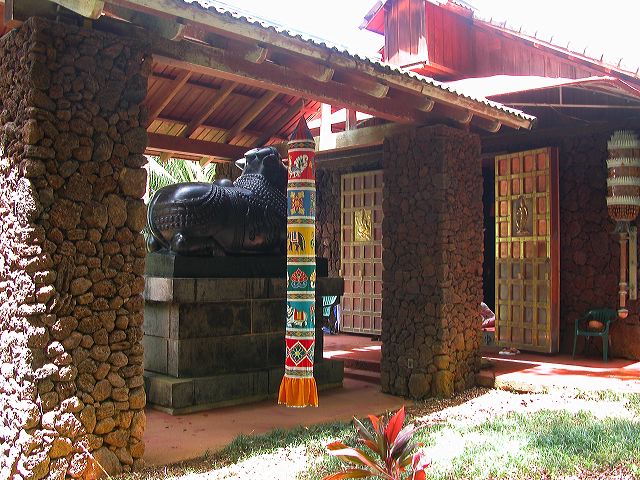
Pancha Ganapati, celebrated from Dec. 21 to 25 by some Hindu families, honors Lord Ganesha in a distinctly modern way. A brightly decorated shrine becomes the center of the home, with fruits, sweets, and garlands offered each morning. Every day focuses on a different theme, such as repairing family relationships, strengthening work ethics, or deepening community ties. Children may receive small gifts as apologies are made and old tensions are cleared. The festival shows how living traditions can adapt while staying heartfelt and devotional.
Christmas Day
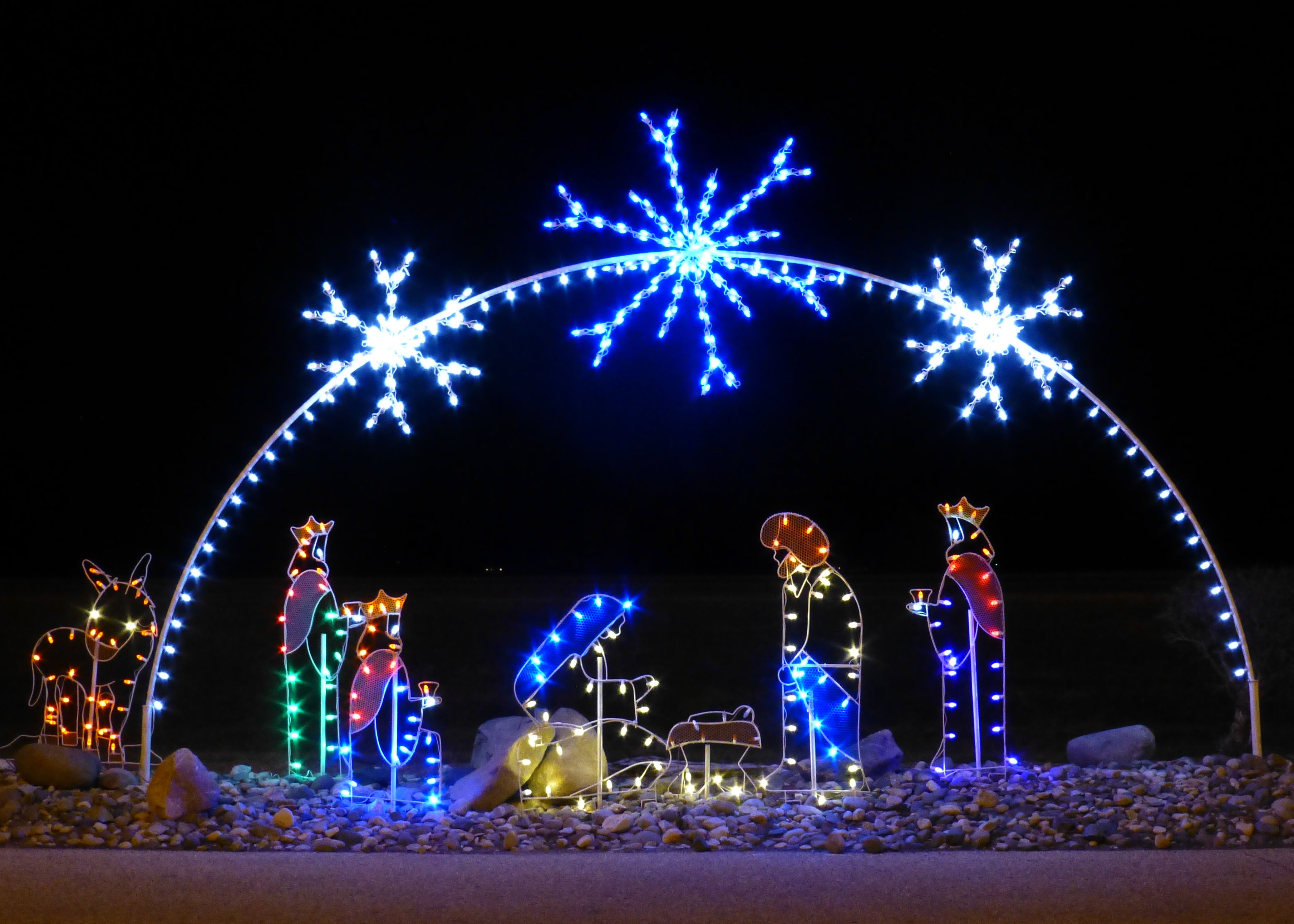
Christmas on Dec. 25 commemorates the birth of Jesus in Bethlehem and sits at the heart of the Christian year. Churches hold midnight and morning services with readings, carols, and nativity scenes, while homes fill with trees, lights, and quiet family rituals. For some, the day revolves around generous meals and wrapped gifts that echo stories of divine giving. For others, it is a rare pause to pray, visit the lonely, or volunteer. Beneath the commercial noise, the focus is on hope arriving in vulnerable form.
Zarathosht Diso
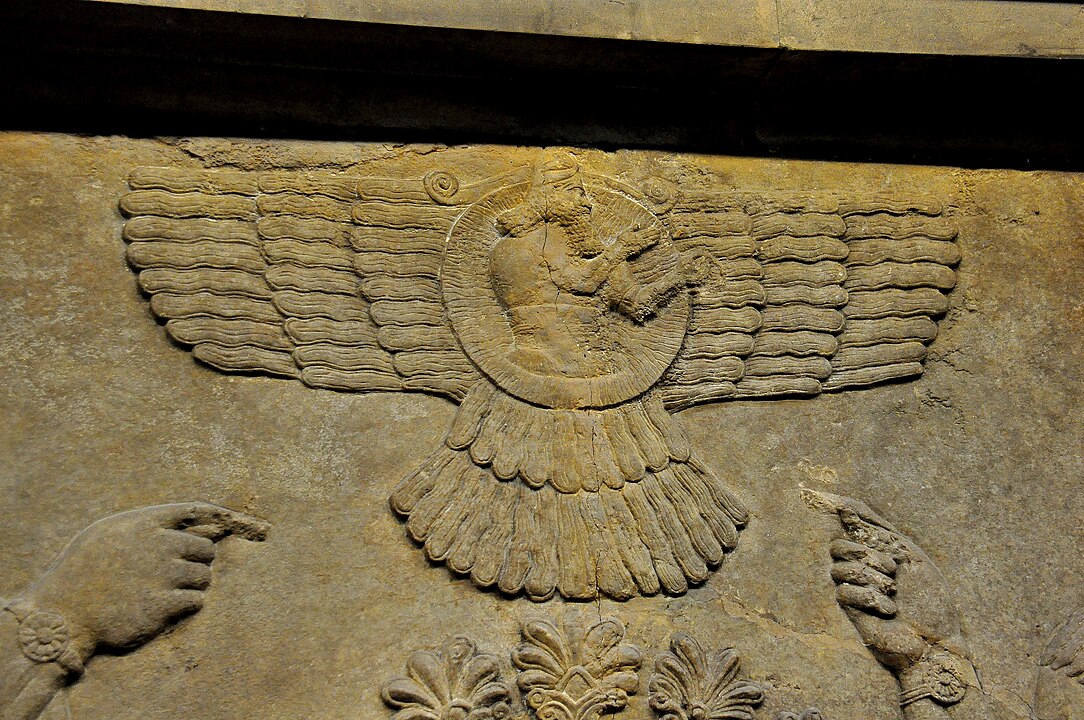
Zarathosht Diso, observed around Dec. 26 by Zoroastrians, is a day of mourning and reflection that marks the death of the prophet Zarathustra. Rather than a festival with bright colors or fireworks, it is shaped by visits to fire temples, recitation of sacred texts, and thoughtful silence at home. Many choose the day to perform acts of charity or service in his memory. The observance closes the month with a clear call to truthfulness, ethical action, and personal responsibility in the face of daily choices.