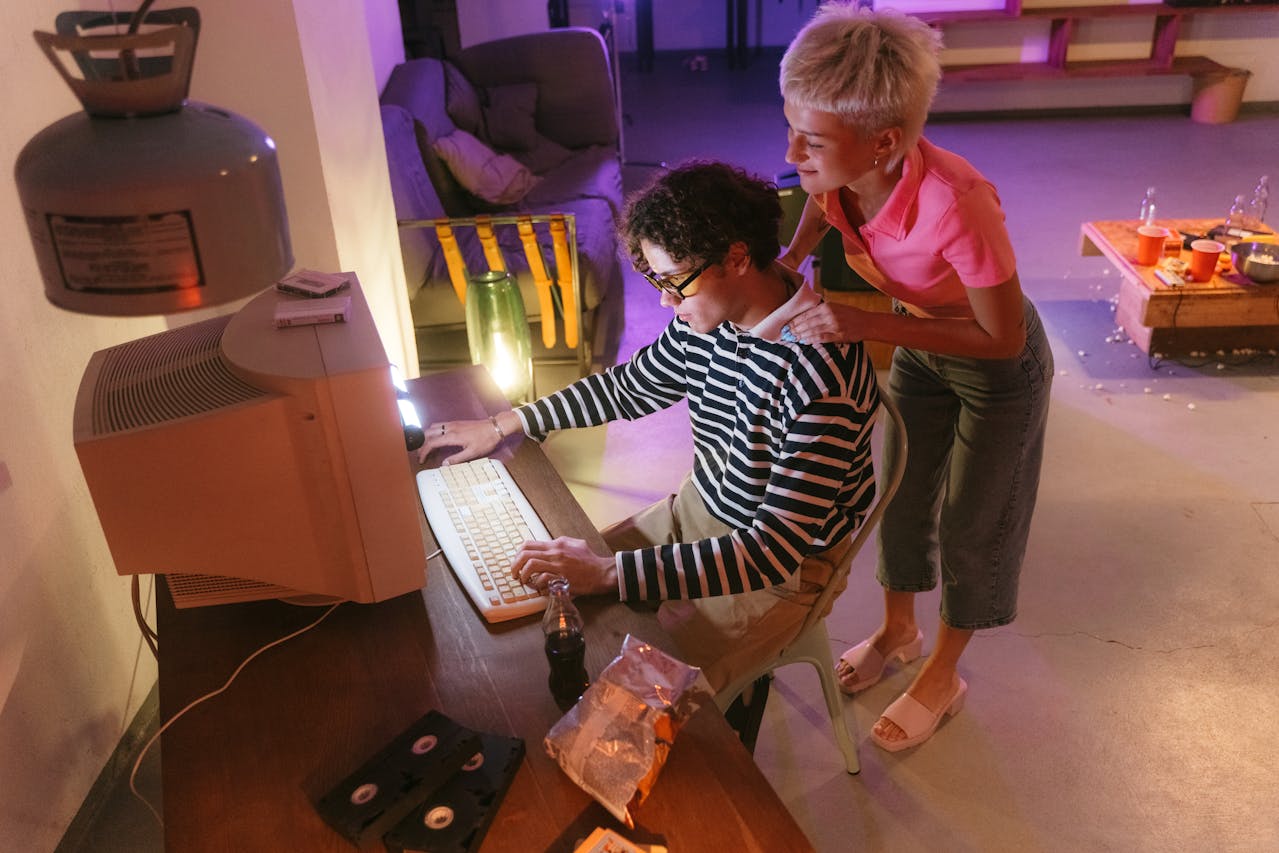
Nostalgia snack videos rarely begin with sugar alone. They begin with memory, packaging sounds, and a practiced pause that signals something dramatic is coming. Viewers lean in for a childhood callback, then stay for a reaction arc that swerves from calm tasting notes to theatrical surprise. The format feels familiar, yet it still lands because it blends comfort with suspense in a tight, repeatable rhythm.
Across platforms, creators keep recycling that rhythm with vintage brands, retro jingles, and staged disbelief. The trick is obvious, but the pull is real, and feeds reward clips that hold attention till the reveal.
Dunkaroos And The First-Bite Freeze
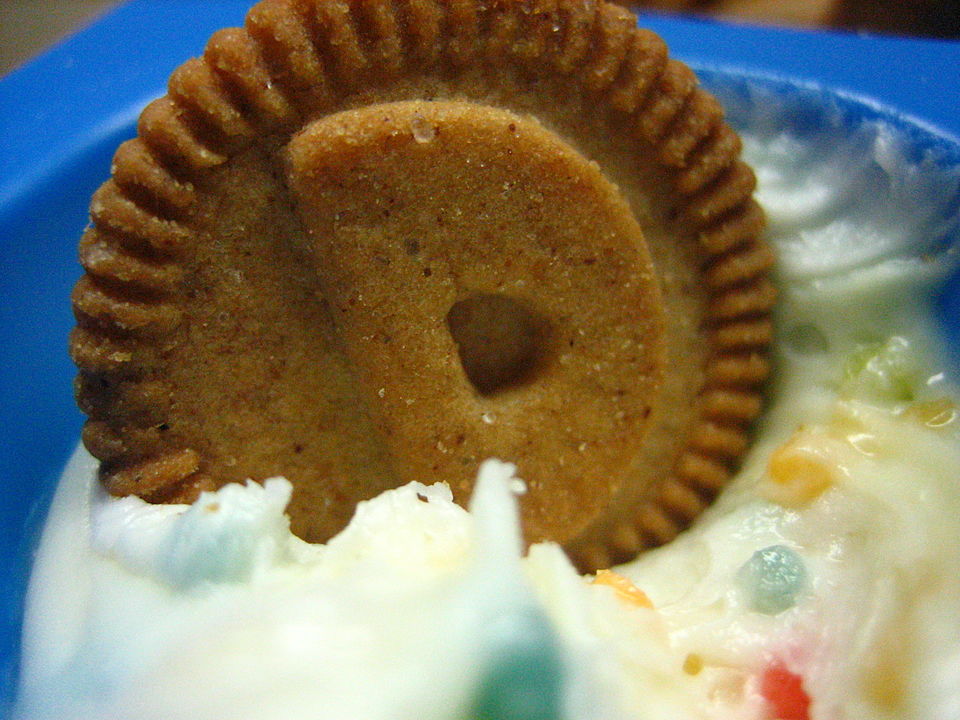
The Dunkaroos segment usually opens with a clean nostalgia cue: foil peeled slowly, cookie tray held close to the mic, and a line about lunchbox trading culture. The brand’s U.S. comeback in 2020 gave creators a ready-made before-and-after script, so the first bite is framed less as taste testing and more as time travel with frosting on top.
Then comes the fake-out beat: a serious face, a long chew, and a sudden grin that flips the mood. The audience recognizes the structure, yet still waits for the verdict because uncertainty is staged with just enough restraint to feel earned overall.
Crystal Pepsi And The Visual Misdirection
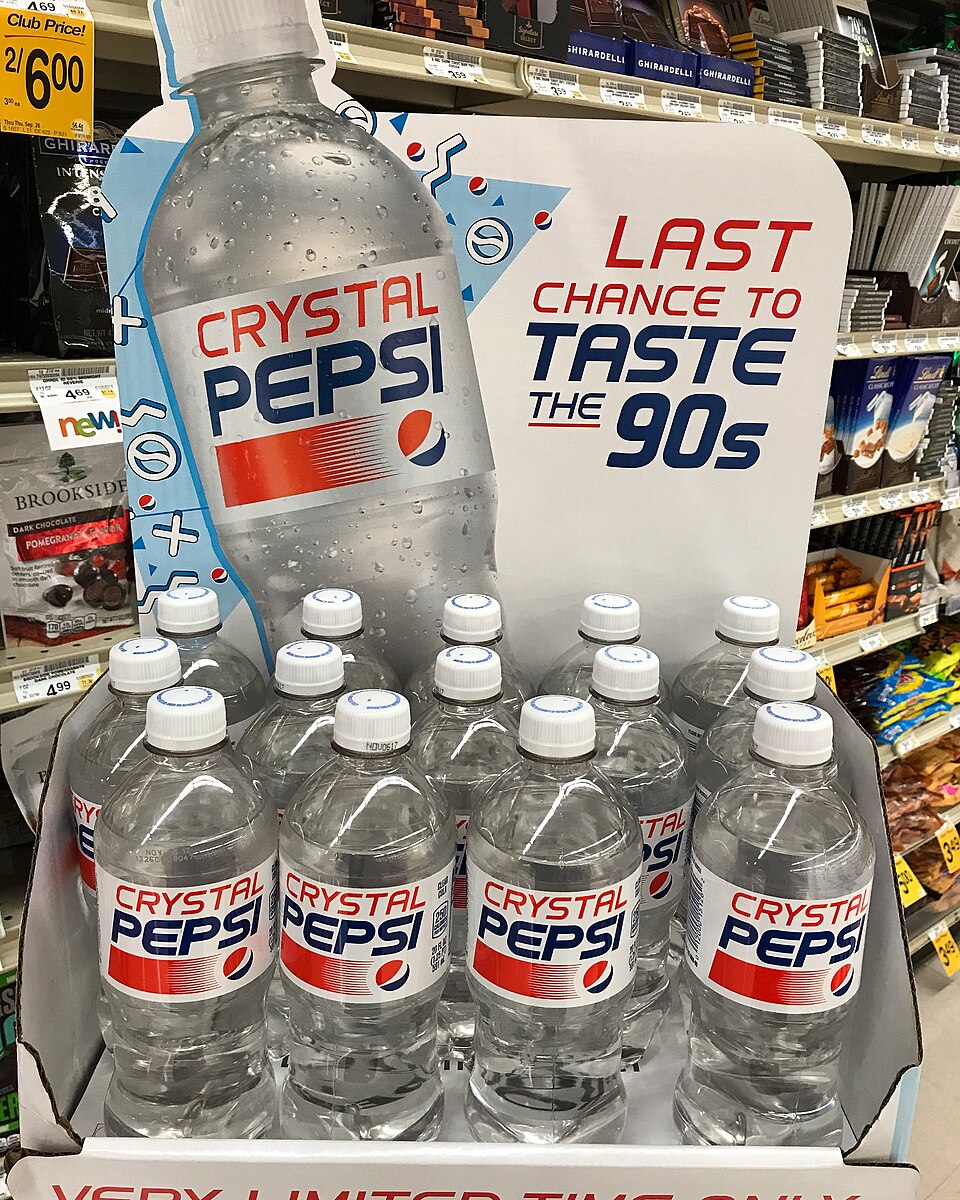
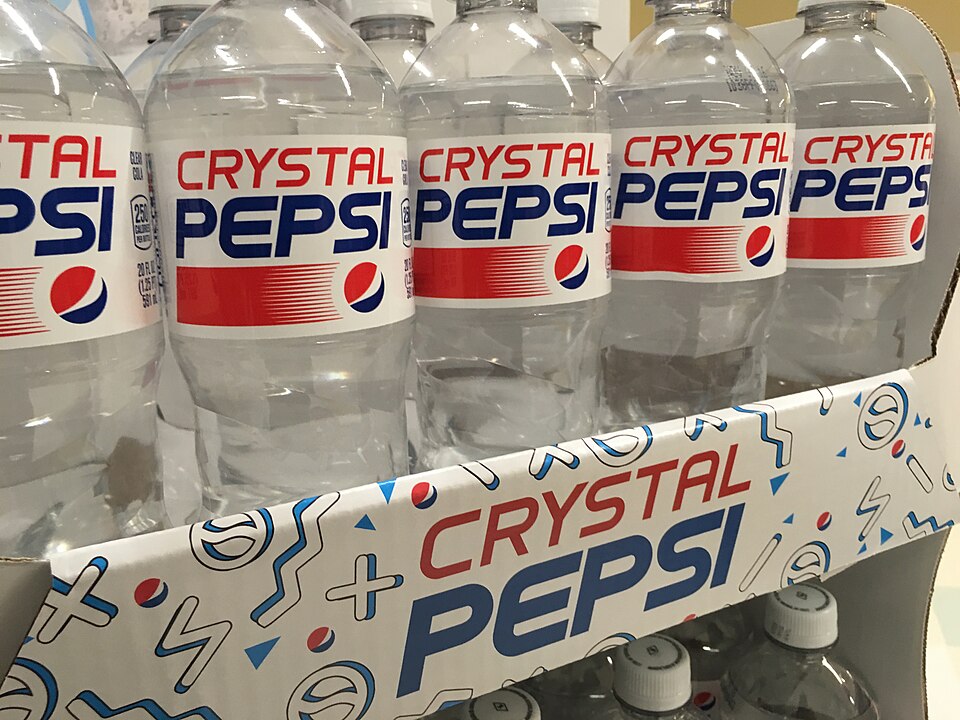
Crystal Pepsi reviews rely on visual contradiction before flavor enters the frame. A clear cola still looks like a trick to many viewers, so creators milk that tension with slow pours and bubble closeups, then act unsettled as if color itself changed taste. Its limited comeback in 2016 gave reviewers a nostalgia hook with specific timing that made the return feel like an event.
The fake-out lands after a cautious sip. Instead of instant praise or rejection, the host pauses, narrows the eyes, and speaks in fragments. That delay turns plain tasting notes into mini drama and keeps comment threads arguing long after the clip ends.
Twinkies And The Comeback Morality Play
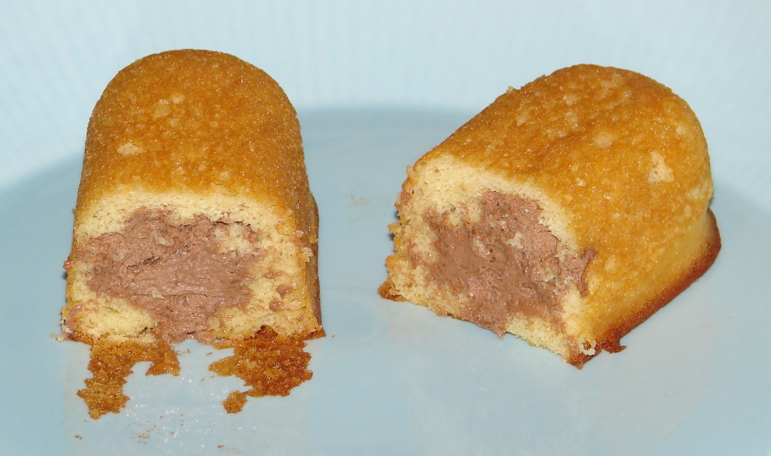
Twinkies videos often open with a history recap, because the brand’s return in 2013 already carries plot. Reviewers note the comeback moment, hold the cake near the camera, and compare texture against memory before taking a bite. Many mention shelf-life chatter too, which became part of the snack’s second-act identity and fueled debates over whether newer versions feel the same.
The fake-out here is often moral, not just sensory. A reviewer may look disappointed first, then pivot into a nostalgic defense that reframes the taste as familiar comfort. That reversal gives viewers surprise in the moment and recognition in the aftertaste.
French Toast Crunch And The Aroma Trigger
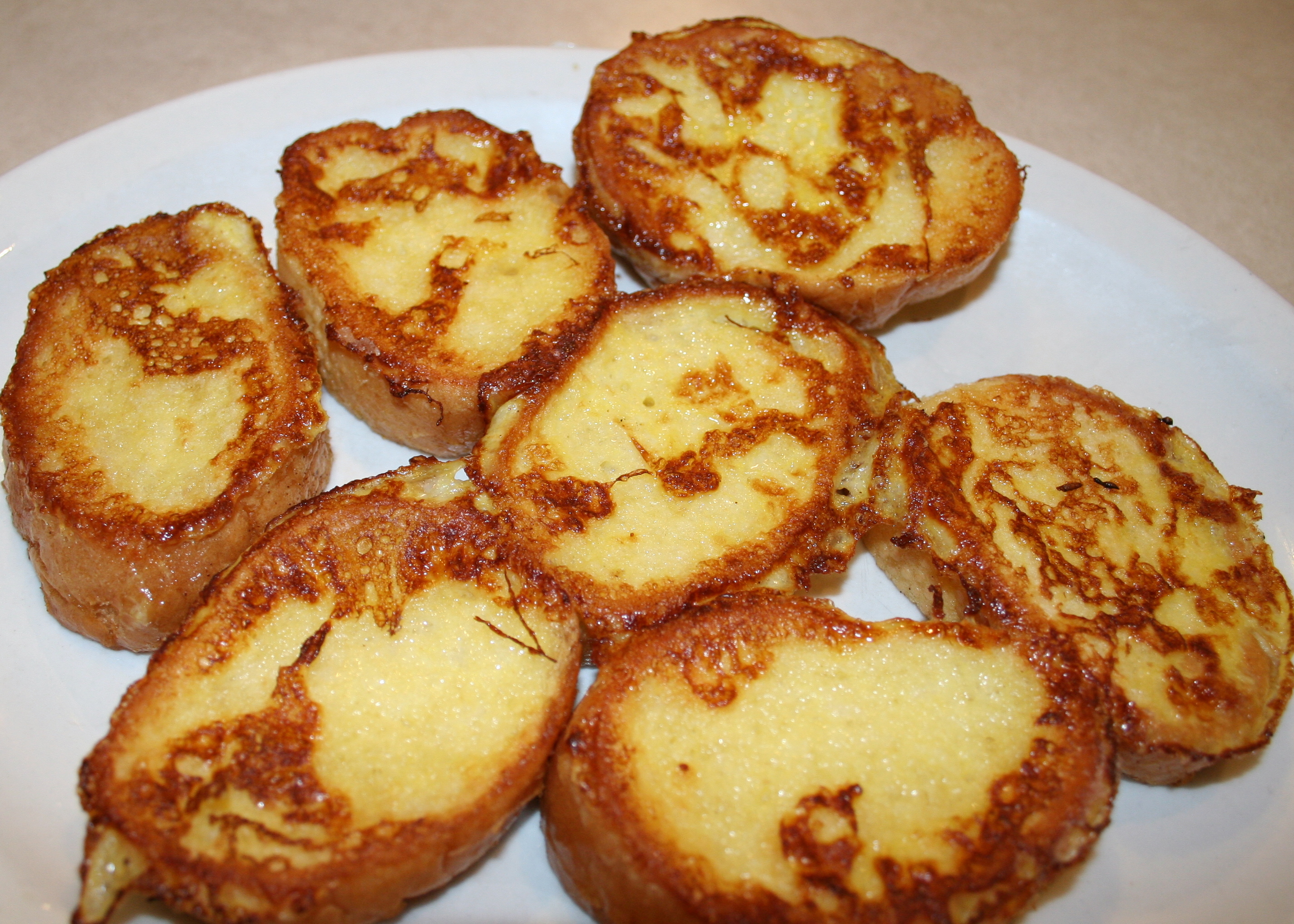
French Toast Crunch reviews are built around scent and shape, details that trigger memory faster than ingredient talk. After the cereal returned to U.S. shelves by early 2015, creators framed each bowl like a reunion scene. They shake the box, pour high for sound, and let cinnamon aroma do half the storytelling before a spoon even lifts.
The fake-out reaction appears as a quiet pause after the first crunch. A measured nod becomes an exaggerated rethink, then a verdict that swings wider than expected. The rhythm feels scripted, yet it works because smell memory is personal, and comment sections fill with childhood stories.
SURGE And The Hype-Then-Hesitation Loop
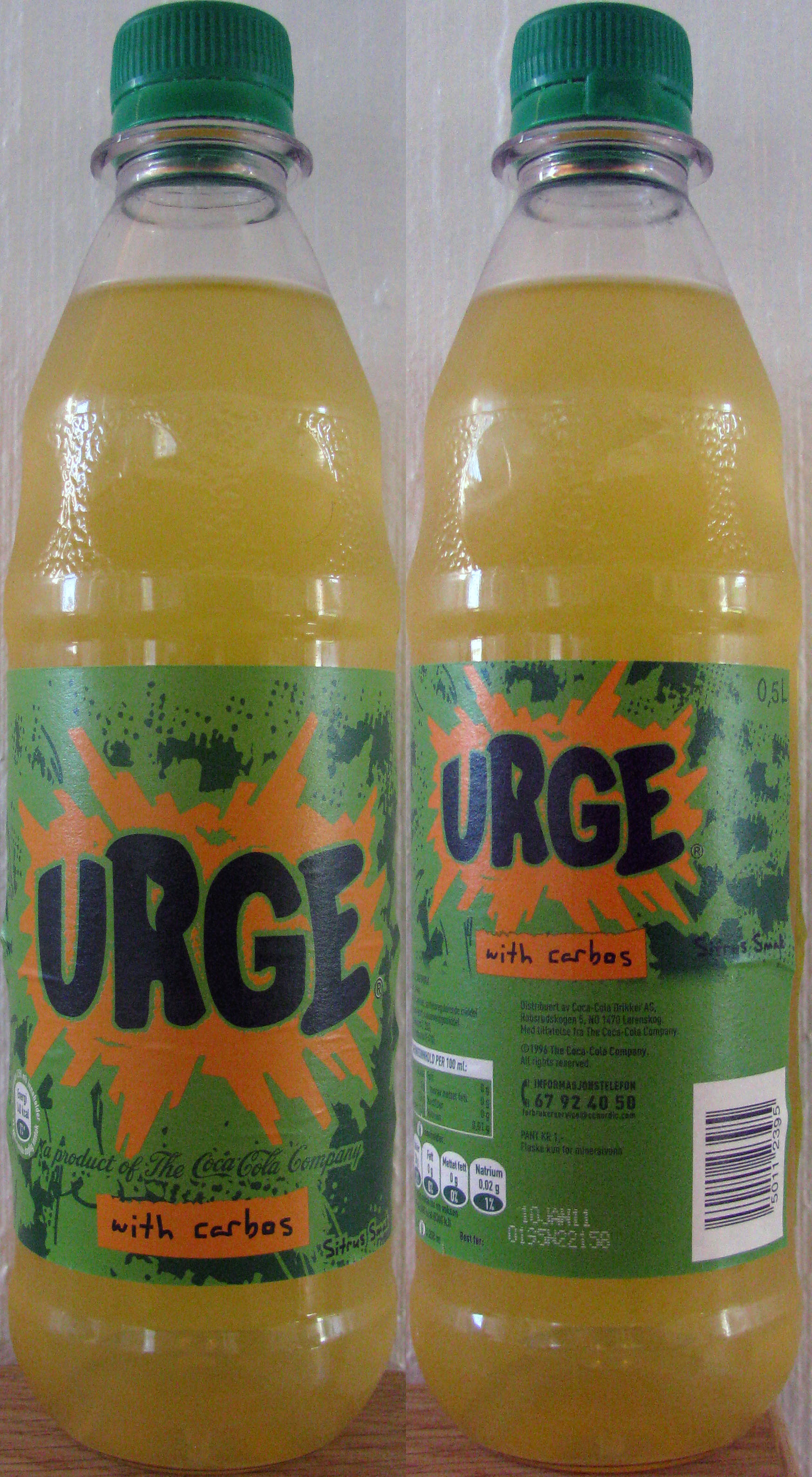
SURGE reviews are powered by comeback mythology. Coca-Cola revived the 1990s soda in 2014, first through online channels, after sustained fan pressure. Creators treat every can opening like a small win for internet persistence. The segment starts loud: tab snap, fizz roar, and a joke about teenage energy levels that sets up a dramatic rise and fall.
The fake-out arrives when the host shifts from hype to caution. After one sip, the tone drops into analysis about sweetness, citrus bite, and memory bias, then rebounds into celebration. That tonal zigzag keeps viewers through the end because the verdict feels contested inside the same person.
Cheez Balls And The Orange Dust Confession
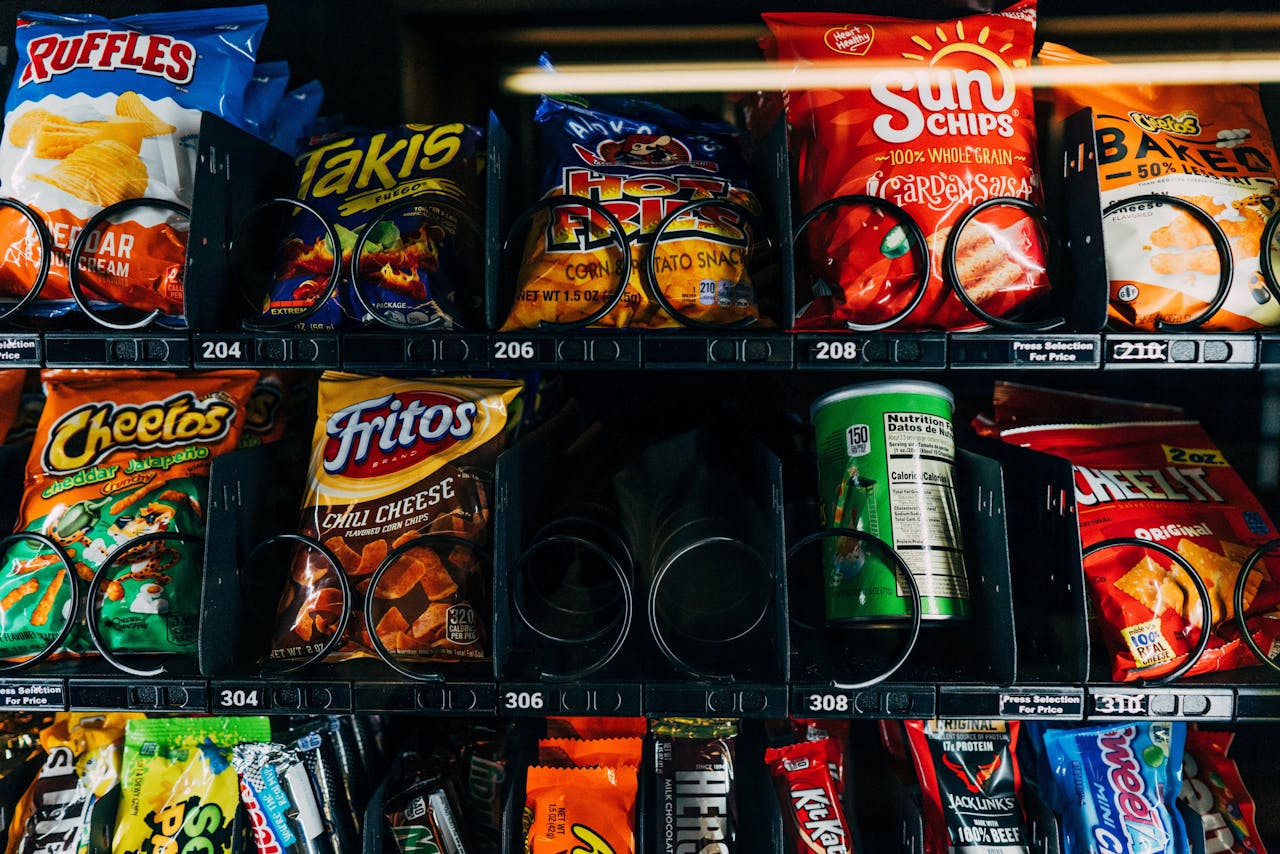
Cheez Balls reviews thrive on texture theater. Planters brought the snack back in 2018 after fan demand, then made it permanent in 2019, giving creators a neat comeback arc with real stakes. The orange dust, retro canister, and loud crunch create a camera-ready sequence that signals playful chaos without much editing.
The fake-out is usually social, not personal. A reviewer pretends to reject the flavor, then reaches back into the can seconds later, exposing the performance while confirming the craving. Viewers do not resent the setup; they enjoy catching the turn, and repeat watches often come from that moment of contradiction.
Oreo Cakesters And The Texture Reversal
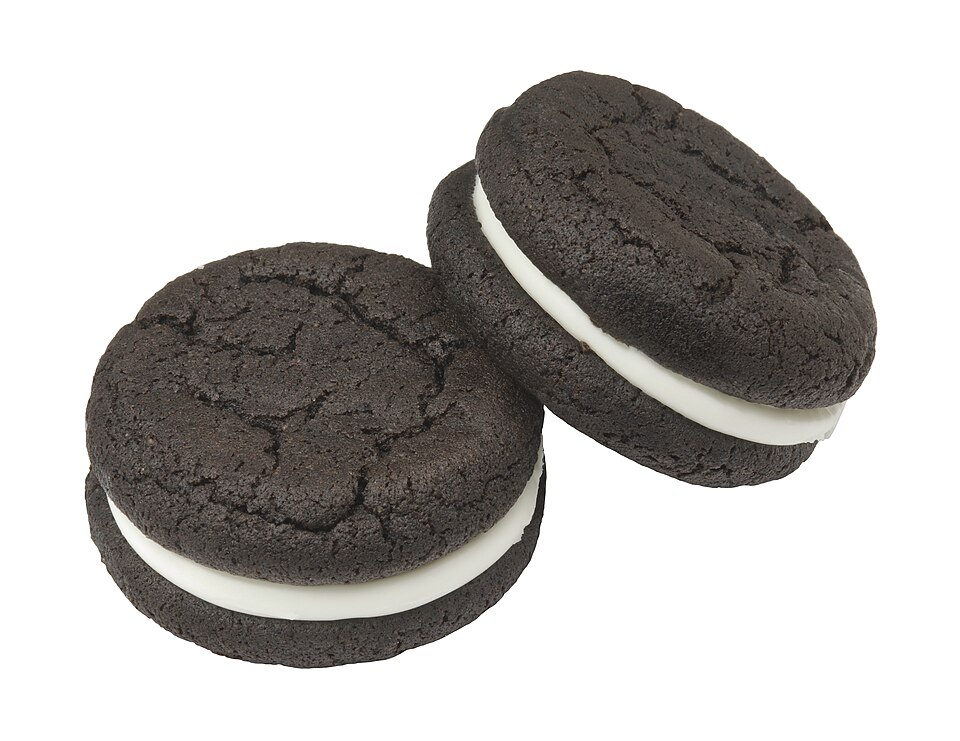
Oreo Cakesters clips lean on texture mismatch. Viewers expect a crisp snap from Oreo branding, but Cakesters deliver a soft cake bite, so reviewers play up suspense before contact and often exaggerate the first chew. With the product discontinued in 2012 and returned in 2022, reviews became rediscovery plus debate about whether memory preferred the older version.
The fake-out comes through language. A host may start with words like too sweet or too soft, then pivot to an unexpectedly positive note about cocoa flavor or cream balance. That turn feels less like a stunt and more like recalibration, so attention stays high.
Chocolate Dunkaroos And The Sequel Effect
Chocolate Dunkaroos reviews show that even a second comeback can feel fresh when the reveal is staged well. After vanilla returned in 2020, chocolate followed in 2021, and reviewers treated it like a sequel. The setup is familiar: side-by-side trays, quick aroma check, then a hesitant dip signaling possible disappointment.
The fake-out arrives when skepticism turns into praise. Hosts who begin by questioning sweetness suddenly focus on balance between cocoa frosting and cookie crunch, reframing the snack as better engineered than memory expected. That shift gives repeat viewers a reason to compare clips, not just flavors.