
Pantries keep old habits alive. A canister that once resuscitated breakfasts or stretched a shoestring grocery week can sit untouched for years, disappearing into the background. The label yellows, the lid screw-threads on, and the ingredient feels almost eternal.
Time does its work. Warmth, humidity, and oxygen flatten flavor, mute aroma, and weaken the chemical lift baking relies on. These nine throwback staples rarely look unusable, yet they can cause freshness problems that show up as flat biscuits, stale cereal, or a sauce that tastes unsettlingly tired. A quick sniff and a date on the container often saves the batch.
Powdered Milk
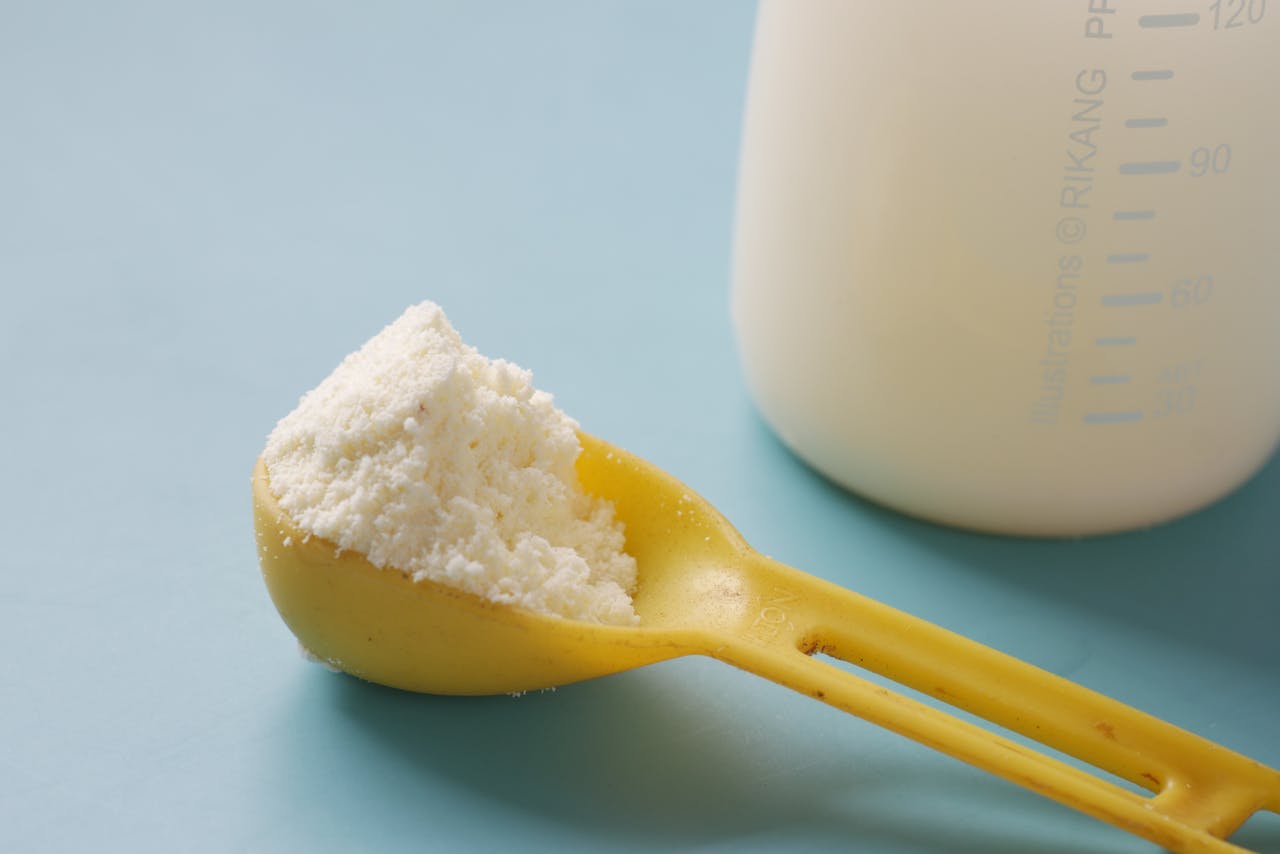
Powdered milk earned its place during World War II, when fresh dairy was harder to ship and reliable refrigeration was not a given, and many families later used it to stretch milk, keep a backup, or bake on short notice.
Freshness can still drift as the powder pulls in humidity, clumps around the rim, and absorbs pantry odors, leaving a faint stale edge that shows up first in cereal, coffee, hot cocoa, or soups, especially in humid kitchens. The change is rarely dramatic, just disappointing, so tight, cool storage and a dated lid keep it helpful in baking, where milk solids add tenderness without asking anyone to drink it straight.
Whole Wheat Flour
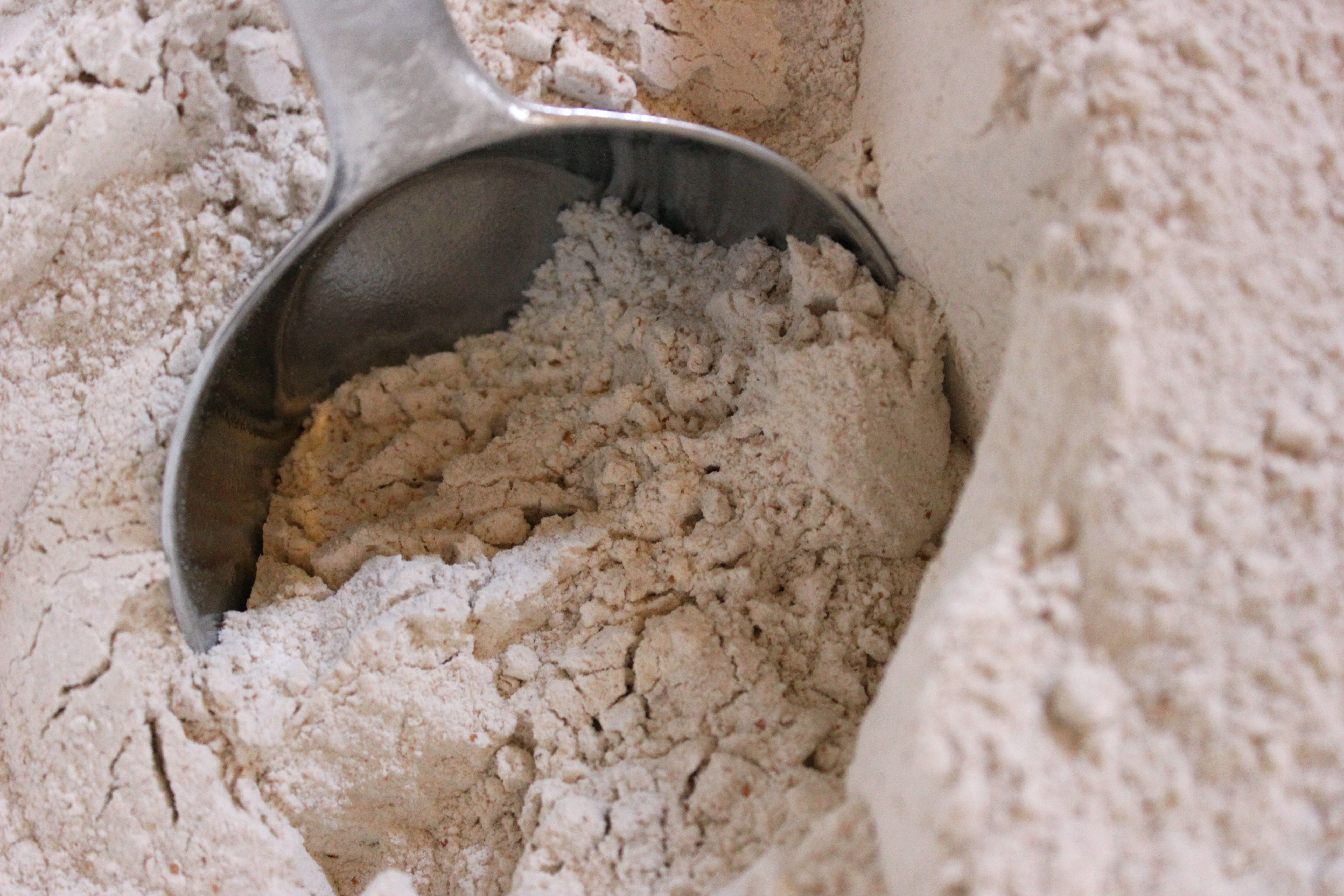
Whole wheat flour tastes richer because it carries the wheat germ, and that germ contains oils that do not stay fresh forever, which is why whole-grain flour ages faster than white flour in the same cupboard.
Over time those oils oxidize, and the flour shifts from nutty to dull, sometimes with a faint paint-like edge that shows up only after heat hits the batter, and the aftertaste lingers, slightly bitter. Airtight storage slows the fade, colder storage slows it more through summer heat, and smaller bags with dates, plus a quick smell check, keep baked goods tasting warmly fragrant and lively instead of flat, even months later.
Cornmeal
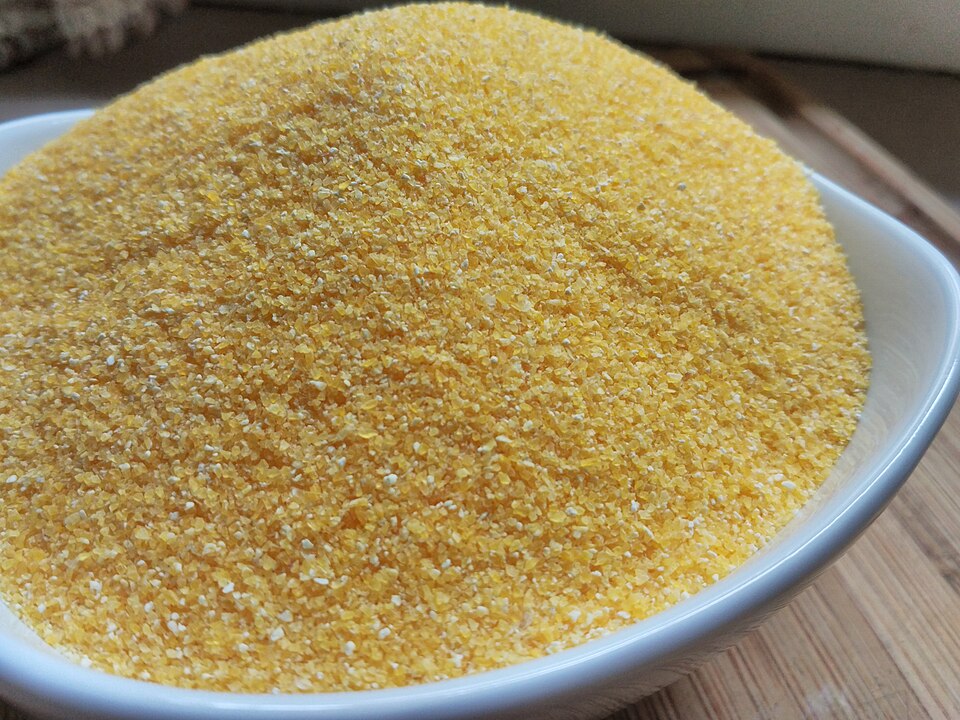
Cornmeal feels immortal because it is dry and bright, and it can sit quietly in a jar for months while cornbread nights and skillet muffins keep it feeling dependable on the shelf.
But the corn germ contains fat, and that fat oxidizes, turning polenta, muffins, and hush puppies from sweet and toasty to faintly waxy, even when the color stays sunny and the grains still pour cleanly. The truth often appears only when heat blooms the aroma, and humidity adds a second problem by inviting clumps and pantry pests, so tight sealing, cooler storage, and a simple date label keep corn flavor sharp instead of dusty and muted over time.
Brown Rice
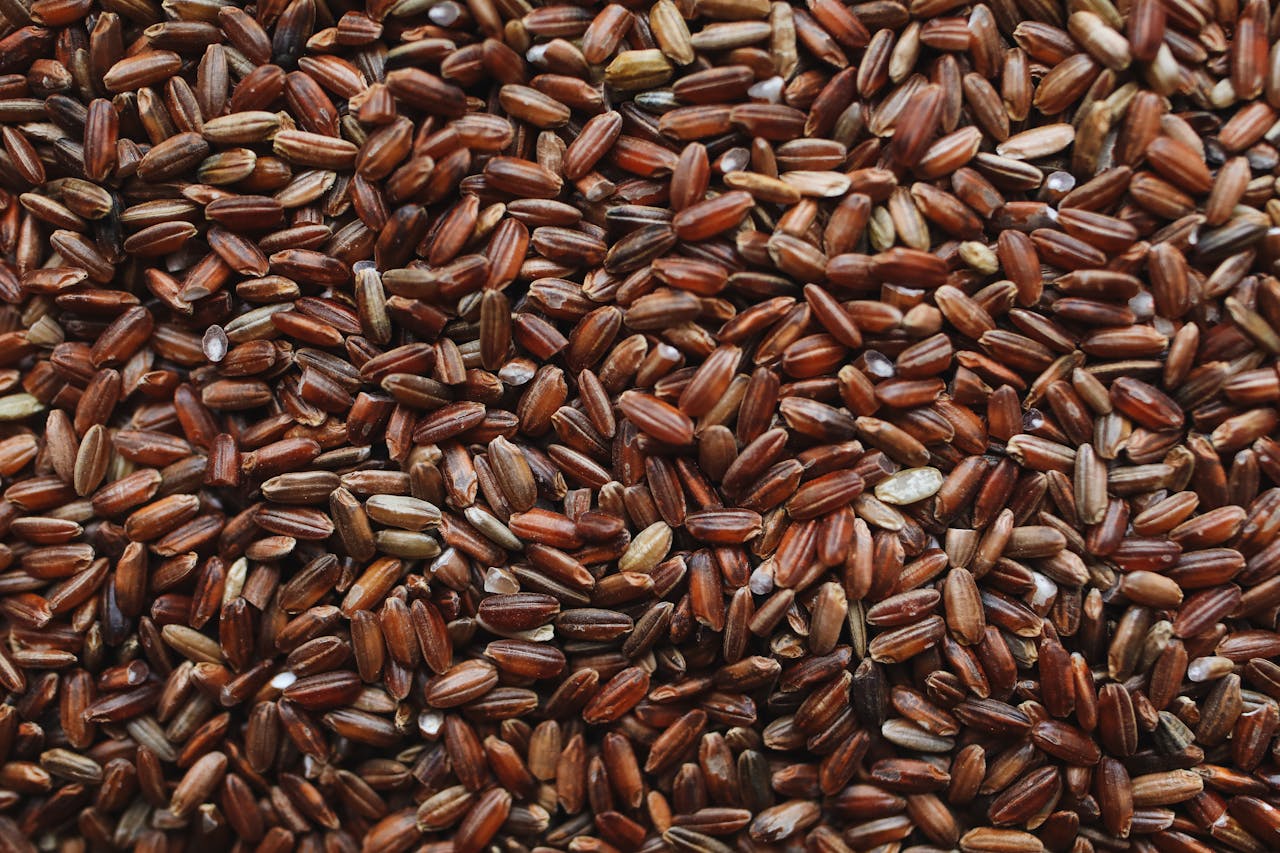
Brown rice keeps its bran layer, which gives it a nutty bite and a wholesome reputation, but that same layer carries oils that do not stay fresh forever, especially in warm climates.
As those oils oxidize, the rice can smell faintly like old cooking oil and taste slightly bitter, and the shift shows up in pilafs and fried rice even when the grains still look perfectly normal, so the meal gets blamed on the pan. Warm cupboards speed the fade, so airtight containers, colder storage, and rotation by date keep brown rice tasting clean, while white rice tends to hold quality far longer because most of the fat is milled away, overall.
Nuts And Nut Flours
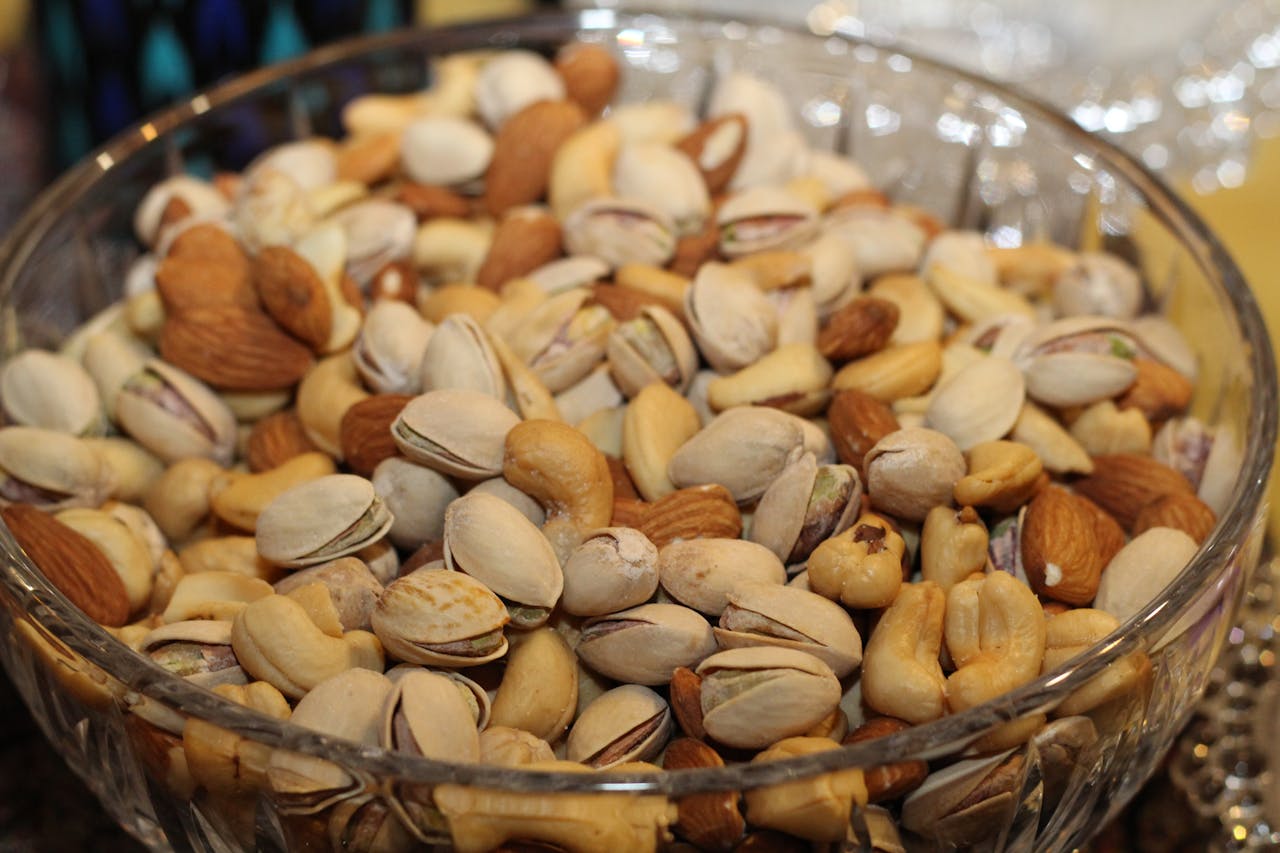
Nuts feel sturdy because they are dry, but they are packed with fats that oxidize quickly in warmth and light, so a bag can look perfect while flavor quietly slips and the sweetness thins out.
Walnuts, pecans, and sliced almonds can turn bitter without visible warning, and that stale note can dominate cookies, granola, and salads, especially when bulk bags sit open near the stove and get handled often. Nut flours fade even faster because the surface area is huge, and toasting can reveal the problem in seconds, so airtight jars and freezer storage protect aroma, while a quick sniff for crayon-like odors catches trouble early.
Cooking Oils
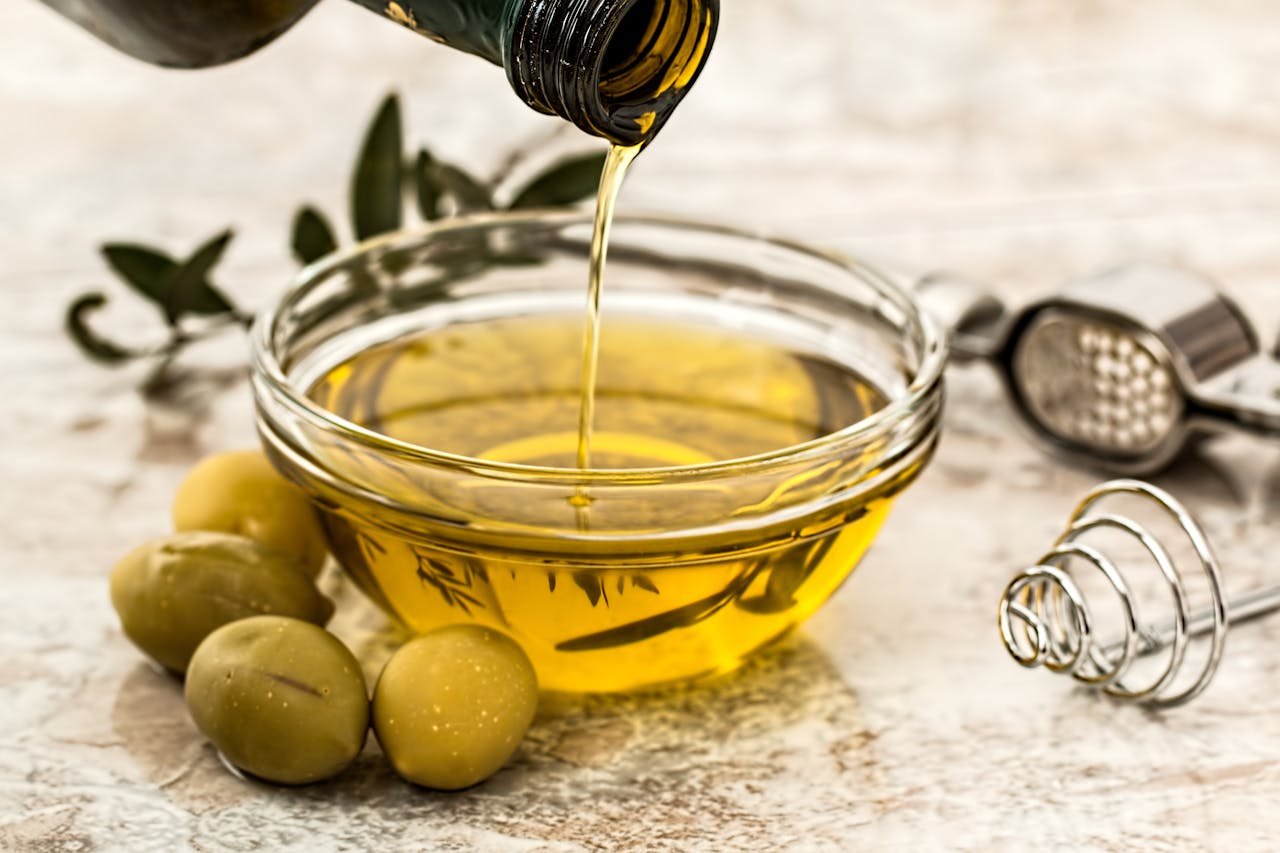
Cooking oil rarely looks spoiled, which is why old bottles stay in rotation long after their best flavor has passed, quietly changing the taste of everything they touch.
Oxygen and light oxidize the fat, and the flavor turns dull, then waxy, leaving a lingering finish that makes salads, roasted vegetables, and simple sautéed greens feel heavy instead of clean, especially when stored near heat, too. Delicate oils, especially nut oils, fade fastest, and repeated opening adds more air, so smaller bottles, tight caps, and a dark cabinet away from the stove preserve freshness, and dressings reveal the crayon-like note immediately.
Ground Spices And Dried Herbs
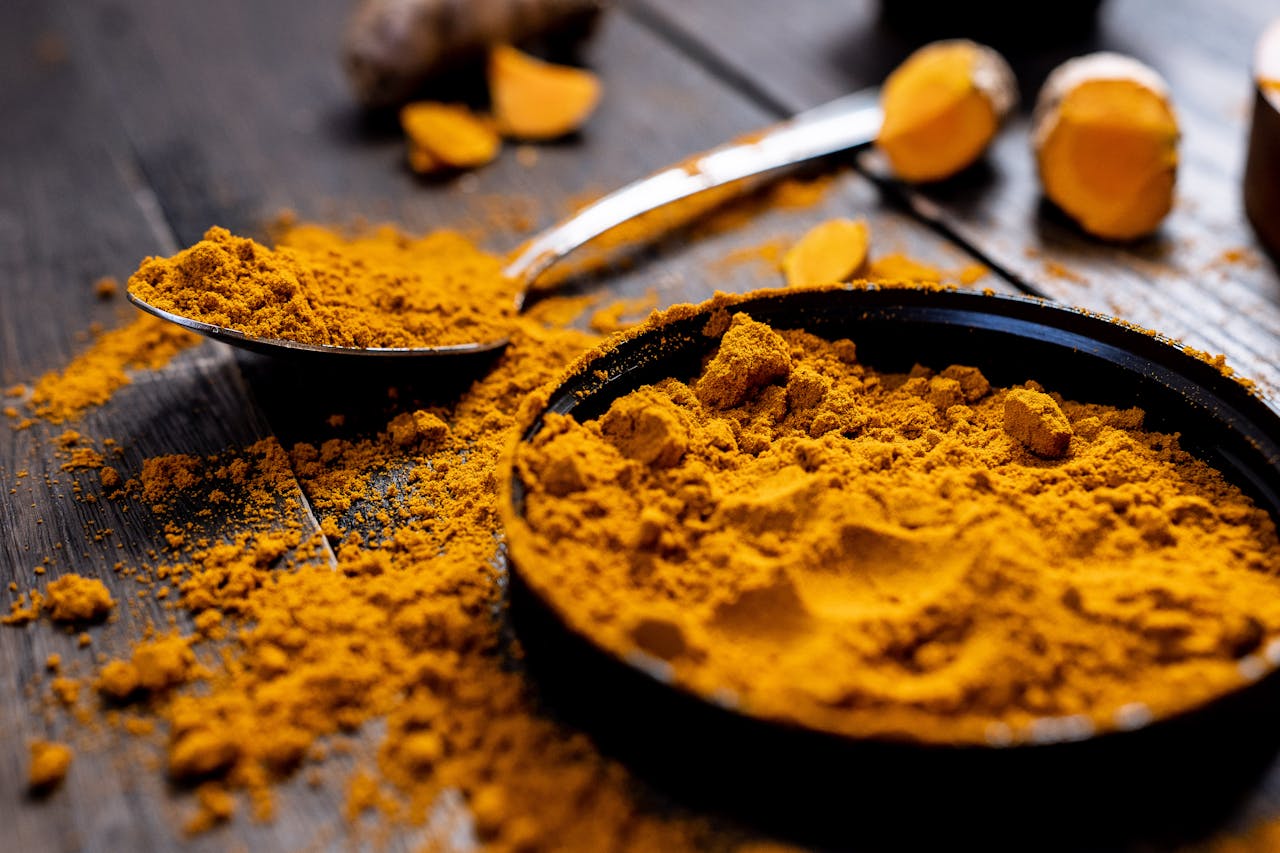
Spices and dried herbs rarely turn unsafe, but they do lose their voice, which is why an old jar can look fine while meals start tasting oddly one-note and heavy on salt.
Ground cinnamon, paprika, cumin, and dried oregano fade as aroma compounds evaporate and oxygen does its work, and steam from a simmering pot can seed moisture into the jar, speeding the decline while pepper loses bite. Whole spices last longer than ground, but even they go flat near heat and light, and wide-mouth jars get opened constantly, so closed lids, dry spoons, and a quick rub-and-sniff test keep seasoning from disappearing into the background at all.
Baking Powder
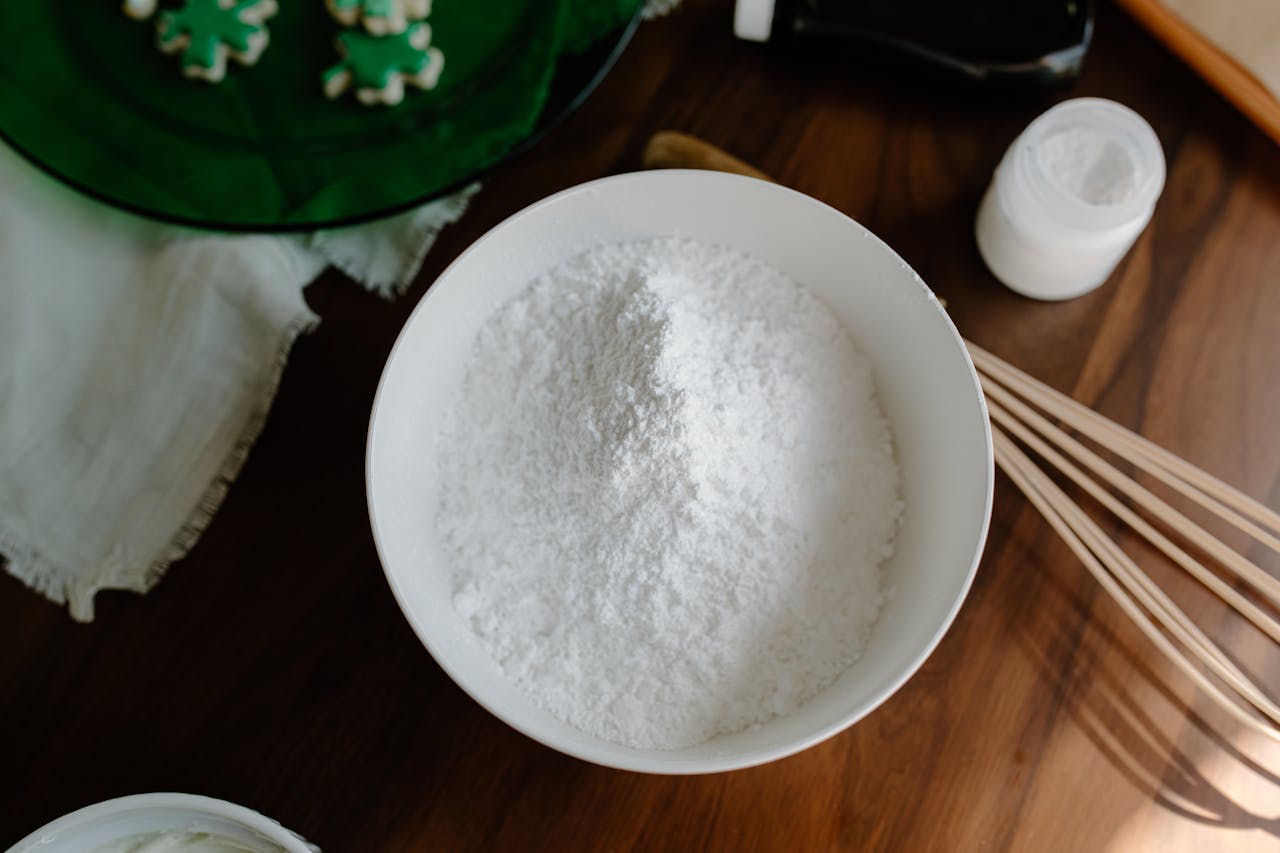
Baking powder is the pantry ingredient that can fail without drama, so a recipe looks correct on paper while the cake bakes dense, the biscuits spread low, and pancakes lose tenderness.
Moisture is the usual culprit, and it creeps in through tiny habits, like dipping a damp spoon or opening the tin near steam from kettles and dishwashers, slowly weakening the chemistry that should lift batter twice. A quick test in hot water should fizz vigorously, and a weak bubble means weak lift, so smaller tins, tight storage, and earlier replacement prevent wasted butter and eggs, keeping baking dependable when the oven is already hot.
Active Dry Yeast
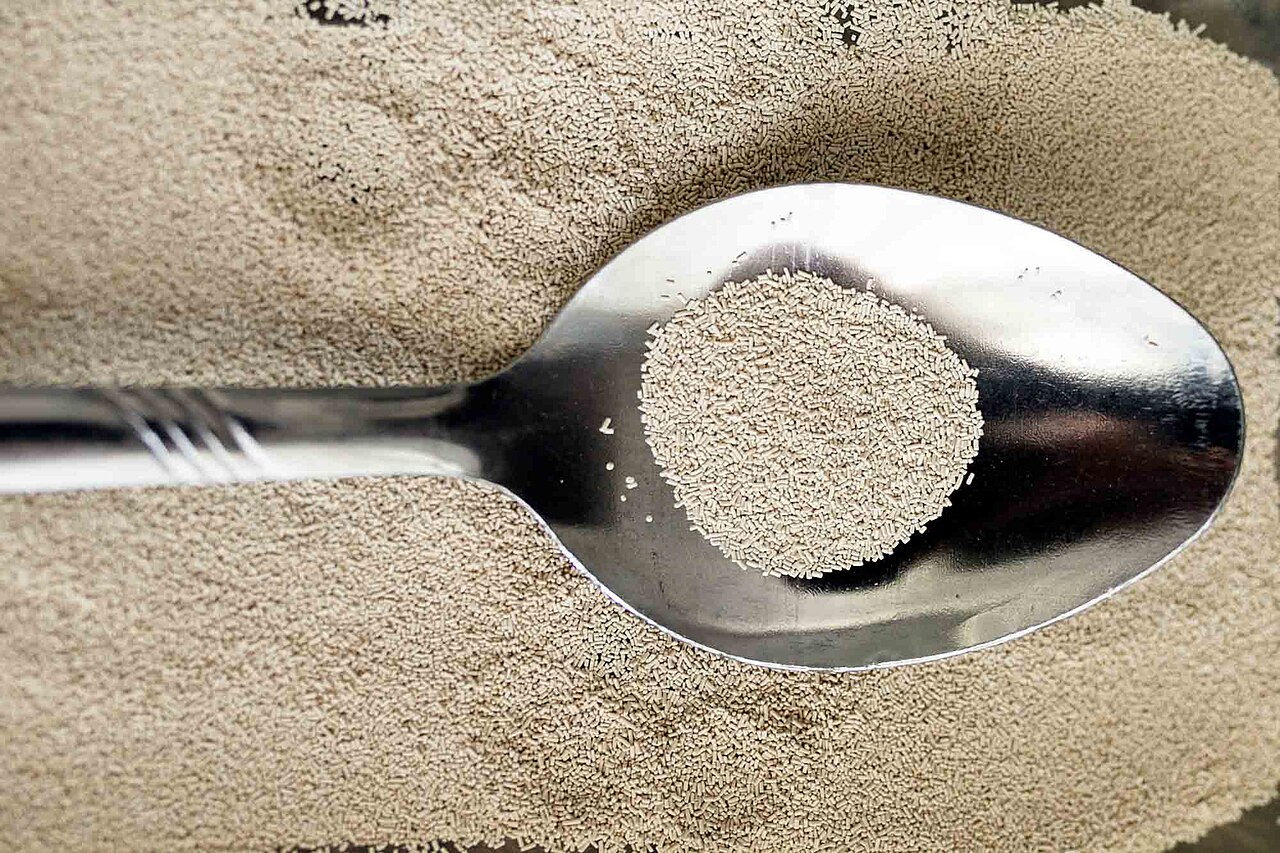
Dry yeast looks calm and powdery, but it is a living ingredient, and time steadily drains its strength even when the jar is tightly closed, waiting quietly in the back of a cabinet.
When yeast weakens, dough rises lazily, bread bakes tight, and rolls lose that soft pull, and the failure can be subtle at first, stretching rising times until the schedule collapses. Moisture and heat speed the decline, including condensation from cold storage and packets kept above the stove, so dating the jar, proofing a pinch in warm water with a little sugar, and storing yeast cold or frozen keeps baking on track for months, without surprises.