
Home inspectors stay calm while pointing at problems that could become expensive later, mostly because the same patterns repeat across neighborhoods and decades. A house can look freshly staged and still reveal its habits in basement corners, under sinks, or behind the attic hatch. Most repeat findings are not dramatic failures. They are slow-burn issues: water that keeps searching for a path, air that keeps leaking, and quick fixes that age badly. Older homes show time; newer ones sometimes show speed. When one issue appears, a few related ones tend to follow, and the report becomes a clear plan for preventing bigger repairs.
Moisture Marks in Basements and Crawl Spaces

Moisture is the repeat character in countless reports, showing up as faint tide lines on foundation walls, white mineral crust, and peeling paint near baseboards where air stays cool and stale. It often travels with a musty odor, soft cardboard edges, sweating ducts, rusty fasteners, or a dehumidifier that never seems to catch up, especially behind shelving and stacked bins, too. The source might be a loose downspout, a pinhole plumbing leak, or humid air trapped under plastic sheeting, but inspectors treat the pattern the same: dry the space fast, improve drainage and ventilation, and stop feeding mold, rust, and slow wood decay.
Grading and Drainage That Aim Water at the House
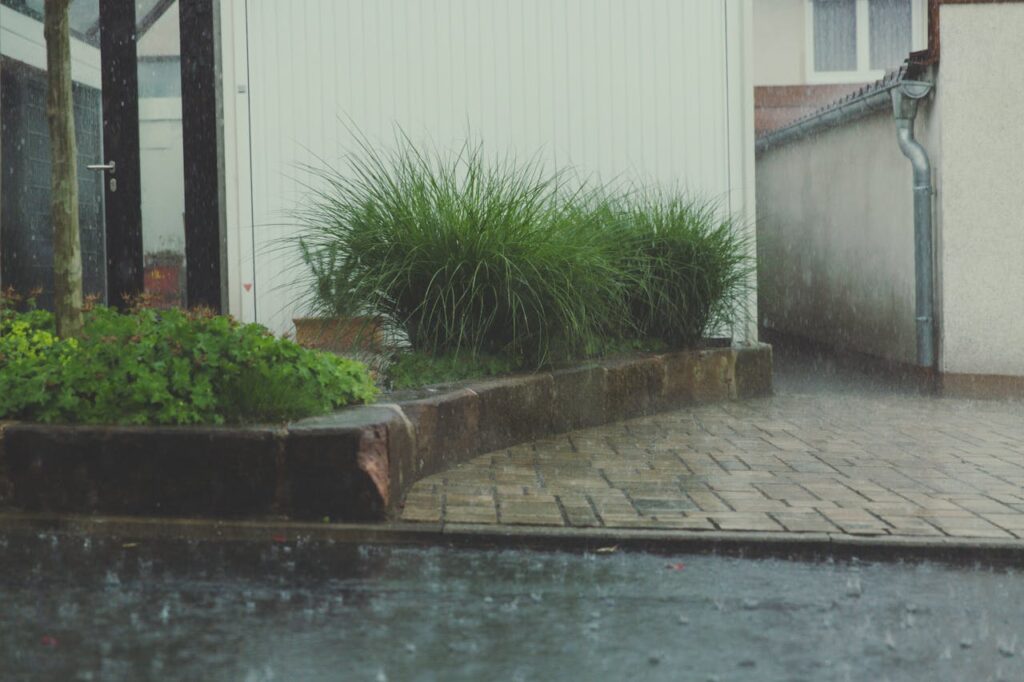
Many inspection stories start outdoors, where soil slopes toward the foundation, mulch is piled high against siding, and downspouts end too short, dropping roof runoff right at the footing with nowhere to go. Driveways and patios can pitch inward, and low spots hold water long after a storm, quietly pushing moisture through hairline cracks, saturating the backfill, and soaking the lowest framing. Because it is so common, inspectors look for missing splash blocks, clogged gutters, and downspouts that disappear into soil, then recommend simple fixes that keep basements drier and foundations calmer through every season year after year.
Roof Wear and Flashing Shortcuts

Roof issues rarely announce themselves; they build quietly through curling shingles, granules collecting in gutters, nail pops, and worn vent boots that crack under sun, wind, and winter freeze-thaw cycles. The bigger concern is flashing that is bent, missing, or smeared with tar where chimneys, skylights, and valleys meet, because water loves those transitions and can travel far along sheathing once it gets in. A roof can look fine from the street, so inspectors focus on edges, penetrations, and attic staining, knowing one small gap can lead to softened decking, damp insulation, and ceiling stains months later, even on newer roofs.
Missing or Dead GFCI Protection
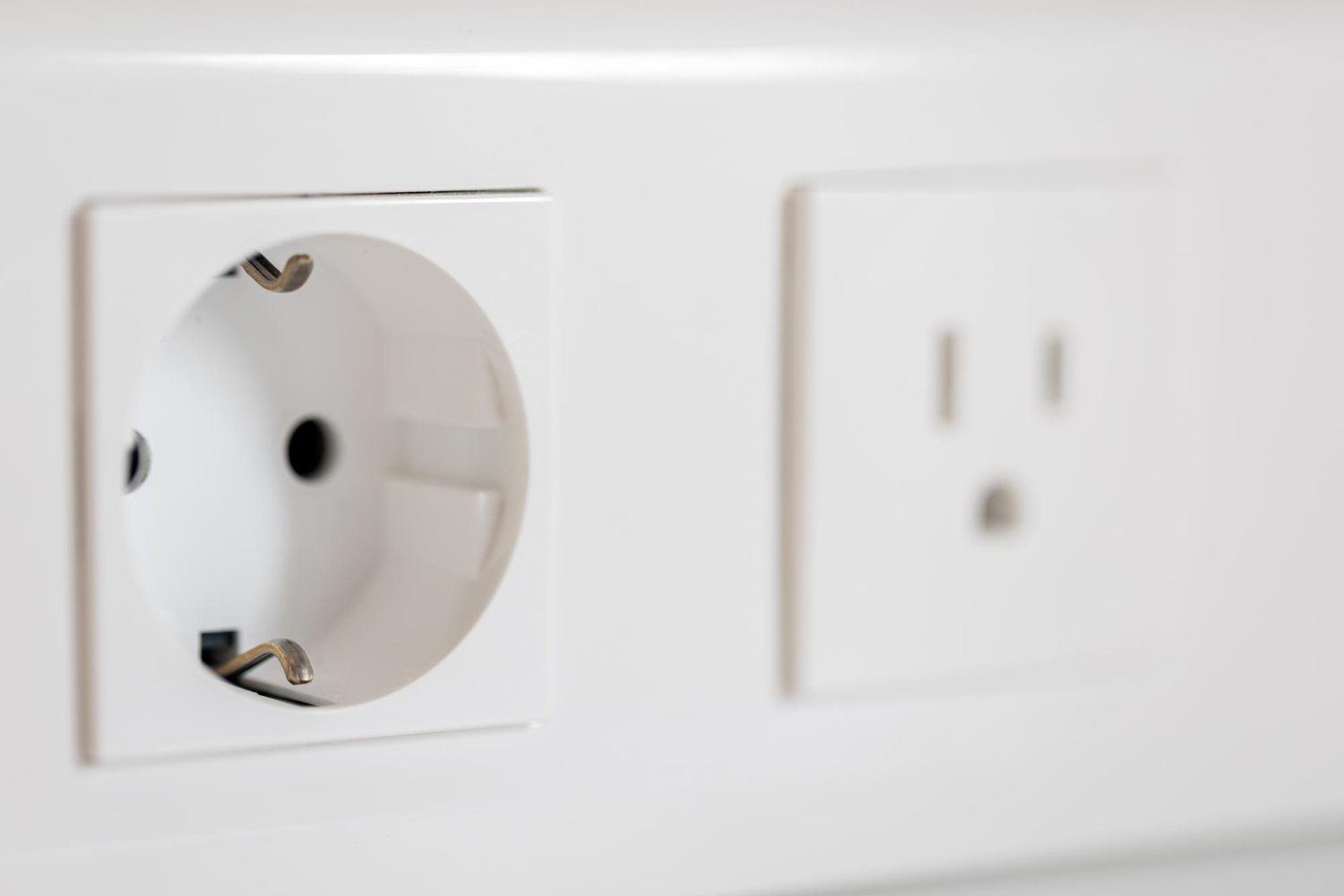
Electrical surprises often show up in the same places: kitchens, bathrooms, garages, basements, and exterior outlets where water, concrete, and metal increase the stakes of a small wiring mistake in rain. Inspectors repeatedly find missing GFCI protection near sinks, receptacles that will not reset, or outlets that fail a simple tester, along with open grounds, reversed polarity, and loose boxes in older circuits. These corrections are usually quick, but reports get very specific about locations because proper protection can prevent shocks and nuisance trips, and it is one of the clearest, low-cost safety upgrades in any home now.
DIY Wiring and Overworked Panels

Service panels collect history, and inspectors routinely see double-tapped breakers, open knockouts, oversized breakers on small conductors, and labels that no longer match reality after years of add-ons and weekend fixes. In basements and attics, improvised wiring can be spliced outside a junction box, loosely stapled, draped across joists, or routed where storage can nick insulation and loosen connections over time. The house may still run, but weak connections heat up silently, nuisance trips become a clue, and a qualified electrician is often the cleanest path to sorting what is safe, what is sloppy, and what needs correction.
Slow Plumbing Leaks Under Sinks and Around Toilets

Most plumbing problems are quiet until cabinets and floors start telling the truth, with swollen particleboard under sinks, corroded traps, and mineral buildup at shutoff valves, angle stops, and threaded fittings over years. Inspectors also catch slow toilet-base leaks that stain flooring and soften subflooring, plus tub and shower corners where water slips behind tile, leaving loose caulk, hairline gaps, and a faint odor. Dishwashers, disposals, and fridge lines add more leak points, so reports focus on stopping drips early, replacing tired supply lines, and keeping hidden moisture from turning into warped trim and recurring mold.
HVAC Neglect and Airflow Clues
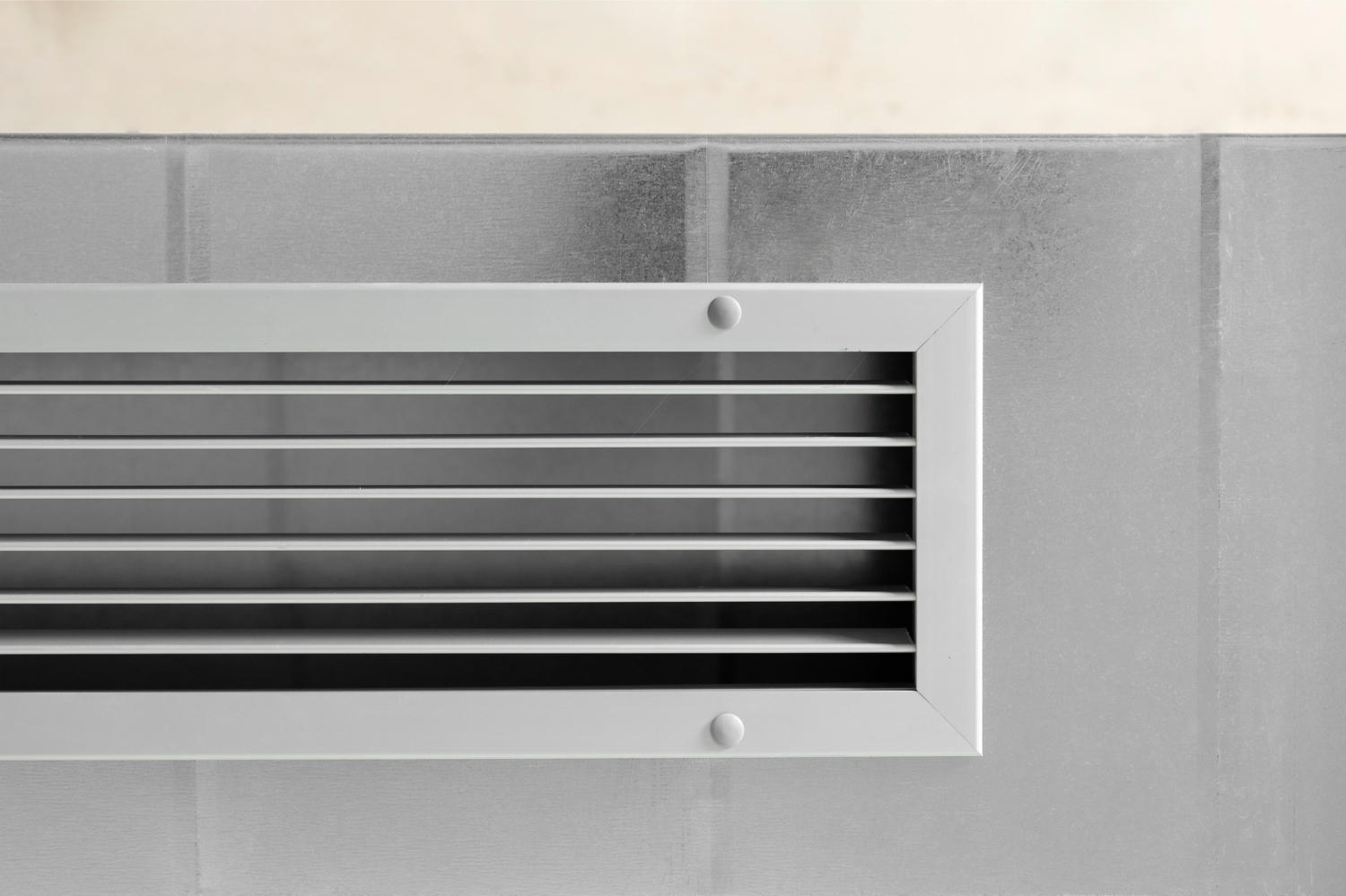
Heating and cooling systems do not need to fail to raise eyebrows, and inspectors often note filters packed with dust, dirty coils, rusted condensate pans, and drain lines that clog and overflow onto framing. Uneven temperatures from room to room can point to leaky ducts, crushed flex runs, or supply boots that were never sealed, which drives up humidity and utility bills while the equipment runs longer than it should. A service sticker helps, but inspectors also read airflow at registers, return paths, odd noises, and damp spots near the air handler, because comfort complaints often trace back to these small, repeat issues, too.
Attic Ventilation and Insulation Gaps
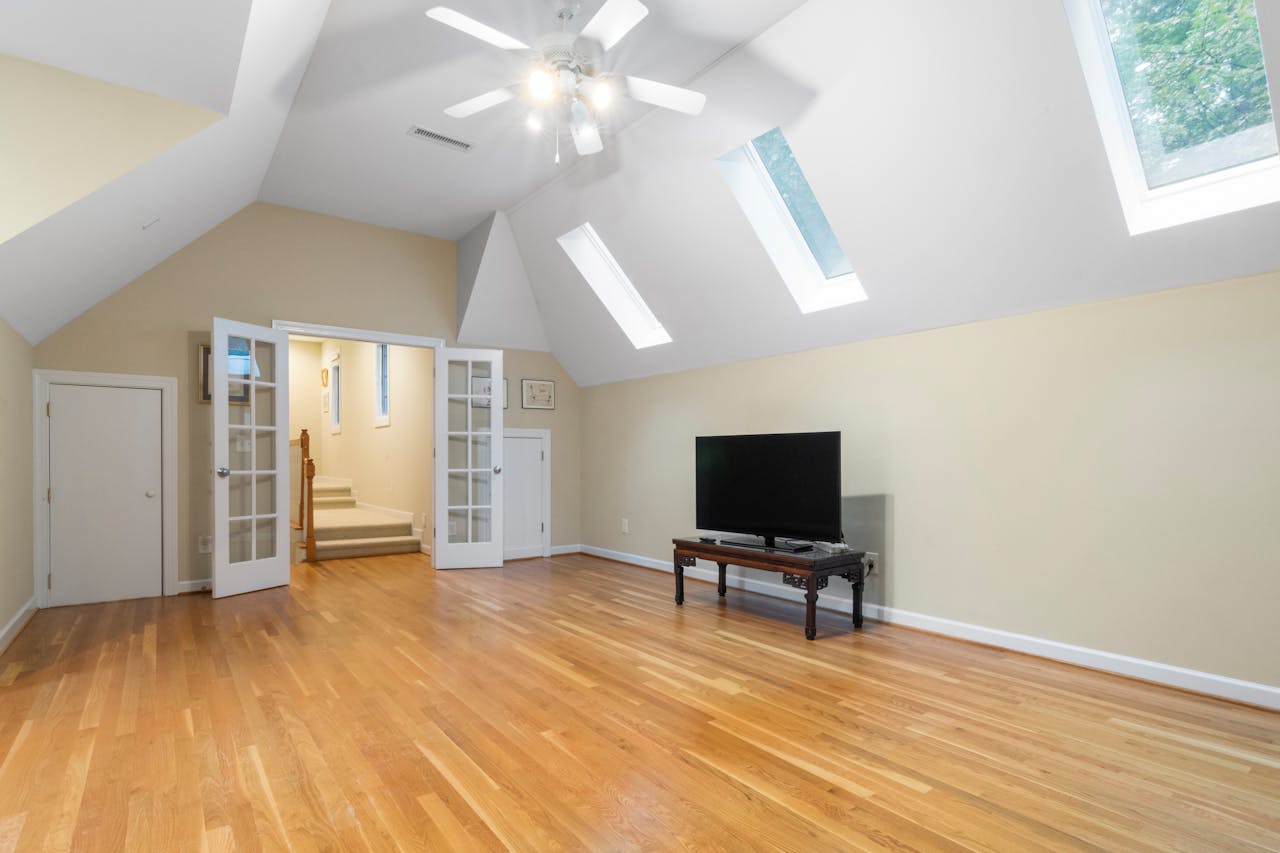
Attics act like a health report for the whole house, and inspectors frequently find uneven insulation, bare spots around recessed lights, and attic hatches that leak air when weatherstripping is missing or flattened. Bathroom fans sometimes vent into the attic instead of outside, sending warm moisture onto cold wood and inviting condensation, staining, and mildew on sheathing, especially during cool, wet months. Blocked soffit vents, missing baffles, and undersized ridge vents make it worse, so reports tie attic fixes to comfort and energy use, and to preventing that slow moisture cycle that quietly damages roof framing each winter.
Gaps in Caulk, Flashing, and Exterior Seals
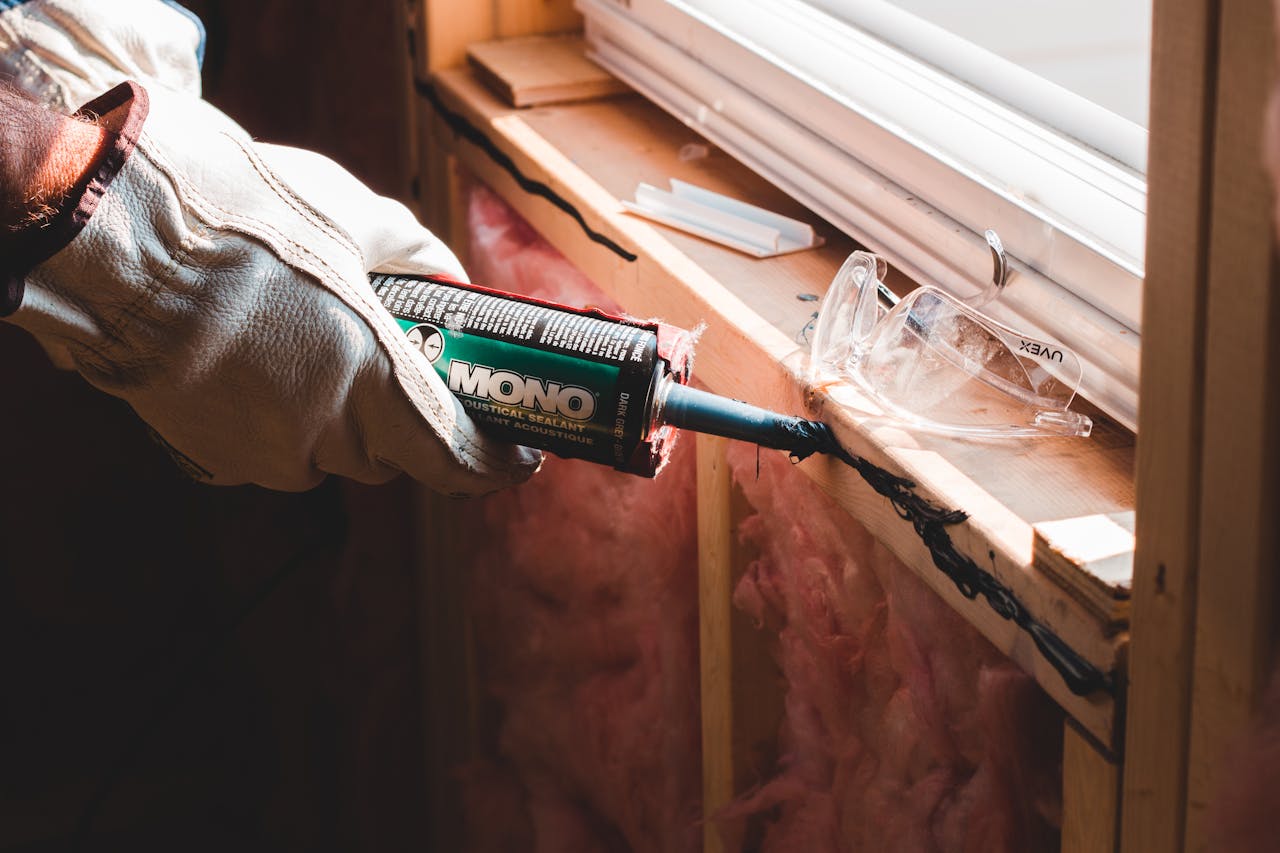
A surprising number of findings come down to tiny gaps, like cracked caulk at windows, split weatherstripping at doors, missing drip caps, and unsealed penetrations around hose bibs, vents, and exterior wiring. Wind-driven rain slips behind siding through those openings, and indoors the first hints are peeling paint, stained sills, bubbling drywall, and drafts that make a room feel slightly unsettled in winter. Dryer vents, exterior lights, deck ledgers, and old patch jobs are repeat trouble spots, so inspectors push for proper sealing and flashing because a few careful fixes can protect walls, insulation, and framing for years.
Safety Basics That Were Never Updated

Safety devices are easy to ignore because they blend into ceilings and stay silent, yet inspectors still find missing smoke alarms in bedrooms, dead batteries, and older units past their service life in many homes. Carbon monoxide alarms are also often absent in houses with fuel-burning appliances or attached garages, and handrails, deck guards, and furnace closets can be loose, missing, or crowded by stored items. Many reports also flag improper water-heater discharge setups and recommend radon testing where it is common, because these basics are low-effort upgrades that keep daily life calmer and reduce avoidable surprises later.