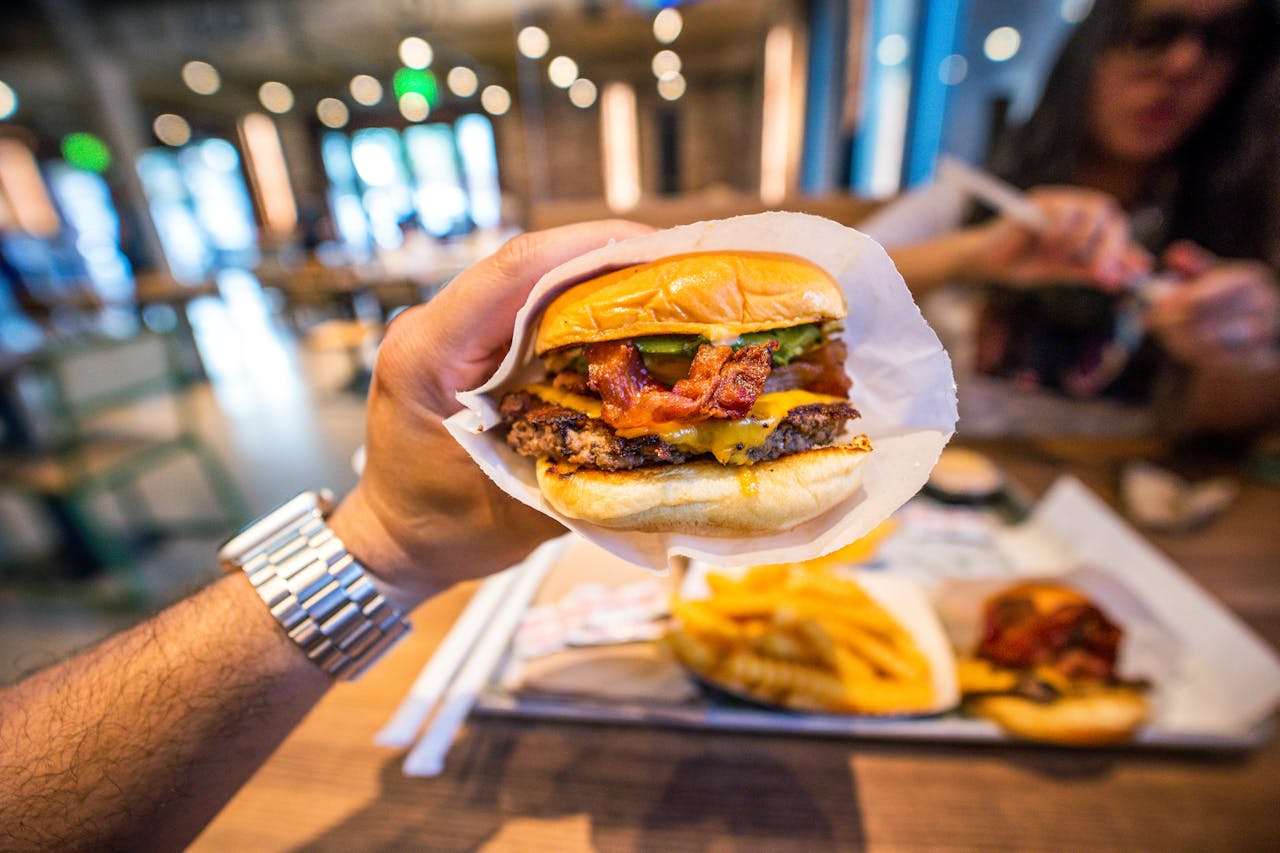
TikTok makes food feel like a dare, not a meal, and that mindset sets you up to overspend and overeat.
The clips skip the messy parts: shopping, prep, dishes, and the moment you realize you never liked that flavor.
You chase a quick hit of novelty, but your pantry ends up packed with single-use sauces and gadgets.
A trend can be fun once, yet repeating it turns dinner into content production, not care at the table.
Most viral bites are engineered for camera drama: stretchy, drippy, crunchy, or neon bright.
Those textures look loud on screen, but they often fall flat in real lighting and real hunger.
Regret arrives fast when the recipe runs long, the cleanup piles up, and the taste feels basic.
The easiest fix is to treat trends as inspiration, then scale them down to your own kitchen reality.
The Algorithm Rewards Extremes, Not Balance

Viral food wins by being shocking, not satisfying, so creators push salt, sugar, spice, and gimmicks.
What you see is a highlight reel, and your body is the one that pays for the missing context. Cravings spike, satiety lags.
Try one trend with a small batch first, because the full-size version is where the regret hides. You learn faster and waste less.
If the idea only works at maximum volume, it probably will not work in a normal weeknight meal.
One-Time Ingredients Become a Quiet Money Leak
A single video can send you hunting for specialty candy, rare noodles, or a new chili paste you use twice.
The cart looks small, but the total climbs fast once you add delivery fees, extra snacks, and replacements.
Your fridge gets crowded with half-used jars, and suddenly you have food but nothing that feels like dinner.
That clutter creates more takeout nights, which is the opposite of what the trend promised.
Set a rule: no new ingredient unless it fits three meals you already like and can make again.
Swap in pantry cousins, like regular mayo for Kewpie, or feta for a trendy imported cheese.
If the flavor depends on one branded item, you are buying a marketing moment, not a recipe.
The smartest trend cooks treat the video as a sketch and build the final dish from what they have.
Hype Cooking Messes With Appetite Signals
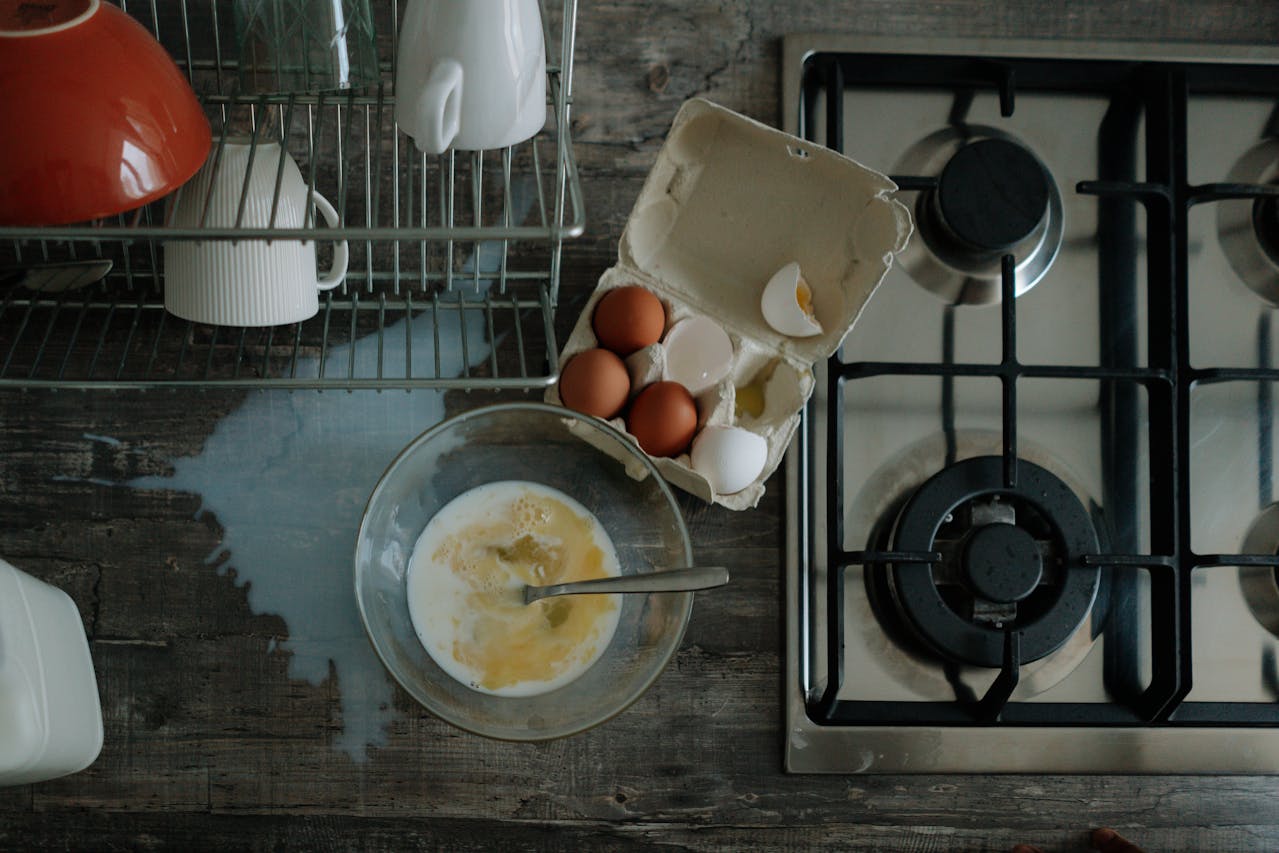
Fast cuts and loud reactions prime you to eat for stimulation, not hunger, and that can snowball.
Many trends rely on intense contrast: sweet plus salty, hot plus cold, or crunchy on soft.
Your palate adapts quickly, so regular food starts to feel dull, even when it is nourishing.
Then you chase bigger punches, like extra heat or extra syrup, to recreate the first bite.
Pause before you cook and name the goal: comfort, energy, or a treat, then choose one path.
Eat without scrolling for ten minutes, and you will notice satisfaction sooner than you expect.
That small reset keeps food fun without turning every meal into a dopamine test you feel forced to chase.
The Cleanup Is the Part Nobody Films
Trend recipes love melted cheese, sticky candy, and deep-fried crunch, because they look dramatic on camera.
Those same ingredients glue themselves to pans and counters, then steal your evening after the last bite.
When cleanup feels punishing, you start resenting the meal before you finish chewing, and that sticks with you.
Pick trends with easy exits: one pan, one cutting board, and no sugar boil or oil bath to scrub later.
If a video hides the sink, assume the sink is the real plot twist waiting for you after dinner.
Health Claims Get Slipped In Between Laughs
Some clips frame a trend as healthy or high-protein, then skip the boring details that make it true.
A bowl can be labeled clean while still packing huge sodium, added sweeteners, or portion creep.
You do not need fear, but you do need numbers, especially if you are cooking it on repeat.
Check serving sizes, then scale the recipe to what you would actually eat, not what looks huge on screen.
Use protein or fiber as anchors, then let the trend be the flavor, not the foundation for most nights.
If the advice sounds like a miracle, treat it like entertainment until a credible source confirms it.
Social Pressure Turns Snacks Into Performances
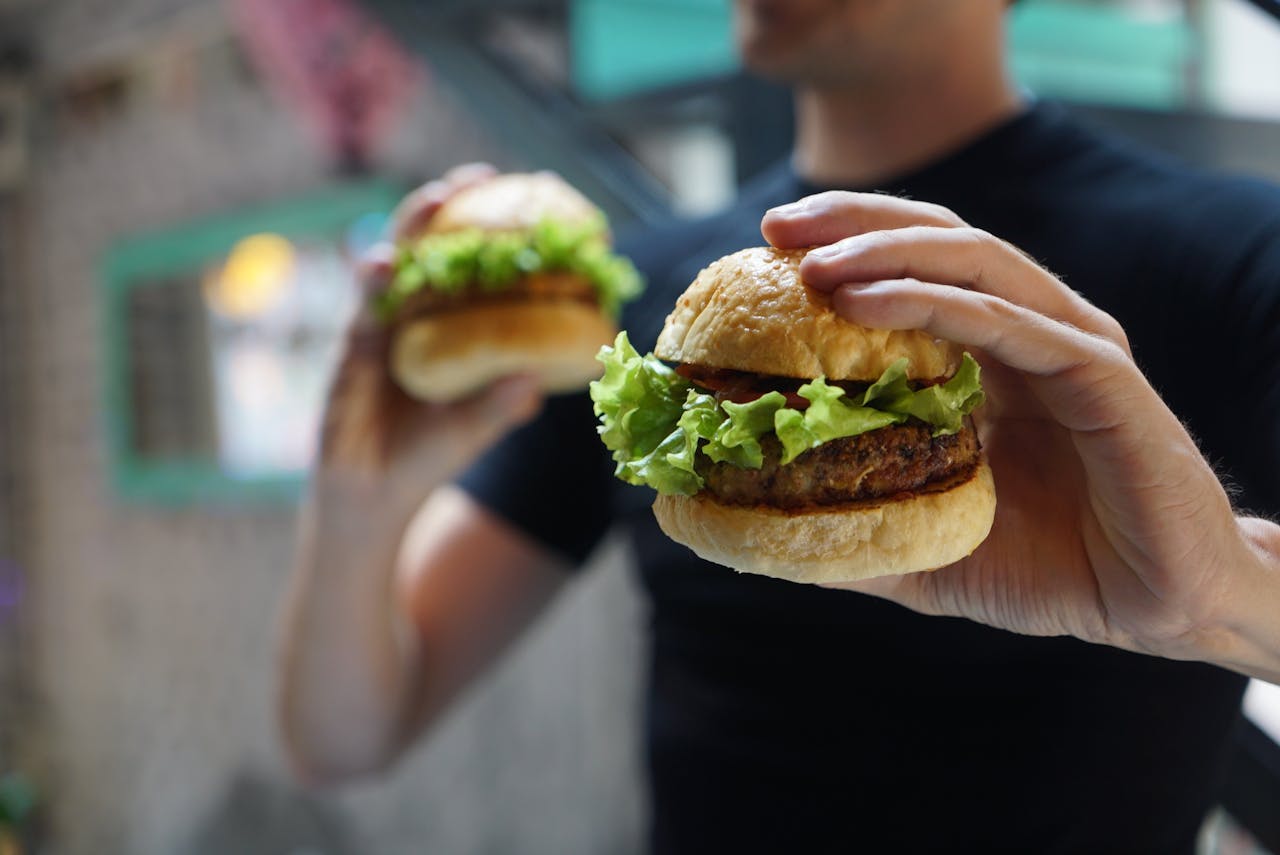
Friends share trends like challenges, and it is easy to say yes just to stay in the loop online. FOMO is a strong spice.
Suddenly you are buying ingredients for someone else’s taste, then forcing yourself through leftovers.
The camera adds pressure too, because nobody wants to admit the viral thing is just okay out loud.
Normalize a calm review: fun idea, not for me, and move on without shame or a second attempt. Real friends will laugh and eat something else.
How to Enjoy Trends Without the Aftertaste
Save experiments for a weekend slot, when you have patience and time to clean, not when you are tired.
Rewrite the recipe in your own words, then cut steps until it fits your normal rhythm at home.
Make half portions, taste as you go, and stop when it is good enough, not when it matches the video.
Excerpt: Viral recipes thrill on screen, then hit you with extra costs, odd leftovers, and cleanup. Shrink the trend, keep dinner sane now.