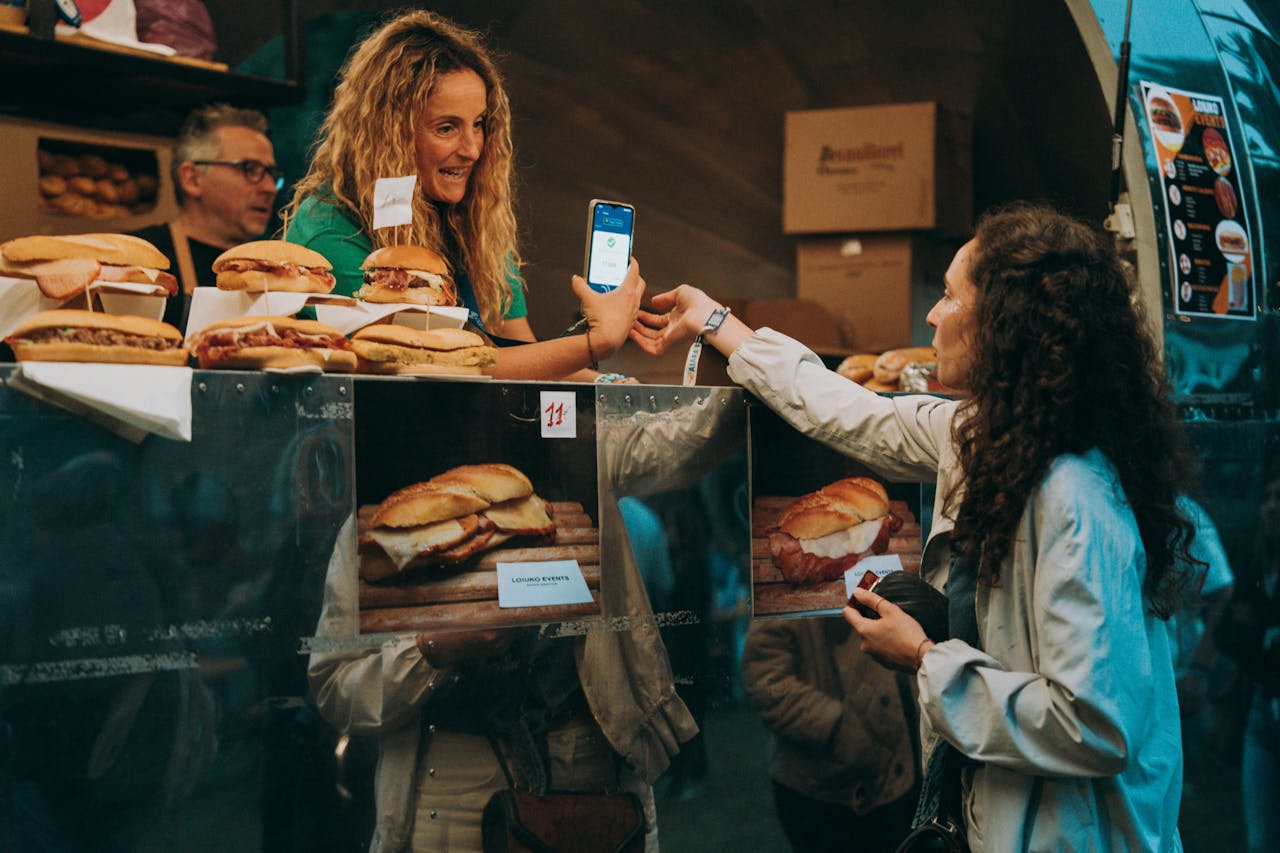
Fast food used to feel like a small life hack: quick, predictable, and cheap enough to ignore the details.
Now the receipt tells a different story, and people are doing the math while they wait for their order number.
Prices climbed, portions shrank, and the promise of consistency got shakier at the exact moment budgets tightened.
When a combo costs close to a casual sit-down meal, convenience stops being the whole pitch.
That shift changes behavior fast, because value is not just low price, it is feeling like you got a fair deal.
Customers notice when the bun is smaller, the fries are half-full, or the drink is mostly ice.
They also notice when the drive-thru takes 20 minutes, turning quick food into an appointment you did not plan.
Fast food is still everywhere, but the old argument for it has cracked, and the reactions are getting louder.
The Price Jump Broke the Habit Loop

A lot of people treated fast food as a default, not a decision, because the cost stayed under a mental limit.
Once that limit got crossed, every visit started to feel like a choice. People began checking menus before they pulled in.
Brands leaned on app deals to soften sticker shock, but that also trained people to refuse full price.
If value depends on a coupon hunt every time, the food stops feeling like a smart choice. You start asking why you came at all.
Portions Shrunk While Expectations Stayed Big
Shrinkflation lands harder in fast food because customers remember the old size in their hands.
A thinner patty and fewer fries do not just save pennies, they change the satisfaction you count on.
Even small changes add up when the meal is built from simple parts you can compare at a glance.
People can accept a higher price, but they hate feeling played when the same box delivers less than it did last year.
When hunger is the job, you cannot afford to miss, and fast food has been missing more often.
That pushes customers to add sides, upgrade sizes, or order more items, which raises the bill again.
So the meal becomes a cycle of paying extra to reach the fullness you used to get automatically.
At that point, the so-called value meal starts sounding like a punchline you are paying to hear.
Service Slowdowns Undercut the Convenience Premium
Fast food always charged a little extra for speed, but now speed is the thing customers do not get.
Drive-thrus back up, mobile orders stall, and staffing gaps turn simple errands into frustrating waits.
When you spend more time in line than you would cooking, the convenience argument collapses.
That hits families hardest, because delays multiply, kids melt down, and the whole stop feels like a bad plan.
Customers also hate uncertainty, like being told to park and wait with no real timeline or clear update.
A slow meal can still feel worth it, but only if the food is exceptional, and fast food rarely is.
So delays make people reevaluate, and many decide they would rather eat at home and keep control of the clock.
The Quality Gap Became Too Obvious to Ignore
When prices rise, people expect better ingredients, hotter food, and fewer sloppy mistakes.
Instead, they often get lukewarm sandwiches, soggy fries, and assembly that looks rushed even when the place is quiet.
Quality issues stand out because fast food relies on tight standards, not culinary creativity.
If consistency drops, customers stop trusting the brand to deliver what the menu photo implies.
Once trust breaks, the whole system starts to feel like a gamble where you pay more for the same old disappointment.
App-Only Deals Turned Value Into a Part-Time Job
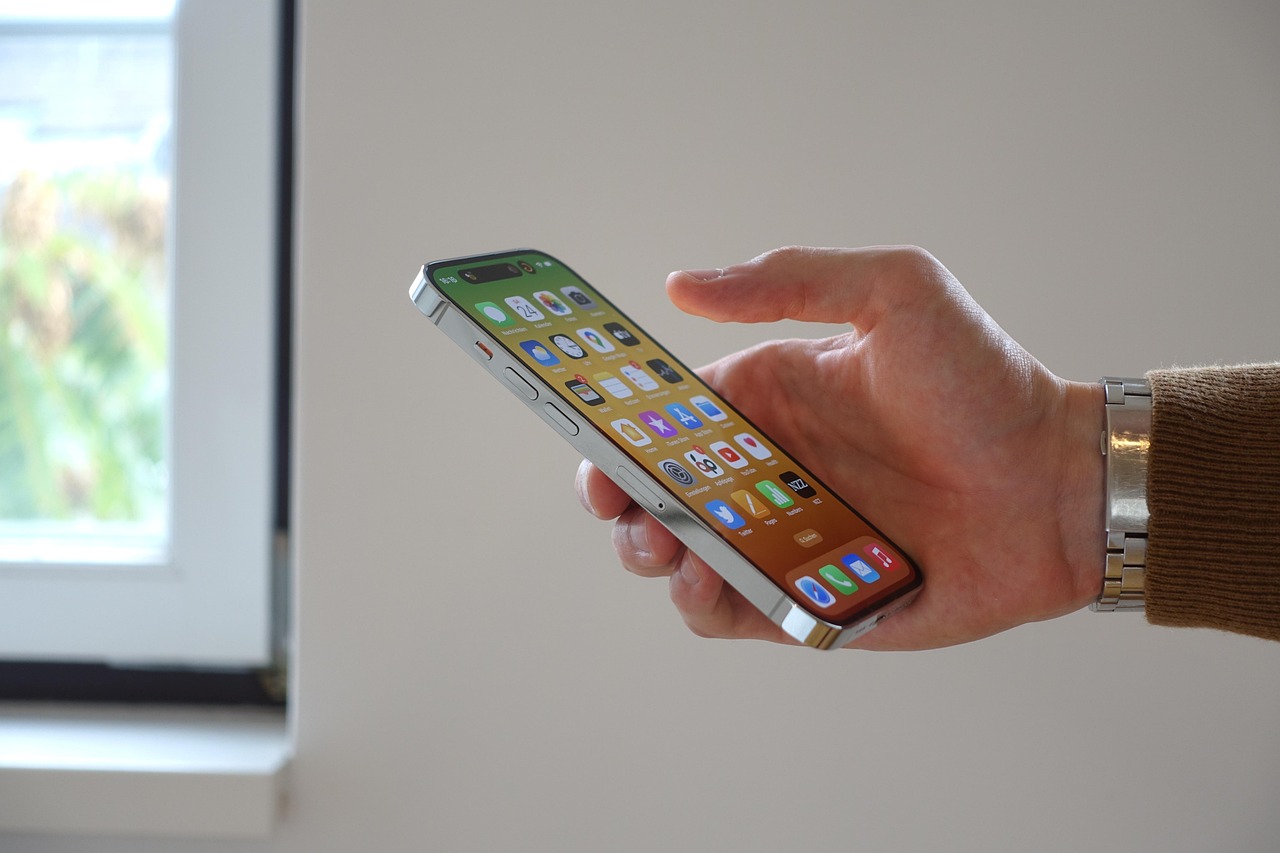
Apps can save money, but they also add friction that used to be the brand’s problem, not yours.
You manage passwords, notifications, and reward points just to get the price you expected.
Some people love the game, yet many feel punished for ordering like a normal human who just wants lunch.
That creates a two-tier experience: deal hunters win, while everyone else feels overcharged and a little resentful.
It also makes prices look fake, because the same meal has multiple numbers depending on the screen.
When customers sense manipulation, they start looking for simpler options that do not require a login to feel fair.
Grocery and Fast Casual Became Better Alternatives
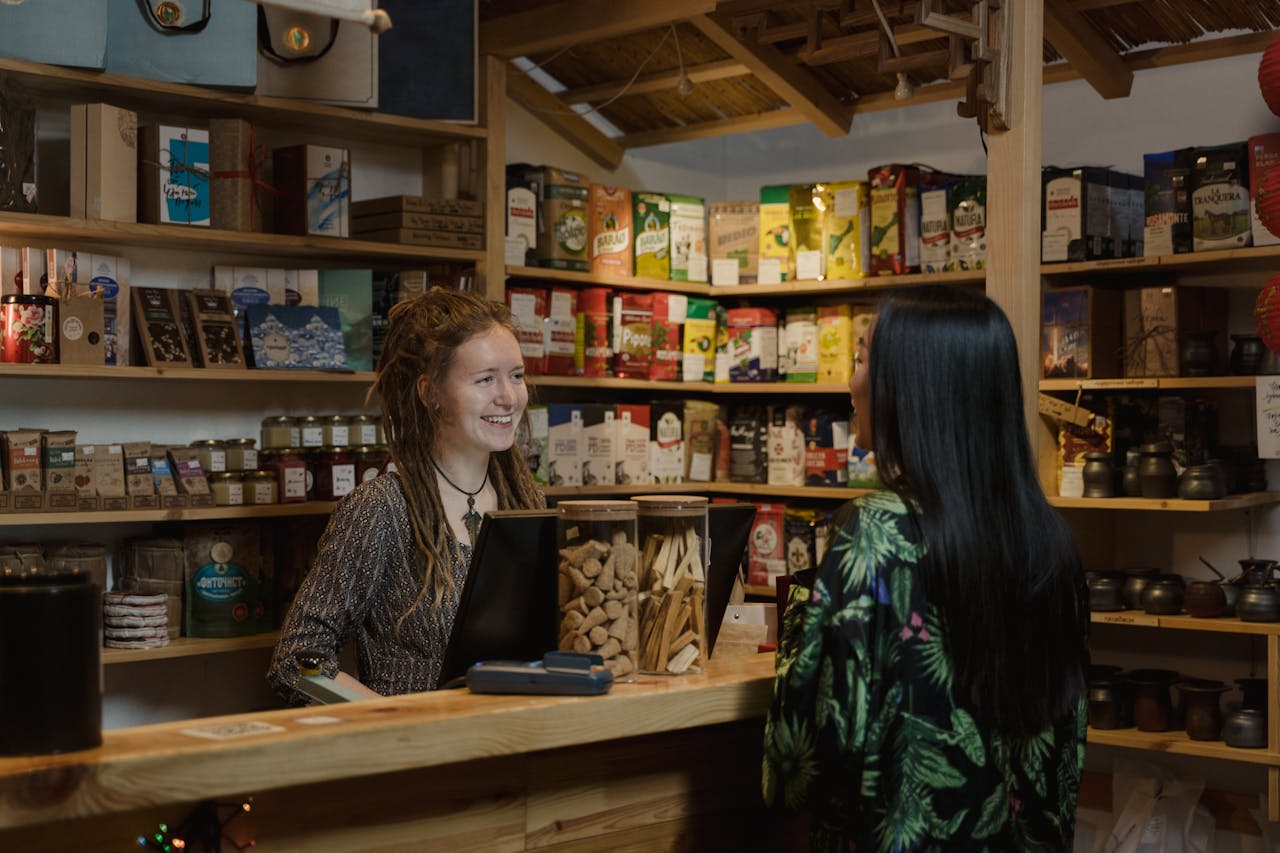
Grocery prepared foods improved, and many stores now sell hot meals that rival fast food on speed.
Meanwhile, fast casual offers fresher ingredients and a calmer experience for a small extra cost. The rooms feel nicer too.
When the gap in price narrows, customers move to the option that feels more grown-up and less like a compromise.
They also get more control, like choosing toppings, portion sizes, and sides without feeling upsold. It feels straightforward.
People Rebuilt Their Routines Around Home Food
Once someone learns a few quick meals, fast food stops being the emergency solution it once was.
Air fryers, meal kits, and batch cooking make weeknight food feel easy instead of exhausting, and the savings show up fast.
That confidence sticks, and the brand has a harder time winning you back when home tastes better and the kitchen timer beats the drive-thru.
What Fast Food Must Prove Next
To win trust again, chains need fewer pricing tricks and more honest value on the board. They cannot hide the best price in an app.
That means reliable portions, faster service, and quality that matches the cost without a digital scavenger hunt.
Some brands will adapt, but customers are already trained to compare, and they will keep doing it.
Fast food can still be convenient, but it has to earn the word value again. People want proof on the first bite.