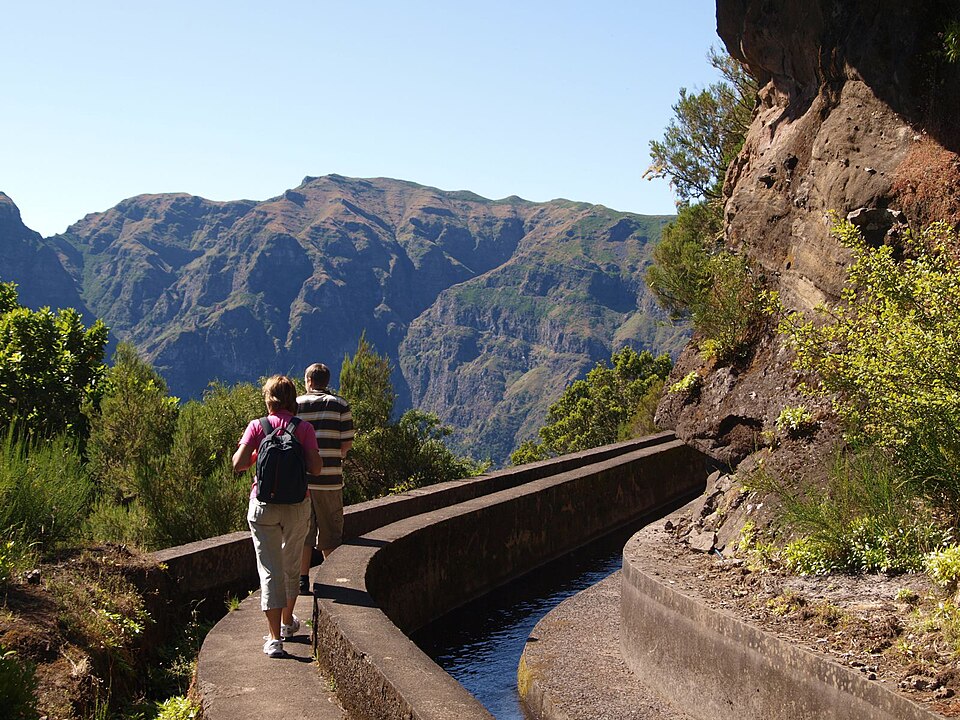
Madeira’s cliff paths and levadas once felt like open invitations to slow down, breathe, and move with the island’s natural rhythm. Now, stricter trail fees and timed booking rules have changed that rhythm for many residents and visitors. Officials say the policy protects fragile routes from crowd pressure and long-term damage, while critics argue the new system adds cost, confusion, and tension to ordinary outings.
As tourism keeps rising, the dispute has moved beyond price alone and into daily life, fairness, and trust. The question is no longer whether management is needed, but whether the method feels human on an island built on welcome.
A Small Fee Can Create a Bigger Day

The new fee framework looks manageable at a glance, but many travelers find that totals climb quickly once several routes are planned in the same week. Standard trail charges, premium pricing on flagship segments, transport costs, and platform steps can turn a simple hiking day into a carefully budgeted event with little room for spontaneity.
For local families hosting guests, the shift feels personal. A relaxed morning now starts with confirmations, screenshots, and tradeoffs about which places to skip, not with the easy, open rhythm that once defined a casual day outdoors in Madeira. The mental load arrives before the trail sign appears.
Timed Entry Changes the Emotional Pace

Timed entry was introduced to spread traffic and protect sensitive paths, and that conservation intent is reasonable. Still, fixed 30-minute windows can feel unforgiving when mountain weather changes quickly, buses run late, or one crowded viewpoint delays every step that follows on a long route.
That pressure reshapes the day’s tone. Instead of moving with the trail, many groups move with the clock, refreshing booking screens and adjusting stops to avoid missing a slot. The landscape remains beautiful, but the experience can feel scheduled before boots even touch the first stone, with little slack for real life in practice.
Exemptions Help, but Friction Remains

Residents and children under 12 are generally exempt from payment, yet registration rules still apply, so local access is not as frictionless as people assume. Families often manage mixed groups where some participants pay, others do not, and everyone still needs valid records before reaching the trail entrance.
In practice, even routine outings can become administrative. Parents verify accounts, relatives forward confirmation messages, and last-minute changes trigger new checks. A familiar weekend walk starts to feel like coordination work, and that extra effort follows households from breakfast tables to mountain parking lots.
Cruise Growth Pushes Pressure Inland

Cruise growth has intensified pressure on land, especially when large arrivals channel into the same high-profile attractions and hiking corridors during narrow time windows. The island has seen major passenger milestones, bringing clear economic value while also concentrating demand where roads, parking, and trailheads are already tight.
Locals often describe this as a rhythm problem, not a single crowd event. One hour can feel calm, then the next can feel saturated. In that setting, trail fees are viewed less as a complete fix and more as one tool inside a wider challenge touching transport, housing, and daily pace overall.
Fairness Is Now the Core Argument
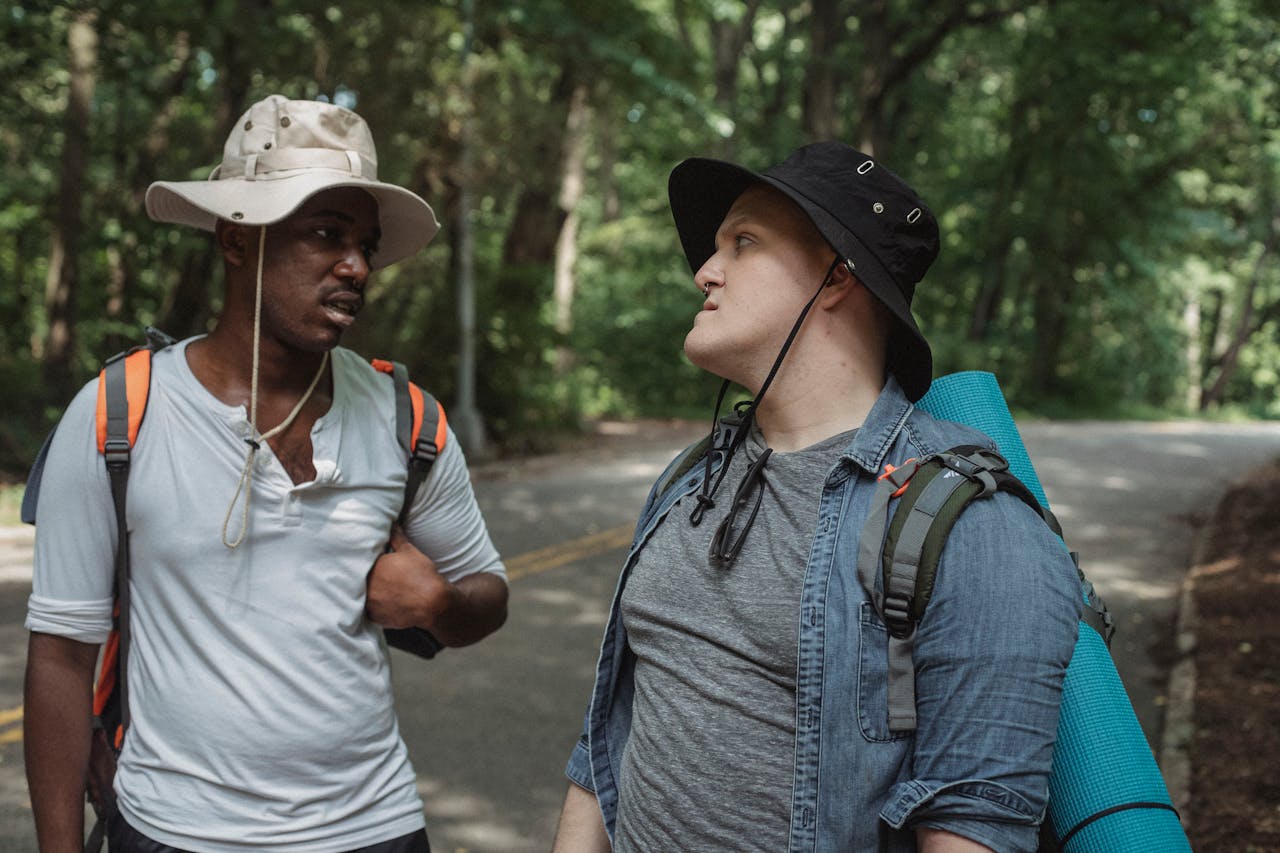
The fairness debate now sits at the center of public conversation. Many residents support stronger protection for nature, yet they question whether current charges truly spread people across routes or mostly add costs while bottlenecks persist at the same famous starting points.
Travelers reflect that same split. Some accept the rules as responsible stewardship, while others describe red tape, unclear closures, and reduced flexibility once fees and booking limits stack together. The policy can be logical in design, but daily experience still decides whether it feels fair, useful, and worth supporting on the ground locally.
Independent Travelers Carry More Burden

Independent travelers often absorb the new friction first because they handle each step alone: platform access, route selection, payment, proof of registration, and timing compliance. Guided tours can smooth some of that effort, but self-managed plans now demand more attention before anyone reaches the trail.
When signal drops in upland areas or schedules shift, uncertainty rises fast. A day meant for nature can start to resemble a logistics puzzle, and frustration grows not from the scenery, but from the constant work required to keep every reservation valid, visible, and accepted at checkpoints throughout the route daily.
Layered Charges Intensify Visitor Fatigue

Layered charging adds another source of tension. In Funchal, municipal tourist taxes and maritime arrival fees can sit alongside trail access costs, so visitors may face several payment points during one trip. Each charge may be defensible on its own, yet together they create a steady sense of being met by meters.
Residents notice the same perception gap. Conservation goals and revenue plans may be sound, but support weakens when people cannot clearly see how money improves trail maintenance, congestion relief, or local services. Without visible outcomes, the system feels heavier than the policy language intended for everyone involved.
Pricing Tiers Quietly Steer Behavior

Pricing tiers linked to tour operators can quietly shape behavior. Reduced guided rates on some routes may push uncertain visitors toward packaged options, not because they want a guide, but because independent entry appears more expensive and harder to manage under timed controls.
That shift brings tradeoffs. Group formats can improve coordination and safety, yet they can also limit personal pacing for slower walkers, photographers, and families that need flexibility. Over time, price structure becomes a subtle traffic signal, steering how different people experience the same mountain landscape and the same day differently.
Madeira Reflects a Wider Global Shift

Madeira is part of a broader trend as major destinations test paid entry and controlled access to protect heritage from overtourism pressure. That context helps explain policy direction, but it does not erase local frustration when rules arrive quickly and feel layered, rigid, or difficult to navigate on the ground.
What matters now is transparency and adjustment. People accept limits more readily when communication is plain, outcomes are measurable, and managers revise weak points openly. Without that feedback loop, even well-intended rules can be experienced as punishment rather than shared care for place and community.
A Better Balance Is Still Possible
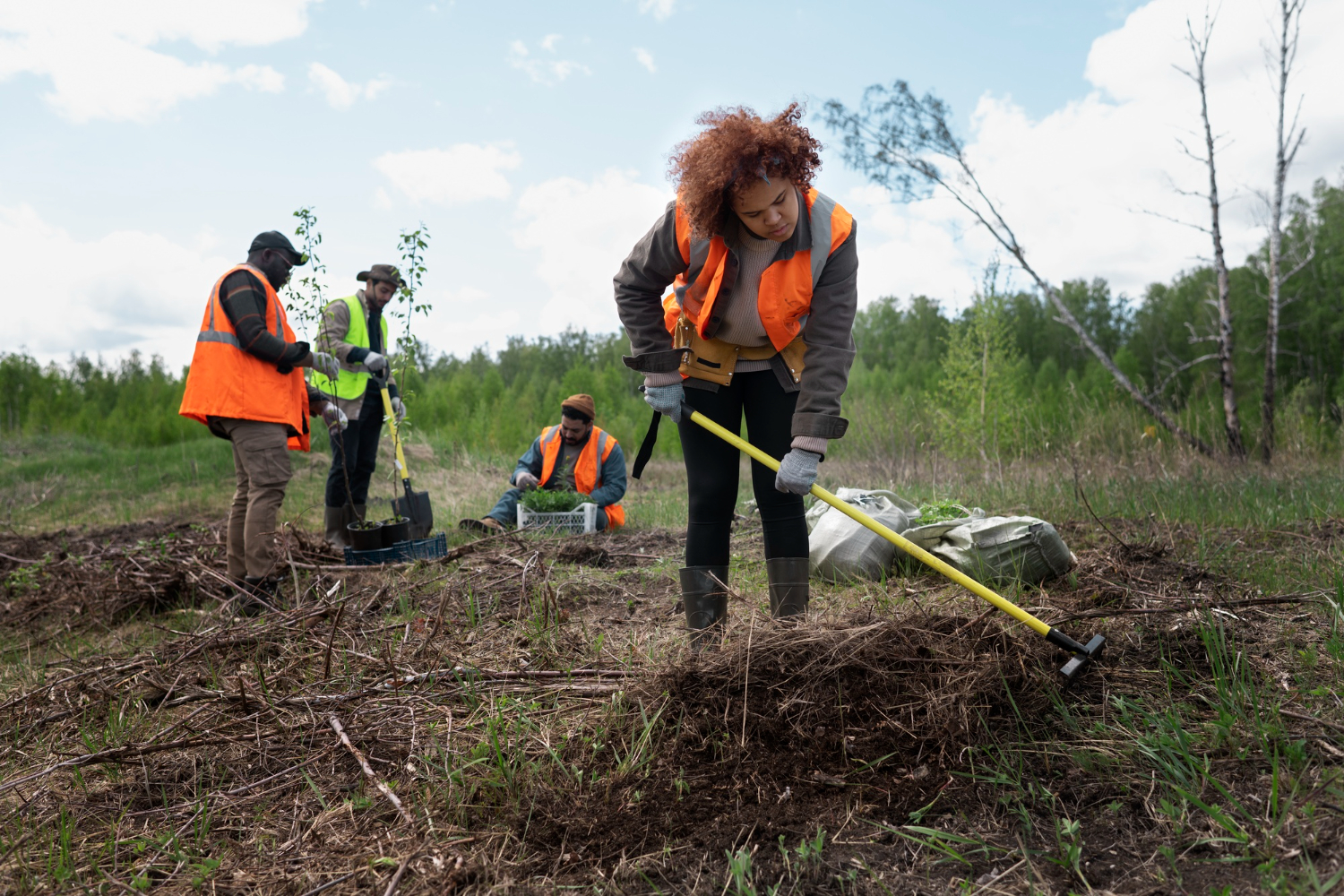
The practical way forward is straightforward. Keep conservation targets firm, but pair them with better communication at airports, ports, hotels, rental desks, and trailheads, plus live capacity updates that redirect demand before bottlenecks form. Good policy should be protective without becoming performative.
Then close the trust gap with regular public reports showing where fee revenue went, which paths improved, and how crowd peaks changed over time. When residents and travelers can see tangible results in places they use, compliance feels less like control and more like stewardship rooted in respect and shared accountability.