
Dual citizenship can feel like a quiet advantage: two passports, two sets of rights, and a wider map of places that count as home. A proposed Senate bill, the Exclusive Citizenship Act of 2025, would try to end that by requiring Americans to hold only one nationality. Introduced Dec. 1 and referred to the Senate Judiciary Committee, it is early in the process, but the premise alone rattles travelers who live between borders. The fallout is practical: which passport opens which door, and what changes when a life split between countries is forced into one line at check-in counters, border booths, and consular windows.
One Allegiance, Written Into Law

At the heart of S. 3283 is a simple claim: U.S. citizenship should come with sole and exclusive allegiance. The bill would prohibit being a U.S. citizen or national while simultaneously holding any foreign citizenship, and it sets the core prohibition to take effect 180 days after enactment, with agencies ordered to build procedures and recordkeeping. For travelers, it reads less like a philosophy debate and more like a hard border rule, because passports are not symbolic in transit. They decide entry, exit, and how officials classify a person when plans change mid-journey, especially during urgent, last-minute travel.
A One-Year Clock for Dual Citizens
The proposal sets a deadline with real teeth: within one year of enactment, a dual citizen would have to submit a written renunciation, either of foreign citizenship to the Secretary of State or of U.S. citizenship to the Secretary of Homeland Security. Failing to act on time would not be neutral; the text says the person would be deemed to have voluntarily relinquished U.S. citizenship, a change meant to be recorded across federal systems. That timer turns long-term identity into a travel calendar, where appointments and processing times can collide with passport renewals, visa needs, family trips, and airline deadlines.
Future Citizenship Could Cost U.S. Status

The bill also reaches forward into choices not yet made. Any U.S. citizen who voluntarily acquires a foreign citizenship after enactment would be deemed to have relinquished U.S. citizenship, even if the second nationality arrives through marriage, long residence, or a later-life naturalization. For people who work abroad, retire overseas, or keep options open for family care, that is travel dynamite. The text also anticipates enforcement by treating those deemed to have relinquished citizenship as aliens under immigration laws, a shift that would change re-entry expectations, visas, and paperwork overnight, very fast.
U.S. Entry and Exit Would Still Be U.S. Passport First

Even under current policy, the State Department says U.S. nationals, including dual nationals, must enter and leave the United States using a U.S. passport. The same guidance notes that using a foreign passport for travel to or from countries other than the United States is not inconsistent with U.S. law, which is why many people carry two valid documents. If a law like this pushed more people to renounce U.S. citizenship, the routine would flip. Former citizens are not eligible for U.S. visas as citizens, but they would become visa applicants, and the trip home could begin with permissions rather than a passport scan.
Some Countries Demand Their Passport, Not America’s

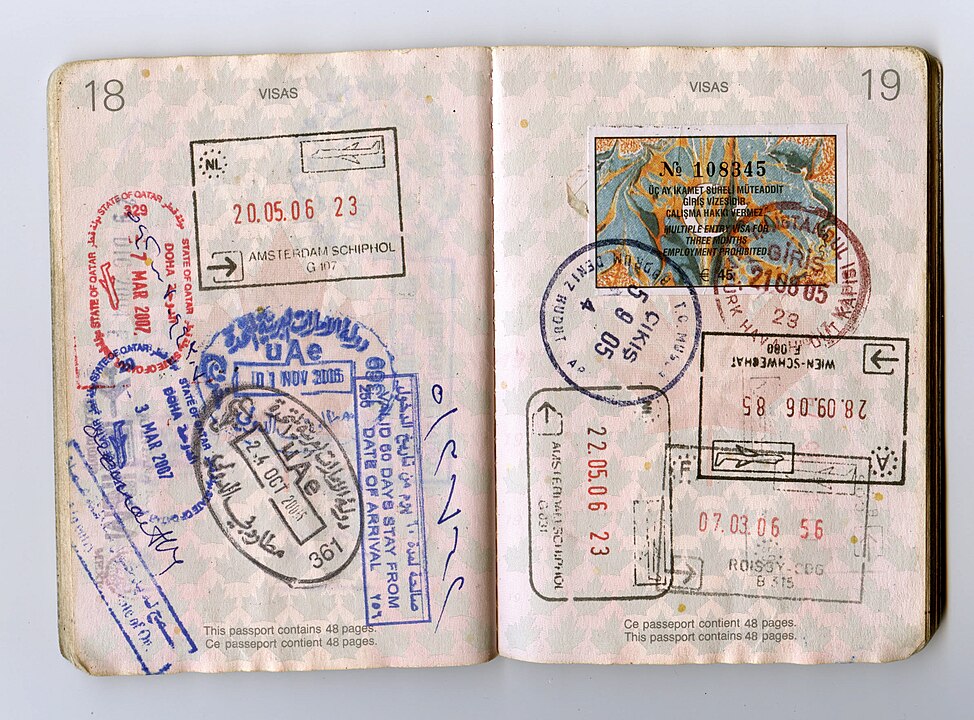
Dual nationals often carry two documents because some countries expect their own passport at the border and may not recognize a traveler’s U.S. nationality while they are on local soil. The State Department warns that this can be a real complication in places that do not permit dual nationality, where local rules can override personal preference and limit what a U.S. embassy can do. A forced choice could remove the flexibility that smooths these moments, especially when a country expects its own passport for entry, exit, or routine ID checks. One passport may work, but it narrows options when rules shift in a pinch.
Airline Check-In Gets Messier, Fast

Airlines make fast decisions based on passport data: who can board, who needs a visa, and who is likely to be refused on arrival, with fines waiting for carriers that get it wrong. Dual citizens often avoid problems by presenting the passport that matches the destination’s entry rules, then relying on the U.S. passport for the trip home, as State Department guidance expects. With only one nationality allowed, that workaround disappears. In the real world, it can mean more time at the counter, more rebookings, and higher odds of a missed flight when name spellings, visas, transit rules, and tight connections collide.
Children and Family Travel Plans Become High-Stakes

Citizenship is rarely tidy inside a family. The State Department notes that U.S. citizen children are not eligible for U.S. visas and must have U.S. passports to enter or leave the United States, even if parents hold other nationalities. In a system that pressures adults to choose, households could end up split across status lines, with different passport obligations on the same itinerary. That can complicate consent letters, custody documentation, school travel forms, and emergency decisions, especially when one parent’s chosen nationality changes how quickly the family can regroup after an unexpected disruption.
Citizenship-by-Descent Dreams Could Cool Off

A second passport is not always a status symbol. Many people pursue citizenship by descent because a grandparent’s paperwork can reopen access to family history, property rights, or long-term residence in another country, and it can make regional travel simpler. Others chase citizenship by investment or streamlined residency-to-citizenship routes, treating the extra passport as a backup plan in an unstable world. A one-nationality requirement would turn those applications into a trade-off, not an addition. Trips built around long stays, easier mobility, or straightforward work authorization would need a rethink, too.
Renunciation Is Not a Simple Cancel Button

Renouncing a citizenship is often framed as a single signature, but it can involve forms, appointments, and government systems catching up to the change in practice. The bill relies on written renunciation, yet each country controls how, and whether, it accepts a renunciation, and the U.S. side would still need to record the outcome across federal systems that airlines and border agencies consult. In travel, mismatched records are where trouble starts: a person can be treated as a citizen by one government and as a noncitizen by another, and the hardest place to explain that gap is at a counter with a closing gate.