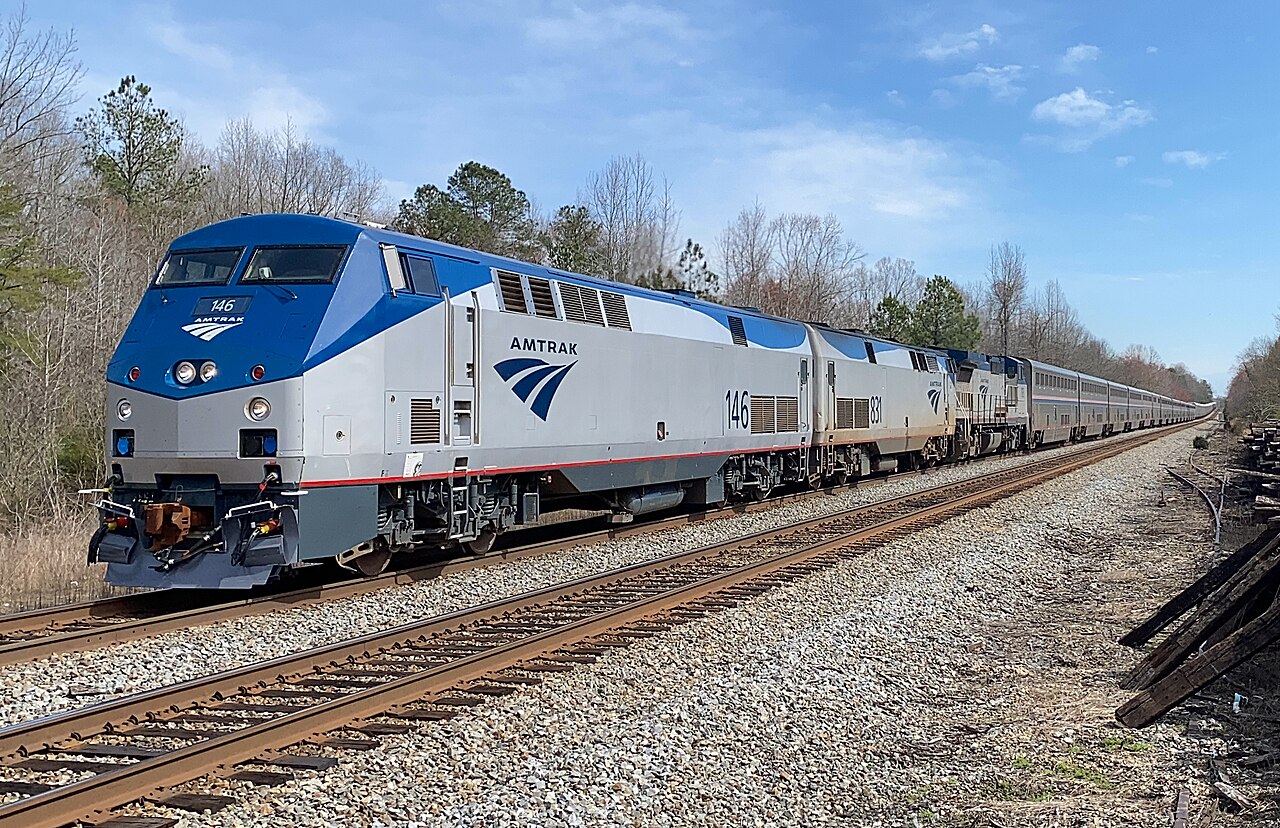
Amtrak’s fleet overhaul has moved from concept to countdown, and the reaction is no longer one note. New Airo trains promise cleaner cabins, stronger accessibility, and more room on routes that have felt stretched for years. At the same time, schedule changes, construction windows, and capacity pressure have kept rider patience thin in several corridors nationwide.
What this story captures is that modernization is arriving under real pressure. Travelers are not judging glossy renderings anymore. They are judging boarding lines, seat comfort, recovery after delays, and whether the trip actually feels better on a hard weekday.
The Overhaul Is Bigger Than a Cosmetic Refresh
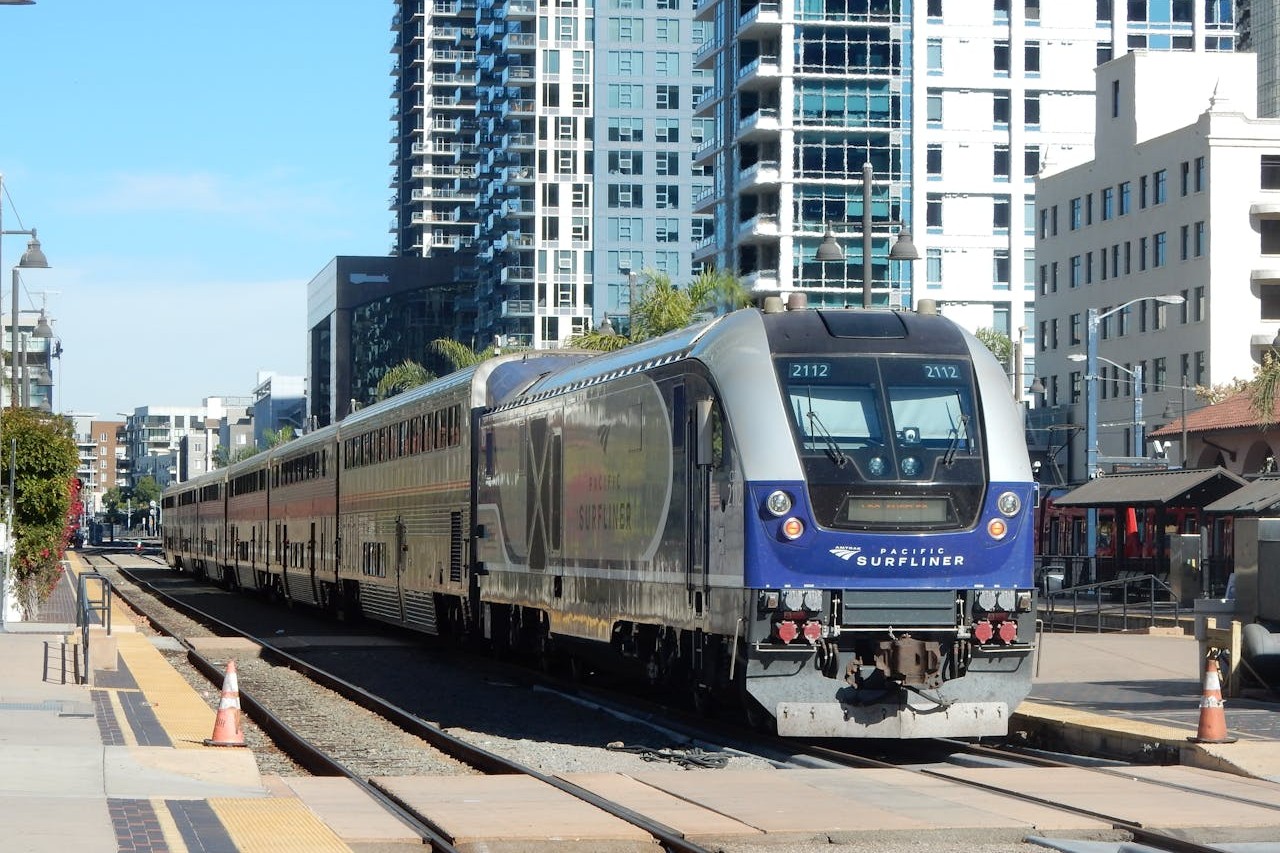
Amtrak’s Airo program is an $8 billion fleet order for 83 trainsets, built by Siemens in California, and positioned as the largest equipment replacement since Amtrak began in 1971. That scale matters because it shifts the conversation from patchwork upgrades to a true network-level reset on trains many riders use every week, including commute surges.
Amtrak leadership has described the rollout as a core piece of fleet modernization, not a one-off premium product. In practical terms, older cars that have run for decades are finally being retired in stages, corridor by corridor, while demand remains high and expectations keep rising.
Cascades Will Be the First Real Test
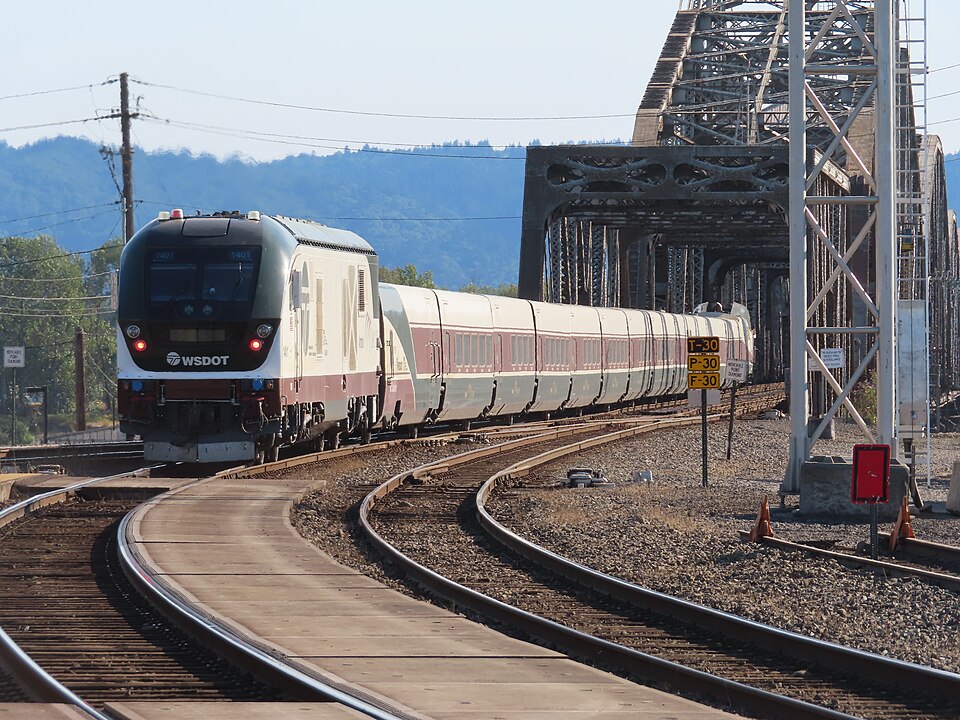
The first Airo trainsets are expected to enter passenger service on Amtrak Cascades in mid-summer 2026, linking Seattle, Portland, Vancouver, B.C., and Eugene. Eight sets are planned for Cascades first, with testing on East Coast services expected later in 2026 and passenger service on those routes projected for 2027.
That sequence turns Cascades into the real proving ground. Early performance there will shape public trust before the trains spread to busier eastern corridors. Riders will pay close attention to trip consistency, station operations, and whether promised comfort gains hold up in regular service from day one.
Cabin Upgrades Target Daily Friction
Inside the new cars, upgrades are practical rather than flashy: larger windows, brighter lighting, overhead digital displays, power outlets, USB-C ports, reading lights, adjustable headrests, and larger tray tables. These are small details on paper, but they address the exact pain points riders mention on longer corridor trips.
The design logic is clear. Better lighting reduces fatigue, clearer displays reduce confusion, and reliable charging supports work and family travel without extra hassle. Comfort is not only about legroom; it is also about whether the cabin supports real travel habits from departure to arrival today.
Speed Is Familiar, Operations Are the Real Shift
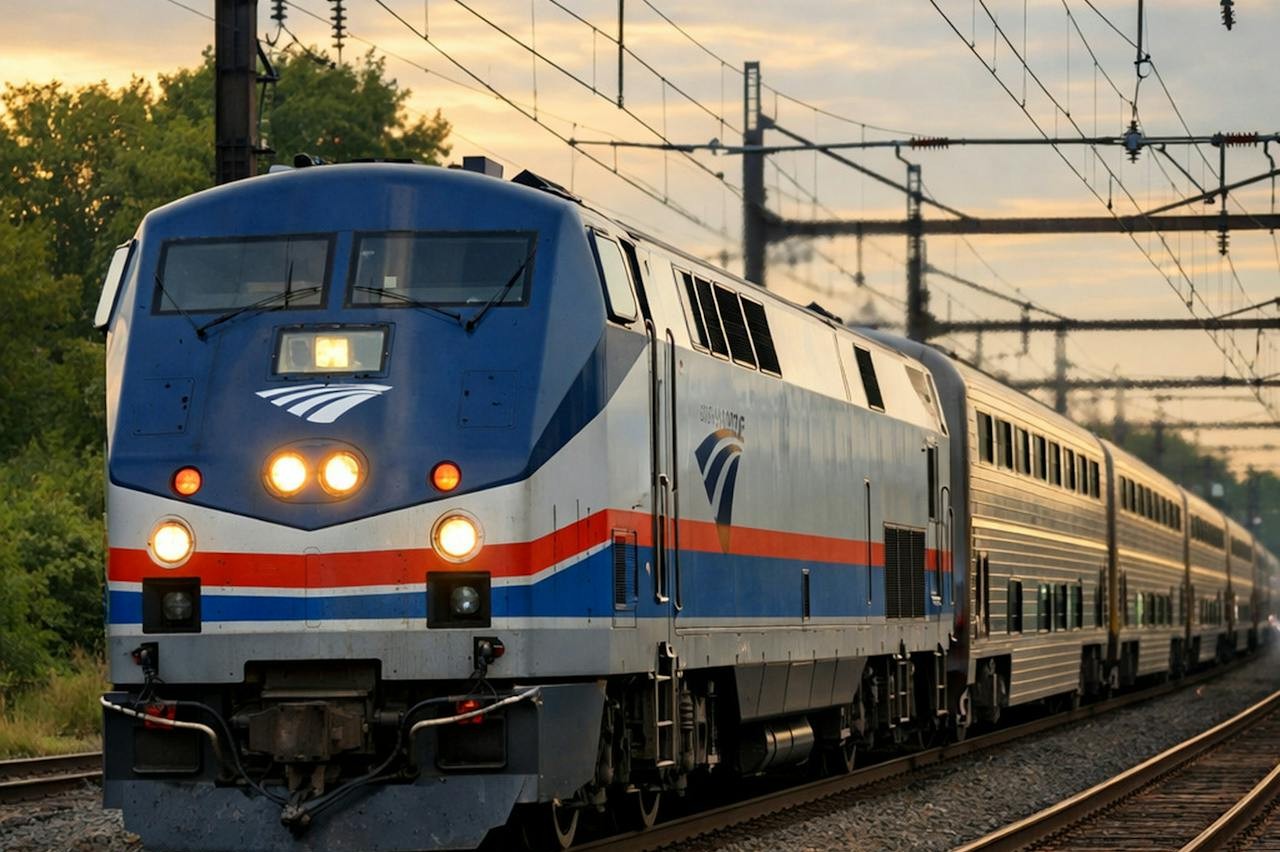
Airo trains are designed for speeds up to 125 mph, so the headline is not ultra-high-speed rail. The bigger operational gain is flexibility: locomotives can switch between power modes without the same kind of time-consuming engine changes that have slowed some through-routes in the past, including trips involving Washington, D.C.
Those minutes matter more than they sound. Delay recovery often depends on shaving time at choke points rather than running dramatically faster between stations. If those handoff bottlenecks ease, the schedule can become sturdier across an entire day, especially when traffic or weather creates ripple delays.
Accessibility Moves From Add-On to Core Design
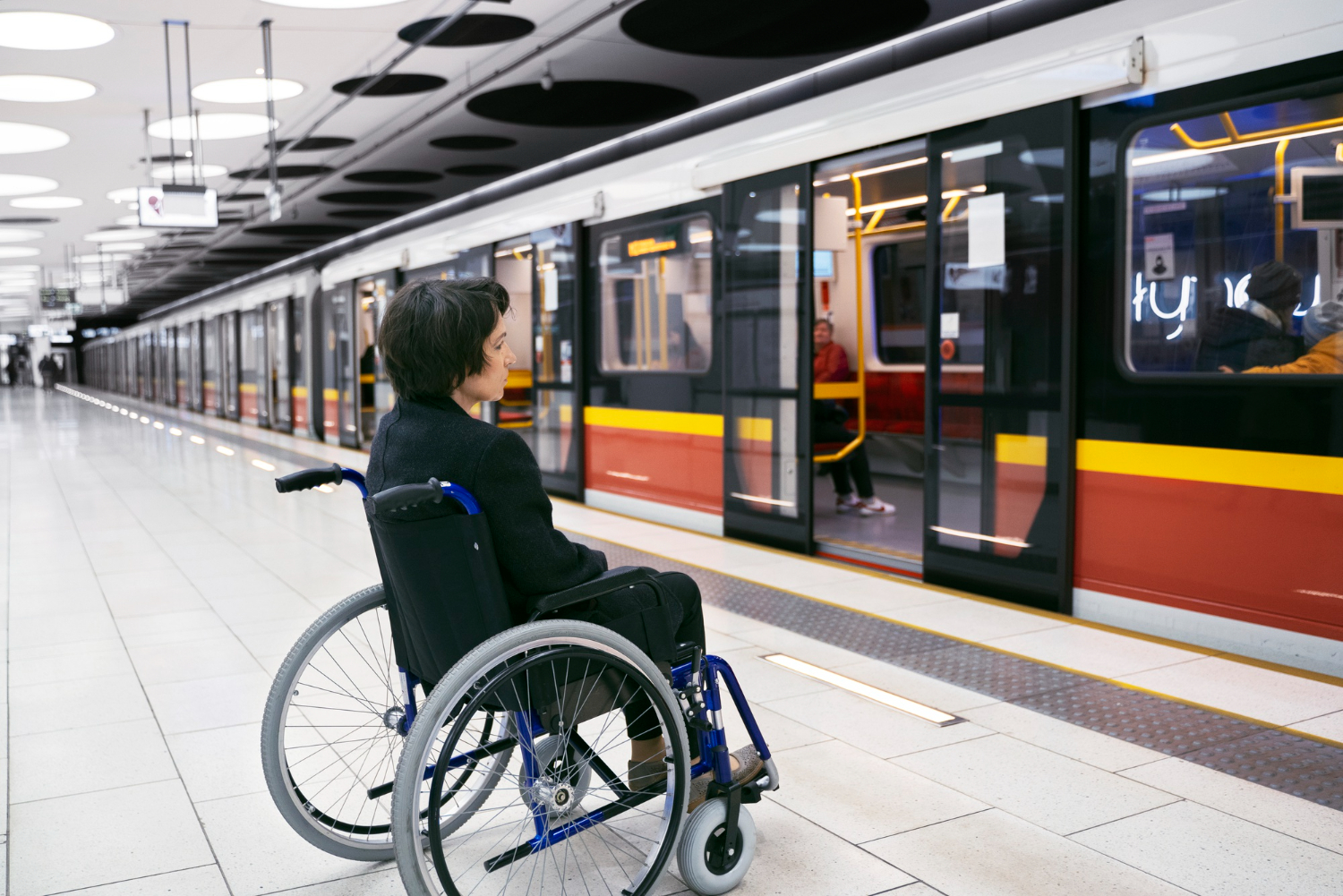
Accessibility is one of the strongest areas of the redesign. Amtrak says Airo trains include built-in wheelchair lifts, improved accessible paths in cars, accessible café space, and restrooms configured for better mobility use than many older cars offered. That changes more than convenience; it changes who can ride with confidence.
For older adults, disabled riders, and families traveling with mobility equipment, trip planning starts with access, not décor. Better onboard design can reduce stress before departure, speed boarding, and make cross-generational travel more realistic, especially on corridors where rail replaces longer car trips.
Record Demand Raises the Stakes
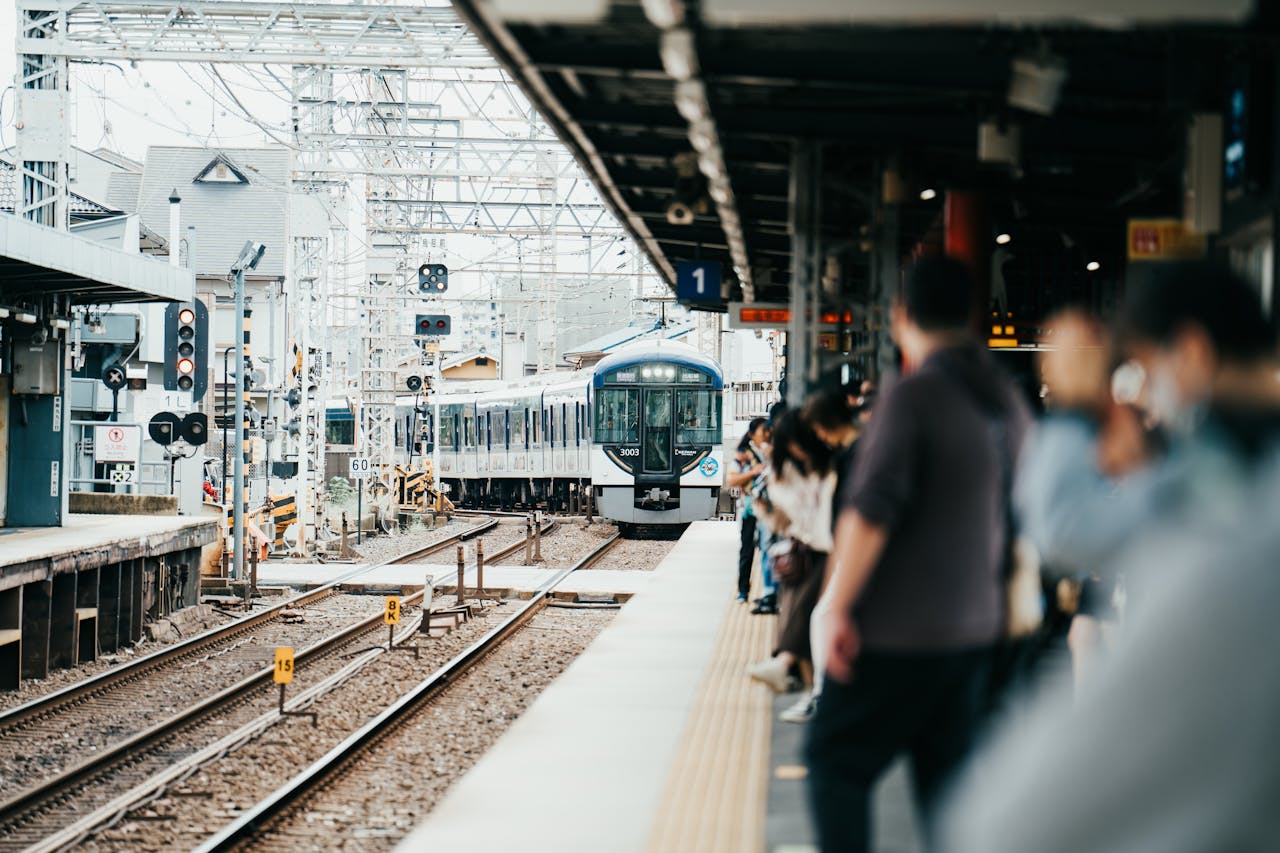
The fleet transition is landing during peak demand. Amtrak reported 34.5 million customer trips in fiscal year 2025, a record that underscored how quickly intercity rail use has recovered and expanded. Revenue also rose, showing that growth is not only crowding anecdotes but a measurable, system-wide trend in demand.
That context explains why delays and crowding trigger strong reactions right now. Riders see full platforms and packed departures, then hear about modernization and expect near-term relief. If capacity and reliability do not improve in visible ways, even a strong long-term fleet plan can feel distant to daily commuters.
Construction Disruptions Are Fueling Frustration
Rider frustration is also tied to temporary service cuts during infrastructure work. For the Portal North Bridge cutover starting Feb. 14, 2026, Amtrak and NJ TRANSIT announced multi-week reductions, including fewer Acela and Northeast Regional trains and major Keystone adjustments between Philadelphia and New York.
These cuts are tied to construction, not to Airo itself, but passengers experience them as one continuous travel reality. When crowding rises during planned engineering windows, public patience gets thinner, and modernization messaging faces a harder audience that wants stable schedules more than polished announcements.
Seat Comfort Is a Live Debate
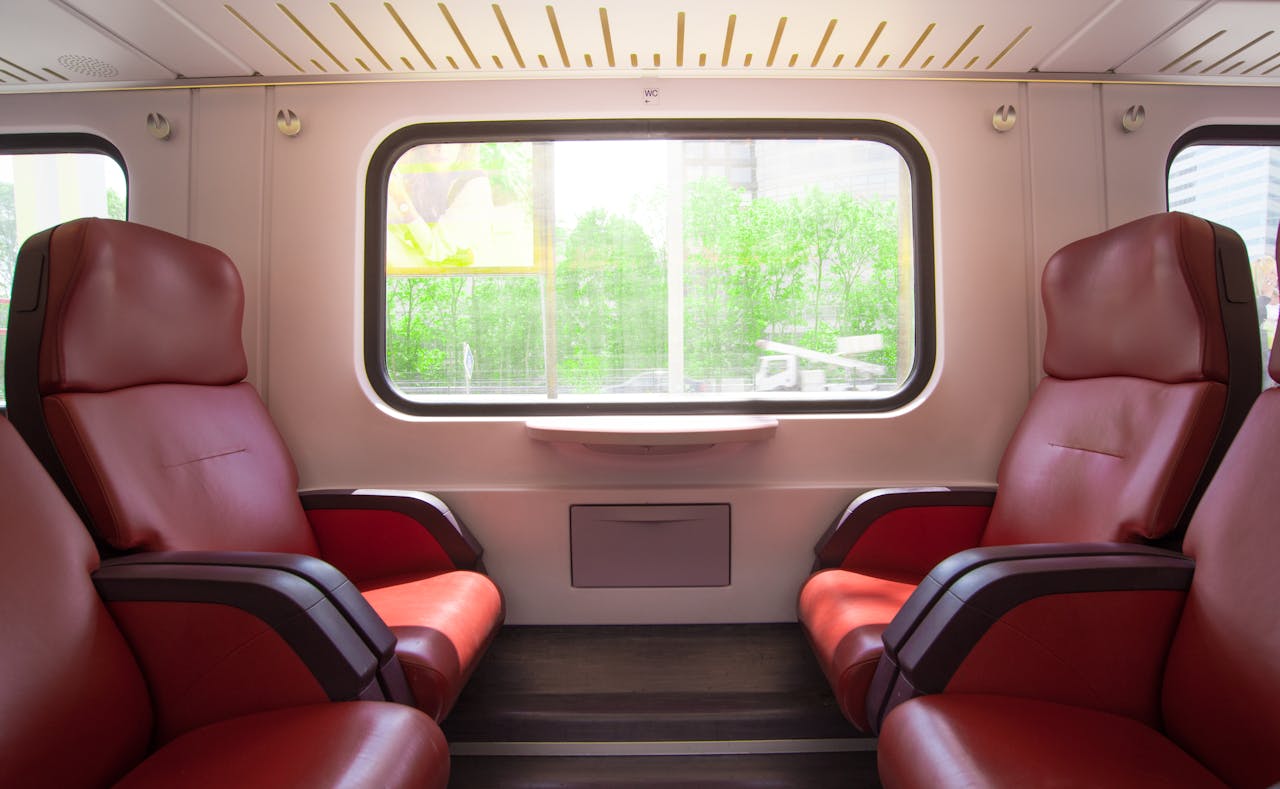
Early reviews of previewed Airo interiors have praised lighting, storage, and cabin finish, but seat comfort has drawn mixed reactions. Some reviewers noted a sliding recline mechanism that shifts the seat base forward rather than leaning fully backward, which can compress legroom for taller passengers when reclining.
That concern may sound minor, but seat ergonomics shape how people remember a trip. On rail journeys of several hours, discomfort can outweigh visual upgrades. If Amtrak wants broad enthusiasm, it will need the fundamentals to satisfy many body types, not only showcase design improvements in launch events now.
Added Capacity Could Calm Crowding Pressure
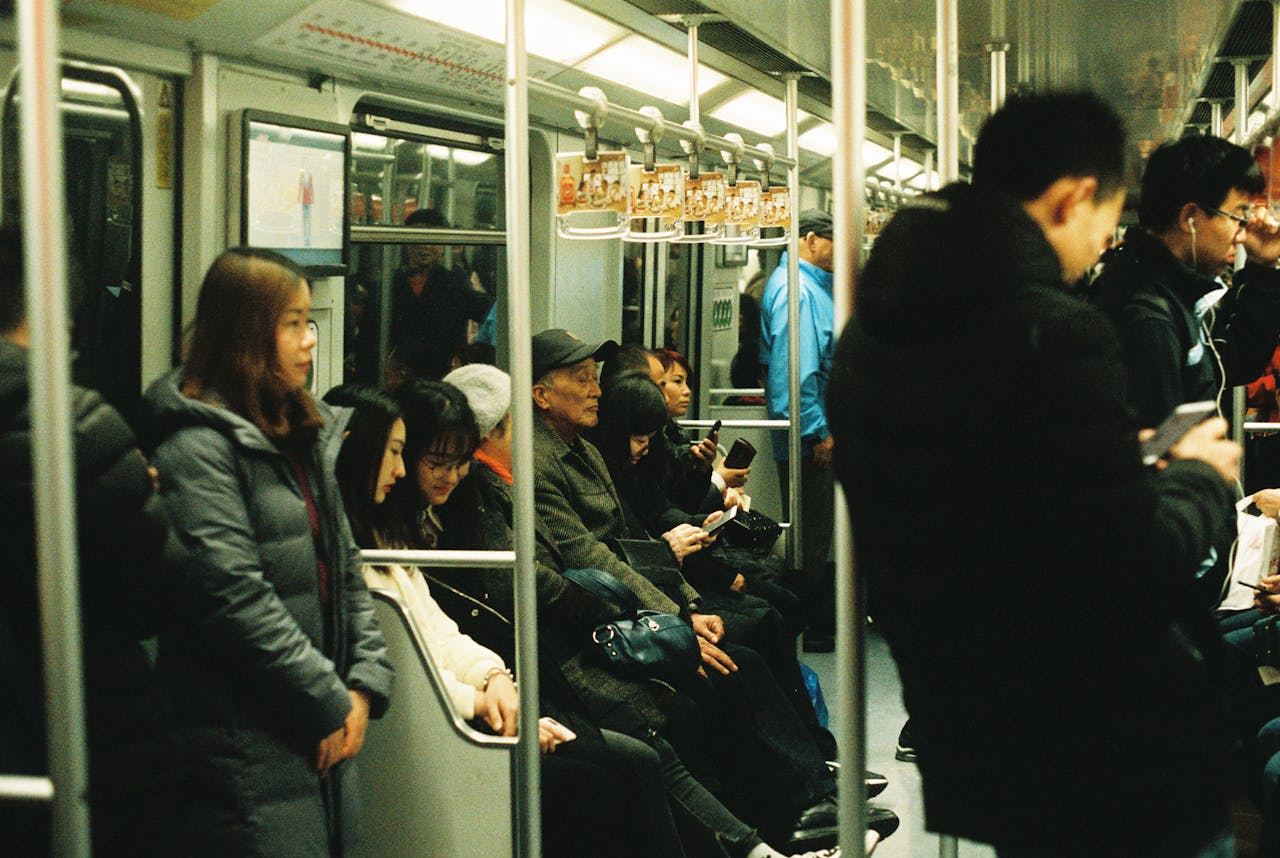
Capacity is where the strongest pro-Airo argument sits. Reporting around the Cascades introduction indicates each new train can seat up to 300 passengers, compared with roughly 168 seats on current equipment. If those numbers hold in day-to-day operation, pressure on sold-out departures could ease quickly on busy dates.
More seats can calm the emotional side of travel too. People tend to forgive minor delays when boarding is predictable and families can book together without scramble pricing. Capacity does not solve everything, but it directly addresses the crowding complaints that have fueled skepticism during this transition period.
Trust Will Hinge on Execution, Not Announcements
No rail overhaul of this size feels smooth in every phase, and riders know that. The real test is whether benefits become visible at platform level: cleaner cars, better access, steadier schedules, and fewer hard-to-book departures. Amtrak has the demand, funding support, and the equipment pipeline to make that case over time.
Public sentiment will likely stay divided until everyday trips feel easier, not just newer. If reliability improves while capacity expands, early backlash can soften into trust. If execution slips, the same rollout that looks ambitious on paper will keep facing questions from passengers who have heard promises before.